REVIEW · MILAN
Milan Hop-On Hop-Off Bus Tour with Four Routes
Book on Viator →Operated by Sightseeing Experience · Bookable on Viator
Four lines, one simple way to see Milan. I like the Line A loop for the Duomo, Castello Sforzesco, and La Scala area, and I like that the routes connect so you can mix neighborhoods without fuss. One possible drawback: some stops can be hard to find, and the audio can be uneven, so you’ll want to use the app map while you ride.
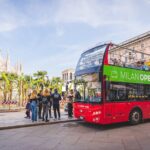
This is an open-air double-decker bus built for slow sightseeing. You get a mobile ticket, free onboard Wi‑Fi, and an audio guide in 10 languages, starting around 10:00 am, with about 1 hour 20 minutes for a full loop-style ride on a route. If you’re short on time, it’s a practical way to cover a lot of Milan without wearing out your feet on the first day.
In This Review
- Key Things That Matter Most
- First You Need a Plan: Four Color Lines, One City Rhythm
- Line A (Red) for Duomo, Castello Sforzesco, and La Scala in One Flow
- Line B (Blue) for Palazzo Lombardia, Porta Venezia, and Leonardo’s Last Supper Area
- Line C (Green) for San Siro, Monumental Cemetery, and the Fashion Radius
- Line D (Yellow) Along Navigli Canals to Brera and Montenapoleone
- 24, 48, or 72 Hours: How Much Time You Actually Need
- Onboard Tech: Wi‑Fi, Real-Time App, and 10-Language Audio
- Where You Can Lose Time: Stops, Signage, and Bus Timing Reality
- Value for $27.01: When This Bus Pass Feels Worth It
- Who This Hop-On Hop-Off Pass Fits Best
- Should You Book This Milan Hop-On Hop-Off Tour?
- FAQ
- How long is the Milan hop-on hop-off bus tour?
- What is the price per person?
- What ticket options are available?
- Are the four bus routes connected so I can switch?
- What major sights are on Line A (red)?
- Where does the tour include The Last Supper?
- Is the Milan night tour included with a 72-hour ticket?
- What’s included with the ticket?
- Do I need hotel pickup, and can I cancel for a refund?
Key Things That Matter Most
- Four connected routes (red, blue, green, yellow) let you build your own mini-itinerary.
- 24-, 48-, or 72-hour passes mean you can pace yourself instead of rushing.
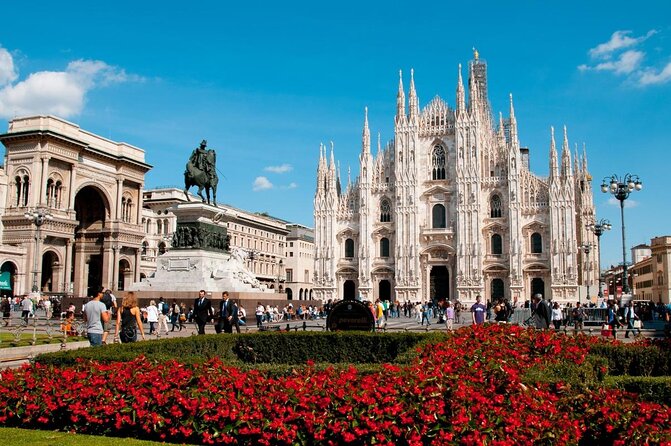
- Duomo, Castello Sforzesco, and La Scala are covered on Line A, with about a 90-minute loop.
- The Last Supper area shows up on the blue route near the Santa Maria delle Grazie church.
- Free Wi‑Fi + real-time bus app helps you track the bus instead of guessing.
- 72-hour weekend ticket (June–September) can include a Milan night tour.
First You Need a Plan: Four Color Lines, One City Rhythm
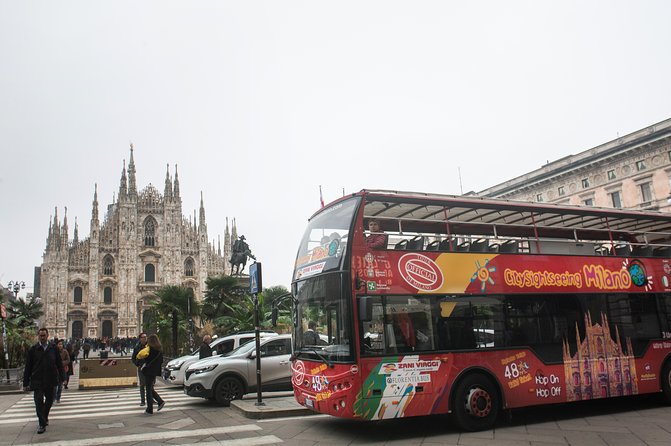
This bus tour works best when you treat it like a city circulator, not a strict checklist. The routes are color-coded and connected, which means you’re not locked into one loop. You can start on one line, hop off for 30 minutes, then transfer to another to reach a different part of Milan.
The big win is time. Milan looks compact on a map, but it’s spread out in a way that makes walking feel longer than it should. With a hop-on hop-off, you get the freedom to stop for photos, coffee, or a quick museum detour—then keep moving when you’re ready.
My simple approach: pick one “anchor area” per day, then use the bus to stitch between them. For many people, that anchor is the Duomo area (central), the canals around Navigli (west-southwest vibe), or the stadium/fashion districts (more specific but very distinct).
You can also read our reviews of more tours and experiences in Milan.


Line A (Red) for Duomo, Castello Sforzesco, and La Scala in One Flow
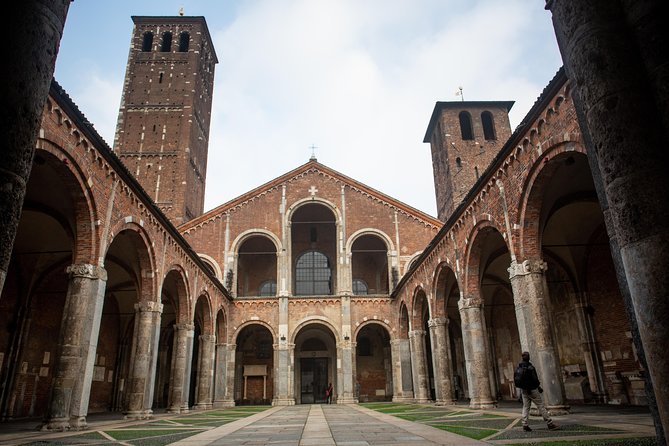
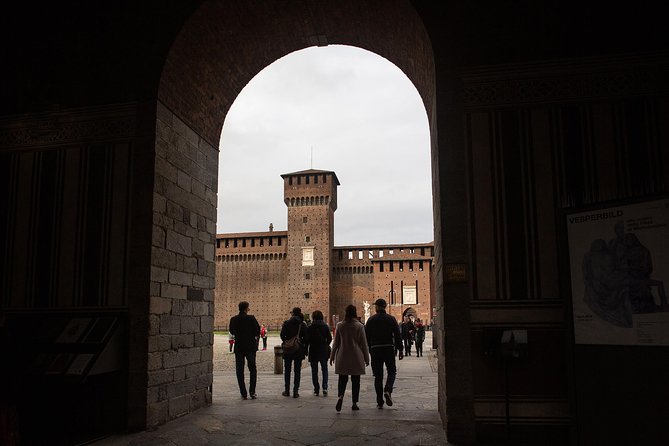
Line A is the route I’d use when you want Milan’s classic centerpiece first. It runs through the Duomo (Milan Cathedral) area, the 14th-century Castello Sforzesco neighborhood, and it also links you to the La Scala opera house zone. The full loop of Line A takes about 90 minutes, which is a nice length for a “see it, then choose what to do next” pass.
Here’s how to use Line A in a smart way:
- Start at the Duomo stop and do a full loop once, so you learn where everything sits.
- Then hop off near the places you care about most (the Duomo/Castello corridor is usually a top priority).
- Save your longer stops for later in the day when you’re not trying to make connections.
A practical detail: the Duomo stop is at Piazza del Duomo, 38. If you’re orienting yourself in Milan for the first time, being able to return to that central stop is a relief.
One consideration: even when a loop sounds perfect on paper, the bus ride can feel quick past some sights. If you want prolonged looking at facades or street details, plan on hopping off more often than you think you need.
Line B (Blue) for Palazzo Lombardia, Porta Venezia, and Leonardo’s Last Supper Area
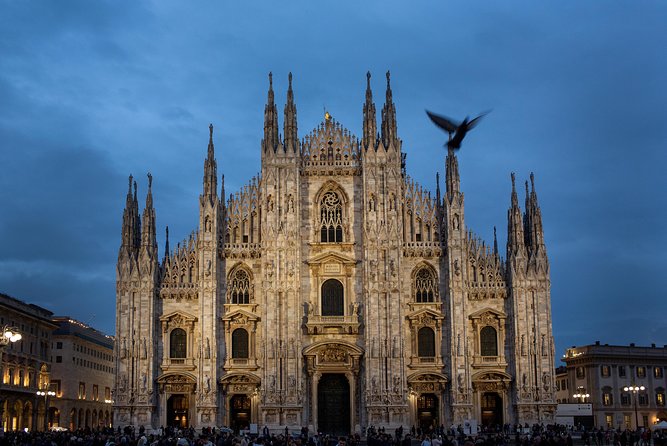
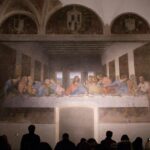
The blue route is for the more modern-and-historic mix. It connects the skyscrapers around Palazzo Lombardia, the Porta Venezia gate area, and the Santa Maria delle Grazie church area where Leonardo da Vinci’s The Last Supper fresco can be seen.
This is a good line if you want contrast: high-rise city energy on one side, and one of the world’s most famous artworks nearby on the other. It also helps if you don’t want to rely on multiple transit hops to get from downtown to the cultural sites.
A few stop reference points that can make navigation easier:
- The Palazzo Lombardia area is served on the route.
- Porta Venezia has a stop at 50&Più Porta Venezia.
- The route also reaches the central-station area (Stazione Centrale) and stops such as San Babila (Via Larga, 2 are listed) and Corso Buenos Aires (Corso Buenos Aires, 7 is listed).
Tip that saves time: if The Last Supper is on your must-see list, treat the bus as the “arrival tool” and then plan your actual timed visit separately. The bus gets you close, but the famous viewing experience usually requires its own approach.
Also, expect the experience to be more “route orientation” than in-depth storytelling. The audio is helpful, but it’s not the same as a live guide who can answer questions on the spot.
Line C (Green) for San Siro, Monumental Cemetery, and the Fashion Radius
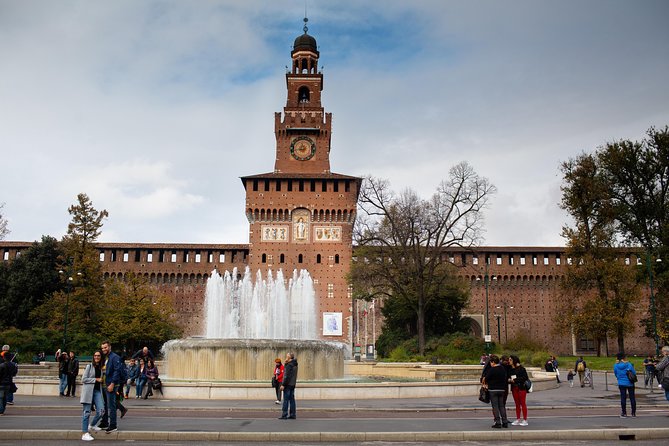
Line C focuses on the Milan most people picture only if they already know the neighborhoods. You get access to San Siro stadium (soccer) and also links to the Monumental Cemetery area. The green route also covers a stop near the shopping quarter around Via Montenapoleone, which matters if you want fashion streets without the stress of cross-town transfers.
If you’re into “big sights,” San Siro is the headline. The San Siro stop is listed at Stadio San Siro – Gate 8. That exact meeting point is helpful because it reduces the usual chaos of crowds trying to find the right curb.
How to make this line work for you:
- If you’re going to spend real time at San Siro, plan it as a dedicated block, not a quick pop-on stop.
- Pair the stadium visit with a nearby walk while you’re in that zone, instead of trying to squeeze in three unrelated stops.
One drawback to keep in mind: parts of Line C stretch farther from the tight center. That’s great for variety, but it means you may want a 2- or 3-day ticket so you can handle the “distance tax” without rushing.
Line D (Yellow) Along Navigli Canals to Brera and Montenapoleone
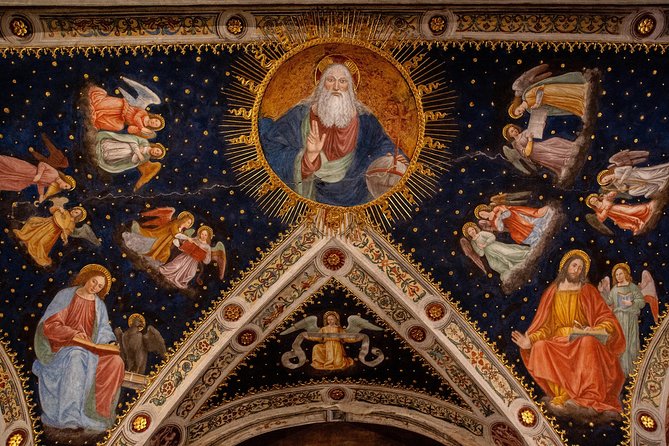
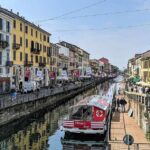
Line D is the most “Milan mood” route. It follows the canals of Navigli, passes Piazza XXIV Maggio, and continues toward the Duomo area. It also connects with Montenapoleone and Brera—two districts that feel very different from each other, but both are worth a stroll.
A couple of stop locations listed for this line that help you map your day:
- Navigli is served around Via Vigevano.
- Piazza XXIV Maggio is listed as Piazza Ventiquattro Maggio.
- Brera appears via a stop at Via Fatebenefratelli, 5.
This is the line I’d pick when you want the city to slow down. The bus gets you to the right neighborhoods, and then the real fun starts when you walk the streets and canals area yourself. If you’re the type who likes stopping for small moments—viewpoints, street corners, aperitivo time—Line D is a natural fit.
One practical consideration: bus service can wind down after the early evening. In summer there’s an option to ride at night, and that can make Navigli much more enjoyable. If you’ll be there in warmer months, plan your canal walk for when the light is best and you still have bus flexibility.




24, 48, or 72 Hours: How Much Time You Actually Need
The pass options are 24-, 48-, or 72-hour tickets. Since the routes connect, your ticket length is mostly about how many “anchor areas” you want in one trip.
Here’s a realistic way to match your ticket to your style:
- 24 hours: Best if you want the highlights and one “extra neighborhood.” Think Duomo + one cross-city detour.
- 48 hours: The sweet spot for doing two different districts well. Example: center highlights plus canals, or center plus San Siro area.
- 72 hours: Best if you want to repeat routes, revisit a neighborhood, and not treat every stop like a deadline.
Now the special bonus: the 72-hour weekend ticket includes a Milan Night Tour, valid for the weekend (Saturday and Sunday) in June to September. If your dates fit that window, the 72-hour option can feel like better value because you’re not just buying bus rides—you’re adding an extra nighttime experience.
One more note: the bus tour can be helpful even on day one, but the app helps you unlock the real flexibility. If you show up without checking the route plan, you may end up walking more than you wanted.
Onboard Tech: Wi‑Fi, Real-Time App, and 10-Language Audio
This tour is set up for self-guided sightseeing with support tools. You get free Wi‑Fi on board and an onboard audio guide available in 10 languages. There’s also a mobile app that shows where the buses are in real time.
If you’re the type who likes to feel confident before you move, use the app early. It cuts down the stress of finding the right curb and waiting for the correct line. It’s also the best antidote to any unclear announcements from the driver.
Audio guide caution (based on real-world quirks you can plan around):
- Some seats may have audio issues, including headphone jacks not working.
- The audio can feel out of sync at times.
- You might need to move seats to get the cleanest sound.
So, my practical advice is simple: don’t bet your day on getting audio from a single seat. If the volume or signal is bad, switch spots. Also, consider bringing your own headphones so you’re not stuck if the bus’s setup is finicky.
The buses are open-air double-deckers. That’s fun for views, but it also means sound can be less consistent than you’d expect. If you need audio, be ready to adjust how you listen.
Where You Can Lose Time: Stops, Signage, and Bus Timing Reality
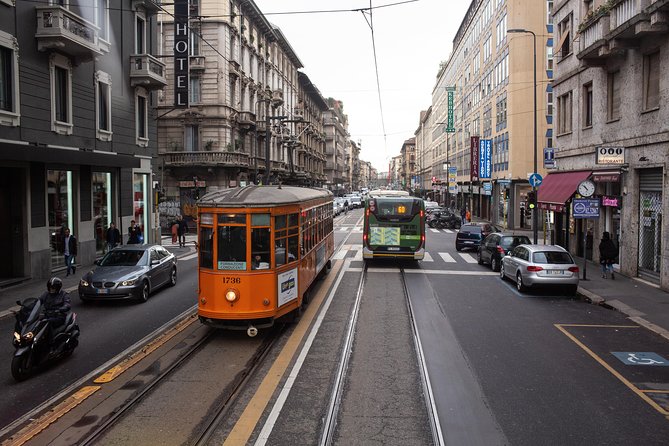
The route network is broad, with more than 30 combined stops. That sounds excellent, and it usually is—but the “more stops” approach can create a new challenge: you have to find the right stop at the right time.
A common friction point is stop-finding. Some stops are easy to spot, and others take a bit of effort. The best fix is to use the app and match the bus line color to what you see outside, rather than trusting memory.
Also, the gaps between buses can feel just long enough to make you question the schedule—especially if you arrive during slower periods of the day. When that happens, don’t assume every line will arrive when you want. Use the app to decide whether to wait, walk one extra block, or switch to another line.
And yes, the bus ride itself can be bumpy. If you’ll be seated for a while, hold onto the rail when turning or braking. It’s not dramatic, but it’s enough that you’ll feel it in your body after a couple stops.
One more “bring your own sanity” note: there’s no mention of food or drinks included. Pack water, and plan meals around your sightseeing windows instead of expecting a mid-route reset.
Value for $27.01: When This Bus Pass Feels Worth It
At about $27.01 per person for this option, the value comes from two things: coverage and flexibility. You’re not paying just for one attraction. You’re paying to move through Milan efficiently while keeping your day flexible.
A bus pass like this is worth it when:
- You want to see a lot quickly without committing to guided tours for every stop.
- You’d rather spend time walking in the most interesting areas, not figuring out transit between far-apart neighborhoods.
- You’re traveling with a group who might split interests for short breaks.
It’s less worth it when:
- You’re only interested in one or two sights and you already know the transit system well.
- You hate waiting for buses and you’re hoping for constant, perfectly timed arrivals.
- You require detailed narration at every stop and depend on the audio working flawlessly from any seat.
If you’re on the fence, think about your “day shape.” If you want a calm, stop-when-you-feel-like-it rhythm, this bus tour is built for that.
Who This Hop-On Hop-Off Pass Fits Best
This tour is a solid choice for first-timers who want to build confidence in Milan fast. It’s also good if you’re juggling “big landmarks” (Duomo, Castello Sforzesco, La Scala area, San Siro) and “neighborhood wandering” (Navigli, Brera, Montenapoleone).
It’s also useful if you prefer to rest your legs between sightseeing blocks. The design is simple: sit, ride, hop off, walk a bit, then get back on.
If you’re a hardcore walker with a tight plan and you enjoy hopping between transit lines, you can probably do Milan without this bus. But if you want an easy spine for your day, the route network is the real selling point.
Should You Book This Milan Hop-On Hop-Off Tour?
Book it if you want an easy way to connect Milan’s top zones—especially if you’ll be moving between the Duomo/Castello core, Leonardo’s Last Supper area, and the canal-and-Brera side. The connected routes and flexible ticket length make it low-pressure, even if your plan changes.
Skip it or keep expectations modest if you’re expecting a high-touch guided experience. The narration is audio-based, and practical issues like stop-finding, occasional audio glitches, and seat sound quality can affect how “guided” it feels. Also plan for the evening: service can thin out after early night hours, with summer night riding options available.
My bottom-line take: if you’re smart about using the app and you treat it as transportation plus orientation, this bus pass is a good value for seeing a lot of Milan without over-planning every step.
FAQ
How long is the Milan hop-on hop-off bus tour?
The tour duration is listed as about 1 hour 20 minutes (approx.).
What is the price per person?
The price shown is $27.01 per person.
What ticket options are available?
You can choose 24-, 48-, or 72-hour tickets.
Are the four bus routes connected so I can switch?
Yes. The four routes are connected, and you can switch between them to cover more ground.
What major sights are on Line A (red)?
Line A includes the Duomo, Castello Sforzesco, and the La Scala opera house area. The full loop of Line A takes about 90 minutes.
Where does the tour include The Last Supper?
The blue route includes Santa Maria delle Grazie church, where Leonardo da Vinci’s The Last Supper fresco can be seen.
Is the Milan night tour included with a 72-hour ticket?
Yes. A 72-hour weekend ticket includes a Milan Night Tour, valid for the weekend (Saturday and Sunday) from June to September.
What’s included with the ticket?
You get a mobile ticket experience, free Wi‑Fi onboard, an app for real-time bus location, and an audio guide on board in 10 languages.
Do I need hotel pickup, and can I cancel for a refund?
Hotel pickup and drop-off are not included. Cancellation is free, and you can cancel up to 24 hours in advance for a full refund.