REVIEW · ROME
Sistine Chapel and Vatican Museums Skip-the-line Ticket
Book on GetYourGuide →Operated by CityRomeTours · Bookable on GetYourGuide
Skip the lines; save your energy. This ticket is interesting because it gives you fast-track entry into the Vatican Museums so you can spend your limited time on the real hits, including Michelangelo’s Sistine Chapel ceiling. I also like that the route is planned around big, recognizable rooms—think Belvedere and the Pinecone Courtyard—so you’re not wandering aimlessly while the clock ticks.
The main drawback to plan for: this isn’t a true guided tour in the classic sense. The host gets you to the right spot and you explore on your own afterward, which can feel a little head-spinning if you like a lot of explanation.
In This Review
- Key things to know before you go
- What you’re really buying: Vatican “skip-the-line” in real life
- Timing and group size: why 2–2.5 hours can work
- Getting there: security, meeting points, and the first 10 minutes
- Vatican Museums highlights: the big rooms you’ll want on your route
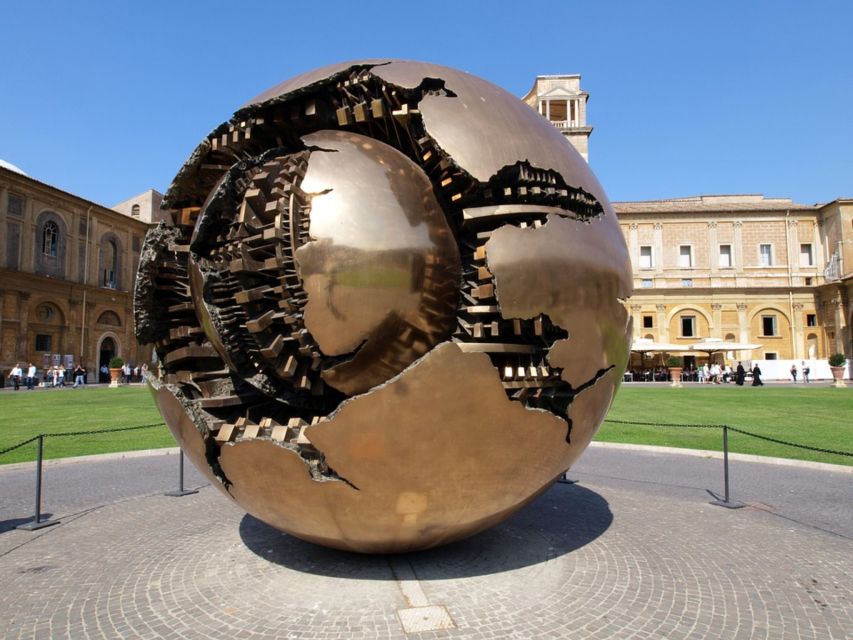
- Belvedere and the Pinecone Courtyard
- Gallery of the Maps and Danti’s 1583 charts
- The Pio Clementino Museum halls (Greek Cross Hall, statuary areas, and Muses)
- The carriage history stop (Carriage Pavilion)
- A quick word on the weaving-area connection from the Round Room
- Raphael Rooms and High Renaissance paintings: what to look for
- Sistine Chapel: the ceiling you came for, plus the reality of crowds
- Price and value: is this worth $62.63 for you?
- The logistics that can make or break your day
- Who this skip-the-line ticket suits best
- Should you book this Vatican Museums + Sistine Chapel skip ticket?
- FAQ
- What does the ticket include?
- Does this ticket include St. Peter’s Basilica?
- How long does the experience take?
- Is a tour guide included?
- What language is the host/greeter?
- Are there wheelchair accommodations?
- Is security required before entry?
- Can I bring a stroller or large bag?
- What’s the cancellation policy?
- Where do I meet the host?
Key things to know before you go
- Fast-track is mostly about entry speed. You may still wait briefly inside, but you avoid the worst ticket bottlenecks.
- You’re escorted, not taught. Expect an English host/greeter to get you in, then self-guided museum time.
- The route hits multiple signature areas. Belvedere, Pinecone Courtyard, Gallery of the Maps, plus classic museum halls.
- You get the Sistine Chapel access too. The final payoff is the ceiling frescoes you’ve seen in every book.
- Meeting points can feel unclear. The exchange location can be a shopfront and it varies by option.
- Security is non-negotiable. Airport-style checks are part of the deal.
What you’re really buying: Vatican “skip-the-line” in real life
At $62.63 per person, this ticket isn’t cheap. You’re paying for one thing: less waiting at the start. The Vatican is famous for long queues, and timed entry can be tricky. This offer aims to reduce the most frustrating part—standing around while everyone else tries to figure out where to go and what to do first.
Here’s the honest expectation: “skip the line” here usually means you skip the worst ticketing line and enter through a fast lane, not that you walk straight in with zero delays. In practice, you may still move through an organized entry process, just faster and with less confusion.
The other big “value lever” is time. The activity is listed at 2 to 2.5 hours, and that matters. The Vatican Museums are huge, so a short, focused visit is actually a smart match for many schedules—especially if you’re combining this with other Rome plans.
You can also read our reviews of more tours and experiences in Rome.
Timing and group size: why 2–2.5 hours can work
This experience runs about 2 to 2.5 hours, and starting times depend on availability. That short window pushes you toward a strategy: pick highlights and enjoy them deeply, rather than trying to “see everything” and ending up tired and disappointed.
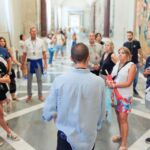
A small group is part of the package. Smaller groups tend to be easier to manage during the initial rush—where most people feel stress—so you can get your bearings faster once you’re inside.
Also note the language setup: the host/greeter is English. You’re not getting a long, full narration. Instead, think of this as a guided hand at the beginning, then your own pace for the art you actually care about.
Getting there: security, meeting points, and the first 10 minutes
All visitors go through airport-style security. That’s true for virtually every major Vatican entry, so plan your mindset accordingly. You can’t treat this like a casual walk-in museum.
The meeting point may vary depending on the option booked, and that’s where stress can creep in. One traveler experience in the material described a meet-up that involved locating a shopfront (one example given was shop No. 5). If you’re prone to arriving late or arriving with zero phone signal, you’ll want a little buffer.
A practical move: arrive early enough to handle the security process and still be calm about where to exchange/check in. One account described confusion at arrival because the area was not open at the exact booking time, followed by assistance from people nearby until the process began. That’s a reminder that Rome time can be flexible and entry points can look closed even when your slot is soon.
Once the host checks you in, the pace usually becomes straightforward: you get the ticket info, then you’re guided to the correct entrance flow. The best-case experience is quick and orderly, with minimal waiting before you’re actually in the museums.
Vatican Museums highlights: the big rooms you’ll want on your route
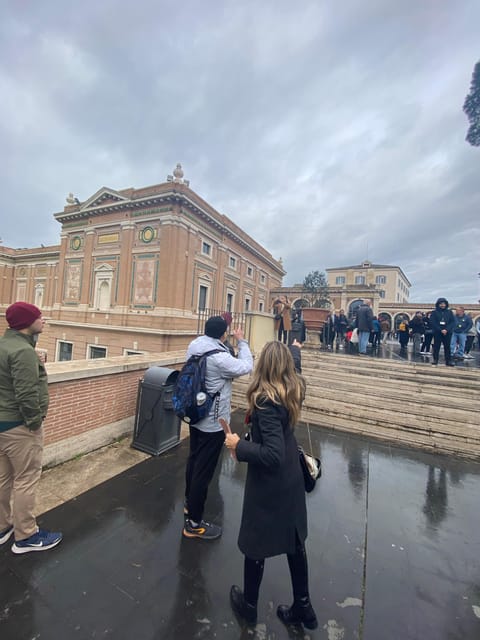
The Vatican Museums can feel like a maze, even when you have a map app. That’s why I like that this ticket is oriented around distinct “anchor” stops, not vague promises.
Belvedere and the Pinecone Courtyard
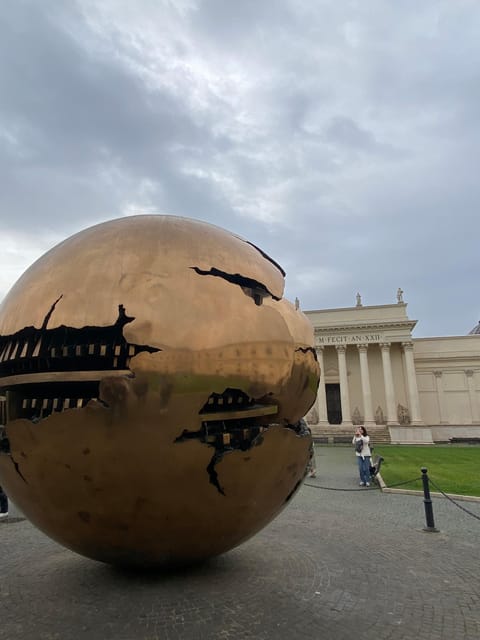
Belvedere and the Pinecone Courtyard are the kind of spaces that help you reset your expectations. These are not tiny rooms—you notice the scale right away. Even if you only spend short time here, you’ll feel the Vatican Museums’ rhythm: wide halls, big stone, and the sense that you’re moving through an art collection that was designed for public spectacle.

Gallery of the Maps and Danti’s 1583 charts
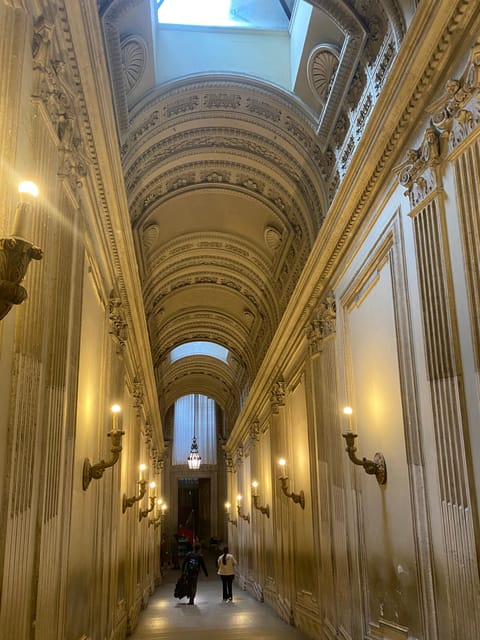
If you like details and specific history, this is a highlight worth your attention. The Gallery of the Maps features Danti’s topographical charts of Italy from 1583, displayed throughout the room. It’s a different kind of “museum art,” where cartography becomes visual storytelling.
What I like about this stop: it gives your eyes a break from famous painting cycles and fresco legends. You’re still in the Vatican, still surrounded by curated displays, but the subject matter shifts to geography—so your brain gets a second kind of enjoyment.
The Pio Clementino Museum halls (Greek Cross Hall, statuary areas, and Muses)
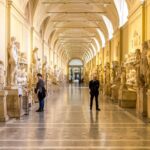
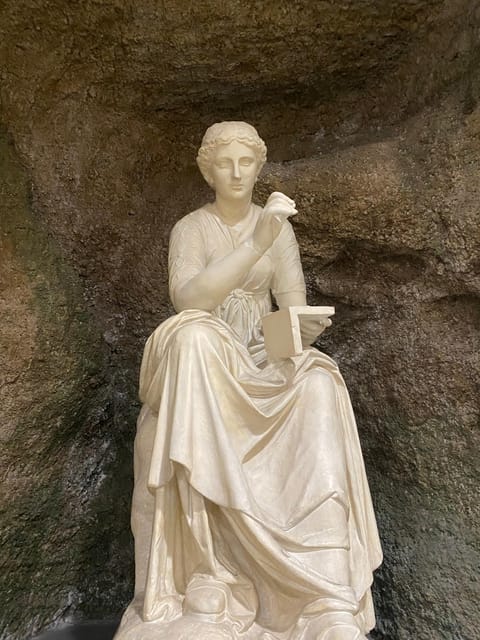
The route can include spaces within the Pio Clementino Museum, including the Greek Cross Hall, the Gallery of the Statues, and the Hall of the Muses. That spread matters. Instead of only chasing fresco ceilings, you also get sculpture-focused spaces and rooms meant for dramatic viewing.
If you’re the type who likes to see how different art forms “fit” in a single complex, these halls help connect the dots between Renaissance painting and earlier classical display traditions.
The carriage history stop (Carriage Pavilion)
The Carriage Pavilion is a fun curveball: former ceremonial carriages. It’s not what most people picture before arriving, but that’s exactly why it works. It adds context to the Vatican as more than sacred art—it was also a stage for ceremonies and power.
Even if you don’t spend long here, it can change the mood of your visit from pure reverence to curiosity.
A quick word on the weaving-area connection from the Round Room
The information also notes that one gallery connected by foot from the Round Room is part of the available route. This is useful if you want variety beyond paintings and sculpture. Just keep in mind you’re self-guiding through those spaces, so you’ll need to pay attention to what’s open and where signage takes you.
Raphael Rooms and High Renaissance paintings: what to look for
The Raphael Rooms are where a lot of people feel that classic “wow” moment. These are associated with the Vatican’s High Renaissance paintings, and they’re exactly the kind of rooms that can make you slow down even when you’re trying to keep a schedule.
I recommend you treat this area as your “quality time” stop. Spend a few minutes standing still rather than walking past quickly. In rooms like these, the best view is often the one you earn by slowing your pace—your eyes adjust and details start snapping into place.
There’s no tour guide included in this ticket, so your success depends on your own attention span and curiosity. If you’re the sort of visitor who reads a few captions and then looks up at the ceiling again, you’ll do great here.
Sistine Chapel: the ceiling you came for, plus the reality of crowds
The ticket includes entrance to the Sistine Chapel, which is the big reason to book. This is the moment most people picture: Michelangelo’s ceiling frescoes.
You can expect the ceiling to feature major names highlighted in the information: frescoes by Botticelli, Rosselli, Perugino, and the world-famous Michelangelo’s ceiling.
Two practical tips for making the most of it:
- Plan for a “sit and stare” feeling. People underestimate how long they end up standing inside because it’s hard to stop looking once you find a section that clicks.
- Give yourself mental permission to be imperfect. Even with timed entry, the Sistine Chapel is a controlled, busy environment. You might not see every panel clearly, but you can still enjoy the overall experience and the specific scenes your eyes catch.
Also, remember: the ticket explicitly does not include St. Peter’s Basilica. If your plan includes St. Peter’s, you’ll need separate entry and time.
Price and value: is this worth $62.63 for you?
Let’s talk value without fairy dust. At $62.63, you’re mostly paying for:
- Fast-track admission (so you spend less time at the beginning)
- Entry into the Vatican Museums
- Entry into the Sistine Chapel
- An English host/greeter to get you onto the correct path
If you’re traveling on a tight schedule and you’re not excited about navigating lines and exchange points by yourself, this is likely worth it. The money isn’t buying an all-day guide; it’s buying relief from the worst logistics.
Where it can feel less valuable is if you strongly want a narrated explanation of every major stop. This is not set up that way. Several accounts in the material described it as more of a skip-in-then-go experience than a full guided museum tour. If you want commentary, you may need to rely on self-guides (like audio options available inside the museum).
One account mentioned buying an audio guide inside the Vatican for 8 euro. That’s not included in the ticket, but it’s a useful strategy if you want explanations without paying for a full guided tour.
The logistics that can make or break your day
Here are the “gotchas” that matter for planning:
- No baby strollers and no luggage or large bags are allowed. Pack light.
- Not suitable for wheelchair users. Plan alternate arrangements if mobility access is a concern.
- Cancellation is non-refundable. If you’re the type to worry about weather or schedule changes, you’ll want backup timing in your Rome itinerary.
- You’re in a museum complex where crowd flow affects what you can realistically see in 2–2.5 hours.
This is why I think a small-group, fast-entry ticket can be a smart move: it protects your time so you can spend it in the spaces that actually matter to you.
Who this skip-the-line ticket suits best
This works best if you:
- Want Sistine Chapel access without getting stuck in ticket queues
- Prefer to explore at your own pace rather than follow a full guide narrative
- Have limited time and want a route that includes Maps, Belvedere/Pinecone Courtyard, and major museum halls
- Like the idea of an English host/greeter handling the hardest early steps
It may be a weaker fit if you:
- Need a detailed guide explanation for every room
- Get easily overwhelmed by finding the check-in point and entry gates (because the “guided” portion is mainly logistical)
- Are planning to add St. Peter’s Basilica on the same ticket—this one won’t cover it
Should you book this Vatican Museums + Sistine Chapel skip ticket?
I’d book it if your top goals are simple: get in fast, hit the major museum anchors, and then make it to the Sistine Chapel ceiling without wasting hours in the wrong lines.
Skip it if you’re hoping for a narrated tour covering every room, or if your schedule is so flexible that you’d rather buy at the last moment without committing. Since the ticket is non-refundable, give yourself enough confidence in your travel timing.
Bottom line: for many people, this is a practical way to buy back time in a place that eats it. You pay to reduce stress at the entrance, then you do the fun part—choosing what to linger over inside.
FAQ
What does the ticket include?
It includes fast-track admission, entrance to the Vatican Museums, and entrance to the Sistine Chapel.
Does this ticket include St. Peter’s Basilica?
No. Access to St. Peter’s Basilica is not included.
How long does the experience take?
The duration is listed as 2 to 2.5 hours, depending on the starting time you choose.
Is a tour guide included?
A tour guide is not included. You’ll have an English host/greeter to help with the start.
What language is the host/greeter?
The host/greeter is available in English.
Are there wheelchair accommodations?
This activity is not suitable for wheelchair users.
Is security required before entry?
Yes. All visitors must pass through airport-style security.
Can I bring a stroller or large bag?
No baby strollers are allowed, and luggage or large bags are not allowed.
What’s the cancellation policy?
It is non-refundable.
Where do I meet the host?
The meeting point may vary depending on the option booked, and the activity ends back at the meeting point.