REVIEW · ROME
Rome: Trastevere Guided Food and Wine Tour with 20+ Tastings
Book on GetYourGuide →Operated by The Roman Food Tour · Bookable on GetYourGuide
Rome can feel like a blur of sights. This Trastevere food and wine tour gives you something concrete to hold onto: 20+ tastings over about 4 hours. I like the focus on real Roman eating—street-to-sit-down—so you get a flow of flavors instead of random samples. I also like that you learn while you eat, from a 30-year aged balsamic moment to an end-of-tour gelato check.
One thing to consider: you’ll leave full. If you’re the type who hates standing, or you prefer light snacks only, this is more of a feast than a stroll.
In This Review
- Quick hits you should care about
- Why Trastevere is the right neighborhood for a food tour
- Starting at Trapizzino: build your own Roman trapizzino
- What to watch for at the start
- Salumeria stop: the 30-year balsamic and truffle-heavy cheese lineup
- Why this stop is valuable (even if you think you already know Italian food)
- The pasta and wood-fired pizza dinner: where Rome shows off
- What could be a drawback here?
- Dessert and gelato: learning to spot real gelato
- A practical tip
- Walking pace, timing, and what to bring for a 4-hour feast
- Price and value: does $146.14 make sense?
- Who this tour is best for
- If you should book: my honest call
- FAQ
- How long is the Rome Trastevere guided food and wine tour?
- Where does the tour start and where does it end?
- How many tastings are included?
- Is wine included?
- What types of food will I try?
- What should I bring?
- Is the tour in English and is it wheelchair accessible?
- Is hotel pickup included and can I cancel for free?
Quick hits you should care about
- Trapizzino start: you build your own Roman street bite and choose from classic to gourmet fillings
- Four venues, 20+ tastings: multiple short stops so you keep moving without feeling rushed
- Wine that actually shows up: a DOCG Chianti glass paired with salumi and cheese highlights
- 30-year balsamic lesson: aged balsamic drizzled over Parmigiano Reggiano with a real flavor payoff
- Wood-oven pizza + fresh pasta dinner: a proper sit-down meal, not just nibbles
- Gelato “real or not” tips: flavors like pistacchio from Sicily and limone from the Amalfi Coast
Why Trastevere is the right neighborhood for a food tour
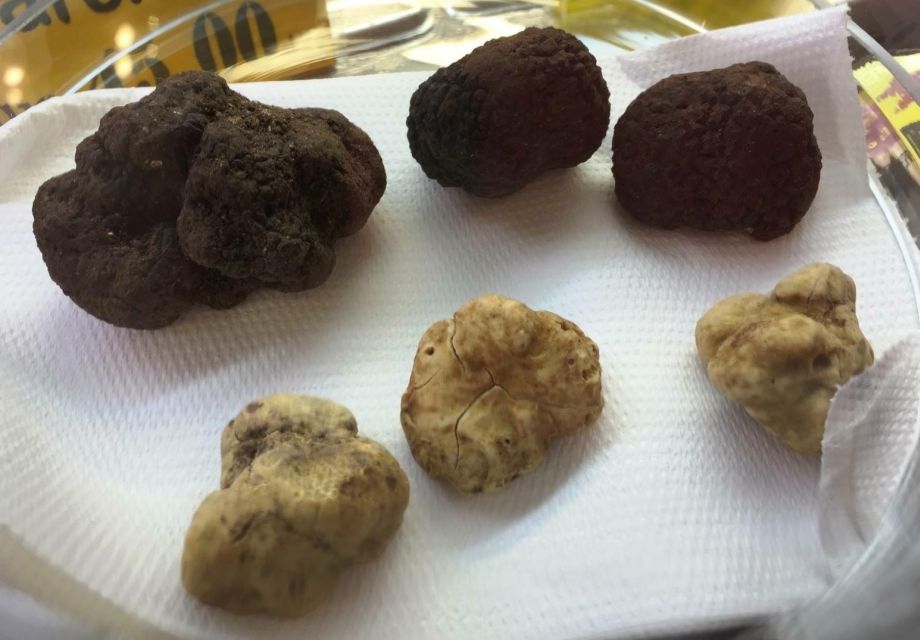
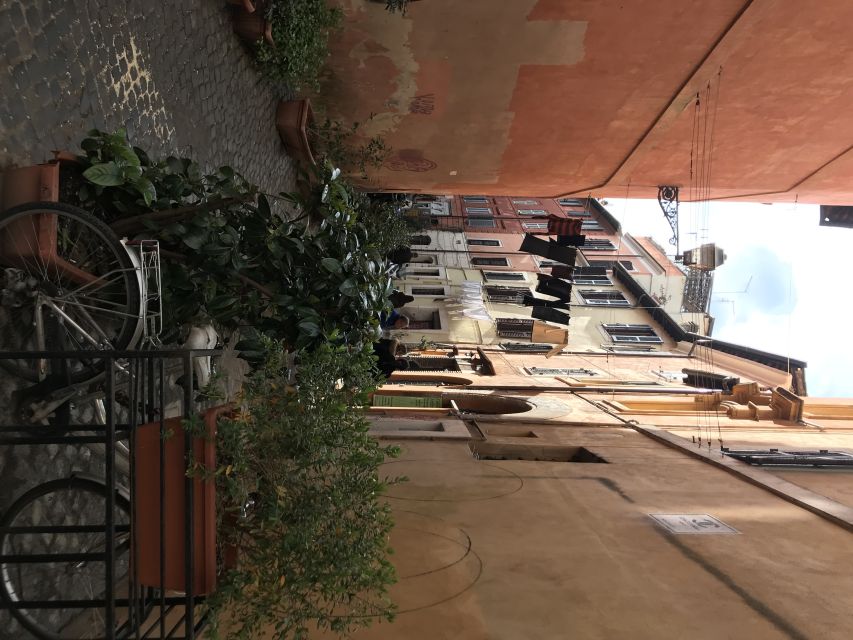
Trastevere is where Rome feels less like a postcard and more like people live here. The streets are narrow, the vibe is casual, and the dining choices range from quick bites to proper neighborhood meals. On this tour, that matters because it keeps the food logic simple: you’re not just chasing famous dishes—you’re tasting how Romans actually snack, sip, and sit down.
At Piazza Trilussa, 46, the tour starts with a street-food mentality and then builds into a seated meal. That mix is why I think this works so well for first-timers: you get variety without needing to plan six different stops on your own. And because the tour runs as a guided walk through 4 local venues, you spend your energy eating instead of figuring out where to go next.
You can also read our reviews of more tours and experiences in Rome.



Starting at Trapizzino: build your own Roman trapizzino
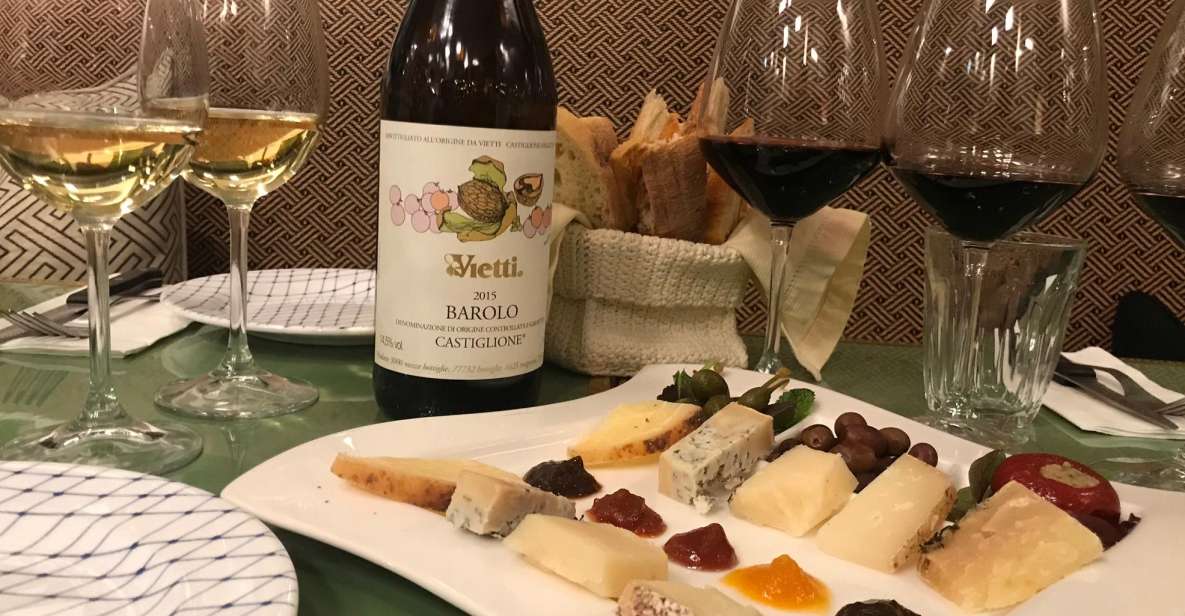
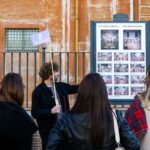
Your tour begins at Trapizzino, with the guide meeting you outside the shop at Piazza Trilussa, 46. The first tasting is a hands-on one: you create your own trapizzino, a Roman hybrid that looks like a slice of pizza but eats like a pocket.
This is the stop where you’ll set your tone for the whole tour. You pick a filling from Roman classics plus more modern upgrades. Some of the options listed include burrata and anchovies, artichokes, Roman oxtail stew, parmigiana di melanzane, meatballs, and more. Then you pair it with fine wine or craft beer, which is a nice way to ease into the evening (or lunch) pacing.
What to watch for at the start
If you’re deciding between daring and safe, remember this: the later stops go deeper into specific ingredients—truffles, balsamic aging, cheeses, and cured meats. So if you want to sample more across the tour, you might choose one filling that feels very Roman and saves your most experimental cravings for later tastings.
Salumeria stop: the 30-year balsamic and truffle-heavy cheese lineup
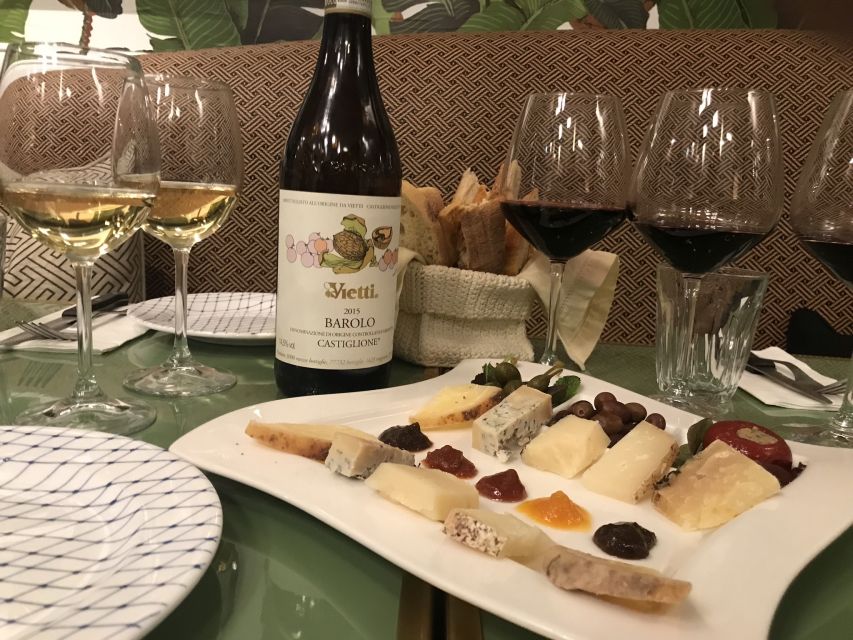
Next up is an award-winning salumeria style stop, where the tour leans hard into the classic Roman “small plates” world: cheese, cured meats, olive oil, bread, and the kind of ingredient details you usually only notice if you’re dining with a local.
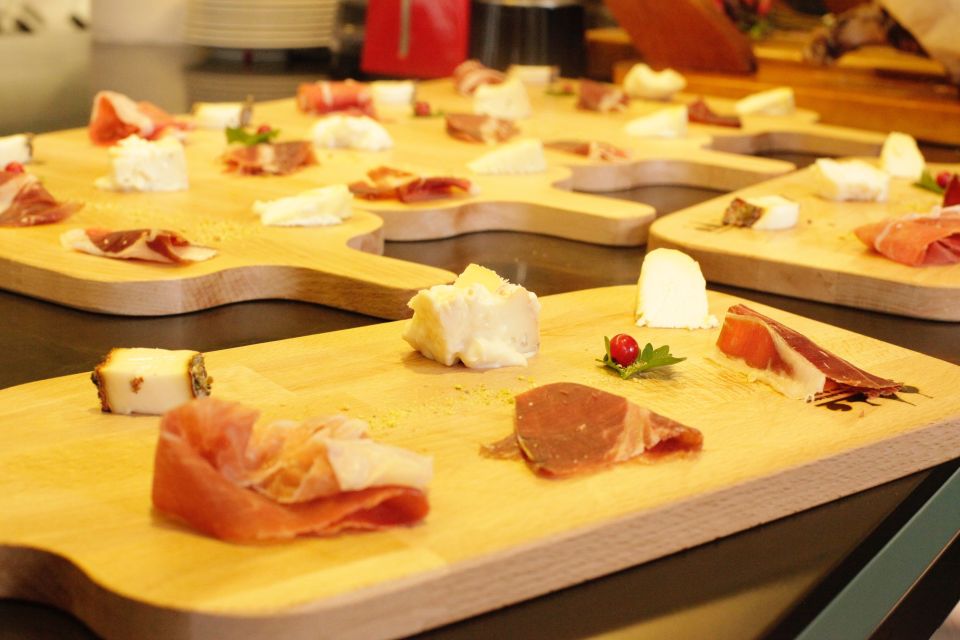
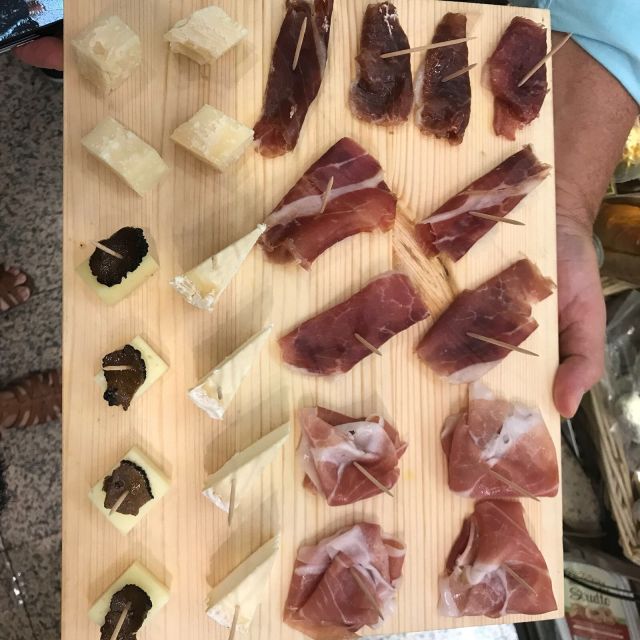
A standout pairing here is the traditional Balsamic Vinegar from Reggio Emilia, aged 30 years, drizzled over Parmigiano Reggiano DOP aged 36 months. That’s not a random flex—age changes everything. Older balsamic turns from sharp sweetness into something rounder and deeper, and aged Parmigiano has that nutty, savory pull that doesn’t need much help.
You also get to taste fresh bufalo mozzarella from Naples with sun dried tomatoes, plus Prosciutto di Parma aged 24 months. There’s also a spread of more specific items like Filettuccio al Barolo, and a couple of truffle-forward bites such as ricotta with white truffle infused honey and caciotta with pure black truffle pâté.
To balance all the dairy and cured meat, you’ll see bread-based tastings too: bruschette with extra virgin olive oil DOP, plus pesto variations and Parmigiano with truffle cream. This is also where the tour brings in wine: you’ll get a glass of DOCG Chianti to complement the flavors.
Why this stop is valuable (even if you think you already know Italian food)
This is the part that teaches your palate new reference points. If you’ve eaten Italian in other countries, you’ve likely tasted cheese and balsamic—but aging specifics and ingredient combinations are what make this feel different. Even better, the tastings are broken into manageable pieces, so you can pay attention instead of just bulldozing through food.




The pasta and wood-fired pizza dinner: where Rome shows off
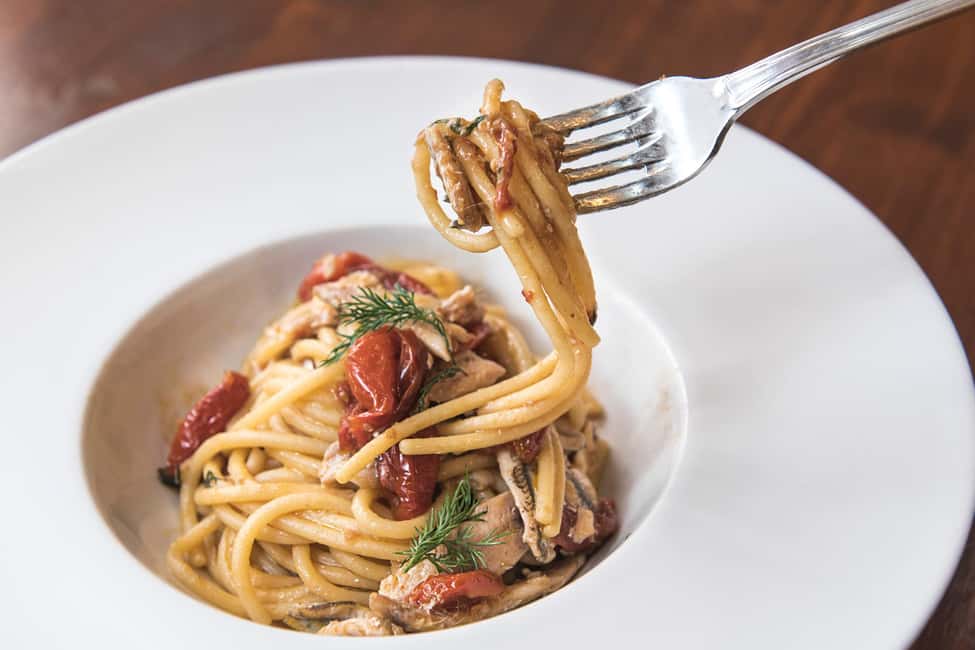
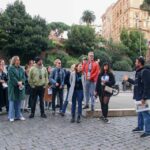
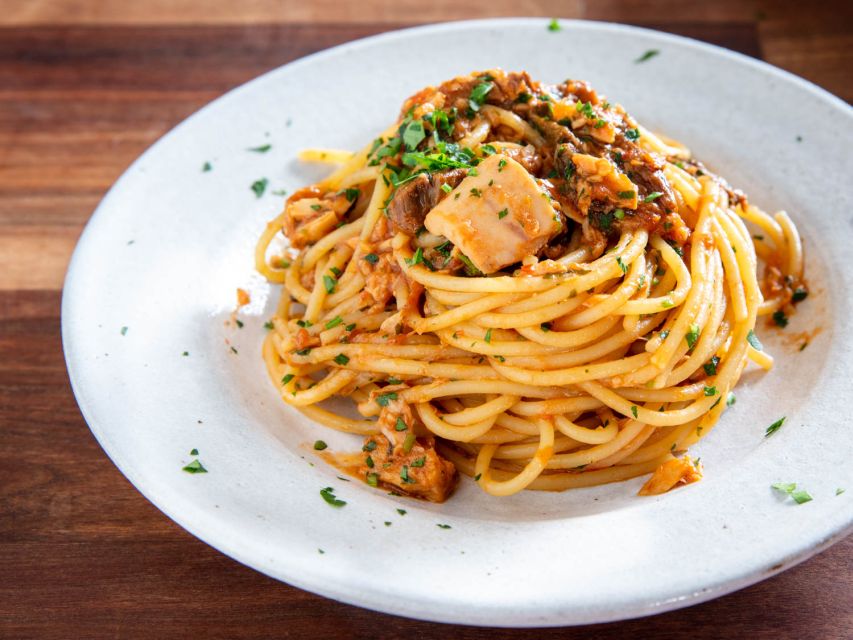
After the salumeria-focused stop, you head to a local favorite restaurant for the heavier hitters: homemade fresh pasta and wood-oven pizza. The pizza here is from the oldest wood-fired oven in the area, which is exactly the sort of detail worth caring about. A wood-fired oven changes the tempo of cooking and the way the dough ends up—lighter blistering, different char notes, and that “real oven” smell that hits you before the first bite.
This meal is also paired with fine wine, and it’s built as your main sit-down segment: the tour lists a 1-hour dinner window at the local restaurant.
What could be a drawback here?
Because this is a dinner stop, it can be the point where you feel the most full. If you’re sensitive to heavy meals, pace yourself. Take smaller bites early, drink water between sips, and save your favorite flavors for last.
Dessert and gelato: learning to spot real gelato
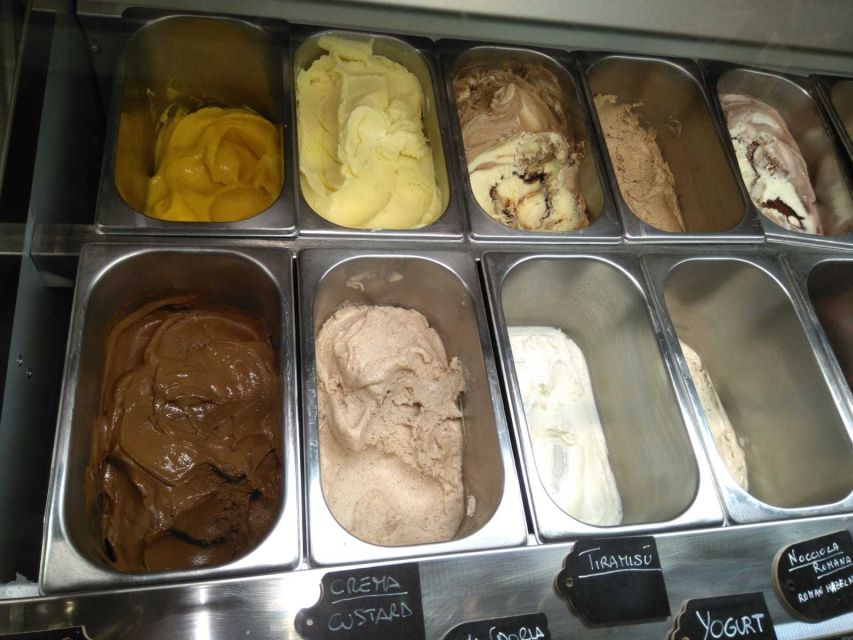
The tour finishes with a sweet stop that includes dessert time (around 35 minutes) and an end at an artisanal gelateria. This is where you get the “how to spot real gelato” lesson, not just a random scoop. You’ll taste flavors including pistacchio from Sicily and limone from the Amalfi Coast.
This last stage matters because it turns the entire tour into a kind of training exercise for your senses. After wine, cheese, pasta, and pizza, gelato gives you a clean contrast: bright, aromatic, and usually more precise in flavor than what you may be used to. And the pistachio and lemon options are a good test—if the ingredients are real and the flavor balance is right, those flavors tend to feel clear instead of artificial.
A practical tip
If you’re a slow eater, this is the place to take your time. A rushed gelato tasting is like rushing the last page of a good book. Let it finish cleanly.
Walking pace, timing, and what to bring for a 4-hour feast
The tour is about 4 hours, and it’s a walking tour. That may sound simple, but Rome walking has rhythm: uneven sidewalks, crowded corners, and the kind of short distances where comfort matters more than endurance.
Bring comfortable shoes. Plan for frequent stops where you’re standing and moving in and out of venues. The tour layout is designed so you get seating during tastings and meals, but you still need to be ready to walk between locations.
Also, you should know what you’re signing up for on the food side: the tour description points to unlimited food and free flowing fine wine. So even if you love wine, go easy early if you have a lot planned afterward. Rome is fun late, but it can get slippery if you’re too full.
Price and value: does $146.14 make sense?
At $146.14 per person, the price can look steep until you match it to what you actually get. This isn’t a “three bites and a sip” tour. You get 20 food tastings at 4 venues, plus a dinner stop with pizza and handmade pasta, and wine included as part of the described tastings.
Here’s the key value math: you’re paying for (1) access to multiple high-quality food counters and restaurants in one go, (2) guidance that explains what you’re eating, and (3) a pacing plan that prevents you from spending your time hunting. In Rome, that’s where a guided experience pays off—especially in neighborhoods like Trastevere, where the best places are often the ones you’d never stumble into by accident.
If you only want one or two Italian meals and you’re not into wine pairings, you can probably DIY cheaper. But if you want an efficient food education with a full belly by the end, this price usually lands as fair.
Who this tour is best for
This tour is a strong match if you:
- Want Roman variety in a short window, from street food to sit-down dinner to gelato
- Like food details: balsamic aging, cheese ages, cured meat choices, and truffle ingredients
- Prefer a guided tasting format over researching menus all afternoon
It might be less perfect if you:
- Hate walking or stand-ins between stops
- Only want light food and are not comfortable with “unlimited” style portions
- Have strict dietary needs not stated in the tour info you received
If you should book: my honest call
Book this if you want a full-on Trastevere eating route with enough variety to feel like you covered a lot of ground without feeling lost. The Trapizzino start, the 30-year balsamic and aged Parmigiano pairing, and the ending gelato lesson give it a structure that’s more than just eating.
Skip it if you’re fragile to heavy meals or already plan to eat your way through Trastevere on your own. But if you’re balancing sightseeing with real food time, this is one of the best ways to make Rome taste like Rome.
FAQ
How long is the Rome Trastevere guided food and wine tour?
It runs for about 4 hours.
Where does the tour start and where does it end?
The tour starts outside Trapizzino at Piazza Trilussa, 46. It ends back at the meeting point, with the final listed finish at Via Cardinale Marmaggi, 2, 00153 Roma RM, Italy.
How many tastings are included?
You get 20 food tastings across 4 venues.
Is wine included?
Wine that is mentioned in the tour is included, including DOCG Chianti during the tasting stops and fine wine with the meal.
What types of food will I try?
You’ll sample Roman favorites through stops that include trapizzino with custom fillings, salumeria-style tastings with cheeses and cured meats (including aged balsamic and truffle options), fresh handmade pasta and wood-fired pizza, and dessert with gelato.
What should I bring?
Wear comfortable shoes for a walking tour.
Is the tour in English and is it wheelchair accessible?
Yes, it is listed as an English-language tour and wheelchair accessible.
Is hotel pickup included and can I cancel for free?
Hotel pickup and drop-off are not included. Free cancellation is available up to 24 hours in advance for a full refund.