REVIEW · SICILY
Palermo Historic Center Walking Tour by Palermo Wonders
Book on Viator →Operated by Palermo Wonders · Bookable on Viator
Palermo is a city you feel in your feet. This 3-hour walking tour strings together the sights that explain Palermo best: cathedrals, royal UNESCO rooms, major squares, and the street life around Mercato del Capo. You can choose a morning or afternoon departure, and the route can be adjusted to your interests.
I like the way this walk balances big-ticket monuments with smaller streets where the city actually breathes. You’ll spend real time at Palermo Cathedral and the Royal Palace focus areas, not just stand-and-stare stops. I also like that the guide handles tickets smartly, since entrance costs are optional and bought on site.
The one thing to consider is time and heat. Three hours of walking can feel like a lot in the hotter months, and this experience needs good weather to run.
In This Review
- Key things you should know before you go
- Palermo Historic Center on foot: what 3 hours really buys you
- Meeting at Via Maqueda 455 and ending at Quattro Canti
- Starting at the opera house: a smart opener for first-time Palermo
- Mercato del Capo streets and the baroque church stop at Capo
- Royal Palace focus: avoiding line stress and seeing Cappella Palatina
- Norman Palace visit: making UNESCO feel understandable
- Inside Cattedrale di Palermo: a free stop that feels planned
- Quattro Canti, Fontana della Vergogna, and UNESCO facades you’ll recognize
- Chiesa e Monastero di Santa Caterina d’Alessandria cloister time
- How the guide customizes your route (and why private pacing matters)
- Price and value: where the $139.33 tends to land
- Who should book this Palermo Historic Center walk
- Should you book Palermo Wonders for this Historic Center tour?
- FAQ
- How long is the Palermo Historic Center Walking Tour?
- Where does the tour start and end?
- Is this tour private?
- Are entrance tickets included?
- How much are the optional entrance tickets?
- Is there a pickup option?
- Can I choose a morning or afternoon departure?
- What if the weather is bad?
Key things you should know before you go
- Private, customizable tour: only your group, with the itinerary adjusted to what you care about.
- Optional skip-the-line style access for the Royal Palace area, depending on the ticket flow that day.
- Cathedral time is built in: you get interior access on a stop where entry is free.
- Baroque meets everyday street life: markets, churches, and squares in one smooth route.
- Mobile ticket + pickup option: easier logistics once you’re on the ground.
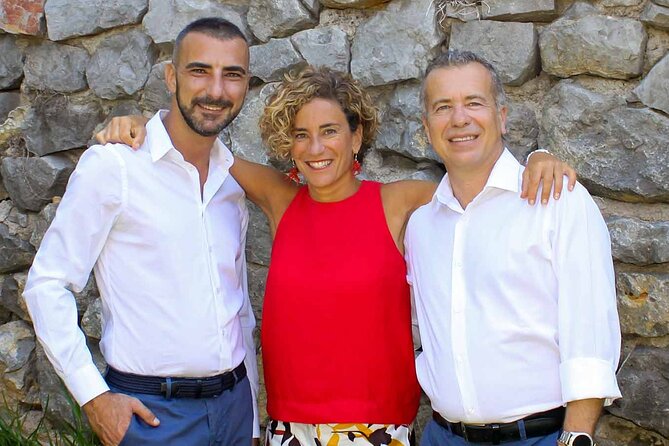
- Guides include Mauro (and sometimes Marco), who are praised for calm pacing and flexible problem-solving.
Palermo Historic Center on foot: what 3 hours really buys you
A walking tour only works if it fits the city’s pace. Here, the timing is tight enough to cover the core UNESCO storytelling points of Palermo, while still leaving space for you to pause, ask questions, and actually look up. Three hours also makes sense because you can still keep the rest of your day open for lunch, a longer museum stop, or just drifting.
This is the kind of tour that helps you get your bearings fast. Palermo can feel layered and crowded, with church facades, markets, and grand squares all elbowing for your attention. By the end, you understand how the Norman and UNESCO-era landmarks connect to the everyday streets around Mercato del Capo and the central squares.
One practical note: entrance tickets are not included for some stops, so you’ll want a bit of cash or card ready for on-site payments. The good part is that you control which optional interiors you want, instead of getting forced into every ticket.
You can also read our reviews of more tours and experiences in Sicily.


Meeting at Via Maqueda 455 and ending at Quattro Canti
You start at Via Maqueda, 455 in Palermo, and you finish at Quattro Canti (Piazza Vigliena). That start-to-finish plan matters because it sets you up for an easy follow-on day: once you’re near Quattro Canti, you’re close to the heart of the historic center.
The meeting point is also practical. It’s near public transportation, which helps if you’re coming in by bus or train and don’t want to stress about a taxi from the start. You’re also told to expect a mobile ticket and the ability to use the tour on a phone, so you’re not scrambling for paper.
Finally, because the experience is private, you’re not stuck with a one-size-fits-all pace. If someone in your group moves slower, or if you want to spend extra minutes photographing a facade, the guide can usually flex within reason.
Starting at the opera house: a smart opener for first-time Palermo
The walk begins at the opera house area, a good choice because Teatro Massimo is one of the strongest “big Palermo” visual anchors. Even before you hit the churches and UNESCO interiors, you get your first sense of how Palermo balances grandeur with street-level energy.
From there, the guide sets the tone with context. Instead of listing dates, you’re guided through how Palermo’s rulers, faith, and trade networks left physical clues you can still see today. That approach matters because Palermo’s best features are often architectural details—shapes, materials, and layout choices—that are easier to notice once you know what you’re looking for.
If you like a tour that doesn’t rush, you’ll appreciate the pacing described for Mauro, who many groups praise for a leisurely, gracious delivery. That style is especially helpful on hot days, because you can keep up without feeling dragged.
Mercato del Capo streets and the baroque church stop at Capo
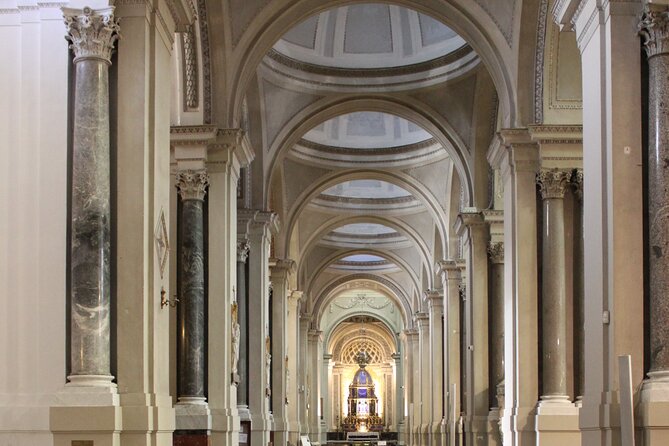
Next comes a colorful street market area, and this is where Palermo feels most real. You’re not just walking past photos; you’re moving through a section of the city where everyday life is the main event. This kind of opening is useful because it adds context for the ornate buildings you’ll see soon.
The tour then includes a baroque church stop in the market zone. The church listed here is Chiesa dell’Immaccollata Concezione al Capo (with about a 20-minute stop), and it can be replaced by Santa Caterina depending on timing. That flexibility is a practical win: sometimes church access and local scheduling can change, and a guide who can swap intelligently saves you from a dead-end.
Here’s what to pay attention to in this part: baroque churches in Palermo often feel theatrical—curves, contrasts, and rich decoration that make more sense once you’ve just seen the market streets outside. You’ll also likely get explanations about what you’re seeing and why that church matters in Palermo’s bigger timeline.
Drawback to keep in mind: the church entry itself isn’t included. The stop is short, so you’re paying for the guidance and the positioning; tickets are handled on site if you enter.
Royal Palace focus: avoiding line stress and seeing Cappella Palatina
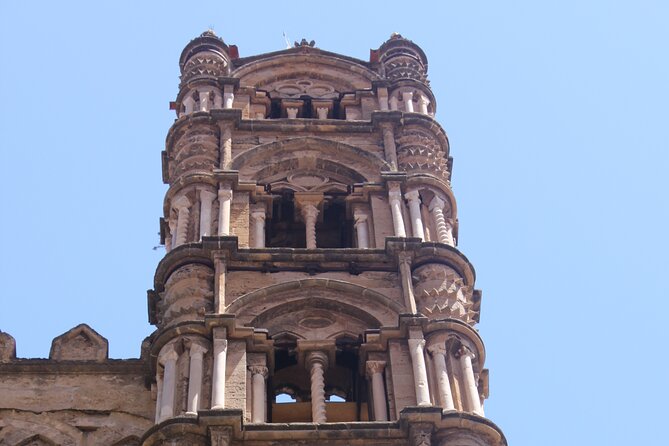
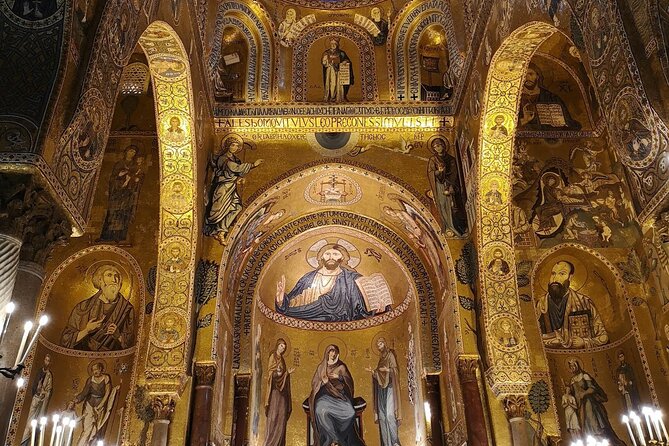
This is the main “wow” zone. You’ll visit the Royal Palace area with the Cappella Palatina as a centerpiece, and it’s framed as a UNESCO World Heritage visit. You’ll also have the option to include the Royal Palace interior experience with guided help, and part of the appeal here is that the tour is designed to help you skip the long-line headache at Palermo’s most visited attraction.
Why that matters: Palermo’s Royal Palace area can be popular, and waiting in lines can drain energy fast. A guided, timed approach helps you keep the day moving and spend your time where it counts—inside the rooms and chapel spaces.
Another practical upside is that the optional Royal Palace ticket is clearly called out as up to about 20€ per person, which helps you budget. You’re not guessing. If you’re mainly after the chapel and the UNESCO story, you can decide how far you want to go with paid entry.
What to expect when you get inside: the guide focuses attention on the chapel’s key features and the larger context of the royal complex. Even if you’re not a “museum person,” Cappella Palatina is the kind of place where having a human explain the big visual cues saves you from feeling lost.




Norman Palace visit: making UNESCO feel understandable
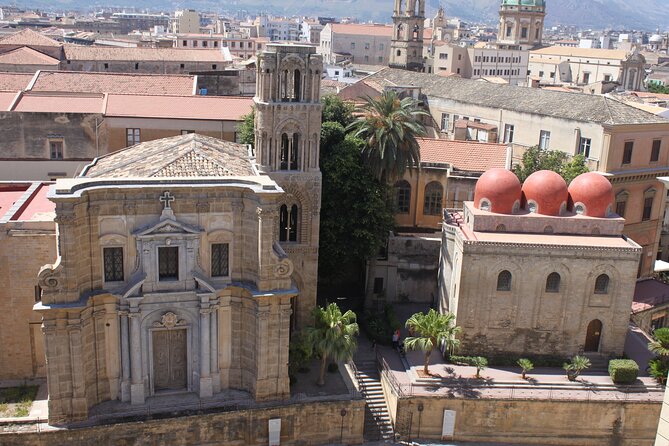
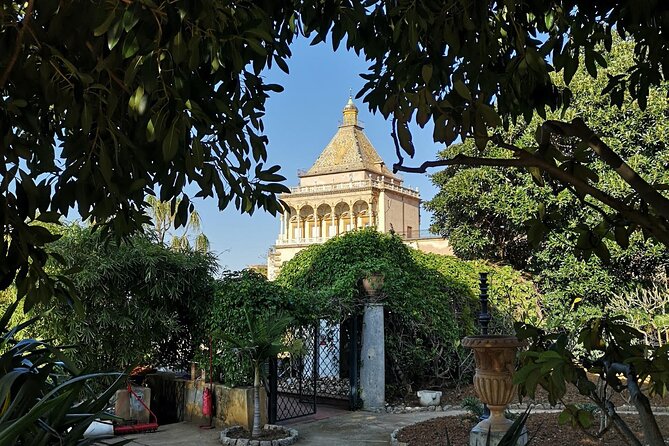
After the Royal Palace/Cappella Palatina emphasis, you continue into the Norman Palace portion for about an hour of guided time. UNESCO here is not just a stamp—it’s a framework for understanding how different power eras shaped what Palermo built and what it chose to display.
The benefit of an hour-long guided segment is that it gives you time to connect the dots. Instead of sprinting between highlights, you can absorb what you see and get the meaning behind the architectural language. This is where you can ask your own questions too—if you’re curious about rulers, religion, or why Palermo’s blend of influences looks the way it does, this is the moment to ask.
Tickets here are again not included. That’s typical for major palace interiors, but the tour’s structure keeps you informed and avoids surprise add-ons. If you want the most value, lean into the guided portion and plan to pay the optional entrance fee for the areas you care about most.
Inside Cattedrale di Palermo: a free stop that feels planned
A standout in this tour is the built-in Cattedrale di Palermo interior visit (about 30 minutes), and it’s marked as admission free for this stop. That alone makes the day feel well-priced, because you get a major interior without extra pay at the door.
The cathedral also works as a reset point. After palace areas and baroque church stops, you get a different feel—more space, more scale, and a chance to slow down. With guided time, you can focus on the structural and artistic cues that show Palermo’s layered identity over time.
Even if you only spend half an hour inside, that’s enough for a “first understanding” tour moment. You’ll know what you’re looking at, what matters, and what to revisit later if you want to go deeper independently.
Quattro Canti, Fontana della Vergogna, and UNESCO facades you’ll recognize
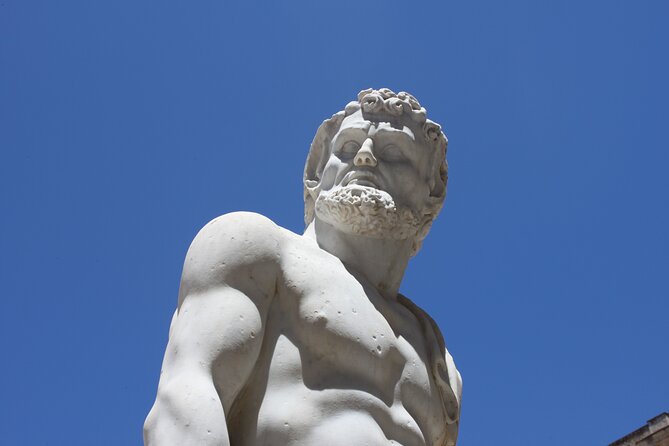
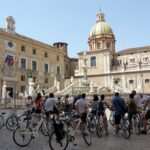
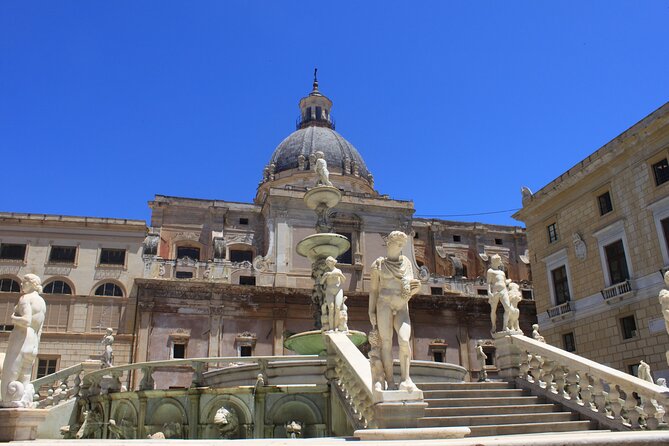
Between the major churches and interiors, the tour passes some of Palermo’s most famous public spaces. You’ll see the most famous square in Palermo (linked to Quattro Canti), the most famous fountain (Fontana della Vergogna), and more UNESCO-linked landmarks marked by visual signatures like distinctive red domes and iconic city symbolism.
This stretch is not wasted time. Squares and fountains are where Palermo’s architecture becomes social. You’re not just viewing objects; you’re watching how the city organizes its public life. That matters for first-timers, because Palermo can otherwise feel like scattered monuments.
A tip for this part: bring your “look up” habit. In these areas, your phone camera can work, but the best details are in the facades and tiers—especially around monumental fountains and square corners. The guide’s context helps you spot what to focus on quickly.
And since the tour ends at Quattro Canti, you’re closing the loop in a way that feels intentional. After the walk, you’re positioned to linger on your own terms or grab a snack nearby without needing another long commute.
Chiesa e Monastero di Santa Caterina d’Alessandria cloister time
The last named interior stop is Chiesa e Monastero di Santa Caterina d’Alessandria, with about 30 minutes allocated. This is described as a triumph of baroque style, and the highlight is the cloister inside.
This is a strong closing act for a Palermo walk. The cloister type of space gives you a calmer pocket after busier streets and big royal rooms. It’s also the kind of place where baroque details can look almost sculptural—you’ll likely want a moment to step back and let your eyes adjust.
Entrance is optional here, listed as around 2€ per person if you choose to go in. If you’re trying to manage costs, you can consider whether the cloister is a must-have for your priorities. But if you like architecture that rewards close looking, it’s one of the best “low ticket, high payoff” choices in the whole route.
Also, this stop lines up with the overall tour style: the guide ties the visual effect back to Palermo’s identity. You’re not just collecting locations; you’re learning how the city’s religious and cultural power shows up in stone.
How the guide customizes your route (and why private pacing matters)
This is a 100% private tour and the itinerary is described as totally customizable. That’s more than a marketing phrase here. Palermo’s historic center has areas where crowds, access times, and even how people move through streets can change your comfort level.
Private pacing helps you avoid the most common tour irritation: being forced to keep up when you’d rather slow down. It also helps if your group wants different flavors—more church interiors, less time in palace rooms, or more street-market focus.
I also appreciate the flexibility that’s mentioned through different guide experiences. For example, one group experience notes that the guide adjusted when arrival plans shifted, including transitioning from a different train station. That’s the kind of real-world competence you want, because in Sicily, transport can be slow or change without warning.
Finally, the guide support doesn’t always end at the final stop. Some groups reported extra help like dinner booking and secure car parking arrangements, plus recommendations during their stay. You should treat that as a bonus, not a promise—but it does suggest you’re not just hiring a script reader.
Price and value: where the $139.33 tends to land
At $139.33 per person for roughly 3 hours, the price feels fair if you compare it to what you get: guided walking in the historic center, guided Cathedral interior time (free entry), and optional guided Royal Palace/Cappella Palatina and Santa Caterina paid entries.
The big value lever here is time and flow. Without a guide, you might spend more energy figuring out priorities, ticket decisions, and how to sequence interiors efficiently. With the guide, the day is organized around Palermo’s best story arcs: Norman-era UNESCO significance, baroque religious expression, and the city’s public squares and fountains.
You also get the benefit of optionality. If you don’t want to pay for every interior, the tour structure still gives you strong coverage. For the Royal Palace, the ticket is noted as up to about 20€, and Santa Caterina’s optional entry is about 2€. Those are clear add-ons, not mystery fees.
As for booking timing: this tour is often reserved about 73 days in advance on average. That tells me it’s popular and can sell out in peak periods. If your dates are firm, I’d plan ahead rather than assume you can walk up.
Who should book this Palermo Historic Center walk
This tour is a great fit if you want:
- A first-time Palermo orientation that still hits major UNESCO sites
- A guide who can explain what you’re looking at without turning it into a lecture
- A day plan that includes markets, squares, and key interiors rather than only one style of attraction
- The ability to choose morning or afternoon timing and keep your group comfortable with a private pace
You’ll likely enjoy it even more if you like architecture and religious art, because the Cathedral, Royal Palace chapel focus, and Santa Caterina cloister create a strong “visual theme” arc. If you’re visiting in hot weather, go for the departure that feels coolest for you, and wear shoes you trust for uneven historic streets.
Should you book Palermo Wonders for this Historic Center tour?
I’d book it if you want a well-sequenced walk that makes Palermo’s biggest highlights easier to understand and more pleasant to experience. The combination of Cathedral interior time, UNESCO-focused royal complex access designed to reduce line stress, and a baroque cloister ending is a smart mix for a limited schedule.
Skip booking only if you’re planning to do all major interiors entirely on your own, or if your group hates walking for three hours in older streets. Otherwise, this is one of the more practical ways to get a strong grasp of Palermo without turning your day into a logistics puzzle.
FAQ
How long is the Palermo Historic Center Walking Tour?
It lasts about 3 hours.
Where does the tour start and end?
It starts at Via Maqueda, 455, 90133 Palermo PA, Italy and ends at Quattro Canti, Piazza Vigliena, 90133 Palermo PA, Italy.
Is this tour private?
Yes. It is a private tour/activity, meaning only your group participates.
Are entrance tickets included?
Not all entrances are included. Entrance tickets are not included in the listing, and they are purchased on site. The Cathedral visit is listed as free, and Royal Palace and Santa Caterina have optional entry fees.
How much are the optional entrance tickets?
The Royal Palace entrance ticket is listed as optional up to 20€ per person, and Santa Caterina or similar entrance is listed as optional at about 2€ per person.
Is there a pickup option?
Pickup is offered.
Can I choose a morning or afternoon departure?
Yes, you can choose between a morning or afternoon tour departure.
What if the weather is bad?
The experience requires good weather. If it’s canceled due to poor weather, you’ll be offered a different date or a full refund.