REVIEW · PALERMO
Sicilian Cooking Class
Book on Viator →Operated by The Sicilian Pantry · Bookable on Viator
Market first, then you cook like Palermo.
This Sicilian cooking class in Palermo starts at the Mercato del Capo area (near Porta Carini) so you pick fresh ingredients before you ever turn on the stove. I especially like the hands-on teaching from Michael in an air-conditioned kitchen, with English support and a small group size that keeps things friendly and practical.
The main thing to consider is that it may not work for everyone: severe food allergies need advance discussion, and there can be stairs involved on the way to the cooking/dining space.
In This Review
- Key highlights at a glance
- Palermo’s Market-to-Kitchen Flow (Capo Market to Cooking School)
- What the Market Stop Really Teaches You
- Inside the Kitchen: Hands-On, Air-Conditioned, and Surprisingly Social
- Your Four-Course Sicilian Menu (Starter to Granita)
- Starter 1: Panelle
- Starter 2: Arancine al burro
- Starter 3: Carciofi fritti
- Main 1: Pasta fresca con salsa fresca
- Main 2: Pasta con le sarde
- Main 3: Involtini di carne
- Main 4: Pesce spada panato
- Dessert 1: Cannoli
- Dessert 2: Cassata
- Dessert 3: Granita di mandorle
- Wine, Coffee, and Homemade Liqueurs: The Best Part to Stretch the Afternoon
- Price and Value: Why This Class Costs What It Costs
- Who This Palermo Cooking Class Suits Best
- Who should think twice
- Practical Tips Before You Go (So You Enjoy It More)
- Should You Book the Sicilian Pantry Cooking Class?
- FAQ
- Where is the meeting point and what time does the class start?
- How long is the Sicilian cooking class in Palermo?
- How many people are in the group?
- Is the cooking class offered in English?
- What kind of meal is included?
- Where does the class start in Palermo?
- Is it suitable for severe food allergies?
- What is the cancellation policy?
Key highlights at a glance
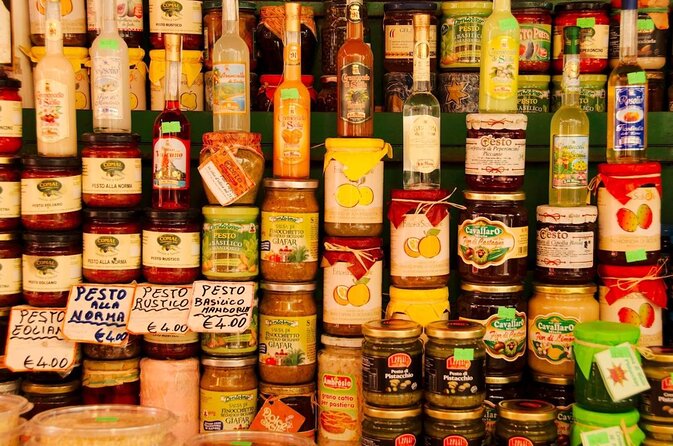
- Capo Street Market ingredient hunt inside Palermo’s old-town food rhythm
- Small group (max 8), so you get real hands-on time
- English-speaking instruction with a chef who explains both what and why
- Four-course menu that follows seasonal Sicilian staples
- Wine, coffee, and homemade liqueurs included with your meal
Palermo’s Market-to-Kitchen Flow (Capo Market to Cooking School)
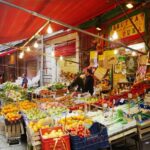
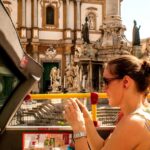
If you like the idea of eating Sicily instead of just talking about it, this class has a smart setup. You meet near Porta Carini, at the start of the Mercato del Capo area, then you head into the market to select ingredients that fit the day’s lesson. That matters because Palermo cooking is not built on one “standard” grocery list. It’s built around what looks good right now, what’s in season, and what local vendors are bringing in.
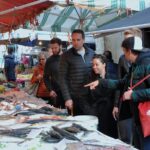
You’ll also get a guided sense of how to shop the market: what to ask for, how vendors talk about food, and how chefs think about quality. Even if you’re not buying anything after the class, you leave with a better radar for what to look for on your own.
From the market, you walk to the air-conditioned cooking space. The walk is part of the experience, but it’s not long enough to feel like you’re being marched across town. The real payoff is the contrast: market energy up front, then a comfortable, controlled kitchen where you actually get to work.
Where you meet: Parcheggio ORLANDO | APCOAP.za Vittorio Emanuele Orlando, 49, 90134 Palermo PA, Italy
Start time: 10:00 am
Duration: about 4 hours 30 minutes
What you get at the end: the meal you helped make, plus drinks and dessert.
You can also read our reviews of more tours and experiences in Palermo.
What the Market Stop Really Teaches You
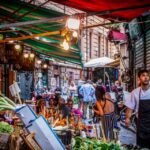
The Capo Street Market visit is more than a photo stop. It’s how you learn the logic behind Sicilian cooking.
You’re not just collecting random ingredients for a “class menu.” You’re learning to match dishes to what’s fresh. That’s why the menu stays seasonal, even though the core classics are consistent. One key theme that shows up across the course: Sicilians treat snacks, street food, and big family meals as part of the same food culture. You’ll see that when you start prepping fried chickpea fritters and arancine-style rice balls, then shift into fresh pasta and fish-forward mains.
A small practical note: the market environment can change. One review mentioned that the market was mostly closed because of rain. That doesn’t mean the class falls apart, but it is a reminder that outdoor market life is real life. If you’re visiting Palermo in shoulder season or unstable weather, bring a bit of flexibility to your plans.
Inside the Kitchen: Hands-On, Air-Conditioned, and Surprisingly Social
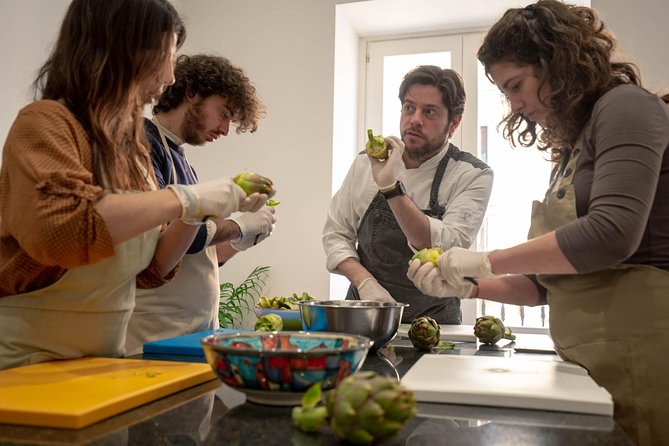
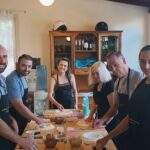
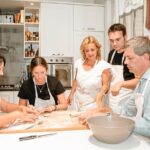
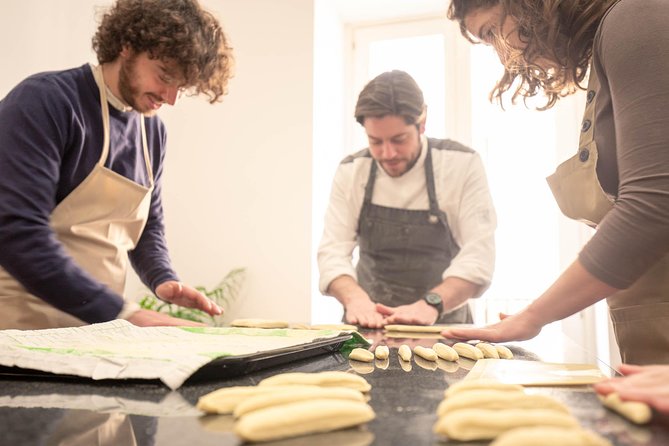
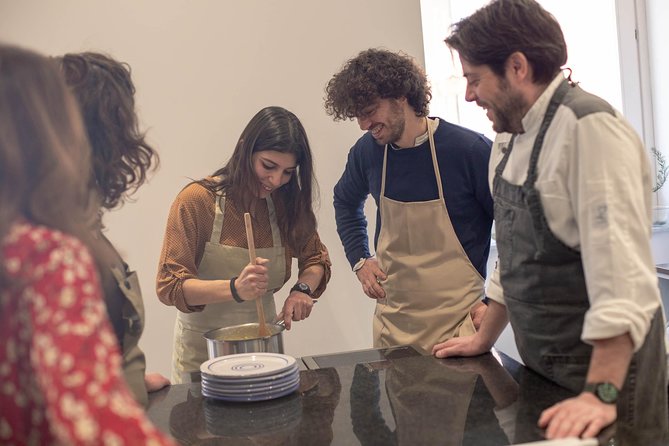
This is a small group cooking class (maximum 8 travelers), which is the difference between “watching” and actually cooking. The kitchen time is set up so you can take steps in the process rather than standing back while someone else does the work. You’ll be prepping, assembling, frying or shaping, and learning techniques as you go.
The instruction is in English, and the chef-host (Michael) leads the market visit and the cooking lesson. Assistant chefs (like Elena or Melissa) help keep things moving and make sure everyone has something to do. In a class like this, that last part matters: the pacing has to match the group size, or some people spend the whole time waiting.
In the kitchen, you’ll also get the “chef brain” explanations. The best part is when you hear the logic behind steps: why a filling needs a certain texture, how to avoid soggy frying results, and how to shape pasta so it holds sauce. The class style is active and collaborative, more like cooking with a host than attending a demonstration.
Your Four-Course Sicilian Menu (Starter to Granita)
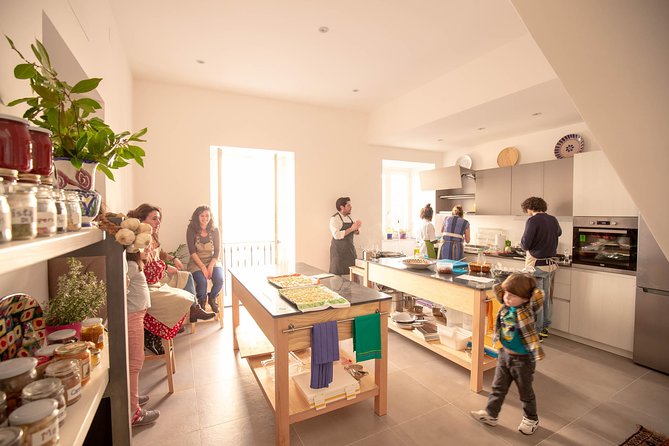
This lesson includes a full four-course meal, and you’ll cook through the courses yourself. Here’s the sample menu structure, which is designed around Palermo favorites:
Starter 1: Panelle
You’ll make panelle, freshly fried chickpea fritters, served with lemon. Panelle are one of those Palermo cornerstones: simple ingredients, but they taste like something bigger because the technique matters. Expect to learn how batter and frying timing affect the final crunch.

Starter 2: Arancine al burro
You’ll also tackle arancine-style rice balls, made with saffron-flavored rice and filled (this version is ham and cheese), then breaded and fried. The challenge here is consistency: rice texture, sealing the filling, and keeping the outside crisp.
Starter 3: Carciofi fritti
Then comes carciofi fritti, artichokes cleaned, quartered, breaded, and fried. If you’ve only had artichokes in salads, this is the “Palermo version,” and it’s a great way to understand how the city treats vegetables as street food.
Main 1: Pasta fresca con salsa fresca
You’ll make fresh southern Italian pasta and top it with freshly made tomato sauce. This is where many classes win you over, because handmade pasta feels intimidating until you do it step by step. You’ll learn the basics of dough handling and shaping so it eats well with sauce, not just looks pretty.
Main 2: Pasta con le sarde
Next is a classic: pasta con le sarde, with fresh sardines, wild fennel, saffron, currants, and pine nuts, finished with toasted breadcrumbs. This is Palermo food in full flavor mode. It’s also a reminder that Sicilian cuisine isn’t all about tomato sauces and cheese; it’s about balancing sweet, salty, and aromatic notes.
Main 3: Involtini di carne
You’ll work on involtini di carne, thin meat rolls filled with cheese, breadcrumbs, currants, and almonds, then skewered, breaded, and roasted. This is comfort food with an accent: fruit + nuts + savory flavors in a family-style format.
Main 4: Pesce spada panato
For the fish course, you’ll make pesce spada panato, swordfish slices dipped in extra-virgin olive oil and coated with seasoned breadcrumbs (parsley, mint, lemon zest). The herbs are key here. They make the breading taste fresh and bright instead of heavy.
Dessert 1: Cannoli
You’ll finish with cannoli, fried pastry tubes filled with sweet ricotta cream and garnished with candied orange peel and pistachios from Bronte. Cannoli is the big Sicilian name for a reason: it hits crunchy-soft contrast in every bite.
Dessert 2: Cassata
Then comes cassata, with homemade almond paste and sponge cake stuffed with ricotta cream, decorated with candied fruit. It’s richer and more festive than many desserts you’ll see outside Sicily.
Dessert 3: Granita di mandorle
Finally, you’ll do granita di mandorle, a frozen dessert made with water, sugar, and almonds. It’s simple, but that’s the trick. It tastes like the flavor of almonds without needing a lot of extra stuff.
Wine, Coffee, and Homemade Liqueurs: The Best Part to Stretch the Afternoon
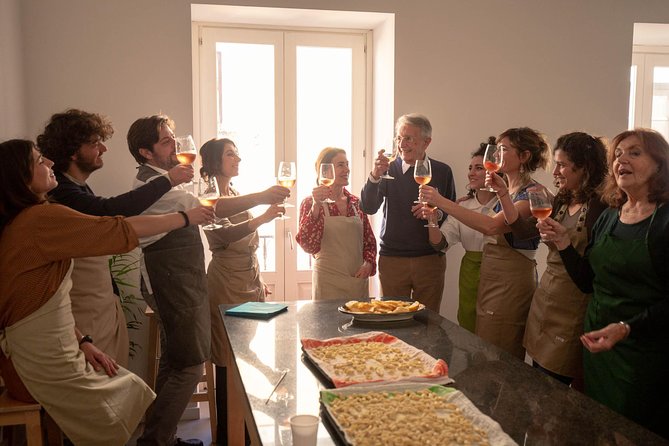
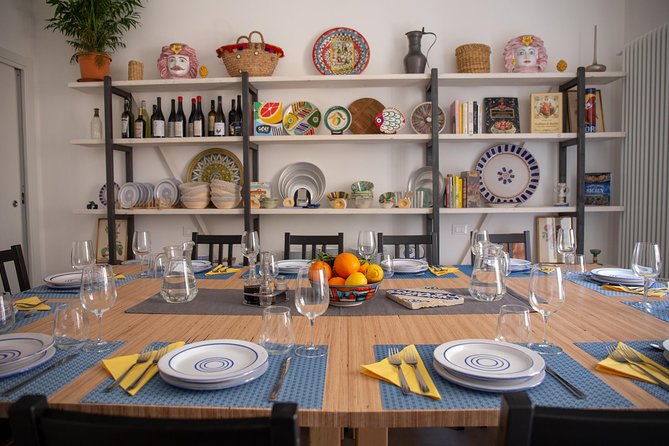
After cooking, you sit down and eat what you made, with a selection of Sicilian wines. You’ll also get coffee and homemade liqueurs to round it out. In other words, it’s not just training. It’s a meal with the right pace to let you enjoy conversation and reflect on what you just learned.
One review even noted a homemade orange liquor, which gives you a clue about the flavor style: citrus-forward, sweet, and very Sicilian. Think of it as the emotional finish to a day that started with market shopping.
Price and Value: Why This Class Costs What It Costs
The price is $118.56 per person for about 4 hours 30 minutes, with a maximum group of 8 and a full meal included.
On paper, $118.56 can look like a lot if you compare it to generic “tour with a light meal.” Here, you’re paying for three tangible things:
- a market visit that’s part education, part sourcing
- hands-on cooking with English instruction and active chef guidance
- a four-course meal plus wine and liqueurs, which is usually the expensive part when you eat out
Also, you’re not dealing with a giant crowd. A smaller group means more time with the chef and more chances to do the work, not just taste at the end. If you value learning techniques you can repeat, not just eating a one-time dinner, the value starts to make sense quickly.
Who This Palermo Cooking Class Suits Best
This class is a great fit if you want:
- real Sicilian dishes beyond the usual tourist clichés
- an experience with a clear market-to-kitchen reason
- a small, English-friendly setup
- enough structure to cook without getting lost
It’s especially good for couples, friends, and solo travelers who want to meet people without it turning into a loud group tour. And because the recipes are very hands-on, it can work well even for people who don’t cook much, as long as they’re ready to participate.
Who should think twice
If you have severe food allergies, you should contact the operator in advance. The class isn’t recommended for severe allergies, based on the provided information. Also, if mobility is an issue, keep in mind there can be stairs on the way to the cooking/dining space.
Practical Tips Before You Go (So You Enjoy It More)
Here are a few things that will help you get the most out of your time:
- Arrive a few minutes early and let the meeting spot guide you. You’re starting by Porta Carini and the market area, so being on time keeps the group moving.
- Wear grippy shoes. Markets and old-city streets can be uneven.
- Bring questions. The chef and assistants explain ingredients and techniques while you cook, so ask why something is done a certain way.
- Expect a full meal. This is not a quick appetizer. You’ll work through multiple courses and then eat them, plus wine and liqueurs.
Should You Book the Sicilian Pantry Cooking Class?
I think you should book it if you want a Palermo experience that’s food-first and learning-focused, but still relaxed. The market visit gives the class a real anchor, the kitchen time is hands-on in a small group, and the included meal (wine, coffee, and homemade liqueurs) makes it more than a cooking demo.
Skip it or book with extra caution if you need strict allergy accommodations or if stairs are a deal-breaker for your mobility. Otherwise, this is one of the better ways to turn Palermo’s market culture into something you can taste and recreate.
If you’re looking for a Sicilian cooking class that feels like learning from a real host, not just following a script, this one hits the right notes.
FAQ
Where is the meeting point and what time does the class start?
You meet at Parcheggio ORLANDO | APCOAP.za Vittorio Emanuele Orlando, 49, 90134 Palermo PA, Italy. The start time is 10:00 am.
How long is the Sicilian cooking class in Palermo?
It runs for about 4 hours 30 minutes.
How many people are in the group?
The class has a maximum of 8 travelers.
Is the cooking class offered in English?
Yes. The class is offered in English.
What kind of meal is included?
You’ll cook and then eat a four-course meal, with Sicilian wines, coffee, and homemade liqueurs included.
Where does the class start in Palermo?
The meeting is near Porta Carini, the entrance to the Mercato del Capo area, and the first stop is the Capo Street Market.
Is it suitable for severe food allergies?
It is not recommended for people with severe food allergies. If you have dietary requirements, contact to let them know in advance.
What is the cancellation policy?
Free cancellation is available. You can cancel up to 24 hours in advance for a full refund. Canceling less than 24 hours before the start time is not refundable.