REVIEW · PARMA
Parma: City Walking Tour
Book on GetYourGuide →Operated by BOLOGNA TOUR & BEST ITALY TOUR · Bookable on GetYourGuide
Two hours in Parma can feel like a week. I like the local guide factor because it turns streets into explanations, and I love the focus on the cathedral of Parma so you get a real sense of the city’s center fast. One thing to consider: if the group is large, you may get less one-on-one back-and-forth.
This is an outdoor-only walk through the historic center, with no entrances into monuments. The guide covers the main treasures of Parma while keeping things practical: where you are, why it matters, and what to notice as you go. It runs in Italian and English, so the pacing may feel slightly split if you’re only following one language.
It’s priced at $27 per person for a 2-hour stroll, and that includes a local multilingual guide (plus earphones for groups of 6 people and up). You start at the IAT by Strada Giuseppe Garibaldi 18, and there’s no hotel pickup, so you’ll want to get there on time. Bring comfortable shoes, because this is a true walking tour.
In This Review
- Key things I’d focus on before you go
- Parma in 2 Hours: what the tour is really for
- Starting at IAT on Strada Giuseppe Garibaldi 18 (and why that matters)
- Piazza Garibaldi to the main monuments: how the route feels
- Admiring the cathedral of Parma without going inside
- Food secrets and Parma’s cultural identity (beyond the obvious)
- Verdi stories: why the musician matters on a walking tour
- Languages and the pace: Italian and English every day
- Group size, earphones, and staying heard
- Who this tour suits best (and who should skip it)
- Price and value: is $27 worth it?
- Tips to get more out of your walk
- Should you book the Parma City Walking Tour?
- FAQ
- How long is the Parma city walking tour?
- What does it cost?
- Where do I meet the guide?
- What languages are offered?
- Is the tour inside monuments or just outdoors?
- Are earphones provided?
- Is the tour suitable for people with mobility impairments?
- What should I bring?
Key things I’d focus on before you go
- Piazza Garibaldi start: you begin in the heart of the city, not at some random corner.
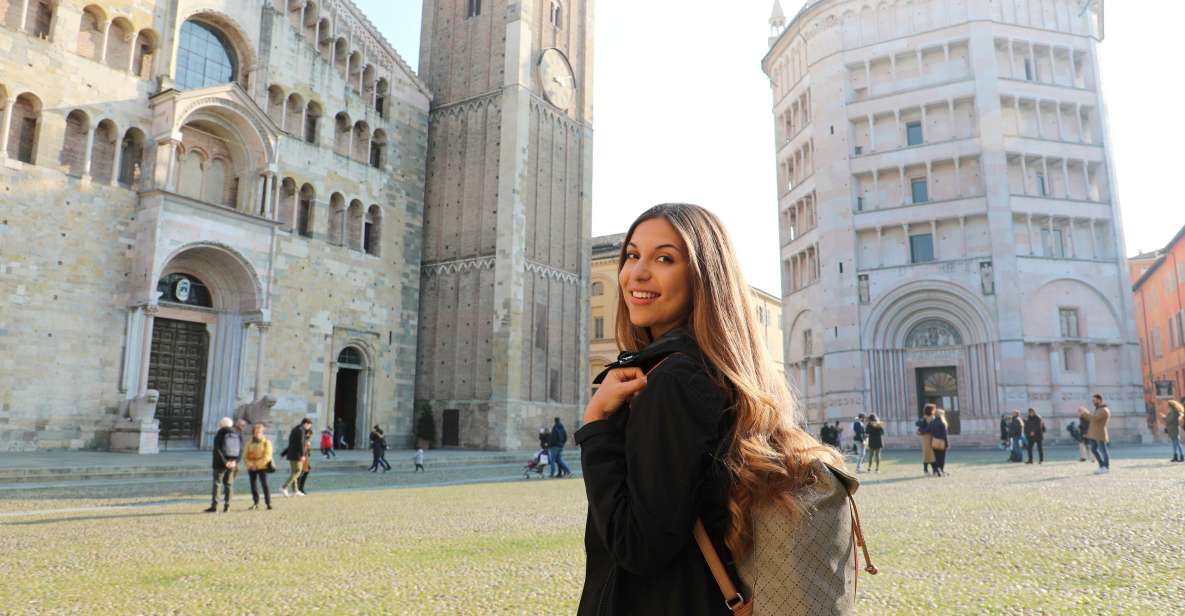
- Cathedral of Parma emphasis: the walk is designed so you don’t miss the most central landmark.
- Verdi anecdotes: Giuseppe Verdi stories give you another way to connect with Parma beyond food.
- Outdoor route: no tickets, no entrances, and you see the facades and squares up close.
- Italian + English guiding: helpful if you share languages, but it can slightly affect interaction.
- Earphones for larger groups: built in so you can still hear the guide when walking in a crowd.
Parma in 2 Hours: what the tour is really for
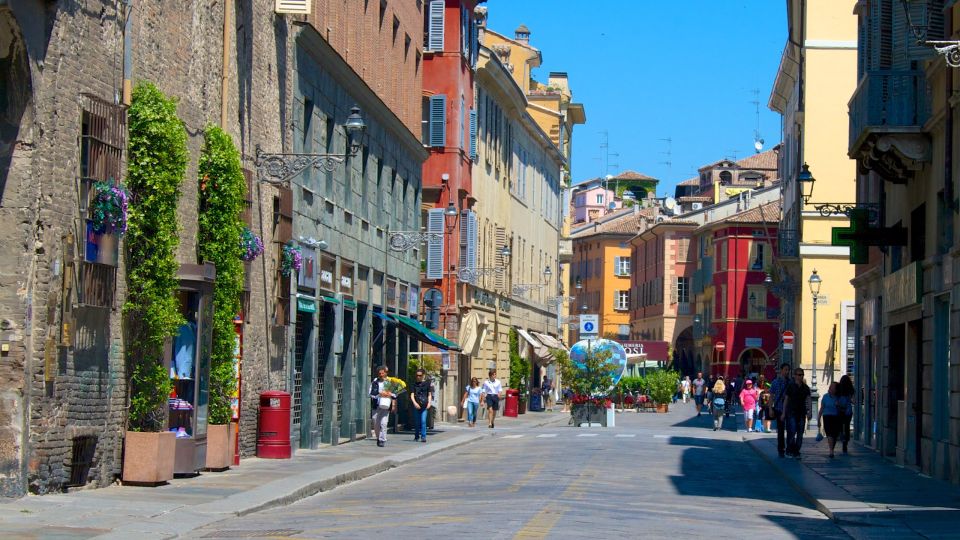
A short walking tour in a historic Italian city should do one job well: help you get your bearings fast. This one is built around Parma’s core, with a local guide pointing out what to look for and why it’s worth your time. At 2 hours, it’s also an easy add-on day plan—before you settle into longer self-guided exploring.
The big strength is how the tour mixes cultural anchors with everyday context. You’re not only seeing sights; you’re getting the city’s storyline: Parma’s role as an old capital of the Duchy of Parma and Piacenza, and its importance as a university seat since the 11th century. Add in Giuseppe Verdi and you’ve got a second narrative thread that makes the places feel less like postcards.
The other key benefit is the outdoor-only format. No entrances means you don’t lose time to ticket lines or opening hours. You walk, you listen, you look. If you want a quick overview of the center and a couple of “return later” ideas, this format fits the mission.
You can also read our reviews of more tours and experiences in Parma.



Starting at IAT on Strada Giuseppe Garibaldi 18 (and why that matters)

The meeting point is straightforward: the IAT at Strada Giuseppe Garibaldi 18 in Parma. That’s handy because it’s close to where most people naturally want to be—the city center’s main energy.
I like that the tour starts from Piazza Garibaldi, because it gives you a clear mental map early on. When you begin in a major square, you can orient faster and understand the direction of the walk. You’ll also feel less pressure the moment you arrive, since the starting area is meant to be easy to find.
One practical consideration: there’s no hotel pickup. So if you’re basing yourself outside the core, build a little extra time to arrive at the meeting point calmly. This is the kind of tour that runs on rhythm—show up a few minutes late and you’ll likely just miss the opening context.
Piazza Garibaldi to the main monuments: how the route feels
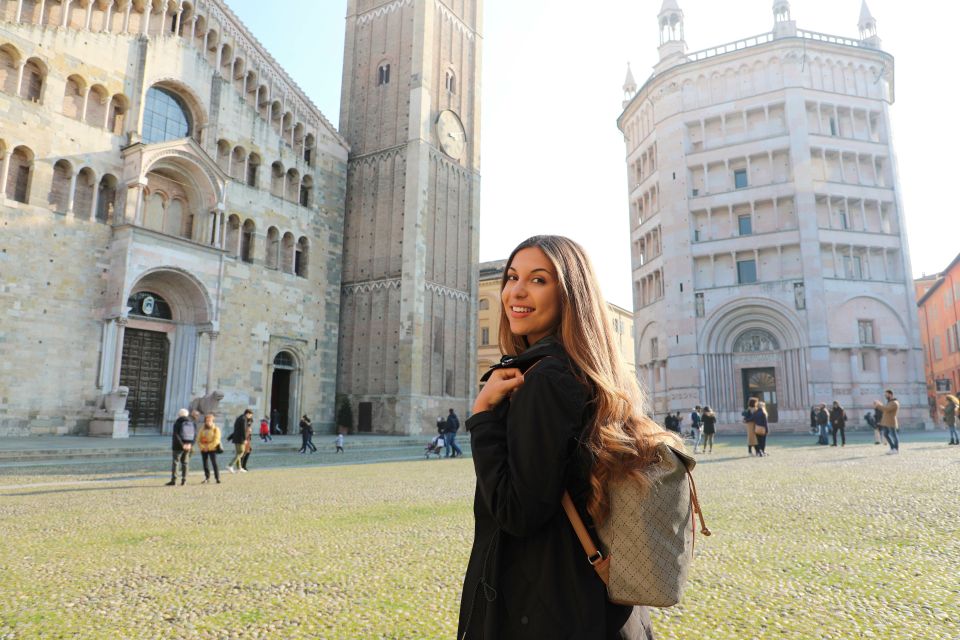
The tour takes place entirely outdoors, moving among the main monuments and historic spots. That means you’ll be looking at the architecture and street-level details while the guide talks. It’s a good match for Parma because the center rewards attention to proportion, facades, and the way buildings frame squares.
Also, because there are no monument entrances, the “what you see” part stays consistent. If it’s raining, you’re not trapped waiting in lines or losing access to interiors; the route still works. One of the real-world lessons from a guide-rated experience: the tour stayed accurate even in rain, which tells you the walking plan is flexible enough for typical weather.
Now, the drawback: listening outdoors isn’t always perfect. If you end up farther back, it can be harder to see small architectural details the guide is describing. One piece of advice from the kinds of feedback this tour gets: don’t be afraid to move a bit forward during the walk when your group settles near a point of interest. Earphones help, but good sightlines still matter.
Admiring the cathedral of Parma without going inside
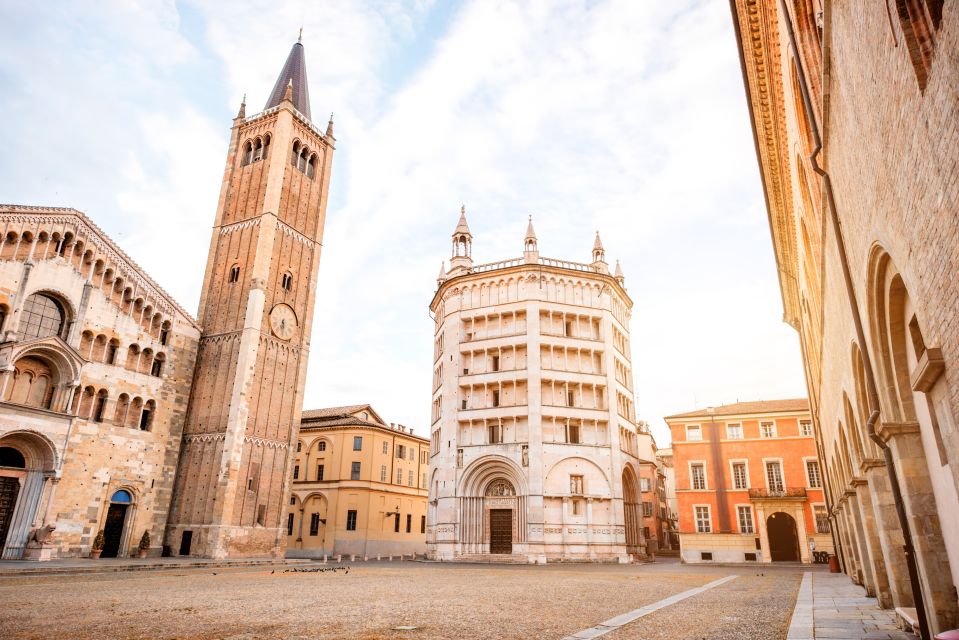
The cathedral of Parma is a headline stop, and you’ll have time to admire it from the outside as part of the guided walk. Even without entering, a cathedral can do a lot for your understanding of the city’s center. It’s a visual anchor. It helps you measure scale and style across surrounding buildings.
For many first-timers, this is the sweet spot. You get the emotional impact—the shape, the presence, the way the square or streets set up the view—without needing extra tickets or timing stress. The guide’s job here is to connect the landmark to Parma’s broader story, not just to point at it.
If you’re the type who always wants interior access, you might feel a little clipped here. Since the tour is outdoor-only, you shouldn’t expect to step into major monuments. But if your goal is to understand the city’s layout and culture quickly, the cathedral focus works well.
Food secrets and Parma’s cultural identity (beyond the obvious)
Parma is known for gastronomy, but a smart tour should explain why that reputation feels so “built in,” not just advertised. This guide ties Parma’s food culture into the wider idea of the city as a creative gastronomy center and an Italian culture reference point (noted as a capital of Italian culture for 2020).
In practice, that means you’ll get a different lens on the city while you walk. When the guide connects a place to food traditions or cultural patterns, it changes how you interpret everyday scenes: markets, streets, and historic roles that shaped daily life.
Now, a heads-up: the “food secrets” theme is part of the narrative, but the details aren’t described as a full tasting agenda in the tour format you’re buying. Plan for storytelling, suggestions, and context—not a guaranteed sampling program. You’ll leave with better questions for your next meal.
If you care about eating in a way that feels local, this kind of framing can save you time later. Instead of randomly picking a restaurant, you’ll know what to look for: the kind of place that fits Parma’s identity and the traditions the guide highlighted.





Verdi stories: why the musician matters on a walking tour
Giuseppe Verdi isn’t just a famous name. On this tour, he becomes a tool for understanding Parma’s cultural memory. A local guide shares Verdi anecdotes, which can turn a set of buildings and squares into something more personal.
This is one of those underrated tour benefits: music history can make architecture feel alive. When you hear how a famous figure relates to a place, your brain starts connecting dates, styles, and civic identity. It’s not trivia—it’s context.
One review specifically praised a guide named Alice for having strong knowledge and sharing city anecdotes, plus follow-up advice about what to visit next and where to find typical shops. That’s exactly the kind of bonus that makes a walking tour feel like more than just a narrated stroll.
So if you’re choosing a tour because you want culture—real names, real stories, not just general descriptions—Verdi is a strong hook.
Languages and the pace: Italian and English every day
The tour runs in Italian and English. It’s listed as starting at 10.00h daily, and Saturdays at 15.00h. That’s useful because you can plan it for either a morning orientation or an afternoon reset.
The bilingual setup is helpful when you’re traveling with someone who speaks the other language. But if you’re looking for maximum depth in one language only, be aware that the guide has to manage both. Some feedback around this type of tour mentions the bilingual format as a disappointment, which usually means the explanation can feel less focused.
In real life, the fix is simple: listen for the parts that match your language and use earphones to keep attention anchored. And if the guide pauses at a key spot, ask one clear question quickly. Even in a bilingual rhythm, a focused question can pull you back into the moment.
Group size, earphones, and staying heard
The tour includes earphones for groups of 6 people and up. That’s a practical inclusion, especially for an outdoor walk where voices can carry poorly over noise or distance. If you’ve ever done a city tour where you end up watching the back of someone’s head, this is the kind of detail that improves the experience.
That said, group size still matters. Feedback from the tour includes mentions of the group being too large (one example called out about 25 people). When groups get big, it’s harder to ask questions and easier to lose sight of the exact details the guide is pointing out.
My advice: arrive a few minutes early, stand near the front, and keep your expectations realistic. This is a guided walk with a lot of information, not a private lecture.
Who this tour suits best (and who should skip it)
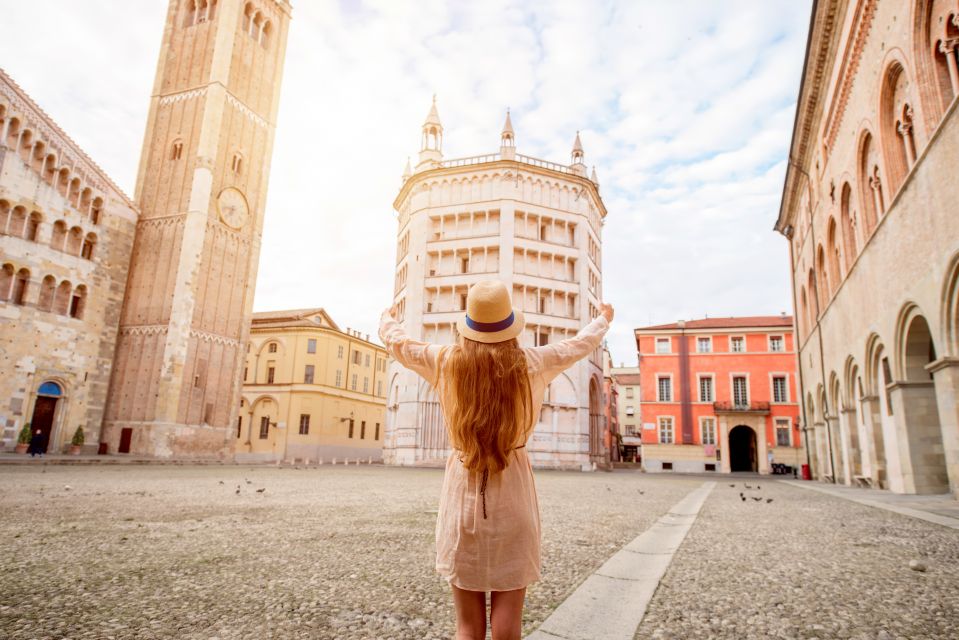
This tour is a good match if you want:
- a fast orientation to Parma’s historic center
- an outdoor walk that avoids ticket/entry hassle
- a blend of landmarks, Parma’s cultural identity, and Verdi anecdotes
- a guide you can learn from, in Italian and English
It may be less ideal if:
- you need monument interiors (because the tour has no entrances)
- you strongly prefer a single-language tour with no bilingual pacing
- you have mobility limitations, since it’s not suitable for people with mobility impairments
If you’re planning your day with Parma in mind, this also works well as a first or second activity. First day? It helps you spot where you’ll want to return. Second day? It helps you interpret what you already saw and connect it to stories you missed the first time.
Price and value: is $27 worth it?
At $27 per person for a 2-hour guided walking tour, the value depends on what you want from your time in Parma.
Here’s what you’re getting for the money:
- a local multilingual guide (Italian and English)
- earphones for groups of 6+
- a structured walk covering the city center’s main landmarks
- a strong emphasis on the cathedral and cultural storytelling (including Verdi and Parma’s food-cultural identity)
What you’re not paying for:
- monument entrances (since everything stays outdoors)
- hotel pickup
So, is it “cheap”? Not the lowest possible price. But it’s fair for what you’re buying: a guided orientation with built-in sound support and a tight time window. In cities like Parma, where you may not know where to start, paying a modest amount for a competent guide can save hours of wandering and improve how you experience your meals later.
Tips to get more out of your walk
- Wear comfortable shoes you can stand and walk in for 2 hours without fuss.
- Show up on time at Strada Giuseppe Garibaldi 18 (the IAT), then position yourself where you can see the guide.
- Keep your camera ready, but also pause your photos when the guide explains something important. Listening first makes your photos better.
- If you want deeper interaction, ask a short question when you stop near the cathedral area or other key sights. Don’t wait until the tour is moving again.
Should you book the Parma City Walking Tour?
If your goal is to understand Parma’s center quickly—cathedral area, historic identity, and the Giuseppe Verdi angle—this tour is a solid choice. The outdoor-only format is low-stress, and the inclusion of earphones for larger groups helps you stay engaged. The price also feels reasonable for a guided experience that’s designed to give you context, not just movement.
I’d hesitate if you’re expecting monument interiors or if you’re very sensitive to bilingual pacing. Also, if mobility is a concern, this one isn’t built for that.
Overall: if you want a practical, story-led introduction to Parma in two hours, book it and use it as your launch pad for the rest of your day.
FAQ
How long is the Parma city walking tour?
The tour lasts 2 hours.
What does it cost?
It costs $27 per person.
Where do I meet the guide?
You meet at the IAT on Strada Garibaldi 18, Parma.
What languages are offered?
The tour is guided in Italian and English.
Is the tour inside monuments or just outdoors?
It is only outdoors, with no entrances to the monuments.
Are earphones provided?
Earphones are included for groups of 6 people and up.
Is the tour suitable for people with mobility impairments?
No, it is not suitable for people with mobility impairments.
What should I bring?
Wear comfortable shoes.