REVIEW · FLORENCE
Pasta Cooking Experience in Florence
Book on GetYourGuide →Operated by Hidden Experiences · Bookable on GetYourGuide
A bowl of pasta starts long before the boil. This Florence class is all about making fresh pasta from scratch and learning sauces (with wine to finish the meal), all in about three hours. I like that you’re actively shaping, rolling, and cooking, not just watching. I also love the social part: you eat together at the end, like a real Italian meal. The main thing to watch is timing: you must arrive on time, because latecomers aren’t accepted.
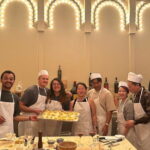
You’ll meet the group at Chefactory Academy in the city center, then cook with a professional chef who guides you step by step. In many sessions, the chef teaches pastas like gnocchi, ravioli, and fettuccine/tagliatelle, plus the sauces that turn dough into dinner. If you hate walking to activities or need lots of flexibility, this one is best when you can get there promptly (it’s around a 30-minute walk from the Arno area).
For $85 per person, you’re not just paying for food. You’re paying for hands-on instruction, ingredients, your meal (including dessert), and a glass of wine. If you’re visiting with kids, note that children under 13 aren’t allowed.
In This Review
- Key things to know before you go
- Fresh pasta from scratch in Florence: what the 3 hours feel like
- Where you start: Chefactory Academy and getting there on time
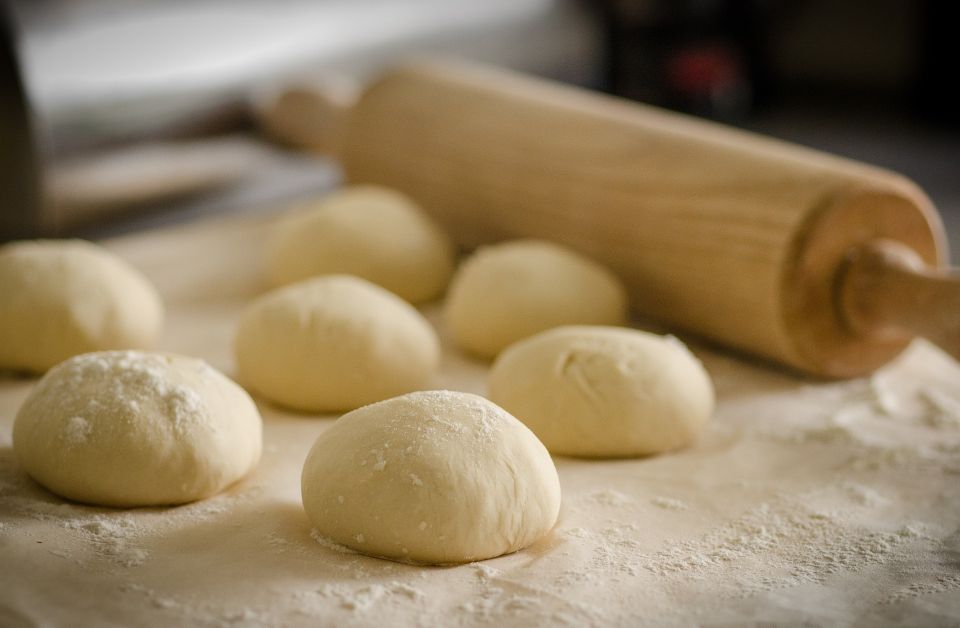
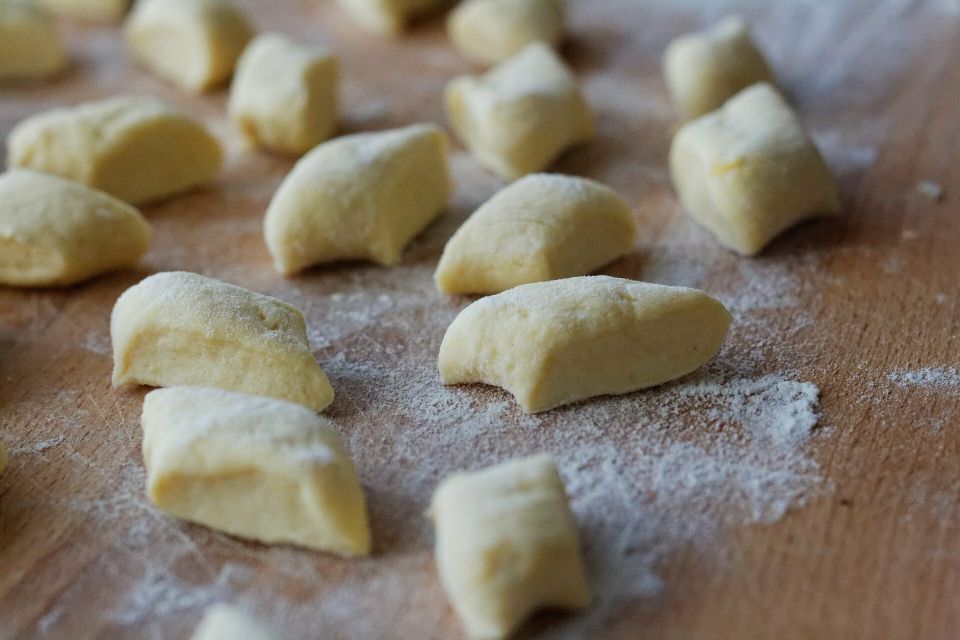
- The pasta-making flow: dough, rolling, and shaping
- Sauce lessons: why you’ll remember this part
- The sit-down finish: eating your pasta and pairing it with wine
- What you take home: recipes you can actually use
- Price and value: is $85 a fair deal in Florence?
- Language and teaching style: how you’ll communicate
- Who this class suits best
- Accessibility note: double-check before you book
- Should you book this Florence pasta class?
- FAQ
- How long is the pasta cooking class in Florence?
- What’s the price per person?
- What’s included in the experience?
- Where do I meet the group?
- Is this class suitable for children?
- What languages are used during the class?
- Is it wheelchair accessible?
- FAQ
- Can I cancel for a full refund?
- What if I want to keep my travel plans flexible?
Key things to know before you go
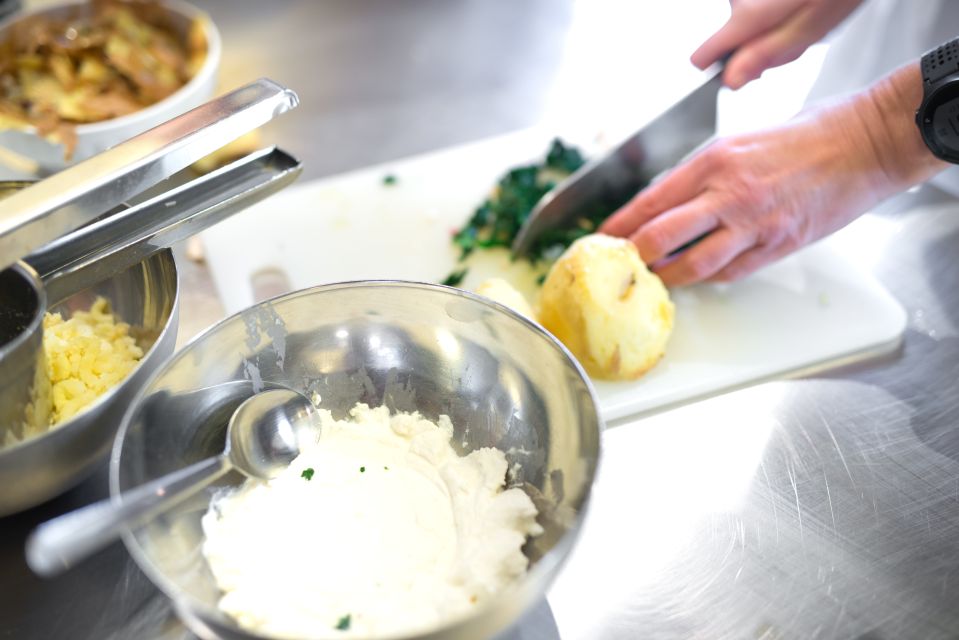
- Hands-on fresh pasta from scratch with a chef guiding your dough and shaping steps
- Sauce work that feels collaborative, often with one sauce made by you and others handled by your group
- Wine is part of the finish, paired with what you cook
- Small-group energy in many sessions, so you actually get to participate
- Take-home recipes so you can recreate the pasta at home
- Chef-led teaching in multiple languages (German, Italian, English, and sometimes extra support depending on the group)
Fresh pasta from scratch in Florence: what the 3 hours feel like
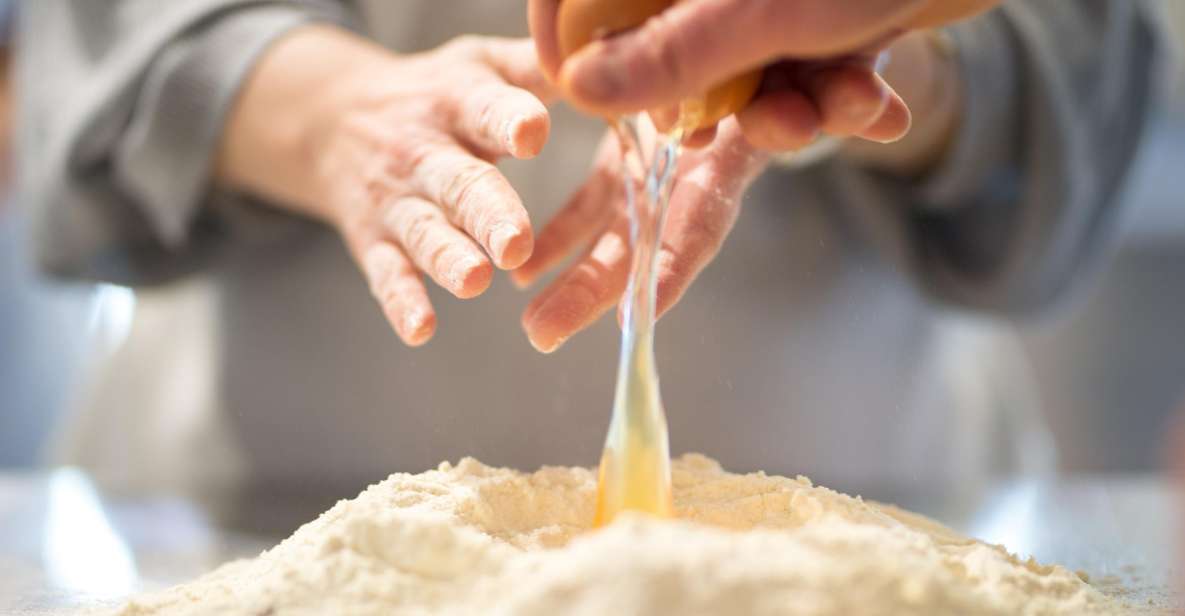
This is the kind of activity that makes the rest of your Florence trip taste better. You’re not learning “how to cook pasta” in the vague sense. You’re learning what dough feels like, how it behaves while rolling, and how sauces change once you cook them with real ingredients.
The class runs about three hours and ends with a sit-down meal. The best part is the rhythm: you start with the basics of fresh pasta, then move into shaping and cooking, then shift to sauces and finish with dessert. It’s long enough to feel satisfying, but not so long you lose the thread.
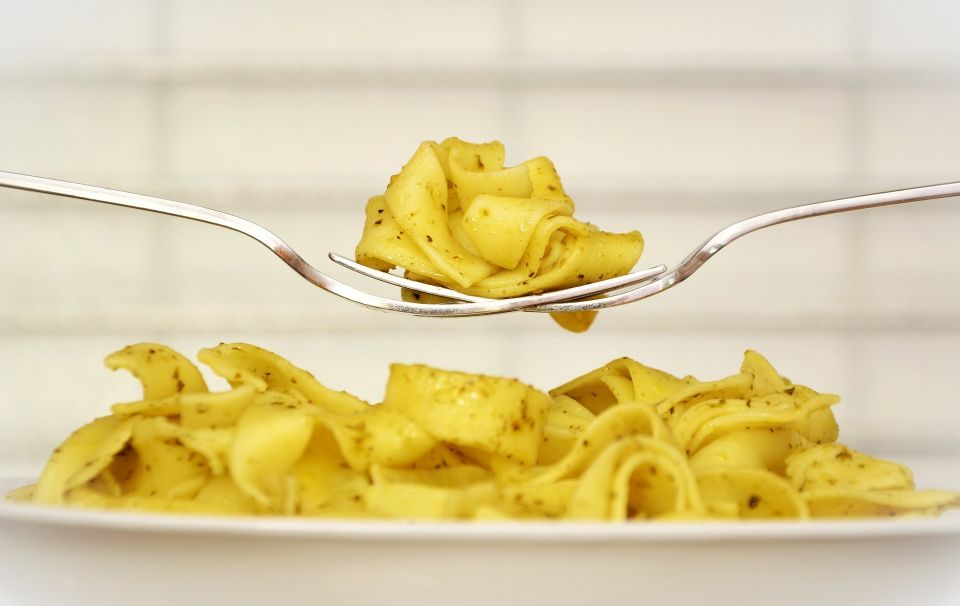
Many people come in thinking they’ll only make one thing. In practice, classes are designed so you leave knowing multiple techniques. Based on the way sessions have been taught, you might work with pasta types like gnocchi, ravioli, and fettuccine/tagliatelle. Even if the exact menu varies by session, the skill set is similar: make dough, shape, and pair with a sauce that actually belongs with it.
You can also read our reviews of more tours and experiences in Florence.
- Tuscany Day Trip from Florence: Siena, San Gimignano, Pisa and Lunch at a Winery
★ 5.0 · 21,634 reviews

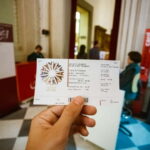
Where you start: Chefactory Academy and getting there on time
Meeting point: Via Camillo Cavour, 180 (Chefactory Academy). Arrive about 10 minutes early. Latecomers aren’t accepted, so set yourself up for success.
Here’s a practical tip I’d follow: give yourself extra walking time. One helpful detail from past participants is that it can be about a 30-minute walk from the Arno river, depending on your route and pace. If you’re also squeezing in museum stops, bridges, and photos, plan this class like a fixed appointment, not an “in-between” activity.
Also note the door instruction: push the door before calling. That’s the kind of thing that sounds minor until you’re standing there with time running out.
The pasta-making flow: dough, rolling, and shaping
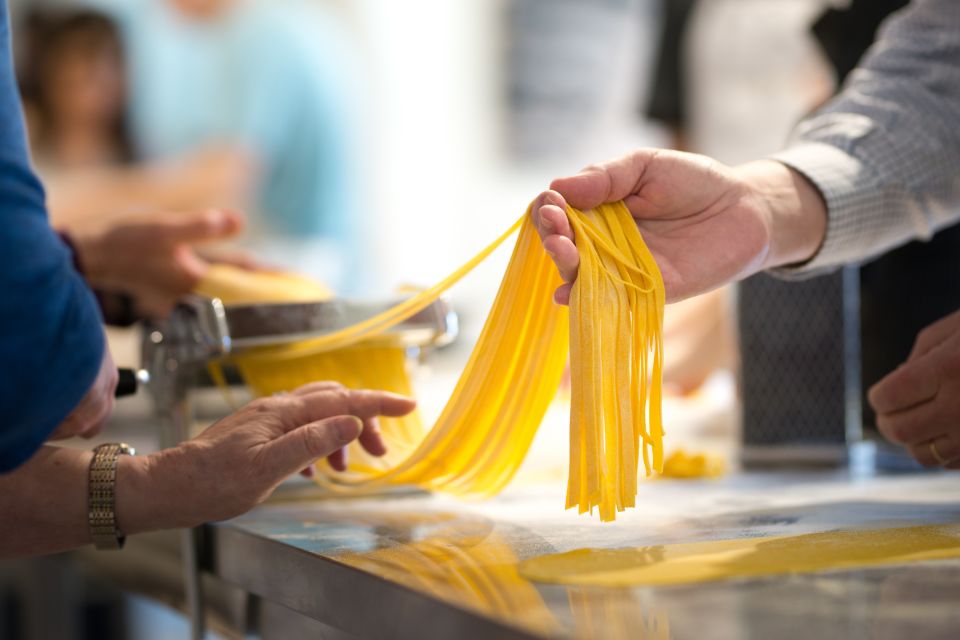
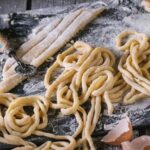
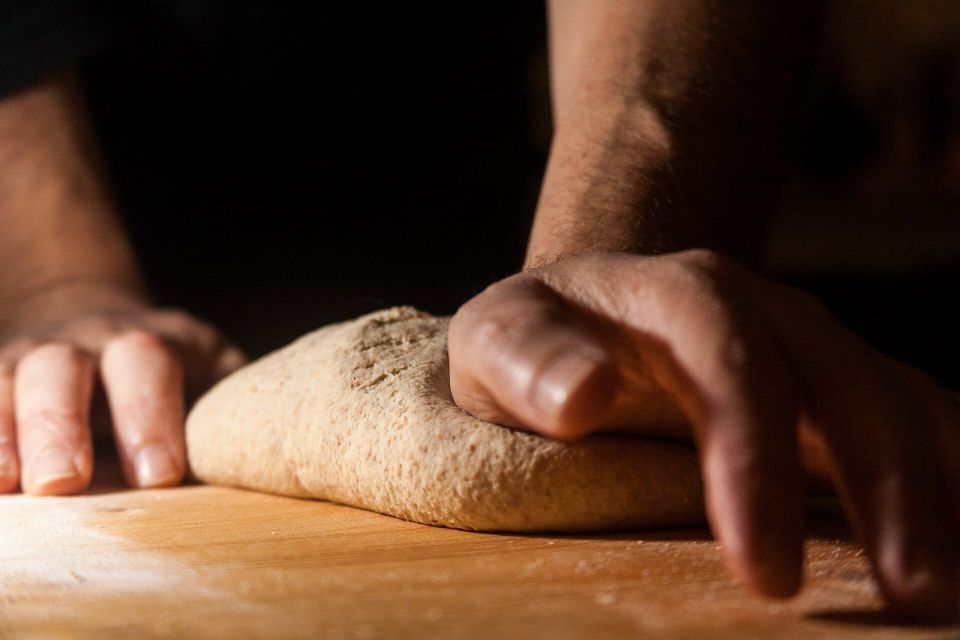
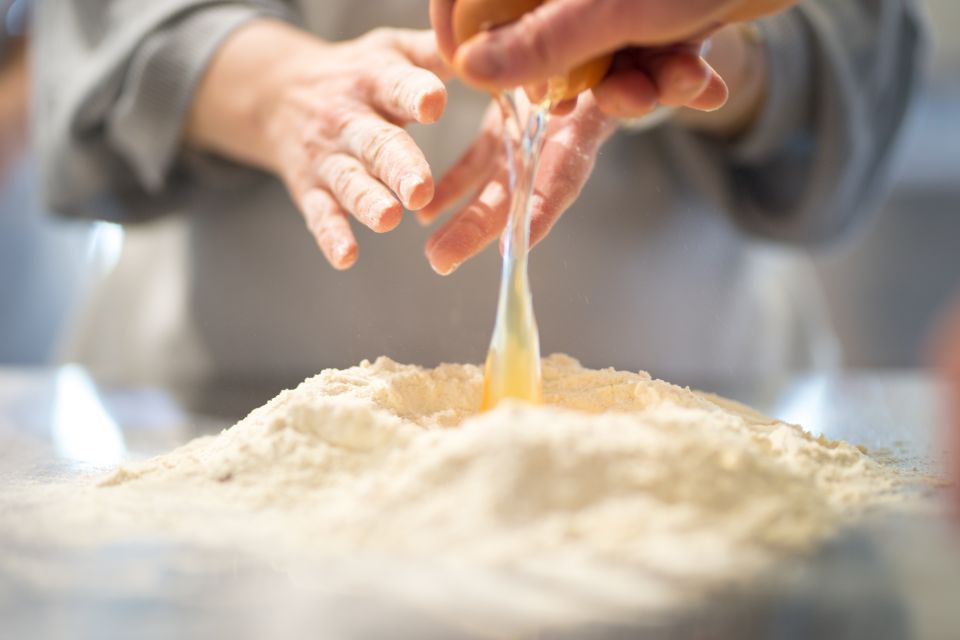
The heart of the experience is fresh pasta made from scratch. Expect a guided process where you learn the logic behind the dough, not just a list of steps.
In many sessions, the chef has you do the full “from start to finish” workflow, including:
- mixing dough ingredients and working the dough by hand
- learning how dough should look and feel as you shape it
- rolling pasta to the right thickness
- preparing pasta portions and then cooking or assembling them in the right way for that pasta type
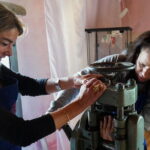
One of the most praised parts of this class is how hands-on it is. People describe it as interactive, with instruction broken into clear tasks so everyone can participate. That matters because pasta skills don’t stick when you only watch. You need to touch the dough, roll it, and see what happens when you get it right.
You may also notice that the chef rotates responsibilities and keeps the group moving. In some sessions, groups are split so you work with fewer people at a time rather than one big crowd. That’s a big deal if you’re nervous about cooking. Smaller work zones reduce waiting and help you ask quick questions mid-step.
Sauce lessons: why you’ll remember this part
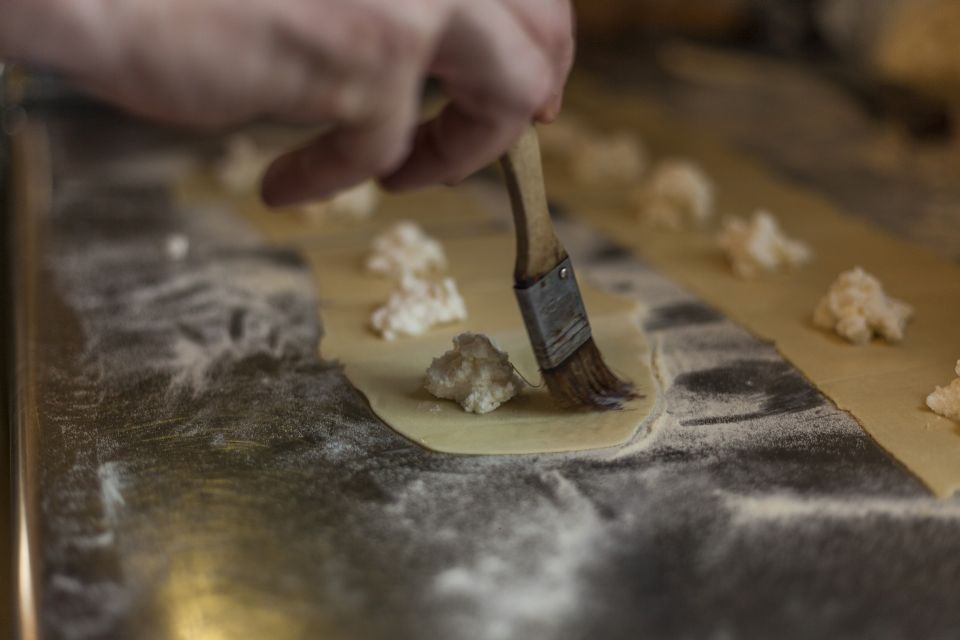
Pasta is only half the story in Italy. The other half is what coats it, clings to it, and tastes like it belongs.
This class teaches sauces alongside your pasta. Many sessions are set up so you make at least one sauce yourself, while others in your group handle the remaining sauces. That structure turns the cooking into teamwork: you’re not stuck with only one narrow task, and you’re also not expected to run the entire meal alone.
You’ll also get a feel for how sauce changes based on what it’s meant to serve:
- Some sauces are designed to cling, so the texture and thickness matter
- Others are meant to balance richness with acidity or herb flavors
- And yes, vegetarian options are available, so you can still build a real pairing rather than a sad substitution
A nice bonus is that the chef isn’t only cooking with you. Chefs in this program (names you might hear include Francesco, Greta, Stefano, and Romina) often share “tips for the trade,” like adjustments that help dough behave better or help sauce taste more finished.
If you care about dietary needs, this is one place where it helps to communicate. One past participant described getting DF (dairy-free) options made for them. You can’t assume every session will match every diet, but this suggests the team can be flexible when they know ahead of time.
The sit-down finish: eating your pasta and pairing it with wine
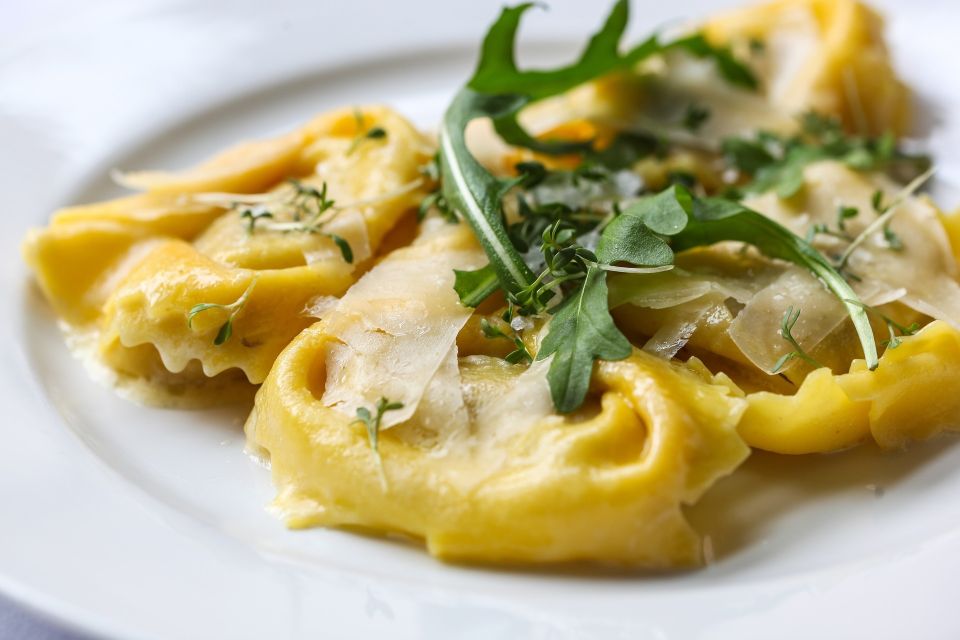
After you cook, you eat what you made. That sounds obvious, but it’s not always how classes work. Here, the meal is part of the point: you sit together, share the results, and taste the work while everything is fresh.
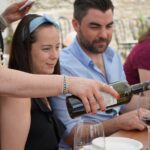
Wine is included, and it’s served to round out the evening. The pairing won’t turn you into a sommelier, but it does something practical: it makes the meal feel like an Italian dinner rather than a rushed tasting at the end of a workshop.
There’s also a social side that many people enjoy. One participant liked being in a group of six, because they were paired off instead of lumped with random strangers. That’s the kind of small group design that keeps the cooking fun and the chatter friendly.
A quick note: how the pasta is plated can vary. Some participants have felt that at the end, they ate their own pasta rather than having every dish blended together across the whole table. That’s not bad, just something to expect. The core idea stays the same: you’ll eat what you make, plus dessert.
- The Best tour in Florence: Renaissance & Medici Tales – guided by a STORYTELLER
★ 5.0 · 12,316 reviews

What you take home: recipes you can actually use
One of the best value signals in a cooking class is whether you can repeat it at home. This one includes take-home materials, and many participants mention a recipe booklet you can use later.
I like take-home recipes because they do three things:
1) They protect you from forgetting the order of steps
2) They remind you what “right” should look and taste like
3) They turn a vacation memory into an at-home dinner you can build again
When you leave with the recipe logic, it’s easier to shop intelligently too. Fresh pasta is all about simple ingredients done correctly, and once you’ve done it once, you know what matters.
Price and value: is $85 a fair deal in Florence?
At $85 per person for a three-hour class, it’s not a cheap impulse activity. But it’s also not overpriced when you look at what’s included.
You’re getting:
- a professional chef guiding the cooking
- ingredients for the pasta and sauces
- your meal at the end (your creations, plus dessert)
- a glass of wine
In real terms, you’re paying for instruction plus the “full experience” meal, not just a tiny tasting. And since the ingredients are part of the fee, you’re also avoiding that common problem where you pay for a class but end up buying extra supplies to make it again.
The other value angle is skill transfer. If you come out confident enough to make fresh pasta at home, that’s a repeatable advantage. Even if you only cook it once or twice a year, you’ll still get real joy out of knowing how to do it.
Language and teaching style: how you’ll communicate
The class instructor can work in German, Italian, and English. That’s useful in a mixed group, because you shouldn’t feel stuck translating everything in your head.
One more helpful detail: some sessions have had instruction described as happening in English or German, and in at least one case, English and Spanish support was mentioned. Don’t panic if your main language isn’t perfect in every moment. Cooking classes are visual. Still, if you’re someone who needs clear audio for technique, you might want to pick a session where your language matches the group best.
A small consideration: one participant mentioned that a chef was a bit hard to understand due to accent. That doesn’t mean the teaching is unclear. It just means if you’re sensitive to audio clarity, it may help to arrive early and lean in when the chef demonstrates key steps.
Who this class suits best
This is a great fit if you:
- want hands-on cooking, not a passive demonstration
- like food travel that leaves you with a skill, not just photos
- enjoy Italian meals and want to connect ingredients to technique
- travel with friends or a small group and want an activity that naturally mixes people at the table
It may be less ideal if you’re traveling with kids, because children under 13 aren’t allowed. It’s also best if you’re comfortable walking to a central meeting point and can arrive on time without stress.
Accessibility note: double-check before you book
The provided information is a little contradictory on accessibility. One section says the activity is wheelchair accessible, but a separate note says it is not wheelchair accessible.
If accessibility matters for your plans, contact the operator directly before you commit. This is one of those cases where a quick confirmation can save you a lot of hassle.
Should you book this Florence pasta class?
If you want a Florence experience that’s practical, tasty, and actually teaches you something you can repeat, I’d say yes. The combination of fresh pasta from scratch, real sauce work, and a sit-down meal with wine makes it feel like more than a single cooking demo.
Book it if:
- you’re excited about learning techniques (dough, rolling, shaping)
- you want a meal that’s part of the activity, not an afterthought
- you can get to Via Camillo Cavour, 180 on time
Skip it (or pick another option) if:
- you need flexibility with timing and late arrivals are a problem
- you’re bringing kids under 13
- you require confirmed wheelchair access and don’t want to risk inconsistent info
FAQ
How long is the pasta cooking class in Florence?
The class lasts about 3 hours.
What’s the price per person?
It costs $85 per person.
What’s included in the experience?
You get a cooking class with a professional chef, cooking ingredients, and a glass of wine. The class ends with a meal of what you create.
Where do I meet the group?
The meeting point is Via Camillo Cavour, 180 (Chefactory Academy). Arrive about 10 minutes early.
Is this class suitable for children?
No. Children under 13 years old are not allowed.
What languages are used during the class?
The instructor can teach in German, Italian, and English.
Is it wheelchair accessible?
The information provided is contradictory: one part says wheelchair accessible, while another note says it is not wheelchair accessible. You should confirm with the operator before booking.
FAQ
Can I cancel for a full refund?
Yes. You can cancel up to 24 hours in advance for a full refund.
What if I want to keep my travel plans flexible?
You can reserve now and pay later, so you don’t have to pay immediately.
You Might Also Enjoy

More Tour Reviews in Florence
- Tuscany Day Trip from Florence: Siena, San Gimignano, Pisa and Lunch at a Winery
★ 5.0 · 21,634 reviews - The Best tour in Florence: Renaissance & Medici Tales – guided by a STORYTELLER
★ 5.0 · 12,316 reviews