REVIEW · MILAN
Pinacoteca Ambrosiana and da Vinci’s Codex Atlanticus admission in Milan
Book on Viator →Operated by Veneranda Biblioteca Ambrosiana · Bookable on Viator
Leonardo’s handwriting is the star here. This timed admission to the Pinacoteca Ambrosiana pairs the museum’s permanent collection with a focused look at the Codex Atlanticus on view. It’s self-guided, so you can move at your pace and match it to your day in Milan.
I love two things most. First, you get an intimate look at da Vinci’s notes and sketches from the period between 1478 and 1519, including pages that are shown in rotation. Second, the museum itself feels calm and careful, with art displayed in a way that makes you want to slow down and actually read the captions.
One possible drawback: you see only selected pages from the Codex at a time, so if you’re expecting the entire 1,000+ page notebook to be spread out on the walls, you’ll want to set the right expectations.
In This Review
- Key highlights before you go
- Pinacoteca Ambrosiana feels different from most Milan art stops
- Getting there near Piazza Duomo and picking the right entry time
- Codex Atlanticus: what you’ll see and why rotation matters
- Leonardo’s pages are the star, but the museum has serious backup
- How to pace your 1.5 hours (and not miss what matters)
- Pair it with Milan sights without wasting time
- Price and value: is $19.96 a good deal?
- Who should book this admission ticket (and who should reconsider)
- Should you book the Pinacoteca Ambrosiana with Codex Atlanticus?
- FAQ
- Where is the Pinacoteca Ambrosiana located?
- How long does the visit take?
- What does the ticket include?
- Is The Last Supper included?
- Is there an audio guide?
- Can children visit?
Key highlights before you go
- Timed entry with self-guided freedom (you’re not trapped in a group pace)
- Original Codex pages that rotate on a regular schedule
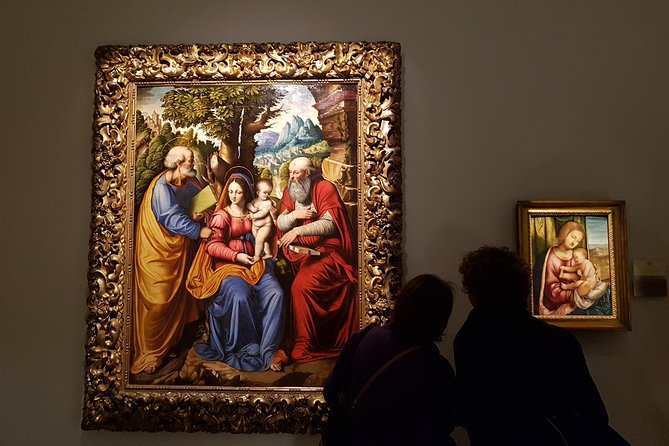
- Da Vinci is the focus, but the rest of the collection is strong (Botticelli, Titian, Raphael, Caravaggio)
- You’ll likely spend around 1.5 hours, but you can stay longer if you’re enjoying it
- Small group size with a maximum of 10 travelers
- Tiny historical curiosities can pop up, like a lock of Lucrezia Borgia’s hair and Dante’s writings
Pinacoteca Ambrosiana feels different from most Milan art stops
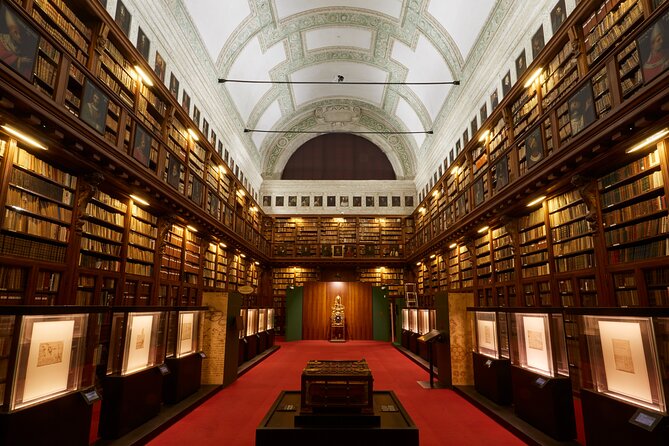
Most big Milan museums make you choose between crowds and speed. This one is built for a slower rhythm. You’re stepping into a museum experience that mixes art and ideas, with da Vinci’s thinking treated like the headline—not a side note.
The Codex Atlanticus display is the draw, but the reason I keep recommending this admission is that the building and layout do you favors. The museum presentation helps you focus on what’s in front of you, whether it’s a Renaissance masterpiece or a notebook page that shows how a mind works.
And yes, you’re close to the action. You can treat this as an anchor stop near the city center rather than a long logistics project.
You can also read our reviews of more tours and experiences in Milan.


Getting there near Piazza Duomo and picking the right entry time
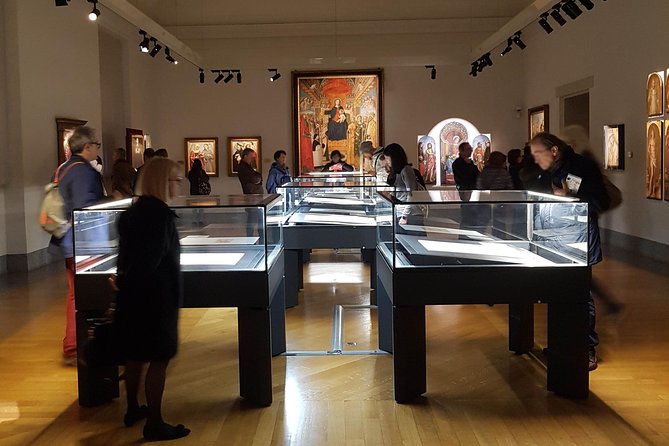
Finding the Pinacoteca Ambrosiana is straightforward: it’s just minutes walking from Piazza Duomo. That matters because this is a timed entry experience, and in Milan the “timed” part can be the difference between relaxed and stressed.
You can choose an entry time that fits your schedule—morning or afternoon. If you’re trying to make the visit feel more comfortable, I’d lean toward a quieter slot. The museum is often calmer earlier in the day, which makes it easier to read details on the da Vinci pages.
Plan for a 1 to 2 hour visit window, with 1.5 hours as a sensible baseline. If you tend to wander, stop for photos, and actually read the explanations, give yourself the longer end.
Codex Atlanticus: what you’ll see and why rotation matters
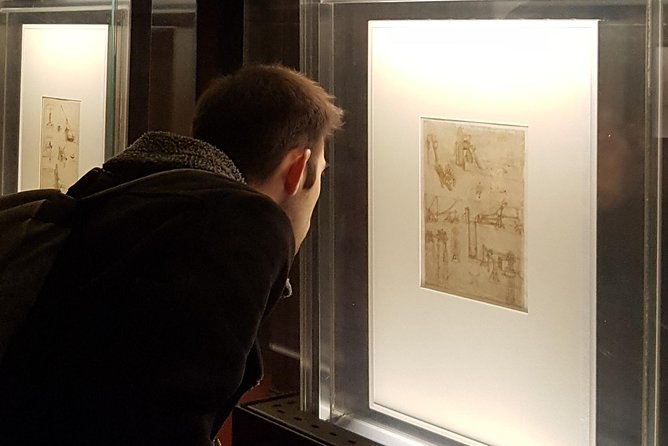
The main attraction is the Codex Atlanticus section inside the Pinacoteca. Your general admission ticket gives you access to the Codex exhibit and the museum’s permanent collection.
Here’s what the Codex visit is really like: you’re not walking through a single static display. The pages on show are rotated regularly, and the exhibit focuses on selected materials from da Vinci’s notebook period (1478 to 1519). That means each visit can feel a little different, and it also explains why the display can’t show all 1,000+ pages at once.
You’ll be looking at pages described as notes and sketches—original material that helps you see da Vinci as an active thinker, not just a legend. The experience is more “how he worked” than “wow, look at that.”
Important expectation-setting: some parts of the overall Codex experience are necessarily limited to what’s displayed on-site at that time. One review noted that da Vinci representation can feel light if you were expecting far more on the walls. So go in curious and flexible, not as a completionist hunting for every page.
If you want more than the exhibit area offers, you can also head toward the museum’s library-related spaces where additional Codex material is described as being held and displayed. In practice, that means you can spend extra time there if you want the “notebook world” to keep going.
Leonardo’s pages are the star, but the museum has serious backup
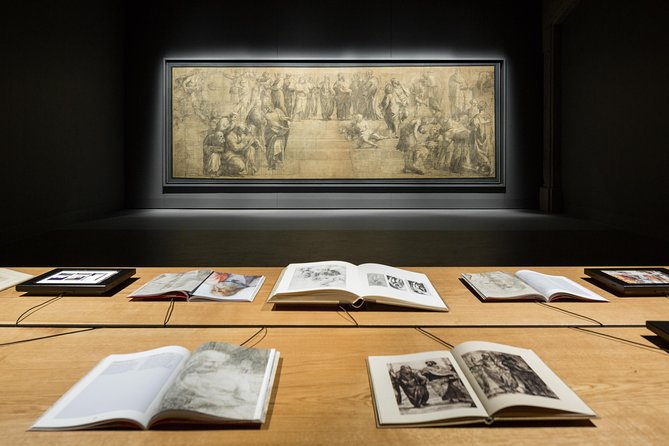
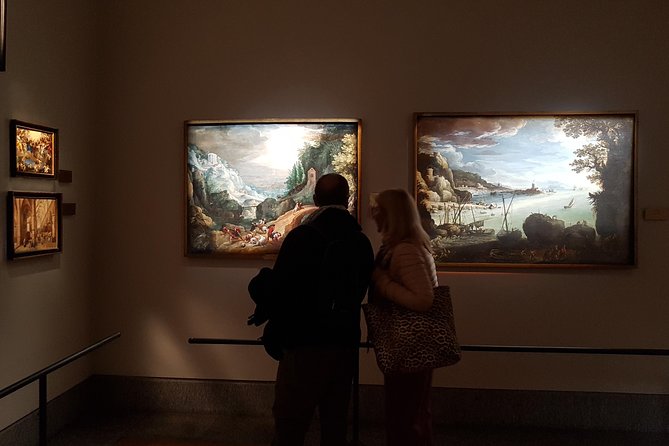
The museum doesn’t ask you to ignore everything else. Once you’ve seen the Codex pages, you’ll move through halls with major artists in the spotlight.
Some of the standout names you can expect include:
- Botticelli (including Madonna del Padiglione)
- Titian (including Adoration of the Magi)
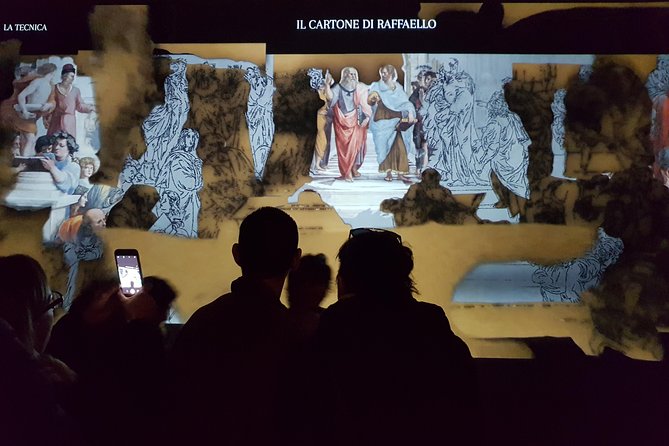
- Raphael (including a Cartoon for the School of Athens)
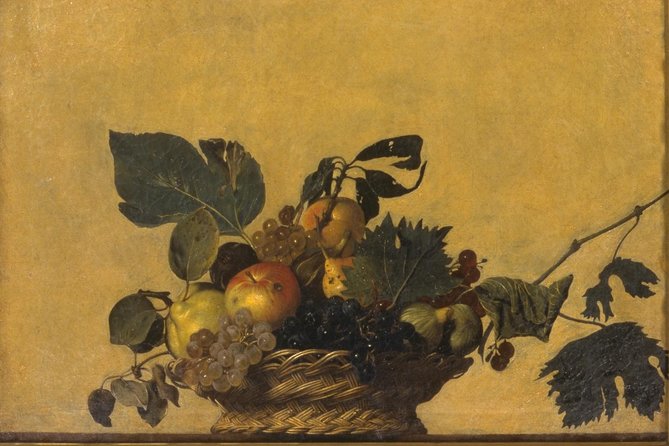
- Caravaggio (including Basket of Fruit)
The practical upside is that even if you’re there for da Vinci, you’re unlikely to leave bored. The collection gives you a broader Renaissance picture, and it helps you connect the sketchbook mindset to finished works you might recognize from other European museum visits.
There’s also a bonus layer of “museum as history machine.” Some visitors point out intriguing oddities—like a lock of Lucrezia Borgia’s hair—and the presence of Dante’s writings. You don’t have to chase these, but when you stumble on them, they’re exactly the kind of detail that makes a museum feel alive instead of checklist-y.
One more thing: the Codex experience is supported by explanations in English. That’s a big deal. Notebook pages can be visually mind-blowing, but without guidance they can also be frustrating. Here, the text support helps you actually interpret what you’re seeing.
How to pace your 1.5 hours (and not miss what matters)
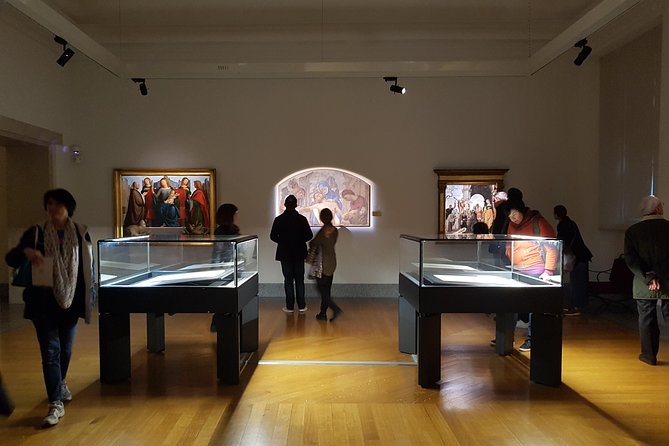
This is a self-guided visit with admission included, so you won’t have to keep up with a group. That sounds obvious, but it changes how you should plan.
My best advice is simple: do a first pass through the Codex pages with slow reading, then circle back only if something grabs you. The rotation feature makes it tempting to scan quickly, but the value is in noticing the kinds of notes and sketches that repeat. That’s where you see the working patterns—ideas that return, problems da Vinci keeps poking at, and the mix of observation and invention.
After that, transition to the painting halls with a rule of your own:
- Pick 3 big works you really want to see
- Spend extra time at one you’re least expecting
- Don’t feel guilty if you skip the “middle ranks” of the display
Because you don’t have a forced route, you can shape the museum to your interests. If your brain is in Renaissance mode, linger with the masters. If you’re in “Leonardo nerd mode,” spend more time in the library-related areas.
And if you’re sensitive to getting turned around: one caution that came up is that orientation can feel complicated. To protect your mood, leave a little buffer. Arriving closer to your entry time (not 40 minutes late) helps because you’re not trying to find your footing while stressed.





Pair it with Milan sights without wasting time
This stop works best as an early or mid-day anchor because you’re near the center—especially Piazza Duomo. That means you can pair it with other Milan highlights without building a complicated travel route around it.
A practical strategy:
- Go to the Pinacoteca first when your energy is higher.
- Then use the surrounding central area for a walking day.
Why this order works: the Pinacoteca rewards attention and reading. If you do it after a long sightseeing day, you may miss the “why this page matters” feeling that makes the Codex so special.
Also, this museum visit can be a relief from outdoor walking. Even on a hot or rainy day, you can still get a high-impact Milan experience without sprinting between sights.
Price and value: is $19.96 a good deal?
At $19.96 per person, you’re paying for timed admission to:
- the Codex Atlanticus exhibit (with rotating pages)
- the museum’s permanent collection halls
That’s a strong value mix because it’s not just one room. You’re getting da Vinci’s notebook pages plus major works by other Renaissance giants like Botticelli, Titian, Raphael, and Caravaggio.
What’s not included is a major gotcha if you’re comparing it to other Milan “big ticket” museum options:
- Entrance to The Last Supper is not included
So if your goal is specifically The Last Supper, you’ll need a different ticket plan. But if your goal is da Vinci’s thinking—his notes and sketches—this is exactly the kind of experience that feels worth the price because it’s direct, original, and thoughtfully presented.
Optional add-on: an audio guide is about 3 EUR, but it’s not included. Since explanations on the Codex pages are available, you may not need it. If you like a guided narrative in your ear while you wander, the audio can help you move faster through the general collection while still catching key points.
Who should book this admission ticket (and who should reconsider)
This is a great fit if you:
- want da Vinci’s process, not just a famous finished work
- like museums where you can set your own pace
- enjoy reading museum explanations and looking longer than a quick photo stop
It’s especially ideal for couples, independent travelers, and anyone who doesn’t want to be held to a tight group schedule.
You might reconsider if:
- you’re expecting an overwhelming amount of da Vinci material all at once (the display is selected pages that rotate)
- you’re short on time and hate reading in museums—this works best when you’re willing to slow down
- you’re trying to make one ticket cover The Last Supper (it doesn’t)
Should you book the Pinacoteca Ambrosiana with Codex Atlanticus?
Yes, I’d book it if your Milan trip includes da Vinci in a serious way. For the money, you get timed access to the Codex pages plus a strong collection of Renaissance art in a museum setting that doesn’t feel chaotic.
If you’re the type who needs every second to be perfectly “hands-on” with lots of da Vinci on every wall, go in with adjusted expectations: you’ll see selected pages now, and that’s still the point. If you’re open to the broader museum experience—Codex plus Botticelli, Titian, Raphael, and Caravaggio—you’ll walk away satisfied, not just impressed for a moment.
FAQ
Where is the Pinacoteca Ambrosiana located?
It’s in Milan, just minutes walking distance from Piazza Duomo.
How long does the visit take?
Plan about 1 to 2 hours. A recommended visit time is around 1.5 hours.
What does the ticket include?
Your admission includes access to the Codex Atlanticus exhibit and the Pinacoteca Ambrosiana’s permanent collection.
Is The Last Supper included?
No. Entrance to The Last Supper is not included with this admission.
Is there an audio guide?
An audio guide is available for about 3 EUR, but it’s not included in the ticket.
Can children visit?
Children must be accompanied by an adult.
If you want, tell me your travel dates and whether you prefer morning or afternoon, and I’ll suggest a simple “order your day” plan to make this slot work smoothly with the rest of Milan.