REVIEW · ROME
Rome: Piazza Navona and Trevi District Underground Pass
Book on GetYourGuide →Operated by TICKETSTATION SRL · Bookable on GetYourGuide
Rome has secrets under your feet. This Piazza Navona and Trevi District Underground Pass pairs two archeological spaces beneath the city with an audio guide so you can move at a steady pace while you spot Roman highlights above ground. I like that you learn the backstory of the Stadium of Domitian and then switch gears to the Vicus Caprarius passages near Trevi. One possible drawback: each underground site is fairly compact, so if you’re expecting long tunnel networks, you’ll want to adjust your expectations.
The tour also strings together classic Rome eye-candy—Piazza Navona, the Pantheon exterior, and Trevi Fountain—in a tight 2-hour format. That mix helps you connect what you see on street level with what was happening underneath long ago. If you’re traveling on a strict schedule, this is a practical way to get more value than a single-site visit.
Just keep in mind it’s not for everyone: the experience is listed as not suitable for wheelchair users. And since you start by redeeming a voucher at a specific office, it pays to plan your timing carefully.
In This Review
- Key things you’ll notice on this underground pass
- Piazza Navona, Pantheon exterior, and Trevi Fountain: the skyline before the stepping down
- Stadium of Domitian Underground: walking through Roman power right under the square
- Trevi District Underground and Vicus Caprarius: the neighborhood beneath the famous address
- The pacing: how you fit two underground sites into a 2-hour window
- Optional add-ons around Palazzo Venezia and museums: how to finish the day your way
- Price and value: what $34 buys you in Rome
- Meeting point and timing tips near Piazza Navona (so your day stays smooth)
- Who should book this pass, and who should skip it?
- Should you book Rome: Piazza Navona and Trevi District Underground Pass?
- FAQ
- How long is the Piazza Navona and Trevi District Underground Pass?
- Where do I redeem my voucher before the tour?
- What’s included in the ticket price?
- Is the audioguide available in English?
- Do I skip the ticket line?
- Is this tour suitable for wheelchair users?
- What sites are part of the experience above ground?
- Where does the tour end?
- What is the cancellation policy?
- Can I reserve and pay later?
Key things you’ll notice on this underground pass
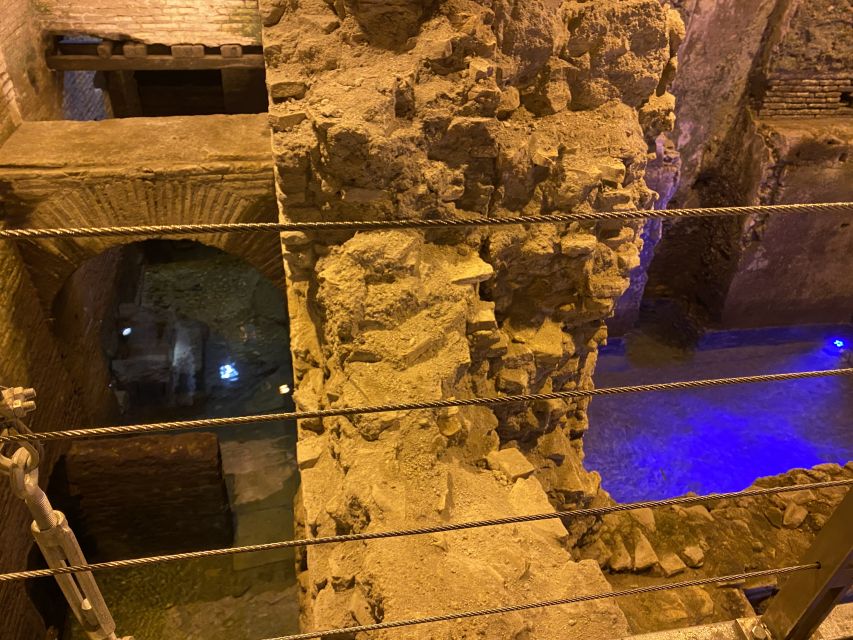
- Stadium of Domitian under Piazza Navona: Roman construction and city life you can literally walk through
- Vicus Caprarius at Trevi District Underground: excavated passages that feel like stepping into a real neighborhood
- Audio guide in multiple languages: Italian, French, English, Spanish, German, Russian, Portuguese
- Most of the time is short and focused: each site is worth it, but it won’t feel endless
- Photo-friendly stops: you’ll have plenty of chances for Rome selfies around Navona and Trevi
Piazza Navona, Pantheon exterior, and Trevi Fountain: the skyline before the stepping down
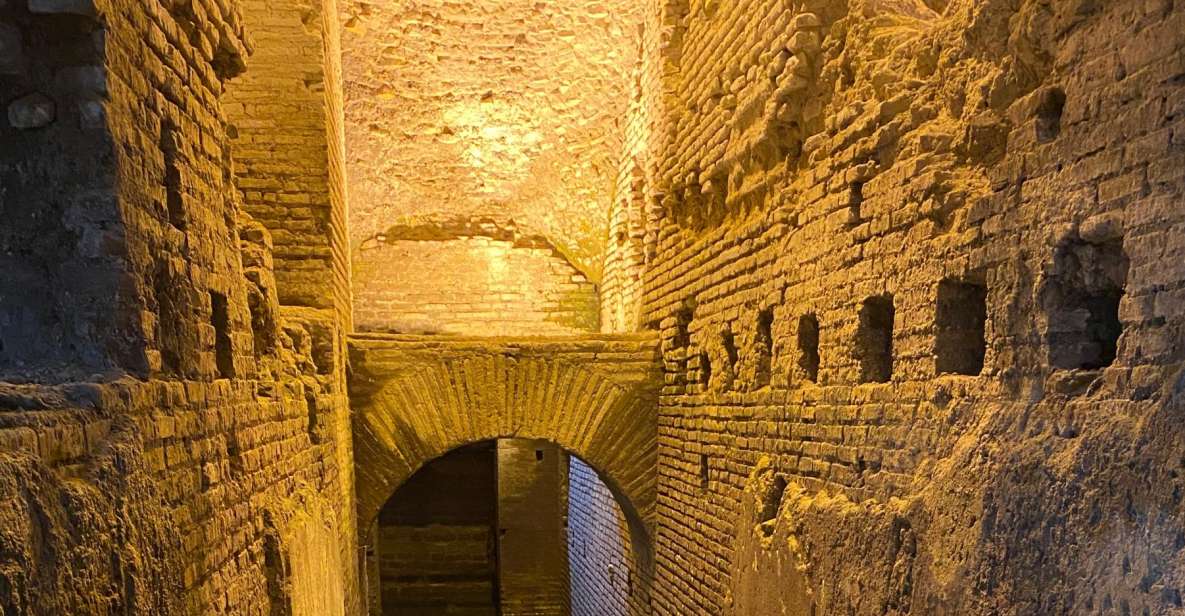
This pass starts you where Rome makes a first impression. Piazza Navona is the kind of square that makes you slow down on purpose: broad, bright, and full of fountain energy. The tour route leans into that—so before you go underground, you get a sense of how central this area is.
You also get a quick cultural reset with the Pantheon exterior. You’re not going inside here, but seeing the building from outside still helps you place what you’ve learned about Roman design in a larger context. It also sets up the underground story nicely. Rome’s street level looks so polished now, but the tour is really about what sits underneath all that.
Then it’s on to Trevi Fountain, one of the biggest names in the city. You’ll have time for the classic coin toss, plus your guide will point out what makes the fountain a magnet for Roman imagination and visitors. Even if you’ve seen photos, standing there is a different feeling—busy, iconic, and unmistakably Rome.
Why I think this structure works: it prevents the underground visit from feeling like a disconnected “side quest.” By the time you descend, you’ve already walked the surface landmarks that anchor the sites in your mind.
You can also read our reviews of more tours and experiences in Rome.


Stadium of Domitian Underground: walking through Roman power right under the square
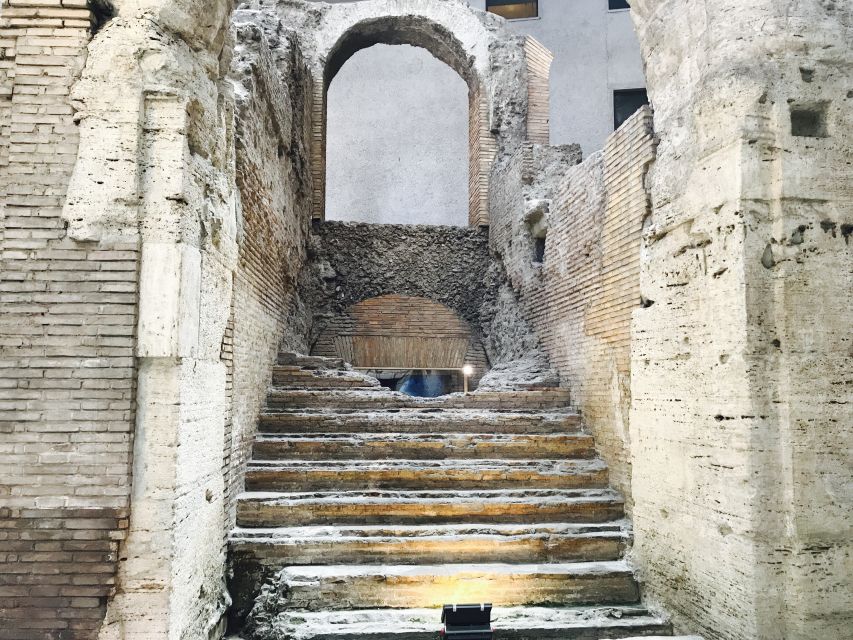
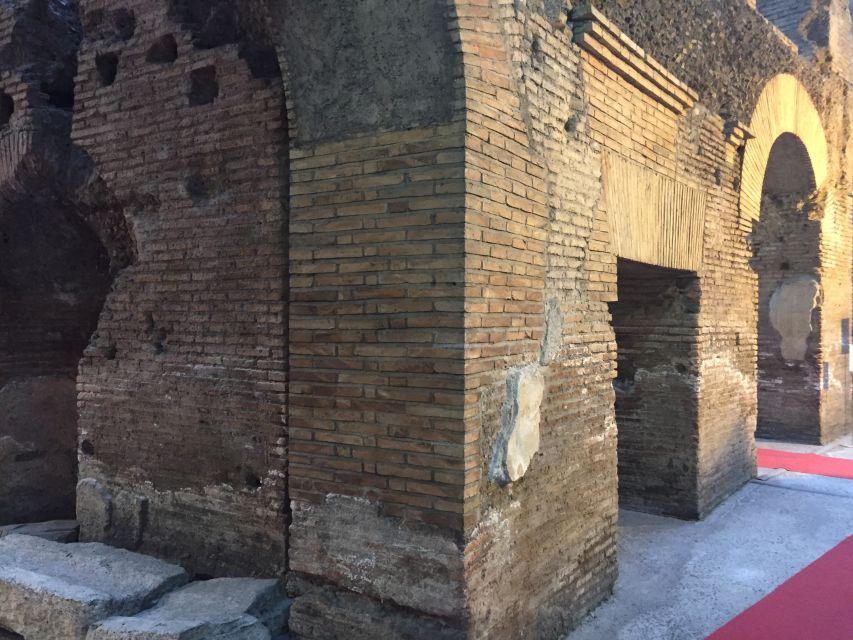
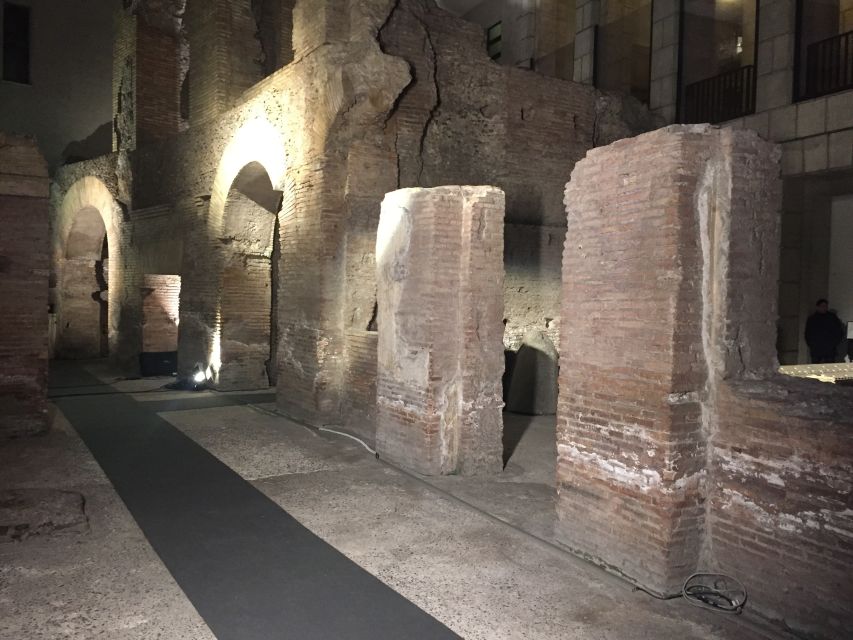
The standout part for most people is the stop at the Stadium of Domitian beneath Piazza Navona. This is where the tour gets real in a way that’s hard to replicate with museums alone. You’re not just reading about Rome—you’re moving through remains tied to a major imperial story.
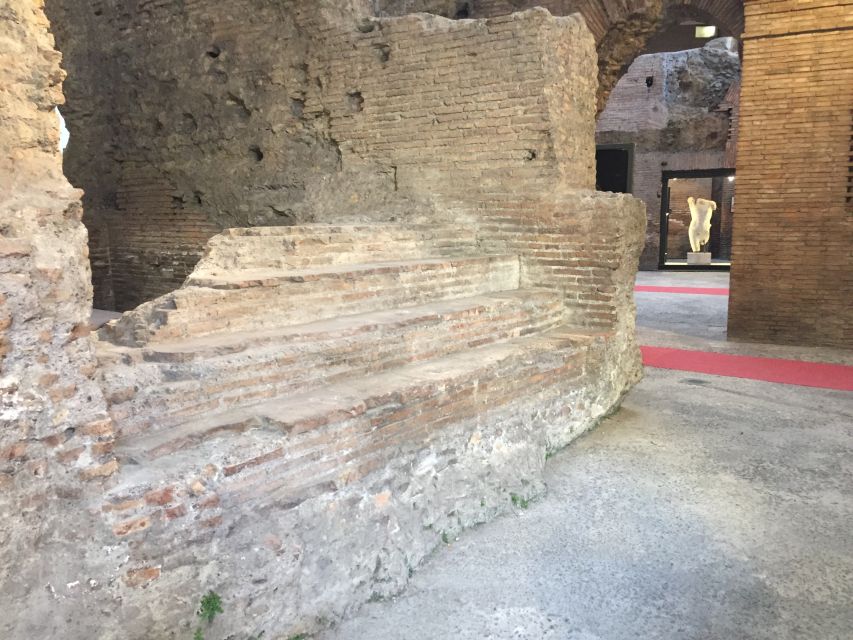
The Stadium of Domitian site is fascinating because it connects architecture to how Rome worked. You learn about the history of this stadium and the idea of monumental public entertainment in the empire. Even without getting technical, the difference between “Roman ruins” and “Roman infrastructure” starts to click when you see how space was built for crowds and ceremonies.
The format helps, too. You get a reserved entrance and an audioguide, which means you can pause for your own photos and keep up without feeling rushed by a stopwatch. That matters because underground spaces can feel visually flat at first glance—having audio context turns “stone and shadows” into something with names, purpose, and timing.
A practical heads-up: one review theme is that this portion can feel shorter than some people expect. That doesn’t necessarily mean it’s disappointing. It just means you should go in ready to appreciate “quality over length.” Think of it as a focused look at one key part of the ancient complex, not an entire underground city.
Trevi District Underground and Vicus Caprarius: the neighborhood beneath the famous address
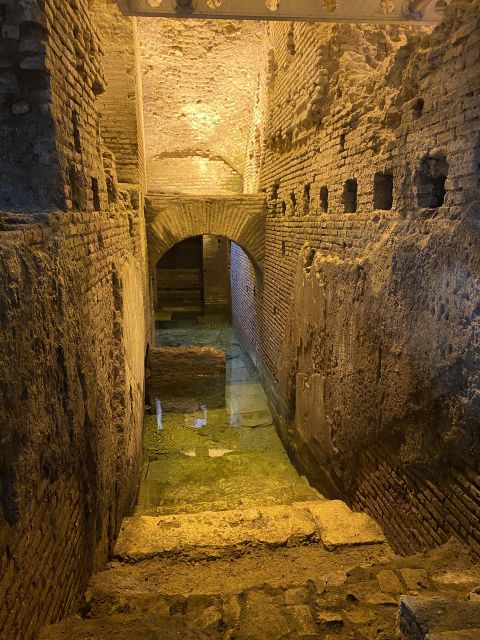
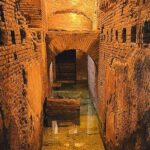
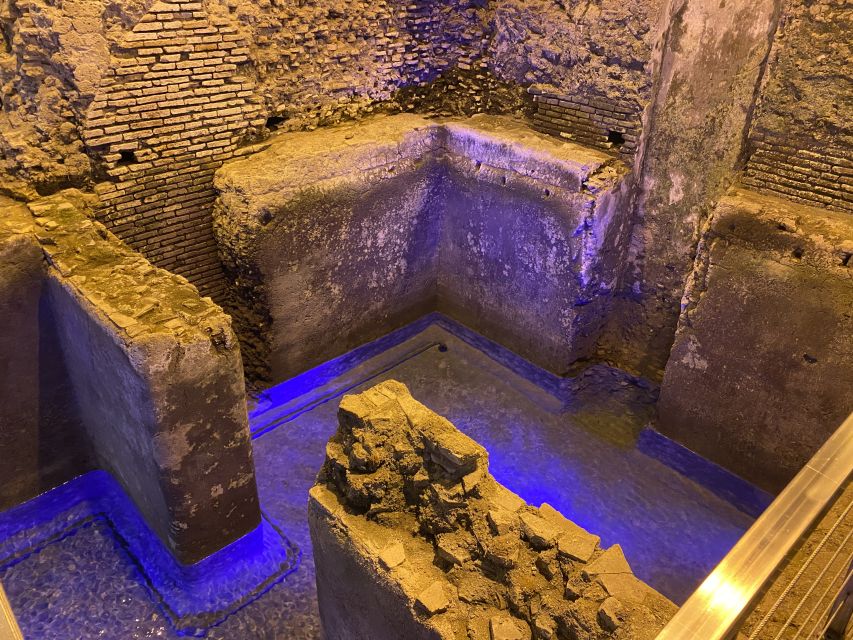
After Piazza Navona’s underground stadium, the tour shifts to the Trevi District Underground area—home to Vicus Caprarius. This is the part that feels especially “lived-in,” because the excavated spaces relate more to everyday Roman environment than to a single giant spectacle.
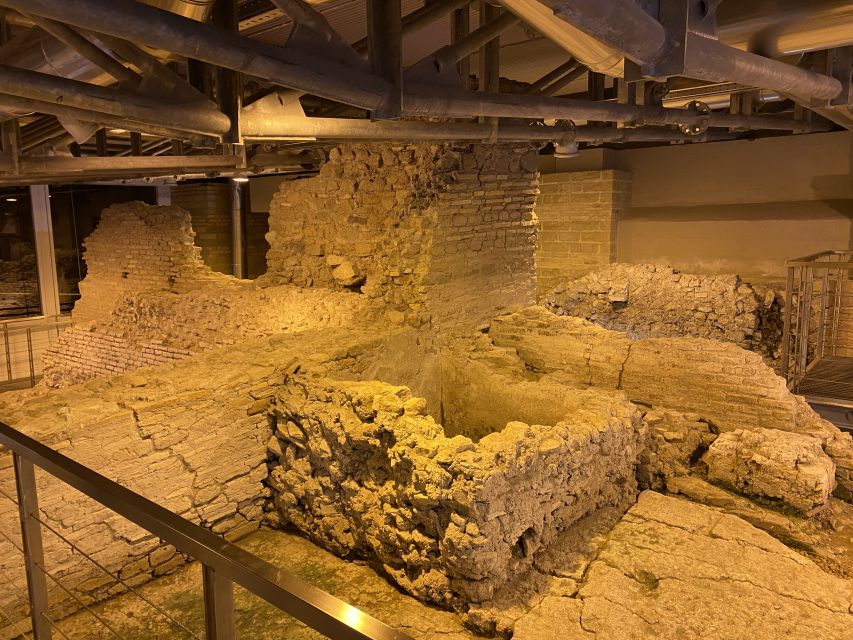
Here, you’re exploring ancient passages and remains tied to the Trevi area. The tone is different from the stadium. Instead of grand spectacle, you get a sense of how people moved through parts of the city—how streets and structures shaped daily life.
What I like about this contrast is simple: your brain learns Rome faster when you see different layers. One stop helps you picture imperial Rome’s public face. The next helps you picture the city as a place people actually inhabited.
The key expectation to manage is size. The underground Trevi portion is described as not huge. In plain terms, it’s more like a meaningful “slice” than a whole maze. If you want a big labyrinth experience, you may feel impatient before you even realize it. If you’re okay with compact and specific, this stop can be memorable.
And yes, it’s also an excellent place for photos. Underground lighting won’t magically make everyone a professional photographer, but the settings are distinct enough for selfies that feel like Rome, not just a generic indoor scene.
The pacing: how you fit two underground sites into a 2-hour window
The pass is 2 hours total. That’s not long, so the pacing is efficient. You can expect the experience to be structured around quick transitions and reserved entry, rather than lingering for hours at each location.
This is a big value point. In Rome, waiting in line can quietly eat your day. Here, you’re set up with reserved entrance and audio support, which helps you avoid the most painful form of “time loss.”
Still, because the time is tight, it helps to arrive with a calm mindset. If you wander too far trying to find the perfect photo spot before each underground start time, you may feel the squeeze. If you stay close to the flow, you’ll finish with two sites checked off and a better sense of the city’s layers.
Optional add-ons around Palazzo Venezia and museums: how to finish the day your way
Your pass description also points to a way to “complete” the day with a Panoramic Glass Elevator and a stop near Palazzo Venezia, plus access to the Risorgimental Museum or the Capitoline Museums (depending on the option that fits you best).
Just note the wording here: it reads like an optional add-on rather than a guaranteed included part of the underground pass itself. So, if you’re considering this, treat it like a second decision. Ask yourself whether you want:
- more museum time, or
- a quick scenic view and then back to the streets.
This kind of pairing can work well because the underground content gives you depth, while the museums or viewpoint give you breadth. But if your energy is limited, you can also keep this day simple and just do the underground pass plus the street-level highlights.





Price and value: what $34 buys you in Rome
At around $34 per person, this pass isn’t trying to compete with a budget walking tour. You’re paying for a specific mix of things that matter in Rome:
- Reserved entrance to two underground sites
- Access to audio guides (available in several languages, including English)
- A route that combines street-level icons with the “under the city” story
So the value depends on what you want. If you’re the type who loves learning details and photos without getting stuck in long lines, it’s good value. If you mainly want to see as many sights as possible at the lowest cost, it may feel a bit pricey for what you get in pure volume.
Also, consider what you’re actually purchasing: it’s not just entry tickets. It’s the ability to connect Rome above ground with Rome beneath your feet in a short, organized window. That connection is what turns two small sites into a stronger experience than either one alone.
Meeting point and timing tips near Piazza Navona (so your day stays smooth)
This is where small planning prevents big frustration.
You start with a voucher. Your voucher is not the ticket. You need to redeem it at the Tourist Office at Piazza Navona 25, Rome before you visit the attractions. Then the tour ends back at the meeting point.
A couple of timing tips that will save you stress:
- Check your booking time carefully. The description notes that you should look closely at times on your receipts (including military time).
- If you’re arriving early for your slot, keep your expectations realistic. Some staff may handle entry in a controlled way. Don’t assume you’ll be able to step in immediately just because you’re nearby.
Also, the tour is listed as not suitable for wheelchair users. If mobility is an issue for you, it’s worth planning a different option so you don’t risk a stop-and-go situation.
Who should book this pass, and who should skip it?
Book it if you:
- want two underground Roman sites in one go
- like guided context with an audio guide rather than a fast, rigid lecture
- enjoy photos and want a route that includes Piazza Navona and Trevi Fountain
- want a practical add-on that fits into a busy day
Consider skipping (or choosing another format) if you:
- expect large-scale tunnel systems
- need wheelchair accessibility
- only care about the most famous interior landmarks (since you’re seeing Pantheon exterior, not entry)
This pass is best for travelers who enjoy Rome at the “underneath” level—history you can walk through—without needing a half-day to feel satisfied.
Should you book Rome: Piazza Navona and Trevi District Underground Pass?
I think you should book this pass if you want a compact Rome day with real pay-off. The mix of Stadium of Domitian plus Vicus Caprarius gives you two different kinds of ancient city storytelling, and the reserved entrances plus multilingual audio guides keep it practical.
I’d hesitate only if you’re coming in expecting something huge underground. It’s more precise than sprawling. If you’re okay with focused sites and you want the story behind Rome’s best surface landmarks, this is a smart buy for the money.
FAQ
How long is the Piazza Navona and Trevi District Underground Pass?
The duration is 2 hours. Starting times depend on availability.
Where do I redeem my voucher before the tour?
You redeem your voucher at the Tourist Office at Piazza Navona 25, Rome before visiting the attractions.
What’s included in the ticket price?
The pass includes reserved entrance to the Piazza Navona Underground and reserved entrance to the Trevi District Underground, each with an audioguide.
Is the audioguide available in English?
Yes. The audioguide languages include Italian, French, English, Spanish, German, Russian, and Portuguese.
Do I skip the ticket line?
Yes. The activity includes skip the ticket line.
Is this tour suitable for wheelchair users?
No. It is listed as not suitable for wheelchair users.
What sites are part of the experience above ground?
The tour description includes time around Piazza Navona, the Pantheon from outside, and Trevi Fountain.
Where does the tour end?
This activity ends back at the meeting point.
What is the cancellation policy?
You can cancel up to 24 hours in advance for a full refund.
Can I reserve and pay later?
Yes. The pass offers reserve now & pay later, meaning you can book your spot and pay nothing today.