REVIEW · ROME
Rome: Borghese Gallery Skip-the-line Entry Ticket
Book on GetYourGuide →Operated by Gray Line I Love Rome · Bookable on GetYourGuide
A small museum with huge art drama. This skip-the-line ticket gets you into the Galleria Borghese (often the pain point), and it also lets you focus on crowd-free viewing of Bernini, Caravaggio, Canova, and Raphael. One thing to plan around: the experience is tightly timed, and you’ll need to match your arrival to the entry process.
I like the built-in flexibility. You can go ticket-only and move at your own pace, or choose the guided option for a more structured walk with headsets. The meeting point is straightforward, but it can feel like a scavenger hunt if you show up late, or if you arrive without your ID.
In This Review
- Key takeaways before you go
- Why the Borghese Gallery feels different from Rome’s big-ticket museums
- What art you’ll actually see: Bernini, Caravaggio, Canova, Raphael
- Bernini’s sculptures: the heart of the visit
- Canova and the neoclassical counterpoint
- Caravaggio, Titian, and Raphael in the painting rooms
- The Borghese collection and why it ended up fragmented
- Guided tour vs ticket-only: choose the right pace
- Ticket-only: best if you want control
- Guided tour: best if you want direction and meaning
- The 2-hour flow inside the Villa Borghese residence
- What you can do right after
- Priority entry and meeting point: avoiding the Rome chaos
- Where you meet
- What to bring
- Timing and the “sold out” problem
- Value check: is $46 worth it?
- Villa Borghese gardens: the perfect after-museum reset
- Who should book this, and who should skip it
- Should you book the Borghese Gallery skip-the-line ticket?
- FAQ
- Where do I meet for the Borghese Gallery entry?
- How early should I arrive?
- Do I get priority or skip-the-line entry?
- How long is the visit?
- Is there a guided tour option?
- Are headsets included?
- What ID or document do I need?
- Is this experience wheelchair accessible?
- What items are not allowed inside?
Key takeaways before you go

- Skip-the-line entry helps you beat the most annoying part of visiting Rome’s top museums
- Guided option (small group) gives you a closer, slower look—especially helpful for Bernini sculpture details
- Headsets with disposable earpiece can be included, depending on the option you choose
- Cardinal Scipione Borghese’s collection covers sculpture, painting, and ornate interiors in one compact circuit
- Meeting at Piazzale del Museo Borghese with the I Love Rome logo keeps logistics simple if you arrive early
- Villa Borghese gardens make a great finish after your 2-hour gallery window
Why the Borghese Gallery feels different from Rome’s big-ticket museums
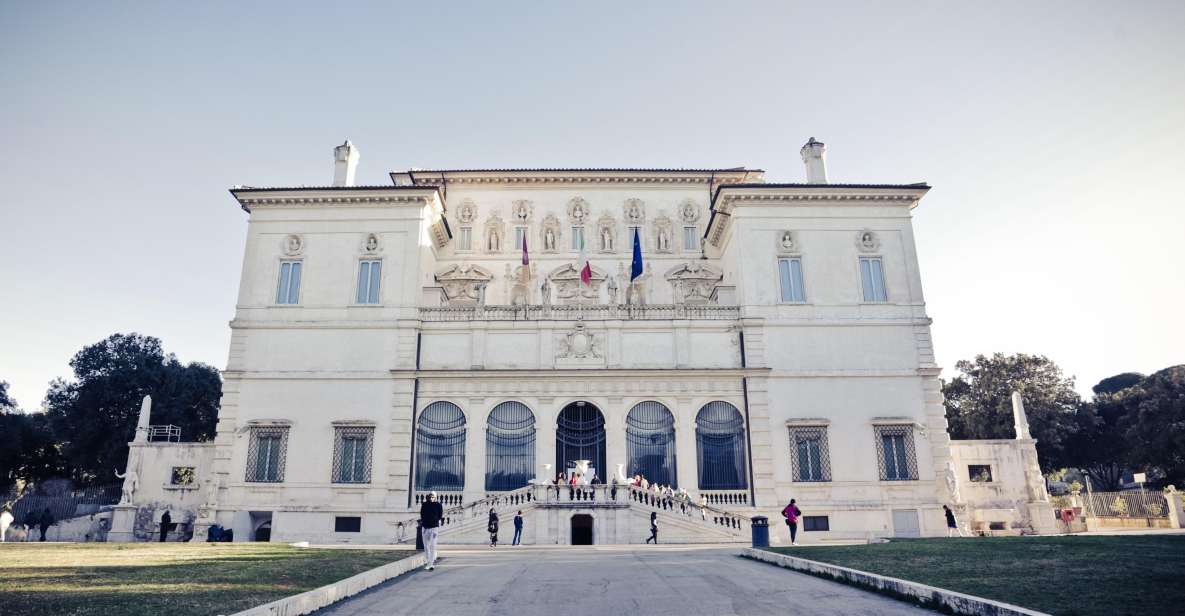
The Galleria Borghese is not trying to impress you with size. It’s smaller, quieter, and more like stepping into a private world—because that’s what it is: the former Villa Borghese residence, now wrapped around one collector’s taste.
You’ll notice the vibe right away. Instead of being crushed by tour groups in endless hallways, you can actually stand in front of a sculpture and take a real minute with it. That’s a big deal if you’re serious about art, or just tired of sprinting from landmark to landmark.
The other nice thing: the museum is tied to the Villa Borghese setting. After your gallery visit, you’re right where you can take a breather and look back over Rome from the gardens.
You can also read our reviews of more tours and experiences in Rome.

What art you’ll actually see: Bernini, Caravaggio, Canova, Raphael
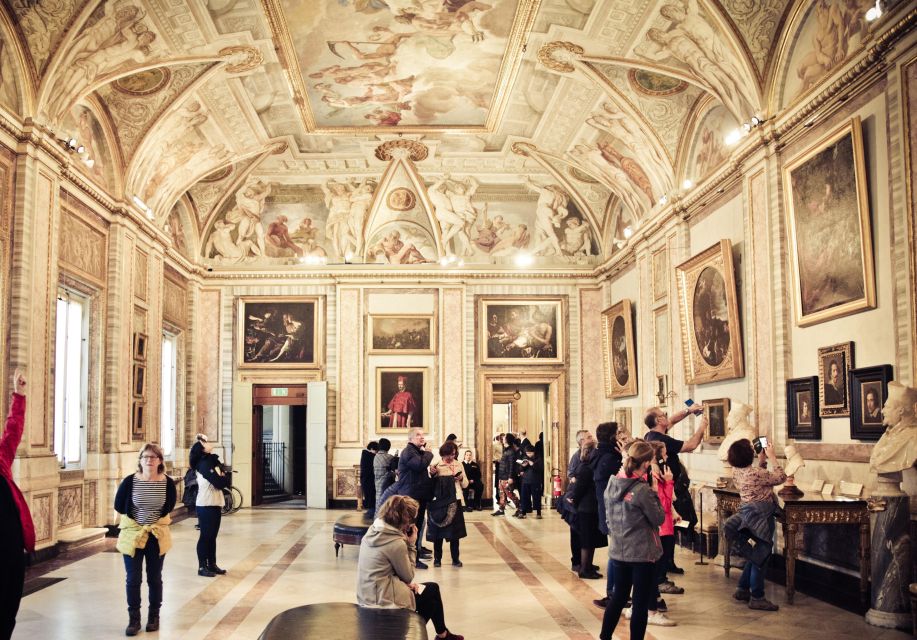
This is the art lineup people come to Rome for—so plan your time around what you want to see most.
Bernini’s sculptures: the heart of the visit
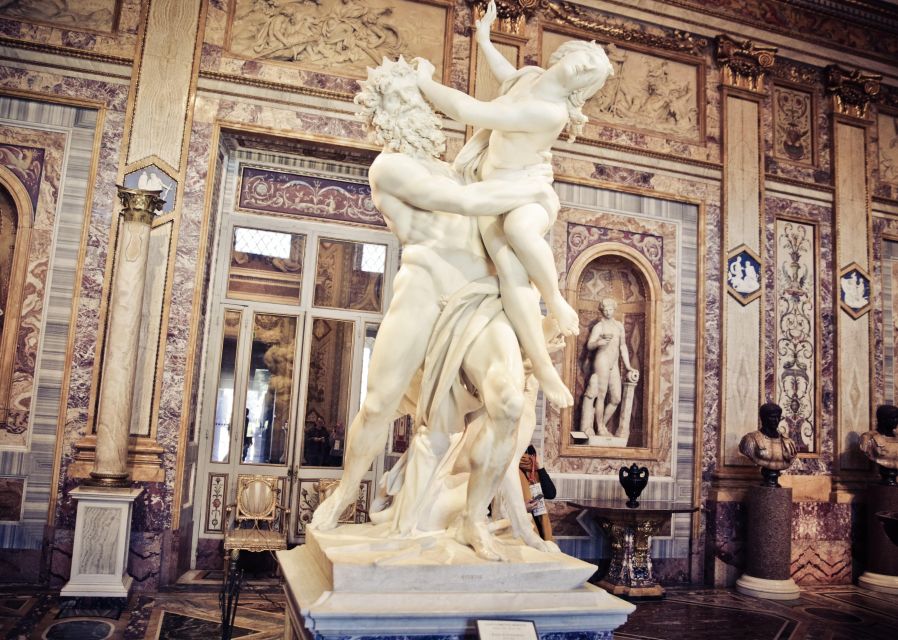
Bernini is the headline here, and you’ll feel it as you move room to room. Expect to spend time with major works like Apollo and Daphne, along with many other Bernini sculptures that show off Baroque energy—faces that look alive, bodies caught mid-motion, and dramatic emotion carved into stone.
If you choose the guided option, this is where the extra money often pays off. A good guide can point out what to look for first—how movement is created, how expressions shift, and why the collector wanted these specific pieces together.
Canova and the neoclassical counterpoint
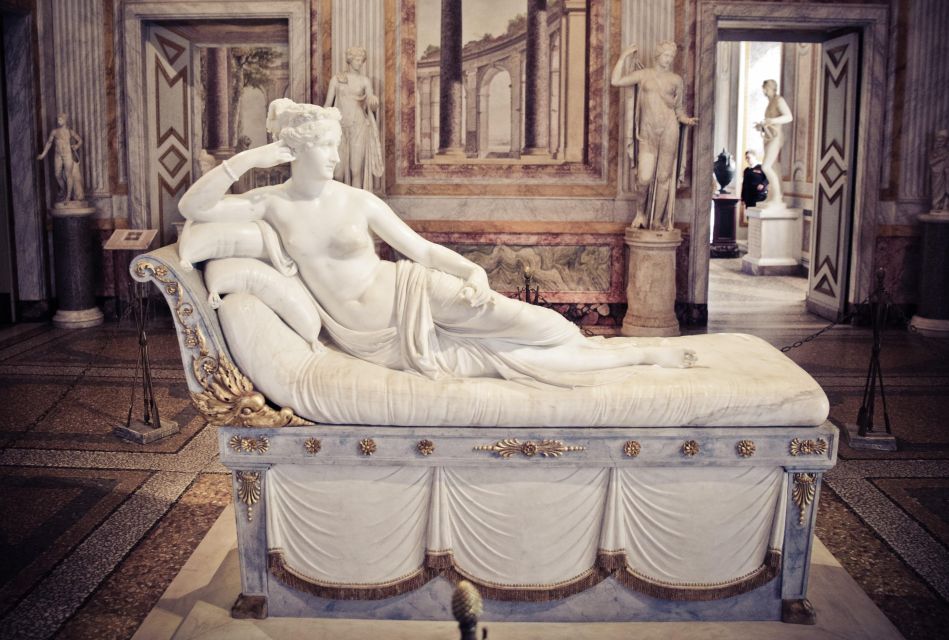
Canova adds a different mood. One of the standout works is his neoclassical portrait of Pauline Bonaparte. It’s a useful contrast next to the more theatrical Baroque feeling—think smoother surfaces and composed form, with its own kind of power.
Caravaggio, Titian, and Raphael in the painting rooms
The gallery doesn’t stop at sculpture. You’ll also see paintings by major names including Caravaggio, Titian, and Raphael—adding color and narrative to the experience.
Caravaggio’s presence matters even if you’re not an art nerd. His style tends to grab your attention fast, because the drama is built into the lighting and the mood of the scene. That’s exactly the kind of painting that works well during a shorter visit, because it’s hard to forget.



The Borghese collection and why it ended up fragmented
One historical thread you’ll appreciate during your visit: the Borghese collection wasn’t all kept together. Part of it was sold to Napoleon, and some of those works helped form parts of the collection now associated with the Louvre. It adds a little extra weight to what you’re seeing, because you’re looking at one of the most coherent survivors of a once-larger set.
Guided tour vs ticket-only: choose the right pace
This ticket is built for two different styles of visitors.
Ticket-only: best if you want control
With the skip-the-line entry and ticket-only option, you’re in charge. You can linger where you care most, and skip the rest if you need to. This is ideal when you’ve already got a sense of what you want—like Bernini sculptures first, then paintings, then the smaller details.
The tradeoff is that you might miss some of the “why this matters” context. If you prefer learning by reading at your own pace, that may be fine. But if you want someone to guide your eyes, the ticket-only approach can feel a little like sightseeing instead of understanding.
Guided tour: best if you want direction and meaning
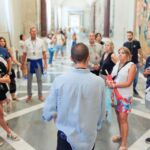
The guided option is typically small-group and includes professional guidance. You’ll also benefit from headsets with a disposable earpiece (depending on the option), which helps keep you close to your guide without straining to hear.
Guides you could meet include Yohana, Alexandra, Francesca, and Fabio. From what’s consistently described in their introductions, they tend to make you excited about each piece—often starting with quick context so you know what you’re looking for the moment you step in front of the work.
Also, if you’re not traveling with an art history expert, a guided route can make the whole place click faster. In a two-hour window, that matters.
The 2-hour flow inside the Villa Borghese residence
You’ll enter, then spend roughly two hours working through a compact set of galleries. The collection mixes sculptures, paintings, and ornate interiors, so you’ll keep switching “modes” without feeling like you’re walking forever.
A smart way to think about your time:
- Use the first part for your must-sees (for most people, that’s Bernini and then a painting you specifically came for)
- Use the middle for the contrast pieces (like Canova next to Baroque sculpture)
- Use the final segment to slow down for details—faces, gestures, and anything that makes the work feel personal rather than textbook
The museum feels like a “house museum” experience. You’re not just reading labels; you’re looking at works that were collected to sit inside a living space with style and drama. That’s why the ornate rooms matter here. They frame how you experience the art rather than acting like a neutral corridor.
What you can do right after
Once you’re done, head for Villa Borghese gardens. Even if you only have time for a short stroll, it’s a classic way to land the visit. You’ll get Rome views, a slower rhythm, and a nice separation from the intense museum experience.
Priority entry and meeting point: avoiding the Rome chaos
This is one of those tickets where the logistics matter as much as the art.
Where you meet
Meet at Piazzale del Museo Borghese, in front of the museum entrance. You should look for the I Love Rome logo. Arrive 15 minutes early.
This matters because the physical ticket collection happens at the start. If you show up too late, you’ll spend your precious time trying to catch up instead of looking at sculptures.
What to bring
Bring a passport or an ID card. And keep your travel light. Strollers and luggage/large bags aren’t allowed, so plan to travel with essentials only.
Timing and the “sold out” problem
Borghese Gallery access can be tight, so booking ahead is your best move. Even when entry times are available, showing up without a pre-arranged entry can mean you end up waiting in lines you’d rather avoid.
Value check: is $46 worth it?
At $46 per person for a two-hour visit, this ticket isn’t cheap—but it can be a very good deal if you care about two things Rome does poorly at peak times: timing and crowds.
You’re paying for:
- Priority entry (the “skip the line” value is real here)
- A timed visit structure (so you don’t lose half your trip just entering)
- Headsets, if your option includes them
- The option to add a guided tour for a small group experience
If you’re deciding between ticket-only and a guide, I’d treat it like this: if you already know you want Bernini-focused learning, or if you want the context that turns art into a story you can follow, the guided upgrade is often worth it. If you’re the type who likes quiet and freedom, ticket-only can be a smarter use of money.
Also, the setting adds value. This isn’t just “a museum.” It’s a former Villa Borghese interior plus a garden escape afterward. That combination makes the time feel fuller.
Villa Borghese gardens: the perfect after-museum reset
The best part of pairing Borghese with the gardens is how naturally it fits. You finish the art, then you don’t need to immediately jump into another crowded attraction.
You can take a slow walk, get Rome views, and let your brain settle before the next stop. If you’re doing Rome over a few busy days, this kind of decompression is not optional—it’s how you keep your trip from turning into a blur.
Who should book this, and who should skip it
Book it if you:
- Want Bernini, Caravaggio, Canova, and Raphael in one compact two-hour plan
- Prefer a smaller, more manageable museum feel
- Are time-sensitive and want skip-the-line entry
- Would enjoy a guided walkthrough with headsets, especially if you’re newer to Baroque art
Consider another approach if you:
- Need wheelchair access (this option is not suitable for wheelchair users)
- Are traveling with large bags or expect to use a stroller (both aren’t allowed)
- Want a very flexible half-day with no timed structure (this ticket is built around set entry timing)
Should you book the Borghese Gallery skip-the-line ticket?
Yes, if your goal is an efficient, high-impact art visit that doesn’t waste time. This ticket makes the Borghese Gallery feel doable, even when Rome is packed and entry lines are long.
I’d book the guided option if you want help seeing what matters fastest—especially for Bernini and the painting context. I’d choose ticket-only if you’re the type who wants to slow down alone and build your own route around the works you came for.
If you do book, do two simple things: arrive early for the Piazzale del Museo Borghese meeting point, and bring your passport or ID so you don’t lose time at the start.
FAQ
Where do I meet for the Borghese Gallery entry?
You meet at Piazzale del Museo Borghese, in front of the museum entrance. Look for the I Love Rome logo.
How early should I arrive?
Arrive 15 minutes early so you have time to collect your physical tickets and get settled before entry.
Do I get priority or skip-the-line entry?
Yes. This ticket includes priority entry and lets you bypass the ticket line.
How long is the visit?
The experience is scheduled for about 2 hours.
Is there a guided tour option?
Yes. You can select guided tour or ticket-only, depending on what you choose.
Are headsets included?
Headsets with a disposable earpiece are included depending on the option selected.
What ID or document do I need?
Bring a passport or ID card.
Is this experience wheelchair accessible?
No. It is not suitable for wheelchair users.
What items are not allowed inside?
Baby strollers, luggage, and large bags are not allowed.
If you tell me your travel dates and whether you’re leaning guided or ticket-only, I can help you pick a smart “must-see first” order so your 2 hours feel perfectly targeted.