REVIEW · ROME
Rome:Hop-On Hop-Off Panoramic Open Bus Ticket 3 Circuits x 1
Book on GetYourGuide →Operated by Green Line Tours · Bookable on GetYourGuide
Rome can feel like a lot at once. This bus helps you sort it fast with three circuits and an onboard audio guide. I like that you can start where you want, ride the open-top panoramas, and then hop off for the big moments like the Spanish Steps and Trevi Fountain. I also like how practical the route feels for first-time orientation, from Santa Maria Maggiore to the Colosseum and onward to the Vatican area.
The logistics are refreshingly simple. Buses run about every 20 minutes, and you get live bus tracking plus free Wi‑Fi onboard, so waiting doesn’t turn into a mini-adventure. The stop list covers classic icons and also Roman daily life stops like Testaccio and Eataly, which makes it easier to build a day that fits your energy.
One thing to consider: the audio is usually strong, but you may run into the occasional bad connection or lower sound quality on some headsets. A couple of trips also note that the loudest level can get swallowed by bus noise, so it helps to sit where you can hear clearly.
In This Review
- Key things I’d plan around
- Ticket value: what $20 really buys you in Rome
- Meeting at Piazza dei Cinquecento: starting point that makes sense
- How the hop-on hop-off rhythm works (and how to avoid waiting)
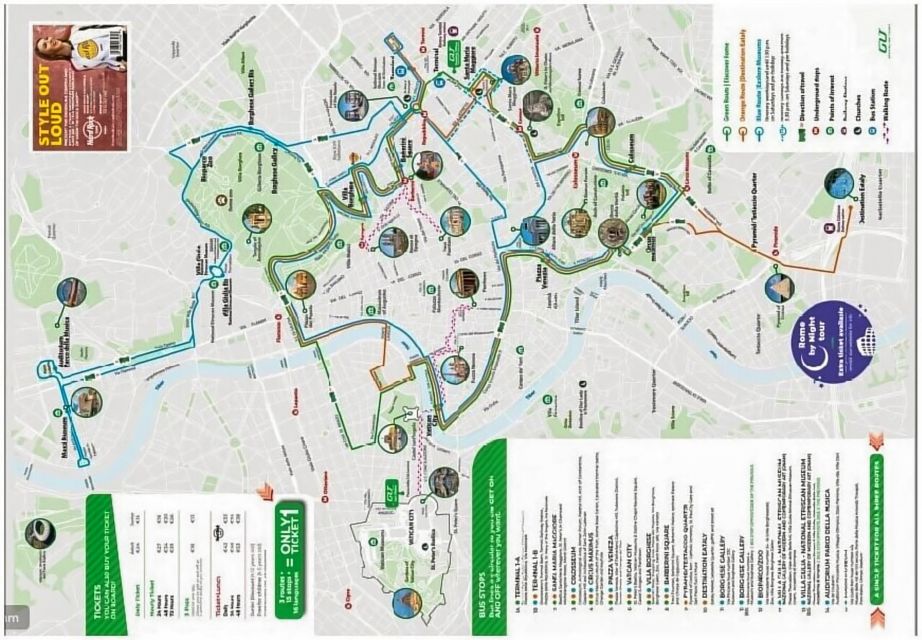
- Stop-by-stop: the Green route loop you can plan like a local
- Santa Maria Maggiore (Basilica area)
- Colosseum area (Via di San Gregorio)
- Circus Maximus
- Piazza Venezia
- Vatican City area (Lungotevere Tor di Nona)
- Villa Borghese
- Piazza Barberini
- Archaeological area / new market Testaccio quarter (Pyramid/Testaccio zone)
- Eataly Rome (Garbatella Quarter area / market stop)
- Borghese Gallery (Via Pinciana)
- Bioparco di Roma (zoo area)
- Piazza Thorvaldsen (Villa Giulia / National Etruscan Museums area)
- Auditorium Parco della Musica
- MAXXI Museums
- Back to Piazza dei Cinquecento
- The onboard audio guide: how much you’ll actually learn
- The places you can realistically use for short walks
- Timing your day: best way to use 9 hours to 3 days
- Price check: is it worth it versus buying entrances and walking?
- Who should book this bus (and who might not need it)
- Should you book this hop-on hop-off Rome bus?
- FAQ
- How long is the Rome hop-on hop-off ticket valid?
- How often do the buses run?
- Can I hop on and off as many times as I want?
- What languages are available for the audio commentary?
- Is Wi‑Fi available onboard?
- Are entrance tickets for attractions included?
- Is this tour suitable for wheelchair users?
- Are pets or large luggage allowed on the bus?
- What should I bring to the bus stops?
Key things I’d plan around

- Three circuits on one ticket so you can mix main sights with side areas without recalculating everything
- Stop access built for walking breaks at places like Colosseum-area viewpoints, the Vatican, and other central neighborhoods
- Audio in 16 languages with onboard narration and single-use earphones
- About every 20 minutes service plus live tracking to cut down on uncertainty
- Wi‑Fi onboard and an assistant on board for those small moments when you need help
- Not everything is included since entry tickets for attractions are extra
Ticket value: what $20 really buys you in Rome
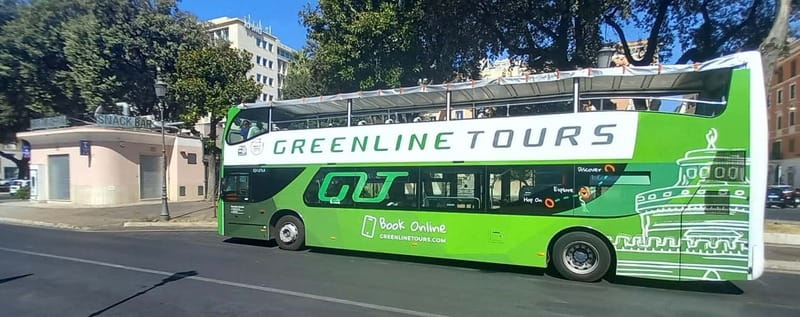
At about $20 per person, this is a solid “time saver” ticket for Rome, where walking can add up fast and public transit schedules aren’t always intuitive for short stays. You’re not paying for one guided visit. You’re paying for flexible transport plus narration—so you can keep your day light and still learn what you’re seeing.
Your ticket is valid for a window that ranges from 9 hours up to 3 days, depending on the option you choose. Within that time period (like daily, 24-hour, 48-hour, or 72-hour), you can hop on and off as many times as you like. That matters because the route touches a lot of areas, and you’ll likely want repeats—one ride to orient yourself, then a hop-off later when you’re ready to slow down.
Also, the tour doesn’t include attraction entry tickets. That’s normal for hop-on hop-off experiences, but it changes how you plan: use the bus for views and context, then buy entrances only where you truly want to go inside.
You can also read our reviews of more tours and experiences in Rome.


Meeting at Piazza dei Cinquecento: starting point that makes sense
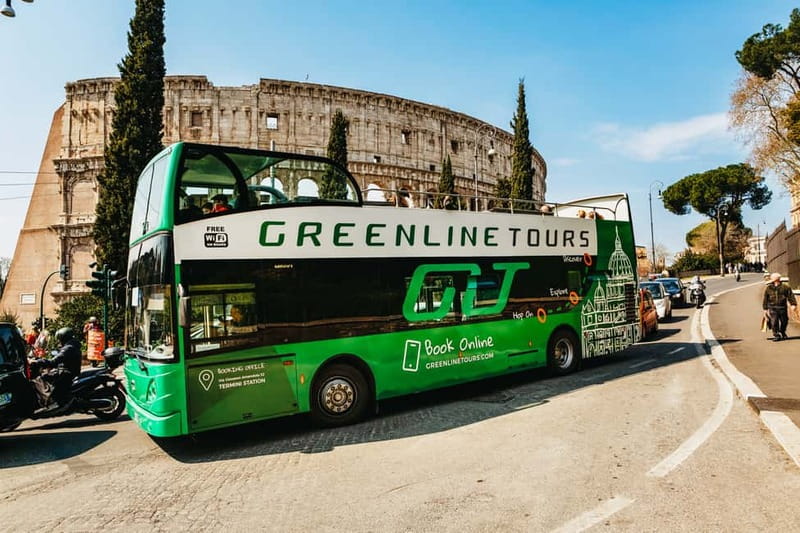
The starting terminal is Piazza dei Cinquecento corner Via Cavour (Terminal 1/A). I like this because it’s a clear landmark start, and it puts you in a central zone to loop through Rome. You’ll also see the name Green Line Tours tied to the starting area, so it’s easier to confirm you’re in the right place.
From the start, the schedule is designed for a steady loop: you can ride past a stop, then get off later if you want to return. That flexibility is the whole point of hop-on hop-off. It also helps if you arrive tired after travel or if you need time to match bus stops with your hotel plans.
How the hop-on hop-off rhythm works (and how to avoid waiting)
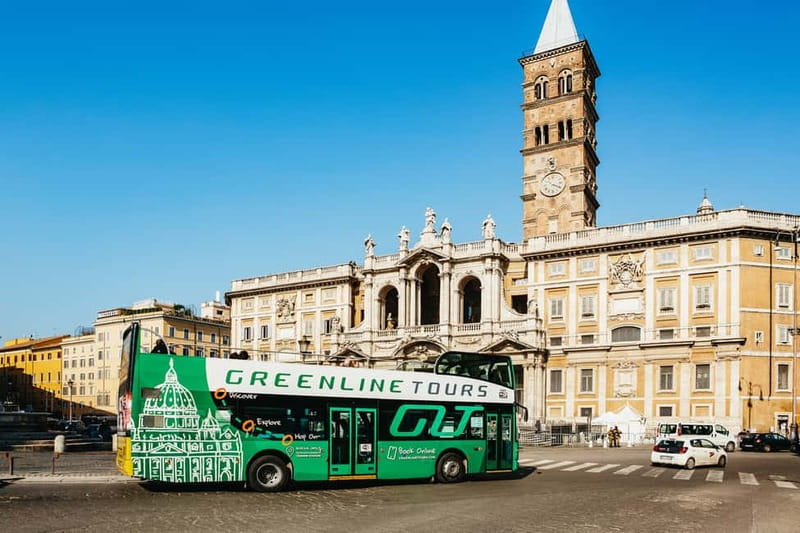
Buses run approximately every 20 minutes, and you’ll see live bus tracking. In practice, this is the kind of service where you’re not stuck in limbo for long. You can hop off, grab coffee, walk to a sight, and then return to the stop when you’re ready.
Here’s how I’d use it smartly:
- Do one “full ride” early to get your bearings.
- Then treat later hops as targeted breaks: museum time, photo time, or quick walks to iconic spots.
- If your first hop-off doesn’t feel perfect, you don’t lose anything. You just wait for the next bus.
Open-top buses are great for Rome’s views, but plan for real weather. Bring sunglasses and a sun hat, and wear comfortable shoes because the best moments often involve a short walk from the stop.
Stop-by-stop: the Green route loop you can plan like a local
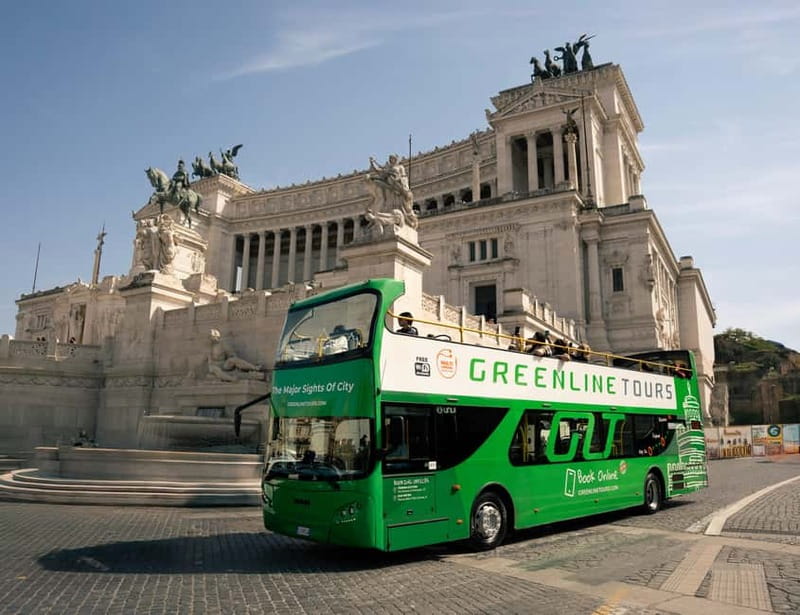
Below is the loop as listed from the starting terminal and back. Think of it as a set of themed zones. You can hop off for any stop and come back later within your valid time window.
Santa Maria Maggiore (Basilica area)
This is a strong first stop because it kicks off the route with a major church setting without forcing you to commit to a long walk immediately. Even if you’re mostly riding for orientation, you’ll get a feel for where the route brings you next.
If you hop off here, keep it simple: short stroll, quick photos, then back on so you don’t burn your day too early.
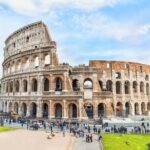

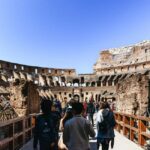
Colosseum area (Via di San Gregorio)
When the bus reaches the Colosseum stop, it’s one of those moments where Rome stops being abstract. The route is designed so you can get off near the monument area and choose your pace from there.
A practical tip: don’t assume you’ll want to spend hours right away. I’d either plan a short visit first and come back later, or just use this as your “close-up checkpoint” before doing other sights.
Circus Maximus
Circus Maximus is a good “view” stop. You’re not only looking at buildings—you’re getting a sense of scale. That helps make the rest of the ancient sites feel more connected in your head.
If you’re short on time, this is a great stop to hop off, walk a bit for perspective, then re-board quickly.
Piazza Venezia
Piazza Venezia is a central viewpoint stop. It works well when you want a break from buses for photos and a quick street-level look at the historic center vibe.
If you’re building a day around landmarks, this stop often helps you connect the ancient-to-central-city feeling.
Vatican City area (Lungotevere Tor di Nona)
This is where the route makes a clear shift toward the Vatican zone. You’ll get bus views plus easy access to the area that includes St. Peter’s Square and St. Peter’s Basilica.
I’d plan your hop-off here based on your energy. If you want a long visit inside, do it once and then keep the rest of your day lighter. If you’re more focused on viewpoints, you can keep the time on land brief.
Villa Borghese
Villa Borghese is a nice reset. It’s a stop that can feel like a breath after heavy sightseeing. If you want more open views and a calmer walking break, this is a good candidate.
It also pairs well with nearby art stops later on the loop, so you don’t have to jump across the city twice.
Piazza Barberini
This stop is great for the “city wandering” part of your day. It’s positioned so you can mix monuments with everyday Rome energy—shops and cafés are part of what you’ll notice when you step off.
If you’re tired of rushing, this is one of the stops where you can slow down without losing your route.
Archaeological area / new market Testaccio quarter (Pyramid/Testaccio zone)
This area is an interesting change of pace from the headline sights. The route names it as an archaeological area and also points you toward Testaccio, with the Pyramid of Cestius and a cemetery area connection (the stop description references Non Catholic Cemetery and St. Paul City gate/out of Wall).
If you like Rome beyond postcards, hop off here for a more neighborhood-feeling break. It’s also a smart stop for spreading out your day so you’re not spending all your time only at the biggest icons.
Eataly Rome (Garbatella Quarter area / market stop)
This is the stop I’d use for a real food break. You’ll see it listed as Eataly Rome, and it’s a convenient way to turn bus time into a meal without adding extra transportation.
Even if you’re not making this a full food stop, it’s useful as a meeting point or a quick snack reset.
Borghese Gallery (Via Pinciana)
If your trip includes a museum visit, this stop is the one you plan around. Being able to hop on and off lets you match your museum timing to the rest of the day.
Keep in mind: the bus gets you there. The entrance is extra, so plan that separately.
Bioparco di Roma (zoo area)
This is more than just a scenic stop. It’s on the loop for a specific destination day. If you’re traveling with kids, this can be an easy win because it gives the day a non-ancient-anchor activity.
Even if you don’t go inside, the stop gives you a cleaner way to reach the area without extra transit planning.
Piazza Thorvaldsen (Villa Giulia / National Etruscan Museums area)
This stop ties to the Villa Giulia – National Etruscan Museums zone. It’s a good choice if you want a Roman culture angle beyond the biggest names.
Again, entries aren’t included, but the route makes the area reachable with no extra transfers.
Auditorium Parco della Musica
This is a modern city stop that’s useful for variety. If your day has been heavy on ancient sites, this kind of location is a welcome contrast.
It’s also a practical re-positioning point: hop off briefly, then return to the bus when you’re ready.
MAXXI Museums
MAXXI is the route’s modern art and design stop on the list. If you like contemporary museums, this is a strong “second-day or second-half” option after the classic Rome moments.
Like the others, you’re handling entry tickets separately, but the bus makes timing easier because it’s built into your day loop.
Back to Piazza dei Cinquecento
When you return, you’ve basically done the work of mapping your Roman highlights into a practical plan. The win here is mental: you stop guessing how areas connect and you start making choices with confidence.
The onboard audio guide: how much you’ll actually learn
The audio commentary is multilingual, with 16 languages listed (including English, French, German, Dutch, Spanish, Italian, and others like Arabic, Chinese, Japanese, Korean, and more). I like this because Rome’s signage and street context can make you feel like you’re reading a puzzle. The narration gives you a clean storyline while you’re looking at the same view from different angles.
You get single-use earphones, plus an assistant onboard and live bus tracking. There’s also free Wi‑Fi onboard, which is helpful for map checks, translation support, and just keeping your phone from going dead.
That said, I’d treat audio as helpful context, not perfect certainty. Some headset ports may not work reliably, and sound quality can vary. If that happens, you’re not stuck—you can try a different port or share earphones with a friend.
The places you can realistically use for short walks
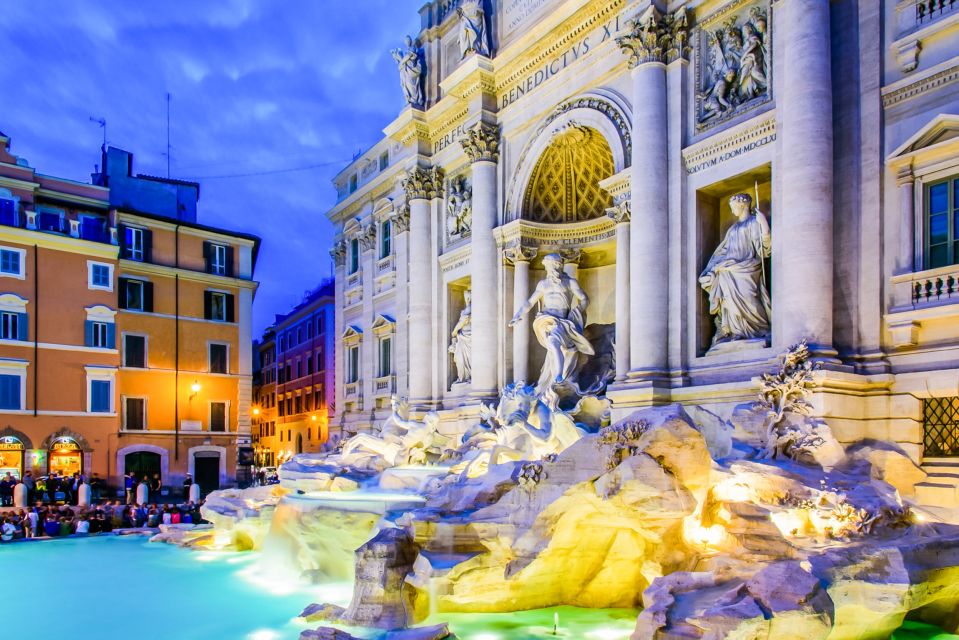
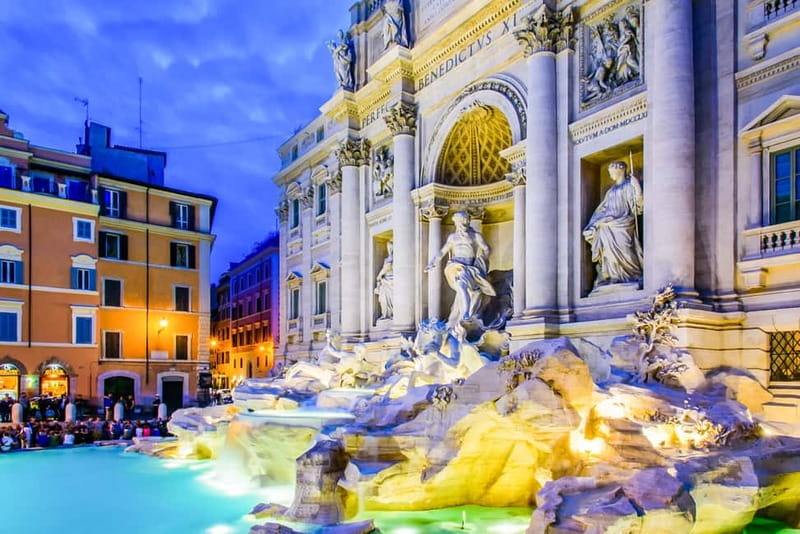
The route highlights include the ability to jump off for iconic strolls like the Spanish Steps and Trevi Fountain. That’s exactly the kind of Rome that benefits from hop-on hop-off planning: the bus brings you near, and then you choose the walking effort.
I’d plan these as short missions:
- Hop off
- Walk the main approach
- Take the photos you came for
- Return to the stop before you start feeling lost or overheated
It’s also a good way to manage crowds. You’re not trapped inside a schedule. You’re just using buses as a flexible link between walks.
Timing your day: best way to use 9 hours to 3 days
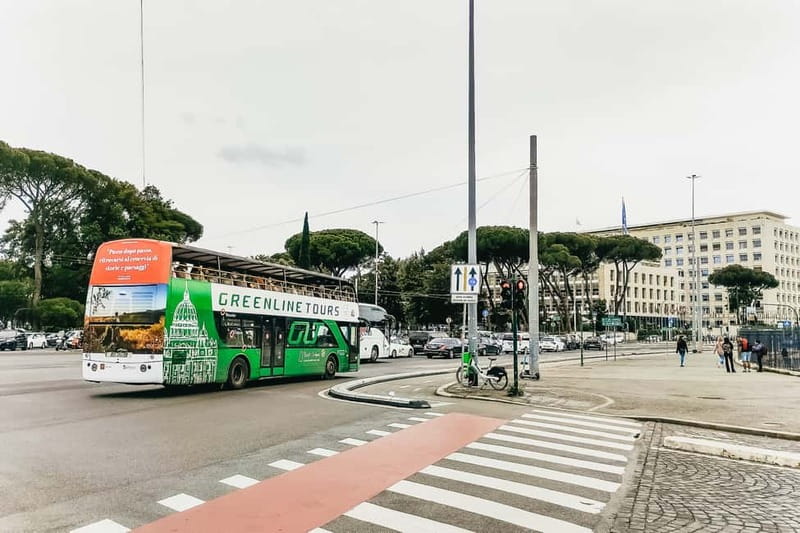
With a ticket that can last from 9 hours up to 3 days, you can do Rome in layers. My favorite pattern is:
- Morning: ride to orient yourself and catch the big exterior sights.
- Midday: hop off for food or a calmer stop (Eataly or a neighborhood-style area).
- Afternoon: pick one museum or cultural stop where you can spend real time.
- Evening: keep it light and use the bus to reconnect the dots.
This is also a good plan for jet lag. A bus loop gives you seating and context while you take the city in. And once you know where the major landmarks are, the rest of the week becomes easier.
Price check: is it worth it versus buying entrances and walking?
For about $20, you’re buying four things:
- Transport that loops through major zones
- Views from an open-top bus
- Multilingual audio narration
- Hop-on flexibility across your chosen time window
Where it wins is time. If you’re trying to cover Colosseum/Vatican areas plus neighborhoods like Testaccio and Eataly, you’ll spend less energy figuring out transit and more energy actually seeing Rome.
Where it doesn’t win is depth. Entrance tickets aren’t included, and you’re not getting a single focused guide walking you through one site step by step. So if you already know exactly which museums you want and you’re happy to plan routes on your own, you might spend less on other options.
For most first-timers, though, this ticket gives a high “coverage per hour” return. You can decide later what deserves paid entry.
Who should book this bus (and who might not need it)
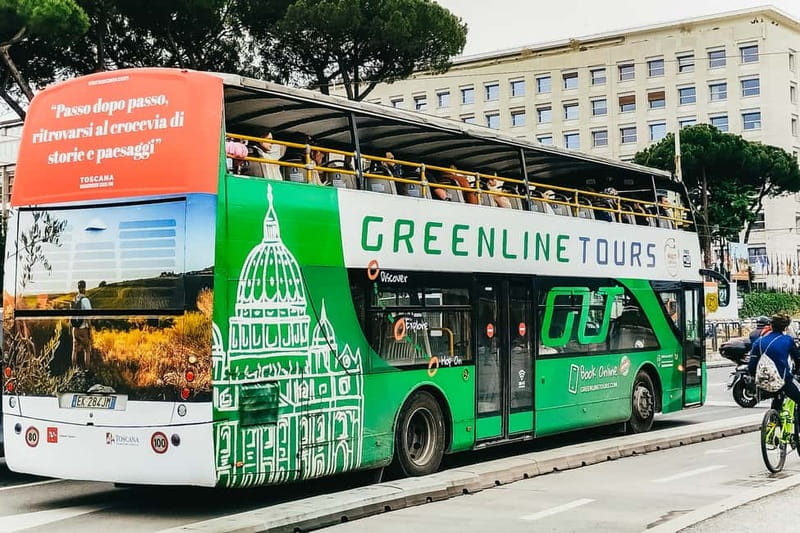
This is a strong match if:
- You want your first-day bearings fast.
- You’re mixing big landmarks with practical food and neighborhood stops.
- You like narration and want help understanding what you’re seeing.
- You want flexibility instead of a fixed walking tour.
It may be less ideal if:
- You’re only interested in one or two sites and hate waiting around for buses.
- You need wheelchair-accessible transport, since it’s listed as not suitable for wheelchair users.
- You’re bringing large luggage (it’s not allowed, and pets are not allowed either).
Should you book this hop-on hop-off Rome bus?
Yes, if your goal is a smart overview with real flexibility. The price-to-coverage is good, the buses run regularly (about every 20 minutes), and the audio plus free Wi‑Fi onboard makes the ride feel useful, not wasted.
Skip it only if you’re confident you’ll plan every day on foot with your own rhythm and you’re not interested in a narrated loop. Otherwise, book it early in your trip. Use it to get your bearings, then spend your time (and money) on the sites you truly want to enter.
FAQ
How long is the Rome hop-on hop-off ticket valid?
The ticket is valid for 9 hours up to 3 days. The exact duration depends on the option available at booking time.
How often do the buses run?
Buses run approximately every 20 minutes.
Can I hop on and off as many times as I want?
Yes. You can hop on and off as many times as you like during the daily/24-hour/48-hour/72-hour period starting from when you first validate your ticket.
What languages are available for the audio commentary?
The audio guide is offered in multiple languages including Italian, English, French, German, Dutch, Spanish, Arabic, Chinese, Japanese, Portuguese, Russian, Hindi, Korean, Greek, Hebrew, and Polish.
Is Wi‑Fi available onboard?
Yes, free Wi‑Fi is provided onboard.
Are entrance tickets for attractions included?
No. Other entrance tickets are not included.
Is this tour suitable for wheelchair users?
No. It is listed as not suitable for wheelchair users.
Are pets or large luggage allowed on the bus?
Pets are not allowed, and luggage or large bags are not allowed. Assistance dogs are allowed.
What should I bring to the bus stops?
Bring comfortable shoes, sunglasses, and a sun hat.