REVIEW · ROME
Rome: Guided Tour of Colosseum, Roman Forum & Palatine Hill
Book on GetYourGuide →Operated by City Walkers Tours · Bookable on GetYourGuide
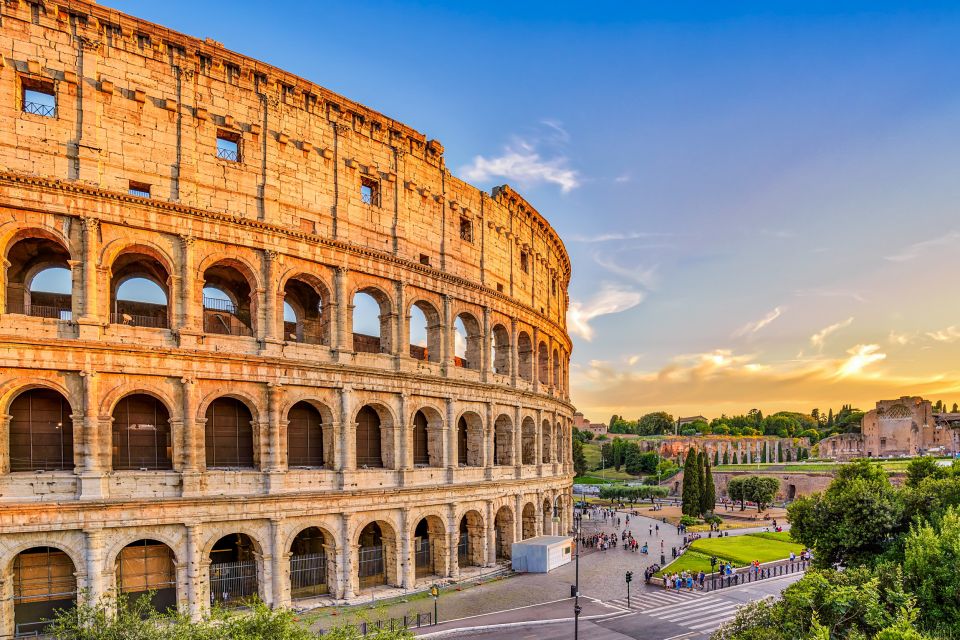
Gladiator echoes never get old. This small-group Colosseum, Roman Forum, and Palatine Hill tour packs three major ruins into one guided walk, with pre-booked entry and headsets that keep the story clear even when crowds get loud. I love the way the guide connects the Colosseum’s spectacle to what the Romans debated in the Forum, and then lands you on Palatine Hill for the big-picture views.
The one drawback to plan around is timing: Colosseum security can add waiting time, and if you’re late you can lose entry because the tickets for the site are non-refundable.
In This Review
- Key Highlights You’ll Actually Feel
- Why This Colosseum-Forum-Palatine Hill Route Works
- Getting In: Colosseum Pre-Booked Entry and Security Reality
- Inside the Colosseum: Gladiators, Emperors, and What the Ruins Mean
- Roman Forum: The City’s Control Room You Can Walk Through
- Palatine Hill: Panoramic Views and the Birth-Myth Feeling
- Timing, Pace, and the Headset Factor
- Price and Value: What Your $55 Actually Buys
- Who This Tour Suits Best (And Who Might Want a Different Plan)
- Should You Book This Colosseum, Forum & Palatine Hill Tour?
- FAQ
- How long is the tour?
- Where does the tour finish?
- Does this tour include arena or underground access?
- What do I need to bring to enter the sites?
- Do I need to show ID at the Colosseum?
- What languages are available?
- Is this tour refundable if I arrive late?
Key Highlights You’ll Actually Feel
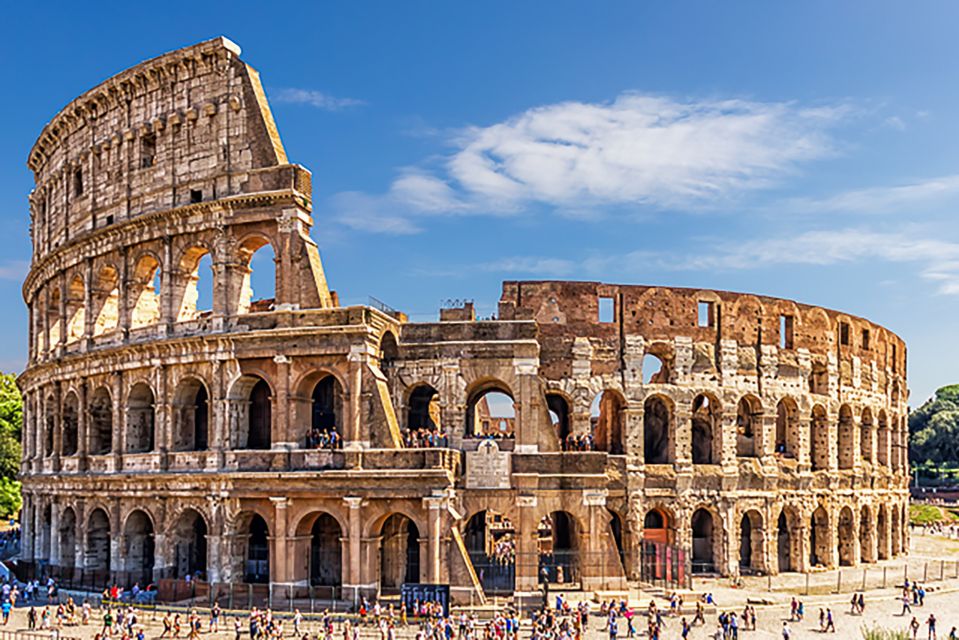
- Pre-booked Colosseum entry means less time guessing and more time looking
- Headsets included so you can hear the guide clearly through the crowds
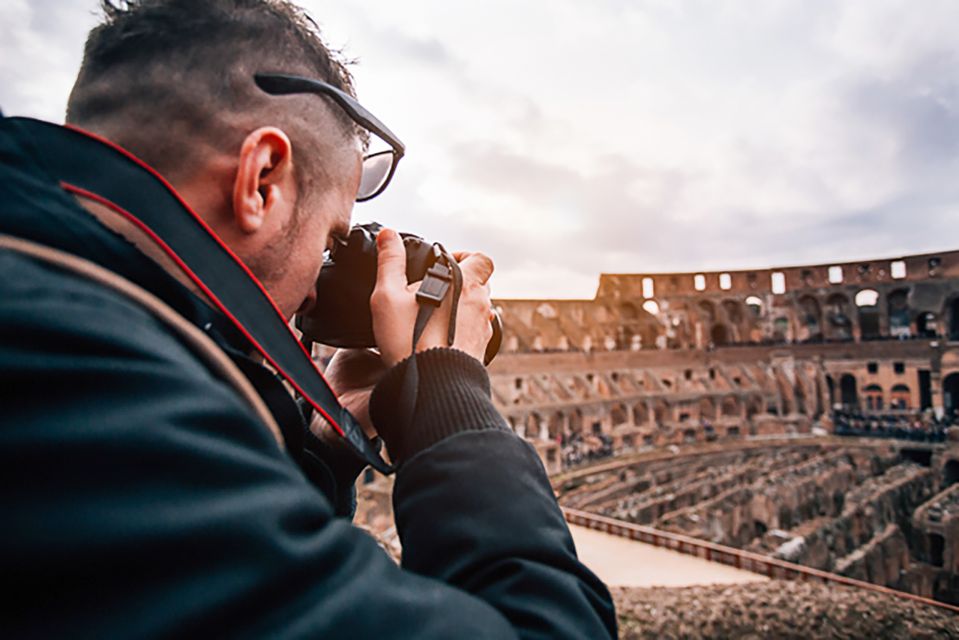
- Photo viewpoints built into the route, not tacked on at the end
- Palatine Hill panoramas over the Colosseum and Roman Forum
- Tour storytelling that explains what you’re seeing, including how the ruins and art techniques fit together
Why This Colosseum-Forum-Palatine Hill Route Works
Ancient Rome isn’t just one monument. It’s a system. This tour gets that idea across fast by taking you from the arena of public entertainment (the Colosseum) to the power center of law, religion, and everyday political life (the Roman Forum), and then up to the legend and luxury zone (Palatine Hill).
I like that it’s not a checklist of stones. You get guided explanations of what you’re looking at, not just dates. The Forum stop especially matters because it’s where the “why” of Rome comes into focus: who held power, what citizens argued about, and how the city organized public life. Then Palatine Hill gives you the “wow” moment—Rome’s oldest hill with sweeping views, plus the sense that this is where the city’s story started.
The time window is also realistic. At 2.5 to 3 hours, you get a meaningful look without feeling like you’ve signed up for an all-day endurance test.
You can also read our reviews of more tours and experiences in Rome.


Getting In: Colosseum Pre-Booked Entry and Security Reality
Your visit begins with Colosseum entry using pre-booked tickets. That’s a big deal at the Colosseum, where lines and bottlenecks can turn your plan into guesswork. Pre-booking doesn’t magically erase all delays, but it does reduce the chaos.
Here’s the key thing to know: to enter the Colosseum, you’ll pass a metal detector security check, and on busy days you may still wait. On top of that, tickets are nominative. Since October 18, 2023, the names on your ticket have to match the ID you show at the venue entrance.
So the practical move is simple:
- Bring your passport or ID card
- Make sure the name on the booking matches the ID
- Plan to arrive a little early, because late arrival can mean you miss entry and there’s no refund
This is one of those Rome logistics issues that can quietly ruin a day if you treat it like a casual stroll. Treat it like an appointment.
Inside the Colosseum: Gladiators, Emperors, and What the Ruins Mean
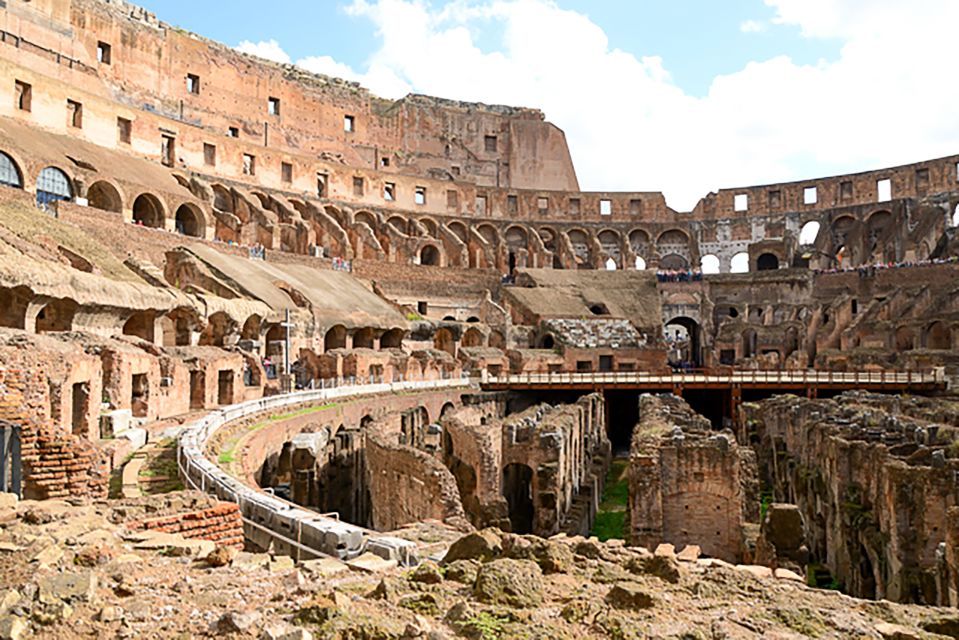
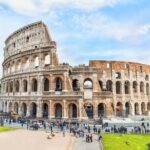
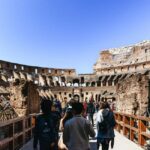
Once you’re in, the Colosseum portion is about an hour of guided walking and storytelling. The guide’s job is to help you read the building, not just stand under it.
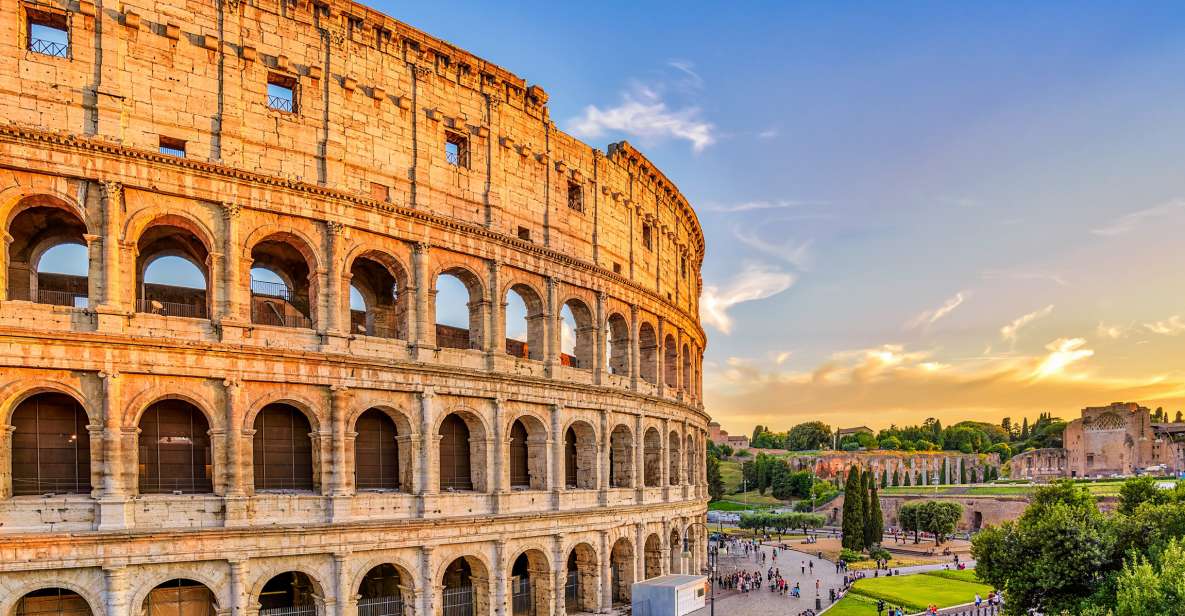
You’ll hear about the arena concept—where gladiators fought and how the structure supported massive crowds. But the best value is when the guide ties together the big themes: public entertainment as politics, emperors using spectacle to build loyalty, and the way architecture shaped behavior inside the space.
I also like that the tour focuses on more than the obvious. You get explanations that go beyond the usual “this is where they fought” line. The ruins aren’t random; they reflect engineering, art choices, and how Romans built for repeat use and huge gatherings. With the right guide, it becomes easier to understand what’s missing—and why what remains still tells a story.
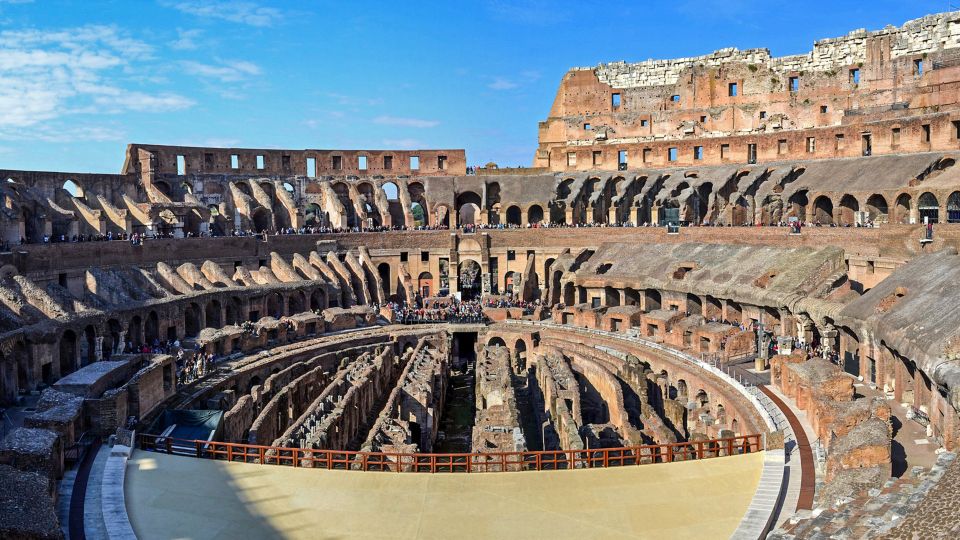
One more detail that affects your experience: the tour description notes that arena and underground access aren’t included on this option. If you’re hoping to go into the arena floor area, you’d need a different option that specifically includes that access. So set your expectations early: you’ll enjoy the monument and the guided viewing areas, just not the extra sub-area experience.
Roman Forum: The City’s Control Room You Can Walk Through
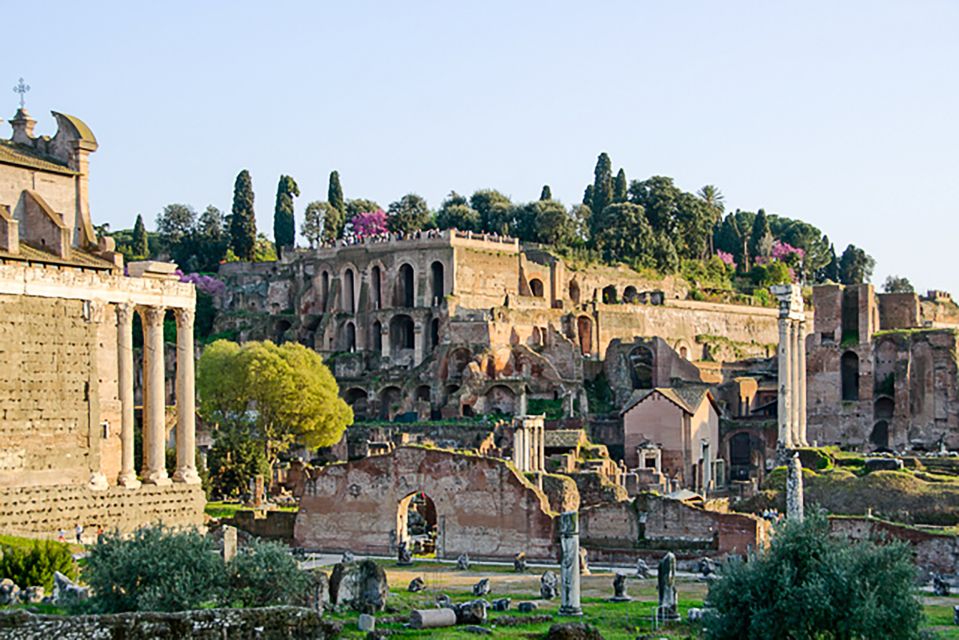
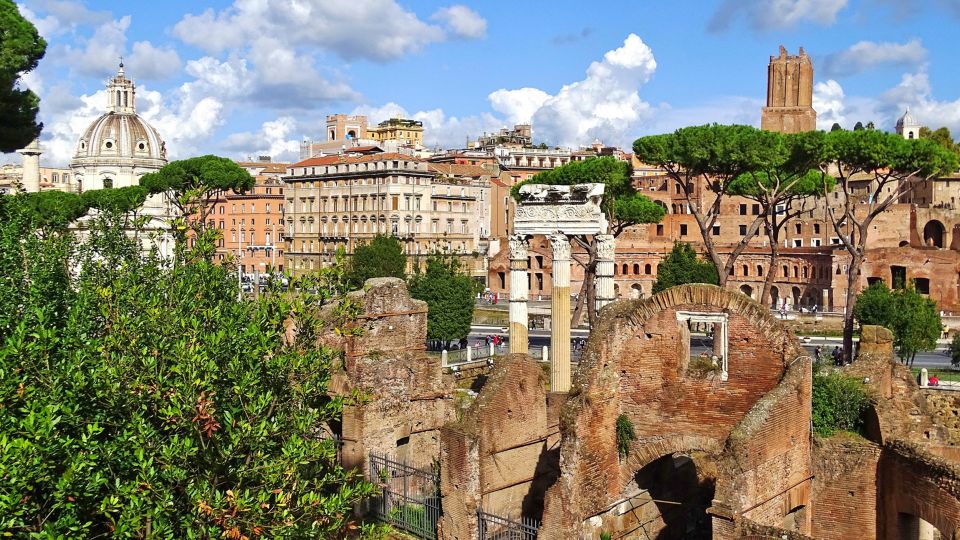
The Roman Forum stop runs about 45 minutes, and this is often where the tour feels most alive. The Forum is where Rome acted like a machine: politics, religion, and social life all overlapping in one dense space.
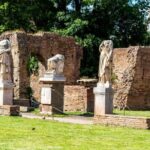
You’ll stroll among ruins such as temples, basilicas, and public squares. The guide’s role is to connect those buildings to the people and events that happened there—senators, emperors, and everyday citizens. Even when you’re just looking at stone foundations, the storytelling helps you imagine how people moved through the space and why certain sites mattered.
This section is also a great place to slow down mentally. The Forum can look overwhelming if you’re on your own, because everything feels important. With a guide, you get a structure: what to look at first, which ruins represent power or ceremony, and how the city’s institutions fit together.
And yes, there are picture moments. The tour is designed so the guide points out the best spots rather than forcing you to hunt for them while also trying not to lose the group.
Palatine Hill: Panoramic Views and the Birth-Myth Feeling
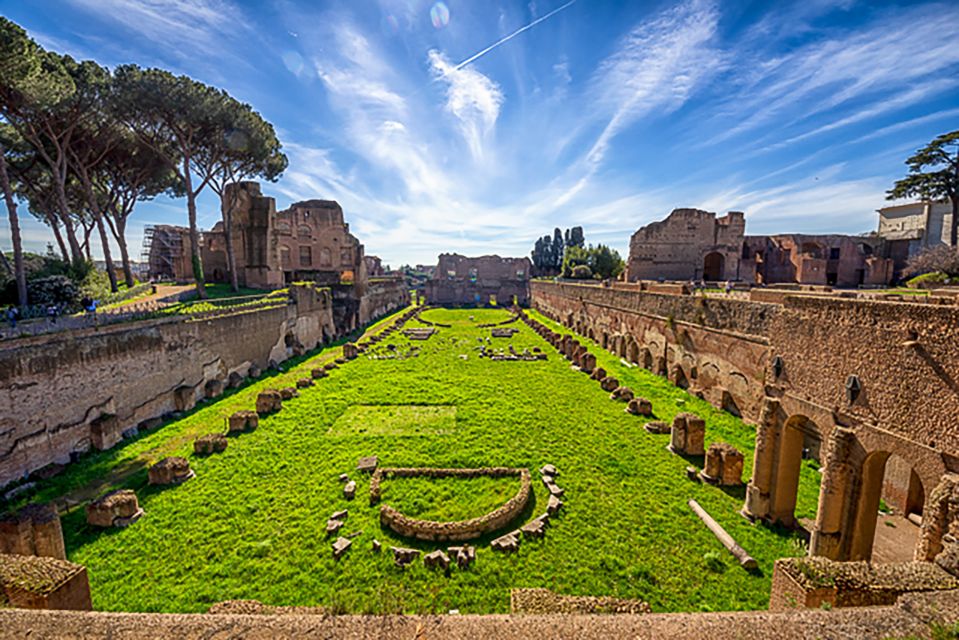
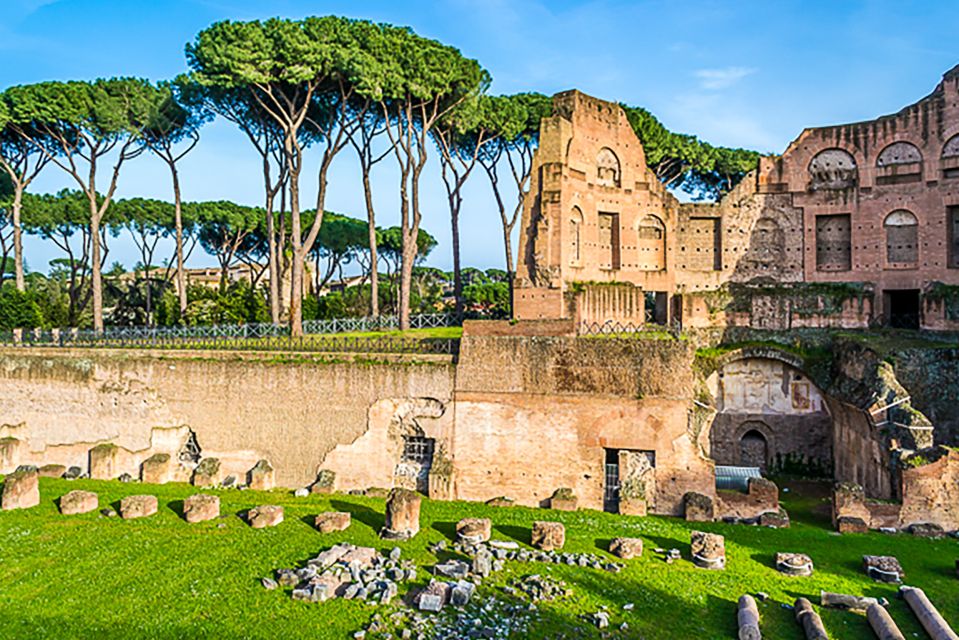
Palatine Hill gets another 45 minutes. This is the oldest of Rome’s seven hills, and the tour leans into that sense of origin. You’ll hear about imperial palaces and how the hill became connected to ruling and legacy.
The big payoff here is the view. Palatine Hill offers panoramic angles back over the Roman Forum and toward the Colosseum, with modern Rome stretching behind the ancient scene. It’s one of the fastest ways to understand scale: the Colosseum looks like a single monument until you can see how everything connects across the valley.
The other “why” of Palatine Hill is atmosphere. Even when you’re standing among ruins, you get the feeling of a place built for status. The guide helps translate what’s left into what the palaces represented, and that makes the hill more than a photo stop.
If your brain likes context, this section usually clicks.



Timing, Pace, and the Headset Factor
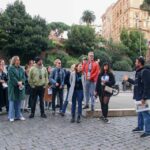
The full experience is 2.5 to 3 hours. In practice, that pacing matters. You’ll spend about an hour in the Colosseum, then shorter focused stretches in the Forum and on Palatine Hill. It’s enough time to understand the main structure of each area without turning the day into rushing.
What you’ll notice right away is the headset system. Headsets are included, and that helps when:
- the group gets spread out
- background noise rises
- you’re not standing at the front
A small heads-up from real-world experience: if you end up toward the back, audio quality can be inconsistent. My advice is to position yourself where you can hear the guide clearly—close enough to catch the story, not so close that you’re stuck in someone’s shoulders.
Price and Value: What Your $55 Actually Buys
At around $55 per person, you’re paying for three things that add real value in Rome ruins country:
- A live guide who explains what you’re seeing
- Headsets, which protect your enjoyment when sound is tough
- Pre-booked entry that reduces uncertainty at major sites
You’re not only buying access to monuments. You’re buying interpretation—someone to point out what to notice, what connects, and what the ruins were doing in Roman life.
Now, there’s one important value caveat: this option does not include arena access or underground access. If those are must-haves for your dream Colosseum visit, look for the version that includes that extra access. Otherwise, for the typical Rome first-timer who wants clarity and smart route flow, this is a solid deal.
Who This Tour Suits Best (And Who Might Want a Different Plan)
This tour fits best if you like structure and stories. You’ll probably enjoy it most if:
- you want expert context without studying maps for hours
- you like learning through walking, not through museum-style walls
- you care about viewpoints and getting your photos at the right angles
That said, it’s not a good match for everyone. The tour isn’t suitable for people with back problems, mobility impairments, wheelchair users, and people over 80. It also bans luggage or large bags, so plan to travel light.
Should You Book This Colosseum, Forum & Palatine Hill Tour?
If you want one high-impact afternoon that links the Colosseum’s spectacle to the Forum’s institutions and finishes with Palatine Hill’s views, this is a smart booking. The combination of guide-led storytelling, headsets, and pre-booked entry helps you get more out of the ruins than wandering alone with a phone app.
Book it if:
- you want a guided route across all three sites
- you value hearing explanations while you walk
- you want good photo spots built into the experience
Skip or rethink it if:
- you need arena or underground access
- you can’t handle uneven walking and stairs
- you’ll arrive late or can’t show the correct ID details tied to your ticket
If your goal is to leave Rome’s ancient core feeling you actually understand what you saw, this tour is the kind of practical, well-paced plan that pays off fast.
FAQ
How long is the tour?
It runs about 2.5 to 3 hours, depending on the time slot available.
Where does the tour finish?
The tour finishes at the Roman Forum.
Does this tour include arena or underground access?
No. Entry to the Colosseum arena (and underground access) is not included on this option.
What do I need to bring to enter the sites?
Bring your passport or ID card and wear comfortable clothes.
Do I need to show ID at the Colosseum?
Yes. Colosseum tickets are nominative, so you must have an ID and the name must match what’s on your ticket.
What languages are available?
The live guide is offered in English, Italian, French, Spanish, and German.
Is this tour refundable if I arrive late?
The Colosseum ticket is non-refundable, so arriving late and missing entry can mean you forfeit entry with no refund.