REVIEW · SIENA
Siena: Small group Cooking Class in Chianti Farmhouse
Book on Viator →Operated by myTour in Italy · Bookable on Viator
Pasta, wine, and countryside air in Siena. This small-group Chianti farmhouse class takes you beyond a tasting and into the real work of Tuscan cooking with Chef Simone. You’ll start with classic antipasti you can assemble on your own, then move into handmade dough and end with tiramisù you’ll actually want to repeat at home.
I love the hands-on flow here: you’re not standing on the sidelines while someone else does the fun part. And I like that the lesson wraps into a proper meal, with a glass of wine paired to what you made. One possible drawback: hotel pickup isn’t included, so you’ll want to plan your own way to the meeting point outside Siena.
In This Review
- Key things you’ll notice right away
- Chianti farmhouse cooking: why this format works
- Getting to the meeting point near Castelnuovo Berardenga
- Antipasti at the start: bruschetta and crostini basics
- Handmade pasta in Tuscany: pici (and what else you might make)
- Tiramisu class and the satisfying finish
- Wine pairing: how it fits the meal
- Price and value: what $139.13 gets you
- Who should book this class in Siena (and who might not)
- Should you book this Siena: Chianti farmhouse cooking class?
- FAQ
- How long is the cooking class?
- Where does it start and end?
- Is this class in English?
- How many people are in the group?
- What will I cook during the class?
- Is wine included?
- Can the class handle dietary requirements like gluten-free?
- What is included in the price?
Key things you’ll notice right away
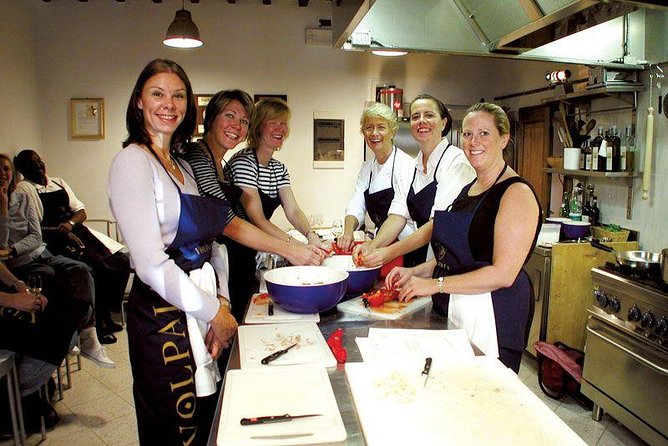
- Small group, max 14 people: easier conversation, more personal attention, less waiting around.
- You cook the full meal: bruschetta/crostini, handmade pasta (pici and more), and tiramisù.
- Tuscan ingredients matter: extra-virgin olive oil, basil, tomatoes, plus local flavors like sage and rosemary.
- Wine is part of the experience: you get at least one glass, and some sessions include it throughout the meal.
- Take-home recipe card: practical notes so you can cook back home without guessing.
- Dietary needs can be accommodated if you ask early (including gluten-free).
Chianti farmhouse cooking: why this format works
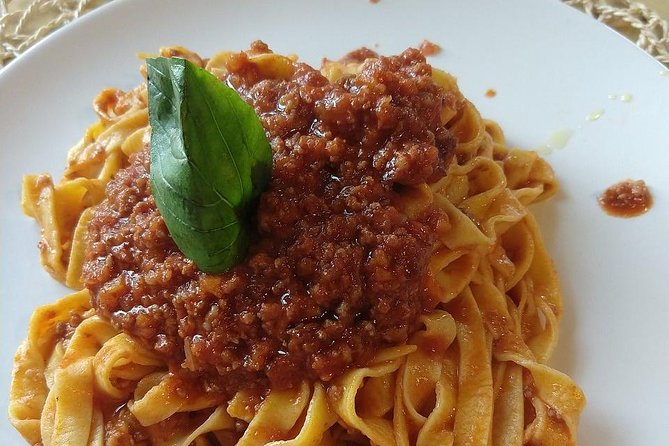
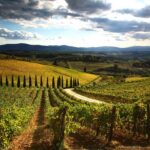
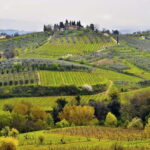
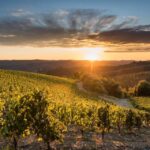
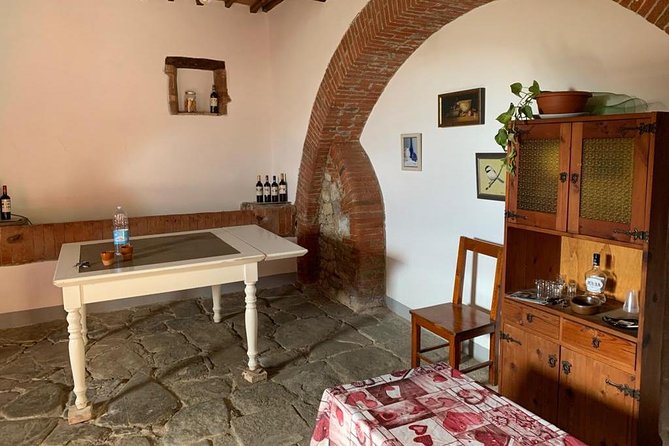
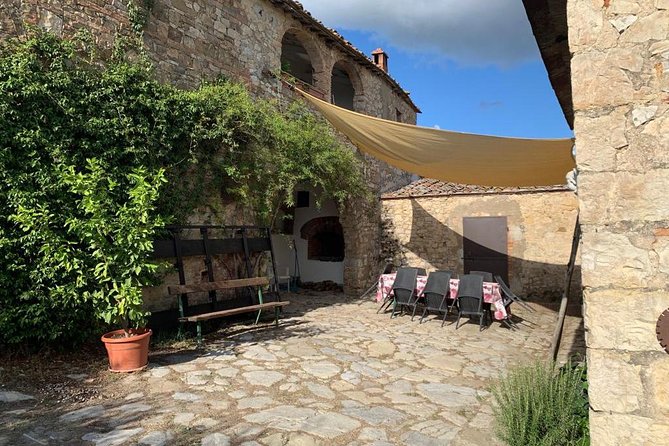
Siena is beautiful, but some food tours turn into a quick snack and a bus ride. This one is different. You’re cooking in a real farmhouse kitchen setting, surrounded by olive groves, grapevines, and the herbs that show up in Tuscan food every day. That setting isn’t just pretty for photos. It keeps the class grounded in how the region actually eats.
The real win is how the teaching is built around doing, not watching. You learn a step, you try it, you taste what you just built, and then you move on. That rhythm makes you leave with skills, not just memories.
Chef Simone’s vibe shows up in the details: relaxed and friendly, with explanations that keep the group comfortable. Even if you’re a total beginner, the pace is designed so you can keep up and feel proud of the food you put on the table.
You can also read our reviews of more tours and experiences in Siena.
Getting to the meeting point near Castelnuovo Berardenga
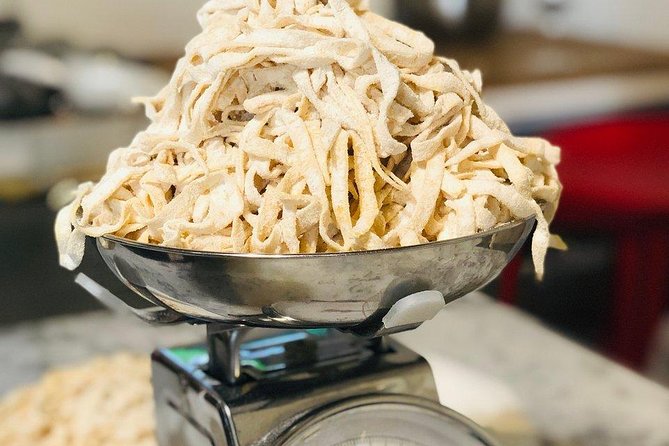
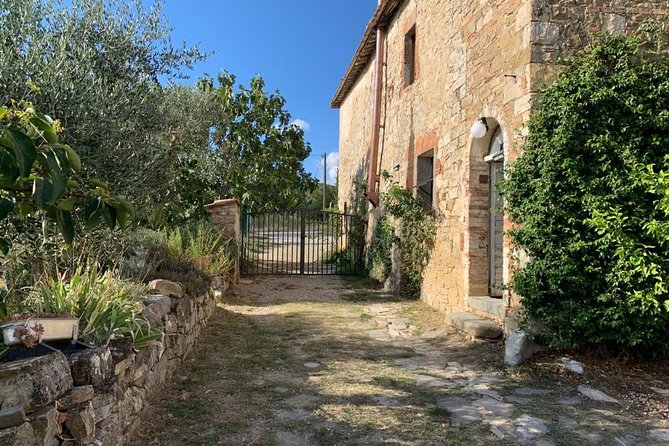
You meet at Localita’ casapera, Castelnuovo Berardenga (the activity ends back at the same meeting point). That’s outside the center of Siena, so think “countryside day,” not “walk from your hotel.”
If you’re staying in Siena, plan on using a taxi to get out there. In at least one review, Simone helped with calling a taxi for the ride back, which is reassuring if you’re worried about being stuck after lunch. Still, the safe move is to handle transport yourself ahead of time, since the tour explicitly does not include hotel pickup or drop-off.
Time-wise, you’re looking at about 4 hours for a morning tour. Expect a schedule that flows: meet up, cook, eat, and then go home. The whole thing is designed to keep your stomach from winning the argument with your schedule.
Antipasti at the start: bruschetta and crostini basics
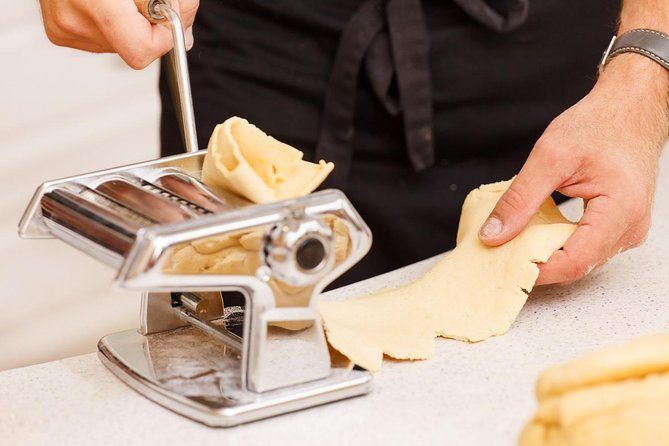
The class kicks off with antipasti, and that’s a smart choice. Starters teach you the Tuscan “style” quickly: good olive oil, bright tomatoes, fresh herbs, and simple bread done properly.
In the starter portion, you’ll make things like bruschetta and crostini. You’ll assemble toasted bread with toppings such as juicy tomatoes, extra-virgin olive oil, and basil. The chef’s Italian cooking tips are meant to be practical, like how to build flavor balance using what’s already in front of you.
Even if you’ve made bruschetta at home before, this is where you usually pick up the small upgrades:
- how to think about tomatoes as the main flavor, not the side dish
- how olive oil changes the taste and feel of the whole bite
- how basil timing affects aroma, not just decoration
This section is also a good energy reset. By the time you’re mixing dough later, you’ll already be in the food zone instead of waiting for the main event.
Handmade pasta in Tuscany: pici (and what else you might make)
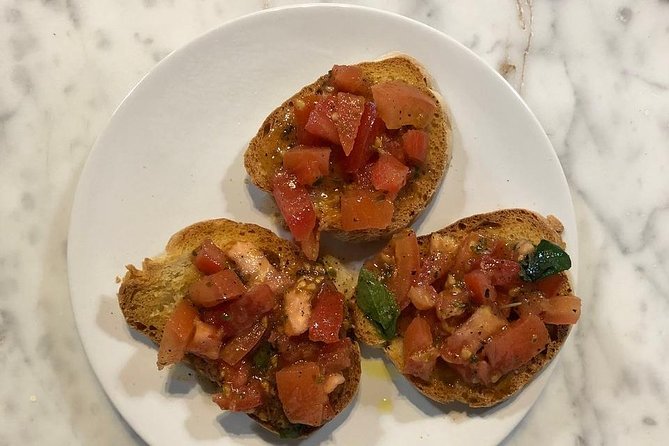
Then comes the part most people book for: handmade pasta.
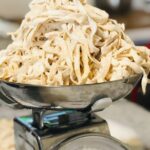
Your class is built around learning pici, a thick pasta style associated with Siena. You’ll mix and knead dough, then cut it into strands. From there, you’ll top it with a sauce. The lesson style matters here: you don’t just hear the method, you do it. Kneading and shaping dough gives you a feel for texture that you can’t really learn from a recipe alone.
Now for the twist: the menu description also notes that depending on chef fantasy, you might create other pasta forms, including shapes like ravioli, tagliatelle, or short pasta. That flexibility is actually a benefit if you like variety. It means the chef can tailor what you make to the day’s flow in the kitchen.
How to use this section to your advantage:
- Pay attention to the dough consistency, since that’s what decides whether pasta turns out tender or chewy.
- Watch how the sauce choice pairs with the pasta shape (thicker pasta usually needs sauce that clings well).
- Take mental notes on timing. Fresh pasta is forgiving, but it still rewards attention.
Sauce is part of the learning too. The class describes sauce changing based on the type of pasta created, with options that could include ragù, tomato-based sauces, cheese, sage, and more. Even if the exact sauce varies, you’re learning the logic behind Tuscan pairings: what tastes good together, and why.
And yes, you’ll eventually eat what you made. That’s not an add-on. It’s the reason the hands-on part works.
Tiramisu class and the satisfying finish
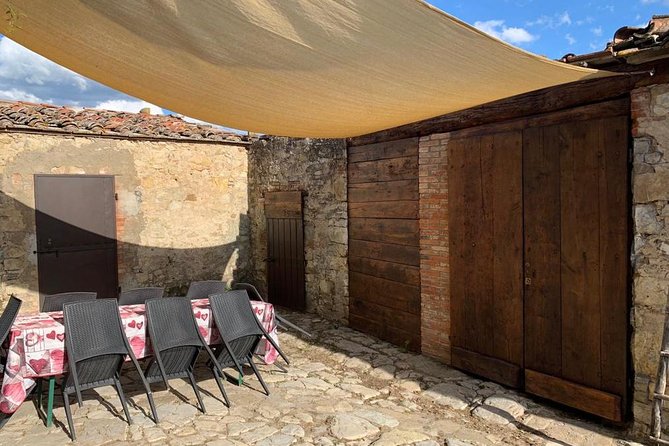
Dessert shows up as tiramisu, which is a great way to end a pasta-heavy day. Tiramisu is famous, but it’s also a test of technique: balance, texture, and timing.
You’ll prepare a typical Italian dessert like tiramisù as part of the morning plan. The point isn’t only that it tastes good. It’s that you’ll learn a repeatable process you can bring home. This is where the recipe card becomes valuable, because tiramisù is one of those desserts where small details matter.
Chef Simone’s teaching style seems geared toward making dessert feel achievable. In reviews, people repeatedly mention how the class stays relaxed and friendly, with enough guidance that you don’t feel lost while you assemble and finish.
After cooking, you’ll sit down with your group to enjoy everything together. It’s a true “from scratch to plate” moment, and it usually feels like you’ve been let into someone’s family kitchen routine.
Wine pairing: how it fits the meal
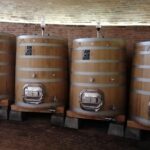
Wine isn’t an afterthought here. You’ll have a glass of wine with your meal, and it’s paired to the menu you cooked. That pairing matters because it helps you connect taste with food choices, not just drink something alongside.
Some participants mention wine being offered generously throughout the experience. Even without assuming extra pours, you can still count on the wine being part of the dining rhythm.
Practical tip: pace yourself. The class is hands-on and then you eat a full meal. If you’re driving or have another plan later, keep that in mind. But if this is your one relaxed countryside moment, lean into it. The whole setup is built for lingering at the table.
Price and value: what $139.13 gets you
At $139.13 per person for about 4 hours, this isn’t a “cheap bite” tour. It’s closer to a paid cooking lesson that includes the meal, ingredients, and a professional chef.
Here’s why the value usually feels strong:
- You cook multiple courses: starter, handmade pasta, and dessert.
- You get a chef host who teaches technique, not just a demonstration.
- Drinks and a glass of wine are included with the meal.
- You leave with a recipe card so you can reproduce what you learned.
If you’ve ever spent money on a class where you mostly watch, this one avoids that trap. The small-group size (max 14) also helps the “time per person” feel. You’re not fighting for space at a counter or waiting for someone to explain the next step.
It’s also good value if your Siena trip includes lots of sightseeing. A cooking class like this becomes a break you’ll remember for years, because it turns into a skill and a story, not just another stamp in the passport.
Who should book this class in Siena (and who might not)
This tour is a great fit if you want:
- real hands-on cooking with handmade pasta skills
- a classic Tuscan menu (bruschetta, pasta, tiramisù)
- a small group day outside central Siena
- a friendly chef who keeps things relaxed
It may be less ideal if:
- you need hotel pickup and door-to-door logistics
- you hate being in a working kitchen (this is hands-on)
- you want a super-fast experience. The class is designed to include a full meal sit-down.
If you’re traveling solo, this can still work well because the group stays small and conversation is part of the cooking process. If you’re coming with friends or family, it’s the kind of shared activity that tends to feel like hanging out in a countryside home kitchen.
Should you book this Siena: Chianti farmhouse cooking class?
Yes, if you want a Tuscany day that’s practical, delicious, and actually teaches you how to cook. The biggest reasons are the hands-on teaching, the full meal you eat, and the farmhouse setting that makes the flavors feel like they belong.
Book it especially if you’re aiming to come home with something useful: how to shape dough, how to build classic starters, and how to finish with tiramisù. If you’re okay handling transportation to the meeting point outside Siena, this is the kind of experience you’ll keep thinking about when you make pasta again.
If you want, tell me your travel dates and group size, and I’ll suggest the best kind of morning schedule in Siena around this class (based only on what’s provided, so you don’t get stuck timing your taxi).
FAQ
How long is the cooking class?
It runs for about 4 hours.
Where does it start and end?
It starts at Localita’ casapera, 53019 Castelnuovo Berardenga, Province of Siena, Italy, and ends back at the same meeting point.
Is this class in English?
Yes, the experience is offered in English.
How many people are in the group?
The class operates as a small group with a maximum of 14 travelers.
What will I cook during the class?
You’ll make an antipasto such as bruschetta and crostini, learn handmade pasta (including pici), and prepare a typical dessert like tiramisù.
Is wine included?
Yes. A glass of wine is included with your meal, and drinks are included with what you prepare.
Can the class handle dietary requirements like gluten-free?
You can request specific dietary requirements at booking, and it notes support for gluten-free travelers.
What is included in the price?
The price includes the meal based on what you prepare (with drinks), all necessary ingredients, a professional chef, a recipe to take home, and the glass of wine.