REVIEW · SIENA
Small-Group San Gimignano and Volterra Day Trip from Siena
Book on Viator →Operated by Tuscan Escapes by Papilio SRL · Bookable on Viator
San Gimignano is a postcard town, but this trip adds the missing context and the local flavor that make it stick. I love the Via Francigena walk with real stories about pilgrims heading toward Rome, not just a photo stop. I also like that it’s run as a true small-group outing, so your guide can actually answer questions. One thing to note: the day is packed, and you’ll do some self-guided roaming once you arrive in each town.
You’ll also get a proper Tuscany day without renting a car: Monteriggioni’s ring of walls, the countryside drive, then into San Gimignano and Volterra. I especially like the family-run farm lunch built around the area’s saffron, prosciutto, and local products, often paired with wine like Vernaccia. Depending on the day, guides such as Guglielmo or Matteo bring that extra layer of warmth, plus names and details about the people you’re meeting.
The only real drawback is timing and sound. Even with small numbers (max 8), the van can feel tight, and if you’re in the back row you may miss some guide talk during introductions.
In This Review
- Key highlights worth showing up early for
- Why this day trip works from Siena (and what you’re buying)
- Meeting in Siena: start on time, start easy
- Monteriggioni: the wall town stop that adds real charm
- San Gimignano on the Via Francigena: medieval streets with purpose
- Climb a tower if you want the best payoff
- San Gimignano 1300: a tiny time machine
- Piazza del Duomo and the Collegiata: don’t judge the outside
- Lunch outside town: saffron, cheese, prosciutto, and Vernaccia
- Volterra: Etruscan roots, Roman layers, and a modern town you can still enjoy
- The alabaster workshop: watching stone become art
- How long you’ll actually spend in each place (so you don’t feel rushed)
- Price and value: what $217.77 buys you in real terms
- Who should book this trip (and who might want a different plan)
- Should you book? My call
- FAQ
- Where does the tour meet in Siena?
- How long is the day trip?
- What towns are included?
- Is hotel pickup included?
- What’s included in the price?
- What group size should I expect?
Key highlights worth showing up early for
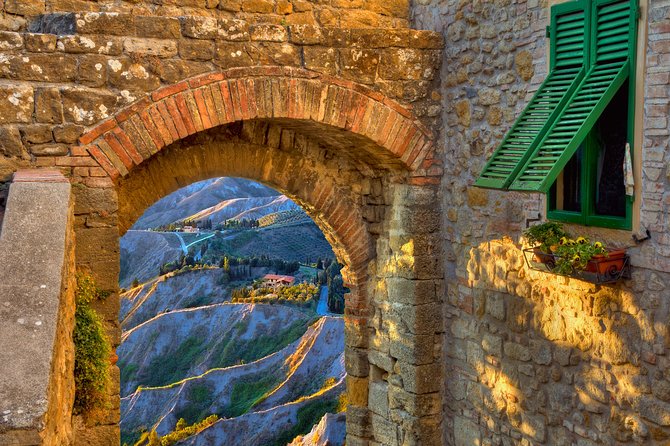
- Via Francigena through San Gimignano: A pilgrimage route from Canterbury to Rome, explained in a way that makes the streets feel older.
- Monteriggioni’s complete wall ring: A preserved fortress village tied to Dante, plus a quick stroll on the ramparts.
- San Gimignano towers + saffron culture: A focus on daily life in medieval hill town style, plus the town’s red gold.
- San Gimignano 1300 mini museum stop: A short visit that gives you a “then” to compare with what you see now.
- Volterra alabaster workshop visit: Watch craftsmen work the translucent stone that turns into lamps, vases, and art.
- Up to 8 people with English guide support: Easier questions, fewer bottlenecks, and more personal pacing than big buses.
Why this day trip works from Siena (and what you’re buying)
This is a smart way to see two of Tuscany’s most striking hill towns without the hassle of driving, parking, and navigating slow streets. You’re paying for three things: transportation in an air-conditioned minivan, a guide who handles the “why” behind the sights, and two experiences that feel local rather than touristy—a farm lunch and an alabaster workshop.
San Gimignano and Volterra are both the kind of towns where you can wander on your own. The difference here is that someone plans the flow, points you toward the best angles, and gives context while you’re in transit. You also get a bonus stop at Monteriggioni, which most people skip when they plan solo.
Is it cheap? No. But when you factor in the guided time, lunch, and the craft visit, it starts to look like good value compared with doing two separate half-day tours plus a meal on top.
You can also read our reviews of more tours and experiences in Siena.
Meeting in Siena: start on time, start easy
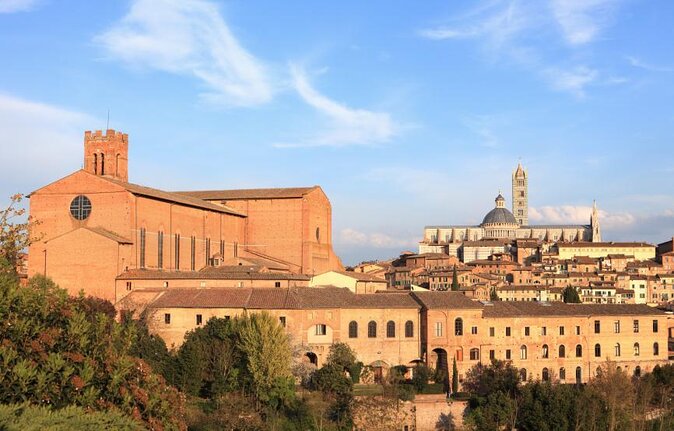
You meet at Piazza San Domenico at 9:30am, in front of the church of San Domenico. The meeting point is straightforward, and there’s parking nearby if you’re arriving by car.
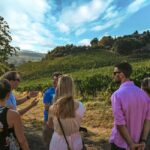
You’ll board the minivan and get your orientation before heading out. The guide typically shares some context on the region en route—enough to get your bearings fast—then you’ll shift into town-walking mode once you arrive.
Tip: if sound matters to you, choose a seat where you can hear clearly. One review pointed out that people in the back row can struggle to follow the driver/guide introductions.
Monteriggioni: the wall town stop that adds real charm
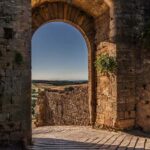
Monteriggioni is the kind of place you want to see because it’s unusually intact. The village is defined by a complete ring of walls and turrets—built in the 1200s—and it functioned as Siena’s defensive bastion against Florence. Yes, it’s small. That’s the point.
You’ll get about 30 minutes here, plus plenty of chance to browse little craft and food shops in the lanes. If you like views, take a moment to walk around the town’s edges and soak in the Chianti hills around you.
What I like most about this stop: it breaks up the day. You get a compact medieval dose before the bigger impressions of San Gimignano and Volterra. And because it’s calmer, you can actually enjoy it instead of rushing.
San Gimignano on the Via Francigena: medieval streets with purpose
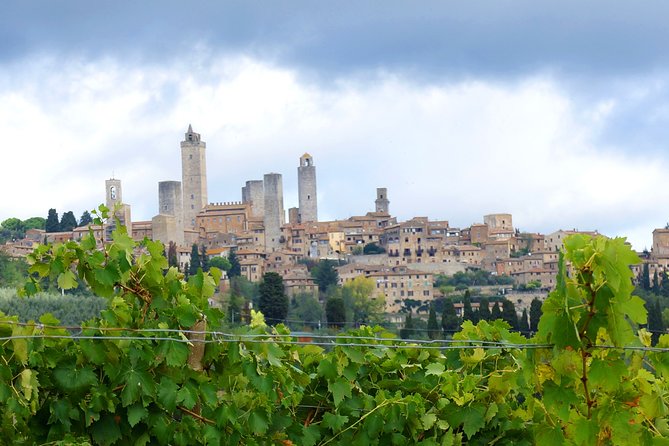
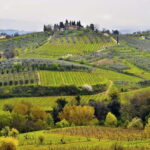
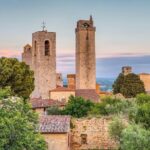
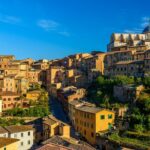
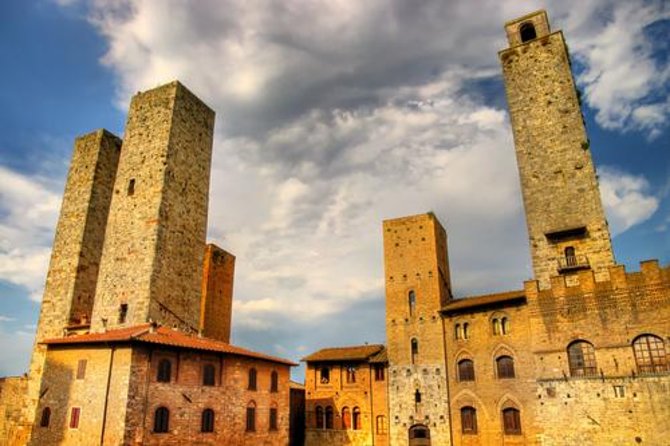
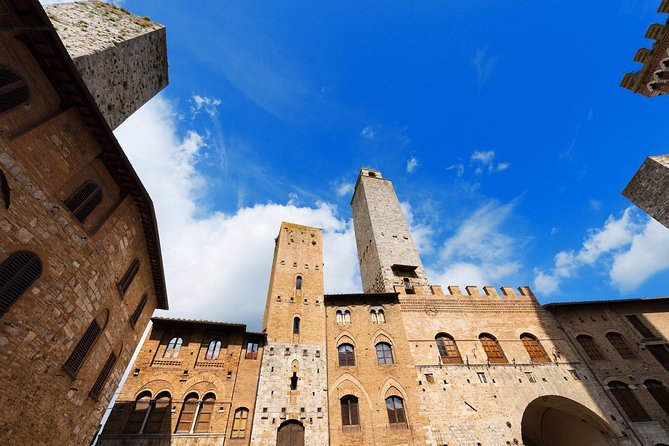
Once the countryside drive turns into hill town scenery, San Gimignano shows up in full medieval mode. This place is a UNESCO-listed snapshot of medieval architecture—especially the stone towers that still puncture the skyline.
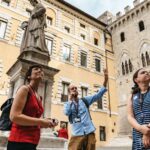
The star of the experience is your walk down the Via Francigena, an ancient pilgrimage route running from Canterbury to Rome. Instead of treating the route like trivia, the guide explains why pilgrims traveled this way and what that journey meant—France, Switzerland, and beyond, then on toward the Holy See. When you walk the streets with that in mind, it changes the feel of the cobblestones under your feet.
Inside San Gimignano, you’ll have free time to explore on your own after the guided piece. That’s where you can slow down for narrow alleys, viewpoints over the Tuscan spread, and tower-chasing without feeling like you have to “perform” for someone’s checklist.
Climb a tower if you want the best payoff
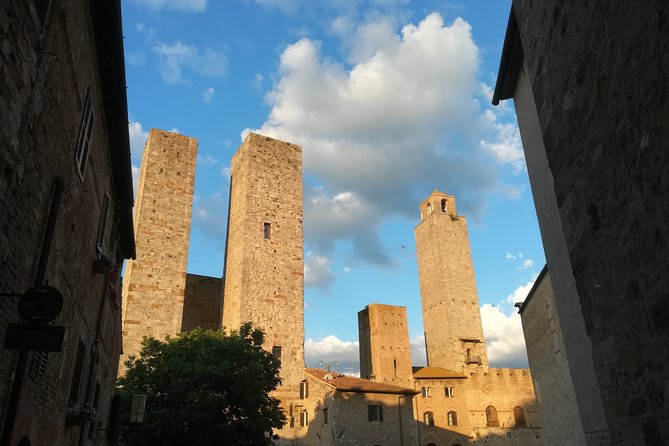
There are 14 towers like matchstick silhouettes. You have the option to ascend one. If you do, it’s a quick way to understand the town’s layout and why these families built vertical power in the first place. You don’t need to be a hardcore hiker to enjoy it—think of it as a short, worthwhile climb rather than a workout.
San Gimignano 1300: a tiny time machine
You’ll also stop at a small museum called San Gimignano 1300 for about 10 minutes. This is brief by design, but it’s useful. You’ll see what the town looked like in the Middle Ages, which helps you interpret what you’re seeing outside—especially the tower density and the medieval feel of the streets.
Even if you’re not a museum person, this is the sort of stop that improves your next hour of walking. It gives you a mental comparison point, so you notice details instead of just admiring the overall look.
Piazza del Duomo and the Collegiata: don’t judge the outside
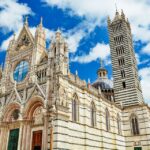
In the main square, make time for Piazza del Duomo and the church Collegiata (Cattedrale of Santa Maria Assunta). The exterior can look plain at first glance, but the interior is where the wow factor lands: black-and-white striped Gothic styling that feels dramatic once you’re inside.
This is one of those moments that helps the day go beyond “beautiful town, next stop.” It’s also low effort—no long climb, no complicated route—just step in when the doors are open and give it a minute.
Lunch outside town: saffron, cheese, prosciutto, and Vernaccia

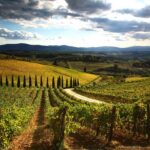
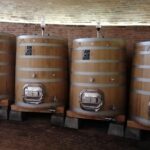
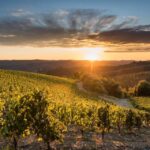
After walking in the heat or the tight stone streets (either way, you’ll work up an appetite), lunch is a highlight. You’ll eat at a family-run farm just outside San Gimignano, using seasonal products from the property.
What you’re likely to get:
- Locally made items such as cheese and prosciutto
- Dishes featuring saffron (the area’s famous spice)
- Pairing with local wine, often Vernaccia
Some groups also enjoy extras like limoncello along with the meal. If that’s your kind of thing, go with it when it’s offered—this is the point of the day.
Why this lunch matters: it’s not a generic restaurant meal. You’re eating in the landscape that produces the flavor. And saffron here isn’t treated like a novelty; it’s part of the local economy and daily cooking.
A practical note: lunch timing is the reset button. You’re not racing afterward in the same way you are between town stops, so it’s worth slowing down and enjoying the pause.
Volterra: Etruscan roots, Roman layers, and a modern town you can still enjoy
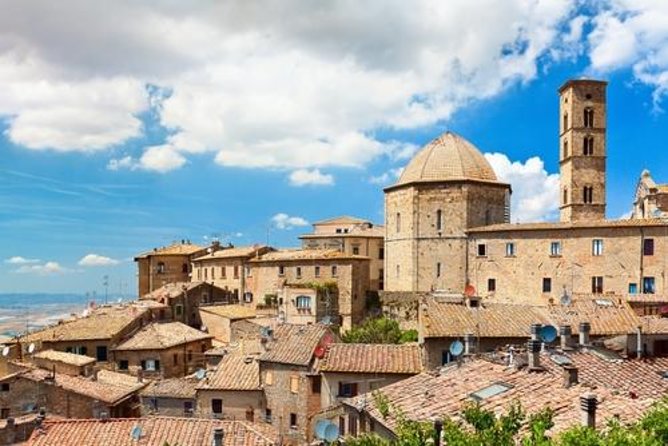
After lunch, you’ll drive to Volterra, south of San Gimignano. Volterra is associated with alabaster, the translucent stone used for centuries in lamps, vases, and art pieces.
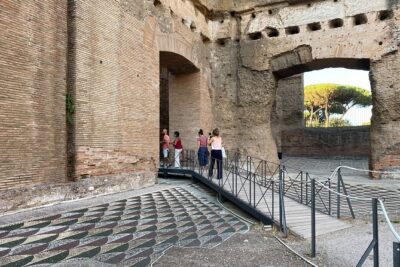
The town itself is a mix: you’ll see Etruscan and Roman remains alongside medieval and Renaissance architecture, plus the everyday modern buildings that keep it alive. That blend is part of the charm—Volterra isn’t trying to freeze itself in time.
You’ll have about an hour to stroll and explore after the craft stop, or sometimes before it depending on the flow of the day. You can focus on the historical center, pop into the Etruscan museum if it’s a good moment for you, or simply enjoy key views and the stone textures everywhere.
The alabaster workshop: watching stone become art
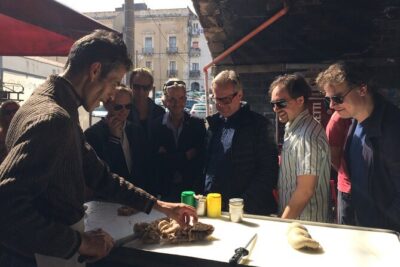
The most memorable part for craft lovers is the visit to an alabaster workshop. You’ll see craftsmen working the stone into masterpieces, and this isn’t presented as a hard sales pitch. In past days, the tour has included meeting older master artisans—one group highlighted an 83-year-old sculptor—which makes the visit feel human and grounded.
Here’s how to get more out of it:
- Watch the hands first. Tools and motion matter more than the sales talk.
- If you’re curious, ask what they make and how long it takes. You’ll learn faster that way than by trying to read every label.
- If you want to buy, compare small items first (often easier to choose and transport than large pieces).
Even if you don’t plan to purchase, this is the kind of stop that gives you a story to bring home. You leave with a sense of craft process, not just a souvenir.
How long you’ll actually spend in each place (so you don’t feel rushed)
This is an 8-hour day trip, and it moves. In practice, you may feel like you’re doing a “great hits” route: enough time to see the big icons, then a bit of wander time to breathe.
One practical takeaway: Monteriggioni can feel short (around 20 minutes in some runs), while San Gimignano and Volterra tend to get more attention—often about an hour for the main exploring in each. That means you’ll want to decide early what matters most to you:
- If towers are your priority, plan to pick one to climb in San Gimignano.
- If you love cathedrals, aim to step into the Collegiata quickly when you reach Piazza del Duomo.
- If alabaster is the point, don’t get lost in shops right before the workshop.
If you hate time pressure, this tour might feel busy. But if you like efficient sightseeing with real stops—Monteriggioni, Via Francigena, farm lunch, and alabaster—it’s a very rewarding format.
Price and value: what $217.77 buys you in real terms
At $217.77 per person, you’re not just paying for seats on a bus. You’re paying for:
- Transport in a small group (max 8)
- Lunch at a farm with local saffron-focused dishes
- A guided experience that explains the medieval context
- A workshop visit to alabaster artisans
When a tour includes lunch and a craft workshop, it can be better value than piecing together towns on your own and then paying for a separate guided visit and meal.
Also, the small-group size matters. You aren’t trapped with dozens of people trying to take the same selfie in the same narrow lane. It makes a difference at pickup points and when you want answers.
Who should book this trip (and who might want a different plan)
This works best for you if:
- You want a guided day that covers San Gimignano + Volterra without car logistics
- You care about context, not just photos (pilgrims on the Via Francigena, tower society in medieval times)
- You enjoy food moments, especially meals tied to local production and saffron
- You’re interested in crafts and like seeing artisans at work (alabaster workshop)
You might consider a different plan if:
- You prefer long free time in one town rather than short stops across multiple places
- You want a highly structured, step-by-step guided walk through every street in each city (some parts of the day are more open once you arrive)
Should you book? My call
Book this tour if you want an efficient Tuscany day that feels authentic: Monteriggioni’s walls, a meaningful Via Francigena walk through San Gimignano, a farm lunch built around saffron and local products, then Volterra with a real look at alabaster craftsmanship.
Don’t book it if you’re chasing slow travel. This is a full day with moving parts, so you’ll get the best experience if you go in with flexible expectations: enjoy the guidance, then enjoy the wandering in the free time you’re given.
FAQ
Where does the tour meet in Siena?
You meet your guide in front of the church of San Domenico at Piazza San Domenico, 53100 Siena, Italy, starting at 9:30am.
How long is the day trip?
It runs for about 8 hours.
What towns are included?
You visit Monteriggioni, San Gimignano, and Volterra.
Is hotel pickup included?
No. The tour does not include hotel pickup and drop-off.
What’s included in the price?
Included: driver/guide, lunch, transport by air-conditioned minivan, and a visit to an alabaster workshop.
What group size should I expect?
This tour has a maximum of 8 travelers.