REVIEW · TAORMINA
Taormina: Half-Day Pizza Making Class
Book on GetYourGuide →Operated by SAT Group · Bookable on GetYourGuide
Pizza dough in Sicilian sunshine.
This half-day Taormina class gives you the real stuff: hands-on dough work (flour, water, yeast, gluten) and a chef-led finish with your own pizzas in the pizzeria. I also like the friendly, energetic teaching style that turns a quick lesson into a proper meal-and-a-memory experience.
Meet at Ristorante & Pizzeria Porta Messina and you’ll spend 2.5 hours in and out of the kitchen. In many sessions, the program runs as a pasta-and-pizza combo, so you get extra technique beyond the usual pizza class.
One thing to keep in mind: this is run as a restaurant experience, so if you strongly prefer quiet, low-key activities, the sound and pace can feel lively when the pizzeria is busy.
In This Review
- Key Things I’d Put on Your Radar
- Taormina Pizza Making: What This Class Really Is
- Meeting at Porta Messina and Settling In Fast
- The Dough Lesson: Flour, Water, Yeast, and Stretching
- Sauce and Toppings: How to Build a Pizza That Bakes Right
- From Kitchen to Table: Bruschetta, Wine, and Your First Bite
- About the Pasta Factor: Why You Often Get More Than Pizza
- The Pizza Certificate: A Small Piece of Paper, Big Motivation
- Instructor Energy: What You’re Likely to Feel in the Room
- Price and Value: Is $88 Actually Fair?
- Who Should Book This and Who Might Skip It
- Quick Practical Tips for Your 2.5 Hours
- Should You Book This Pizza Class in Taormina?
- FAQ
- How long is the Taormina pizza making class?
- Where do I meet the guide?
- What’s included in the price?
- Is there wine included?
- Does the class include pasta as well?
- What languages are the instructors?
- What should I bring or wear?
- What if I have a food allergy or intolerance?
- Is there a cancellation option?
- Do I receive any proof I completed the class?
Key Things I’d Put on Your Radar
- Dough technique you can repeat at home: flour choice, yeast, and stretching the dough without tearing it
- You build the whole pizza: sauce basics and topping selection, not just decoration for photos
- Chefs with real personality: people often mention instructors like Francesca, Riccardo, Maurizio, Daniel, Paolo, and Luca
- A meal built around your work: bruschetta, mineral water, soft drinks, and local wine
- A fun takeaway: you leave with a pizza certification to prove you earned it
- Group-friendly logistics: it still works even with larger groups, and everyone gets a chance to move and make
Taormina Pizza Making: What This Class Really Is
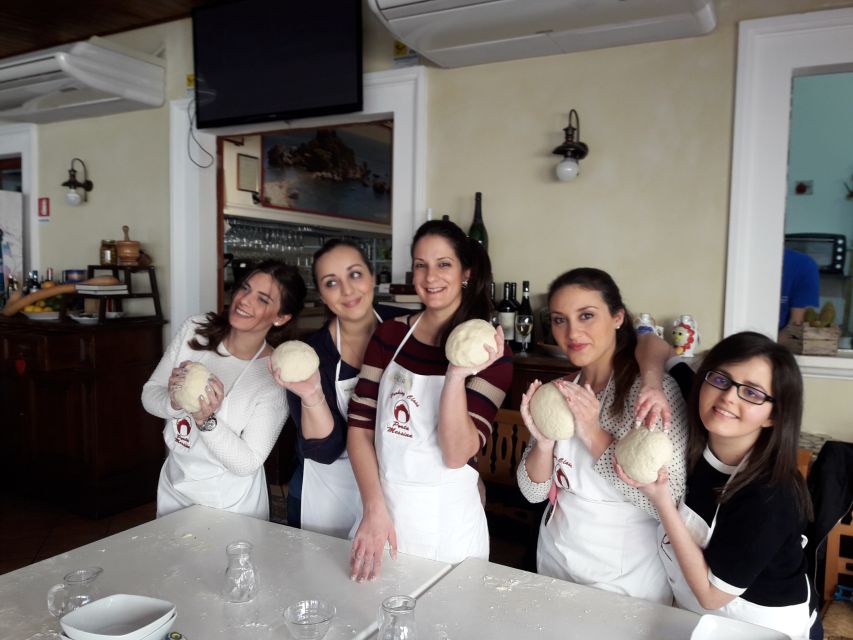
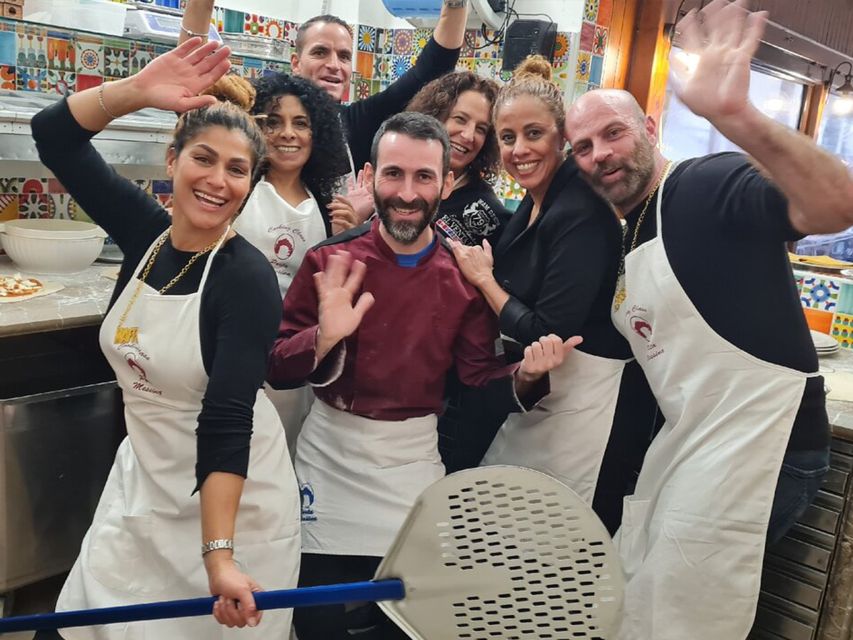
This isn’t a sit-and-watch demonstration. It’s a short, hands-on kitchen session where you learn the fundamentals and then eat what you made. The setting is a pizzeria in Taormina, so you get that real-world rhythm: dough gets stretched, toppings get loaded, and then the oven does its job.
The best part is that the teaching sticks to practical moves. You’re not just learning ingredients; you’re learning how dough behaves and how to assemble a pizza so it bakes well. The class also keeps you fed the whole way: bruschetta and drinks are part of the package, and many people also mention sweet treats like cannoli at the end.
You can also read our reviews of more tours and experiences in Taormina.
Meeting at Porta Messina and Settling In Fast
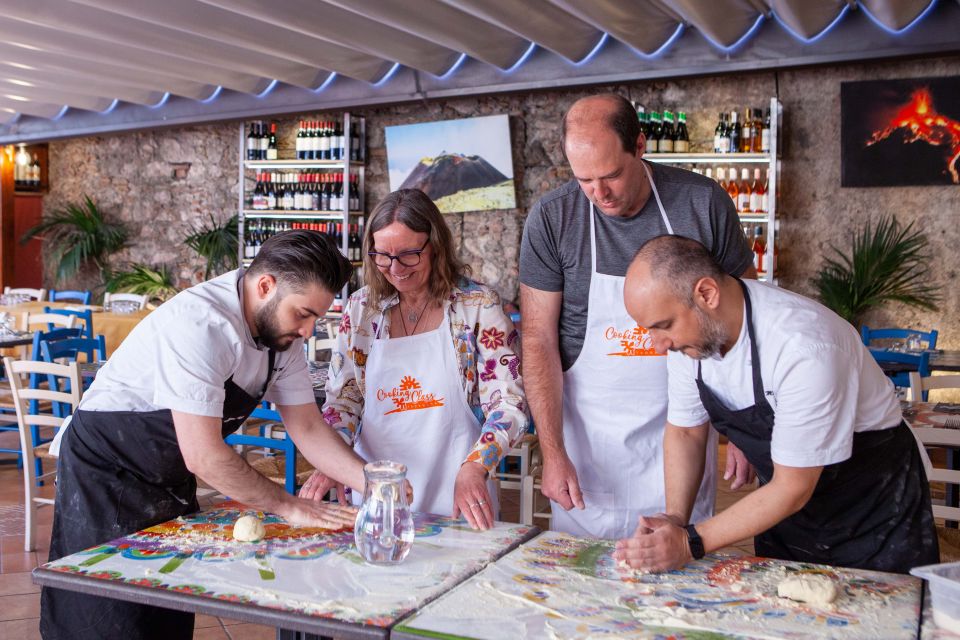
You meet your guide at Ristorante & Pizzeria Porta Messina in Taormina. From there, the group format moves into the cooking flow. Depending on the session, you may start in one kitchen area and then move to the main pizzeria space to practice pizza assembly and baking.
This matters because it shapes your pace. You’re not waiting around for a slow tour. You’re getting practical instruction, then stepping into the working area to try it. Even when groups are bigger, the space is set up so people can circulate and participate.
Good to know: instructors speak English and Italian, so you won’t feel stuck if your Italian is still in progress.
The Dough Lesson: Flour, Water, Yeast, and Stretching
The heart of the experience is the dough. You’ll learn how to work with flour that has the right gluten strength, plus the role of water and fresh yeast. This is one of those details that sounds basic until you try it, because dough isn’t dough. It’s structure, hydration, and timing.
You’ll get guidance on how to stretch the dough without turning it into a patchwork of holes. That’s a skill. Most beginners think pizza dough is something you roll like pastry. Italian-style dough is different: you usually want gentle, controlled stretching to keep the gas bubbles and texture that make the crust airy and chewy.
And you’ll notice the class’s philosophy: the chefs focus on what to do with your hands. People often praise how the teachers are patient and hands-on, even with beginners and families. So if you’ve never made dough before, you’re not expected to start as a pizza pro.
Sauce and Toppings: How to Build a Pizza That Bakes Right
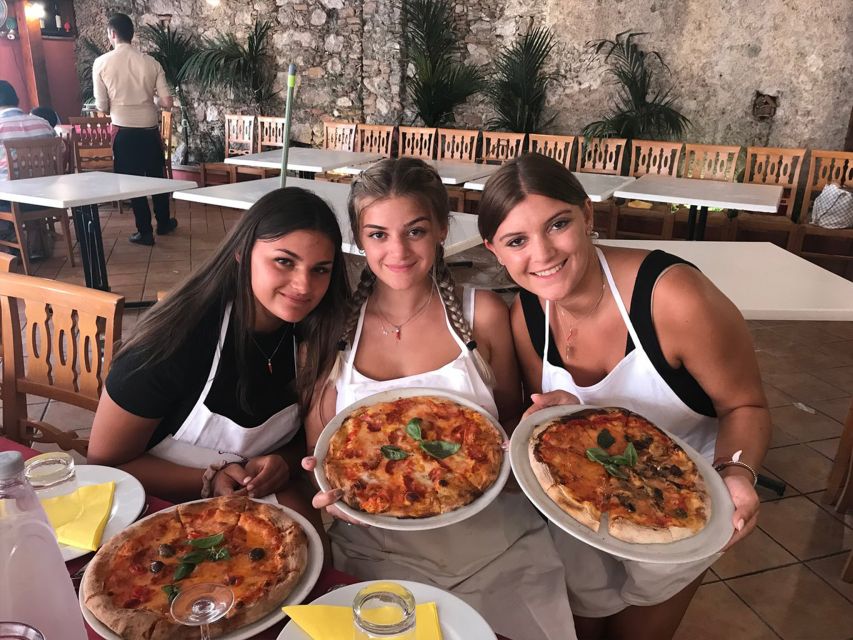
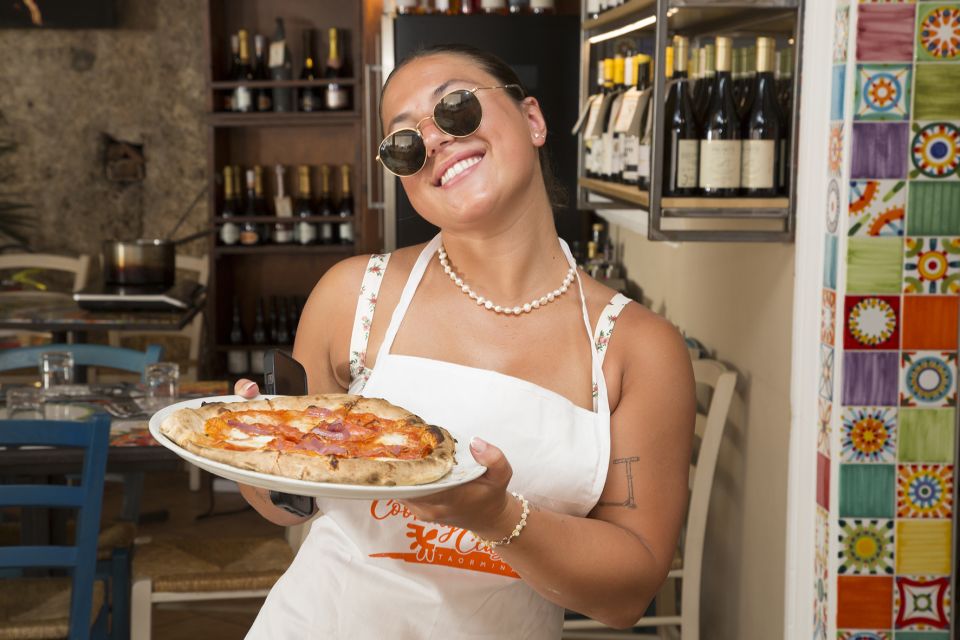
Once dough is handled, the class shifts to pizza assembly. You’ll learn what goes into a good pizza sauce, including how to think about balance rather than piling on everything “because it’s pizza time.” The sauce part is usually where people learn a big lesson: you can ruin a pizza with too much liquid, too little flavor, or toppings that don’t behave in the oven.
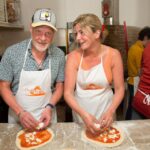
Then comes the fun part: toppings. You’ll hear tips on what works well and how to load your pizza so it bakes evenly. People frequently mention choosing toppings and being involved at different stages of prep, including helping with finishing touches before baking.
This is also where the class becomes social. You’re making something together, and the atmosphere is more like a shared table project than a classroom. That’s why it works well for mixed groups—families, couples, and solo travelers.
From Kitchen to Table: Bruschetta, Wine, and Your First Bite
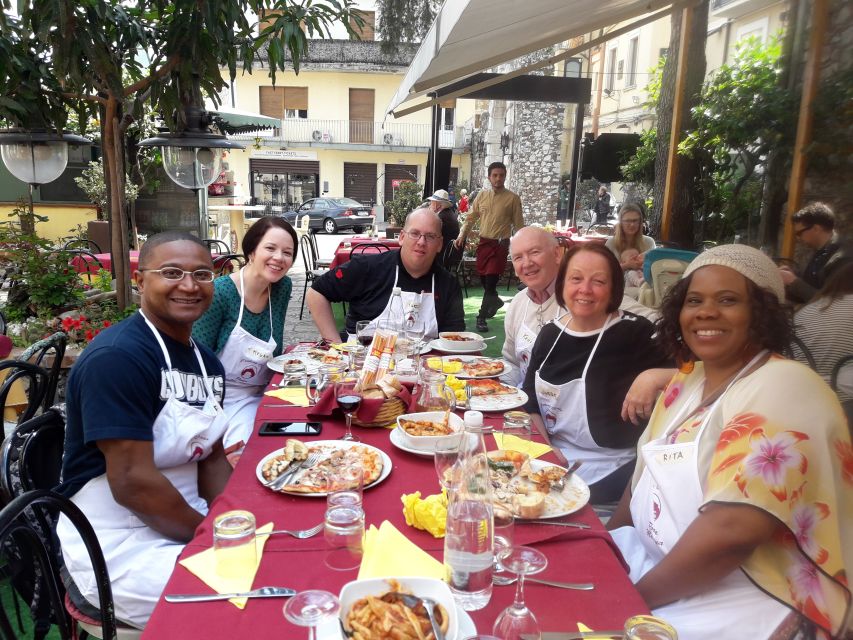
After you assemble your pizzas, you sit down to eat. The included lunch includes mixed bruschetta, plus mineral water and soft drinks. A portion of local wine is also part of the meal.
What I like about this setup is how it closes the loop. You learn a technique, you apply it, and then you taste the result while it’s still relevant in your mind. You’re not trying to remember a lesson after you’ve left the restaurant.
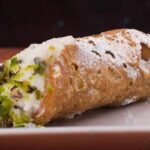
Many people also report an even bigger spread than you’d expect from a “pizza class,” including plates of cheese and cured meats during a break, and a sweet finish like cannoli and sometimes limoncello. The official inclusions call for bruschetta and drinks, but the vibe from real sessions is that you’ll likely eat well.
Practical note: if you’re sensitive to strong alcohol, remember that extra alcoholic drinks aren’t included. Wine is part of the lunch, but you may need to manage your own intake.

About the Pasta Factor: Why You Often Get More Than Pizza
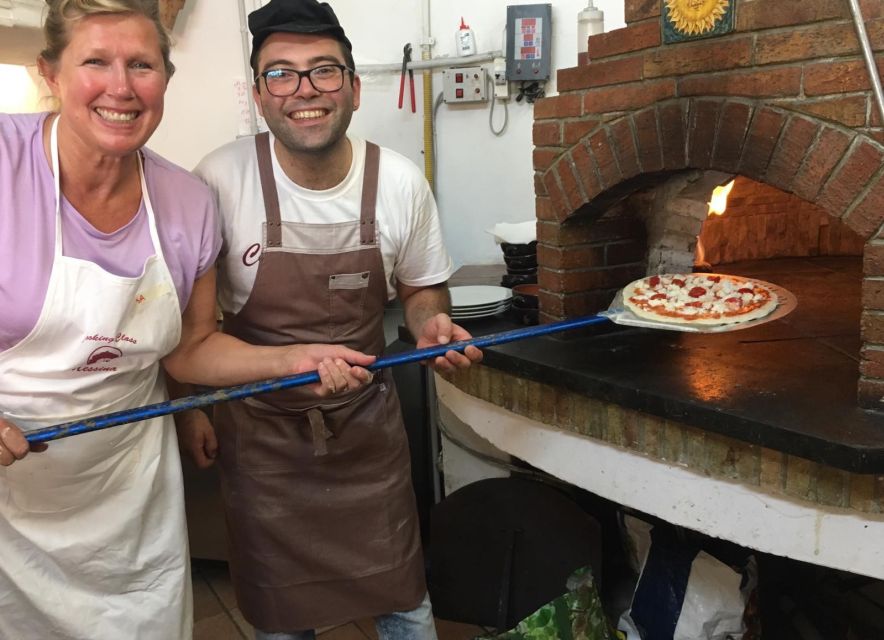
Even though this experience is branded as a half-day pizza class, a lot of the real sessions include a pasta component before pizza. Several people describe making pasta (like macaroni) with an instructor, then taking a break with snacks and drinks, and then moving into pizza dough and toppings.
Why is that a big deal? Because pasta training reinforces fundamentals you can use in pizza dough work: handling flour, understanding texture changes as ingredients hydrate, and learning timing. It also makes the time feel richer without stretching the duration.
So if you’re thinking, I just want pizza, you might still enjoy the pasta stage as a bonus skill set. And if you love Italian food basics—this combo is a strong match.
The Pizza Certificate: A Small Piece of Paper, Big Motivation
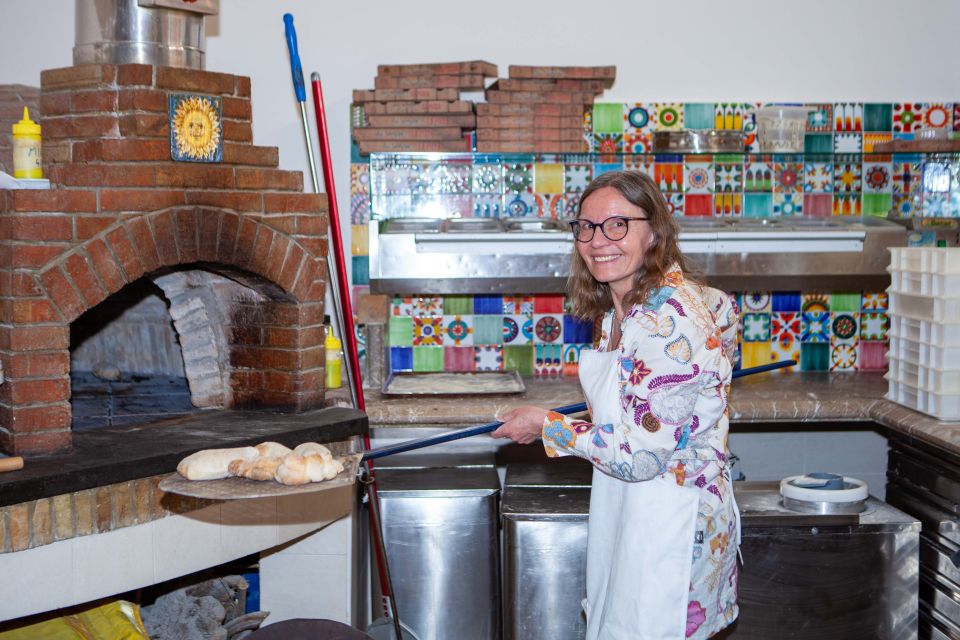
You finish with a pizza certificate that confirms you’re now a qualified pizza cook. It sounds silly until you remember why you came: you wanted something memorable that wasn’t just tasting.
That certificate gives you a neat souvenir you can show later. More importantly, it nudges you to practice. When you get home and try to repeat the dough or sauce steps, you’ll have a clear mental checklist: flour + hydration + yeast behavior, dough stretching, then toppings loaded with intention.
It’s also a good “group story” item. In photos and conversations, the certificate makes the whole thing feel like an earned milestone rather than a random activity.
Instructor Energy: What You’re Likely to Feel in the Room
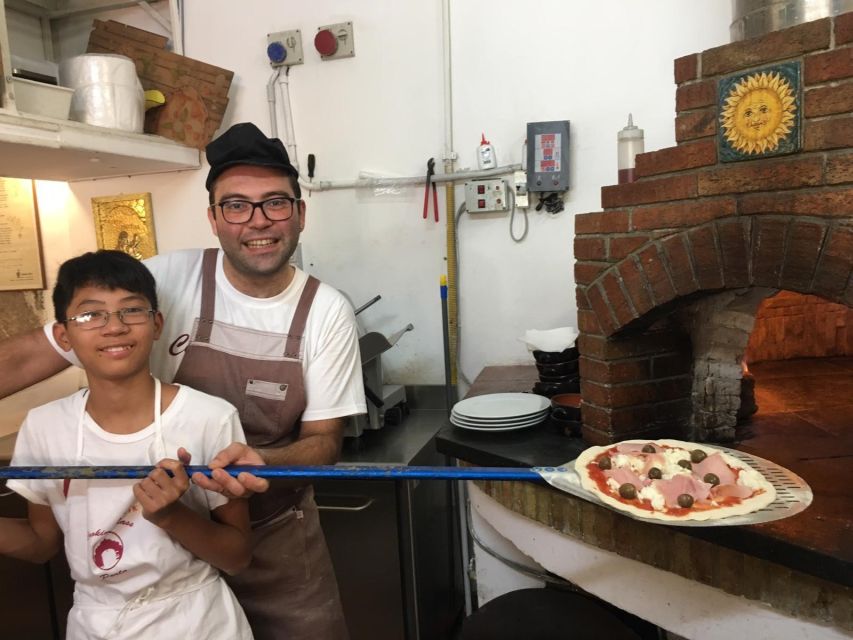
A cooking class lives or dies by its teachers. This one gets strong praise for being upbeat and supportive. Names that come up repeatedly include Francesca and Riccardo, as well as Maurizio, Daniel, Paolo, and Luca.
Even when the group is larger, people describe instructors as patient, funny, and good at making everyone participate. That matters because real participation is the point here. If you’re worried you’ll stand to the side, don’t. The structure is built for you to touch the dough, choose toppings, and assemble your pizza.
If you’re traveling with kids or teens, this format is usually a good fit too. Many families mention kids enjoying the hands-on steps and staying engaged through the meal.
Price and Value: Is $88 Actually Fair?
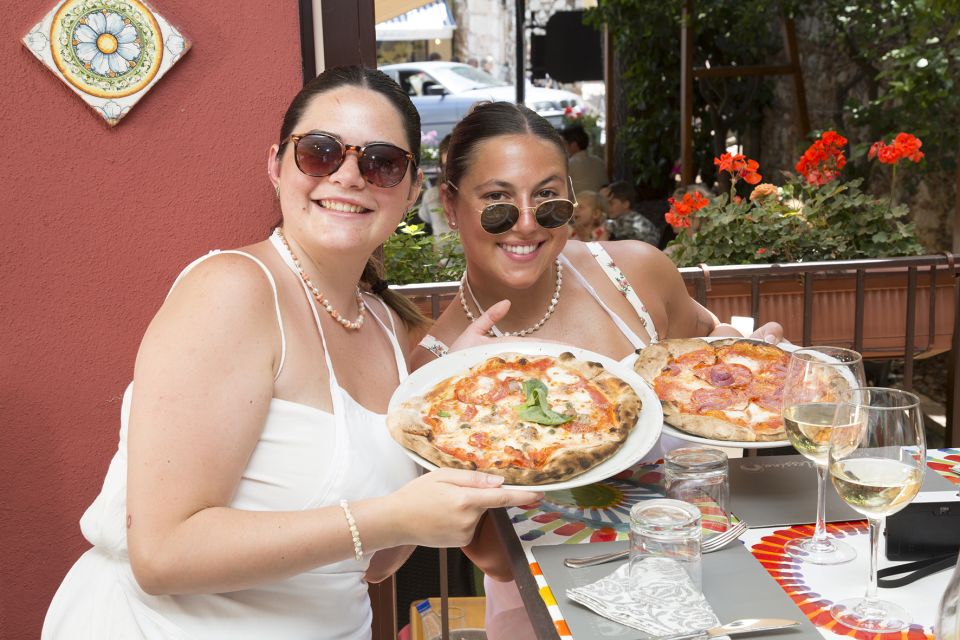
At $88 per person for about 2.5 hours, the price sits in the “this should include more than just instruction” category. In this case, you’re not paying only for the chef’s time.
Your cost covers:
- Ingredients for the cooking lesson
- The pizza lesson with a pizza chef
- Lunch with bruschetta, mineral water, soft drinks, and local wine
- The pizza certification
When you break it down, this is closer to a guided food experience plus a real class, not a typical cooking demo. In Taormina, where meals and drinks add up quickly, having lunch and wine rolled in makes the overall math easier.
Also, you’re getting skills you can reuse: dough stretching, how toppings affect baking, and how to think about sauce. A normal restaurant meal gives you one night of enjoyment. This gives you at least one new technique for future you.
Who Should Book This and Who Might Skip It
This class is ideal if you want:
- A hands-on Taormina activity that doesn’t require fancy gear
- A fun group experience with food at the center
- Pizza fundamentals you can actually apply later
It’s also a solid choice for families. Kids often do well with tasks they can complete step-by-step, and adults get a proper lesson without needing to be experts.
You might consider a different option if you:
- Want a quiet, slow museum-style experience
- Have very specific dietary needs and worry about how the kitchen will handle substitutions
- Prefer a class that focuses only on pizza and nothing else
Quick Practical Tips for Your 2.5 Hours
If you do one thing to prepare, do this: wear comfortable shoes. The work zone and restaurant floor can involve more standing and moving than you expect.
If you have allergies or intolerance, tell the staff upfront. The class notes that you should inform them in advance so they can handle your needs as best they can.
Finally, go in hungry. The format is structured around you eating what you made, plus included starters and drinks. People describe leaving full, not just satisfied.
Should You Book This Pizza Class in Taormina?
I’d book it if your travel style is part food, part hands-on learning, and you like getting out of the tourist rhythm. For $88, you’re buying a chef-led technique session and a proper meal with drinks, plus a real takeaway certificate.
I’d also book it if you’re with a group. This kind of cooking class is built for conversation and teamwork, and the energy tends to stay lively even in larger groups.
Skip it only if you strongly dislike busy restaurant atmospheres or if you need a highly specialized menu with no flexibility. Otherwise, this is one of the most practical, memorable ways to spend a chunk of time in Taormina.
FAQ
How long is the Taormina pizza making class?
The class runs for 2.5 hours.
Where do I meet the guide?
Meet at Ristorante & Pizzeria Porta Messina in Taormina.
What’s included in the price?
Included are cooking ingredients, a pizza cooking lesson with a pizza chef, lunch with mixed bruschetta plus mineral water and soft drinks, and a pizza certification.
Is there wine included?
Local wine is included with the meal. Extra alcoholic drinks are not included.
Does the class include pasta as well?
Some sessions include pasta making before the pizza portion, so you may get more than just pizza during the 2.5 hours.
What languages are the instructors?
The instructor supports English and Italian.
What should I bring or wear?
Wear comfortable shoes.
What if I have a food allergy or intolerance?
Inform the staff in advance so they can handle your needs as best they can.
Is there a cancellation option?
Yes, you can cancel up to 24 hours in advance for a full refund.
Do I receive any proof I completed the class?
Yes. You’ll receive a pizza certificate at the end of the experience.