REVIEW · MILAN
Walking Food Tour of Milan with Tastings
Book on Viator →Operated by Walking Palates · Bookable on Viator
Food and history share the same sidewalk. This half-day walk links Milan’s signature bites with Roman-and-Renaissance sights around San Lorenzo and the edge of Navigli, so you get context, not just calories. I like the small-group size (up to 15), because the guide can actually slow down and answer questions. I also like that the tastings lean Milanese—think risotto alla Milanese, fresh pasta, cheeses, and local wine—so you leave with a real feel for how this city eats.
One thing to plan for: not every sight is free. The basilica stop (San Lorenzo Maggiore) doesn’t include admission, and wine tastings follow the 18+ rule.
In This Review
- Key Things to Know Before You Go
- A Milan Food Tour That Teaches You the Why
- Price and What $141 Buys (Besides Food)
- Starting at Colonne di San Lorenzo: Roman Roots First
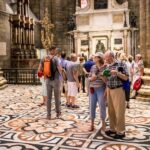
- Basilica San Lorenzo Maggiore: Mosaics and Layered Architecture
- Constantine Statue and the Edict of Milan Context
- Piazza Vetra: Where Old Canals Still Shape the Walk
- Sant’Eustorgio Square: The Three Magi Connection
- Arco di Porta Ticinese: The City Gate and the Navigli Angle
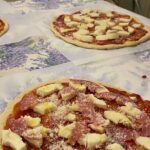
- What You’ll Actually Eat and Drink on the Walk
- A practical drink note
- The Walking Pace, Group Size, and How “Personal” It Feels
- Best for First-Time Milan Visits (and People Who Want Context)
- Should You Book This Milan Walking Food Tour?
- FAQ
- How long is the Walking Food Tour of Milan?
- Where does the tour start and end?
- What is included in the price?
- Is hotel pickup or drop-off included?
- What foods and drinks will I taste?
- Is there an age limit for the wine tastings?
- Is the tour suitable for children?
- Are any attraction admissions included?
- What’s the cancellation policy if plans change?
Key Things to Know Before You Go
- Small group, big attention: maximum 15 people means less waiting, more conversation.
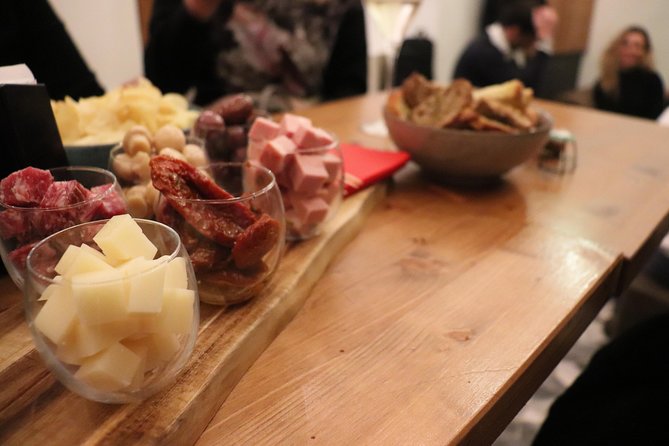
- Milanese classics on the menu: risotto alla Milanese, fresh pasta, cheeses, and local wine.
- Food paired with city layers: Roman columns, early-Christian symbolism, and Renaissance mosaics.
- A walking route with variety: from Roman ruins to quiet squares tied to major religious stories.
- Wine is part of the experience: tastings are included, but drinking age is 18+.
- One stop may cost extra: the Basilica San Lorenzo Maggiore ticket isn’t included.
A Milan Food Tour That Teaches You the Why
Milan can look like Italy’s fashion capital, but it’s also a food city with its own rules. This walking tour does a smart job of pairing tastings with the places that shaped the city—so the flavors don’t feel random. You’ll walk through zones tied to Roman power, early Christianity, and later artistic influence, then translate that into what’s on your plate.
The tour’s “value” isn’t just the price tag. For about three hours, you’re paying for a professional local guide plus food and wine tastings as you move. If you’ve ever spent a day chasing recommendations and menus that don’t match what you want, this format is a shortcut.
You can also read our reviews of more tours and experiences in Milan.
Price and What $141 Buys (Besides Food)
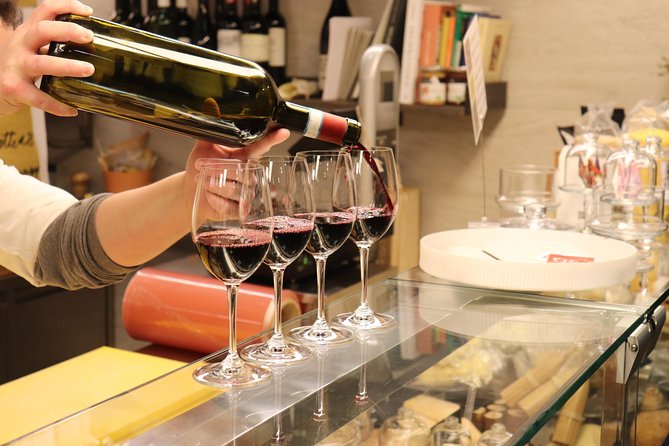
At $141 for roughly 3 hours, this tour sits in the mid-range for Milan. The key is what’s included: a local guide, food tastings, and wine tastings. With that combo, you’re not just buying bites—you’re buying guidance on what makes Milanese cooking different from the rest of Italy.
Also notice what’s not included: hotel pickup and drop-off. That matters because you should plan to arrive at the meeting point under your own steam (public transport is nearby). If you’re already near Central Milan sights, that’s a non-issue. If you’re staying far out, you’ll want to factor in transit time.
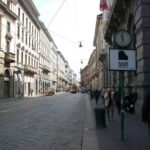
And one practical note: the tour runs in all weather conditions, so you’ll want shoes that handle cobblestones and a light layer. No one wants a great dinner interrupted by wet socks.
Starting at Colonne di San Lorenzo: Roman Roots First
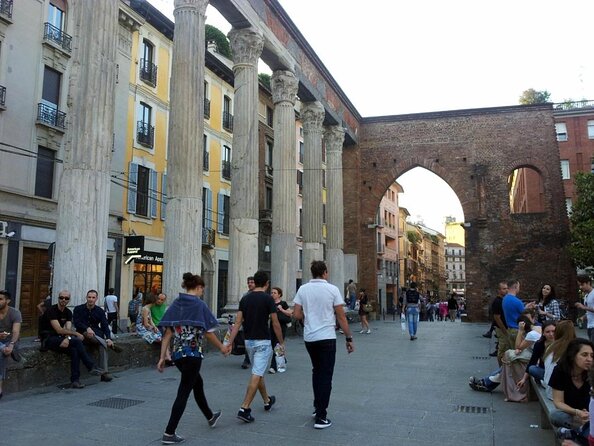
You meet at Colonne di San Lorenzo, a striking row of ancient Roman columns near the Basilica of San Lorenzo. This is a great way to start because it grounds the walk in scale. Milan didn’t grow slowly and gently—this city’s old bones are big and bold, and you feel that right away.
Stop time is about 30 minutes, and importantly, the Colonne di San Lorenzo admission is included. That’s a real convenience. It also saves time later, because you’re not splitting the group off to figure out tickets.
If you’re someone who likes to understand where you are before you try what people eat, this first stop sets the tone nicely.
Basilica San Lorenzo Maggiore: Mosaics and Layered Architecture
Next up is Basilica San Lorenzo Maggiore, one of Milan’s oldest churches. The standout here isn’t just age—it’s the mix of Roman and Renaissance elements plus mosaics. This stop helps explain why Milan feels like a city of layers: different eras added their own “menu” to the same location.
Timing is again around 30 minutes, but here’s the tradeoff: admission is not included. You may pay separately at the basilica. If you prefer tours where everything is bundled, this is the one small snag to keep in mind.
That said, the basilica stop works well because it connects the walking route to the cultural story Milan tells through art. It also gives a pause from the street noise before you get back to tastings.
Constantine Statue and the Edict of Milan Context
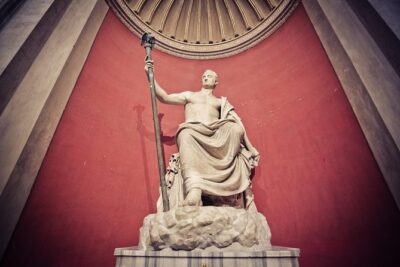
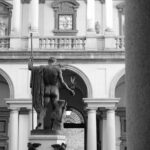
A short hop brings you to the Statue of Constantine, near the Colonne area. The statue points to the Edict of Milan, which ended Christian persecution. It’s one of those details that makes the city’s early-Christian identity feel less like a textbook fact and more like something that shaped everyday life.
Expect about 30 minutes here, with the guide tying the story to Milan’s shift over time. This is also where a good guide earns their pay. In the feedback for this tour, guides such as Francesca, Marie Christina, and Agnes are repeatedly praised for connecting food history with what you’re seeing outside—so this stop shouldn’t feel like a lecture.
If you’re not into statues, you can still use this moment to ask what the guide thinks you should pay attention to next.
Piazza Vetra: Where Old Canals Still Shape the Walk
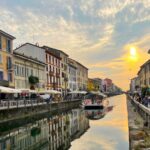
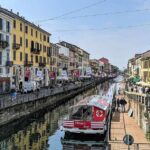
Then the route moves to Piazza Vetra, a quieter park area tied to Milan’s ancient canal system. Even if you don’t see a canal the way you would in Venice, you still get the idea: water management helped the city function, and that kind of infrastructure tends to influence markets and food movement.
Stop time is about 30 minutes. In practice, it’s a breather. Instead of racing from one major monument to another, you get a calmer stretch that helps the meal parts feel more “real” and less like a checklist.
It’s also a good point to reset your hunger level. If you’re prone to snack too early, this stop is where you can wait to feel ready for what comes next.
Sant’Eustorgio Square: The Three Magi Connection
At Piazza di Sant’Eustorgio, you’re in another peace-and-history pocket. The square is home to the Basilica of Sant’Eustorgio, known for its connection to the Three Magi. That religious link isn’t just trivia—it helps explain why Milan’s spiritual story is woven into the city’s physical layout.
Expect about 30 minutes. This is the kind of stop that works well if you like gentle atmosphere. The guide’s job is to connect this setting to Milan’s identity, then move you back into the food story.
One consideration: if you’re traveling with someone who prefers modern sights only, this stretch might feel more reflective than exciting. But the payoff is that it keeps the tour balanced instead of turning it into a pure eating sprint.
Arco di Porta Ticinese: The City Gate and the Navigli Angle
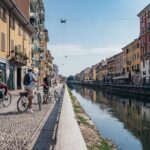
The final landmark stop is Arco di Porta Ticinese, a neoclassical arch marking a historic city gate. It also acts like a signpost for where you’re heading next—toward the energy of the Navigli area.
Timing is around 30 minutes, and the location matters because it ties your last moments of the walk to Milan’s more casual, eat-and-drink neighborhoods. In feedback, a favorite “extra” element has been food stops in areas that feel less obvious and more local, including around Navigli (for example, one highlight described is a butcher shop stop).
This is where the tour lands the point: Milan’s food identity isn’t limited to fancy restaurants. It’s also in everyday institutions—markets, shops, and the way locals build meals.
What You’ll Actually Eat and Drink on the Walk
This is the heart of the tour, and the included menu structure is what makes it worth your time.
You’ll sample classic Milanese dishes and ingredients such as:
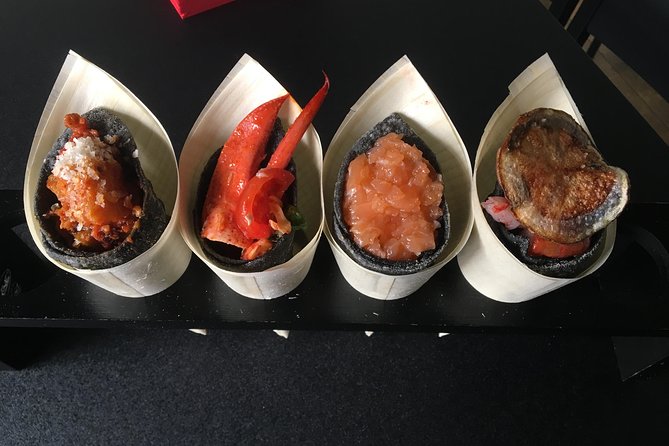
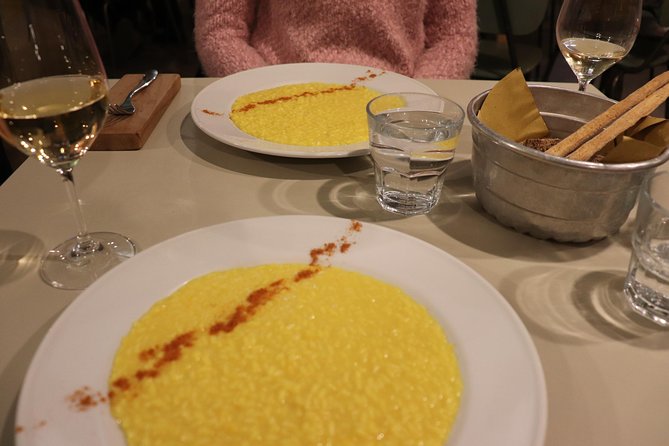
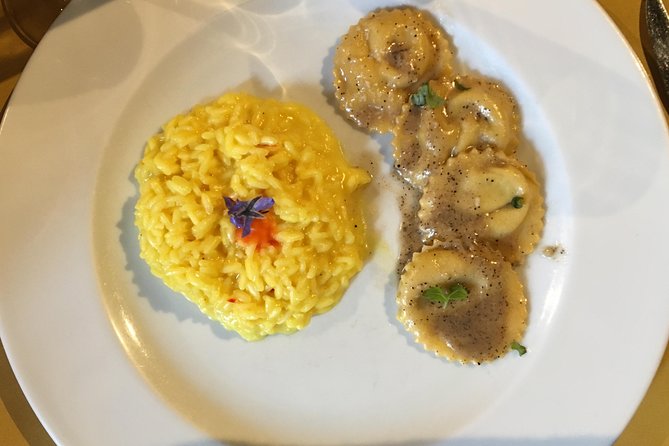
- Risotto alla Milanese (the saffron-and-butter type of Milanese signature)
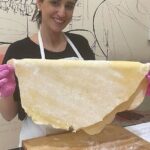
- Fresh pasta
- Cheeses
- Local wines
- Plus additional tastings tied to Lombardy’s food culture
The tour also leans into the idea that Milanese cuisine combines tradition with newer ideas. That matters because it helps you avoid the “Italy is all the same” trap. Milan has its own preferences, and the tastings are designed to show that.
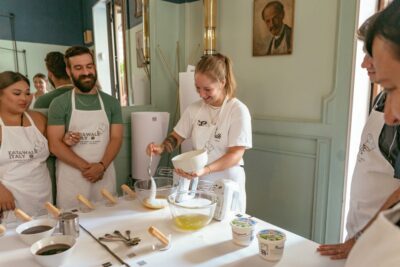
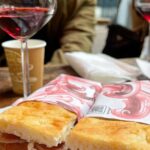
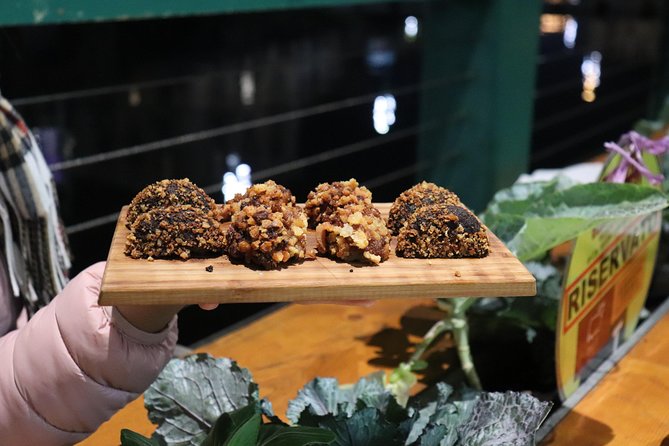
How the tasting experience feels can vary by group, but multiple people highlight a progressive, multi-stop setup—more like a small sequence of courses than a quick snack-and-run. Some groups also note wine showing up at most tasting moments, with dessert at the end. Even if your exact final bite differs, the intent is clear: you should leave feeling you ate a real dinner-worth of taste, not just a few crumbs.
A practical drink note
Wine tastings are included, but the tour follows a minimum drinking age of 18. If someone in your group is under 18, you’ll want to plan for tastings that don’t involve alcohol. The best move is to mention any dietary needs at booking so the guide can match the experience to your situation.
The Walking Pace, Group Size, and How “Personal” It Feels
This tour caps at 15 travelers, which is the sweet spot for a walking format. You’re not stuck in a giant line outside a restaurant door. You can hear the guide, and the guide can steer the group without dragging everyone like luggage.
The route is broken into six timed segments (each about 30 minutes), which also keeps the pace honest. You’re not doing one marathon stop after another. Instead, you get a rhythm: look → learn → eat → walk → look again.
One more reason this works: you start and end at the same meeting point near Colonne di San Lorenzo. That reduces the stress of figuring out where you’ll be left at the end of the meal.
And yes—based on the feedback, a lot of people mention feeling relaxed and unhurried, which is exactly what you want from a 3-hour food tour.
Best for First-Time Milan Visits (and People Who Want Context)
I think this tour is a strong fit if:
- You’re in Milan for a short time and want an efficient introduction.
- You care about why a region’s food tastes the way it does.
- You like walking through neighborhoods rather than jumping in taxis every 15 minutes.
- You want a guide who connects food to the city’s stories, not just instructions like where to order.
It may be less ideal if you:
- Hate walking or don’t do well with uneven pavement.
- Want a fully bundled experience with no extra paid admissions (since San Lorenzo Maggiore admission isn’t included).
- Are traveling with strict dietary needs you haven’t flagged at booking—this tour asks you to advise requirements ahead of time, and that helps the guide plan.
If you’re a foodie who still wants a little culture, this is one of those rare combinations that doesn’t feel like a compromise.
Should You Book This Milan Walking Food Tour?
Yes, if you want a true Milan intro that doesn’t separate food from place. The guide-led mix of Roman landmarks, early-Christian context, and Lombardy tastings is practical and fun, especially for an arrival day or a first visit.
Book it with two expectations in mind:
- The tour is built around a walking rhythm with multiple stops and tastings across that route.
- One sight (San Lorenzo Maggiore) may require an additional admission payment, so budget a little extra and you’ll feel on top of it.
If you’re trying to decide between a generic food tour and one with a clear Milan identity, this one points directly at what makes Milan different—and it does it while you’re already standing in the city’s real story.
FAQ
How long is the Walking Food Tour of Milan?
It’s approximately 3 hours.
Where does the tour start and end?
It starts at Colonne di San Lorenzo (Corso di Porta Ticinese, 20123 Milano MI, Italy) and ends back at the meeting point.
What is included in the price?
A professional local guide, food tastings, and wine tastings are included.
Is hotel pickup or drop-off included?
No, hotel pickup and drop-off are not included.
What foods and drinks will I taste?
You can expect tastings that include risotto alla Milanese, fresh pasta, cheeses, and local wines, along with additional Milanese and Lombardy-related items.
Is there an age limit for the wine tastings?
Yes. The minimum drinking age is 18.
Is the tour suitable for children?
Children must be accompanied by an adult, and the tour states most travelers can participate.
Are any attraction admissions included?
Admission to Colonne di San Lorenzo is included. Admission to Basilica San Lorenzo Maggiore is not included.
What’s the cancellation policy if plans change?
Free cancellation is available up to 24 hours in advance for a full refund. If you cancel less than 24 hours before the experience start time, it isn’t refunded. If canceled due to poor weather, you’ll be offered a different date or a full refund. The tour may also be canceled if the minimum number of travelers isn’t met, with the same options.