REVIEW · ROME
Rome: Fettuccine and Tiramisu Cooking Class with Wine
Book on GetYourGuide →Operated by Eat and Walk Italy · Bookable on GetYourGuide
Homemade pasta in Rome feels like magic. You’ll make fettuccine from scratch and finish with tiramisù in a real Roman restaurant setting, with step-by-step support from an English-speaking chef. It’s a practical way to eat well in Italy, not just look at it.
One thing to plan for: the class can move at a lively pace, so you’ll get the most out of it if you’re ready to jump in and follow instructions without lingering too long at each step.
In This Review
- Key Highlights You’ll Care About
- Meeting Your Chef Inside Restaurant Gusto
- Fettuccine From Scratch: Dough, Sauce Choice, and Real Shaping
- Tiramisù Steps and the Mandatory Fridge Rest
- Pairing Your Work With Wine and Limoncello
- What You Actually Learn (Beyond the Recipes)
- Group Energy, Chef Style, and Beginner-Friendliness
- Price and Value for 3 Hours of Food You Make
- Should You Book This Rome Fettuccine and Tiramisu Class?
- FAQ
- Where does the cooking class meet?
- What dishes will I learn to make?
- Can I choose the sauce for the fettuccine?
- Is wine included in the class?
- Do I get limoncello or coffee?
- How long is the experience?
- Is the class taught in English?
- Is this experience suitable for young children?
- Are pets allowed?
- Is free cancellation available, and can I pay later?
Key Highlights You’ll Care About
- Restaurant Gusto meeting point in central Rome, easy to find once you’re there
- Hands-on fettuccine dough and shaping taught from scratch
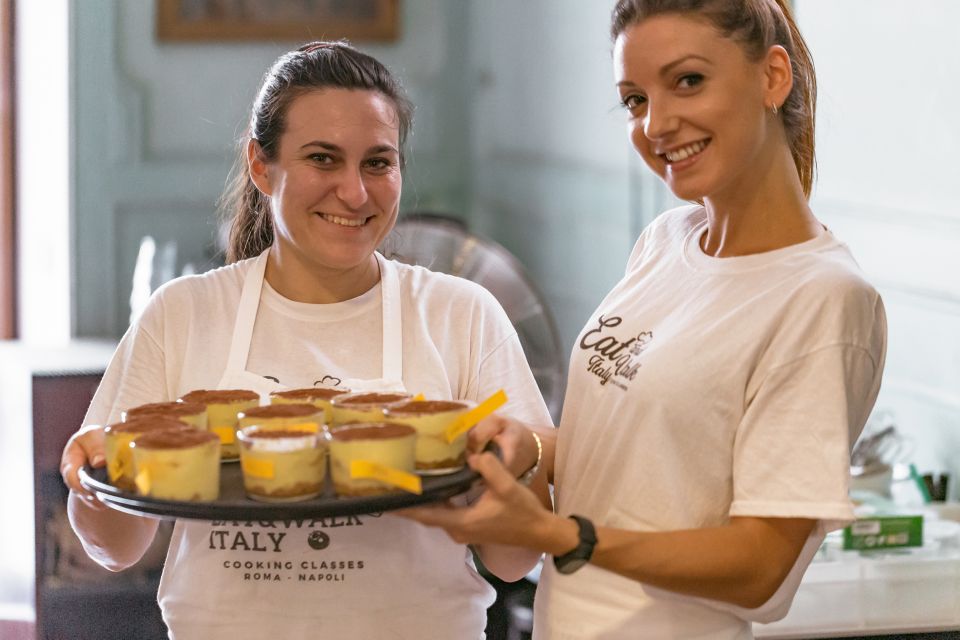
- Tiramisù you make yourself, then it rests in the fridge before tasting
- Sauce choice for your fettuccine: Tomato and Basil, Amatriciana, or Cacio e Pepe
- Italian wine plus limoncello (or coffee) to round out the meal
- Small-group energy in many classes, often described as intimate and friendly
Meeting Your Chef Inside Restaurant Gusto
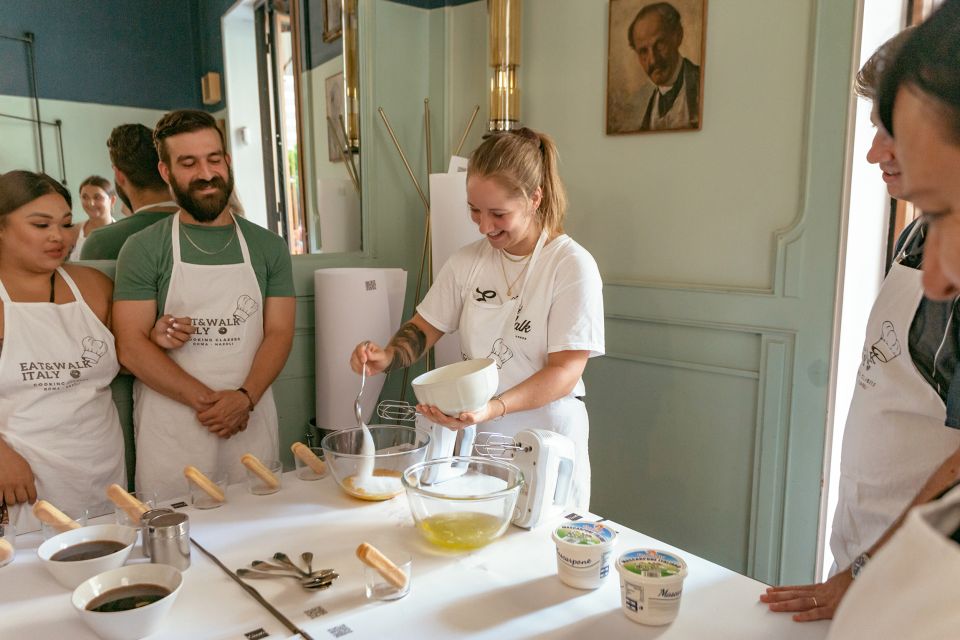
Your experience starts in the heart of Rome at Restaurant Gusto, where you meet your chef. The whole idea here is simple: you get into a working kitchen rhythm quickly, so you can stop worrying about what to order and start learning how the food is built.
This matters more than you’d think. Rome can be overwhelming if you’re trying to line up sights, meals, and reservations. A cooking class gives you a clear, timed plan that doubles as a social activity. And since the instruction is in English, you won’t be stuck guessing what’s happening with the dough, the timing, or the tiramisù steps.
From the chef names shared in past classes, you’ll want to look for the kind of energy that makes beginners feel at ease. Chefs like Chef Mimi and Chef Maria come up often for clear directions and patient help. That track record is exactly what you want here, because you’re learning pasta-making and dessert technique, not just assembling dinner.
You can also read our reviews of more tours and experiences in Rome.



Fettuccine From Scratch: Dough, Sauce Choice, and Real Shaping
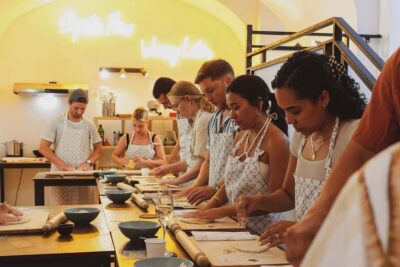
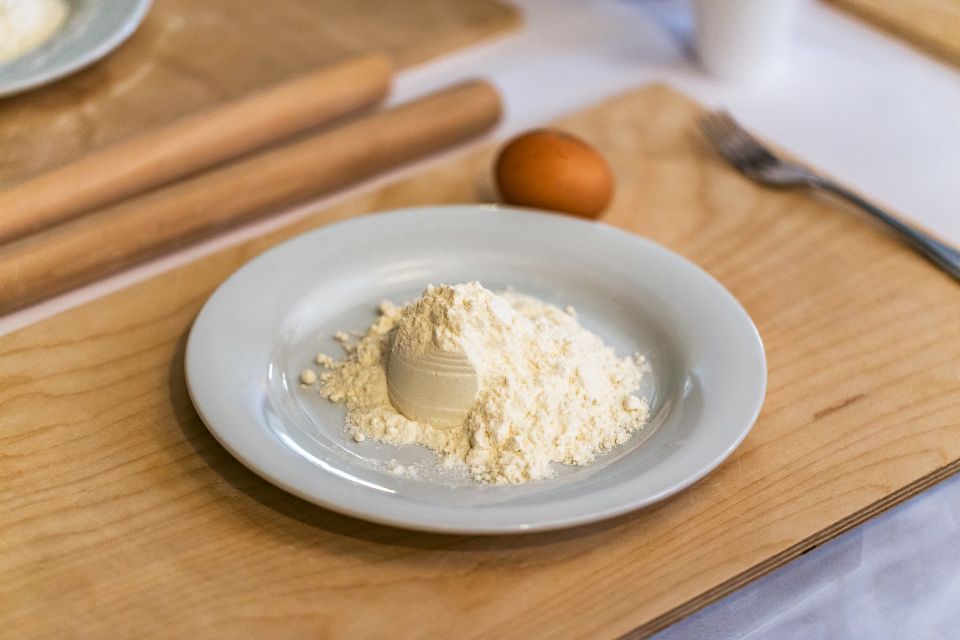
The pasta part is the star of the show. You’ll create homemade fettuccine from the start, then move into the finishing steps that turn dough into something recognizably Italian. The best part is you’re not just watching a demo—you’re hands-on.
Here’s the core flow you should expect:
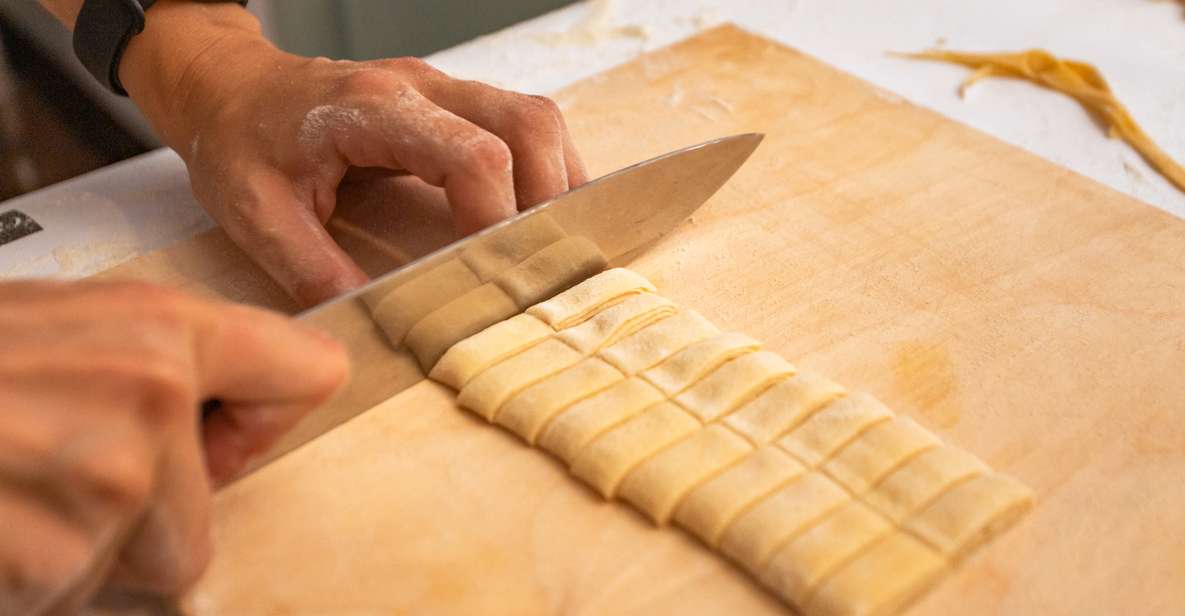
You’ll make the dough, work it, and get it to the point where it can be shaped. Then your chef shows you how to form fettuccine using a specific method for that classic look. One review even mentioned learning the recipe and shaping process in a way that felt clear from start to finish, even for first-timers.
Then you get to decide your sauce direction. Your fettuccine comes with a sauce of your choice:
- Tomato and Basil
- Amatriciana
- Cacio e Pepe
That choice is a big deal for value, because it lets you match the dish to your palate. Tomato and basil is the comfortable, bright option. Amatriciana leans more savory and bold. Cacio e pepe keeps things minimal and focused, which is great if you want to learn how a simple base technique tastes when done right.
You’ll also learn something practical: making fresh pasta changes the texture you feel on the fork. Dry, store pasta is predictable. Fresh pasta has a softer bite and a way of holding sauce that feels more alive. That’s the kind of difference you’ll remember long after the class ends.
Tiramisù Steps and the Mandatory Fridge Rest
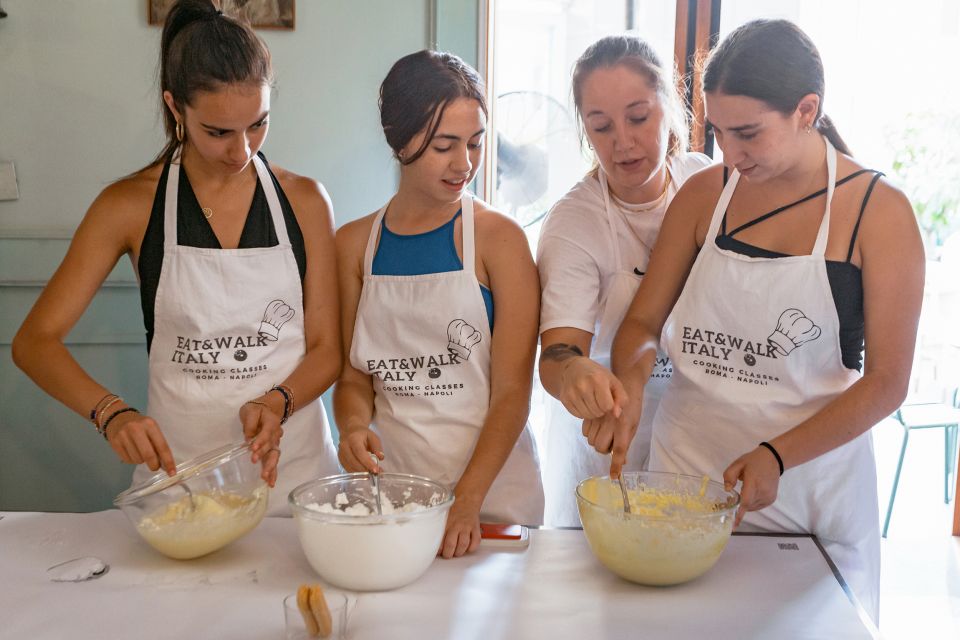
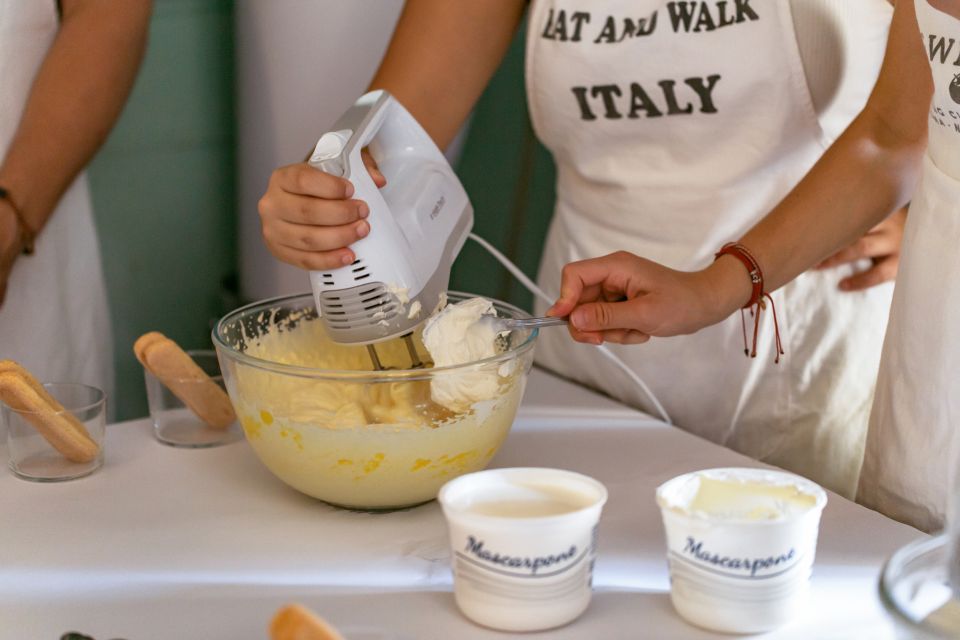
After the pasta work, you’ll shift to tiramisù, and yes, you make it yourself. The class follows a logical rhythm: you prepare the components, assemble the dessert, and then you give it time to set. You’ll pop the tiramisù in the fridge to rest before tasting—an important detail, because tiramisù without that rest is just… a sweet mess.
This part is also where the cooking becomes calmer. Pasta classes can be hands-on and tactile from the first minute. Tiramisù has a different kind of focus. You’re paying attention to texture and assembly more than kneading and shaping. That balance is a big reason people say the experience feels fun even if they’re not confident cooks.
And it’s not just about eating dessert in Rome. You’re learning how a classic Italian technique relies on timing. Resting is not optional if you want the flavors to meld properly.
If you’re worried about skill level: your chef’s job is to get you producing results. Reviews repeatedly praise chefs for being encouraging and hands-on. Some classes are described as interactive and informative, which usually means you’ll get corrections and guidance while you’re working—not after the fact.
Pairing Your Work With Wine and Limoncello
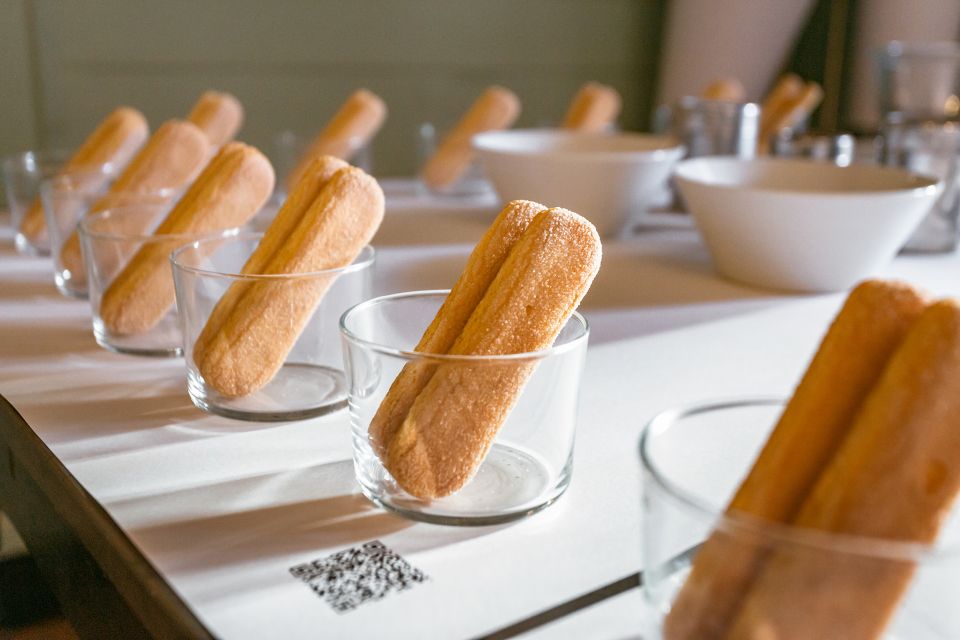
When it’s time to eat, you’ll sit down and enjoy the fruits of your labor. Your meal includes a glass of wine or non-alcoholic drink, plus either limoncello or coffee. Water is included too.
This pairing matters because the class isn’t only a cooking lesson—it’s also a Rome dining experience. Fresh fettuccine with a sauce you chose pairs naturally with a glass of Italian wine. And limoncello or coffee gives you that classic finish, the kind that signals you’re done and you can relax.
One of the most consistently praised parts is the feeling that everything connects: you make the food, you learn the technique, then you taste it as a complete meal. It’s harder to forget a dish you built yourself. You’ll notice details—how sauce clings, how the pasta’s chew feels, how the tiramisù sets—because you created them.
What You Actually Learn (Beyond the Recipes)
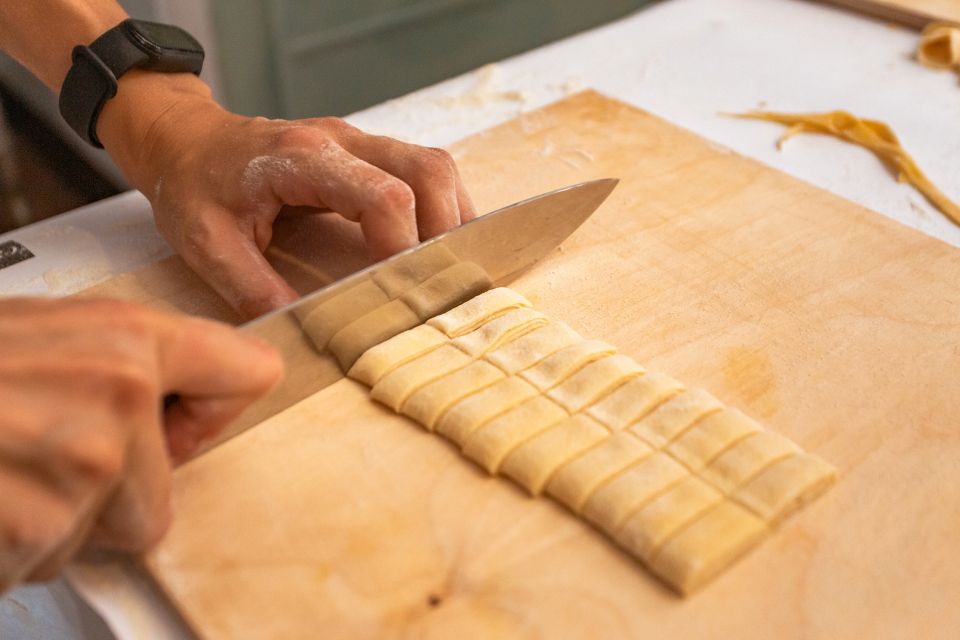
You’re in Rome, but the real education is technique. Even if you never make fettuccine at home again, you’ll come away with a better understanding of how Italian cooking works.
Here are the practical takeaways you can expect:
- Simple ingredients, strong results: the class emphasizes fresh ingredients and classic combinations rather than complicated shortcuts.
- Step-by-step guidance: your chef stays with you through the process, which makes the learning feel realistic instead of intimidating.
- Shaping matters: fettuccine isn’t just cut pasta; it’s technique for a specific feel and shape.
- Timing is part of the recipe: tiramisù rests, and that rest changes the final result.
And you might get more than you expected. Some participants report that they received the recipe after the class, which is the best kind of souvenir. A recipe you can actually use beats a postcard you’ll never send.






Group Energy, Chef Style, and Beginner-Friendliness
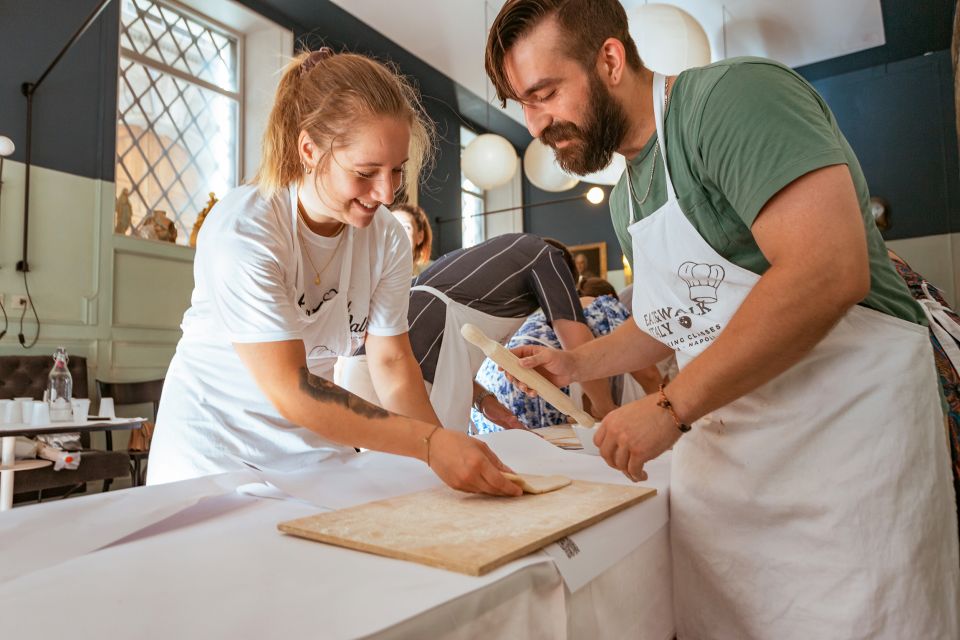
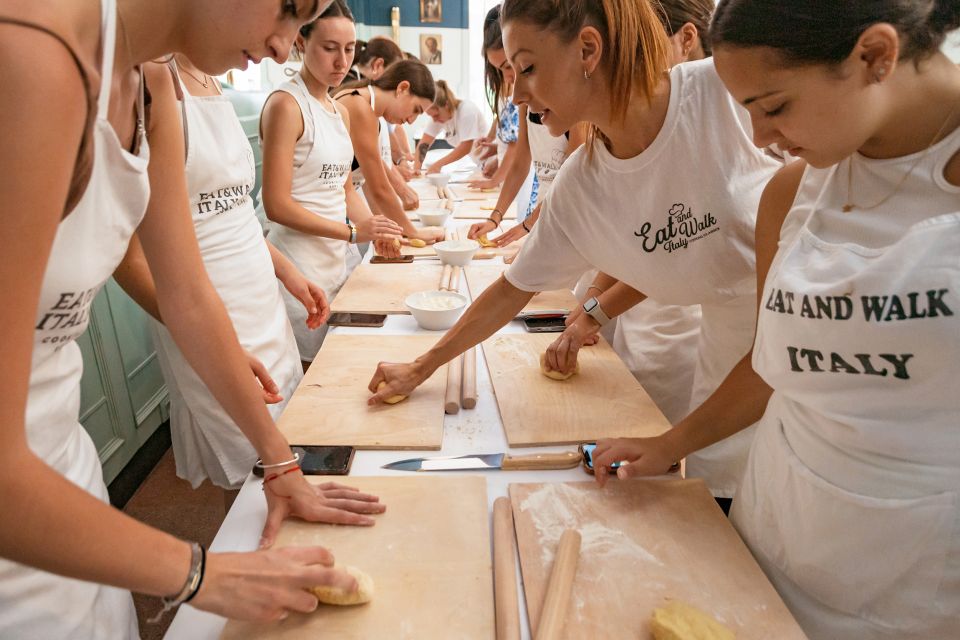
This class is set up for both cooking confidence and social fun. Many reviews highlight how chefs are patient and helpful, and how the class is intimate and interactive. Some even describe classes with very small groups, like around five people, which can make it easier to connect and ask questions while you’re working.
Still, one consideration comes from the reality of group activities: pace and attention can vary depending on the group vibe. A few people noted the class can feel a bit rushed. Others pointed out that some classmates can be loud or disruptive while the chef is talking. That’s not a flaw in the teaching, but it’s a reminder: if you want a slow, quiet culinary workshop, you may want to choose a time slot when you expect fewer distractions.
For first-timers, this is a strong pick. You’re given guidance, and you’re working step-by-step. One review specifically mentioned it being their first time making pasta and still having a great result. That’s the kind of environment you want when you’re learning something hands-on in a foreign kitchen.
Price and Value for 3 Hours of Food You Make
At $67.40 per person for a 3-hour experience, this class isn’t the cheapest meal in Rome. But it’s also not just a ticket to taste. You’re paying for instruction, ingredients, and the full end product.
Here’s what’s included that pushes the value in the right direction:
- Instructor and cooking class
- Fettuccine with sauce of your choice (Tomato and Basil, Amatriciana, or Cacio e Pepe)
- Tiramisù made by you
- Glass of wine (or non-alcoholic drink)
- Glass of limoncello or coffee
- Water
Food plus drinks plus a real teaching component is why many people feel it’s worth it. Also, you’re getting an actual skill—pasta dough work and tiramisù assembly—so the experience becomes more than a one-time meal.
If you’re budgeting Rome travel, think of it as dinner with a lesson attached. If you’d otherwise spend similar money on a nice sit-down meal and a cocktail, this adds the learning portion. And since the chef guidance is in English, you’re not paying extra in stress trying to translate on the fly.
Should You Book This Rome Fettuccine and Tiramisu Class?
If you like the idea of eating what you make, this is an easy yes. It’s especially good for couples, solo foodies, and groups who want a structured activity that doesn’t feel like a museum stop. The mix of fettuccine + tiramisù, plus Italian wine and limoncello, makes it a satisfying evening (or afternoon) in Rome.
Book it if:
- you want a hands-on experience with clear chef support in English
- you’re curious about how Italian classics are built (not just plated)
- you want a meal that includes wine and a classic dessert finish
Skip it or go in with eyes open if:
- you dislike fast-paced group activities and prefer a slower cooking rhythm
- you’re hoping for a private, quiet cooking session (this is still a shared group format)
Overall, this class has a strong track record—an average rating of 4.8 from 2013 reviews—with the most repeated praise pointing to patient teaching, interactive cooking, and delicious results. For $67.40, you’re buying the kind of practical, memorable Rome experience that sticks.
FAQ
Where does the cooking class meet?
You meet your chef inside Restaurant Gusto.
What dishes will I learn to make?
You’ll make homemade fettuccine (with a sauce you choose) and tiramisù.
Can I choose the sauce for the fettuccine?
Yes. You can choose from Tomato and Basil, Amatriciana, or Cacio e Pepe.
Is wine included in the class?
Yes. You’ll get a glass of wine or a non-alcoholic drink with your meal.
Do I get limoncello or coffee?
Yes. You’ll have a glass of limoncello or coffee as part of the included drinks.
How long is the experience?
It lasts 3 hours. Starting times vary, so you’ll want to check availability for the schedule.
Is the class taught in English?
Yes. The instructor teaches in English.
Is this experience suitable for young children?
It is not suitable for children under 4 years.
Are pets allowed?
No. Pets are not allowed.
Is free cancellation available, and can I pay later?
Yes. There is free cancellation up to 24 hours in advance for a full refund, and you can reserve now & pay later (book your spot and pay nothing today).