REVIEW · ROME
10 Wonders of Rome in 3 hrs
Book on Viator →Operated by Lock Your Tour · Bookable on Viator
Three hours can cover Rome’s biggest hits. This small-group walking tour strings together Rome’s top landmarks, with an easy rhythm and lots of time for photos and storytelling as you move through the city center.
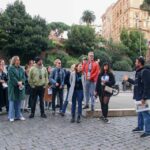
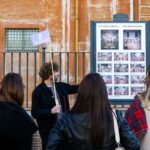
I love that you’re with an official English guide who adds real-world city advice, not just dates and names. The route also builds in practical breaks, including an espresso/coffee pause near the Pantheon. One thing to keep in mind: you are mainly viewing monuments from the outside, and admission tickets are not included.
In This Review
- Key Things I’d Watch For
- A Fast, Walkable Route for First-Time Rome
- Colosseum Start: Seeing Rome’s Icon at Street Level
- Via dei Fori Imperiali and the Vittoriano in Piazza Venezia
- Pantheon: A Living Church and a Real Pause
- Pontifical Gregorian University: Jesuit Roots on the Walk
- Trevi Fountain: The Free-Admission Photo Magnet
- Villa Borghese Park Panoramic View: The “Secret” Finish
- Spanish Steps: Elegance, Design, and Classic Rome Vibes
- Tempio di Adriano and Marcus Aurelius: Short Stops, Strong Stories
- What Makes the Guides a Big Part of the Value
- Price and Value: Why $48.39 Can Make Sense in Rome
- Morning vs Afternoon: Picking the Right Light and Energy
- How to Prepare: Shoes, Stairs, and a Realistic Pace
- Who This Tour Fits Best (and Who Should Skip It)
- Should You Book 10 Wonders of Rome in 3 Hours?
- FAQ
- How long is the 10 Wonders of Rome walking tour?
- Does the tour include admission to the Colosseum or Pantheon?
- What are the main stops on the route?
- Are there photo stops during the tour?
- Is Wi‑Fi included?
- Where do we meet and where does the tour end?
- What language is the tour offered in?
- What if I need to cancel?
Key Things I’d Watch For
- A capped group size (up to 12) means the guide can slow down for questions and photo requests
- No inside entry at major sights like the Colosseum and Pantheon, so plan this as orientation, not a ticket tour
- Photo-first stops at landmarks like Trevi Fountain and the Vittoriano viewpoints
- Coffee/espresso break around the Pantheon area, plus guided pacing that keeps the 3 hours feeling manageable
- Guides like Joseph, Drita, and Isuf get praised for humor, timing, and practical tips (including how to get around)
A Fast, Walkable Route for First-Time Rome
This is the kind of tour you take when you want to get your bearings fast. In about 3 hours, you cover a cluster of Rome’s most recognizable sights on foot, mostly at street level. That matters, because Rome can feel overwhelming when you land with only a couple days on the calendar.
The “10 wonders” idea works here because the stops are close enough to keep momentum, but spaced enough that you’re not just rushing from one photo to the next. The small-group size helps. You’re not shouting over the noise of dozens of people, and you get more attention when you want the best angle for a shot or a quick answer about where to go next.
Just remember the trade-off: you’re not going inside the big monuments on this tour. You’ll see them, learn the story behind them, and get pointers on what to visit later if you want deeper entry experiences.
You can also read our reviews of more tours and experiences in Rome.


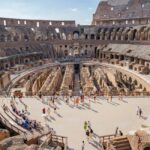
Colosseum Start: Seeing Rome’s Icon at Street Level
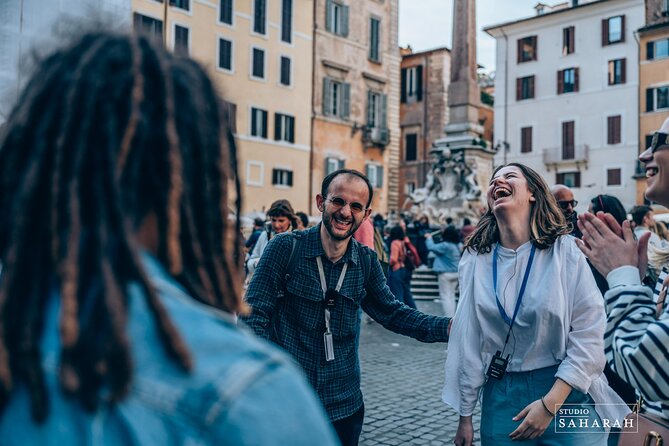
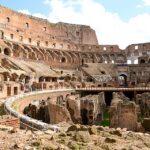
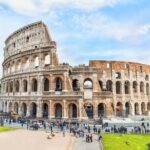
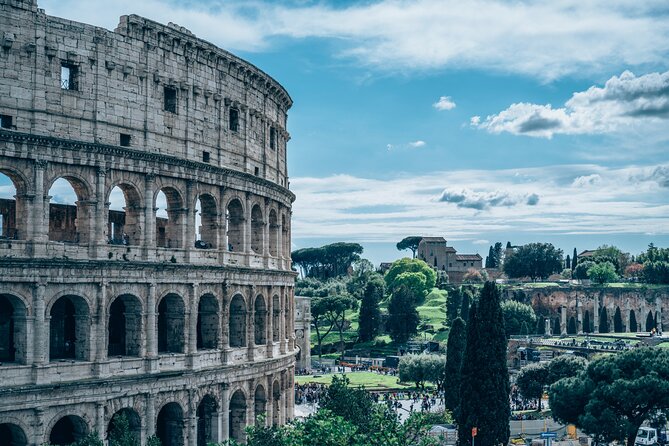
You kick off in front of the Colosseum. That’s a smart move because it sets the tone for everything that follows. You’re standing right at one of Rome’s loudest symbols of power, and the guide uses that starting point to frame how the city grew into the Rome people still picture today.
The stop is short, about 15 minutes, and admission isn’t included. So this is not about entering the arena. It’s about getting oriented: where the monument sits in relation to nearby streets, how to read the façade from a good viewing position, and what to look for as you keep walking.
The biggest practical advantage here: starting with the Colosseum helps you understand why later landmarks feel connected. Rome is layers. If you grasp the first layer well, the next stops click faster.
Via dei Fori Imperiali and the Vittoriano in Piazza Venezia

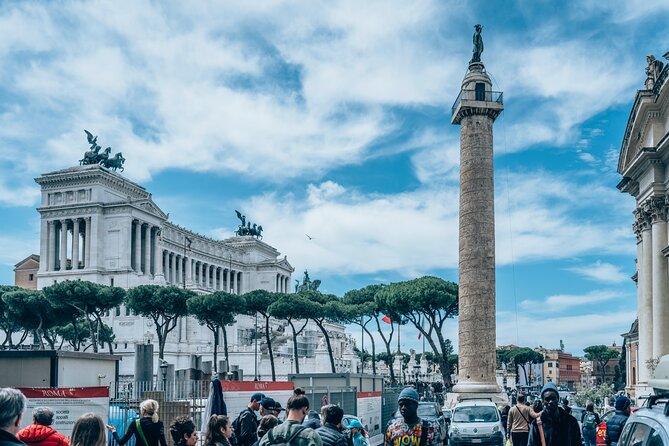
Next up is the Monumento a Vittorio Emanuele II area, known for the striking presence of the Vittoriano / Altar of the Fatherland. You’ll also walk along Mussolini’s grand Via dei Fori Imperiali, then pause for photos around Venezia Square.
This part of the tour is about scale and symbolism. Via dei Fori Imperiali is a wide, grand approach road that feels like a designed corridor. It helps you understand how Rome has been used as a stage for history, politics, and national identity—not only as an ancient city, but as a city that keeps reinventing what it wants to represent.
You’ll have around 10 minutes here, mostly for viewing and photos. Since admission tickets aren’t included, you’re not locked into ticket lines or internal routes. You’re free to move on while the visual impact stays fresh in your head.
Pantheon: A Living Church and a Real Pause
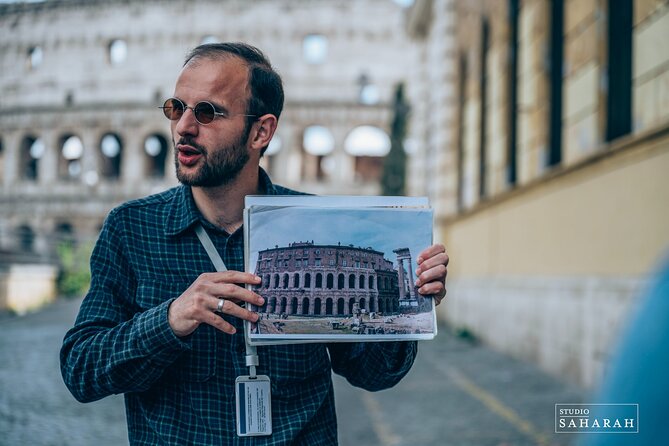
The Pantheon is one of those sights you don’t fully understand until you see it in person. Even from the outside, it’s hard not to feel how carefully it was built to impress.
This stop runs about 15 minutes, and the Pantheon remains a church today, so you’ll get context around how it still functions. Admission isn’t included, which keeps the pacing smooth. You’re getting the big idea without spending time on entry logistics.
What I like about this stop is that it’s paired with a comfort break. The tour is set up so that after the Pantheon you can grab an Italian espresso (and a coffee break is a recurring theme in how guides pace the group). If you want something sweeter, there’s also a well-known nearby gelateria called Gelateria Fiocco Di Neve mentioned for ice-cream lovers.
For many people, this is the moment the tour shifts from “sightseeing” into “Rome actually feels fun again.”
Pontifical Gregorian University: Jesuit Roots on the Walk
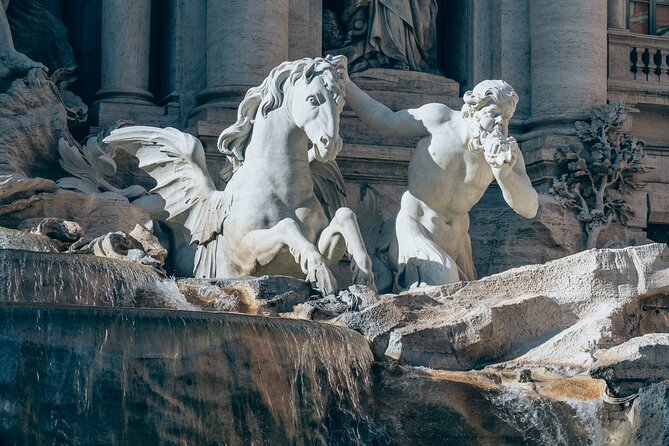
You’ll pass by the Pontifical Gregorian University, described as the first university founded by Jesuits. This stop is brief—about 10 minutes—and it’s mostly a “look and learn” moment while you’re already moving through the city.
This is one of the tour’s strengths: it doesn’t treat Rome like a museum strip. You see education, religion, and architecture rubbing shoulders in the same walking corridor. It’s a reminder that Rome isn’t only ancient ruins. It’s a working city with institutions that still matter.
Since you’re not going inside, the key value here is what the guide points out: why the building matters historically and how it fits into what you’re seeing elsewhere.


Trevi Fountain: The Free-Admission Photo Magnet
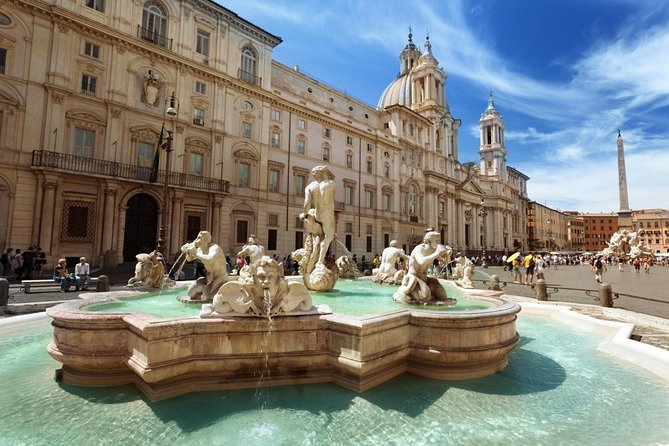
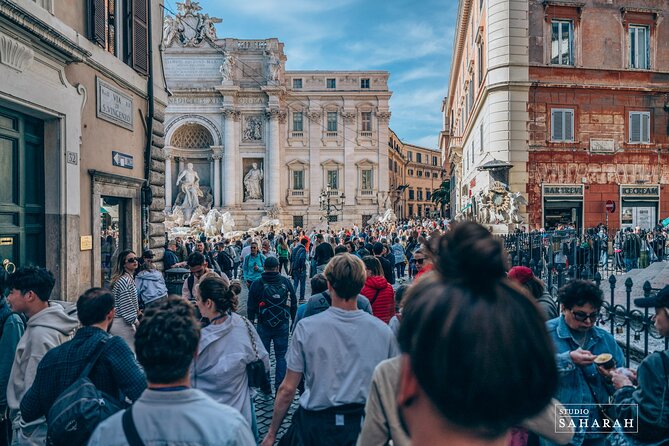
Next comes the Trevi Fountain, one of the most photographed spots on Earth for a reason. It’s a mix of water, stone, and crowd energy—all in one compact plaza.
You’ll spend about 15 minutes here, and the tour notes that this stop is free in terms of admission. In practical terms, that usually means you can use your time for what you actually came for: a good look, a few photos, and a calm moment even if the square gets busy.
The guide focus tends to be on where you stand for pictures and how to frame the fountain so it doesn’t just look like a postcard blur. You also get better at spotting details—like how the surrounding architecture and statues guide your eye back to the center.
If you’ve only got a half-day, Trevi is a must. If you’ve got more time, this stop still helps you understand which parts of the fountain to remember when you come back later.
Villa Borghese Park Panoramic View: The “Secret” Finish
After Trevi, you pass by Villa Borghese Park and head to a panoramic view at the end of the route. This is the part that many people remember because it changes the pace: you stop for scenery instead of squeezing in one more monument shot.
The tour wording calls it a “secret” viewpoint, and the real value is that it gives you a Rome overview. After walking through dense landmarks, suddenly you can see how the city spreads and why these monuments dominate the skyline.
One practical note from how this tour tends to end: there can be stairs at the end that you’ll need to climb. The group is described as requiring moderate physical fitness, so wear shoes you actually trust. If you do, the viewpoint usually feels like the perfect payoff.
Spanish Steps: Elegance, Design, and Classic Rome Vibes
Then you arrive at the Spanish Steps, sometimes called the French/Spanish Steps. You’re there for about 10 minutes, with the stop treated as free in terms of admission.
This is the “romantic Rome” moment people expect, but the best part of a guided stop is not the Instagram view. It’s the design context: how the steps work visually as a ladder between streets and terraces, and how the surrounding area supports that iconic composition.
Even in a short visit, you get enough time to orient yourself and understand what you’re looking at. And if you’re planning your next day, it helps you decide whether to return for a longer hangout when you’re not on a timed walking schedule.
Tempio di Adriano and Marcus Aurelius: Short Stops, Strong Stories
Two final viewpoints close out the route.
First, the Tempio di Adriano: about 5 minutes. This is a quick historical stop where the guide explains the temple’s significance, with you staying outside and focusing on what stands in front of you.
Then you finish with the Column of Marcus Aurelius, about 4 minutes, treated as a free stop. Even in a brief time window, a column like this gives you a different kind of appreciation. It’s a monument built to communicate through imagery, and it helps you think about Roman art as storytelling, not just decoration.
Because these stops are shorter, they work like punctuation. You get one last dose of Rome’s visual language before the walk winds down.
What Makes the Guides a Big Part of the Value
The consistent theme across the experience is that the guide shapes the whole walk.
Multiple guides associated with the tour, including Joseph, Drita, and Isuf, get praised for being fun and engaging without losing the thread of what matters. The pacing is also a big deal: guides are described as timing photo stops well and adding short breaks so the group doesn’t burn out too early.
A standout detail for practical travelers: guides provide real answers to questions you’d actually ask on the street. One common example in feedback is help with how to use the subway. That kind of advice can save you time later, because you stop guessing and start moving.
You also get an included Wi‑Fi feature. It sounds small, but during a walk it’s handy for checking maps, confirming your next reservation, or translating quickly on the go.
Price and Value: Why $48.39 Can Make Sense in Rome
At $48.39 per person for about 3 hours, the price is about what you’d expect for a guided walk that hits major landmarks with an official guide. What makes it feel like value is the time compression.
Rome is expensive and time is tight. Since this tour doesn’t include monument admissions and doesn’t promise inside entry, you’re paying for orientation, pacing, and interpretation. That’s exactly what many travelers need at the start of a trip. You leave knowing what you just saw, why it mattered, and what you might want to return to with tickets later.
The fact that this tour is booked around 37 days in advance also hints at demand for a first-day style overview. When a tour keeps selling, it usually means people find it useful as a starting point, not as a random walking experiment.
Morning vs Afternoon: Picking the Right Light and Energy
The tour lets you choose either a morning or afternoon slot. That matters because Rome’s streets change character through the day. In the morning, you tend to get better energy for walking and often easier timing around landmarks. In the afternoon, you might enjoy more relaxed sightseeing if you’re already familiar with your route.
My practical advice: if you’re doing this as your first major Rome activity, go early if you can. The whole itinerary is designed to reduce overwhelm, and that works best when your brain hasn’t already filled up with half-read guidebooks and route anxiety.
Also plan for crowd ebb and flow at the big photo stops like Trevi. Your guide’s job includes positioning you for better viewing, but you’ll still feel the city’s rhythm around peak hours.
How to Prepare: Shoes, Stairs, and a Realistic Pace
This isn’t an easy-breezy stroll. The tour asks for moderate physical fitness, and multiple notes point to walking time and stairs at the end. That doesn’t mean it’s hard, but you should treat it like a true walking plan.
Bring:
- comfortable walking shoes you can handle on uneven pavement
- a small water plan for the walk (Rome heat can be sneaky)
- a camera or phone with enough battery for multiple photo stops
What you don’t need to bring is tickets for monument entry on this specific tour. Admission tickets are not included for key stops, so don’t expect inside access.
Who This Tour Fits Best (and Who Should Skip It)
This walk is a strong match if you:
- have limited time and want the big-name Rome landmarks in one compact loop
- want history explained in a way that’s fun and easy to remember
- prefer a small-group experience with a guide who can answer questions
- are traveling with older kids or teens who can handle walking for a few hours (one guide keeps 12-year-old attention mentioned as a highlight)
You might want a different type of tour if you:
- want to go inside the Colosseum, Pantheon, or other major sites during the same session
- hate walking and stairs, even when the route is well paced
Think of this tour as the map you build before you decide where to go deeper.
Should You Book 10 Wonders of Rome in 3 Hours?
Yes, if you want a smart first move and you value interpretation plus photo-friendly stops. At $48.39 you’re not buying monument access; you’re buying time savings, guidance, and a guided “what matters and why” tour of Rome’s core sights.
If you’re already determined to spend most of your Rome time inside monuments, then look for an entry-focused option. But if you want to understand the city quickly, this is a practical way to do it.
Just make sure you come with good walking shoes, expect mostly exterior viewing, and use this tour to decide what to ticket next.
FAQ
How long is the 10 Wonders of Rome walking tour?
It lasts about 3 hours.
Does the tour include admission to the Colosseum or Pantheon?
No. Admission tickets are not included, and you do not enter inside the monuments.
What are the main stops on the route?
You’ll see the Colosseum, the Monumento a Vittorio Emanuele II / Vittoriano area, the Pantheon, the Pontifical Gregorian University (passing by), Trevi Fountain, the Spanish Steps, Tempio di Adriano, the Column of Marcus Aurelius, plus a panoramic viewpoint connected to Villa Borghese Park and photo stops along the way.
Are there photo stops during the tour?
Yes. The tour is designed with plenty of photo stops along the route.
Is Wi‑Fi included?
Yes. Wi‑Fi is included.
Where do we meet and where does the tour end?
The meeting point is Via del Monte Oppio, 3, 00184 Roma RM, Italy. The tour ends at Viale del Belvedere, 00187 Roma RM, Italy.
What language is the tour offered in?
The tour is offered in English.
What if I need to cancel?
This experience is non-refundable and cannot be changed for any reason. If canceled or amended, the amount paid is not refunded.