REVIEW · ROME
Assisi & Orvieto Day Trip from Rome
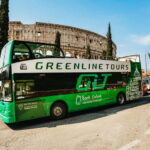
Book on GetYourGuide →Operated by Green Line Tours · Bookable on GetYourGuide
Assisi and Orvieto in one day feels slightly unreal. You’ll get Orvieto’s Gothic cathedral first, then the spiritual punch of St. Francis’ Basilica in Assisi, with guided storytelling that makes the stones feel alive. It’s also a practical way to see the Umbrian countryside—vineyards, olive groves, and the long road out of Rome—without renting a car.
I particularly like the way this tour mixes guided time with breathing room, so you’re not stuck staring at a bus window the whole day. You’ll also have an included lunch built around local dishes, which matters when you’re away from Rome for 12 hours. One heads-up: cathedral entry and drinks aren’t included, and the day is tightly timed—so if you want lots of wandering in either town, you may feel a little rushed.
In This Review
- Key Things I’d Focus On Before You Go
- The Big Picture: What This Rome-to-Umbria Day Trip Actually Delivers
- Orvieto Cathedral: The Stop You’ll Remember
- What to wear for Orvieto
- The Drive Through Vineyards: Why This Part Matters
- Lunch Included: The Right Kind of Reset
- Assisi Walk: St. Francis’ Story in Real Places
- Photo rules inside St. Francis’ Basilica
- St. Francis’ Basilica: Why the Art Hits Hard
- Timing, Pace, and the Reality of a 12-Hour Day
- Price and Value: Where $174.46 Makes Sense
- What to Bring (and What the Tour Will Actually Enforce)
- Who This Day Trip Is Best For (and Who Should Skip It)
- Should You Book This Assisi & Orvieto Day Trip from Rome?
- FAQ
- What is the duration of the Assisi & Orvieto day trip from Rome?
- How much does the tour cost?
- What time does the tour return to Rome?
- What’s included in the price?
- Are drinks included with lunch?
- Where do I meet the group?
- Do I need to follow a dress code?
- Are tickets for the Orvieto Cathedral included?
- Is this tour suitable for people with mobility impairments?
- Are pets allowed on the tour?
- Can I cancel for a refund?
Key Things I’d Focus On Before You Go
- Orvieto’s 14th-century Gothic cathedral is the visual anchor of the day
- Assisi’s guided highlights include St. Francis’ birthplace area and St. Clare sights
- Long drive with real scenery through Tiber Valley, Tuscan hills, and near Lake Trasimeno
- Lunch is included, but drinks aren’t, so budget a bit extra
- Dress code is enforced at churches: knees and shoulders covered
- Time is limited in both towns—great for highlights, not for slow travel
The Big Picture: What This Rome-to-Umbria Day Trip Actually Delivers
This is the kind of day trip that works because it’s built around two “main chapters.” First chapter: Orvieto, perched dramatically above the valley, with a cathedral that looks like it was designed to impress even people who don’t do churches. Second chapter: Assisi, where medieval streets lead you toward St. Francis and all the art that followed his story.
You leave Rome in a northerly direction and spend a lot of the day looking out at the real Umbria/Tuscany feel—hills, vineyards, and that olive-grove texture you only get when you’re away from big-city walls. And because you’re on transportation plus guides, you don’t have to play logistics chess all morning.
The tour runs about 12 hours, with a return to Rome around 7:30–8:00pm, which is late enough that you’ll want dinner plans sorted back in the city. If your Rome days are already packed, this one is still manageable—but mentally budget for a long day.
You can also read our reviews of more tours and experiences in Rome.


Orvieto Cathedral: The Stop You’ll Remember
Orvieto isn’t just a pretty stop. It’s one of those towns where the landmark pulls you in from far away. You’ll arrive to admire the 14th-century Gothic cathedral, a true “stand there and look up” building.
Here’s the practical part: entry to the Orvieto Cathedral may cost extra on site. One guest noted a fee of about €5 per person (paid there). So while the tour includes guided time, you should assume there could be small ticket add-ons for specific church access. If you want the cathedral inside, plan for that cost.
Orvieto also gives you the feel of layers of Italy: Etruscan origins, medieval religious power, and a town layout that rewards careful walking. The downside is simple timing: you won’t get hours and hours to roam at your own pace. You’ll see the key sights and get enough orientation to enjoy them, but it won’t become your “one perfect long afternoon” in Orvieto.
What to wear for Orvieto
Bring comfortable shoes. Orvieto’s streets and viewpoints can mean uneven walking and lots of steps. If your itinerary in Rome involved a lot of standing on stone floors already, this stop will either be fine—or you’ll feel it. Long day, long legs.
The Drive Through Vineyards: Why This Part Matters
A lot of day trips sell the destinations. This one also sells the journey, and that’s not just marketing fluff.
As you leave Rome via the Tiber Valley, you’ll travel through the green Tuscan Hills with olive groves and vineyards. Even if you’re not an oenology expert, the names you hear—Orvieto, Chianti, Brunello di Montalcino—help you connect what you’re seeing with what you’d find on wine lists back home. You’re basically getting a quick education in why these places matter.
Then you continue toward the area near Lake Trasimeno, adding another shift in scenery and mood. The point isn’t that you’ll spend hours at the lake—it’s that the route keeps breaking up the day, so it doesn’t feel like nonstop transit.
If you hate long bus rides and prefer to minimize time on the road, this might feel like too much. But if you’re the type who likes seeing how Italy changes from city to countryside, the driving time becomes part of the experience.
Lunch Included: The Right Kind of Reset
Lunch is included, and that’s a big deal on a 12-hour tour. Real food beats snack-only survival, especially because you’ll be walking and visiting places of worship.
You’ll eat traditional local dishes, and the meal is timed to break up the travel. That matters because otherwise the day turns into a blur of churches and views with no energy refill. The tour description also flags that you’re discovering local products, so this isn’t just a generic pasta stop.
One note to plan around: drinks are not included. So if you like ordering wine or something cold with lunch, budget for it. It also means you’ll want water on board or before you settle in, especially if you’re traveling in warm weather.

Assisi Walk: St. Francis’ Story in Real Places
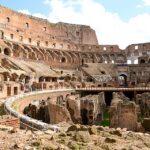
Assisi is famous for St. Francis’ birthplace, and once you arrive, that reputation starts making sense. The town sits at the foot of Mount Subasio, and the streets feel designed for pilgrims—tight corners, stone walls, and viewpoints that pull your eyes upward.
You’ll have guided time that focuses on the main highlights, including:
- The Church of St. Claire
- St. Francis’ birthplace and his childhood home area
- Townhall Square
- The People’s Palace
- A Roman temple dedicated to Minerva
- A guided visit tied to the town’s key landmarks
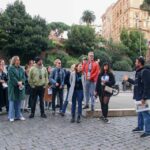
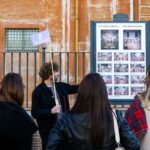
What I like about this structure is that it gives you context fast. Instead of just walking through “pretty medieval streets,” you get the story of who lived where, why certain buildings matter, and how Francis became Francis.
There is typically some time to wander and take pictures, but don’t plan on turning Assisi into a self-guided all-day exploration. This tour is designed for major sights in one go.
Photo rules inside St. Francis’ Basilica
One practical issue: access rules can be strict. A guest specifically mentioned that photographs inside St. Francis’ Basilica were prohibited. So assume camera use inside may be restricted, and be ready to enjoy the art without the “I’ll just shoot a thousand photos” mindset.
St. Francis’ Basilica: Why the Art Hits Hard
The crown moment in Assisi is the visit to St. Francis’ Basilica, close to the ancient city walls.
This isn’t just architecture; it’s painting and time layered together. The frescoes are described as being painted between the 12th and 14th centuries, which is exactly why the basilica feels like more than a church stop. You’re seeing centuries of devotion and storytelling in a single space.
If you’re the type who likes religious art, this part is likely to feel like the heart of the day. If religious spaces make you uncomfortable, you may still appreciate the artistry—but don’t expect it to be a casual “touristic photo op.”
Timing, Pace, and the Reality of a 12-Hour Day
Let’s talk logistics, because this tour lives or dies on pacing.
You’ll be out for about 12 hours, and you’ll reach Rome again around 7:30–8:00pm. That’s a long stretch, and you should treat it like one major excursion rather than a “quick side trip.”
Inside the day, you’ll have multiple zones of different energy:
- Morning: travel + Orvieto cathedral time
- Midday: lunch and reset
- Early afternoon: scenic road sections
- Later: Assisi with guided highlights + basilica visit
The key tradeoff is this: you’ll see a lot, but you won’t have unlimited freedom to linger in either Orvieto or Assisi. If you want deep time in one town (long museum breaks, slow café stops, lots of side streets), you’ll probably wish you had more hours. If you want big “wow” highlights with guidance and zero planning headaches, it’s a strong fit.
Price and Value: Where $174.46 Makes Sense
The price is $174.46 per person, and value comes from what’s included versus what you’ll likely pay extra for.
Included:
- Transportation round trip
- Lunch
- Local guides and live tour guiding (English, French, Spanish)
Not included:
- Hotel pickup/drop-off
- Drinks
- Certain site entry costs can still apply (notably the Orvieto Cathedral entry fee mentioned by a guest)
So is it worth it? For many people, yes—because you’re paying for a lot of guided time plus a full-day bus ride that would otherwise eat up your effort (and your attention) if you tried to DIY it.
It’s especially good value if you:
- Want both Orvieto and Assisi in one day
- Don’t want to navigate train schedules or figure out transport between towns
- Prefer a guide to explain what you’re seeing, especially in churches and historic spaces
It’s less worth it if:
- You’re only truly excited about one town
- You want slow travel time, not a highlights itinerary
- You already know you’ll buy lots of extra add-ons (ticket fees + drinks)
What to Bring (and What the Tour Will Actually Enforce)
This part matters more than people think.
You should bring:
- Comfortable shoes
- Long pants (dress code requirement)
The tour enforces a dress code for places of worship and selected museums:
- No shorts
- No sleeveless tops
- Knees and shoulders must be covered for both men and women
That’s not a “nice to have.” It’s enforced, and entry refusal is possible if you don’t meet it. So if your Rome wardrobe is mostly summer shorts, plan ahead with a light layer that covers your shoulders and knees.
Also:
- Pets aren’t allowed (assistance dogs allowed)
- The tour states alcohol/drugs and intoxication aren’t allowed, and alcoholic drinks aren’t allowed in the vehicle
If you want the day to go smoothly, dress for the churches first, then plan your comfort second.
Who This Day Trip Is Best For (and Who Should Skip It)
This works best for you if you:
- Want a structured, guide-led visit to Assisi and Orvieto
- Like seeing medieval religious art with real context
- Prefer one organized day over planning a multi-stop itinerary
- Can handle walking on older stone streets in both towns
You might want to choose something else if you:
- Have mobility impairments (the tour is not suitable)
- Hate long days and want more downtime
- Plan to visit churches but don’t want to follow strict dress rules
- Need more time to wander independently once you arrive
In plain terms: it’s a highlights day. It’s not a “live there for a day” day.
Should You Book This Assisi & Orvieto Day Trip from Rome?
I’d book it if you want a high-impact day that covers two of Umbria’s biggest storylines—Orvieto’s cathedral drama and Assisi’s Francis-centered spiritual art—while keeping planning low-stress. The included lunch and the guided walks make it feel complete, not like you’re just dropped off to fend for yourself.
Before you click confirm, do two things:
1) Budget a little extra for site entry you may want (especially Orvieto Cathedral) and for drinks.
2) Pack for churches: covered knees and shoulders, plus shoes you can walk in for hours.
If that sounds like your style, this is an excellent use of a day away from Rome.
FAQ
What is the duration of the Assisi & Orvieto day trip from Rome?
The tour lasts about 12 hours.
How much does the tour cost?
The price listed is $174.46 per person.
What time does the tour return to Rome?
You should arrive back in Rome around 7:30–8:00pm.
What’s included in the price?
Transportation, lunch, and local guides are included.
Are drinks included with lunch?
No. Drinks are listed as not included.
Where do I meet the group?
The meeting point is at 32 Via Giovanni Amendola (GLT terminal). You meet about 10 minutes before departure.
Do I need to follow a dress code?
Yes. You must cover knees and shoulders. Shorts and sleeveless tops are not allowed, and the dress code is strictly enforced.
Are tickets for the Orvieto Cathedral included?
Cathedral entry is not included in the trip price, and a small on-site fee may apply.
Is this tour suitable for people with mobility impairments?
No. It is not suitable for people with mobility impairments.
Are pets allowed on the tour?
Pets are not allowed (assistance dogs are allowed).
Can I cancel for a refund?
Yes. Free cancellation is available up to 24 hours in advance for a full refund.