REVIEW · ROME
Authentic Roman Cooking Class & Market Experience
Book on Viator →Operated by Gray Line I Love Rome by Carrani Tours · Bookable on Viator
Fresh pasta starts with the market. This small-group Rome cooking class links a walk through Campo de’ Fiori with a real kitchen lesson, so you shop for ingredients and turn them into homemade pasta. You’ll get a guided shopping route through stalls that feel genuinely local, not tourist-y.
I especially like the hands-on cooking time plus the personal feedback from the chef. Expect to make three varieties of homemade pasta and then sit down for a four-course lunch with wine pairing, all while instructors explain the technique you’ll want to repeat at home. One thing to consider: the format can feel fast for some people, since you’re making multiple dishes in one stretch—so if you need lots of slow, quiet coaching, you may find it a bit “go-go” on the day.
In This Review
- Key Highlights You Shouldn’t Miss
- Campo de’ Fiori Market Stop: Where Your Shopping Gets Personal
- Meeting Point, Timing, and How to Set Yourself Up for Success
- The Walk to the Kitchen: Getting From Sightseeing to Cooking Mode
- Three Pastas and a Main Course: What You Actually Learn
- Sauce, Technique, and the “Do This, Not That” Moments
- The Four-Course Lunch and Wine Pairing: Eating Like You Cooked
- Price and Value: Is $225.01 Worth It?
- Who Should Book This Cooking Class (and Who Might Skip It)
- Quick FAQ
- FAQ
- How long is the cooking class?
- What time does it start in Rome?
- Where do we meet?
- Is this experience limited to small groups?
- What languages are available?
- Will there be options for vegetarians?
- What’s included in the price?
- Do I need to bring extra money for food?
- Is the booking refundable if plans change?
- Should You Book This Roman Market-to-Kitchen Class?
Key Highlights You Shouldn’t Miss
- Campo de’ Fiori market shopping first: you pick ingredients like a local before touching the dough
- Three kinds of homemade pasta: hands-on time, not just watching
- Chef feedback on technique: you learn what actually changes outcomes
- Four-course sit-down lunch + wine pairing: you eat what you make
- Small group size (max 8): more attention, more space to work
Campo de’ Fiori Market Stop: Where Your Shopping Gets Personal
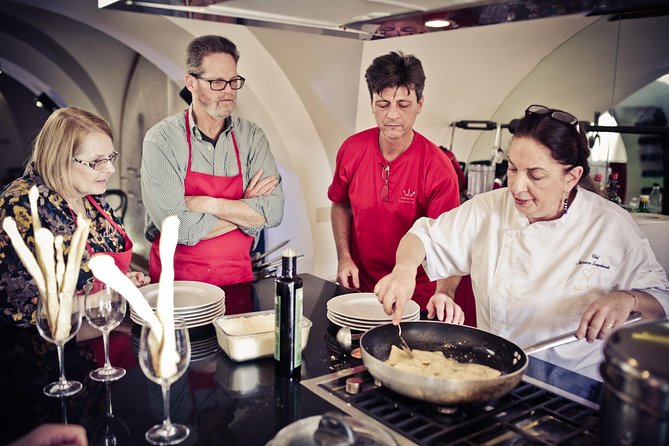
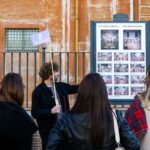
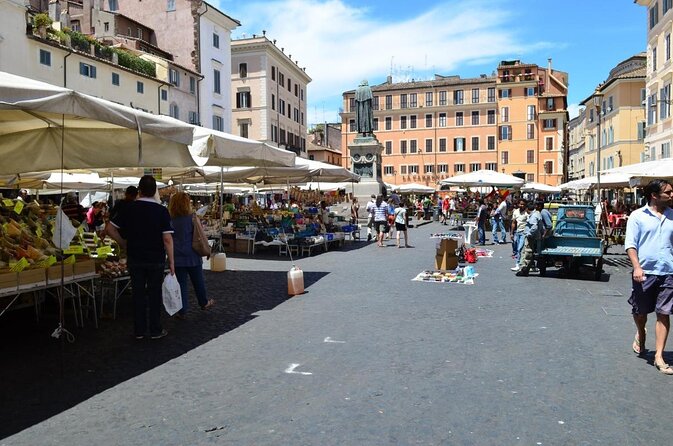
The experience starts with a market mindset. You’ll meet near Torre Argentina, and then head toward Campo de’ Fiori to shop for the staples that make Roman cooking work: produce you can recognize, cheeses you can smell, and proteins chosen by quality, not just by looks. This isn’t a quick photo stop. The route is designed so you learn how to spot good ingredients in the flow of everyday commerce.
What makes this part valuable is the skill transfer. You’re not just buying what you’re told; you’re learning how to judge freshness and how Italian cooks think about flavor building. One chef-and-instructor approach that pops up in feedback is the focus on the details that matter, like how ingredients behave once they hit the heat.
Practical tip: wear comfortable shoes. You’re walking and standing for a while, and you’ll want your legs to feel good before the kitchen work begins.
You can also read our reviews of more tours and experiences in Rome.
Meeting Point, Timing, and How to Set Yourself Up for Success
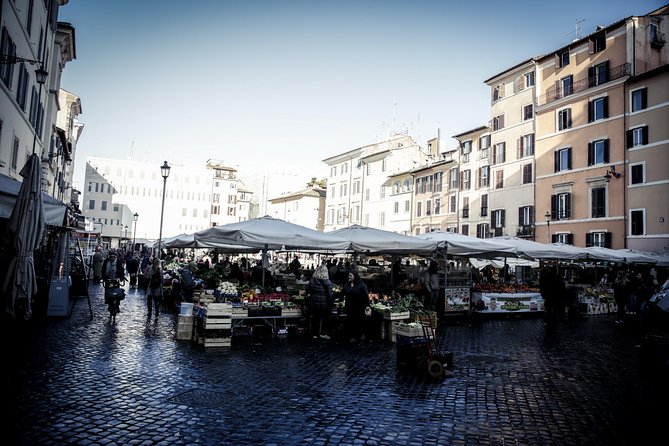
Start time is 9:30 am, and the whole experience runs about 5 hours. It ends back at the same meeting point, so you’re not stuck figuring out transportation later. There’s also a mobile ticket, which is handy in a city where lines and signage can be a moving target.
This schedule is timed like a cooking day, not a museum day. You’ll likely be standing through the market portion, then actively cooking in a kitchen setting. One review specifically suggests not eating breakfast—good advice. If you’ve got coffee only, you’ll be able to pay attention in the kitchen and then actually enjoy the lunch without feeling overstuffed too early.
Also note the “small group” promise: the max group size is 8. Some days will feel extra personal because of it, and instructors tend to steer attention toward technique and teamwork rather than crowd control.
The Walk to the Kitchen: Getting From Sightseeing to Cooking Mode
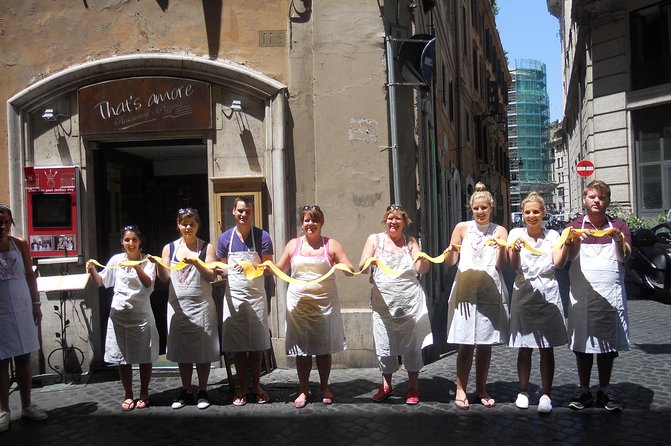
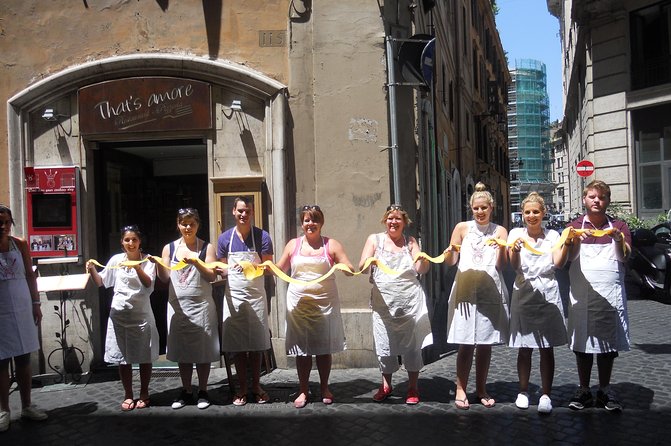
You’ll move from the city center market area to a private kitchen where the class happens. In practice, that transition is part of the charm: you’re going from street life into a working, organized space where you can concentrate. Several instructors have been noted by name in feedback—people have talked about chefs like Francesco, Luca, and Fabio Bongianni, plus teachers such as Victoria and Monica—so the vibe can change, but the goal is consistent: get you cooking with clarity.
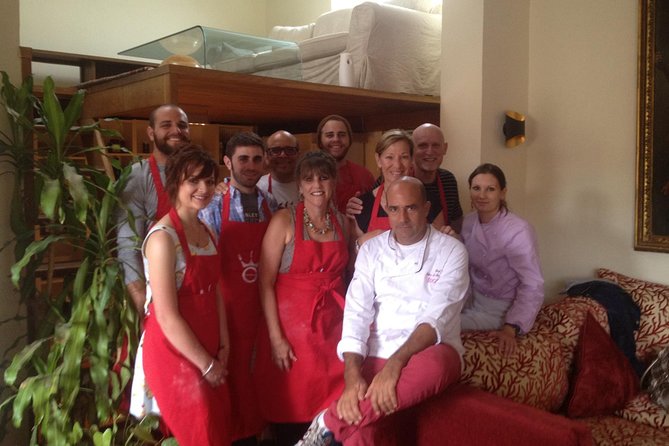
The kitchen setups described are generally practical and well organized, with enough room for participants to work without constant collisions. That matters, because pasta-making is awkward when you’re cramped. You need space to roll, cut, and move with what’s in front of you.
If you get nervous in kitchens, this format helps. You’ll have tools, ingredients, and a clear flow of what comes next. In other words: you’re not wandering around a kitchen guessing. You’re learning a process.
Three Pastas and a Main Course: What You Actually Learn
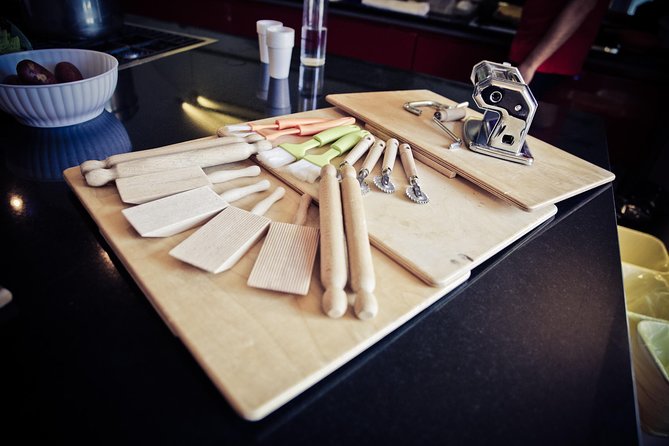
Here’s the core cooking promise: you’ll learn to prepare and cook three different varieties of homemade pasta plus a main course. The pasta styles can vary (some sessions focus on classics like ravioli or fettuccine; others include shapes like fusilli), but the lesson structure stays aimed at fundamentals you can repeat at home.
Instructors tend to teach you technique in plain language. Feedback mentions very specific guidance, like how to use pasta water to thicken sauce—one of those small moves that makes a difference between watery and silky. You may also get coaching on rolling dough and shaping pasta (including learning how to roll fusilli when that’s on the menu).
This part is where you’ll feel the value of the small group. When someone is close enough to correct your dough thickness, your sauce consistency, or your timing, you learn faster than you would following instructions alone at home.
What you’ll do, in real terms:
- Prep and form pasta dough and portions
- Learn shaping steps for different pasta types
- Cook pasta properly and handle sauce pairing
- Finish with a main course you eat later as part of lunch
If you’re an experienced cook, you’ll still likely appreciate the Italian technique framing. If you’re a beginner, the chef’s job is to break down steps and keep the kitchen moving without leaving you behind.
Sauce, Technique, and the “Do This, Not That” Moments
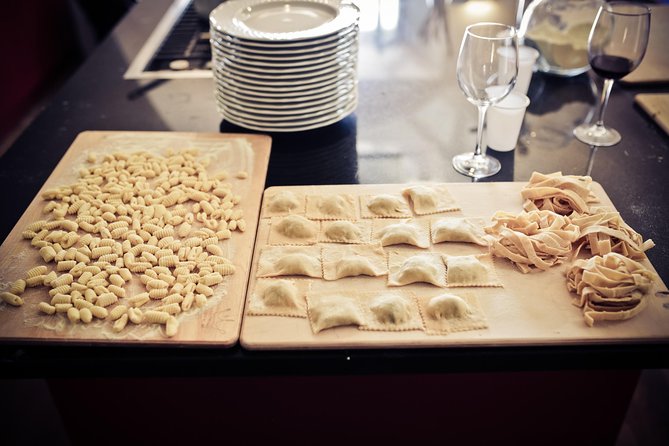
A good cooking class is less about memorizing recipes and more about understanding why steps work. The better instruction here is exactly that: you’ll get guidance on the steps that change outcomes.
One repeated theme in feedback is the emphasis on the critical points—when to add pasta water, when to adjust thickness, and what to watch for so sauce clings rather than slides. You’ll also hear encouragement to do the prep yourself, not just stand back. Many people loved the idea of hands-on learning and felt like they left knowing how to recreate at least the key moves.
That said, here’s the consideration to keep in mind: because you’re making multiple dishes in one session, the pacing can be hectic on some days. A few people reported that they wanted more explanation for every step, or felt that the chefs and assistants did too much of the cooking. In a small kitchen with multiple courses, instruction sometimes turns into fast coaching plus chef-led finishing.
My advice: if you want maximum explanation time, ask questions early. Don’t wait until the last pasta shape. And if your group is crowded in your session (the maximum listed is 8), speak up about visibility—getting the chef’s attention early helps.

The Four-Course Lunch and Wine Pairing: Eating Like You Cooked
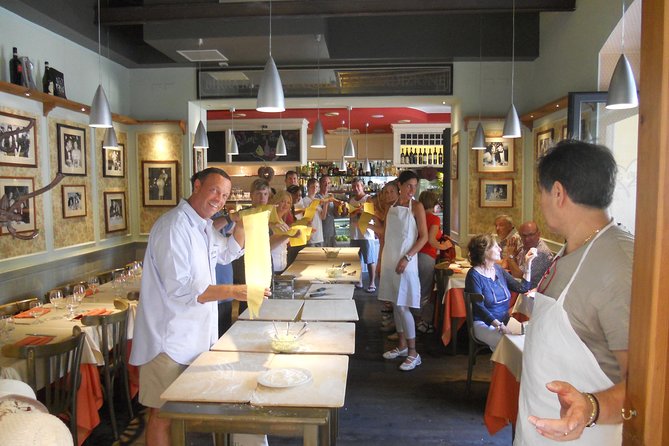
Once the cooking wraps, you sit down and eat what you made—four courses over a sit-down lunch. This is a big deal. In many cooking experiences, you cook for a while and then eat something that feels separate. Here, the meal is tied to your hands-on work, so it lands as a payoff, not an afterthought.
Wine pairing is included, with complimentary beverages. That means your lunch isn’t just fuel—it’s part of the educational experience. If you’ve ever wondered why Italian sauce styles taste different, tasting with wine pairing can sharpen what you notice: salt balance, acidity, and how the sauce handles rich pasta textures.
Menu details can shift by day, but the structure stays consistent: homemade pasta as a central element, paired with additional dishes and a guided wine component. People have described end-of-class meals as the highlight of their Rome trip, often because it’s both delicious and socially easy. You’ll typically talk with others while you eat, and the kitchen teamwork turns into conversation at the table.
Price and Value: Is $225.01 Worth It?
At $225.01 per person for roughly 5 hours, this isn’t a cheap activity—and it shouldn’t be. You’re paying for a guided market route, the private cooking space, ingredients and tools, a chef-led lesson, and a multi-course lunch with wine.
The value calculation for me comes down to two things:
1) You get to cook, not just snack and watch. Three kinds of pasta plus a main course means real practice, and that’s where the money goes.
2) You get to eat well immediately, with the wine pairing included. That turns the class into a full food day instead of a short add-on.
Where the cost can feel off is if you end up with a day that feels rushed or under-explained. That’s why the pacing consideration matters. But the overall rating and the way chefs are described—supportive, friendly, and organized—suggest most people find it worth the price.
If your plan is to “do Rome sightseeing all day, then grab dinner,” this class is a high-value break. It’s culture through food, and it gives you a skill you can reuse.
Who Should Book This Cooking Class (and Who Might Skip It)
This is a great match if you:
- Want a hands-on Rome experience that interrupts the usual walking loop
- Like food education with real technique coaching
- Prefer small groups and a structured day with a clear endpoint (lunch, then back out)
It can be less ideal if you:
- Need a slow, step-by-step class where every moment is explained deeply (some sessions may feel fast)
- Get very bothered by noise and crowding if your actual group feels larger than expected
- Expect recipes handed out at the end (this wasn’t clearly stated as included, and at least one review criticized not receiving recipes)
Still, even with those caveats, many people call it a highlight because the market-to-kitchen flow feels like Rome rather than a generic cooking show.
Quick FAQ
FAQ
How long is the cooking class?
It runs for about 5 hours.
What time does it start in Rome?
The start time is 9:30 am.
Where do we meet?
Meet at Rossopomodoro, Largo di Torre Argentina, 1, 00186 Roma RM, Italy.
Is this experience limited to small groups?
Yes. It’s a small-group experience with a maximum of 8 travelers.
What languages are available?
The tour is offered in English, and it’s also available in Spanish.
Will there be options for vegetarians?
Vegetarian options are available if you indicate this during booking.
What’s included in the price?
You get guided grocery shopping, the cooking class with ingredients and tools, lunch made from what you prepared, and complimentary beverages including Italian wine.
Do I need to bring extra money for food?
Food and drinks are not included unless specified, but the lunch and complimentary beverages are included as part of the experience.
Is the booking refundable if plans change?
No. It’s non-refundable and cannot be changed for any reason.
Should You Book This Roman Market-to-Kitchen Class?
Yes—if you want a Rome day that feeds you and teaches you at the same time. The market start sets up the cooking with ingredient logic, and the class format gives you real pasta time plus a sit-down meal with wine pairing.
Book it especially if you’re the type who loves learning techniques you’ll actually use later. Just go in hungry, expect a lively pace, and ask questions early so you get the most out of the chef’s guidance. If that sounds like your kind of day, this is an excellent way to see Rome through food.