REVIEW · ROME
3 in 1 Cooking Class near Navona: Fettuccine, Ravioli & Tiramisu
Book on Viator →Operated by Eat and Walk Italy · Bookable on Viator
Fresh pasta and tiramisù in one class. This 3-in-1 cooking lesson near Navona is built for all skill levels, with an Italian chef guiding you step by step as you make dessert first, then move on to pasta from scratch. I especially like that you leave with real technique for fettuccine and ravioli, not just a meal. The one catch: sauce making is not part of the hands-on work, so you’ll choose from set options rather than cook everything from zero.
You’ll be working at a table setup with up to 18 people max, and the whole experience runs about 3 hours. Choose your start time, grab your mobile ticket, and head to the meeting point on Via Giuseppe Zanardelli, 14. The class ends back at the same spot, so it’s easy to plug into a busy Rome day.
In This Review
- Key highlights you’ll actually care about
- Why this 3-in-1 pasta and tiramisù class works in Rome
- Via Giuseppe Zanardelli meeting point: easy to reach and easy to remember
- The lesson flow: tiramisù first, then pasta, then dessert again
- Tiramisù in a practical way: what you’re really learning
- Fettuccine from scratch and choosing your Roman sauce
- Ravioli time: filling, shaping, and butter-sage sauce
- Wine, limoncello, and coffee: the meal part is part of the point
- Small-group energy: when the chef makes the difference
- What you’ll get for $83.44: value beyond the food
- Who should book this class (and who might skip it)
- Tips to make your cooking class smoother
- Should you book this 3-in-1 cooking class near Navona?
- FAQ
- How long is the cooking class?
- Where does the class meet near Navona?
- What dishes are included?
- Are the sauces included, and do you make them?
- Is wine included?
- How big is the group?
Key highlights you’ll actually care about
- Tiramisù starts early, so you get dessert confidence before pasta flour flies
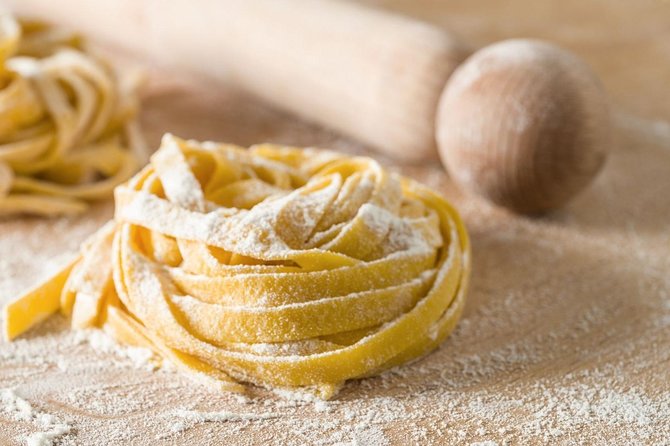
- Two pasta shapes, both handmade: fettuccine + ravioli with a guided filling
- Sauces are choice-based, not a scratch cooking lesson for the sauce itself
- You eat what you make, paired with wine (or soft drink) and finished with limoncello or coffee
- Small-group pace, with instructors circulating so you’re not stuck
- Instructors vary by session, with names like Mattia, Carlotta, Lori, Mimi, Leo, and Maria appearing often
Why this 3-in-1 pasta and tiramisù class works in Rome
Rome is great for eating. It’s also a city where you can burn time fast walking between sights, then realize you don’t know what to do with the hours left. This class is a smart reset. In about 3 hours, you get hands-on cooking, a sit-down meal, and dessert, all without needing reservations at a busy restaurant.
What makes this setup especially valuable is that it’s not just a “watch and taste” experience. You make core components yourself: dough, shaping, and assembly. Then you get to eat it right there, with a glass of wine and a finish of limoncello or coffee.
And yes, it’s very doable for first-timers. The class is designed for cooks of all experience levels, which is exactly what you want if you’re traveling light and don’t want a complex, technical workshop.
You can also read our reviews of more tours and experiences in Rome.


Via Giuseppe Zanardelli meeting point: easy to reach and easy to remember
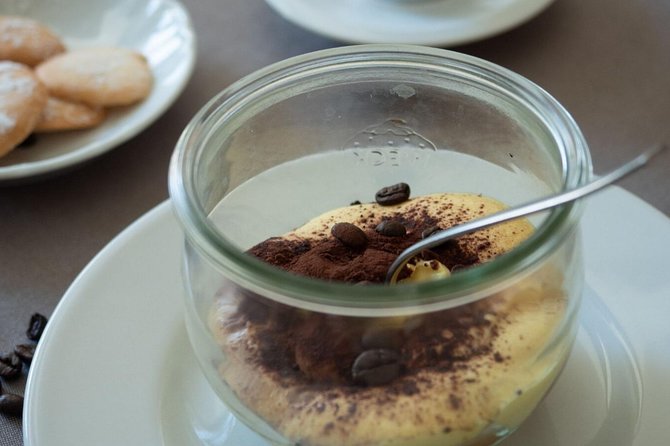
The meeting point is Via Giuseppe Zanardelli, 14, 00186 Roma RM. It’s close to public transportation, which matters in Rome where walking every direction can turn into a calf workout. You’ll receive a confirmation at booking time, and you’ll use a mobile ticket.
Practical tip: wear something you’re fine with getting a little flour on. Pasta dough is forgiving, but it’s still flour and rolling pins and hands-on work. Comfortable shoes help too, since you’ll likely move between stations during the lesson.
Also plan your timing around this being near Navona. That’s handy for building a day with sightseeing in the morning and a cooking class after. Choose one of the start times offered throughout the day, then keep the rest of your afternoon flexible in case you lose track in the kitchen.
The lesson flow: tiramisù first, then pasta, then dessert again
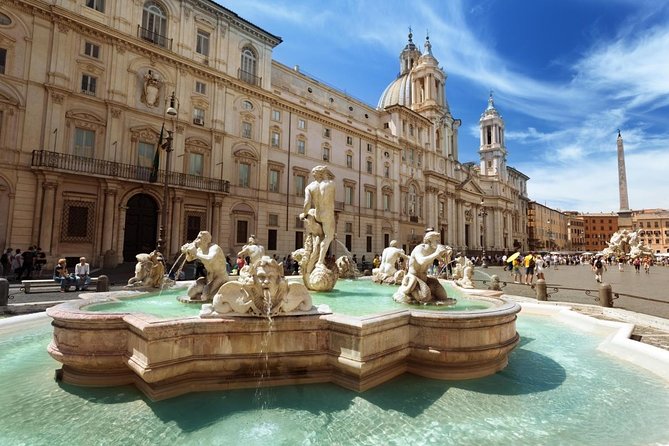
This class has a clear rhythm. You begin with tiramisù, then you make pasta dough and shape both fettuccine and ravioli, and you finish with the tiramisù you made yourself plus coffee and limoncello.
Starting with dessert is clever. It helps you build confidence before the pasta stage, which can feel intimidating if you’ve never worked with dough. It also gets everyone focused, since tiramisù is all about careful assembly and timing.
From there, the energy shifts to pasta. Expect technique talk, quick demos, and hands-on help at your spot. The pace is guided, and the instructor team circulates so you’re not left behind if you’re slower with rolling or sealing.
If you’re traveling with someone who doesn’t like coffee, you should be aware that at least one instructor offered an ingredient alternative for a coffee-hating participant. So if coffee is a deal-breaker, ask during the class setup so they can guide you.
Tiramisù in a practical way: what you’re really learning
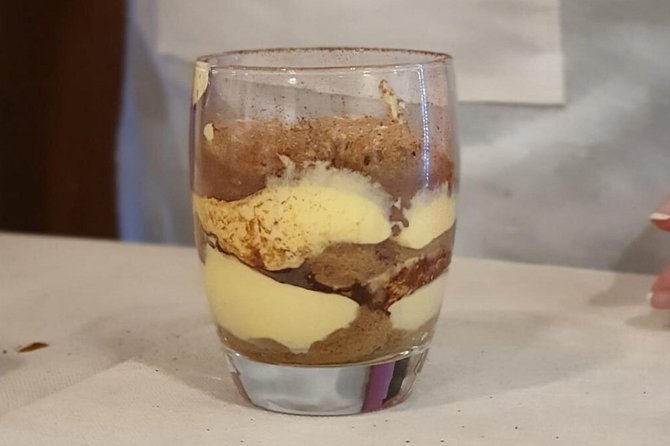
Traditional tiramisù looks fancy, but the skills are simple if someone explains them clearly. In this class, you assemble the dessert during the lesson, then later you’ll end by eating the version you helped make.
You’re not guessing the steps. The instructor leads you through the process, and the group atmosphere keeps it relaxed instead of stressful. This matters, because tiramisù can be a “learn once, remember forever” dessert. Once you understand the assembly idea, you can redo it at home and adjust flavors to your taste.
The class also sets you up for the final pairing. At the end you get coffee, plus a choice of a shot of limoncello (or you may get coffee as the alternative finish). That makes dessert feel like a real meal ending, not just a sweet bite at the end.
Fettuccine from scratch and choosing your Roman sauce
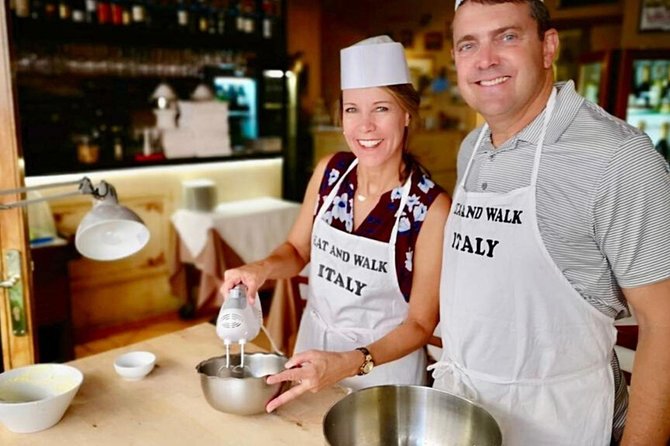
After tiramisù, you move into pasta making: fettuccine first, then ravioli. For the fettuccine, the menu gives you a choice of sauces: Cacio e Pepe, Tomato and Basil, or Amatriciana.
Here’s the practical part: even though you’re making the pasta dough, making the sauces isn’t included. That was the main point of one less-than-perfect review I saw, and it’s worth flagging upfront so you don’t arrive expecting to cook every element from scratch.
What you still get is meaningful. You learn how to go from dough to rolled pasta, how to cut and handle it, and how to finish it for eating. Then you get to taste your fettuccine with the sauce option you picked.
This format is good value if your goal is technique. If your goal is a deep sauce workshop, you might feel limited. But for most travelers, the trade-off works because the class keeps you from getting stuck waiting while someone runs complicated kitchen prep.




Ravioli time: filling, shaping, and butter-sage sauce
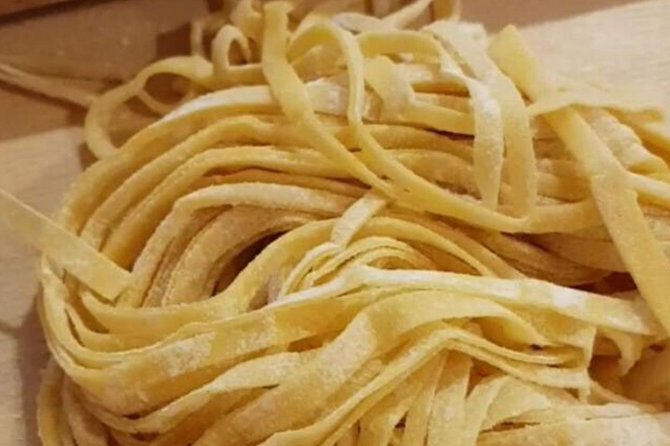
Next comes ravioli, and this is where the class earns its name. You learn to make two types of pasta, and ravioli adds a shaping challenge that feels like progress fast.
The filling is made using seasonally available ingredients, guided by the instructor. The sample menu specifies a classic combination: pecorino and ricotta. Then your ravioli are cooked in butter and sage, and you choose your pairing with a red or white wine to taste.
A helpful detail here is that ravioli gives you something to take home mentally. Once you see the filling texture and the sealing method, you get the concept for future ravioli even if you change flavors later. That’s the kind of skill that sticks longer than simply eating a good plate.
And because the class is small, you can get corrections in real time. If a fold isn’t sealing right, or dough is tearing, you can adjust before it becomes a mess. That’s one of the reasons the class works well for beginners: the instructor isn’t rushing you out the door.
Wine, limoncello, and coffee: the meal part is part of the point
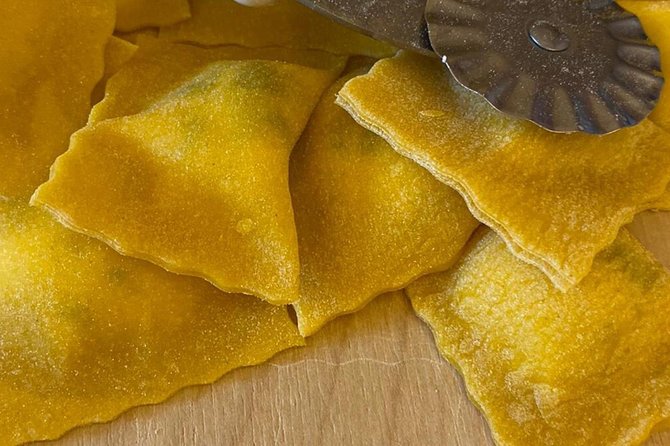
After cooking, you sit down with wine to enjoy what you made. The class includes a glass of wine or a soft drink, and water is included too. For the ravioli course specifically, you can choose between red or white wine to taste.
Then comes the finish: homemade tiramisù, plus limoncello or Italian coffee. This matters more than it sounds. A lot of cooking classes end with a quick tasting or a plate handed over without much time to enjoy. Here, you get a real meal break with conversation and time to settle in.
One nice touch from experience shared in the provided info: some sessions use a covered outdoor area that helps on rainy days. Rome can throw weather at you, and it’s refreshing when the class setup doesn’t fall apart when the sky changes.
Small-group energy: when the chef makes the difference
This is the part you can’t fake. The instructor style shapes whether pasta night feels calm and fun or chaotic.
The class runs with a maximum of 18 travelers, and you’ll notice the difference quickly: instructors can circulate, correct technique, and keep the group moving at a pace that works for beginners.
Names of chefs that show up in the session experiences include Mattia, Carlotta, Lori, Mimi, Leo, Maria, Paris, Tom, and Peris. Most of these instructors are described as friendly, hands-on, and good at keeping the room engaged. You also see a theme of humor and patience, which is a big deal when you’re rolling dough that doesn’t yet feel like pasta.
If you’re cooking with kids, this small-group format helps. The info includes examples of children around 11 enjoying the class, with instructors making it interactive and easy to follow.
What you’ll get for $83.44: value beyond the food
The price is $83.44 per person, and it lasts about 3 hours. That sounds like a lot until you break down what’s included: fresh pasta making (two types), tiramisù, wine or soft drink, water, and a final choice of limoncello or coffee.
You’re also getting instruction that you could easily spend much more money trying to copy online with trial and error. The class makes the techniques repeatable. Several people in the provided experiences talked about recreating fettuccine, ravioli, and tiramisù at home afterward, which is the best definition of value: skills that last longer than the meal.
There’s also a practical angle. This is an activity you can do even on a rainy day when walking between sights feels miserable. One example described it as an ideal break after busy museum and monument days, and that matches how I’d schedule it too: as an easy afternoon anchor.
Who should book this class (and who might skip it)
This class is a strong pick if you want a hands-on evening that feels local, not staged. It’s especially good if you’re:
- New to pasta and want guidance without feeling pressured
- Traveling with family or friends who enjoy food and want a shared activity
- Booking a break between major sights like the Vatican area and the center
- Looking for a “learn + eat” experience in a short window
You might think twice if:
- You’re specifically hoping for a cooking lab that includes sauce-making from scratch
- You prefer to watch and eat rather than handle dough and fillings
If you fit the first group, you’ll likely feel like you got your money’s worth in both enjoyment and take-home skills.
Tips to make your cooking class smoother
A few small things can make the whole experience go better.
- Arrive a few minutes early so you can settle in before the apron goes on.
- Expect hands-on flour work. Plan to use sleeves you don’t mind lightly dusting.
- Choose your sauce ahead of time in your head so you’re not deciding at the last minute. Options include Cacio e Pepe, Tomato and Basil, and Amatriciana.
- If coffee is an issue for you, ask during the class so they can guide you on alternatives.
- Bring a relaxed mindset. This isn’t a test. It’s cooking practice in the heart of Rome.
Also, if you’re the type who likes to plan, note that this class is often booked about 40 days in advance. Booking earlier can help you lock in a start time that fits your sightseeing schedule.
Should you book this 3-in-1 cooking class near Navona?
Book it if you want a short, high-reward Rome experience where you make fettuccine, ravioli, and tiramisù, then sit down with wine and finish with limoncello or coffee. The small-group feel and clear chef guidance are the reason this works well for both beginners and people who just want a fun, social activity.
Skip or choose something else if sauce-making from scratch is your main goal. This class is strong on pasta technique and dessert assembly. It’s not a full sauce workshop.
If you’re building your Rome itinerary and want one practical, memorable evening that’s different from lines and museums, this is a solid bet.
FAQ
How long is the cooking class?
The experience runs about 3 hours.
Where does the class meet near Navona?
The meeting point is Via Giuseppe Zanardelli, 14, 00186 Roma RM, Italy. The class ends back at the meeting point.
What dishes are included?
You’ll make and eat tiramisù, fresh fettuccine (with a sauce choice), and ravioli (filled with ricotta and Parmigiano and cooked with butter and sage).
Are the sauces included, and do you make them?
Making the sauces is not included. You choose from sauce options for the fettuccine, and the ravioli are prepared with butter and sage.
Is wine included?
Yes. Beverages include a glass of wine or a soft drink, plus water. You also choose red or white wine to taste with your homemade pasta.
How big is the group?
The class has a maximum of 18 travelers. It’s offered in English, and it uses a mobile ticket.