REVIEW · ROME
Rome: Domus Aurea Guided Group Tour
Book on GetYourGuide →Operated by Through Eternity Tours · Bookable on GetYourGuide
Nero’s palace is underground and still breathing. This Domus Aurea guided tour takes you through restored rooms beneath Rome, led by an archaeologist guide, and then uses VR to rebuild what Nero’s world looked like.
I especially like the combination of real excavation space plus storytelling that connects the site to bigger moments in Roman history. The main catch is practical: it’s a walking tour with steps, staircases, and uneven surfaces, and it is not suitable for wheelchair users—so plan for your feet and your comfort.
In This Review
- Key things to know before you go
- Entering Nero’s Golden House, the Rome you don’t see from street level
- Your 2 hours in a real excavation setting (what the timing feels like)
- The core story: Nero’s excess, and the buildings that survived the backlash
- What you actually see: architecture, vaults, frescoes, and the art that still lands
- From Roman imperial power to the Renaissance: why this site mattered later
- VR and multimedia: how you visualize what you can’t fully see
- Guide quality and group size: why your experience doesn’t feel rushed
- Price and what you’re really paying for (value check)
- Practical tips that will save your trip (and your knees)
- Who should book this Domus Aurea tour (and who might not)
- Should you book Through Eternity Tours for Domus Aurea?
- FAQ
- Where do I meet the guide?
- How long is the Domus Aurea guided tour?
- What’s included in the $55 per person price?
- Is there any skip-the-line benefit?
- What should I bring with me?
- Is luggage allowed?
- Is the tour suitable for wheelchair users?
- Is the tour offered in English?
- Do students get a discount?
- Is the tour refundable if I cancel?
Key things to know before you go
- Exclusive access to restored rooms in Nero’s Golden House, not just the basics
- VR reconstruction that helps you visualize the palace layout and surroundings
- An archaeologist-led, English-speaking guide who can answer questions on the spot
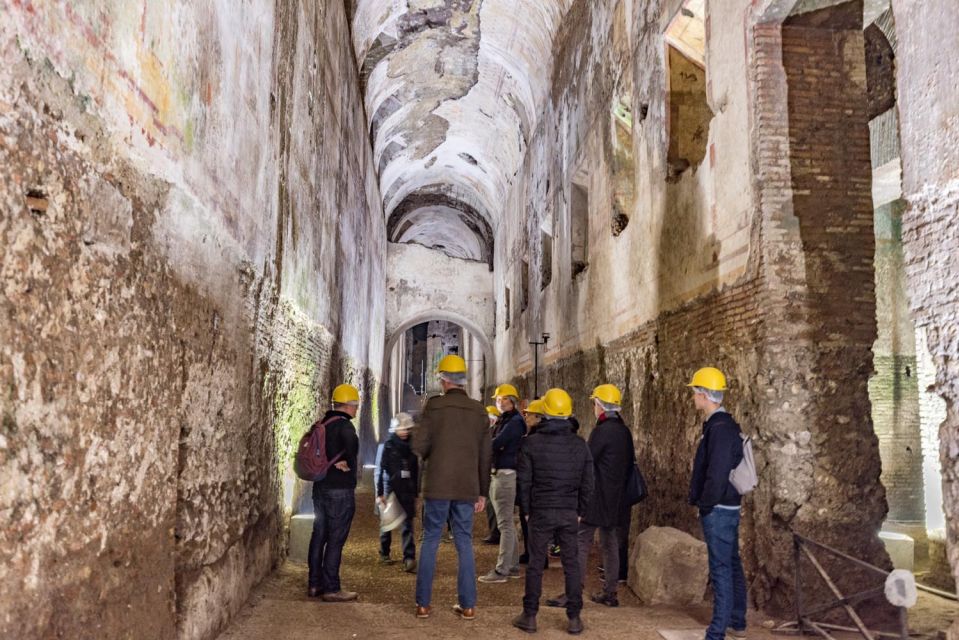
- A true walking tour underground with stairs and uneven surfaces, so shoes matter
- Express security check so you waste less time before you enter
Entering Nero’s Golden House, the Rome you don’t see from street level
Most big Roman sights are noisy, sunbaked, and exposed. Domus Aurea is different. You’re going underground into an active archaeological setting, where the ground itself feels like part of the story.
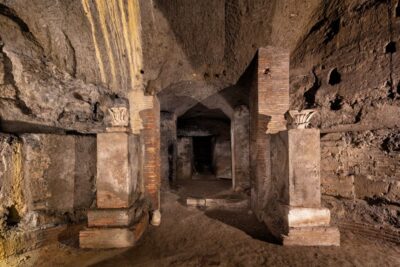
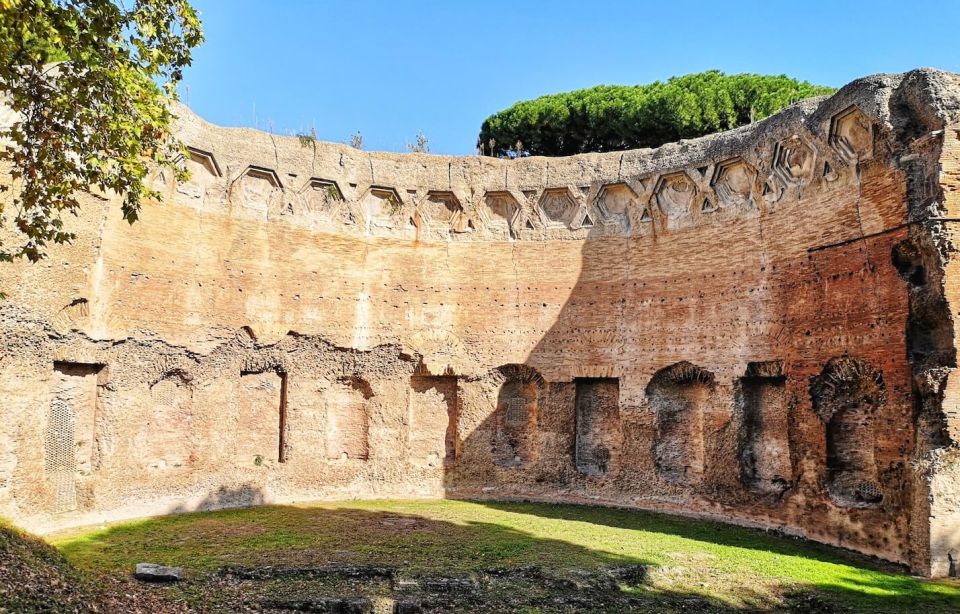
The Domus Aurea isn’t just a pile of ruins. It’s a surviving slice of Nero’s palace—vaulted spaces, wall surfaces, and frescoes that still carry the look and ambition of an emperor who wanted to make the city revolve around him. After long restoration, the rooms open to visitors again, and that’s what this tour lets you experience.
You can also read our reviews of more tours and experiences in Rome.


Your 2 hours in a real excavation setting (what the timing feels like)
This is a focused visit—about two hours—so you get enough time for guidance without feeling like you’re stuck for half a day. You start at Oppio Caffè, then meet your guide at the corner of Via Nicola Salvi and Via delle Terme di Tito (Via delle Terme di Tito 72 in Google Maps terms). Your guide should have a Through Eternity sign or flag.
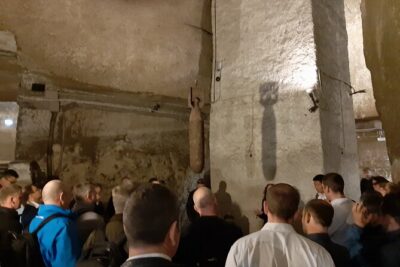
Once you head in, the tour runs at the pace of an active site. You’ll be walking, stopping, and descending into excavated areas. Several guides named in recent groups (like Elena and Monica) are praised for answering questions and keeping the group moving at a steady rhythm, which helps when you’re surrounded by dark rooms and tight viewpoints.
The core story: Nero’s excess, and the buildings that survived the backlash
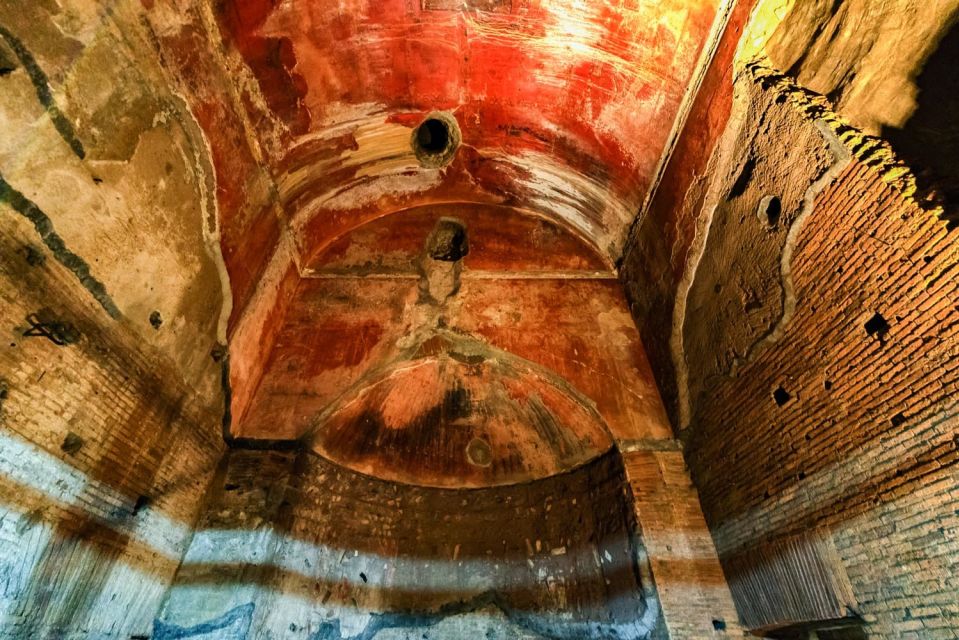
If you only think of Nero as a headline, this tour gives you context fast. After a devastating fire in 64 A.D., Nero had architects reshape the aftermath into his own showpiece palace. The idea was almost impossible to imagine: an enormous dwelling built over the smoldering remains of parts of the city.
The scale of it is where the tour lands hardest. You’ll hear about stand-out features from Nero’s heyday, including a rotating dining room open to the starry sky and an artificial lake. And then the story turns: Nero died in 68 A.D., his successors tried to erase the memory quickly, and the palace was largely dismantled and buried.
That’s why you feel such tension in the space itself. It was meant to be permanent proof of imperial ego—then it was actively pushed into disappearance. The tour’s job is to show you both sides: the ambition of the build, and how quickly history tried to cover it up.
What you actually see: architecture, vaults, frescoes, and the art that still lands
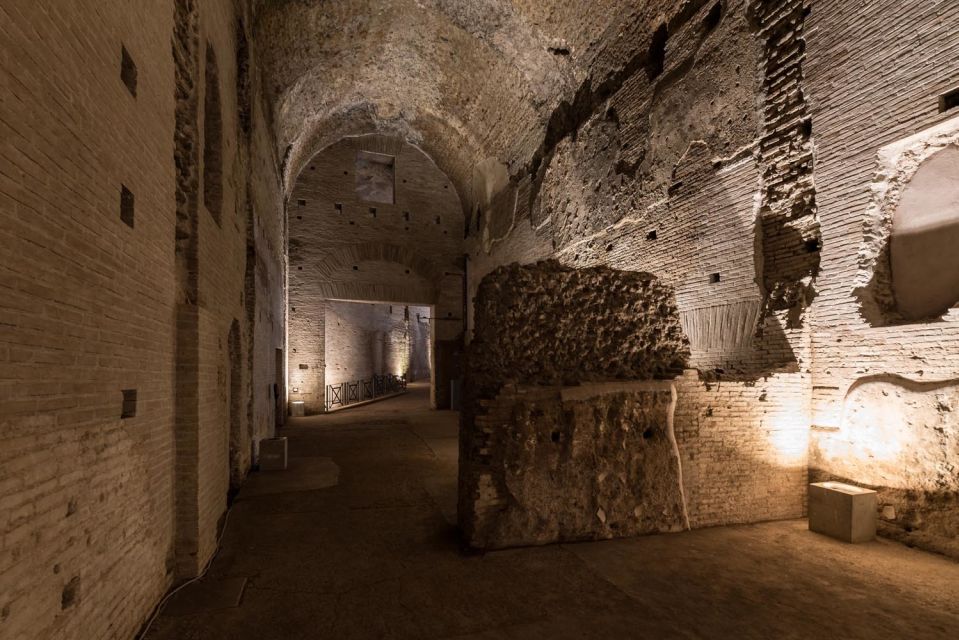
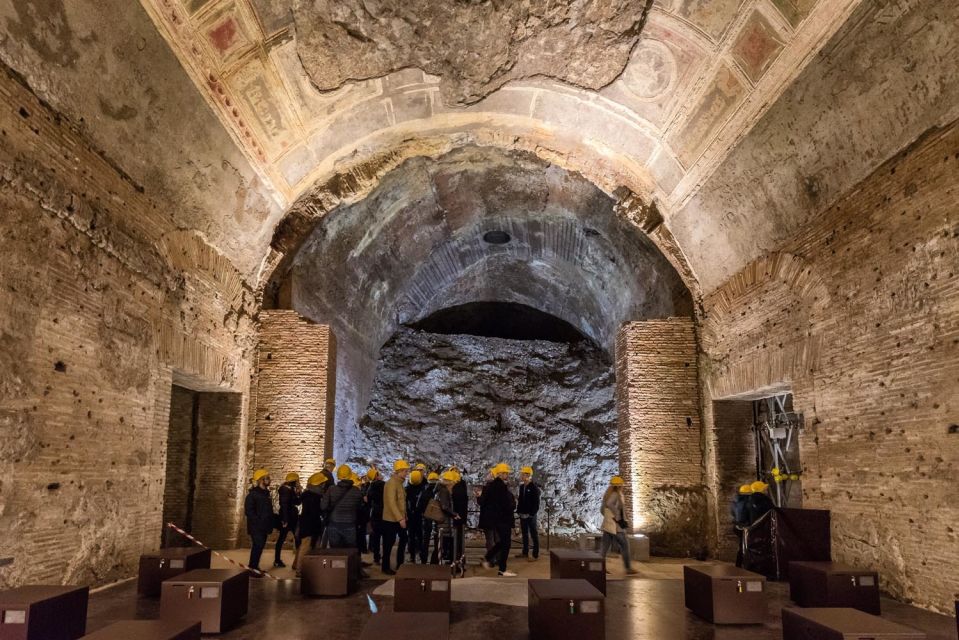
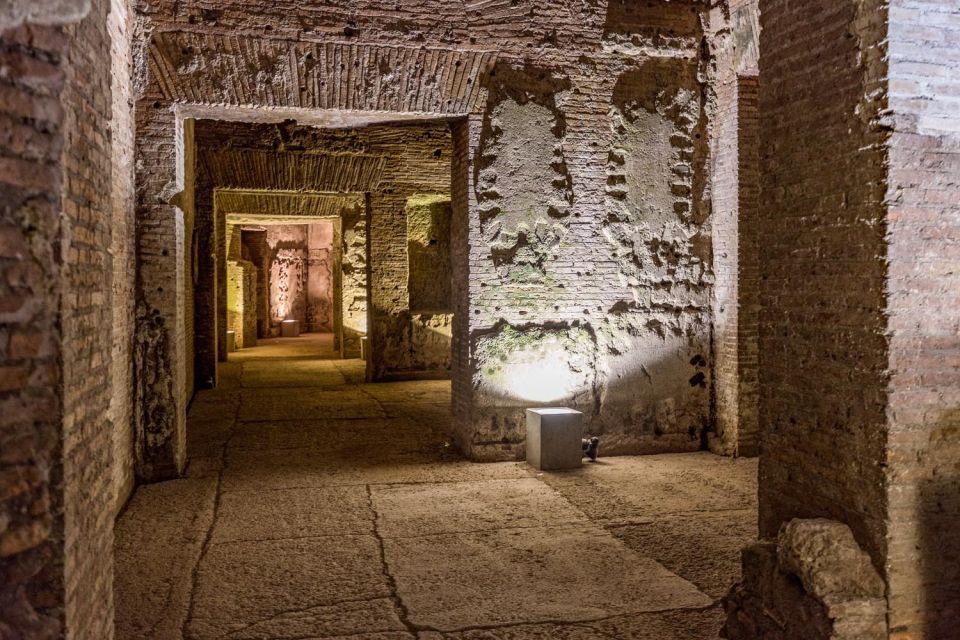
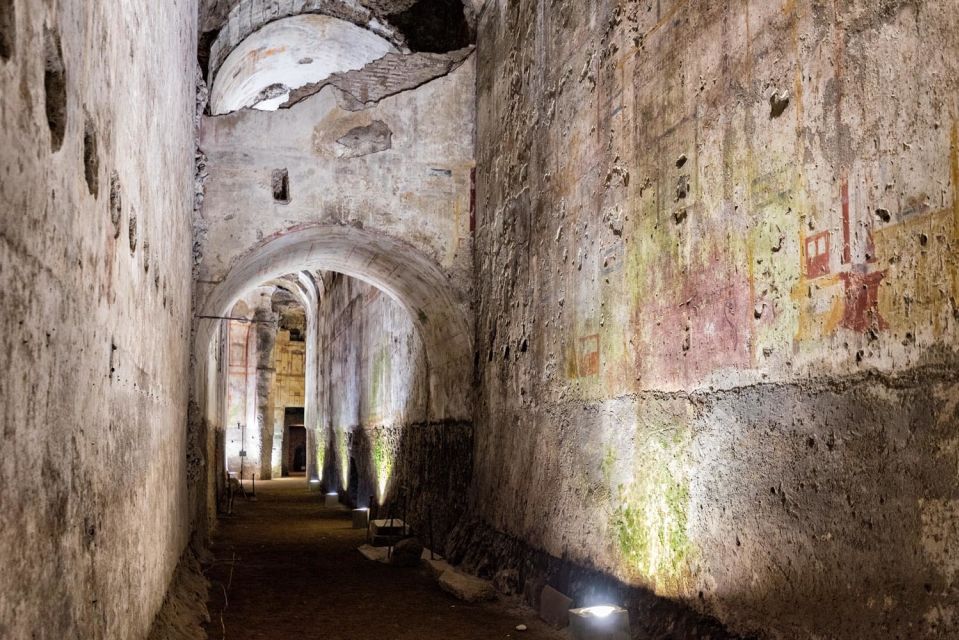
You’re not just walking past signboards. You’re seeing how the palace was built: spacious rooms, soaring vaults, and decoration that would have seemed unreal in its original setting.
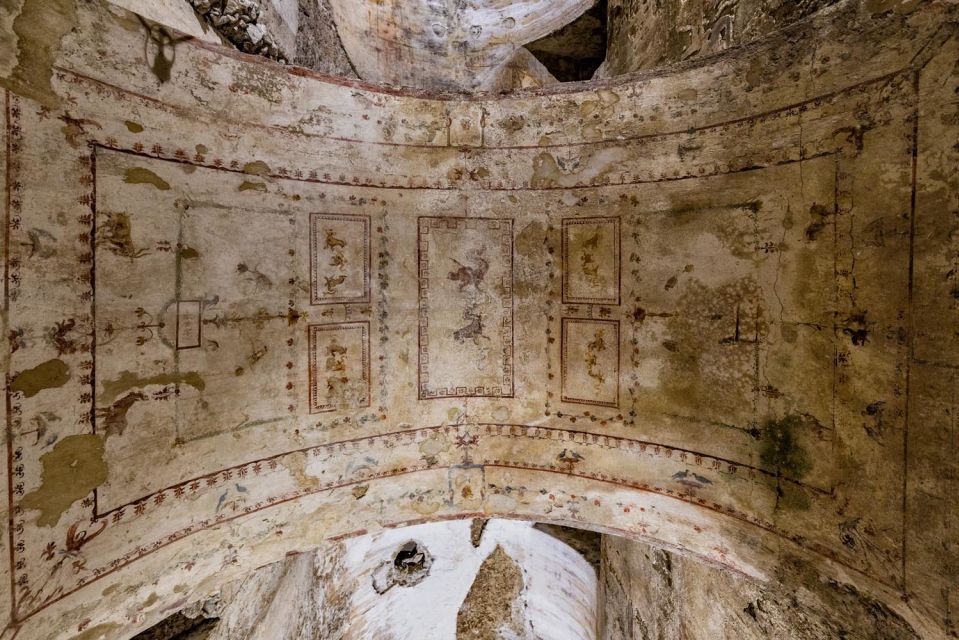
A repeated theme in guide experiences is how well the tour connects specific surfaces to the big picture. People mention seeing surviving wall frescoes and tiled floors, and also a pavilion element that’s still there to study. The wow moment comes from realizing how much design detail remains underground, even after centuries of burial and weathering.
And because this is a guided visit, you’re not stuck guessing what you’re looking at. Guides such as Renarta, Thomas, Valentina, and Brandon are mentioned for explaining the architecture clearly and keeping people engaged, including families with kids who ask questions.
From Roman imperial power to the Renaissance: why this site mattered later
Domus Aurea didn’t just vanish and get forgotten forever. The story stretches forward, and the tour includes learning about the Domus Aurea up to the Renaissance.
That matters because Renaissance artists and architects were obsessed with ancient models, but they also needed fragments, clues, and recovered ideas to work with. When you connect the palace to what came later, you stop seeing it as a one-time spectacle and start seeing it as a reference point that influenced how Europe reimagined antiquity.
If you like art and architecture, this is one of the best parts of the tour. You get context beyond Nero the person—you get the afterlife of the place.





VR and multimedia: how you visualize what you can’t fully see
The virtual reality portion is one of the biggest value adds. It’s not a gimmick tacked on at the end. The VR is what helps the modern visitor translate what’s left into how the palace likely functioned at the height of Nero’s ambition.
People consistently describe the VR as excellent for visualization. One standout is the sense of a futuristic, Google-style view—like you can see the area in its original form instead of only in fragments. Others mention that the VR and multimedia help them understand the layout and the terrain in Nero’s time, which is exactly what you need when you’re staring at excavated spaces without the original coatings, surfaces, and ceiling scenes.
For practical comfort: you still spend real time in the rooms themselves, and VR just gives your brain a boost. That makes it ideal for first-timers who want the experience explained rather than left to interpretation.
Guide quality and group size: why your experience doesn’t feel rushed
This is described as a small-group style visit, and that’s a big deal here. Small groups are reportedly allowed into the site, which helps you actually look at what your guide points out instead of craning your neck between shoulders.
Guide quality is the main reason the tour feels “worth it” even though it’s only two hours. People highlight archaeologists (or archaeologist-level expertise) and strong storytelling. If you’re lucky, you might meet a guide like Elena or Monica, praised for friendliness and for fielding questions, or Thomas, noted for keeping the tempo and delivery strong.
Also note a nuance you should expect: the site experience may involve official Domus Aurea staff during parts of the visit, even if the booking includes an archaeologist guide. You’re still getting the guided explanation you came for—the setup just may be a mix of roles on the day.
Price and what you’re really paying for (value check)
At $55 per person for a two-hour experience, this can feel like a lot or a bargain, depending on what’s included.
Here’s the value math that matters:
- You’re paying for exclusive access to Domus Aurea’s visitor rooms
- You get an English-speaking archaeologist guide
- VR and multimedia are included
- Tickets and reservation fees are included
- You also get skip-the-line express security access
What’s not included is transportation to and from the meeting/end points. So the only real extra cost is how you get there. If you’re staying central, that’s usually not a big headache, but plan it like you would for any timed tour.
For me, the pricing makes sense because this is one of those Rome activities that blends access + expertise + technology in a tight package. You’re not just paying to enter; you’re paying to understand the place while you’re inside it.
Practical tips that will save your trip (and your knees)
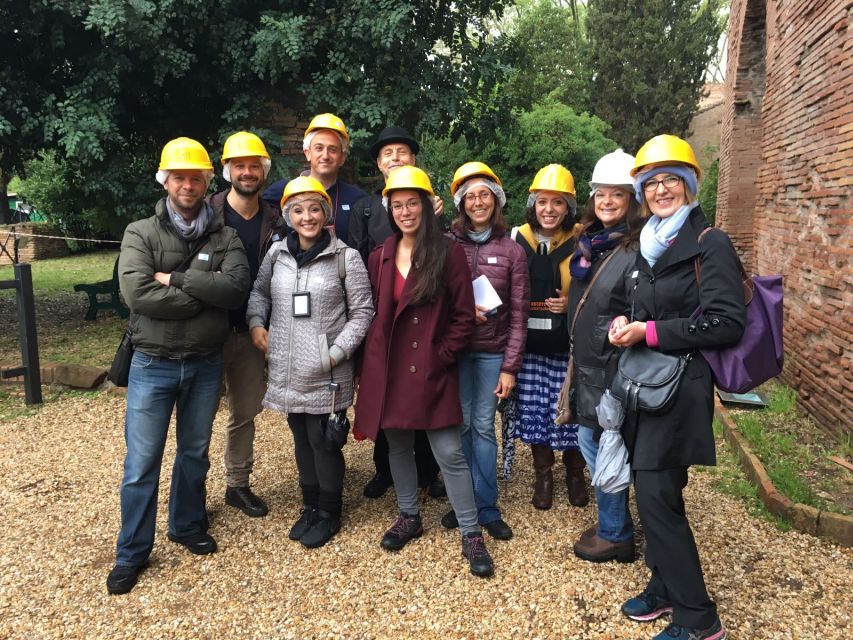
This tour is underground, stepped, and uneven. That’s not a scare tactic—it’s just the reality of an active excavation.
Bring:
- Comfortable shoes with grip
- Warm clothing (underground can feel cooler)
- Water
Don’t bring:
- Luggage or large bags
One more planning point: the guide can’t solve mobility limits for the physical structure of the site. The tour has steps and staircases and is not suitable for wheelchair users. If you have mobility concerns, you should mention it during booking so the provider can try to make accommodations where possible.
Who should book this Domus Aurea tour (and who might not)
You’ll love it if:
- You care about Roman architecture, construction, and art surfaces like frescoes
- You want a guided explanation instead of wandering underground without context
- You like small-group experiences that don’t turn into a shoulder-to-shoulder mess
- You enjoy history that connects across eras, including the link to the Renaissance
You might skip it if:
- You can’t handle steps, staircases, and uneven surfaces
- You want a long, slow, photo-heavy visit without timing pressure
- You’re only interested in the most famous headline ruins and don’t want something quieter and more unusual
Should you book Through Eternity Tours for Domus Aurea?
If your Rome trip includes the big classics, I’d still make space for this one. It gives you access to a side of imperial Rome that feels more exclusive and more human than you expect—because it’s underground, unfinished by time, and explained in a way that makes the scale click.
Book it if you want real context, VR support, and a guided walkthrough in a small-group format. Skip it only if your mobility needs can’t match a stepped, uneven walking route or if you prefer sun-and-stone sightseeing over cool underground spaces.
And if you’re choosing a slot, pick the one that best fits your day’s energy. Two hours here can feel short, because once you start connecting Nero’s story to what’s still visible, you’ll be looking more carefully than you planned.
FAQ
Where do I meet the guide?
Meet your guide at the corner of Via Nicola Salvi and Via delle Terme di Tito, in front of Oppio Caffè. If you use GPS, the address is Via delle Terme di Tito 72. The guide should have a Through Eternity sign or flag.
How long is the Domus Aurea guided tour?
The tour lasts about 2 hours.
What’s included in the $55 per person price?
It includes exclusive access to the Domus Aurea, a virtual reality experience, an English-speaking archaeologist guide, and tickets plus reservation fees.
Is there any skip-the-line benefit?
Yes. You get to skip the line through an express security check.
What should I bring with me?
Bring comfortable shoes, warm clothing, and water.
Is luggage allowed?
No. Luggage or large bags are not allowed.
Is the tour suitable for wheelchair users?
No. It is not suitable for wheelchair users.
Is the tour offered in English?
Yes. The tour is in English.
Do students get a discount?
A valid student ID must be shown on the day of the tour for a student discount. If the student does not have valid ID, they may be changed the full ticket price for entry, which must be paid on the day of the tour.
Is the tour refundable if I cancel?
This activity is non-refundable.
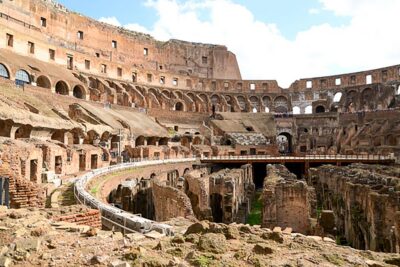
If you tell me your travel dates and whether you’ll be doing Colosseum area sights the same day, I can suggest a simple timing plan around this 2-hour slot.