REVIEW · FLORENCE
Chianti Vineyards Escape from Florence with Two Wine Tastings
Book on Viator →Operated by Ciao Florence Tours Srl · Bookable on Viator
Chianti vineyards beat Florence crowds fast. This 5-hour coach tour gets you out of town for the scenic Chianti Wine Road, then pairs two cellar visits with tastings and local bites in the countryside. I like that it’s genuinely hassle-free: pickup, transport, and winery timing are handled, and you’re not stuck figuring out bus routes.
The real payoff is tasting Chianti in context. You’ll tour a rustic estate, walk among vineyards and olive groves, and sample several wines—then do it again at a second property—usually with classic add-ons like extra-virgin olive oil, cheese, and salami. One thing to watch: this is a larger group (up to 43), so the pace is quick at each stop and the vibe can be more sales-forward than you’d want.
Your day starts at Piazzale Montelungo in Florence, a practical launch pad about a 5–10 minute walk from Santa Maria Novella. This matters because it keeps the tour simple. No hotel pickup delays, no guesswork about where to meet. You walk in, find your group, and go.
From there, you board a fully fitted GT coach with free Wi-Fi onboard. In the real world, that’s helpful. You can check directions, read restaurant ideas for later, and keep your phone charged without hunting for outlets.
And yes, you’ll also get a bit of storytelling during the drive. The guide shares wine facts, including the importance of Gallo Nero (Black rooster), plus background on how the region’s wine culture developed. It’s not a lecture hour. It’s quick context that makes the tastings feel less random.
The trip from Florence to Chianti is about 40 minutes by coach each way, give or take traffic and group timing. That short distance is a big part of the tour’s value. You’re not signing up for an all-day logistics marathon just to taste a few glasses.
On a clear day, the scenery is part of the attraction. You’ll roll past the kind of hills and cypress groves you associate with Tuscany photos. If weather is bad, you still get the core experience: cellars, tastings, and food pairings. The views may dim, but the plan stays intact.
One practical note from real-world timing: if you choose a later departure, the second winery can land near sunset. That can make the lighting beautiful, but it can also reduce daylight for vineyard views and photos. If you care a lot about seeing the landscape in full light, earlier tends to feel better.
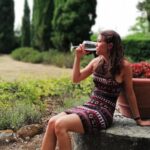
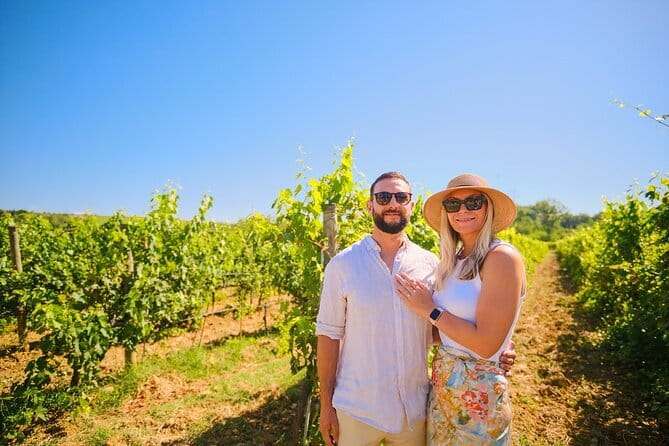
Your first winery visit is built around a classic Tuscany rhythm: walk a bit, see where it’s made, then taste with food. At this stage, you’re looking at an estate with vineyards and olive groves around it, then moving into the cellar for the production story.
You’ll have a tour of the wine cellar and vineyards/olive grounds, which helps you understand what you’re tasting. Instead of just swallowing wine and moving on, you get the why behind it: how grapes become wine, and why the estate’s approach changes the flavor in your glass.
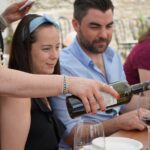
Then comes the tasting. You can sample up to five different types of Chianti at the estate. The tasting is paired with regional staples—typically extra-virgin olive oil, plus cheese and salami, often with bread or similar simple accompaniments.
This is also where the “tasting style” matters. Some groups report the tastings feel generous, with multiple pours and real pairing attention. Others note that certain stops can feel like a heavier sales pitch. Either way, the tasting format stays consistent: you’ll taste several wines rather than one “house choice.”
The second winery stop is the chance to compare. The tour visits two different rustic wine estates, and they’re often different in scale and feel. That contrast is a big reason this works as a half-day plan.
At the second estate, you’ll again tour the property and head through the wine experience. Expect another cellar look plus time to walk among the vineyards and olive areas. Some estates focus more on the winemaking process (how grapes are handled, fermented, and transformed), while others emphasize the setting and craft story.
Your second tasting is again built around multiple wines—often up to five—and more pairing food like olive oil, cheese, and balsamic vinegar. That balsamic element is important because it rounds out the tasting. You’re not only dealing with acidity and tannins in the wine; you’re also tasting sweet-sour vinegar depth and the peppery complexity of olive oil.
A few practical tips here:
- Take notes mentally if you’re the comparing type. With multiple reds in a row, it gets easy to mix them up.
- Try the olive oil and vinegar thoughtfully. They’re not filler. They change how the next sip tastes.
A plain wine tasting can feel like a blur. What makes this itinerary better is that the wine is paired with local foods at each estate. You’re sampling extra-virgin olive oil, cheese, and salami, and the tour also mentions aged balsamic vinegar as part of the tasting experience.
That pairing is a value boost because it gives you quick context for what the wine is built to do. Salt and fat from cheese and cured meats can soften harsh edges in young reds. Olive oil can make certain flavors feel rounder, while balsamic can sharpen your palate and highlight fruit tones.
One more thing I like for practical travelers: there’s built-in freedom to buy souvenirs. If you find a wine you love, or an olive oil that tastes like it belongs on good bread, you can often purchase right there. That means you don’t have to plan separate shopping time in Florence.
Between the estates, you’ll ride the Chianti Road and stop for photo ops at a panoramic terrace. This is where the tour fits into Tuscany’s greatest hits without turning the day into a sightseeing checklist.
It’s brief, so you won’t get a long walk, but it’s enough to:
- capture rolling-hill views with cypress silhouettes
- re-aim your camera for sunset or golden-hour light
- reset your brain between tastings
If you’re the type who likes to take photos quickly and then get back to doing, this works well. If you prefer lingering, treat this as a short break rather than a full stop.
This tour runs with an English-only tour leader, and the quality of the guide can noticeably affect your experience. In the best cases, the guide adds both facts and personality, plus helpful local tips. People have praised guides by name—like Margherita, Anna, Emma, Gabriela, and Nathan—for making the ride more engaging and keeping the day flowing.
There are also occasional negative signals that you should take seriously when you book:
- If a guide makes mistakes about winery location or timing, the group can get rushed at the next stop.
- With a larger group, time pressure can make the tasting feel less relaxed.
Even so, the overall structure is solid: you still get two estates, guided components, and tastings with local foods. The guide is what determines how smooth and informative those moments feel.
At about $53.10 per person for roughly 5 hours, this is a classic Florence-to-Tuscany value play. You’re paying for more than the wine. You’re paying for:
- round-trip coach transport
- two planned winery visits with cellar tours and tastings
- food pairings at tastings (olive oil, cheese, salami, plus balsamic vinegar mentioned)
- a guide plus a structured schedule
And you avoid the biggest headache of DIY: getting from Florence to two estates efficiently. Tuscany is gorgeous, but public transit can be slow and taxis add up fast. This tour locks in the logistics so you can focus on tasting and enjoying the setting.
That said, it’s not a slow, long lunch kind of experience. It’s a tasting-focused half-day where you move with the group. If you want deeper wine education or a long sit-down meal, you might feel this is a bit short or sales-forward.
The group size cap is 43 travelers, which is large enough that the experience can feel organized but not intimate. That affects pacing at both estates, and it can change the amount of attention you get.
Some people have also flagged that the day can include families and mixed ages, which can feel less like a quiet wine afternoon and more like a bus-load event. If you want a calm, adult-only vibe, keep that in mind.
Most important: comfortable walking shoes help because the day includes estate walking in vineyards/olive areas. Also, bring water—there’s no lunch included, so you may want to arrive with enough energy and plan a small snack strategy before the afternoon.
This is not a formal dress event, but it is a day in the countryside. Here’s what I’d pack:
- Comfortable walking shoes for winery paths and vineyard/olive area walks
- A light layer in case you hit breeze after the drive
- Water, since you’ll be tasting alcohol and walking a bit
- Optional: a small snack if you’re sensitive to hunger (no lunch is included)
If you have dietary needs, the tour notes you should advise requirements at booking, which is the smart move. That way, the team isn’t guessing last minute.
And remember the rule: minimum drinking age is 18.
Book this tour if you want a practical half-day that checks the big boxes: scenic drive, two cellar visits, and tastings with classic Tuscan food pairings—without the stress of arranging transport. It’s also a strong option if you like comparing wines from different estates in one afternoon.
I’d think twice if you hate crowds or want a slow, unhurried winery visit with lots of time at each stop. This is a structured group day. Sometimes that’s great. Sometimes it means you taste, walk, and move on.
If you’re the type who plans around timing and wants daylight, consider an earlier slot so the second estate doesn’t arrive when everything turns dim and rushed.
If you want, tell me which month you’re going and what time your Florence days start. I can suggest whether this fits best as an afternoon outing or whether you’ll want a different style of Chianti day instead.
In This Review
- FAQ
- Where does the tour start in Florence?
- How long is the tour?
- Is transportation included?
- What language is the tour?
- How many wineries do you visit?
- How much wine do you taste?
- What food or regional products are included?
- Is lunch included?
- Can you buy wine or souvenirs?
- What’s the minimum age?
- How many people are on the tour?
FAQ
Where does the tour start in Florence?
It starts at Piazzale Montelungo in Florence, Italy. The meeting point is within walking distance of Santa Maria Novella Train Station.
You can also read our reviews of more tours and experiences in Florence.
- Tuscany Day Trip from Florence: Siena, San Gimignano, Pisa and Lunch at a Winery
★ 5.0 · 21,634 reviews

How long is the tour?
The duration is listed as about 5 hours.
Is transportation included?
Yes. You travel by fully-fitted GT coach with free Wi-Fi onboard, and you’re dropped back at the meeting point.
What language is the tour?
The tour leader is English only.
How many wineries do you visit?
You visit two wine estates in the Chianti region.
- The Best tour in Florence: Renaissance & Medici Tales – guided by a STORYTELLER
★ 5.0 · 12,316 reviews
How much wine do you taste?
At each estate, you can sample up to five Chianti wines. The tour also includes tastings paired with regional products.
What food or regional products are included?
You’ll sample extra-virgin olive oil, plus cheese and salami, and the tour mentions aged balsamic vinegar as part of the tasting experience.
Is lunch included?
No. Lunch is not included.
Can you buy wine or souvenirs?
Yes. There’s a possibility to buy wine, olive oil, balsamic vinegar, and other regional products at the estates.
What’s the minimum age?
The minimum drinking age is 18.
How many people are on the tour?
The tour has a maximum of 43 travelers.
You Might Also Enjoy
More Tour Reviews in Florence
- Tuscany Day Trip from Florence: Siena, San Gimignano, Pisa and Lunch at a Winery
★ 5.0 · 21,634 reviews - The Best tour in Florence: Renaissance & Medici Tales – guided by a STORYTELLER
★ 5.0 · 12,316 reviews