REVIEW · ROME
Colosseum, Forum & Palatine Hill Guided Walking tour
Book on GetYourGuide →Operated by Tourismotion · Bookable on GetYourGuide
Three icons, one smart plan.
This guided walking tour strings together the Colosseum, the Roman Forum, and Palatine Hill in about 2.5 hours, so you’re not zig-zagging across town all day. I love the skip-the-line access paired with a live English-speaking expert guide and earphones, which makes the storytelling easy to follow even in a loud, crowded place.
One thing to plan for: you’ll be on your feet for the full 2.5 hours, and the route can feel long in heat (or wet weather), so comfortable shoes matter.
In This Review
- Key things I’d circle before you go
- Where this tour shines: the three sites connect into one story
- Getting to the meeting point near Colosseo Metro (and finding your guide fast)
- Colosseum: how the arena, crowds, and engineering fit together
- Roman Forum: the political center behind the ruins
- Palatine Hill: myth, emperors, and the best Rome zoom-out
- How the tour pacing works (and why earphones matter)
- Tickets, entry rules, and what’s actually included
- Is the price a good deal?
- Who this tour fits best (and who might feel it’s too much)
- My booking verdict: should you do it?
- FAQ
- How long is the Colosseum, Forum & Palatine Hill guided walking tour?
- Is skip-the-line access included?
- What time should I arrive at the meeting point?
- Where do I meet the guide?
- What documents do I need for entry?
- Is the arena entrance included?
- Is the tour suitable for wheelchair users?
Key things I’d circle before you go
- Skip-the-line entry to speed up your time inside the Colosseum area
- English guidance with earphones, so you can actually hear the key details
- Smaller-group feel with the guide managing the pace and keeping everyone accounted for
- Three landmark styles of Rome in one sweep: spectacle, politics, and imperial residence
- Imperial views from Palatine Hill that connect the dots to the Forum and Circus Maximus
- Real document rules: you must bring the original ID or passport for entry
Where this tour shines: the three sites connect into one story
The best part of this tour is how quickly it turns famous ruins into a coherent Roman narrative. The Colosseum shows you Roman entertainment and power in brick, arches, and crowd-control design. The Forum then shifts the focus to government, speeches, and daily political life. Palatine Hill finishes with the myths and the luxury—where emperors built their homes above the city they ruled.
This is also the kind of tour where “seeing” becomes “understanding.” You’re not just walking past stones. Your guide is there to help you connect why a building exists, what people used it for, and what changed over centuries as Rome grew and reinvented itself.
And because you’re moving between three major stops, the guide pacing is a big deal. A smaller group means you’re more likely to stay together and notice the little architectural and landscape clues that explain what you’re looking at.
You can also read our reviews of more tours and experiences in Rome.

Getting to the meeting point near Colosseo Metro (and finding your guide fast)
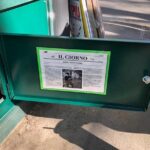
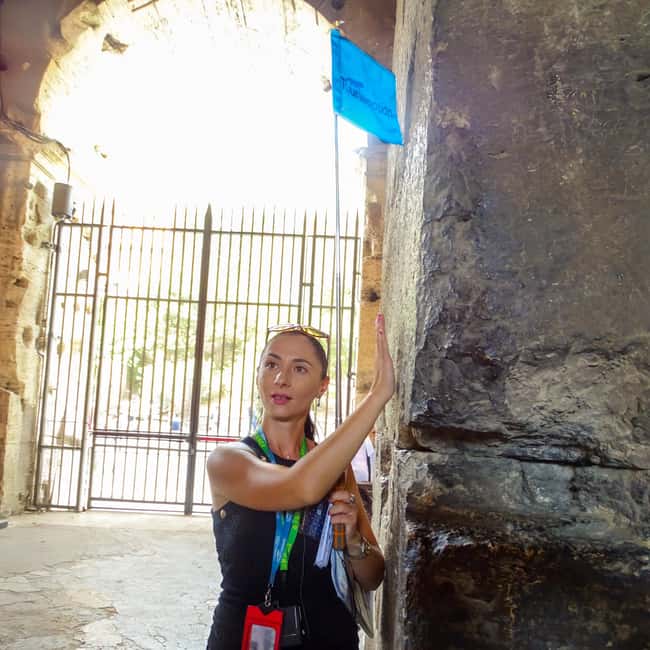
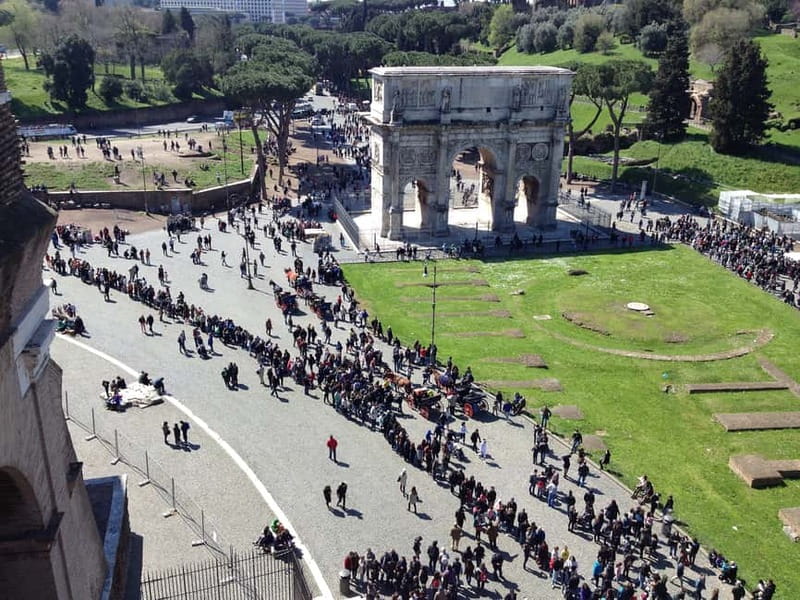
Meet outside Colosseo Metro Station (Line B) on Via dei Fori Imperiali, opposite Colosseum Square. The meeting spot is between a green kiosk and a wall-mounted fountain. Your guide will be holding a Tourismotion flag.
Two practical tips that save stress:
- Arrive 15 minutes early. That’s not overkill; it’s the difference between calm sorting and last-minute rushing.
- If the sign details feel confusing in photos or maps, use your surroundings: Via dei Fori Imperiali, between the fountain and the green kiosk, and look for the Tourismotion flag.
Also, you’ll meet your guide again at the end of the tour area. The details say the activity ends back at the meeting point, and the finish area is tied to Basilica dei Santi Cosma e Damiano—so plan to stay with your guide through the exit steps.
Colosseum: how the arena, crowds, and engineering fit together
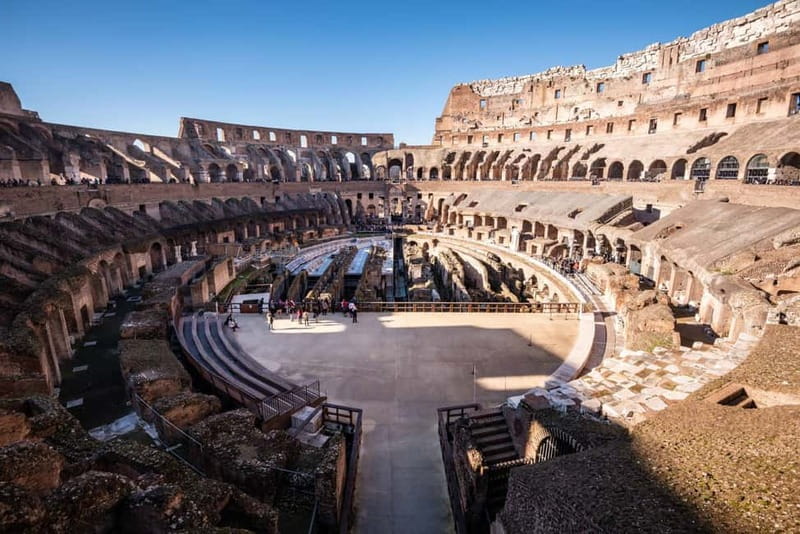
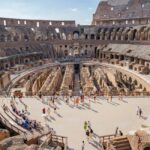
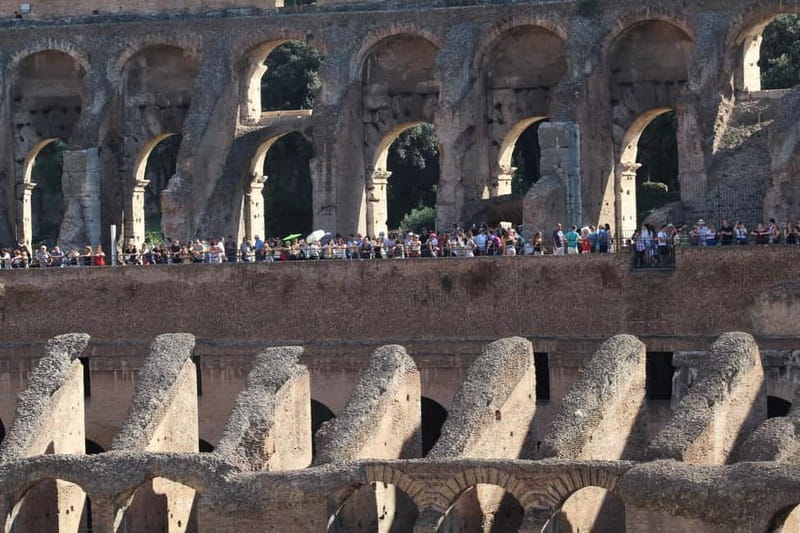
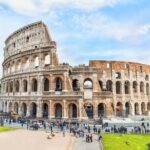
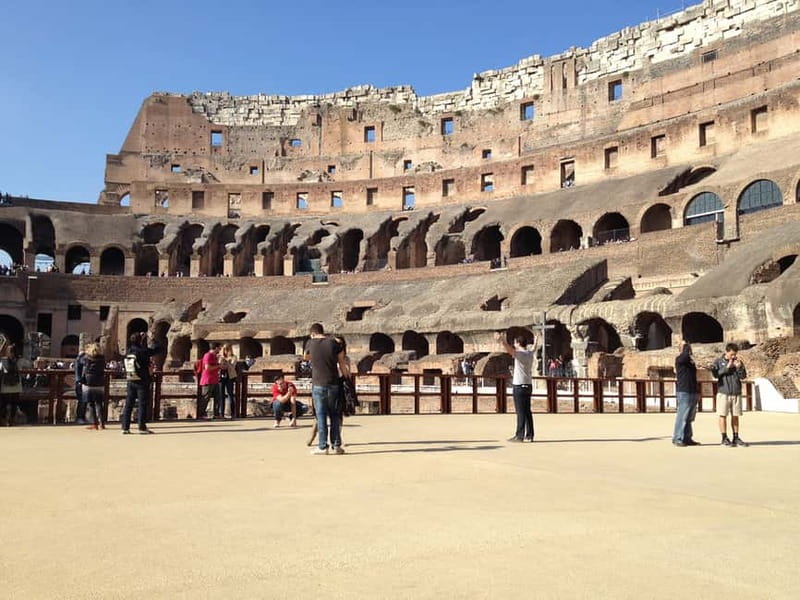
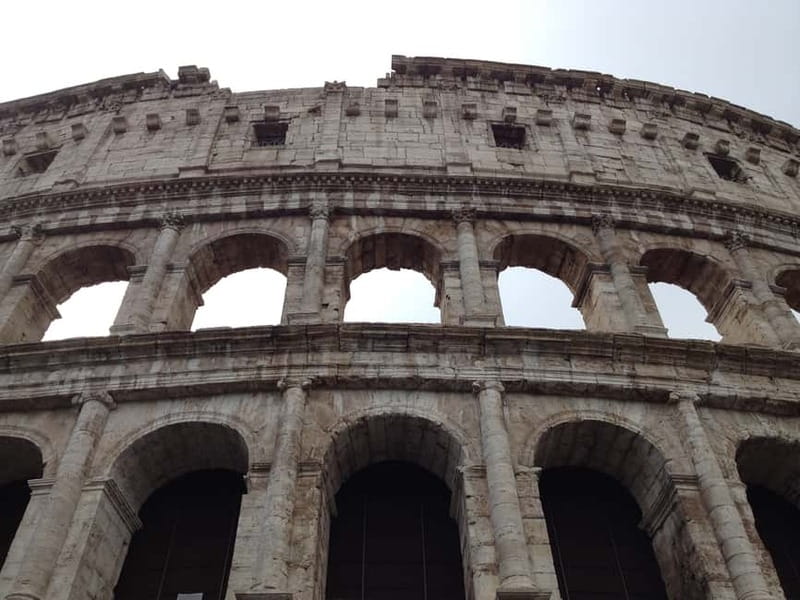
You start with about 1.5 hours at the Colosseum, which is long enough for the guide to do more than point and summarize. The Colosseum isn’t just a big monument; it’s Roman engineering built for spectacle. From the moment you face the facade, your guide helps you imagine the flow of people, the structure of the arena, and the purpose behind the design.
Expect stories that cover:
- Gladiatorial contests and public spectacles and what they meant socially
- The history of how the Colosseum was constructed and why it became such a symbol
- The emotional contrast between the imposing exterior and what was happening down at crowd level
One useful note: the tour includes organized access with tickets, but the arena entrance is not included. That means you may see plenty from the key public areas, while the very specific arena-access add-ons are not part of this package.
If you want the Colosseum experience to feel real—crowds, politics, entertainment—this is the stop where the guide effort shows most clearly. In reviews, guides like Matteo, Christina, Simona, and Andrea are praised for being enthusiastic, funny, and sharp with the Roman context.
Roman Forum: the political center behind the ruins
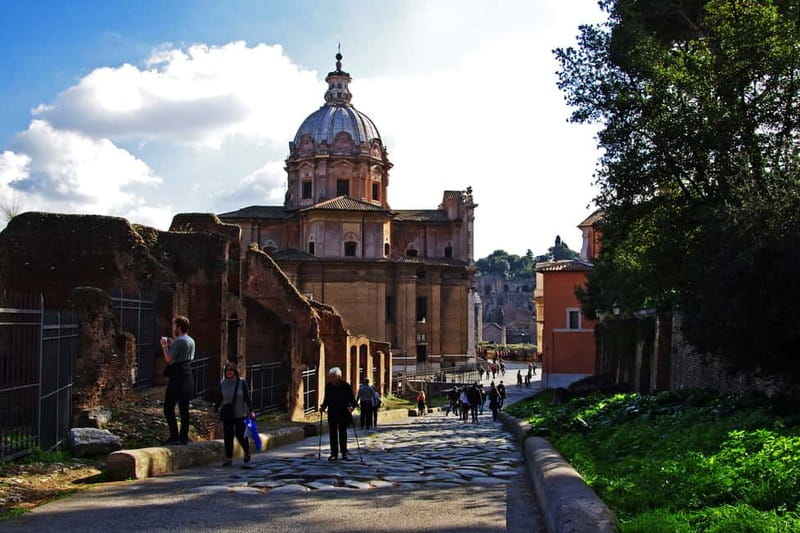
Next up is the Roman Forum for about 1 hour. This is where Rome stops being spectacle and turns into governance—where senators, orators, and ordinary people shaped the Republic and later the Empire.
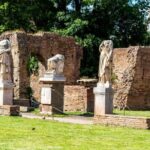
You’ll walk among ruins of temples, basilicas, and major public buildings. The guide connects what’s left on the ground to what those places did in real life.
Key highlights you can expect your guide to bring to life include:
- Temple of Saturn
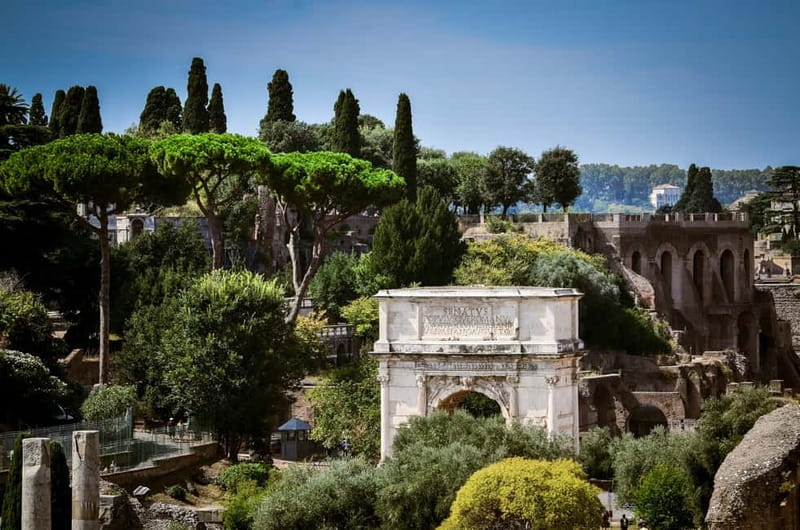
- Arch of Titus
- The Forum as the shifting heart of Roman political and commercial life
Here’s why the Forum stop matters: without guidance, you can end up looking at ruins that feel similar. With a guide, the Forum becomes a map of roles and power. You start noticing how the space reflects leadership and public messaging—why specific structures mattered, and how the Forum’s meaning changed as Rome changed.
In reviews, guides such as Federica and Robert receive credit for explaining both the bright and darker sides of Roman history, not just the postcard version. That honesty is part of the value here: you get context, not just trivia.
Palatine Hill: myth, emperors, and the best Rome zoom-out
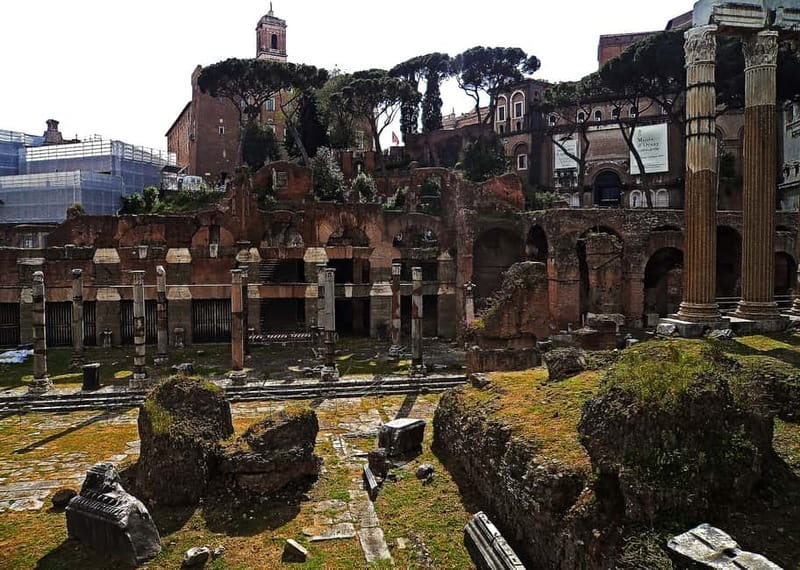
Finally, you head to Palatine Hill for about 30 minutes. Even though it’s the shortest timed segment, it often feels like the emotional payoff. Palatine is the hill where Rome’s origin stories take root—and later, where the city’s most powerful rulers built their private world above the crowds.
Expect the guide to weave:
- The myth of Romulus and Remus and the she-wolf legend
- The shift from legend to residence as emperors and aristocrats took over the hill
- The imperial palaces and what their remains suggest about power and luxury
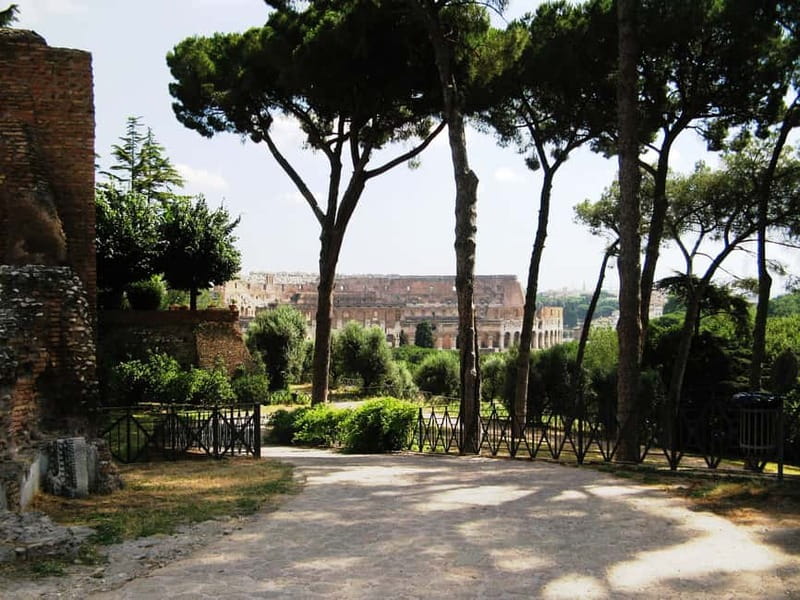
You’ll also get a sense of scale. From the vantage points, your guide helps you connect what you’re seeing to the wider city—especially views toward the Roman Forum and the Circus Maximus.
The specific remains you may explore include Domus Flavia and Domus Augustana. This is one of the best parts of the whole tour because it turns your earlier stops into a connected system: entertainment down below, politics in the middle, power and myth above.
Even in short time, this is where the guide’s storytelling pace matters. You’ll likely hear talks about both recent archaeological finds and traditional narratives—without getting stuck in one tone.

How the tour pacing works (and why earphones matter)
The total duration is about 2.5 hours, with time split across the Colosseum, Forum, and Palatine Hill. That’s enough to cover the big moves without feeling rushed through all three.
Earphones are included, and that changes everything in Rome. You’re in active sites, crowds can get loud, and it’s hard to read a guide’s voice from across a path. With earphones, you can focus on what the guide is saying—construction details, political context, and why a specific ruin matters—rather than constantly straining to hear over other groups.
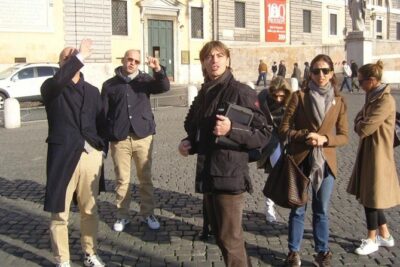
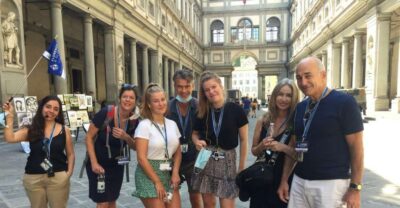
Group management is another quality point. Reviews mention guides calling names at transitions and keeping people accounted for, which matters when you’re weaving through tight lanes and busy entrances. If you’ve ever joined a tour that feels chaotic, this is where smaller-group structure helps.
As for weather: you might run into heat or rain. Guides in reviews were praised for coping quickly and keeping participants comfortable when conditions changed. Still, the tour is outdoors and walking-based—so plan your clothing accordingly.
Tickets, entry rules, and what’s actually included
This is sold as an organized experience with tickets for the Colosseum, Roman Forum, and Palatine Hill, plus a live English-speaking guide and on-site check-in assistance. Helpline support is listed, and there’s a friendly check-in team at the sites.
Two practical “know this first” points:
- You’ll need to present the original personal document (passport or ID card). Photos and copies aren’t accepted for Colosseum entry. Bring it. No exceptions.
- You’ll likely deal with strict on-site rules: no luggage or large bags and no backpacks are allowed.
Also, remember what is not included: the arena entrance. If you’re specifically hoping for arena-floor access, you’ll want to confirm that you’re looking at the right ticket type or add-on before you buy.
Is the price a good deal?
At $72.49 per person, the value depends on what you hate most in Rome: long lines, confusing sites, or wandering with zero context.
This tour is paying you back in three ways:
- Skip-the-line access at major entry points saves time and stress
- Guided interpretation across three landmarks gives you more than photos would
- Earphones and smaller-group structure improve the experience quality versus self-guided routes
If you were planning to see all three anyway, having everything tied together with organized entry is usually where the money makes sense. If you only want one site, or you prefer to wander slowly with apps and guidebooks, then you might feel the price more than the benefit.
Who this tour fits best (and who might feel it’s too much)
This works best if you:
- Want a guided overview that connects Colosseum, Forum, and Palatine Hill into one narrative
- Like expert explanations and prefer not to spend your time piecing together meanings yourself
- Enjoy walking tours where the guide handles transitions and entry points
It may not be ideal if you:
- Are sensitive to long outdoor walking in sun or rain
- Need wheelchair access (the tour is listed as not suitable for wheelchair users)
- Hate crowds or want a slow, solo experience
Kids are possible with the right ID. The key rule is that IDs must be present (original documents).
My booking verdict: should you do it?
If your goal is to get the most out of Rome’s most famous ancient core in a short window, I think this tour is a smart buy. The combo of skip-the-line, English guidance with earphones, and a guide who helps you connect what you’re seeing across three sites is exactly what turns these ruins into a memorable experience.
Book it if you want context fast and you’re ready for a solid 2.5-hour walk. Skip it (or look for alternatives) if you’re only interested in one landmark, or if walking time and crowds are likely to drain you.
FAQ
How long is the Colosseum, Forum & Palatine Hill guided walking tour?
The tour lasts about 2.5 hours.
Is skip-the-line access included?
Yes. The tour includes skip the ticket line entry for the Colosseum, Roman Forum, and Palatine Hill.
What time should I arrive at the meeting point?
Arrive at least 15 minutes before the tour start time.
Where do I meet the guide?
You meet outside Colosseo Metro Station (Line B) on Via dei Fori Imperiali, opposite Colosseum Square, between the green kiosk and the wall-mounted fountain. The guide holds a Tourismotion flag.
What documents do I need for entry?
You must present the original passport or ID card. The Colosseum does not accept photos or copies.
Is the arena entrance included?
No. Arena entrance is not included in this tour.
Is the tour suitable for wheelchair users?
No. It is listed as not suitable for wheelchair users.