REVIEW · ROME
Cook With Us in Rome: A Hands-On Cooking Experience 09:20AM class
Book on Viator →Operated by Cook With Us in Rome · Bookable on Viator
Handmade pasta beats another museum stop every time. This small-group cooking class in Rome mixes a short walk through the historic center with real kitchen work, guided in English. You’ll shop for fresh produce first, then make three courses: starter, pasta with sauces, and dessert.
I like that the teaching stays hands-on and practical. You’re not just watching—you’re making fresh pasta from scratch and learning how to build flavor in sauces, then sitting down together to eat what you cooked. One catch to plan around: on Sundays and afternoon classes, the market stop is skipped because it’s closed then, so your morning routine may feel a bit different depending on the day.
In This Review
- Key Things to Know Before You Go
- A 9:20AM Start That Uses the Morning Well
- The Studio Setup: Where You Actually Learn to Cook
- Shopping for Produce in Rome, Then Turning It Into Dinner
- Fresh Pasta From Scratch: Fettucine, Cavatelli, and Ravioli
- Antipasto Course Options: Roman-Style Starters You Can Recreate
- Sauce Skills and Vegan-Friendly Options
- Tiramisu: The Dessert Course That Makes the Whole Thing Feel Complete
- Lunch Together: Eating What You Made (With Prosecco and Wine)
- Price and Value: What You Really Get for $145.18
- Practical Tips: How to Get the Most From the Class
- Who Should Book This Cooking Class (and Who Might Not)
- Should You Book Cook With Us in Rome?
- FAQ
- FAQ
- What time does the Cook With Us in Rome class start?
- Where is the meeting point?
- How long is the experience?
- What size is the group?
- Is the market stop always included?
- What do you learn to cook?
- Does the menu include vegetarian or vegan options?
- Is the experience family-friendly?
- What languages are the lessons offered in?
- What is the cancellation window for a full refund?
Key Things to Know Before You Go
- Small group size (max 10 people) means more real-time coaching while you cook
- Market + short historic walk helps you connect ingredients to what you’ll actually cook
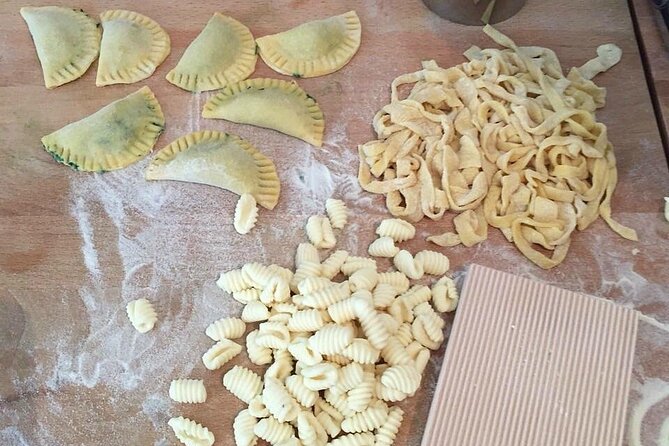
- Fresh pasta skills cover multiple shapes like fettucine, cavatelli, and ravioli
- Sauce-making is part of the lesson, not an afterthought
- Dessert is included and made in class (tiramisu is on the menu)
- Family-friendly experience, with hosts who keep things fun and easy to follow
A 9:20AM Start That Uses the Morning Well
This class begins at 9:20am at VyNique Farnese, Via Dei Baullari, 106 (near public transportation). That early start matters in Rome. You beat some of the crowds and still get a big chunk of the day before most people even finish breakfast.
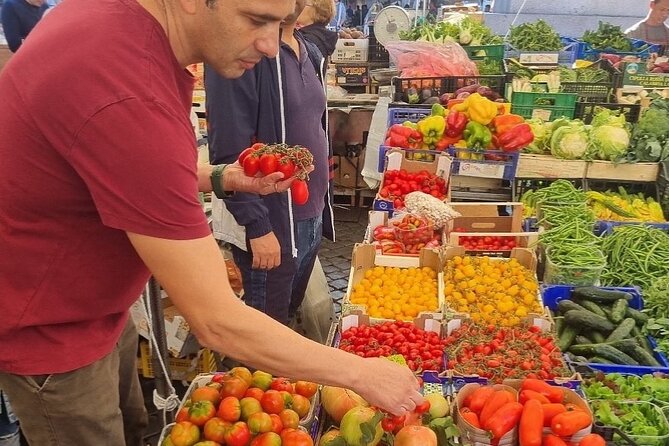
The day starts with a trip to a local market to pick ingredients. The point isn’t just shopping. It’s learning what you’re about to cook, why certain produce looks and tastes the way it does, and how Italian ingredients behave once they hit the pan. If you’re the type who usually strolls past food stalls, this turns that habit into something useful.
One planning note: on Sundays and in afternoon classes, they skip the market because it’s closed. You’ll still get the full cooking lesson, but you’ll lose that first ingredient-focused walk.
You can also read our reviews of more tours and experiences in Rome.


The Studio Setup: Where You Actually Learn to Cook
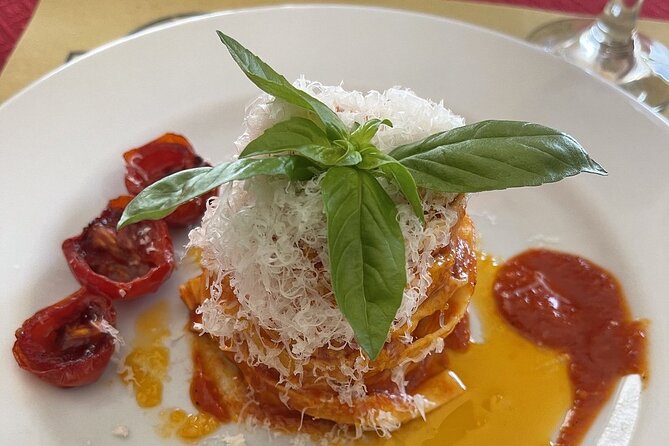
After the market (when it’s included), you walk to the studio. Expect a short, easy transition from street to kitchen—enough movement to feel like you’re out sightseeing, but not so much that you arrive frazzled.
In the kitchen, the vibe is part workshop, part dinner party. The class is designed for small groups (up to 10), so you’re not stuck in the back watching someone else work. Chef instructors do the real teaching, and from the experience reports, the hosts tend to be warm, patient, and big on keeping the room relaxed—including when people have never made fresh pasta before.
If you’re traveling with kids, this is also a good option. The format is described as family-friendly, and multiple notes highlight that the chefs guide people step by step and keep the energy light.
Shopping for Produce in Rome, Then Turning It Into Dinner
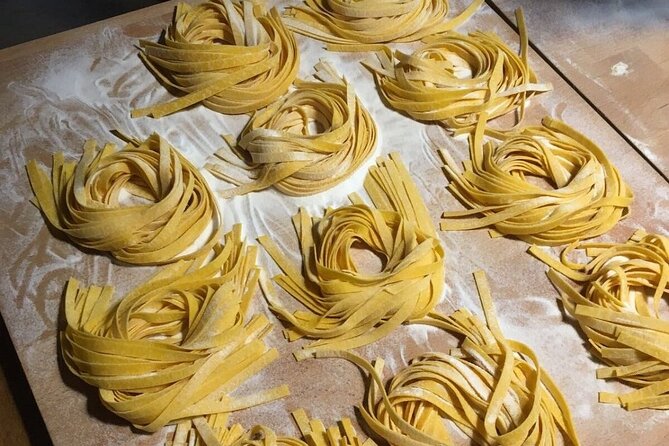
The market portion gives you context you can taste. You see the ingredients up close and learn what to look for. And you also get a feel for how Roman cooking thinks: simple ingredients, strong technique, and sauces that matter.
A useful example from the way the chefs explain food: you might see produce that looks familiar, like artichokes, but gets treated differently than how you’re used to at home. That kind of detail is exactly what makes this stage more than a photo stop.
Practical advice: wear shoes you don’t mind getting a little dusty. Markets are uneven, and you’ll be walking. Also, if you have allergies or strong dislikes, it’s worth flagging it in advance so the kitchen can steer you toward the right dishes when possible.
Fresh Pasta From Scratch: Fettucine, Cavatelli, and Ravioli
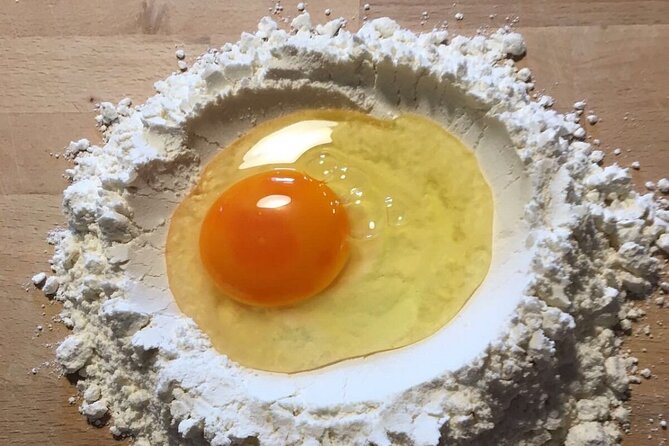
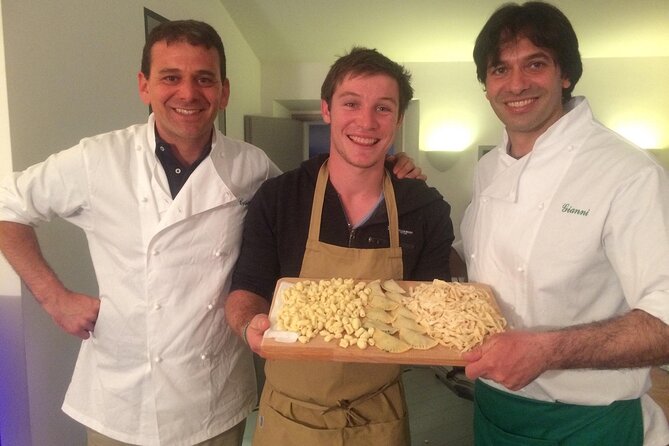
The biggest skill payoff here is pasta. You’ll learn to make pasta from scratch, including shapes like fettucine, cavatelli, and ravioli. That’s a lot of ground for a single class, and it’s also why this experience feels different from the typical cooking show.
What you’re practicing is more than the mechanics of rolling and shaping. You’re learning the logic behind texture and timing. Fresh pasta behaves differently than dried pasta: it needs the right handling and quick attention, and it cooks fast once it’s ready. When chefs teach it well, you end up understanding why the final bite tastes right.
And you’re not left with plain noodles only. The lesson also includes 2 different pasta sauces, so your work doesn’t stop at shaping. You’ll see how to balance sauce and pasta so the result tastes like a proper Roman meal rather than a science experiment.
If you’re thinking you don’t cook much, don’t worry. The class is structured for people at different skill levels, and the hosts are repeatedly described as patient and encouraging while people get their hands moving.
Antipasto Course Options: Roman-Style Starters You Can Recreate
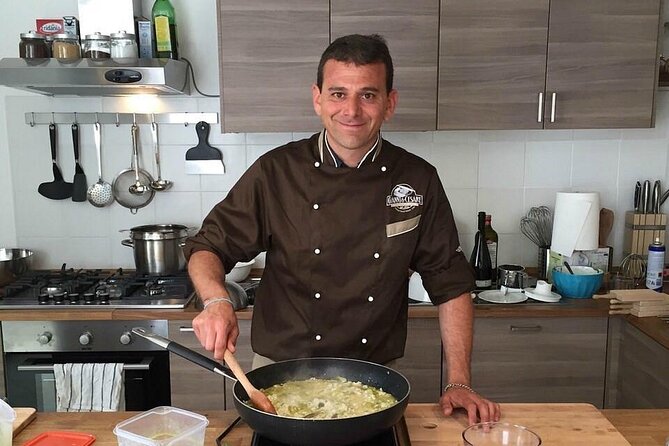
The starters are where you start building your confidence. You’ll make an antipasto, with sample menu options including:
- Zucchini blossoms in tempura
- Roman herbed artichoke
These choices also make sense because they teach useful technique. Tempura-style frying is about control—oil temperature and timing. Artichokes are about cleaning and seasoning, then letting flavor develop. Even if you don’t fry at home often, you can still take away the logic of “how it should look and feel” as it cooks.
Seasonal variation is part of the plan too. The menu notes mention some ingredients are when in season, so your exact starter may shift depending on what’s available that day.


Sauce Skills and Vegan-Friendly Options
One reason this class gets high marks is that it doesn’t treat sauce-making like a leftover step. You actually learn how to make two different sauces for your pasta.
The sample menu includes a water-based pasta option that’s suitable for vegan, plus a fresh handmade egg pasta option. That combination tells you the kitchen is thinking about different dietary needs without shrinking the experience.
What to expect in practice: you’ll follow instructions with guidance, and you should end up with a meal that’s cohesive—pasta and sauce designed to go together, not served as separate components.
Tiramisu: The Dessert Course That Makes the Whole Thing Feel Complete
No Rome cooking class should end with something simple and forgettable. Here, the dessert is tiramisu, made fresh as part of the session.
Tiramisu is a great capstone because it’s not just assembly. It’s about timing and texture. Too much waiting can change what you feel when you take the first bite. Too little can mean it doesn’t set properly. When the chefs guide you through it, the dessert becomes one more skill you can repeat at home rather than a mystery you only taste once.
Because tiramisu is part of the class itself, you’re not rushing to a separate bakery stop afterward. This is one of those “you get your money’s worth” moments: you leave with dinner stored in your memory and a recipe trail for how to recreate it.
Lunch Together: Eating What You Made (With Prosecco and Wine)
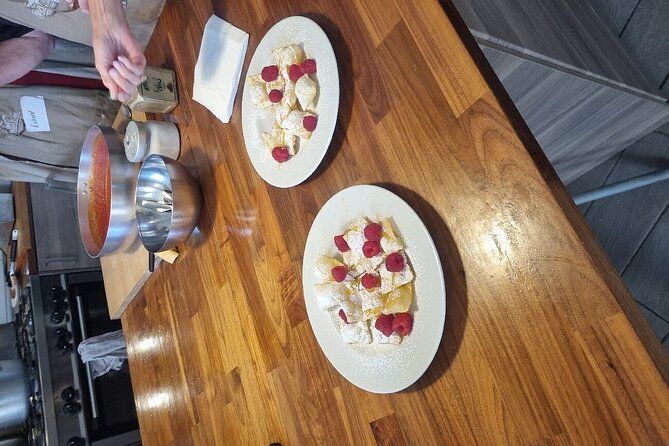
The class is designed to end with the group sharing the meal you cooked. You’ll sit together and eat what you made—starter, pasta, and dessert.
From the experience notes, the hosts also tend to pour drinks during the process. Many mentions include prosecco while prepping and wine with the meal. Even if you don’t drink, the atmosphere is the point: it feels celebratory without turning into a party where nobody learns.
This social side is also practical. When you’re making food together in a small kitchen, you naturally compare notes and ask questions. And since the hosts are described as humorous and engaging (with names like Chef Gianni and Cesare appearing in multiple accounts), the class often feels like a friendly Italian afternoon rather than a stiff lesson.
Price and Value: What You Really Get for $145.18
At $145.18 per person for about 4 hours, you’re paying for more than a meal.
Here’s what’s bundled into that price, based on what the experience includes:
- Instruction from chef instructors while you handle dough, sauce, and dessert
- Ingredients for multiple courses, including fresh pasta components
- A small-group format (max 10), which usually means more attention
- Market time (on most days) to choose produce you’ll actually use
- The meal itself, including dessert
If you compare it to buying dinner plus taking a separate lesson, it’s the structure that makes it feel like value. You’re paying for one event that turns sightseeing into a skill you can reuse.
Also, booking demand is high—it’s on average booked about 45 days in advance—so it’s smart to reserve early rather than wait for last-minute “maybe we’ll do it.”
Practical Tips: How to Get the Most From the Class
You’ll have a better time if you plan like this is an active cooking workshop, not just a tour:
- Arrive on time. The start is 9:20am, and the kitchen schedule matters once you start cooking.
- Wear comfortable shoes for market sidewalks and the short walk to the studio.
- Come hungry, but don’t overdo it. You want enough appetite to enjoy the meal, but you’re also cooking for hours.
- Ask questions early. If you’re confused about timing or texture, ask before you commit your hands to the next step.
- Bring curiosity about ingredients. The market and explanation portion is where you learn the why behind flavor.
And if you’re going on a day when the market is skipped, don’t feel like you missed something. The kitchen portion still gives you the real work: pasta, sauces, and tiramisu.
Who Should Book This Cooking Class (and Who Might Not)
This class is a strong fit if you want an experience that’s:
- Hands-on, with real cooking tasks
- A break from walking Rome all day
- A chance to eat a meal made with fresh pasta and sauces
- A social activity that still teaches skills (small group, shared lunch)
It’s also family-friendly, and multiple notes point out that kids can enjoy it and that beginners can keep up thanks to patient instruction.
You might reconsider if you:
- Prefer very passive activities (this is hands-on by design)
- Don’t like being in a working kitchen for a few hours
- Are relying on the market portion specifically and you’re booking a Sunday or afternoon slot (the market is skipped then)
Should You Book Cook With Us in Rome?
If you want one “I’ll remember this forever” day in Rome that isn’t just another landmark, I’d book it. The combination of a short market start, fresh pasta-making, and a full sit-down meal with dessert is exactly the kind of value that sticks.
You’re also choosing a class that’s consistently praised for what matters most: organized teaching, good pacing, and hosts who keep people comfortable while they learn. With a small cap of 10 people, you’re not a spectator.
The only real decision point is timing. If you want the market experience, aim for a time when it’s included (it’s skipped on Sundays and afternoon classes).
FAQ
FAQ
What time does the Cook With Us in Rome class start?
The 9:20am class starts at the meeting point listed by the operator.
Where is the meeting point?
Meet at VyNique Farnese, Via Dei Baullari, 106, 00186 Roma RM, Italy.
How long is the experience?
The class lasts about 4 hours.
What size is the group?
The experience has a maximum of 10 travelers/people.
Is the market stop always included?
No. On Sundays and in afternoon classes, the market is skipped because it is closed at those times.
What do you learn to cook?
You learn to make pasta from scratch (including fettucine, cavatelli, and ravioli), plus an antipasto, two pasta sauces, and dessert (tiramisu).
Does the menu include vegetarian or vegan options?
Yes. The sample menu includes a water-based pasta suitable for vegan, along with fresh handmade egg pasta.
Is the experience family-friendly?
Yes. The lesson is described as family-friendly.
What languages are the lessons offered in?
The class is offered in English.
What is the cancellation window for a full refund?
Free cancellation is available. You can cancel up to 24 hours in advance for a full refund.