REVIEW · PALERMO
Cooking class in a villa with Palermo view
Book on Viator →Operated by Carlo · Bookable on Viator
Pasta tastes better with a view. In a villa above Palermo in the Conca D’Oro, you cook classic dishes like tagliatelle with pesto or alla Norma, then finish with Sicilian cannoli. It’s farm-to-table in the most practical sense: you pick ingredients from the garden and use them right away.
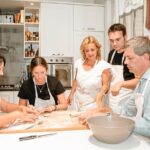
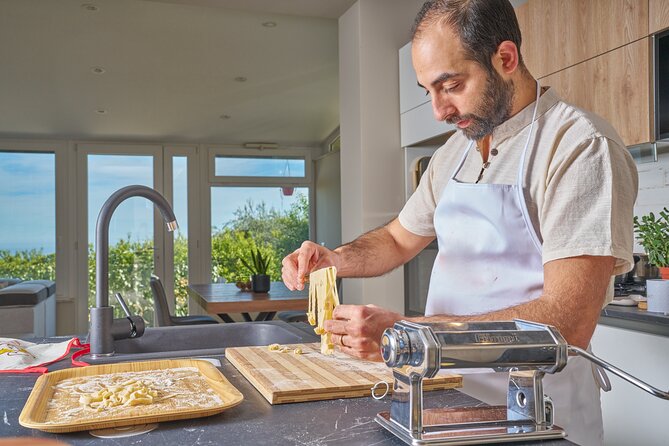
I especially like two things here: the hands-on teaching (you make dough and pasta, not just watch), and the setting—terrace views over Palermo while your food is cooking. The pace also feels relaxed for a class that still gets you real skills, not just a meal.
One thing to plan around: this is weather-dependent, and the meeting point is out near Portella di Mare, so you’ll want to handle transport smoothly.
In This Review
- Key Highlights You’ll Actually Care About
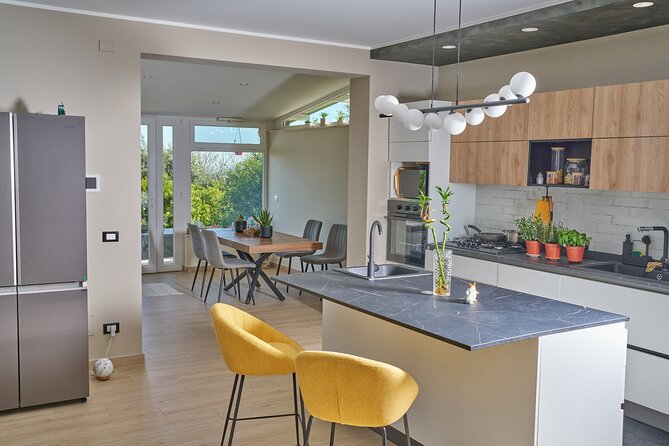
- A Villa Kitchen Above Palermo: The Setting Isn’t an Add-On
- Meet Chef Carlo Di Bartolo: Warm Host, Real Teaching
- The Flow of the 3-Hour Class: Aperitif, Garden, Dough, Dinner
- Picking Ingredients in the Conca D’Oro: Why It Changes the Whole Meal
- Tagliatelle and Sauce: Pesto, Alla Norma, or Fresh Tomato
- Making Cannoli Dough: Technique You Can Actually Use at Home
- Eating the Results: What the Final Meal Feels Like
- Price and Value: $139.13 for a Small, Ingredient-Driven Class
- Getting There: The Meeting Point and Timing Reality
- Weather, Comfort, and Who This Really Suits
- Should You Book This Palermo Cooking Class?
- FAQ
- How long is the cooking class in the Palermo villa?
- How much does the experience cost per person?
- Where is the meeting point, and do I return there?
- Is the class offered in English?
- How many people are in each group?
- What food do you cook and eat?
- Will I receive a ticket for this experience?
- Is confirmation given at booking?
- What happens if the weather is bad?
Key Highlights You’ll Actually Care About
- Garden ingredients first, cooking second: you tour and pick produce you’ll turn into the meal
- A small group: capped at 12 travelers, so you get more direct help
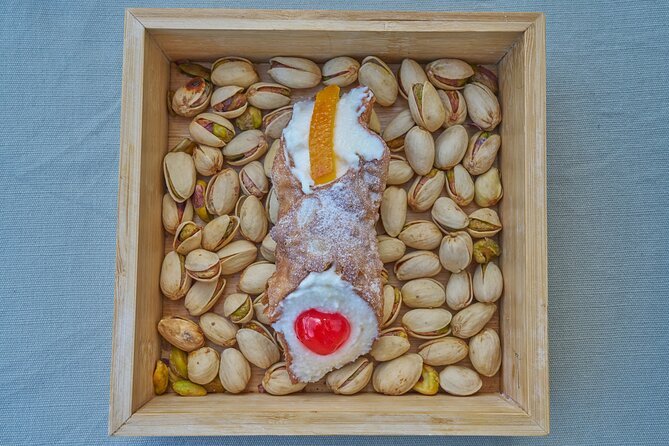
- Two Sicilian staples on the menu: tagliatelle (pesto/Norma/tomato) plus cannoli, with tiramisu as an option
- English instruction: the class is offered in English
- Family-style hospitality: Carlo and his family help create a warm home setting, not a demo
- Scenic terrace dinner: you’re eating with panoramic Palermo views, not in a windowless room
A Villa Kitchen Above Palermo: The Setting Isn’t an Add-On
This class is built around a simple idea: eat Sicily the way Sicilians actually do—good ingredients, family technique, and a meal that takes its time. The home sits in the Conca D’Oro area with a view across Palermo, so you’re cooking with the kind of backdrop that makes even routine tasks feel special.
The garden factor matters too. This isn’t a quick stop where someone points at herbs and moves on. You actually go through the grounds, and you can see what you’ll be cooking with. Even if you’re not a “garden person,” it changes how you taste—everything feels fresher because it literally came from the property.
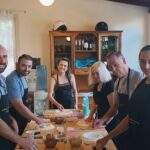
The atmosphere is homey. Multiple people in Carlo’s family are part of the experience, from setup help to teaching support, so the flow feels like you got invited into their day rather than booked into a production. That’s a big part of why this stays consistently high-rated.
You can also read our reviews of more tours and experiences in Palermo.
Meet Chef Carlo Di Bartolo: Warm Host, Real Teaching
The host for this experience is Chef Carlo Di Bartolo, and the teaching style comes through in how the class is described: patient, clear, and focused on getting you comfortable with the steps. The group size cap of 12 helps a lot here. You’re not lost in a crowd, and you’re less likely to feel rushed when you’re working with dough or shaping cannoli.
There’s also a family-team vibe. You may meet relatives involved in the kitchen process—setup and assisting roles show up in the experience description—so you’re not standing alone with a rolling pin. On at least one occasion, food help extended to family needs, including dairy-free support. If you have dietary requirements, it’s smart to message in advance so they can try to accommodate you where possible.
English is offered, so you’re not stuck trying to guess what happens next. You’ll still want to pay attention, because part of the fun is learning technique, not just collecting recipes.
The Flow of the 3-Hour Class: Aperitif, Garden, Dough, Dinner
Expect a roughly 3-hour experience that starts at the meeting point in Portella di Mare and ends back there. It’s structured, but not rigid. The class tends to feel like: settle in, start with local products, visit the garden, cook in stages, then eat what you made.
Right at the beginning, you’ll start with an aperitif made with local products. In practice, that often means a casual drink experience that sets the tone—more “come in and relax” than “take your seat and be quiet.” It also gives you time to meet the group and get your bearings before you start working.
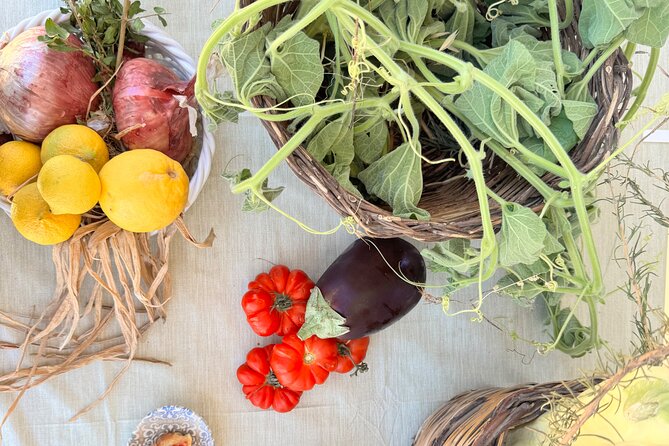
Then comes the garden portion. You tour the property and pick ingredients used in the recipes. You might see herbs, tomatoes, and other produce used for the meal, and you get to choose items that end up in your own plates. This is one of the most valuable parts because it makes the rest of the class easier to understand. When you know what ingredient you’re using, you also understand what it should taste like at the end.
Picking Ingredients in the Conca D’Oro: Why It Changes the Whole Meal
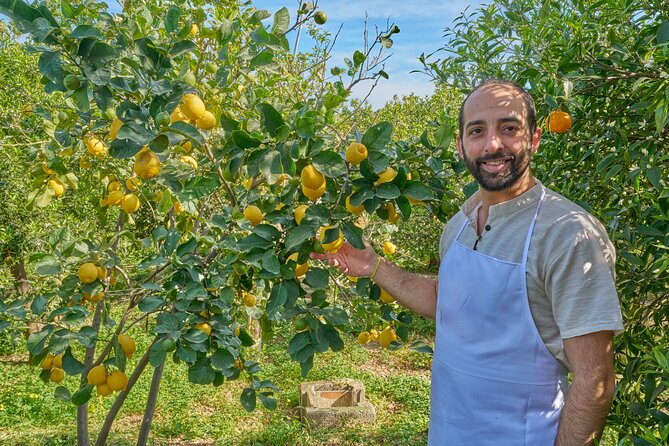
Garden-to-table is a popular phrase. Here, it’s literal. You’re not just eating “fresh.” You’re using ingredients you selected from Carlo’s property, then seeing those same flavors show up in your sauce and fillings.
The payoff shows in the way the meal is described: tomato-based flavors taste brighter, herbs taste more alive, and olive-oil-driven dishes feel rounded. Cannoli and pasta both benefit from this attention to ingredients. Even if you’re a confident cook, the ingredient quality and Sicilian technique make it worth your time.
There’s also a fun sensory element. Walking through the garden while learning what’s used for pesto and tomato sauces gives you context you don’t get in a typical city cooking class. You leave with more than instructions—you leave knowing what to look for at home when you shop.
Tagliatelle and Sauce: Pesto, Alla Norma, or Fresh Tomato
The main savory dish is tagliatelle paired with one of these Sicilian choices: fresh pesto, alla Norma, or a fresh tomato sauce. Your exact version can vary, but the method and spirit are consistent: you make the pasta and then build a sauce that matches Sicilian tradition.
If you land on pesto, you’re using herbs grown on-site. That’s the key difference. Basil pesto is only as good as the basil and oil balance, and here you get to taste the ingredients as you go. The result is the kind of sauce that doesn’t need heavy editing—your pasta tastes like food, not “pasta with flavoring.”
If your class uses alla Norma, you’ll be working with a more distinctive Sicilian profile. This is where the instruction feels especially useful: you learn how the sauce components should come together so the eggplant and tomato flavors don’t blur. Even if you’ve had Norma in restaurants, learning the structure helps you recreate it better at home.
And if you do fresh tomato sauce, it’s a lesson in simplicity. You see how tomatoes turn into a sauce rather than staying “raw-ish.” It’s one of those meals where technique matters more than ingredients count.
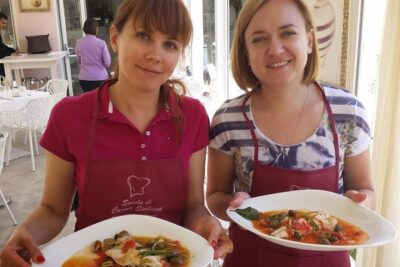
The bonus: you get a finished plate at the end, so you’re not left hungry while you wait for “later.”

Making Cannoli Dough: Technique You Can Actually Use at Home
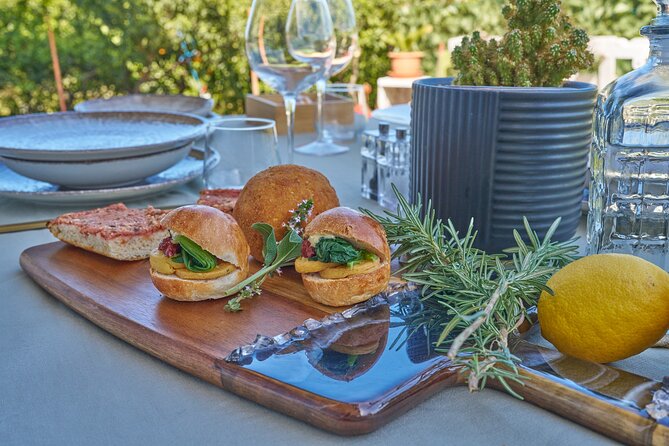
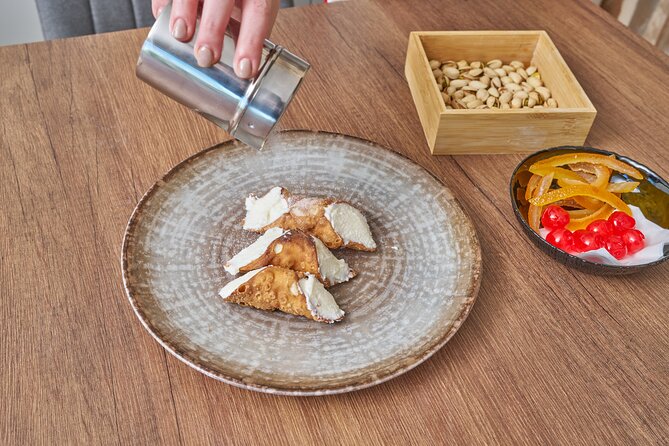
Cannoli is the dessert that draws people in, and it’s also the skill that makes the class feel legit. You don’t just eat cannoli—you learn how to work with the dough for the shells and get comfortable with the process.
Learning cannoli is also a great way to understand Sicilian pastry thinking. The dough needs the right handling, and the shell texture depends on careful work. When you learn the steps, you gain confidence for making it yourself rather than treating cannoli as some restaurant-only miracle.
The filling is just as important, and you’ll follow the approach taught in the class so the dessert tastes balanced. Many classes like this end with one sweet bite. Here, you get a real finish: cannoli as a centerpiece, and in some runs, tiramisu may appear as the dessert option instead (the sample menu lists cannolo/tiramisu).
If you’re traveling with people who claim they don’t like cooking desserts, this is still a safe bet. The technique and the taste come from real ingredients and taught method, not sugar-only shortcuts.
Eating the Results: What the Final Meal Feels Like

Once the cooking is done, you sit down to eat what you made. The meal is part of the teaching—how sauces cling, how pasta holds, and how dessert balances your palate. And because you’re at the villa with sweeping Palermo views, you’re eating in a different category than a standard class table.
You’ll likely pair the courses with wine or local drinks as part of the aperitif and meal flow. The class description emphasizes local products at the start, and the experience is consistently described as including drinks that fit the Sicilian rhythm.
This matters for value. You’re paying for a full experience, not a half-cooked snack. By the end, you’ve worked, tasted, and learned enough that you can explain the dishes to someone else at home.
Price and Value: $139.13 for a Small, Ingredient-Driven Class
At $139.13 per person for about 3 hours, the cost isn’t cheap. But it’s also not random pricing. You’re paying for:
- instruction from Carlo and family in a small group (max 12)
- ingredient sourcing from the property (garden produce used immediately)
- a full meal that includes the cooking results, not only a tasting
If you’re only comparing it to a restaurant plate, it’ll look pricey. But if you compare it to other hands-on cooking experiences—where ingredients may be generic and groups may be larger—this feels more like good value. The garden tour plus cooking plus eating all in one setting is what keeps it fair.
Also, the average booking window is about 46 days in advance, which is a hint that good spots and dates go quickly. If you want a specific day, don’t wait until the last minute.
Getting There: The Meeting Point and Timing Reality
The start is at Via Nazionale, 240, 90036 Portella di Mare (PA), Italy, and the activity ends back at the meeting point. That round-trip design is helpful. You don’t end up wondering where you’re supposed to go next.
Because the villa is outside the core city center, your transport plan matters. Some descriptions note help arranging transportation, so if you’re not sure how you’ll get there, ask in advance. Good timing helps too: arrive on time so you don’t miss the aperitif and the garden tour.
Bring practical items. Comfortable shoes matter because you’ll likely walk around the property. If weather is warm, bring sun protection. If weather is cooler, a light layer helps on terraces.
Weather, Comfort, and Who This Really Suits
The experience requires good weather. That’s not a minor detail here—this class uses an outdoor setting with terrace views and garden time. If the weather is bad, you’ll be offered a different date or a full refund.
Who will love it most:
- food-first travelers who want skills, not just photos
- couples, small groups, and families who enjoy hands-on work
- people who like the idea of Sicily beyond the usual city routine
Families can do well here. There are clear mentions of children being welcomed and guided, including gentle support so kids can keep up with tasks.
If you strongly prefer a seated, purely educational class, you might find the hands-on cooking part messier than you want. But if you’re game for flour on your hands and learning by doing, this experience fits.
Should You Book This Palermo Cooking Class?
I’d book it if you want a Sicilian cooking day that feels like a real home meal, with garden ingredients, real technique, and a small group size that keeps the experience personal. It’s also ideal if you’re the type who wants to bring skills home—not just memories.
Skip it only if you’re uncomfortable with outdoor components and weather dependence, or if you’re expecting a quick “demo” style session. This is a working cooking class: you’ll roll dough, shape pasta, and finish with what you made.
If you’re in Palermo and you can line up the weather and transport, this is one of the best ways to spend a few hours that turns into something you’ll actually use later.
FAQ
How long is the cooking class in the Palermo villa?
It’s about 3 hours.
How much does the experience cost per person?
The price is $139.13 per person.
Where is the meeting point, and do I return there?
You start at Via Nazionale, 240, 90036 Portella di Mare PA, Italy and the experience ends back at the meeting point.
Is the class offered in English?
Yes. The experience is offered in English.
How many people are in each group?
The activity has a maximum of 12 travelers.
What food do you cook and eat?
You prepare fresh tagliatelle with pesto, alla Norma, or fresh tomato sauce, and you finish with Sicilian cannoli (or tiramisu, depending on the dessert portion offered).
Will I receive a ticket for this experience?
Yes. You’ll receive a mobile ticket.
Is confirmation given at booking?
Yes. Confirmation will be received at time of booking.
What happens if the weather is bad?
This experience requires good weather. If it’s canceled due to poor weather, you’ll be offered a different date or a full refund.