REVIEW · SICILY
Sicilian Cooking Class in Taormina
Book on Viator →Operated by SAT Group · Bookable on Viator
Great Sicilian food starts at the market.
I like that this class is chef-led and hands-on, not a sit-and-watch show, and I also love the ingredient-shopping walk near Porta Messina so you see what locals buy and why. One thing to consider: the experience is held in/around a working restaurant area, so it can get noisy, and group size can affect how much you see and hear.
You’ll start at Ristorante Pizzeria Porta Messina (Largo Giove Serapide, 4) at 10:00 am, walk to the outdoor stalls, then head into the cooking phase right after. Expect a 3-course Sicilian lunch you help make, plus water, coffee/tea, snacks, and wine with the meal.
In This Review
- Key highlights worth your time
- Porta Messina Market: Where the day really begins
- Picking ingredients like a Sicilian cook
- Apron on: The hands-on cooking phase
- What you may cook (menu changes with season)
- No sitting still: you’ll be cooking more than once
- Lunch at the table: eating what you made
- Special diets: tell them early
- Wine, coffee, and the pacing of the meal
- Who might teach your class (and what that means for you)
- Group size, timing, and what to bring
- Price and value: is $127.03 worth it?
- Should you book the Sicilian Cooking Class in Taormina?
- FAQ
- What time does the cooking class start in Taormina?
- How long is the class?
- How much does it cost per person?
- Where do we meet?
- Is the class in English?
- What’s included with the ticket?
- Is extra alcohol included?
- How big are the groups?
- Do I get a certificate?
- FAQ
- What’s the cancellation window?
- Does the menu change?
Key highlights worth your time
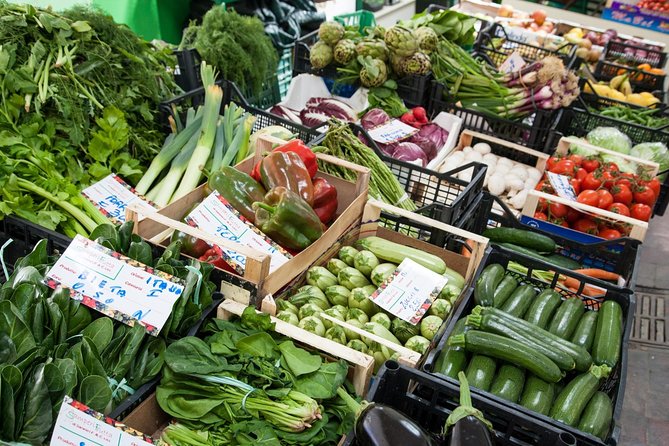
- Market shopping near Porta Messina: pick produce with the chef and get the local “what’s best today” lesson
- You cook the pasta: expect hands-on shaping and making maccheroni (menu changes by season)
- Real Sicilian flavors: caponata, pesto di pistacchi, parmigiana di melanzane, and fish dishes like alla ghiotta show up often
- Wine included with lunch: enough to keep the meal moving, not just a token sip
- Certificate at the end: a small keepsake that makes it feel official
- Small-group feel (up to 20): usually personal, though any class can vary by day and seating
Porta Messina Market: Where the day really begins
Your morning starts close to Porta Messina in Taormina’s historic center, at Ristorante Pizzeria Porta Messina. The meeting point matters because it gets you into the right rhythm immediately: a quick intro, then you’re out walking toward the outdoor market.
This part is less about shopping as a tourist and more about shopping like a cook. You’ll stroll among stalls with fruits and vegetables, and you’ll hear sellers calling out their goods as you go. The chef (and guide, in English) will explain what to look for—seasonal ingredients, quality signals, and how Sicilian cooking depends on what’s available right now.
A practical tip: wear comfortable shoes. The market walk is short, but it’s enough walking on uneven ground to make flip-flops feel like a bad idea. Also bring a light layer. Morning shade can be chilly, then you’ll warm up once you start cooking.
You can also read our reviews of more tours and experiences in Sicily.



Picking ingredients like a Sicilian cook
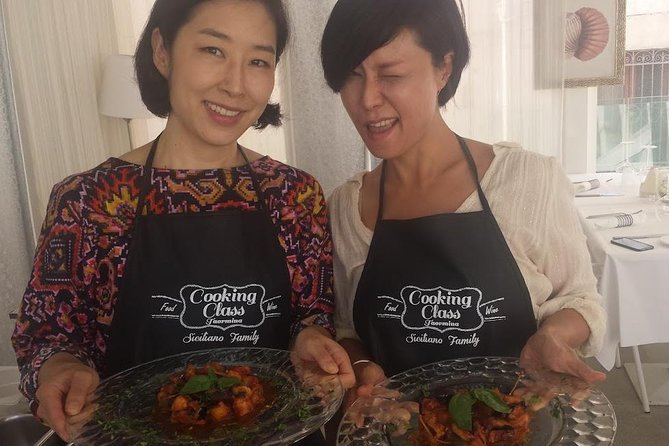
What makes this class click is the connection between the market and your meal. You’re not just grabbing random produce. You’re picking ingredients for the menu you’ll cook later, and you’ll get the chef’s reasoning.
Sicilian cuisine has a logic to it:
- Seasonal produce drives the flavors (and your menu)
- Volcanic soil is part of the story for why vegetables taste so good
- Mediterranean waters help explain why seafood flavors stand out
That “why” matters because it changes how you cook when you’re back home. Instead of copying a recipe word-for-word, you start thinking like the cook: tomato choices, herb timing, and how to balance sweet/sour elements (like in caponata).
Apron on: The hands-on cooking phase
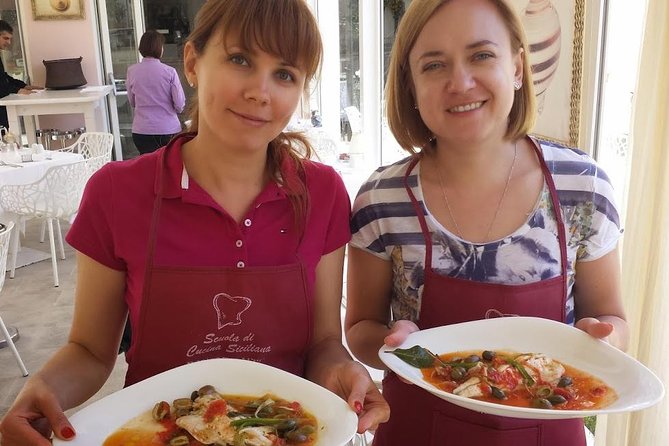
Once ingredients are chosen, you head to the cooking location. You’ll strap on an apron and move right into tasks: chopping, cooking, assembling, and tasting along the way.
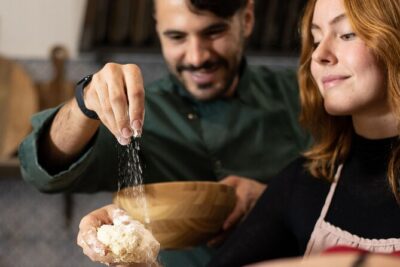
This is the real payoff if you like learning skills you can use later. A number of classes described pasta-making as a core moment, and you should expect to get your hands into the work—not just watch.
What you may cook (menu changes with season)
The menu shifts regularly based on what’s in season, but here are favorites that commonly show up:
- Starter: Sicilian caponata
Mixed sautéed vegetables with a sweet-and-sour sauce. It’s a great training dish because it teaches balance, not just technique.
- Main: Hand-made maccheroni with tomato sauce
You’ll be making maccheroni, and the sauce is prepared with fresh tomatoes. This is one of those lunches where the “simple” parts are actually the hardest to do well.
- Main: Fish alla ghiotta
Fish cooked with tomatoes, garlic, parsley, capers, and olives. It’s bold, salty, and herb-driven—the kind of flavor you usually have to travel to get.
Depending on the day, you might also see dishes like:
- Parmigiana di melanzane (baked eggplant layered with tomato and Parmesan)
- Pasta al pesto di pistacchi (pistachio pesto)
You’ll also hear lots of small technique talk during the cooking—how to chop for the dish, timing for sauce, and how to treat fish so it doesn’t end up bland or overcooked.
No sitting still: you’ll be cooking more than once
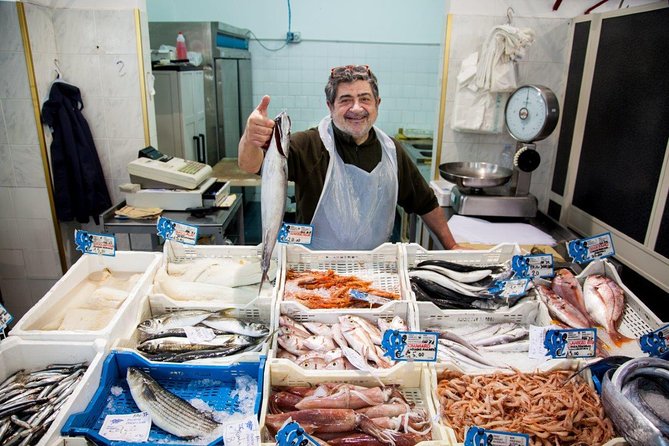
Some cooking classes give you one tiny role. This one is structured so you’re doing multiple steps.
In practice, that means you’ll likely rotate through tasks: preparing components for the starter, helping form or shape pasta, and then moving into cooking/assembling for the mains. If you love the “let’s make the whole meal” feeling, this format usually lands well.
One consideration: the cooking area can be part of a working restaurant environment. That can mean noise and bustle while you’re learning. If you’re the type who needs quiet to hear instructions, consider arriving with the mindset of watch, ask, then try—and know that you’ll learn by doing.






Lunch at the table: eating what you made
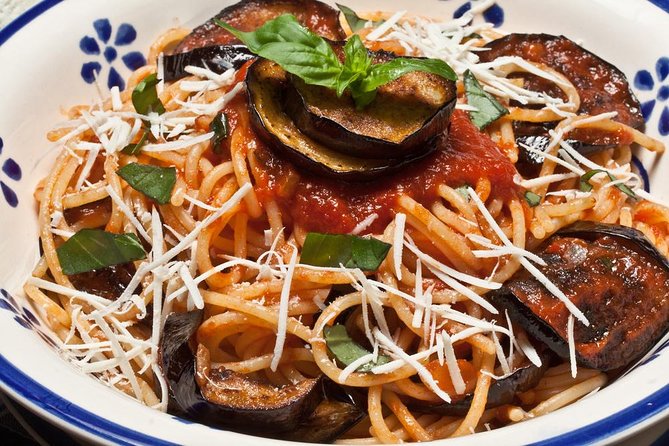
When the cooking wraps up, you eat your 3-course lunch at a restaurant table. This is where the whole day comes together, because you finally stop moving and just focus on flavor.
Expect:
- the starter (often caponata)
- a hand-made pasta course with fresh tomato sauce (maccheroni)
- a second main, frequently fish like alla ghiotta
Wine is included with lunch. Coffee and/or tea, water, and snacks are also part of the deal. Translation: you’re not doing a “dessert-only” moment. You’ll have a proper meal.
A fun detail from the way people describe the day: you’ll often be offered lots of food along the way, and the staff try to keep the energy up while you cook. I’d still keep expectations realistic—this isn’t a private chef dinner with unlimited extras—but it does sound like the class is built around feeding you.
Special diets: tell them early
If you have dietary needs, you should flag them when booking. There’s evidence of care for at least one fish/seafood allergy and vegetarian needs. Don’t wait until the day-of—language and timing matter.
Wine, coffee, and the pacing of the meal
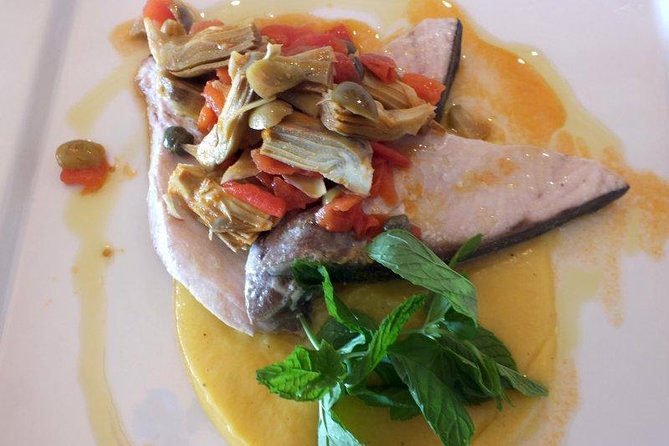
The wine situation is mostly positive in the details you’re given, and it’s clearly part of the lunch experience. But as with any group activity, how it feels can depend on the day’s pacing and staffing.
Here’s what you can count on from the provided info:
- Wine is included with lunch
- Extra alcoholic beverages are not included
So you’re covered for the included wine, but if you want more than what they serve as part of the class rhythm, plan for that to be on you.
Also: you’ll get coffee and/or tea. That’s a nice closing touch when you’re done cooking and you just want something warm before you head back out.
Who might teach your class (and what that means for you)
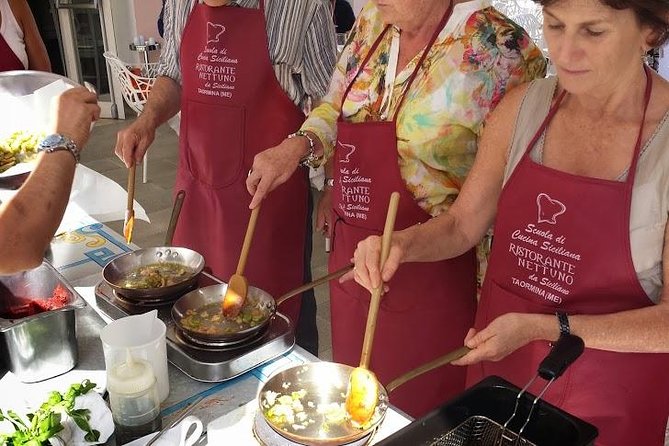
The class is offered by SAT Group, and the chefs guiding the cooking phase show up under names like Giovanni, Domenico/Dominic/Dominico (spelling varies), Mimmo, and Paolo, along with other team members mentioned in some classes. In plain terms: you’re booking an organized experience, but the personality of the chef matters.
Most descriptions lean toward attentive, patient teaching and a friendly vibe. Still, it’s fair to say the class quality can shift if the group is larger or if the day’s instructor style is less interactive.
If you’re sensitive to instruction volume (or you need clear step-by-step guidance), I’d aim to book earlier rather than last-minute. Earlier booking often helps you get your preferred time slot and the operator can plan staffing more smoothly. (That’s just common sense for any hands-on experience.)
Group size, timing, and what to bring
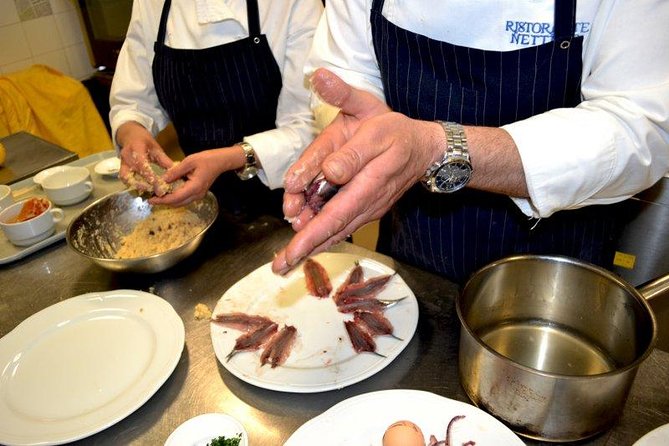
You’ll likely be in a group sized for a hands-on flow, with a maximum of 20 travelers and a minimum of 2. Classes are offered in English.
Timing is straightforward: about 4 hours total, starting at 10:00 am. That means:
- you get a morning market walk
- you cook and eat without rushing into an afternoon program
- you’re done early enough to explore more of Taormina afterward
What to bring:
- Comfortable shoes for the market and cooking area
- A light layer (Taormina mornings can shift quickly)
- A big appetite and a willingness to do real work
What you won’t need: you’re provided an apron and you’ll get food, water, and the drinks listed as included.
Price and value: is $127.03 worth it?
At $127.03 per person, this is a splurge compared with doing a self-guided food walk and buying lunch on your own. The value comes from three things you’re paying for at once:
1) A market walk with an ingredient-selection lesson
You’re not just buying produce. You’re learning how chefs choose what’s seasonal and what makes a dish work.
2) Hands-on cooking of a full 3-course meal
This includes making pasta and working through Sicilian dishes like caponata and fish alla ghiotta. You’re also getting the technique talk while you cook, which is where cooking classes earn their money.
3) Lunch plus wine (coffee/tea and snacks too)
If you like wine with meals, this inclusion pushes the value higher fast. Even if you don’t drink much, you’re still getting a full sit-down lunch made by you.
So ask yourself: do you want a tasting tour, or do you want a skill-building food day? If you want the skill part, this price starts to make more sense.
Should you book the Sicilian Cooking Class in Taormina?
Book it if:
- you want hands-on Sicilian cooking, not just a meal out
- you like markets and the idea of choosing ingredients before cooking
- you’re excited to make pasta and eat a real 3-course lunch
- you’ll enjoy included wine and a social table meal
Skip it (or choose carefully) if:
- you need a very quiet, classroom-style environment
- you’re worried about hearing instructions in a busier restaurant setting
- you want a super small group experience where you’re guaranteed maximum instructor attention (group size is capped, but the day can still feel lively)
If you’re on the fence, I’d treat this as a “top activity” day in Taormina rather than an optional extra. Four hours here can replace a whole afternoon of eating out, because you’re learning while you eat.
FAQ
What time does the cooking class start in Taormina?
It starts at 10:00 am.
How long is the class?
It’s about 4 hours.
How much does it cost per person?
The price is listed as $127.03 per person.
Where do we meet?
You meet at Ristorante Pizzeria Porta Messina, Largo Giove Serapide, 4, 98038 Taormina ME, Italy.
Is the class in English?
Yes, it’s offered in English.
What’s included with the ticket?
The included items are a local multilingual guide, lunch, coffee and/or tea, water, wine, apron, a cooking certificate, and snacks.
Is extra alcohol included?
No. Extra alcoholic beverage is not included.
How big are the groups?
The tour has a maximum of 20 travelers, and a minimum of 2 applies.
Do I get a certificate?
Yes. You receive a cooking certificate at the end.
FAQ
What’s the cancellation window?
You can cancel for a full refund up to 24 hours before the experience starts.
Does the menu change?
Yes. The menu changes regularly based on what’s in season.