REVIEW · ROME
Cooking Class in Rome: Make Fettucine & Tiramisù with Chef Paolo
Book on Viator →Operated by cheforaday · Bookable on Viator
Rome tastes better when you make it. This hands-on class has you learning fettuccine technique and turning simple pantry ingredients into a real Italian meal, plus you get to eat what you make with wine and limoncello. One thing to know up front: you mainly cook the pasta and tiramisù, while the sauce choice is more about selecting a style than doing a full sauce lesson from scratch.
You’ll be in a small kitchen setting in the center of Rome, taught in English with step-by-step guidance. I like that the focus stays practical: you’ll work with your hands, learn how the dough comes together, and leave with confidence for making classics at home.
Timing is tight, about 2 hours, so plan to arrive ready to cook and hungry. Also, the meeting address is in a busy area, so you may want to give yourself a few extra minutes to find the restaurant entrance and get settled.
In This Review
- Key highlights
- Rome Cooking Class With Chef Paolo: What This Really Gives You
- Meeting Point in Central Rome: Finding V. della Croce, 34 Without Stress
- Small Group, English Instruction, and a Real Kitchen Pace
- The Pasta Lesson: Turning Egg and Flour Into Fettuccine
- Choosing Your Sauce: Amatriciana, Cacio e Pepe, or Tomato With Basil
- Tiramisu in One Shared Flow: How the Dessert Comes Together
- Lunch or Dinner Setup: Eating What You Cook
- Wine, Limoncello, and the Table That Forms
- What You’ll Remember: Skills That Actually Transfer Home
- Price and Value: Is $116 Worth It in Rome?
- Who Should Book: Families, Couples, and First-Timers
- Practical Tips to Get the Best Night
- Should You Book Chef Paolo’s Fettuccine and Tiramisù Class?
- FAQ
- How long is the cooking class?
- Where does the class meet in Rome?
- Is the class offered in English?
- What pasta options do I get to choose?
- Is wine included?
- Is limoncello included?
- What else is included besides the cooking class?
- Are sauces included?
- What is the minimum age for kids?
- Is free cancellation available?
Key highlights
- Chef-led, hands-on cooking: fettuccine from egg and flour dough techniques you can repeat.
- Small-group feel: a maximum of 20 people, with English support.
- Pick your pasta sauce: amatriciana, cacio e pepe, or tomato with basil to match your taste.
- Tiramisu made together: the whole group prepares it in a shared flow, then you sit down and eat.
- Included meal + drinks: wine, water, limoncello at the end, plus coffee or espresso options.
- Earn an award certificate: a fun keepsake that makes the class feel official.
Rome Cooking Class With Chef Paolo: What This Really Gives You
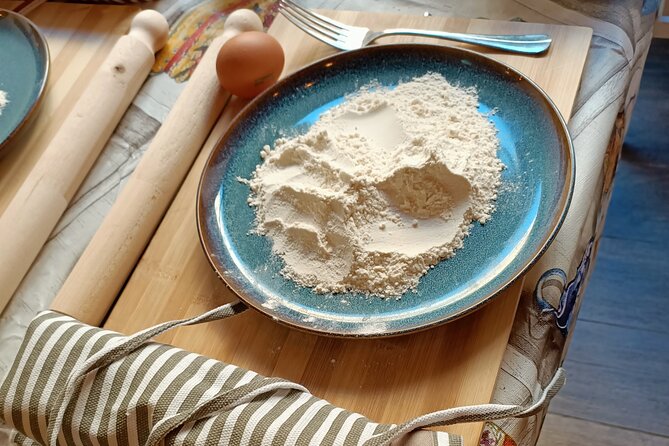
If you’re in Rome and want more than a good dinner, this type of class is a smart move. You’re not just tasting Italian food. You’re doing the work that creates it, so you understand why it tastes the way it does.
Chef Paolo’s class is built around the oldest version of the pasta-making idea: egg and flour become dough, dough becomes fettuccine, and then you learn how that pasta fits into the meal. The real win for you is that you’ll come away with a repeatable process, not just a memorable night.
There’s also a social side that helps Rome feel less like a museum and more like a living city. People cook together, then eat together, and the room usually turns into the kind of table talk you can’t get from a formal tour.
You can also read our reviews of more tours and experiences in Rome.


Meeting Point in Central Rome: Finding V. della Croce, 34 Without Stress
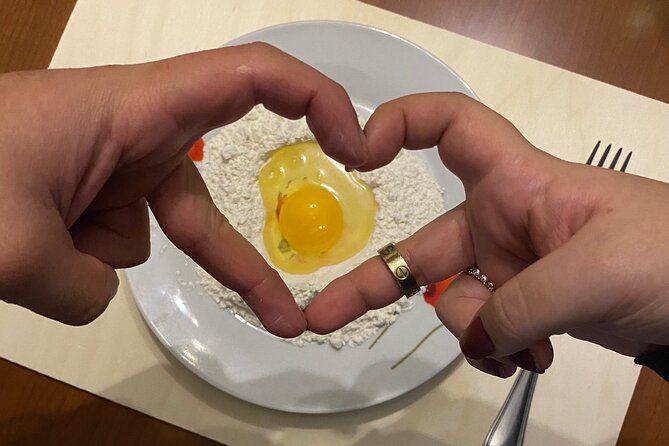
The class meets at V. della Croce, 34, 00187 Roma RM. It ends back at the same meeting point, so you’re not hunting for a return stop later.
In practice, the biggest thing you’ll want to protect is your arrival timing. The location is walkable in central Rome, but restaurant entrances in this area can be easy to miss if you’re moving fast and not looking for the right door.
I’d treat this like a small-crew activity. Give yourself extra time, have the mobile ticket ready, and plan to arrive a bit early so you can settle before you start working dough.
Small Group, English Instruction, and a Real Kitchen Pace
This is capped at 20 travelers, and that size matters. In a big class, you can feel like you’re watching. Here, you’re more likely to have your hands involved and get quick fixes when needed.
English instruction is included, which is huge in a cooking setting. Words like knead, rest, and consistency sound simple, but in the moment you need clear direction, not guessing.
I’ve seen multiple instructor names mentioned across experiences connected with this class style, including Chef Paolo and teachers named Lucas, Irene, Ricardo, and Roberto. What you should expect, regardless of the instructor, is step-by-step support with a friendly rhythm, not a hands-off demo.
The Pasta Lesson: Turning Egg and Flour Into Fettuccine
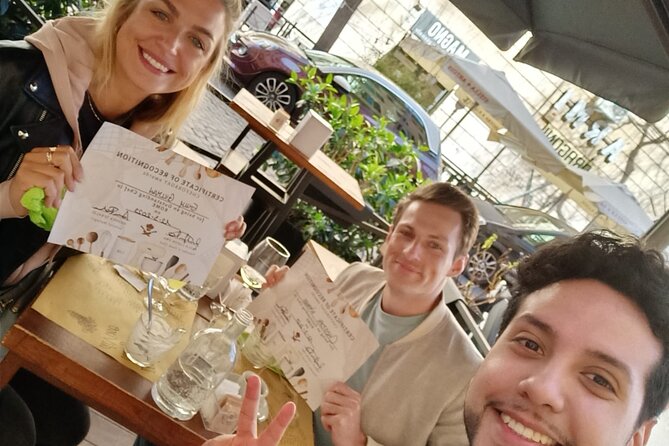
This is the core of the experience: making pasta by hand. You start with dough basics and learn how simple ingredients behave when you work them properly. Flour and egg can be stubborn if you treat them like a cake batter, so the technique is the point.
In a good pasta class, the goal is not perfection. The goal is knowing what to look for: how the dough should feel, when it needs more work, and how that affects the final texture.
One practical detail: pastas are cooked together in the group, divided by the sauce you choose. So while you are making and shaping pasta, the kitchen cooking side runs in batches. That helps keep the whole class moving in a smooth 2-hour window.
If you’re worried you’ll be slow or messy, you’re not alone. Fresh pasta dough is physical and slightly chaotic at first. The learning comes from repeating the motion until it clicks.
Choosing Your Sauce: Amatriciana, Cacio e Pepe, or Tomato With Basil
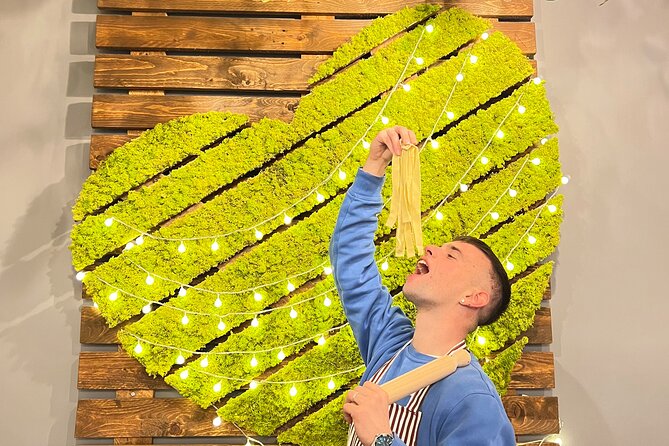
Your menu includes a sauce of your choice for the pasta. You can pick between amatriciana, cacio e pepe, or tomato with basil.
Here’s the trade-off to understand before you book: the class promise leans toward teaching pasta and tiramisù directly, not turning you into a sauce chef. In other words, sauce selection is a big part of customization, but the sauce itself isn’t the main hands-on skill you’re practicing.
That’s not a deal-breaker. In fact, it’s often what makes the class work for beginners. You get a classic Roman flavor direction without the extra time it takes to teach a full sauce process step-by-step.
Still, if your dream is to learn every component from scratch, you may want to pair this class with a separate food-focused session later in your trip.




Tiramisu in One Shared Flow: How the Dessert Comes Together
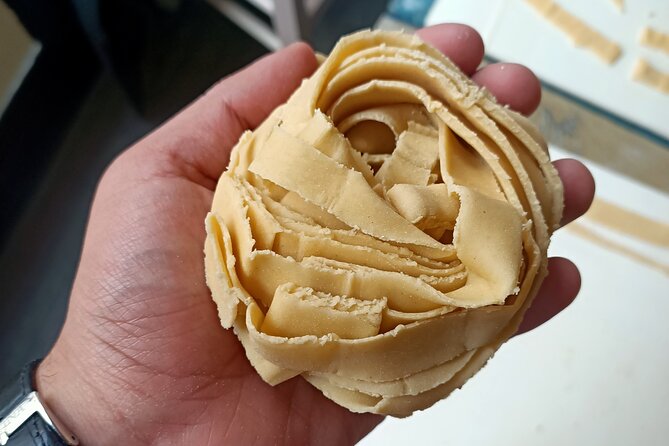
Tiramisu is made together by the group, with the dessert cooked all together. That shared rhythm is part of why tiramisu is a perfect fit for a short class.
This dessert is built on timing and technique, especially when you’re working with ingredients that need the right balance of softness and structure. If you’ve ever felt intimidated by tiramisu, this style of class tends to remove the mystery quickly.
Also, tiramisù isn’t just a sweet ending here. It’s a skill you can bring home because the process is repeatable. When you understand how the layers set and how the texture changes, you stop treating tiramisu like a lottery.
You’ll then sit down to enjoy your dessert with the rest of the meal, which is where the class really becomes a full experience rather than a quick food workshop.
Lunch or Dinner Setup: Eating What You Cook
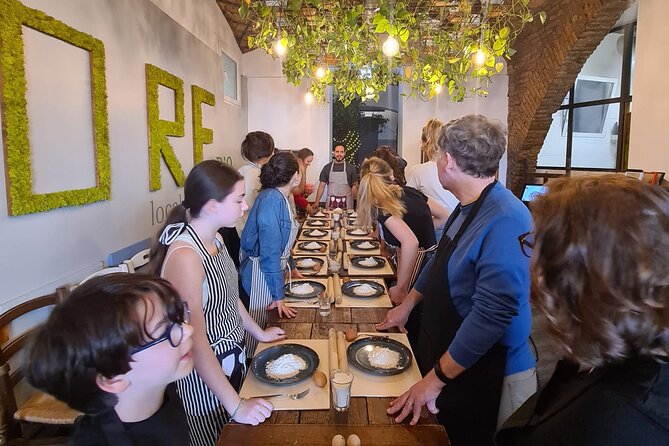
The class meal is served as either a lunch-style or dinner-style sitting depending on the timing of your session. You cook together, then you eat a plate of your pasta first and finish with your tiramisù.
Your pasta is served with the sauce you chose, and the experience is designed so you’re not stuck waiting alone while others finish. The shared cooking and shared eating help the night feel like something you did, not something you watched.
Included with the meal:
- Bottled water
- A glass of wine you choose (white or red), or a soft drink alternative
- Limoncello at the end of the meal
- Coffee and/or tea at the end, with limoncello or espresso options described in the experience info
For me, this is a key value point. In many cooking classes, you cook a little, eat a little, then you’re done. Here, the included meal makes the work feel worth it.
Wine, Limoncello, and the Table That Forms
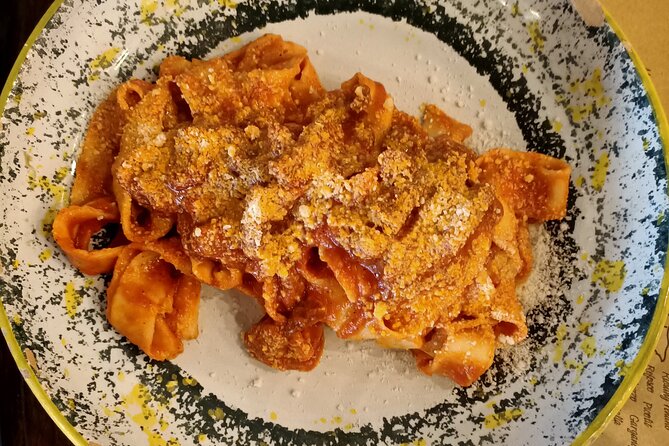
Rome is a city where food turns into conversation. This class leans into that. After the cooking, you’re in a dining moment with your group, and it’s easier to meet people when everyone is eating the same thing they just made.
The wine and limoncello are part of the mood, but also part of why the class feels like Italian hospitality rather than a demo. Even if you keep it light, you’ll still get a complete meal arc.
This is also a good place to unwind if your day has been packed with sights. Two hours is long enough to feel productive and short enough that you still have energy for a later stroll.
What You’ll Remember: Skills That Actually Transfer Home
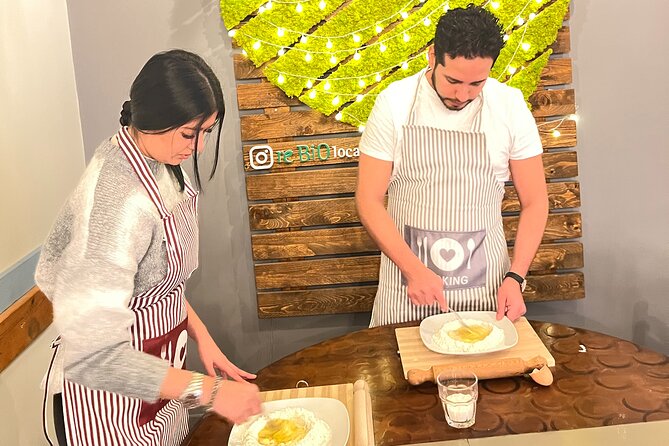
The best souvenir from a cooking class isn’t a fridge magnet. It’s the process you can repeat.
From this class, the most valuable takeaway is pasta technique. Learning how dough comes together and how fettuccine is formed gives you a baseline you can use for future variations.
For tiramisù, you’re not just learning a recipe. You’re learning how the layers behave and how to make it with the right texture when you’re not in a restaurant kitchen.
You also receive an award certificate, which might sound small, but it’s a nice way to make the experience feel real and finished. In a city full of tours, this adds a personal stamp.
Price and Value: Is $116 Worth It in Rome?
At $116.14 per person, this is not a bargain. It’s also not priced like a private cooking extravaganza.
Here’s how I’d judge the value for you:
- You’re paying for hands-on instruction in English with a full meal included.
- The cost covers the instructor time, kitchen setup, equipment, and the ingredients that turn into both pasta and tiramisù.
- The drinks inclusion helps too: wine or soft drink, plus limoncello, plus coffee/tea options.
If you were to try making fettuccine and tiramisù on your own, you’d spend money on ingredients and kitchen time, but you’d also lose the guidance. Guidance is what reduces mistakes and speeds you to an outcome you can feel good about.
So yes, it’s a solid choice if you want a memorable, practical evening rather than another restaurant meal. If you’re an advanced cook chasing more technical depth, you might find the sauce portion less satisfying, since sauce-making isn’t the central focus.
Who Should Book: Families, Couples, and First-Timers
This experience is set up for beginners and casual cooks. That’s great if you’re new to Italian cooking or just want a low-pressure way to learn.
It’s also a strong family option because kids can join if they meet the minimum age. The info states that kids under the minimum age of 7 must follow the class with one of the parents. That means you’ll want to bring the right age range if you’re traveling with children.
For couples, the shared work and the shared meal can be a nice break from sightseeing. You’re doing something active together, then celebrating with wine and dessert.
For solo travelers, this type of class can be hit-or-miss based on how easily you get oriented to the meeting spot. The class is at a restaurant, and if you arrive flustered, the start can feel harder. If you like having clear directions and a smooth check-in, aim to arrive early and have your map ready.
Practical Tips to Get the Best Night
A few small things can make the difference between fun and frustrating:
- Wear something you don’t mind getting flour on. Pasta dough is messy in the friendly way.
- Plan to stay present during the hands-on portions. In a short class, losing track for a minute can compound quickly.
- Keep your expectations aligned with the structure: you’ll do the pasta and tiramisù work, while sauce selection is part of the customization.
- Arrive early enough to find the restaurant entrance. This area is dense, and addresses can be easier to interpret on foot than from moving traffic.
Also, since this class is offered in English and has a maximum group size of 20, it’s worth taking that seriously. You’ll likely get better attention if you’re engaged and not waiting until the end to ask questions.
Should You Book Chef Paolo’s Fettuccine and Tiramisù Class?
Book it if you want a practical Rome experience: make classic pasta dough, build a confident tiramisù routine, then sit down to eat your work with wine and limoncello. The structure is beginner-friendly, and the small-group size helps it feel like an actual evening activity, not a scripted spectacle.
Skip it if your main goal is to learn sauce-making step-by-step or if you’re specifically looking for advanced technique. Since the sauce is a choice tied to the pasta you’ll eat, not the main hands-on lesson, your learning might feel narrower than you hoped.
If you’re traveling soon, book early. The experience is commonly booked about 24 days in advance on average, which usually means popular slots go quickly.
In short: for most people, this is a fun, satisfying way to experience Rome through food you can repeat at home.
FAQ
How long is the cooking class?
The class runs about 2 hours.
Where does the class meet in Rome?
It meets at V. della Croce, 34, 00187 Roma RM, Italy, and ends back at the same meeting point.
Is the class offered in English?
Yes. The class is offered in English.
What pasta options do I get to choose?
You can choose between amatriciana, cacio e pepe, and tomato with basil for your pasta sauce.
Is wine included?
Yes. You get 1 glass of wine of your choice between white or red, or alternatively a soft drink.
Is limoncello included?
Yes. You get 1 limoncello at the end of the meal.
What else is included besides the cooking class?
You’ll have the cooking session, the necessary equipment, bottled water, and you’ll also receive an award certificate.
Are sauces included?
The experience notes that sauces are not included, but you do choose a sauce for your pasta from the listed options. Extras are not included.
What is the minimum age for kids?
Kids must be at least 7 years old to follow the class; younger kids must follow together with one parent.
Is free cancellation available?
Yes. You can cancel up to 24 hours in advance for a full refund. If you cancel less than 24 hours before the start time, it’s not refunded.