REVIEW · ROME
Da Vinci Museum: Discover a World of Genius in the Heart of Rome
Book on Viator →Operated by Museo Leonardo da Vinci · Bookable on Viator
Leonardo’s machines, right inside a Roman church. This visit turns Leonardo da Vinci’s ideas into walk-up reconstructions you can actually use, plus films and models that connect art, anatomy, and engineering in one tight stop.
I especially like the pre-booked admission. It keeps the start simple and helps you spend your time where it counts: inside the displays, not hunting tickets in a prime Piazza del Popolo area.
One thing to keep in mind: this is a small museum. Plan for about 1–2 hours, and if you expect original Renaissance masterpieces, you may feel underwhelmed.
In This Review
- Key things to know before you go
- Where this Leonardo Museum fits in your Rome day
- The building matters: Basilica Santa Maria del Popolo as your landmark
- Your 1 to 2 hours: what you’ll actually see at Museo Leonardo da Vinci
- The interactive machines: the part you’ll remember
- Leonardo’s art studies, explained alongside invention
- Anatomy and sketchwork: the human body as Leonardo’s laboratory
- Audio guide vs. reading on your own
- The VR flight: worth it, or a line-wait tax?
- Pacing and crowd levels: when to go
- Family fit: great for older kids, tricky for some younger ones
- What to do right after: Piazza del Popolo is your easy payoff
- Price and value: why $14.38 can still make sense
- Practical tips that make the visit smoother
- Should you book Museo Leonardo da Vinci at Piazza del Popolo?
- FAQ
- Where is Museo Leonardo da Vinci located?
- What does the ticket price include?
- Is an audio guide included?
- How long should I plan for?
- Is the experience available in English?
- Is there a restroom near the museum?
- Is there anything beyond the museum displays?
- Can I cancel for a refund?
Key things to know before you go
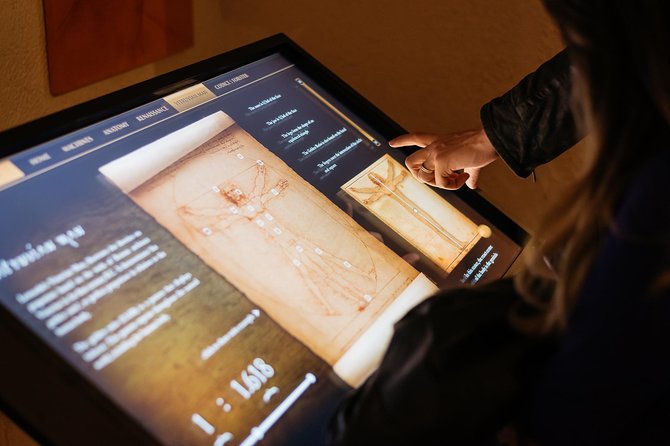
- Inside Basilica Santa Maria del Popolo: the museum sits within the church complex in Piazza del Popolo, a very convenient base.
- Hands-on Leonardo machines: working models built from concepts in Leonardo’s notebooks.
- Art + science in one loop: expect sketches and studies tied to major works like the Vitruvian Man and The Last Supper.
- English experience: displays and explanations are available in English, and an audio guide is optional.
- Easy add-on time nearby: after the museum, Piazza del Popolo and its streets are a natural next stop.
- No restroom on-site: there aren’t restroom facilities in or around the museum, so time it smart.
Where this Leonardo Museum fits in your Rome day
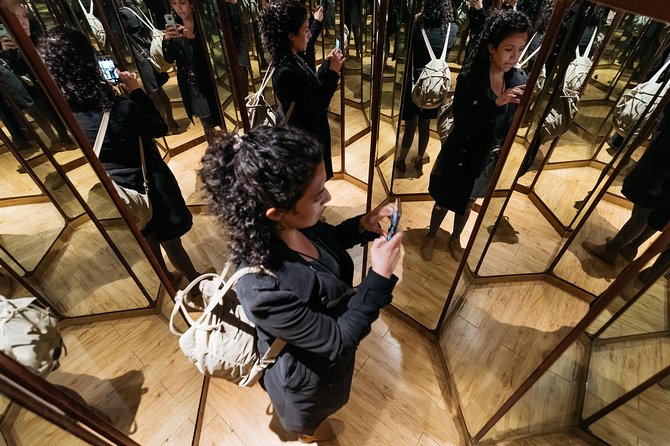
If you like Rome plans that are easy to place, this one is a good piece of the puzzle. Museo Leonardo da Vinci is inside Basilica Santa Maria del Popolo in the center of things, close to where you’ll already be walking—think Spanish Steps and Villa Borghese within a short hop. The big win is that you can pair it with other sights without building a special trek across town.
You’re also paying for a very specific kind of experience. This isn’t a “sit and stare at famous originals” museum. It’s built around Leonardo as an inventor and thinker, with reconstructions of what he designed, drew, and studied—then explained in a way that keeps the pace from dragging.
The museum typically works well as a “middle of the day” activity, but it can shine when Rome is noisy. Several visitors note it feels quieter than many top sites, which matters because you want room to read, watch, and test the interactive parts without feeling rushed.
You can also read our reviews of more tours and experiences in Rome.

The building matters: Basilica Santa Maria del Popolo as your landmark
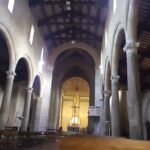
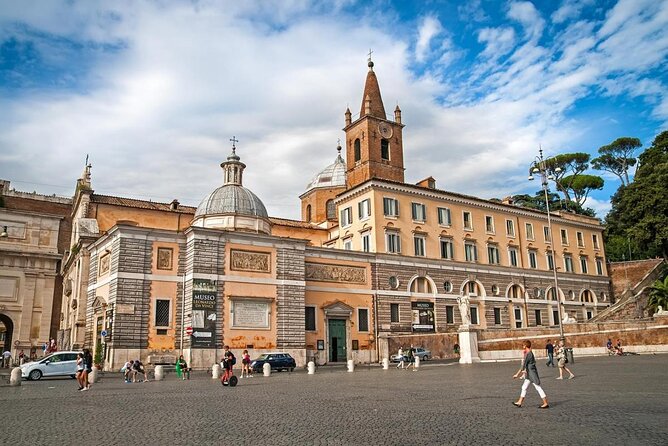
This isn’t a standalone museum building. You’re entering the museum experience inside Basilica Santa Maria del Popolo, which changes the mood in a nice way. It’s not just a ticketed room full of cases—it has the feel of a real place, with the church as the above-ground anchor while the Leonardo displays unfold around it.
That matters for two reasons.
First, your orientation is easy. You’ll know exactly where you are: Piazza del Popolo is one of those Roman squares that acts like a navigation hub. When you’re done, you simply step out back into the street life and keep walking.
Second, it affects how the visit feels. The museum’s layout is described as fairly compact, and many displays feel practical and hands-on, which fits the church setting. If you like attractions that are closer to “activity station” than “stately gallery,” you’ll likely appreciate that.
Your 1 to 2 hours: what you’ll actually see at Museo Leonardo da Vinci
Most of the experience is a single, connected museum visit that flows through Leonardo’s world: inventions, art, anatomy, and engineering logic. There aren’t multiple separate stops to manage. Instead, you move through rooms that build an overall picture of Leonardo as more than a painter.
Here’s what you can expect, in a way that helps you pace yourself.
The interactive machines: the part you’ll remember
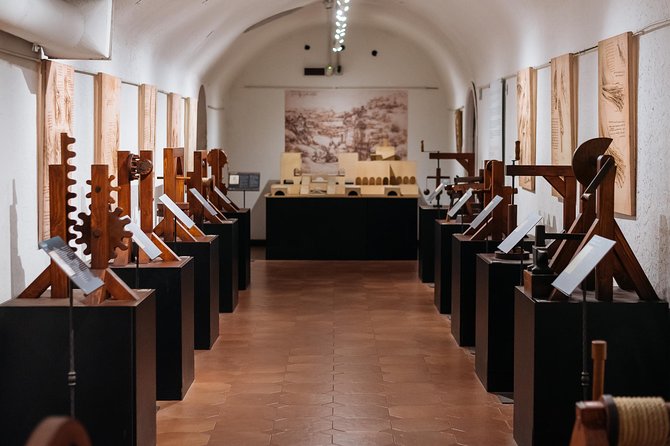
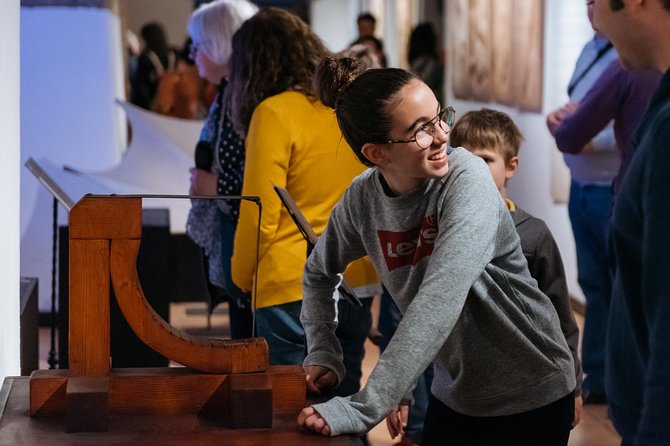
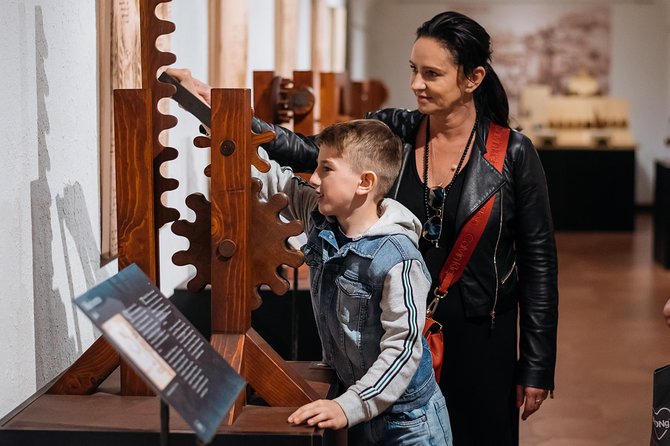
The headline here is the machines—life-size and hands-on reconstructions made by Italian artisans based on Leonardo’s codices and studies. You’re not just looking at drawings. You’re seeing ideas translated into physical mechanisms, the sort of engineering sketches Leonardo spent his life turning over.
A lot of visitors highlight this as the best part because it forces your brain to do something besides read. When you test a mechanism or view it up close, you get a better sense of why Leonardo’s thinking was so different from a simple “artist with talent.” You start seeing systems: gears, motion, structure, and the logic of cause and effect.
Leonardo’s art studies, explained alongside invention
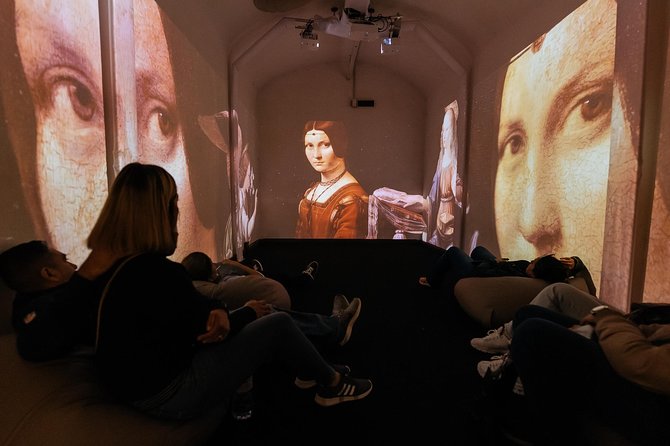
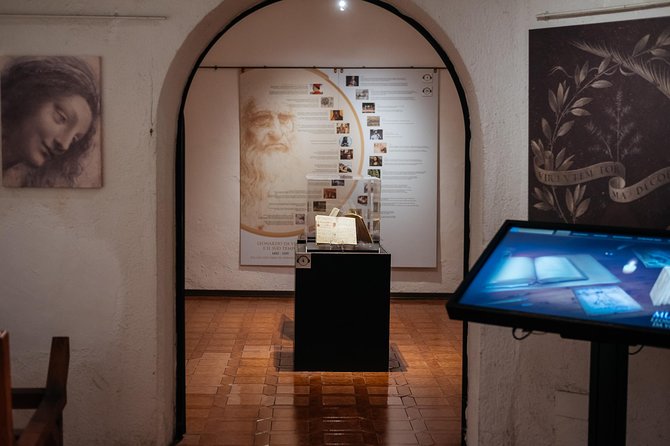
This museum also connects inventions to Leonardo the artist. You’ll see art studies and references tied to major works, with multimedia and explanation that help you understand why a painting and a machine can share the same mind.
Two names keep coming up:
- Vitruvian Man: a symbol of proportion and human measurement.
- The Last Supper: presented through story-driven explanations that link Leonardo’s observation to his wider research habits.
There’s also content tied to the Sforza equestrian sculpture, showing how Leonardo’s interests in form and mechanics fed multiple kinds of projects.
If you’re the type who thinks in pictures, this portion helps. If you’re more into science and design, it helps too because the museum keeps the “how” connected to the “what.”

Anatomy and sketchwork: the human body as Leonardo’s laboratory
One of the most distinctive threads at this museum is anatomy. Reviews repeatedly point out how impressive it is to see Leonardo’s deep research into the human body presented with exhibits that try to make the information usable.
You’ll typically encounter anatomical sketches and supporting visuals that translate the idea that Leonardo didn’t just observe bodies—he tried to understand them. That’s a big deal for your Rome day because it reframes what you might already assume about him. Instead of a single talent (painting), you get a picture of obsessive study.
Audio guide vs. reading on your own
The ticket you buy includes admission, but the audio guide is optional and costs extra (about €3 per person).
Here’s how to decide.
- If you like extra context and want the stories tied tightly to what you’re looking at, the audio guide is a good add-on. Multiple visitors call it helpful and mention it helps them connect the explanations to the exhibits.
- If you read comfortably on-site, you might not feel you need it as much. Some visitors say the English descriptions are already clear enough, and they enjoyed the visit without the audio device.
Also, keep in mind one practical issue people bring up: some audio systems can feel a bit annoying if you’re juggling the handset while moving through a compact space. If you’re sensitive to that, you may prefer to rely on the on-screen info and then add audio selectively.
The VR flight: worth it, or a line-wait tax?
The museum includes a VR component—described as a flight experience. The catch is simple: it sounds like there’s only one VR setup, so you can end up waiting, and one review calls the VR overpriced.
So my practical take is this: if VR is your thing and you have time to spare, you might enjoy it as an extra layer. If you’re on a tight schedule and your goal is the machines and exhibits, treat the VR as optional. Hit everything else first, then decide at the end whether it’s worth the wait for you.
Pacing and crowd levels: when to go
This museum is small enough that timing matters. People describe it as not overfilled compared with other major Rome stops, and some say it can feel quiet and easy to explore at your own pace.
If you can choose a time, consider aiming for a period when you want a calmer museum experience rather than a rush-hour sweep. One review even suggests nighttime as a smart option for fewer people, which makes sense for a compact site where you’ll want space around interactive parts.
Either way, pre-booking your ticket helps you start smoothly. The good feeling isn’t just convenience—it’s that you keep your museum focus instead of wasting time at the entrance.
Family fit: great for older kids, tricky for some younger ones
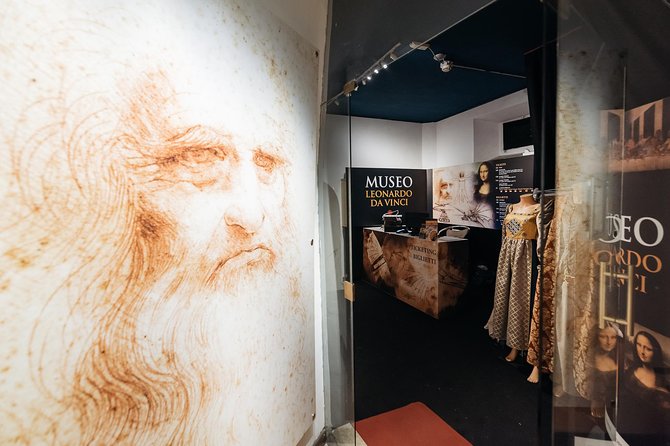
The museum is set up with interactive elements that naturally appeal to kids who like to touch, test, and play with ideas. Many visitors call it good for families and note it keeps children engaged.
At the same time, balance it with reality: it’s still a museum in a church setting with a limited space footprint. A few comments suggest it isn’t ideal for children, and at least one person says it’s better for older kids with interest in art and science.
So here’s my best guidance:
- If your kids enjoy mechanisms, anatomy, or drawing details, they’ll likely have a strong time here.
- If your kids need long attention spans or lots of big, varied rooms to roam, you may want to treat this as a short, focused stop rather than your whole “kid day.”
What to do right after: Piazza del Popolo is your easy payoff
The museum’s best timing feature is what it lets you do afterward. You can step out and head straight into Piazza del Popolo. That square is a practical reward: shops, restaurants, and a lively walking loop right where you’ll already be oriented.
A standout suggestion from a review is to grab carbonara at the Canova Hotel restaurant in Piazza del Popolo. Even if you don’t follow that exact plan, the core idea holds: you won’t feel stuck looking for the next thing.
Also, the museum is described as close—walkable—to other major Rome landmarks, so it works as a connector. It’s a good “one-stop” activity that doesn’t steal your whole day.
Price and value: why $14.38 can still make sense
The ticket price is listed at $14.38 per person, and it includes admission to Museo Leonardo da Vinci. That’s the key value point: you pay for entry, then decide whether to add the optional audio guide.
Value depends on what you want from Leonardo.
- If you want hands-on machines, a tight museum format, and explanations tied to major references like Vitruvian Man and The Last Supper, this price can feel fair. You get a lot of “concept-to-model” learning without committing to a half-day museum marathon.
- If you expect famous original artworks, you may feel the pricing is harder to justify, because this museum emphasizes reconstructions and models more than original masterworks.
One more value note: because the museum is short (about 1–2 hours), you should plan it as a single anchor for a day, not a filler that delays the rest of your schedule. When you place it well, the time-to-price ratio improves fast.
Practical tips that make the visit smoother
Here are a few real-world details that affect your comfort.
- Bring water if you tend to get warm indoors. Some visitors mention the museum feels warm.
- Plan around restrooms. There are no restroom facilities in or around the museum.
- Wear comfortable shoes. The space is described as compact, but you’ll still move through rooms and interactive zones.
- Go with curiosity. The museum is designed to connect Leonardo’s drawings, studies, and invention thinking. If you treat it as one system, it clicks faster.
If you want to squeeze the most from it, my advice is simple: don’t rush the interactive machines, and don’t only skim the art studies. The best effect comes when you see how the same mind turns up in multiple disciplines.
Should you book Museo Leonardo da Vinci at Piazza del Popolo?
Book it if you want a short, focused Leonardo experience with hands-on machines, clear English support, and a location that makes it easy to keep exploring afterward.
Skip or rethink it if you’re hunting for original Renaissance paintings or you strongly prefer large museums with long galleries. This place is smaller, and the experience is more about reconstructions and explanations than “top-tier original artworks.”
If you’re traveling with kids, it’s a strong pick when they’re older and curious about science or art details. If your group includes mixed ages, treat it as a one-and-done stop—then head to Piazza del Popolo for the rest of the day.
FAQ
Where is Museo Leonardo da Vinci located?
It’s located inside Basilica Santa Maria del Popolo in Rome, near Piazza del Popolo.
What does the ticket price include?
The ticket includes admission to Museo Leonardo da Vinci.
Is an audio guide included?
No. An audio guide is available for purchase for about €3 per person.
How long should I plan for?
Plan for about 1 to 2 hours.
Is the experience available in English?
Yes, it’s offered in English.
Is there a restroom near the museum?
No restroom facilities are available in or around the museum, based on visitor feedback.
Is there anything beyond the museum displays?
Yes, there is a VR flight experience included at the museum area, and it may involve waiting because there is only one setup.
Can I cancel for a refund?
Yes. Cancellation is free up to 24 hours in advance for a full refund.