REVIEW · MOUNT ETNA
Etna: Craters of the 2002 Eruption Trekking Experience
Book on GetYourGuide →Operated by Guide Vulcanologiche Etna Nord · Bookable on GetYourGuide
One volcano walk beats a hundred photos. This guided Etna trek takes you into the 2002 eruption zone on the north side, with views over the Calabrian Coast and stops tied to what the mountain did to Piano Provenzana.
I especially love the mix of close-up volcanic shapes and calm pacing. You get to walk through forest, spot lava streams, and stare at crater edges while your guide explains what you’re seeing in plain language (and in Italian, French, or English).
The main drawback is also the most important one: the ground can be inconsistent, and the crater-edge walking can trigger dizziness for people who are sensitive to heights.
In This Review
- Key things to know before you step onto Etna
- Etna’s north-side craters: what makes this trek worth your time
- From the meeting point near the chairlift to the Piano Provenzana route
- The Hotel dell Betulle ruins: where the 2002 flow is most visible
- Forest stretches, then lava streams: reading Etna as you walk
- Volcanic morphologies on the north flank: the Hornitos stop
- Summit craters and the eruptive theater: the view you came for
- The sandy channel descent: how you return to the start
- Guides who balance science, safety, and humor
- What you need to bring (and what can ruin the day)
- Price and value: why €3 parking and shoe rentals still add up
- Who this trek suits best on Etna’s north side
- Should you book the 2002 Etna craters trek?
- FAQ
- How long is the Etna 2002 craters trek?
- Where exactly do I meet the guide?
- Is transport from my accommodation included?
- What’s included in the $41 price?
- Do I need trekking sticks?
- Are trekking shoes provided or can I rent them?
- What should I bring for the hike?
- Is the tour suitable for children?
- Can I join if I have vertigo or fear of heights?
- Is parking included?
Key things to know before you step onto Etna
- Official volcano guiding with real safety focus: You’re led by an Etna Nord volcano guide, with insurance included if you meet the basics (like proper shoes).
- The 2002 eruption story is written in the rock: You’ll see the craters and the damaged area connected to the 2002 flow that destroyed Piano Provenzana.
- Hornitos and cinder cones are a highlight: These small volcanic features (called Hornitos) help you understand how the flank eruptions built new ground over time.
- Sea views show up when you’re working for them: The eruptive theater and the Calabrian Coast make the climb feel worth the effort.
- Wind can change the whole experience: A breezy summit moment is great for views, but you’ll want your layers ready.
Etna’s north-side craters: what makes this trek worth your time
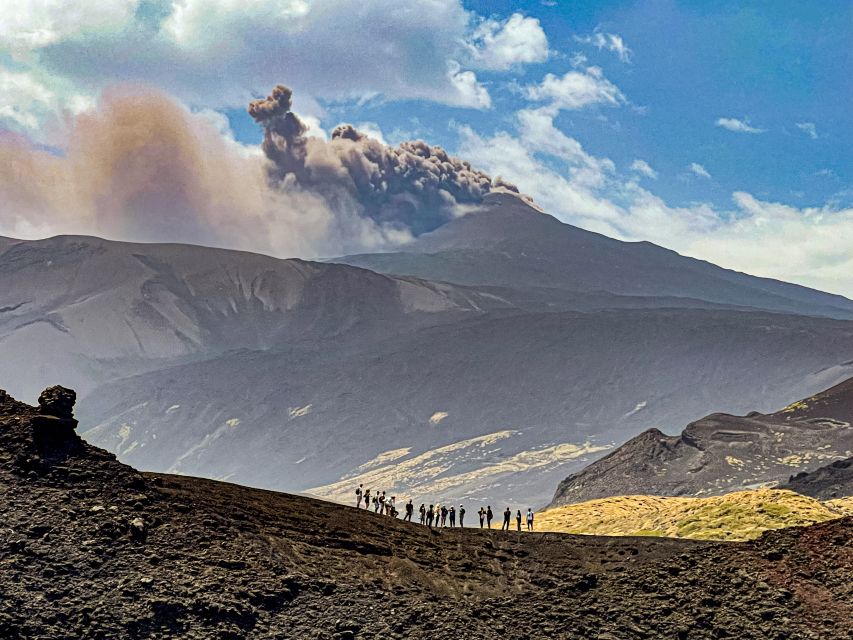
Mount Etna is famous for big drama, but this trek is memorable because it’s about the details. On the north side, you don’t just look at a volcano from far away. You walk through the results of eruptions, then stand where those changes were happening.
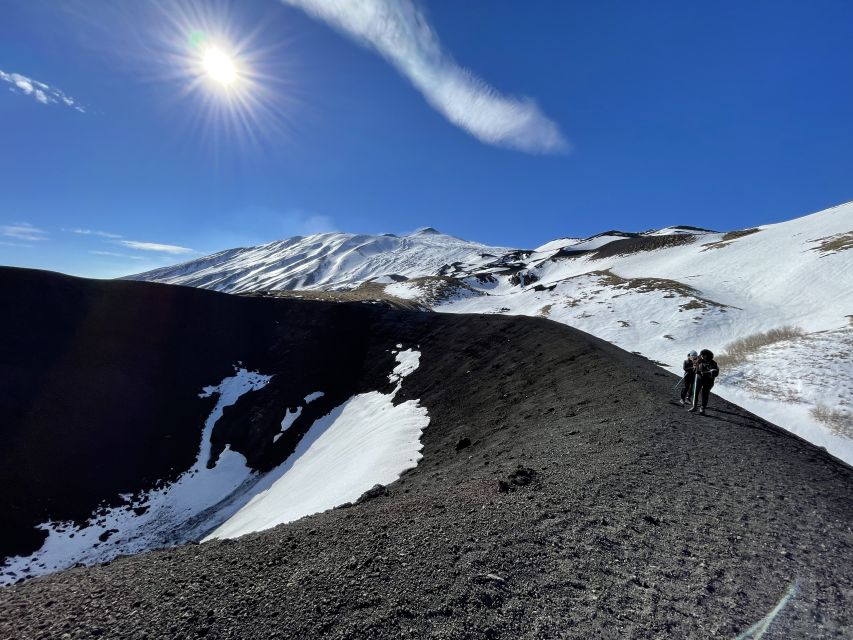
The centerpiece is the craters tied to the 2002 eruption. You start on the dirt road that leads from Piano Provenzana toward the summit craters. Along the way, you move from forest shade to open volcanic ground and back again, so the experience feels like a full tour of Etna’s different “moods.”
And the guides bring it to life. In the field, names that come up again and again include Daniele, Davide, Vincenzo, and Niko. People describe them as fun, organized, and really tuned in to helping you feel safe while still learning a lot.
You can also read our reviews of more tours and experiences in Mount Etna.
From the meeting point near the chairlift to the Piano Provenzana route
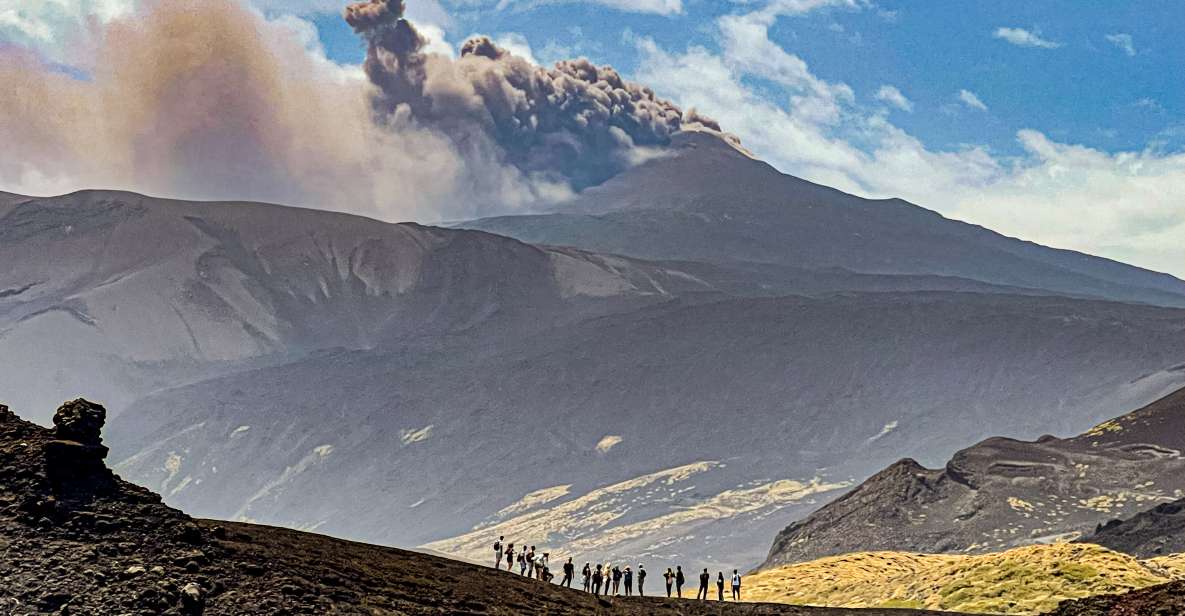
Your day starts at Chiosco Bar Mareneve (not Chiosco Bar Etna Nord). The meeting spot is in the lower parking area, near the winter chairlift. It’s also described as the second house of four in that lot.
That detail matters. Etna is a place where “meet at the bar” can become chaos unless you know exactly which one. If you arrive early, take a quick lap inside the parking area and confirm you’ve got the right building.
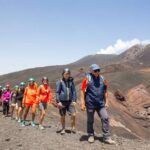
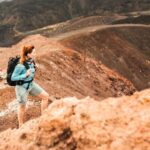
From there, you’ll begin the walking along the route that heads toward the summit craters. Expect an ascent and crater-edge walking, not just a flat stroll. Even though the overall duration is listed as 3 hours, the time is spent doing real hiking steps plus pauses for explanation.
The Hotel dell Betulle ruins: where the 2002 flow is most visible
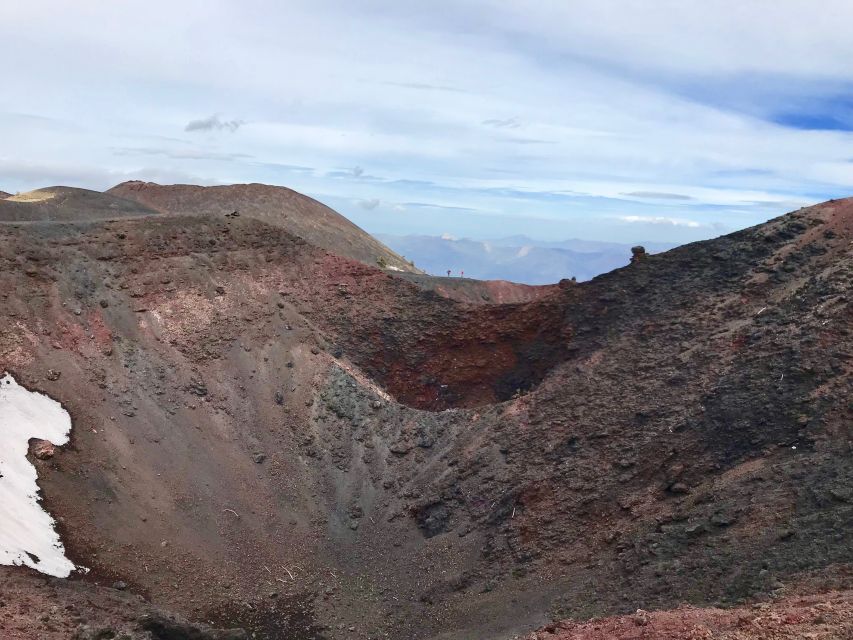
One of the most meaningful stops is the ruins of the Hotel dell Betulle. It’s singled out as the only visible structure standing from the lava flow that occurred in 2002.
This is where the trek stops feeling like a nature walk and starts feeling like a timeline. You’re not studying a random rock formation. You’re looking at a site that connects directly to the impact that eruption had on the area, including the destruction of Piano Provenzana.
If you like travel that’s more than scenery, this stop is a big reason to choose this particular Etna route. You’ll often get a more grounded understanding when you can point at something human that survived—or didn’t.
Forest stretches, then lava streams: reading Etna as you walk
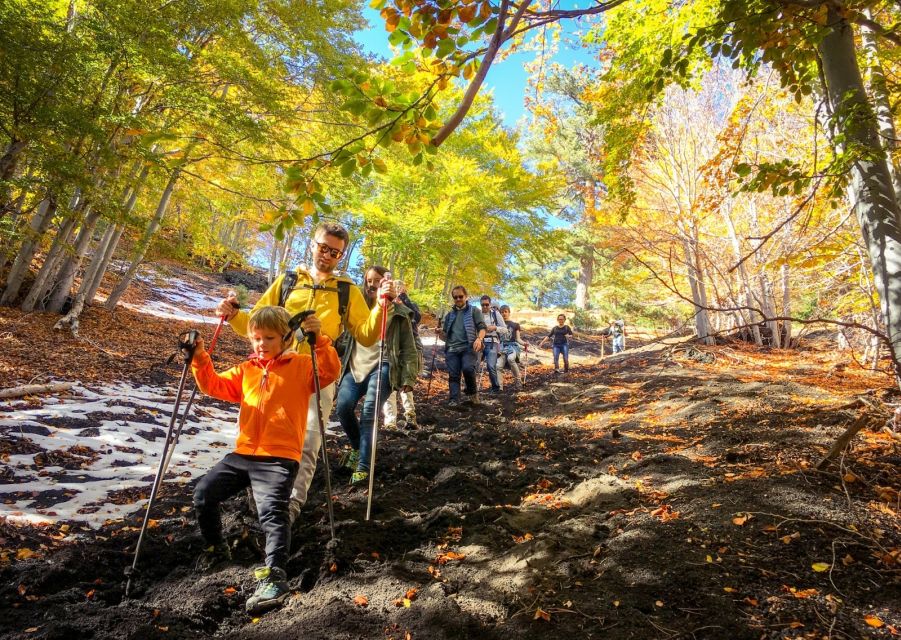
The trail is described as moving through forest, then opening up to the volcanic features Etna leaves behind. You’ll get time to look at lava streams and eruptive fractures as you travel.
What makes these stops useful is that you’re not just seeing “volcanic stuff.” You’re learning how eruptions reshape ground:
- Fractures show where magma found openings.
- Lava streams show how flow moved and cooled.
- Walking through the zone helps you understand scale in a way that photos can’t.
I like treks like this because they teach your eyes. After a while, you start noticing patterns—where the land looks broken, where it looks poured, and where it looks rebuilt by newer activity.
Volcanic morphologies on the north flank: the Hornitos stop
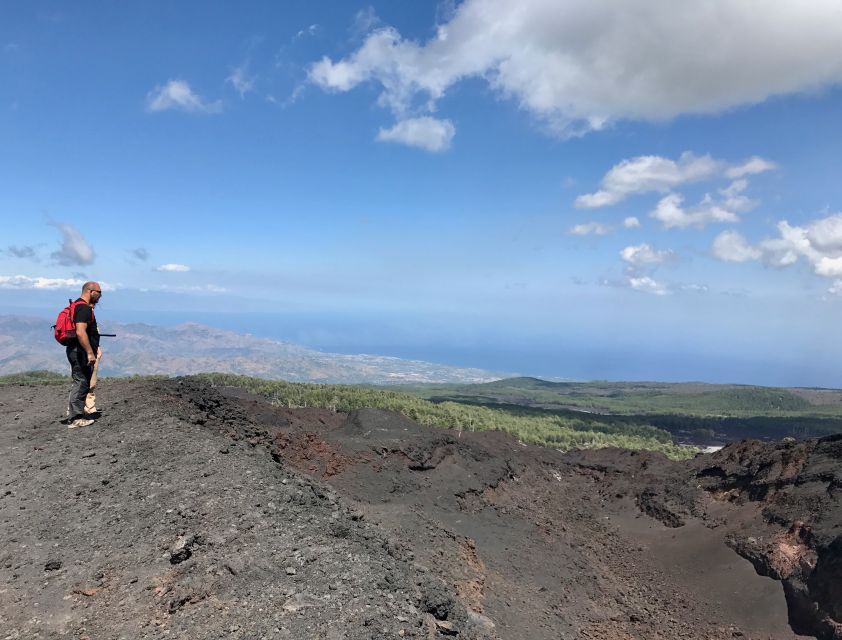
Along the route, you’ll stop to visit volcanic morphologies connected to eruptions that occurred over time on Etna’s north side. A specific focus is the flank eruptions, with special attention given to the last one that threatened the city of Linguaglossa.
Then comes a very practical highlight: Hornitos. The guide explains these as small openings/features—called Hornitos, meaning small over. From there, the trek goes up along the cinder cones.
Why I think this is a smart educational moment: Hornitos and cinder cones are smaller than classic “big crater” imagery, so they help you understand the mechanics of eruption on a more human scale. You see volcanic building blocks you can actually walk around and identify.
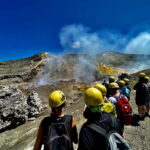
Summit craters and the eruptive theater: the view you came for
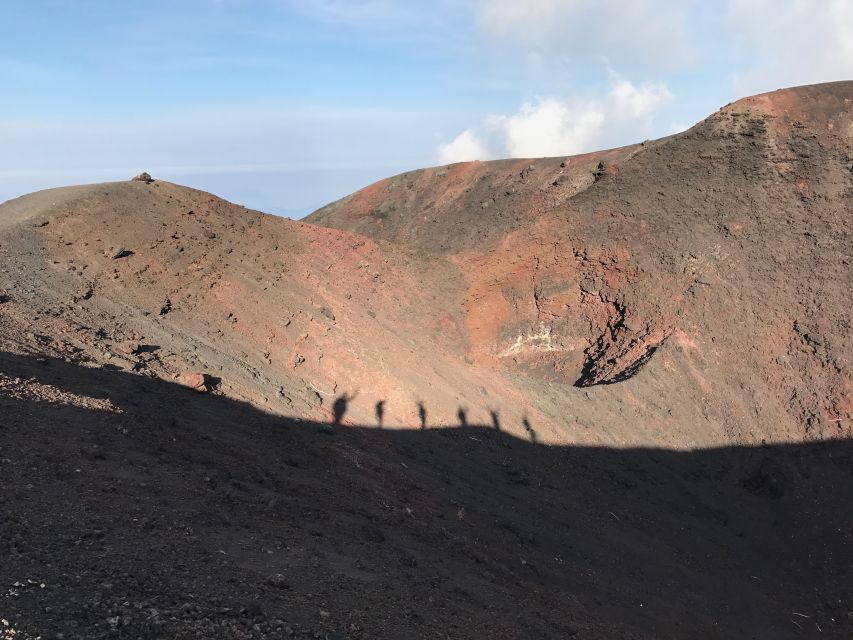
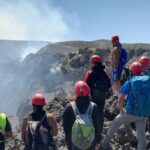
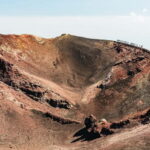
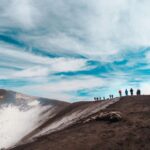
Once you reach the craters at the summit, you’ll do the part that makes this experience feel special even for people who’ve seen Etna before: you look over the edge of the craters.
This is also where the experience can be mentally intense. The route includes walking along crater edges, and the tour information specifically warns that it can cause dizziness for people susceptible to it. If you already know heights bother you, this probably isn’t the right choice.
But if you’re comfortable on uneven terrain and can handle a bit of vertigo risk, the eruptive theater and the view of the Calabrian Coast are the payoff. A big open horizon makes the science feel real. It turns “volcano” from a concept into a place.
The sandy channel descent: how you return to the start
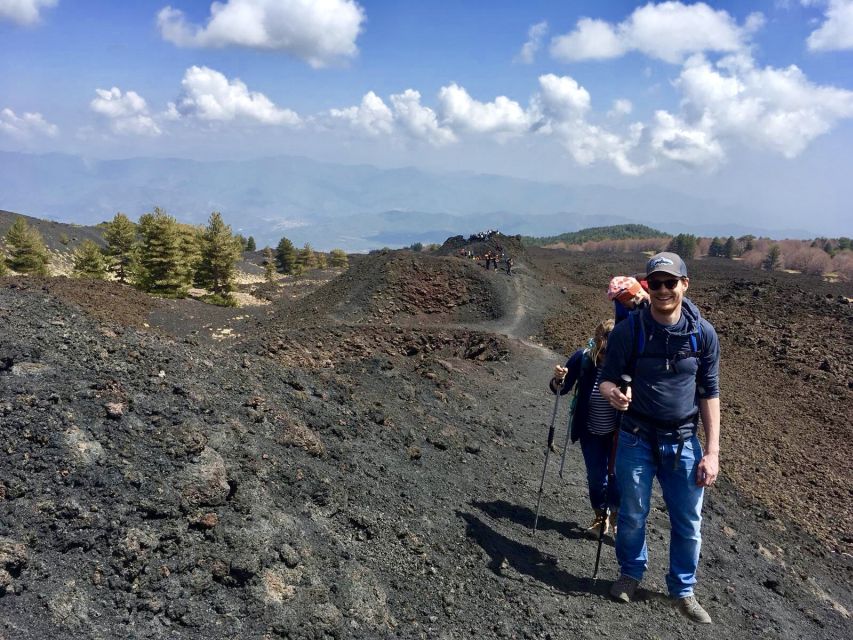
After the summit viewing, you’ll go down inside a sandy channel to get back toward the starting point.
This is the part where “outward wow” becomes “inward attention.” Sandy ground can shift underfoot, so you’ll want to slow down and keep your steps short. The trek notes that volcanic soil can be inconsistent and unstable—so don’t rush here.
This is also why your shoe choice matters. The tour says you’re not covered by insurance without adequate footwear, so the descent is not just about comfort. It’s about doing the trek the way it’s meant to be done.
Guides who balance science, safety, and humor
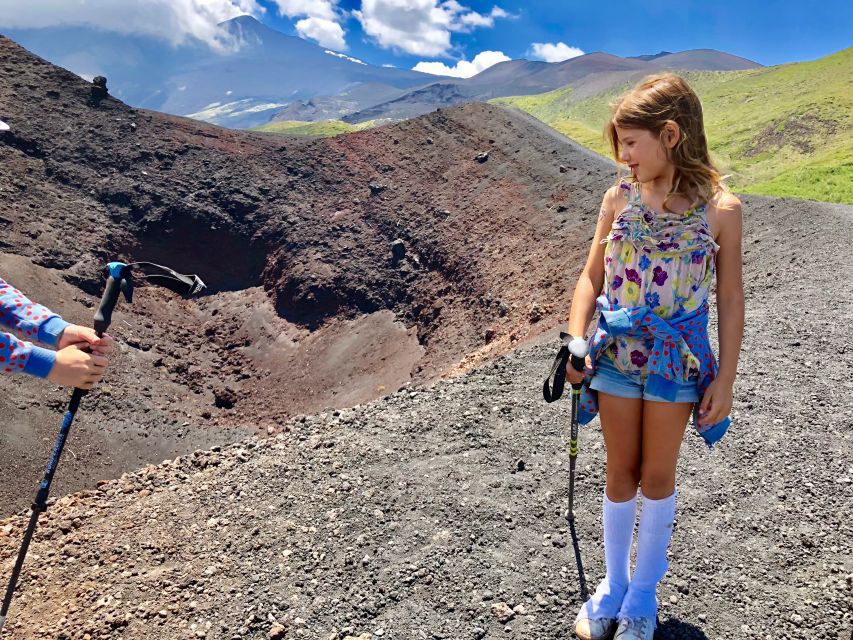
The tour is run by Guide Vulcanologiche Etna Nord, and the guide experience is one of the strongest reasons to book. Names that show up in firsthand feedback include Daniele, Davide, Vincenzo, and Niko, and the themes are consistent: clear explanations, good pacing, and a friendly tone.
A few practical things I’d take from what people describe:
- Guides help you feel safe while you’re near the crater edge.
- They adapt the pace so different bodies can finish the route.
- Some guides bring personal visuals, like videos and pictures from the real eruption moments they’re explaining.
One more real-world note: wind. Several people call out that it can be very windy at the top. That’s not a deal-breaker, but it changes what you’ll feel on your face and legs—so plan for it.
What you need to bring (and what can ruin the day)
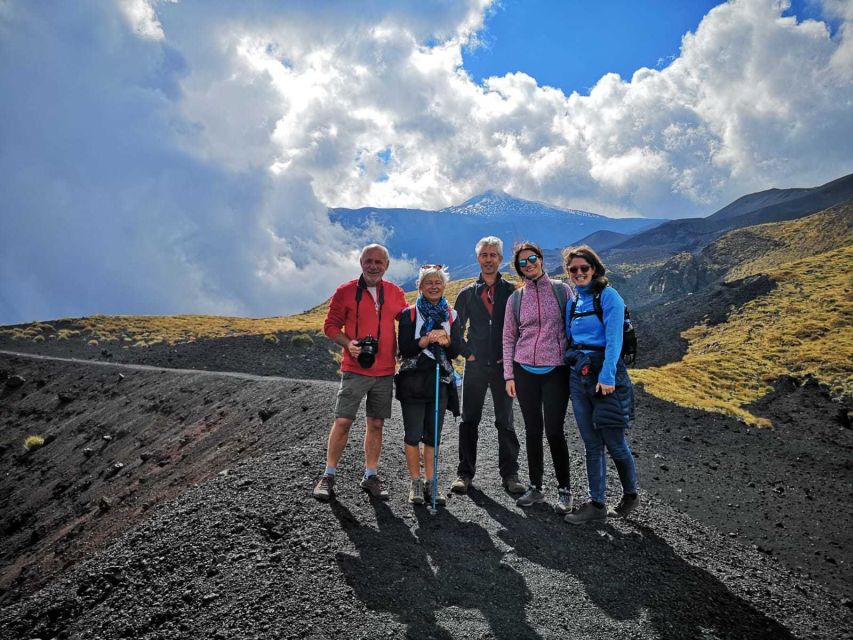
Even with an official guide, you’re still hiking volcanic terrain. So pack like you’re going to be outside in moving weather.
Bring:
- Windbreaker (wind is a common issue on summit areas)
- Sunglasses and sunscreen
- Snacks and water
- A jacket and comfortable clothes
- A daypack
- Hiking shoes
If you forgot something, you might be able to rent it on-site. Trekking shoes can be rented for €5 per pair. If you’re walking in colder months, snowshoes can be rented on-site for €12 per person (December, January, February, March).
Also bring layers like gloves or a hat in winter/spring/autumn—those are not included.
Not allowed items include high-heeled shoes, sandals/flip flops, baby strollers, luggage/large bags, skirts, and slippers. It’s basically telling you: wear real hiking gear or you’ll suffer.
Price and value: why €3 parking and shoe rentals still add up
The price is listed at $41.00 per person for a 3-hour guided trek, with an official volcano guide and insurance in case of accidents included.
To judge value, I look at what you’re getting for the money:
- You’re paying for a guided experience in a place where footing can be tricky.
- You’re paying for education that connects craters, lava, and human landmarks like the Hotel dell Betulle.
- You’re paying for structured pacing, not just access to Etna on your own time.
Then factor in what might cost extra:
- Trekking shoe rentals: €5
- Parking ticket: €3 (paid after the excursion; it’s noted as a whole-day ticket)
- Snowshoes in winter months: €12 per person
- Bottled water, snacks, trekking sticks, and wind/rain protection items are not included
If you already hike regularly and show up with good shoes and layers, the extra costs should be small. If you’re arriving underprepared, the rentals can turn a simple outing into a slightly pricier one. Still, shoe rental is easy compared to the alternative: not being comfortable on the descent.
Who this trek suits best on Etna’s north side
This hike is reserved for people with medium training. That doesn’t mean you need to be an athlete, but it does mean you should be used to walking on uneven terrain and staying steady.
It’s also not for everyone. The trek is not recommended if you don’t do regular physical activity. It’s listed as not suitable for:
- Children under 6
- Pregnant women
- People with back problems
- People with mobility impairments
- People with heart problems
- People afraid of heights or with vertigo
- People with respiratory issues
- People with epilepsy
On the bright side, some firsthand experiences describe a wide range of ages getting through when guides kept everyone together. Still, you should take the provider’s restrictions seriously and make your own call based on your body and risk tolerance.
Should you book the 2002 Etna craters trek?
Book this tour if you want:
- A guided walk through the actual effects of Etna’s recent major activity
- A route that mixes forest, lava, and crater viewpoints
- Clear explanations in English, French, or Italian, led by guides like Daniele, Davide, Vincenzo, or Niko
Skip it if:
- Crater edges make you dizzy
- You have health limits listed by the provider (heart, respiratory issues, vertigo, etc.)
- You’re not ready for uneven volcanic ground and a steady walking pace
If you’re on the fence, my practical advice is simple: bring proper shoes and a windproof layer, and be honest about your comfort near edges. Do that, and this 3-hour trek becomes a standout Etna experience—less about crowds, more about real volcanic evidence under your feet.
FAQ
How long is the Etna 2002 craters trek?
The trek duration is listed as 3 hours. Starting times vary, so you’ll need to check availability.
Where exactly do I meet the guide?
Meet at Chiosco Bar Mareneve, not Chiosco Bar Etna Nord. It’s near the chairlift in the lower parking lot and described as the second house of four.
Is transport from my accommodation included?
No. Transport service from your accommodation to the starting point is not included.
What’s included in the $41 price?
The trek includes an Official Volcano Guide and insurance in case of accidents.
Do I need trekking sticks?
Trekking sticks are not included.
Are trekking shoes provided or can I rent them?
Trekking shoes are not included, but you can rent shoes on-site at authorized rentals for €5 per pair.
What should I bring for the hike?
Bring a windbreaker, sunglasses, snacks, hiking shoes, sunscreen, water, a jacket, comfortable weather-appropriate clothing, and a daypack.
Is the tour suitable for children?
It’s not suitable for children under 6 years.
Can I join if I have vertigo or fear of heights?
No. The tour is not suitable for people afraid of heights or those with vertigo.
Is parking included?
A parking ticket is not included. It costs €3 for the whole day and is paid after the excursion.