REVIEW · MOUNT ETNA
From Catania: Mount Etna Half-Day Tour and Wine Experience
Book on GetYourGuide →Operated by Lemontour Catania · Bookable on GetYourGuide
Etna by morning feels like another planet. This Catania tour pairs a guided hike on Mount Etna with helmet-and-torch time in a lava cave, then finishes with Sicilian wine tasting in Zafferana Etnea.
I especially like two things: the chance to walk through volcanic craters and old lava flows with an expert guide who explains what you’re seeing, and the fact that the wine tasting comes with a serious spread of local foods, not just a couple of bites. You’ll get that crater-walk energy and then a relaxed finish where wine and regional specialties actually fit together.
One consideration: the morning involves uneven, wind-exposed terrain and the tour is not recommended for limited mobility or wheelchair users, so plan for a hike that’s more about good footing than sightseeing-from-a-bus.
In This Review
- Key highlights worth your attention
- Morning pickup from Catania to Etna: the day starts fast
- The crater trek: what you’re really doing on Etna
- Helmet-and-torch lava cave time: the most memorable “how is this even real?” stop
- The Etna “in-between” time: how the free period fits
- Zafferana Etnea wine tasting: volcanic soil to your glass
- What makes the guides matter so much (and how to choose your moment)
- Gear and comfort: what to pack for Etna’s wind and steep bits
- How long is this really, and where fatigue shows up
- Value: why this half-day combo works better than doing it in pieces
- Should you book the Mount Etna half-day tour and wine experience?
- FAQ
- Where does the tour start?
- What time does pickup happen?
- How long is the tour?
- What will I do on Mount Etna?
- Where does the wine tasting happen?
- What’s included with the wine tasting?
- What language are the guides?
- Is the tour suitable for people with mobility impairments or wheelchair users?
- What should I bring?
Key highlights worth your attention
- Crater trekking with a naturalist-style guide focused on Etna geology and how eruptions shape the area
- Lava cave exploration with helmets and torches for real, up-close geology
- Small-group feel reported by many guests, with comfortable minibus transport rather than a giant coach
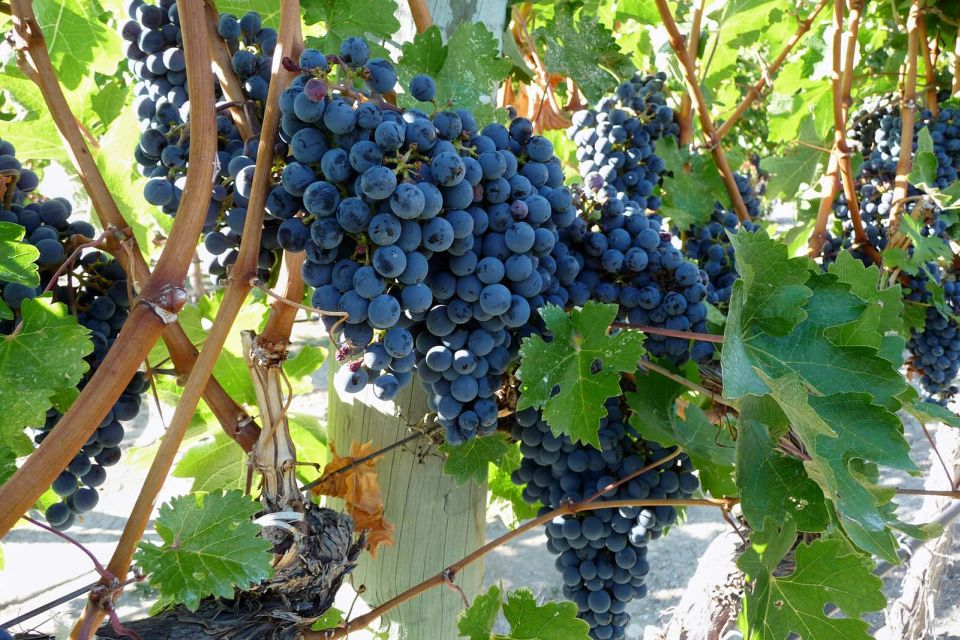
- Wine tasting in Zafferana Etnea tied to volcanic soil, with multiple wines
- Food-forward pairing that often looks like a meal: cheeses, charcuterie, bread, olives, and more
Morning pickup from Catania to Etna: the day starts fast
This is built as a full 7-hour block, and it moves with purpose. You’re picked up in Catania (city or surrounding area) around 8:30 to 8:45 AM, then you head toward Etna by van. Expect roughly one hour of driving, with time to settle in before the walk.
What I like about this setup is the pacing. You’re not spending half the day stuck in transit. Instead, you hit the mountain while conditions are usually better for visibility and footing—especially important because Etna can be windy and changeable.
If you’re coming from Catania’s center, wear something easy to layer. Even when it feels warm in town, the upper slopes can feel cold and sharp in the wind. More than one guide and guest experience points to that reality, and you’ll be happier if you treat the mountain like its own climate.
You can also read our reviews of more tours and experiences in Mount Etna.
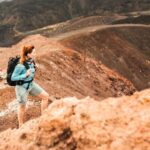
The crater trek: what you’re really doing on Etna
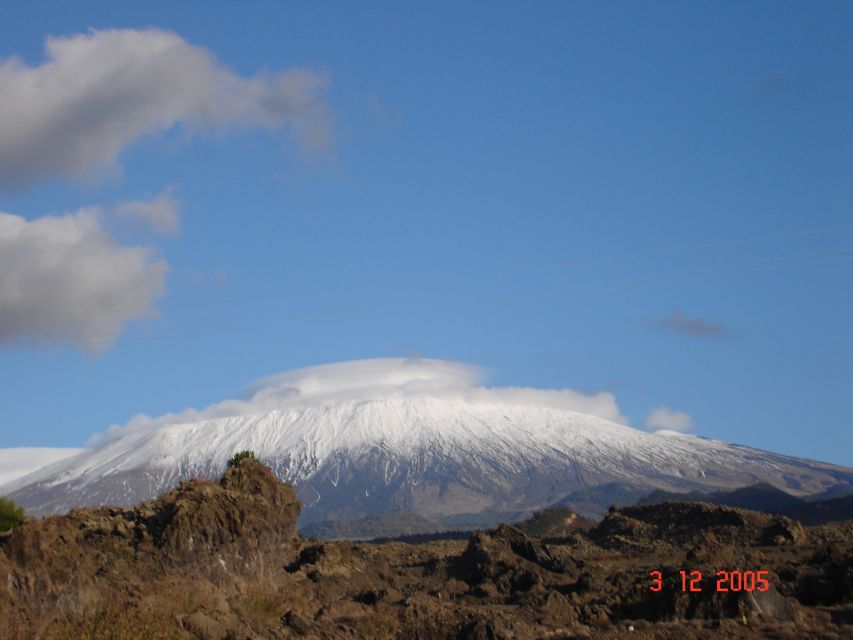
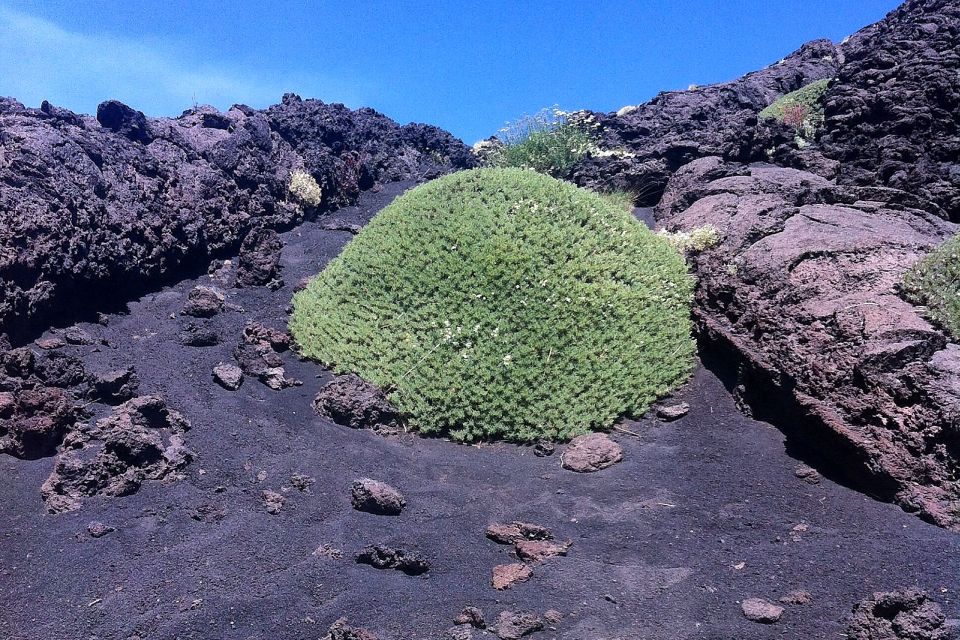
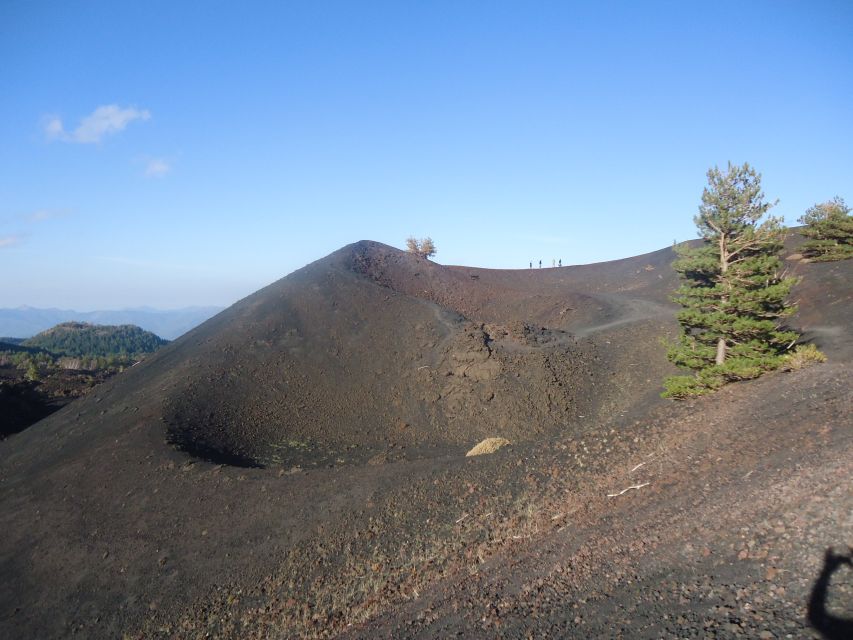
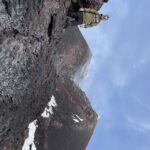
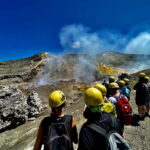
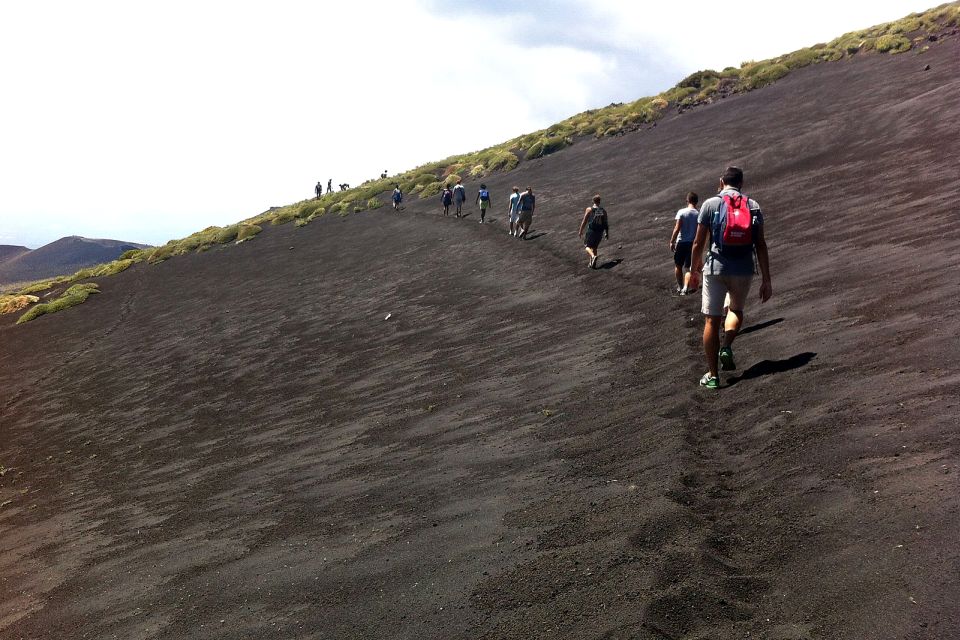
Once you reach Etna, the tour shifts into a guided walk format. You’ll spend time exploring craters and moving through areas shaped by past eruptions—often along routes where you can see how lava has hardened into rock and how those flows link to the volcano’s larger activity.
The guide leads the hike and keeps the story grounded in what you’re looking at. People specifically mention guides such as Lorenzo, Enrico, Enrico, Francisco, Andrea, Marco, Constanza, Giuseppe, Sylvia, and Janet—and the common thread is that they connect the dots between volcanic history, local plants, and what the mountain is doing now. That’s the difference between seeing craters and actually understanding why the terrain looks the way it does.
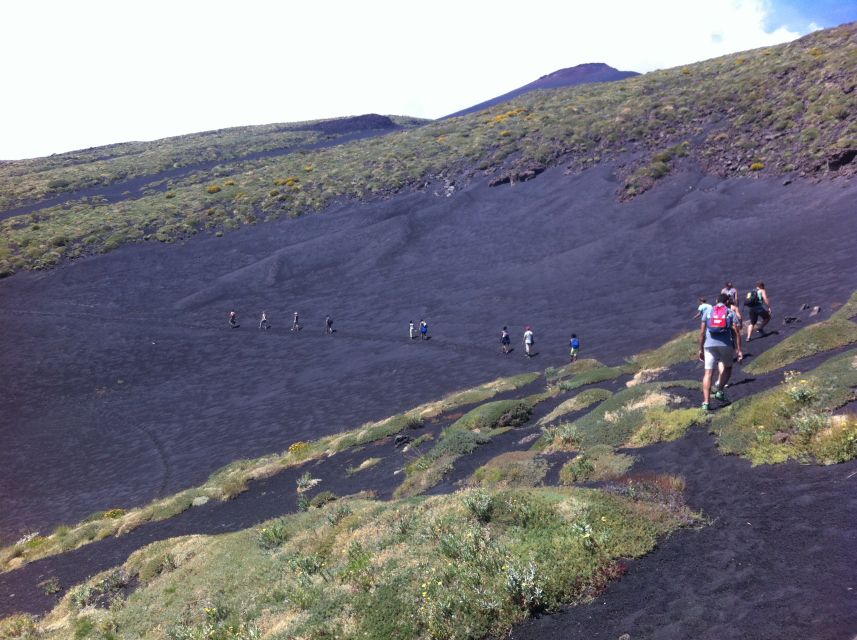
The hike isn’t described as a technical climb, but it includes steep spots. Several experiences suggest it’s manageable with good shoes and careful steps. One guest said regular sneakers can work, but I’d still treat this as a hike: choose footwear with traction if you have it. Your goal isn’t speed. It’s staying steady, especially when wind gusts can mess with balance.
You also get free time on Etna after the guided portion. Think of it as your chance to take photos, catch your breath, and absorb the scale. Just don’t plan on the mountain being perfectly calm—Etna is Etna.
Helmet-and-torch lava cave time: the most memorable “how is this even real?” stop
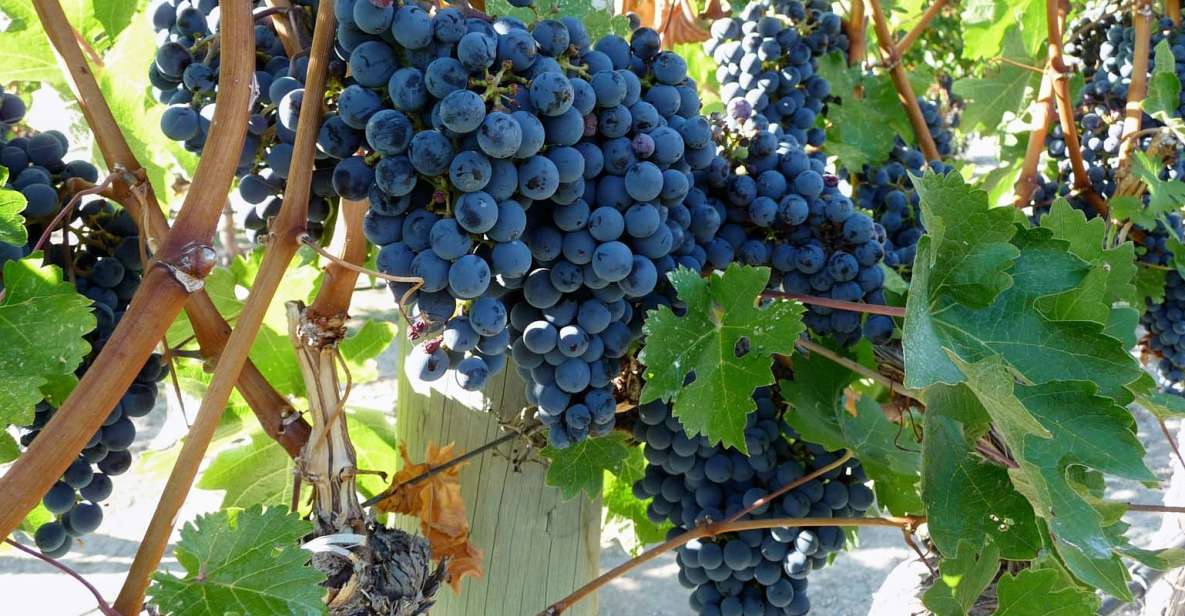
The lava cave is one of the best parts of the day because it’s not just a view. It’s a different sense of place. You’ll explore a lava cave with helmets and torches, which turns the geology into something physical and close.
Why it works so well: inside a cave, you stop thinking about postcards and start thinking about formation. You can’t just look at lava like it’s a flat picture. You’re surrounded by it—passageways, textures, and the cool quiet that makes the volcano feel ancient.
Practical tip: this is one place where good layering still matters. If the outside is windy, the cave can feel noticeably cooler. Your jacket isn’t just for comfort; it helps you stay focused on the walk rather than shivering through it.
Also, remember that caves require attention. You’ll want to move carefully, keep your footing, and follow the guide’s instructions on pace and where to step. It’s not about being fearless. It’s about being smart in a dark, uneven environment.
The Etna “in-between” time: how the free period fits
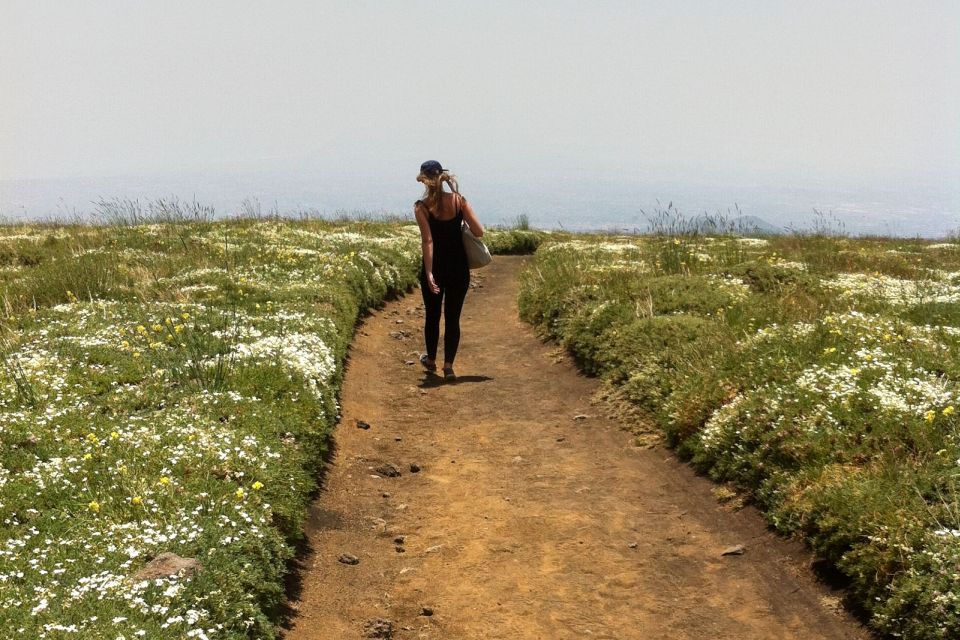
After the main guided exploration, there’s time on the mountain before the day shifts toward wine. That free stretch matters, because it gives you breathing room. A crater walk and cave visit take energy. You’ll be glad for a moment to sit, regroup, and take in the views.
Use this time to do two things:
- Look for details the guide pointed out earlier, like how older lava flows form natural paths and boundaries.
- Recheck your clothing (zip up, adjust layers) because weather can change fast on Etna.
Some guests note it can be quite cold on the volcano, even when the day feels mild in Catania. This is exactly when a windbreaker earns its keep. If you don’t pack one, you’ll still get through it—but you’ll do it with a lower level of enjoyment.
Zafferana Etnea wine tasting: volcanic soil to your glass
After Etna, the van ride takes you toward Zafferana Etnea. You’ll spend about two hours there for wine tasting, paired with locally made products.
Here’s the key idea: Etna’s wines aren’t just Sicilian because they’re in Sicily. They get character from fertile, mineral-rich volcanic soil. That volcanic influence is the connection between the morning and the afternoon. The mountain isn’t a separate attraction—it becomes part of your wine story.
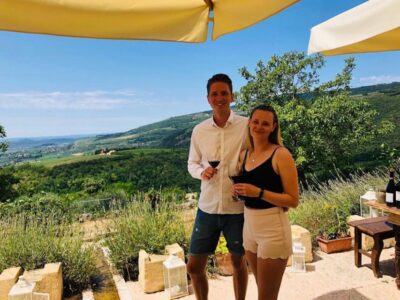
Most tastings focus on a selection of several wines, and different groups have mentioned tasting around four or five wines. You can expect that each pour comes with pairing foods like cheeses, charcuterie, bread, olives, and other regional bites. More than one experience describes the platter as a near-meal—ham, salami, mortadella, multiple cheeses, and additions like frittata or olives show up in descriptions.
What I like about this part is that it feels like food culture, not a rushed “drink-and-go.” The tastings aren’t framed as wine snob theater. They’re framed as: here’s what the region grows, here’s what you eat with it, and here’s how the volcanic environment leaves a fingerprint.
If you like a restaurant-style stop, this delivers. If you prefer a quiet sip with no commentary, you might need to manage expectations: the experience includes guidance and explanation because the whole point is to connect the volcano to the bottle.
What makes the guides matter so much (and how to choose your moment)
This tour is built on two guided phases: the volcano and the tasting. What guests praise most is the way guides handle both, with clear explanations and strong local knowledge.
Names like Lorenzo, Enrico, Isabella, Francisco, Andrea, Marco, Constanza, and Giuseppe come up repeatedly. Beyond names, the pattern is practical: guides keep the group moving, explain what you’re seeing in simple terms, and offer context about the island and Etna’s behavior.
You can use that to your advantage. When your guide explains something, take the extra 30 seconds to look where they’re pointing. It’s the difference between walking through craters and understanding why those craters feel the way they do.
On the tasting side, a good guide helps you taste with purpose. They connect the food to the wine so you notice flavors you might otherwise miss—especially when you’re tasting multiple bottles in a short window.
Gear and comfort: what to pack for Etna’s wind and steep bits
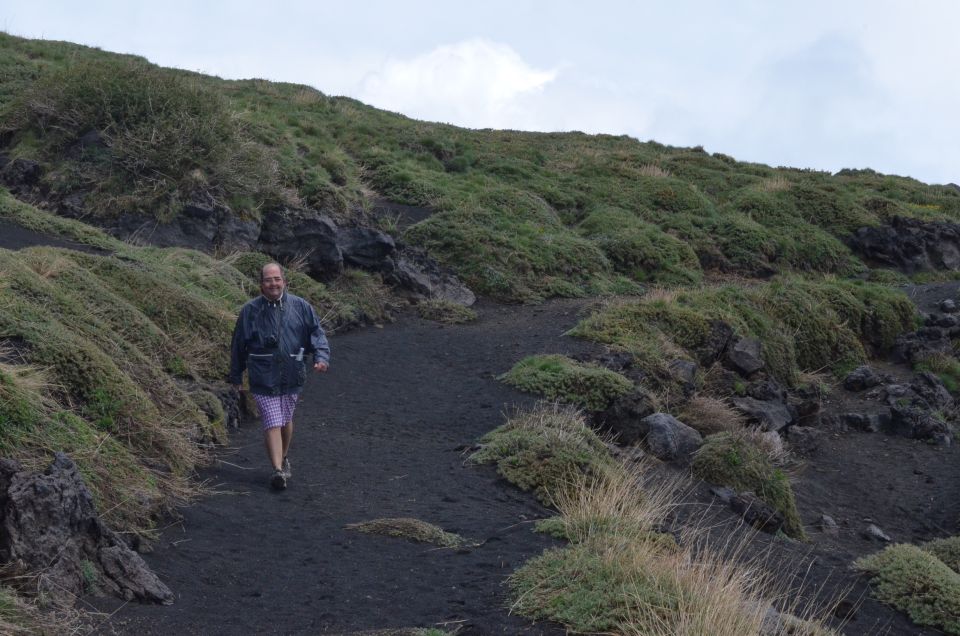
Even if you’re planning a half-day, you’re doing real outdoor walking. You should plan for hiking shoes and a jacket. The tour specifically recommends hiking shoes and a windbreaker, and at least one guest highlights that it can be very cold up on the volcano, even when you don’t expect it.
Here’s what to do with that information:
- Wear shoes with solid traction. If you have hiking tread, use it.
- Bring a windbreaker even if you think you’ll skip it. Etna can humble forecasts fast.
- If you get cold easily, layer under your jacket. You’ll feel the wind more than you think.
Also, this isn’t for everyone. The tour isn’t recommended for people with limited mobility, and it’s not suitable for wheelchair users. If you’re deciding whether to go, don’t treat it as a gentle walk; treat it as active touring that happens on uneven, natural terrain.
How long is this really, and where fatigue shows up
The day is straightforward on paper: about one hour from pickup to Etna, about two hours on the mountain including guided time plus free time, then about 30 minutes to Zafferana Etnea, about two hours for tasting, and around one hour back to Catania. That adds up to roughly 7 hours.
Where fatigue hits:
- The hike on Etna (wind + steep sections)
- The cave (short, but attention-heavy and cooler)
- The tasting block (fun, but you’ll likely drink and eat enough to feel it)
One practical move: plan your evening like a normal human. Don’t schedule something demanding right afterward. You’ll have earned rest.
Value: why this half-day combo works better than doing it in pieces
A separate volcano trip gives you the mountain but may leave you hungry and with only photos as proof. A wine-only experience gives you bottles but misses the geology link that makes Etna special.
This combo does something smart: it uses the morning to set context, then uses the afternoon to deliver payoff. The lava cave and crater trek make the volcanic theme tangible. Then Zafferana Etnea wine tasting turns that theme into flavor, with paired Sicilian products and multiple wines.
You’re also getting pickup from Catania, so you’re not wrestling logistics while trying to enjoy the day. A van-based schedule is part of the value—especially if you’d rather spend energy on the craters than navigating mountain roads.
Finally, the guides bring the human element. Multiple experiences praise how guides keep information organized and entertaining, whether it’s volcanic history or pointers about what you’re seeing around Etna.
Should you book the Mount Etna half-day tour and wine experience?
Book it if you want an efficient, high-impact day: craters + lava cave + Etna-area wine with pairing foods, all starting from Catania. This is a great fit for couples, small groups, and anyone who likes nature with an explanation, not just a scenic drive.
Skip or rethink it if you have mobility concerns. The tour isn’t made for wheelchairs, and limited mobility can be a real issue on uneven terrain and windy slopes. Also skip it if you hate caves or get uncomfortable moving through dark, uneven spaces.
If you’re the kind of person who likes being outdoors, then tasting the region that shaped the landscape, this is exactly the right kind of half-day.
FAQ
Where does the tour start?
It starts with pickup from your accommodation in Catania City and the surrounding area.
What time does pickup happen?
Pickup is approximately between 8:30 and 8:45 AM.
How long is the tour?
The duration is about 7 hours.
What will I do on Mount Etna?
You’ll join a guided trek to discover craters and ancient lava flows, then you’ll have free time on the mountain. You’ll also explore a lava cave with helmets and torches.
Where does the wine tasting happen?
The wine tasting takes place in Zafferana Etnea.
What’s included with the wine tasting?
You’ll taste a selection of local wines paired with a tasting of locally made products (foods such as regional specialties).
What language are the guides?
The live tour guide offers English, Italian, French, and Spanish.
Is the tour suitable for people with mobility impairments or wheelchair users?
No. It’s not recommended for people with limited mobility, and it’s not suitable for wheelchair users.
What should I bring?
You should bring hiking shoes and a jacket. A windbreaker is recommended.
If you tell me your travel month and fitness level (and whether you’re comfortable in caves), I can help you judge how this will feel on the ground.