REVIEW · SICILY
Etna Special Dawn Excursion
Book on Viator →Operated by Etna3340 · Bookable on Viator
Sunrise on an active volcano feels unreal. I love the small-group, early-dawn feel, and I also love how the guides build the outing around you—people in this trip have praised guides like Antonio, Sofia, Andrea, and Gino for their safety-first attitude and clear volcanic talk. The main drawback is that this is not a casual stroll; the hike can involve steep slopes, volcanic sand, and 300–1100 m of drop, so you need strong fitness and comfort with a tough pace.
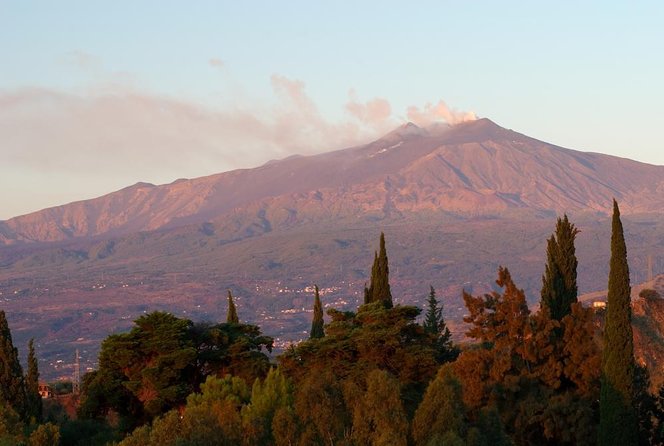
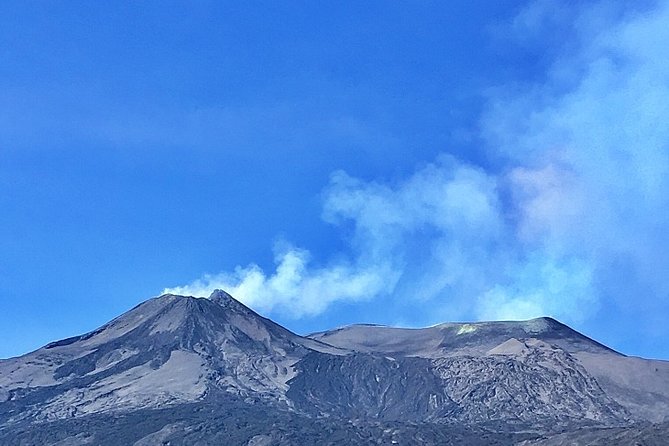
This is an Etna trail hike on the north side designed for the window when conditions allow climbing. The route can go high, with a reported maximum of Pizzi Deneri (2847 m), and the rest of the time you’re working your legs through a lunar-feeling scene.
Before you book, consider one practical thing: you’re starting at 4:00 am, and food like breakfast and lunch is not included. I’d plan to bring your energy and dress like you expect a cold-to-warm temperature shift, which matches what many hikers describe at dawn.
In This Review
- Key highlights worth your attention
- Dawn on Etna’s North Side: what you’re really signing up for
- Meeting at Rifugio Citelli (4:00 am): gear, darkness, and the first payoff
- How the guide chooses your altitude plan (from 1800 m up to Pizzi Deneri)
- Hiking the lunar terrain: steep slopes, volcanic sand, and pacing that can shift
- Sunrise moments, sea views, and the “volcano education” factor
- Price and value for a private, high-effort Etna hike
- Who this Etna3340 dawn trek fits best (and who might rethink it)
- Quick booking notes that matter once you’re on the ground
- Should you book the Etna Special Dawn Excursion?
- FAQ
- What time and where do we meet for the Etna Special Dawn Excursion?
- How long is the hike?
- What physical fitness level do I need?
- Is the route fixed or does the guide change it?
- What’s included, and what’s not?
- What happens if weather is bad or I need to cancel?
Key highlights worth your attention
- A dawn start with the lights-out moment: helmets and frontals help you move in the dark, then sunrise takes over.
- A guide-run route, not a fixed hike: vertical drop, distance, altitude, and even the exact path can change based on Etna and your group.
- North-side strategy for altitude limits: the trip is positioned as one of the best ways to get as high as possible when restrictions are in play.
- Rugged “volcanic sand” descent: you’ll feel the climb in your legs and the sand in your stride.
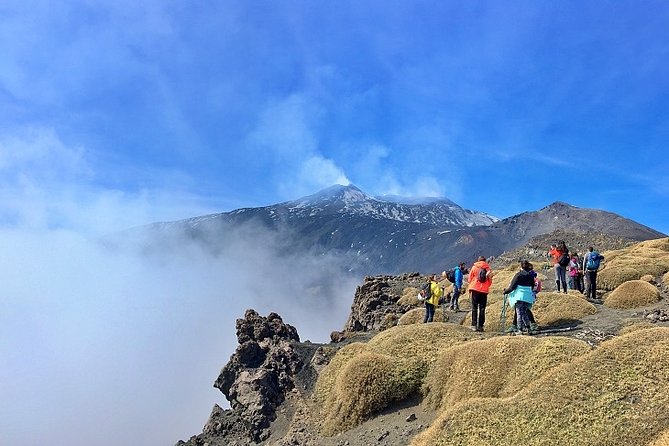
- Up to 8 people: the group size stays intimate for a more personal guide experience.
- Equipment provided for the hike: sticks, helmet, backpack, and k-ways help you handle the terrain.
Dawn on Etna’s North Side: what you’re really signing up for
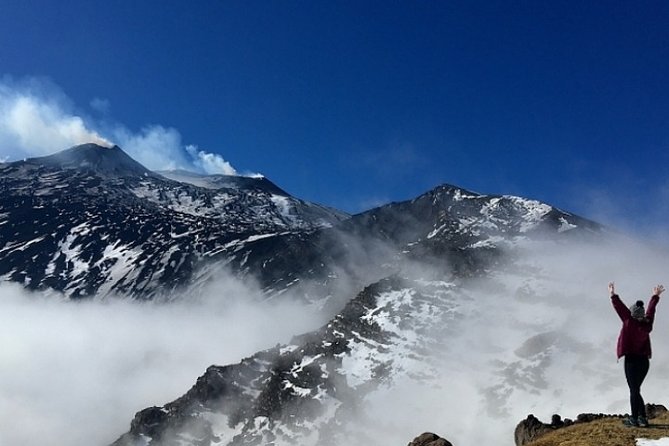
The Etna Special Dawn Excursion is built around one idea: see Etna in the best light while doing real hiking. You’re not riding the easy parts of the volcano. You’re moving across rugged ground in an environment that can look like another planet—then you descend through volcanic sands while the sky changes.
What makes this tour different from a generic “Etna viewpoint” plan is that it’s explicitly adapted to conditions. Etna’s activity can be random, and the guide can adjust the itinerary for weather and geodynamic conditions. In plain terms: you’re going to hike, but the exact route may shift to keep it realistic and allowed.
This trip also leans hard into the idea of reaching altitude when possible. The north side is described as the best choice to visit Etna and aim high, including the option to reach Pizzi Deneri near the north-east crater. That’s the kind of goal that changes the whole feeling of the hike—you’re not just “walking around,” you’re chasing a high point with the volcano looming above.
You can also read our reviews of more tours and experiences in Sicily.
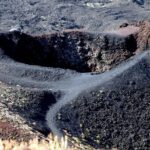
Meeting at Rifugio Citelli (4:00 am): gear, darkness, and the first payoff
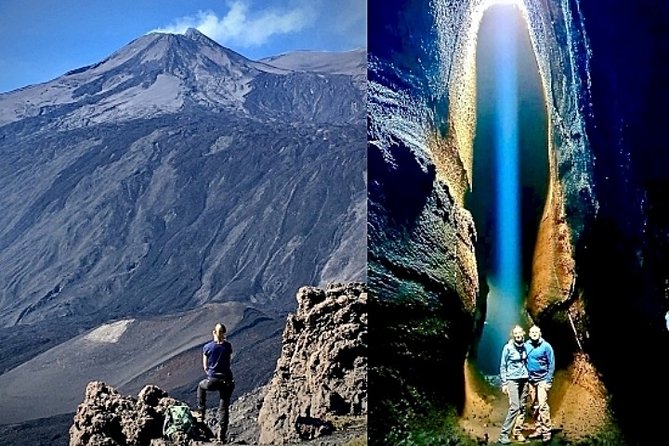
Your morning begins at Rifugio Citelli, at Via Mareneve, in Sant’Alfio. The start time is 4:00 am, which means you’ll likely be meeting in darkness. Multiple hikers note the use of helmets and frontals provided by the guide team, which matters a lot on rocky, uneven terrain.
Included gear is listed as sticks, a helmet, a backpack, and k-ways. That’s not just “nice to have.” On Etna, wind and cold can show up quickly before sunrise, and volcanic trails don’t forgive poor footing. If your shoes grip well and your headlamp works, you’ll feel more confident from the first steps.
One review detail that’s worth taking seriously: dawn conditions can be chilly and windy at the start, then warmer as the sun climbs. So I’d treat this as a temperature-changing walk—layers are your friend.
How the guide chooses your altitude plan (from 1800 m up to Pizzi Deneri)
Here’s the part you’ll appreciate most once you’re on the mountain: the hike is not locked in stone. The guide selects the day’s route and difficulty based on two things:
1) Etna’s current conditions (weather and geodynamics)
2) Your group’s sporting level, aiming to align with the slowest participant
The excursion is described as 5–6 hours of hiking on rugged routes. The vertical drop can range from 300 to 1100 meters, and the walking distance can fall anywhere between 6 and 12 km. The descent includes volcanic sand, which slows your legs more than you’d expect on first contact.
Altitude matters, too. The hike can run from about 1800 m up to a maximum of 2847 m, with Pizzi Deneri highlighted as the possible high point. The guide may also reduce the number of kilometers or the maximum altitude attainable because of the altitude limits allowed for volcano excursions.
This is also why the north-side focus shows up in the description: it’s positioned as the best bet to climb as high as possible when restrictions apply. Even if you don’t hit the maximum altitude on your date, the tour is designed around the reality of access and safety, not a guarantee that every group will reach the same summit-adjacent spot.
Hiking the lunar terrain: steep slopes, volcanic sand, and pacing that can shift
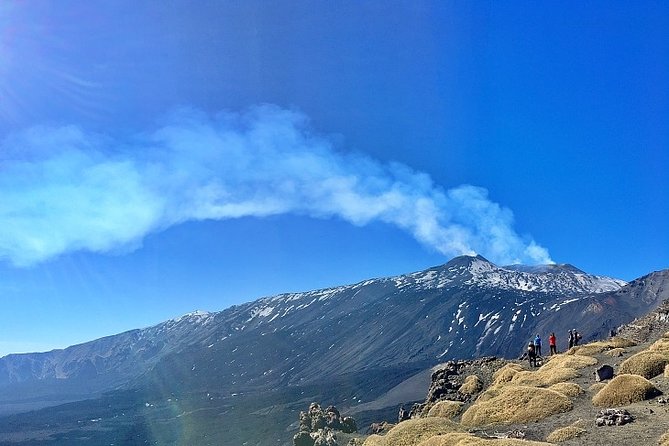
Expect a rugged course with steep slopes and a “lunar landscape” feel. The walking isn’t just physically demanding; it’s mentally demanding in the best way. You’ll spend time paying attention to footing, and you’ll notice how the terrain changes as you gain altitude and then prepare for the descent.
The drop numbers (300–1100 m) aren’t just trivia. A 300 m descent can feel manageable; 1100 m can feel like a leg workout that lasts longer than you planned. And because it’s volcanic sand, the ground can be loose. That’s why this hike is recommended only for people with strong physical fitness.
One more pacing note comes from real feedback. Most comments praise guides for safety and care, and several hikers mention flexibility with the sun’s changing light and the terrain. Still, at least one review points out that the hike ran faster than expected with fewer breaks than some people wanted. That doesn’t mean the entire experience is like that every day, but it does mean you should be ready to speak up if you need short stops for water or photos—especially if you’re traveling with kids, seniors, or anyone who gets winded easily.
Practical reality: you’re hiking at dawn. Your body may feel stiff early, then loosen once the sun starts warming you. If you go in thinking it’ll feel like a normal daytime hike, you’ll be surprised.
Sunrise moments, sea views, and the “volcano education” factor
The big emotional payoff is sunrise. Multiple hikers describe sunrise as magical—either over clouds or with views over the sea. When the light hits Etna from this angle, the volcano stops being a “destination” and becomes a presence. You’ll feel it in the silence and scale, and in the way the sky looks different at altitude.
You’ll also get more than scenery. Reviews repeatedly mention guides sharing knowledge with passion and simple, concrete explanations. People name guides like Antonio and Sofia for being professional, attentive, and good teachers—often adding geology anecdotes that turn the hike into an informal lesson while you walk.
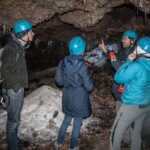
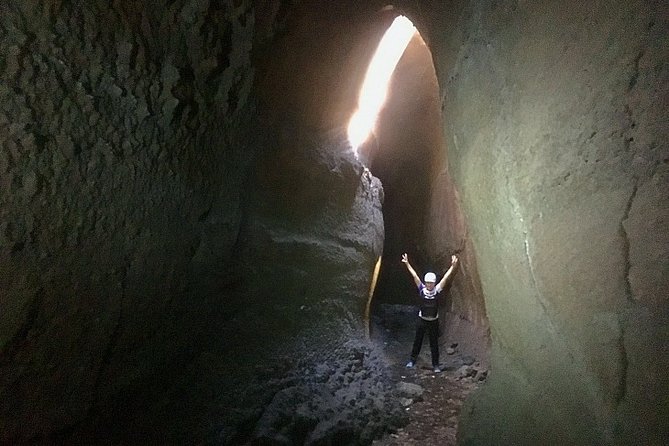
Some outings may include a lava tunnel visit. That’s not guaranteed in the information you have, but it is directly mentioned in feedback from hikers who did a variation of the dawn experience. Because the guide builds the route dynamically, you should think of this as a hike with “possible stops,” not a fixed checklist.
Another review theme: you’re often not surrounded by huge crowds. One person describes feeling like you’re alone in the world—whether that’s literally true for your date or just the effect of the atmosphere, the takeaway is the same: this feels intimate and otherworldly in a way most tours don’t.



Price and value for a private, high-effort Etna hike
The price is $157.57 per person for an excursion lasting about 5 hours (with the total hiking described as 5–7 hours depending on conditions and difficulty). It’s booked about 19 days in advance on average, which hints that people plan this specifically for prime dawn timing.
So is it worth it? In my view, it’s mostly a value question based on what you’re getting:
- You’re paying for access to a high-effort, physically demanding experience rather than just a viewpoint stop.
- You get equipment (sticks, helmet, backpack, k-ways), which you’d otherwise have to source or rent.
- You get an actively tailored route based on Etna conditions and your fitness. That’s a big deal on a live volcano where plans can change.
- You get a very small group cap (maximum of 8 travelers), which makes the guide experience feel personal.
Could it be expensive if you’re expecting a relaxed hike? Yes. If you’re the type who gets worn out quickly or wants a lot of waiting and photo ops without effort, you’ll feel the cost more than the value.
But if you want an honest volcano hike—guided, safety-minded, and actually strenuous—this price feels more like the cost of doing the real thing than a generic sightseeing bargain.
Who this Etna3340 dawn trek fits best (and who might rethink it)
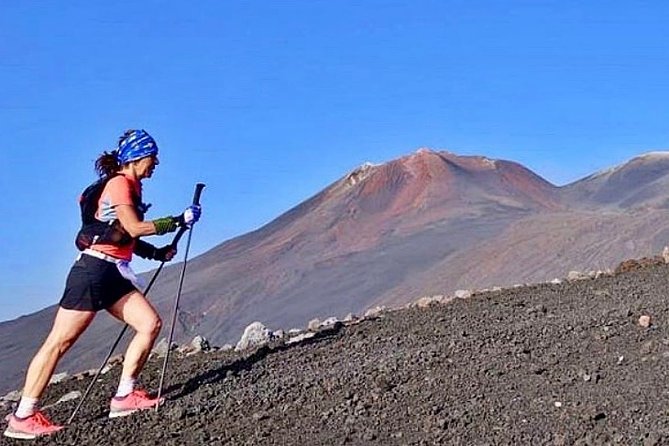
This is for people who genuinely like hiking and don’t mind early starts. The tour calls for strong physical fitness and sets a minimum age of 12. It also says the guide adapts difficulty to the slowest participant, which helps, but adaptation has limits when the ground is steep and the descent runs through volcanic sand.
You’ll likely have the best time if you:
- enjoy working hard on the trail and don’t need everything to be easy
- can handle cold-to-warm conditions in the early hours
- want sunrise and a deeper Etna context from the guide
You might rethink it if you:
- have mobility limits that don’t handle steep slopes well
- dislike loose footing (volcanic sand can feel tiring fast)
- want long breaks every hour regardless of conditions
Family trips do happen—some hikers mention kids and families loving the experience—yet that doesn’t mean it’s casual. Family success depends on the kids’ hiking stamina and the group’s overall pace.
Quick booking notes that matter once you’re on the ground
A couple practical points to keep you comfortable:
- Lunch and breakfast are not included, so plan your food strategy before you meet.
- The tour requires good weather. If it’s canceled due to poor weather, you’ll be offered a different date or a full refund.
- The guide may adjust the route if altitude limits are in effect for volcano excursions, so think of maximum altitude as a goal, not a promise.
Also, you should expect mobile ticket use for check-in, and confirmation depends on how close you book to the travel date.
Should you book the Etna Special Dawn Excursion?
If you’re chasing a real volcano hike with sunrise payoff, I’d book this. It’s one of the better ways to get high on Etna when access rules shift, and the guide-led customization keeps it more realistic than a fixed “reach point X at any cost” plan. The combination of helmets/frontals, small group size, and knowledgeable guides turns a tough hike into something memorable.
I’d hesitate if you want a laid-back walking tour, expect lunch to be included, or aren’t comfortable with steep terrain and volcanic sand. Also, because pacing can vary with the guide and conditions, be ready to advocate for short breaks if you need them.
If you’re willing to wake up at 4:00 am and work for the view, this is the kind of Sicily experience that stays with you.
FAQ
What time and where do we meet for the Etna Special Dawn Excursion?
The start time is 4:00 am at Rifugio Citelli, Via Mareneve, 95010 Sant’Alfio CT, Italy. The activity ends back at the meeting point.
How long is the hike?
You should plan on about 5 hours (approx.), with the hiking described as about 5 to 7 hours depending on route choices and conditions.
What physical fitness level do I need?
The tour specifically says travelers should have a strong physical fitness level, because the route can include steep slopes, a vertical drop of 300 to 1100 meters, and 6 to 12 km of walking.
Is the route fixed or does the guide change it?
The guide chooses the route and difficulty based on weather/geodynamic conditions and your sporting level. Vertical drop, walking distance, walking speed, maximum altitude, and the precise route can all be adjusted during the excursion.
What’s included, and what’s not?
Included: sticks, helmet, backpack, and k-ways. Not included: breakfast and lunch.
What happens if weather is bad or I need to cancel?
The experience requires good weather. If it’s canceled due to poor weather, you’ll be offered a different date or a full refund. You can cancel up to 24 hours in advance for a full refund.