Etna turns a hike into science class. You ride up toward Torre del Filosofo, then walk out onto the central crater world to see Bocca Nuova and the Voragine up close.
What I like most is that this is built for real walking: you get trekking boots and a helmet, not just vague instructions. And the guides named in many experiences (Marco, Vincenzo, Simone, Massimo, Davide) consistently show up as the key to pacing, safety, and making sense of what you’re seeing.
One possible drawback to plan around: parts of the summit area can be restricted by weather/volcanic rules, and you also need budget for the extra cable car and 4×4 transport to reach the starting altitude.
In This Review
- Quick hits before you go
- Etna Summit Craters: what this hike is really about
- What you’ll actually see (and why it matters)
- Getting up: cable car + 4×4 to around 2900m (and what you pay for)
- Cash can be a surprise
- From 2900m to the crater edge: the walk to Bocca Nuova
- Why this section is harder than it sounds
- The Bocca Nuova stop: the payoff
- Voragine and the North East Crater: how the summit moment works
- What the “summit” actually feels like
- When the summit isn’t the summit
- Valle del Bove descent: ashes, scoria, and the big-caldera view
- Why the descent matters for your comfort
- Equipment and safety: why the guides matter on an active volcano
- Pace that fits real humans
- What to bring: wind, gas, altitude, and food
- Your checklist (based on what’s commonly needed at altitude)
- Fitness reality check
- Price and value: what you’re paying for with the Etna summit hike
- How to budget smart
- Who this tour suits best (and who should skip it)
- Should you book Etna Summit Craters?
- FAQ
- Where is the meeting point and what time does the tour start?
- How long does the Etna Summit Craters experience take?
- What’s included in the booking price?
- What transport is not included, and how high do you go?
- What does the hike cover once you reach the crater area?
- Do I need a certain fitness level?
- Is this tour recommended for people with asthma?
- How big is the group?
- What happens if weather is poor or I need to cancel?
Quick hits before you go
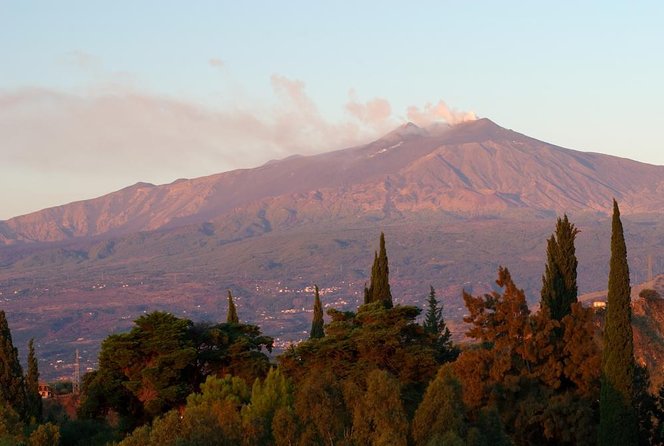
- Central Crater viewpoints: You reach the edge of the crater system and move between multiple crater areas.
- Bocca Nuova focus: The route is designed around stopping at this standout crater feature.
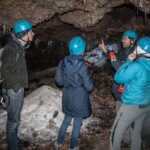
- Helmets and winter-ready gear: Equipment includes boots, a jacket/outer layer, and a helmet.
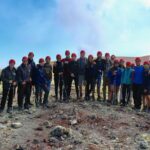
- Small group feel: Maximum of 15 travelers, which matters a lot on steep, active terrain.
- Long descent through Valle del Bove: You end back at the 2500m cable-car station after walking ash and scoria slopes.
Etna Summit Craters: what this hike is really about
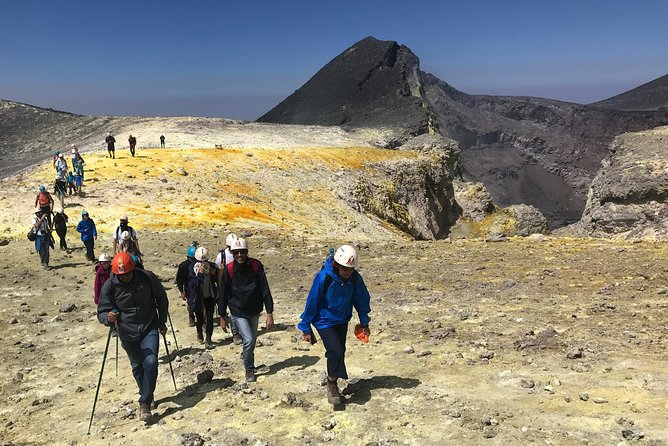
This is not a casual volcano walk. This is a guided active Etna crater hike where you’re close enough to feel how changeable the mountain can be—wind, gas, and access rules included.
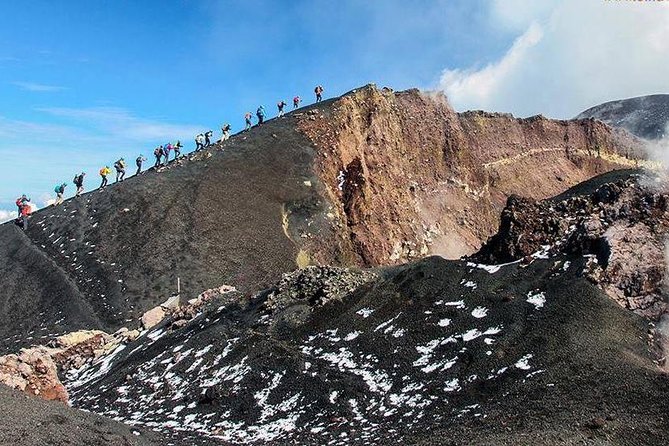
The value of the format is simple: you don’t just stand at a viewpoint. You get a morning climb from roughly 2900m up toward the main crater ring, then you keep moving—past Bocca Nuova, over to the Voragine, and up a steep but short climb toward the North East Crater.
You can also read our reviews of more tours and experiences in Sicily.
What you’ll actually see (and why it matters)
The stops are chosen for crater variety, not postcard variety. The route is built around:
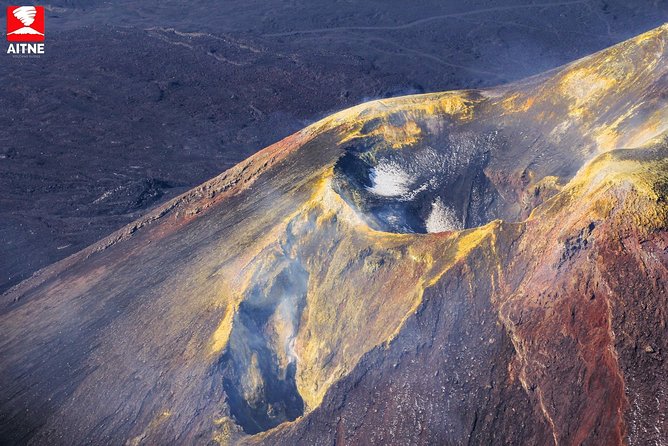
- Bocca Nuova (about 3250m), often described as the most impressive crater stop on Etna
- the Voragine (the heart of the central crater system), where the geology feels like you’re walking along the structure of the volcano itself
- the North East Crater (about 3329m), which is treated as a true summit moment when access allows
And when conditions are clear, there’s a real chance of seeing the Aeolian Islands to the north. That’s the kind of reward that makes the climb worth it.
Getting up: cable car + 4×4 to around 2900m (and what you pay for)
The day starts with transport up Etna before you begin your uphill walk. You go by cable car and 4×4 minibus up to about 2900m in the Torre del Filosofo area.
Important money note: the price you book covers the guide and equipment, but it does not cover the round-trip cable car and jeep up to 2900m. That extra transport can be a big chunk of your overall cost, so I strongly suggest you treat the $84.69 as the guide-and-gear portion, then budget separately for the lift/jeep ride.
Cash can be a surprise
One practical wrinkle from real on-the-ground experience: payment for the extra transport has sometimes been handled by cash only, which means you’ll want an ATM plan near your arrival day. If you show up assuming everything is card-only, Etna can turn into an awkward errand.
From 2900m to the crater edge: the walk to Bocca Nuova
After the transport, you get about 1.5 hours of uphill walking to reach the edge of the central crater system. This is where the hike becomes physical.


Why this section is harder than it sounds
At altitude, your “normal walking pace” often feels like you’re working harder than you expected. Add in wind—Etna can be gusty even on good-weather days—and you’re suddenly balancing effort with breath.
The equipment matters here. Boots help because the terrain can be steep and irregular. The helmet and jacket matter because conditions can change fast near volcanic areas.
The Bocca Nuova stop: the payoff
Once you reach the crater edge, the route is designed so you can see Bocca Nuova up at around 3250m. This crater is the highlight that anchors the whole hike.
What I like about this is that Bocca Nuova isn’t treated like a quick glance. The structure of the hike gets you into position to actually understand the crater layout from multiple angles as you move around it.
Voragine and the North East Crater: how the summit moment works
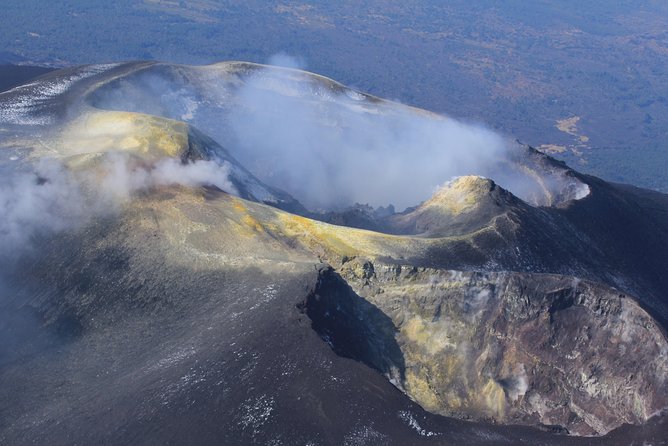
After circling Bocca Nuova, you move onto the edge of the Voragine, described as the heart of the central crater. From there, there’s a steep but short climb toward the North East Crater (around 3329m).
What the “summit” actually feels like
This part is short compared to long mountain hikes, but it can still feel intense because:
- the climb is steep
- the ground can be loose volcanic material
- wind and cold can add stress quickly
The best part is the reward: from the top, there’s time to wander with a 360° view, and if the day allows, the distant islands can appear.
When the summit isn’t the summit
Here’s a reality check that you should take seriously: access to the very top can be restricted by volcanic activity and changing local ordinances. On some days, the route may stop around 3000m instead of pushing to the highest allowed point.
That doesn’t automatically mean your day is wasted. You can still get dramatic crater views and crater-area hiking. But you should know in advance that Etna runs on rules, not on promises.
Valle del Bove descent: ashes, scoria, and the big-caldera view
After the summit-area portion, you begin the long descent: steep but described as an easier slope on the way down. This isn’t paved walking; it’s more like moving through volcanic material.
You pass through the Valle del Bove, a huge volcanic amphitheater described as about 8km long and 4km wide. That scale is hard to appreciate until you’re literally walking its edges and slopes.
Why the descent matters for your comfort
People think the climb is the whole challenge. Often the bigger issue is how your legs feel after. The descent over ash and scoria can be tough on knees and ankles if you’re not used to uneven footing.
This is where boots earn their keep. And it’s also where the guide’s pacing style can matter. Many experiences highlight guides managing the group so slower hikers can keep up without feeling rushed.
Equipment and safety: why the guides matter on an active volcano
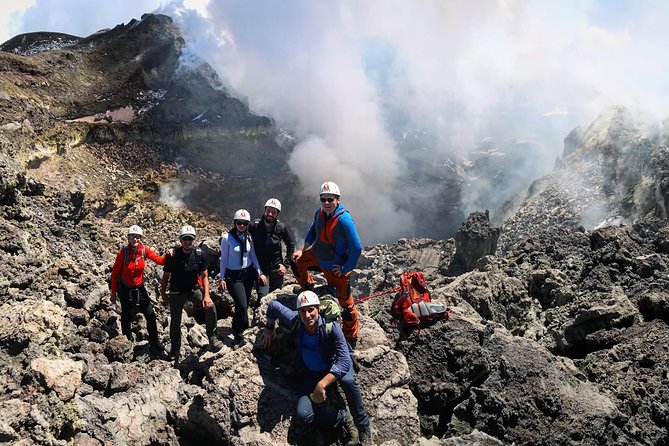
The tour includes hiking gear, including trekking boots, jacket/outer layer, felapt (as listed), and a helmet. That’s not just “nice to have”—it’s the difference between being comfortable in wind and being miserable.
Guides are also the safety layer. Names that come up repeatedly include Marco, Vincenzo, Simone, Massimo, Davide, Fabio, Giuseppe, Mario, and others. The consistent theme: they manage the group pace, keep people safe, and explain what you’re seeing so you understand why each crater stop is where it is.
Pace that fits real humans
One underrated benefit: the climb is demanding, but guides often adjust the rhythm so the group stays together. You might still work hard, but you’re less likely to feel like you’re sprinting uphill while others disappear.
What to bring: wind, gas, altitude, and food
Even with included gear, you’ll want to arrive prepared for Etna’s mood swings.
Your checklist (based on what’s commonly needed at altitude)
- Warm layer: it can be cold and windy higher up
- Breath protection: when gas is stronger, a mask/buff can help with comfort around emissions
- Food and water: the hike can run closer to 5–6 hours when you include everything, so snacks may not be enough if you’re hungry
- Extra layers if you tend to get cold quickly
A few practical tips from real-world experiences:
- A buff or mask can make a noticeable difference if gas emissions are strong.
- Bring enough food so you’re not forced to ration. You’re at altitude, walking, and waiting at crater edges.
Fitness reality check
Moderate fitness is the stated requirement. That’s fair. The hike is still steep and physically challenging, especially with wind and uneven volcanic ground. If you’re usually winded by stairs, plan to build a little stamina before you go.
And if you have asthma: this activity is not recommended for people with asthma problems.
Price and value: what you’re paying for with the Etna summit hike
At about $84.69 per person, you’re paying for the guide plus hiking equipment (boots, jacket, helmet). You’re not paying for the round-trip cable car and jeep to about 2900m—that’s extra.
So the honest value question is: do you want a guided, crater-focused summit walk on active Etna with included gear? If yes, the guide-and-equipment portion is the core value.
If you just want a low-effort sightseeing outing, this might feel expensive because the transport lift/4×4 cost is mandatory and can add up. Several experiences emphasize that it’s easy to underestimate how much the extra transport can raise the total.
How to budget smart
I recommend you budget for:
- the booking price for guide and equipment
- the additional cable car and 4×4 transport to reach the hike starting altitude
Then factor in that summit access may change based on conditions, so your expectation should be crater walking with strong views, not a guaranteed highest point.
Who this tour suits best (and who should skip it)
This works best if you want:
- a guided crater itinerary (not self-guided wandering)
- a morning start so you still have evening free in Sicily
- a small-group hike (max 15) with enough structure to stay safe
It may not be the right fit if:
- you have asthma problems
- you hate steep, windy conditions or uneven footing
- you’re relying on a guaranteed full summit to the very top regardless of changing volcanic rules
It’s also a good choice if you prefer clarity: even when the volcano changes the plan, the guide is there to reroute and manage what’s allowed that day.
Should you book Etna Summit Craters?
If Etna is on your Sicily list, I’d book this when you:
- want the crater-focused route (Bocca Nuova, Voragine area, North East Crater zone)
- like the idea of included boots and helmet
- are willing to budget for the lift/jeep ride up to 2900m
I’d hesitate if you’re:
- very sensitive to altitude effort or wind
- relying on a guaranteed exact summit height every day
- unsure you can handle gas emissions comfortably
If you go in with the right expectations—crater hiking on a living volcano, plus extra transport costs—you’ll get the kind of morning that sticks with you long after you’re back in Nicolosi.
FAQ
Where is the meeting point and what time does the tour start?
The tour meets at La Terrazza Dell’Etna Etna Sud, Piazza Vittorio Emanuele, 95030 Nicolosi CT, Italy. Start time is listed as 9:00 am, and the activity ends back at the meeting point.
How long does the Etna Summit Craters experience take?
The duration is listed as about 5 hours.
What’s included in the booking price?
The booking includes the guide and hiking equipment, including trekking boots, a jacket (as listed), felapt (as listed), and a helmet.
What transport is not included, and how high do you go?
The round-trip cable car and jeep up to about 2900m are excluded. You ride cable car and 4×4/minibus to reach the Torre del Filosofo area around 2900m before the uphill walk.
What does the hike cover once you reach the crater area?
You walk to the edge of the central crater system, view Bocca Nuova (around 3250m), move around toward the Voragine, then do a steep but short climb toward the North East Crater (around 3329m when access allows). After that you descend through the Valle del Bove and return to the cable car station around 2500m.
Do I need a certain fitness level?
Yes. The tour notes that travelers should have a moderate physical fitness level.
Is this tour recommended for people with asthma?
No. It is not recommended for those with asthma problems.
How big is the group?
The maximum group size is 15 travelers.
What happens if weather is poor or I need to cancel?
The experience requires good weather. If it’s canceled due to poor weather, you’ll be offered a different date or a full refund. For cancellation, you can cancel up to 24 hours in advance for a full refund.