REVIEW · ROME
Fettuccine, Ravioli and Tiramisu Pasta Making in Rome
Book on Viator →Operated by Eat and Walk Italy · Bookable on Viator
Fresh pasta and tiramisu in the heart of Rome. In about three hours, you’ll go from dough to dinner in a real Roman restaurant setting, with an English-speaking chef guiding every step.
I love that the class is truly hands-on: you knead, roll, and shape your own fettuccine and ricotta-stuffed ravioli. I also like the payoff is immediate, because you sit down afterward and eat what you made, with a glass of wine or a soft drink plus a limoncello shot or hot coffee.
One drawback to plan for: the experience is very structured, and making the sauce isn’t part of the session. You’ll choose sauce options, but you’re mainly responsible for pasta dough and tiramisù, so don’t expect a full cooking lesson on every component.
In This Review
- Quick Hits Before You Go
- Rome Pasta-Making Reality Check: What You’re Actually Doing
- Meeting Point in Central Rome: Why Location Matters
- The Tiramisu Part: A Faster Path to Wow-Factor
- Fresh Pasta Workflow: Knead, Roll, Shape, Repeat
- Fettuccine and Ravioli: The Flavors You’ll Actually Taste
- Fettuccine sauce choices
- Ricotta ravioli filling and cooking
- The Sit-Down Meal: Where the Value Really Lands
- Who This Class Fits Best (and Who Might Want Another Option)
- Price and Timing: Is $84.69 Worth It?
- Tips for Getting More From Your Class
- Should You Book This Rome Fettuccine, Ravioli, and Tiramisu Class?
- FAQ
- How long is the cooking class in Rome?
- What does the class cost?
- Is the class offered in English?
- How many people are in a class?
- What do I make during the session?
- Do I make the sauce for the fettuccine?
- What sauce options are included for the fettuccine?
- What is in the ravioli filling, and how are they served?
- What drinks are included with the meal?
- Is cancellation free?
Quick Hits Before You Go
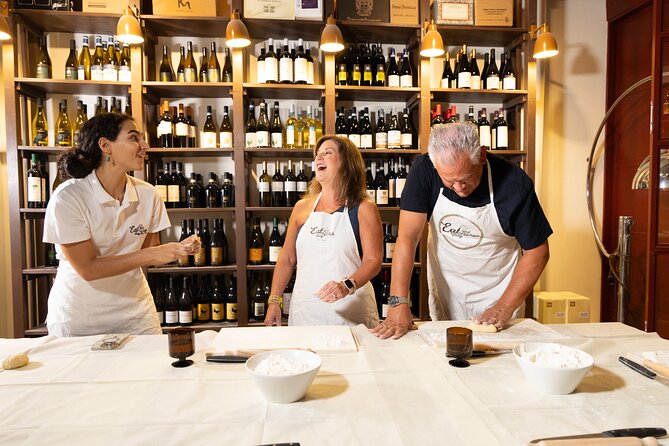
- Make pasta dough and shape it yourself: fettuccine plus stuffed ravioli, not just watching
- Tiramisu from scratch: you layer savoiardi, mascarpone, and cocoa under chef guidance
- Dinner is included and connected to your work: you eat the pasta and dessert you produced
- Small group size: capped at 18 for more attention during shaping and portions
- Real Roman flavors: options like cacio e pepe and amatriciana, plus ravioli cooked with butter and sage
- Drink pairing is part of the deal: wine or soft drink, plus limoncello or hot coffee
Rome Pasta-Making Reality Check: What You’re Actually Doing
This isn’t a quick demo where you stand nearby and hope your food magically becomes dinner. It’s a 3-hour, hands-on class designed for you to leave with actual technique.
You’ll start with tiramisu, then move into fresh pasta: kneading dough, rolling it out, and shaping both fettuccine and ravioli. You’ll also get to pick from sauce options for the fettuccine you make, and the ravioli are cooked in a butter-and-sage style.
The big practical win for you is that the skills match what many people struggle with at home: dough texture, rolling thickness, and shaping. Those are the things that turn boxed pasta into something you can brag about (politely) to friends later.
You can also read our reviews of more tours and experiences in Rome.



Meeting Point in Central Rome: Why Location Matters
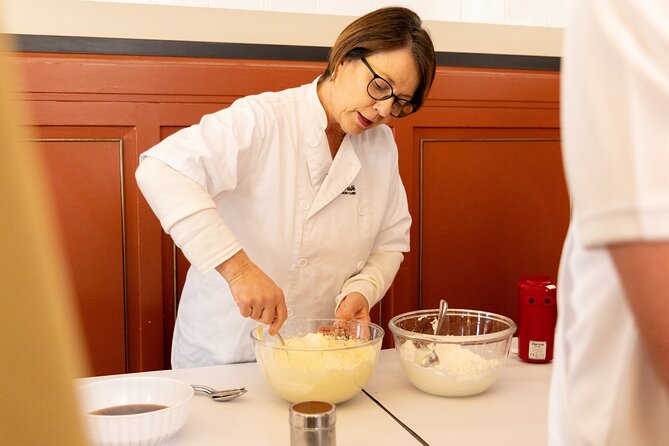
The class starts at Via Giuseppe Zanardelli, 14, 00186 Roma RM, and it ends back near the same meeting point. That’s helpful because you’re not spending the whole evening zigzagging across the city after a long day of sightseeing.
It’s also close to public transportation, so if you’re arriving from the Colosseum area, the Vatican side, or the historic center, you’re not stuck doing a long, expensive taxi detour. Since the session is only about three hours, being late can mess up the pacing, so I’d treat the meeting time as the real start time.
The Tiramisu Part: A Faster Path to Wow-Factor
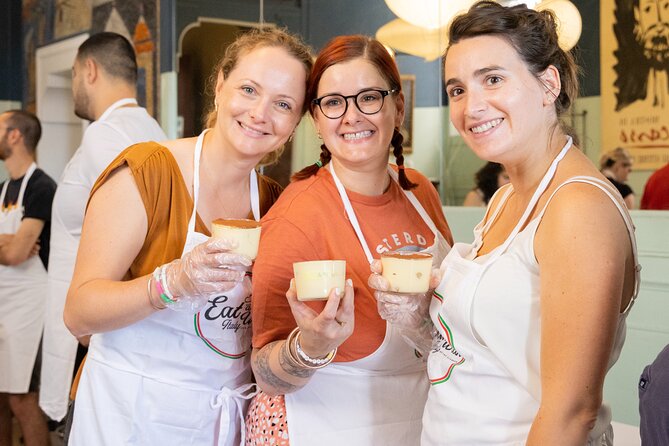
You begin your culinary run with traditional tiramisù. In this class, that means layering savoiardi biscuits, mascarpone, and cocoa with chef guidance.
Why this matters: tiramisù is one of those desserts that feels complicated, but it’s mostly about getting the layering right and working at the right speed. Starting with tiramisù also gives you something you can actually see come together early on, which makes the rest of the cooking less intimidating.
If you’re cooking with kids or you’re the group member who usually says bread-making is scary, tiramisù is a confidence builder. One family in the feedback highlighted how the instructor kept a younger nephew engaged while still guiding the whole table. That tells me the teaching style tends to be step-by-step and not vague.
Fresh Pasta Workflow: Knead, Roll, Shape, Repeat
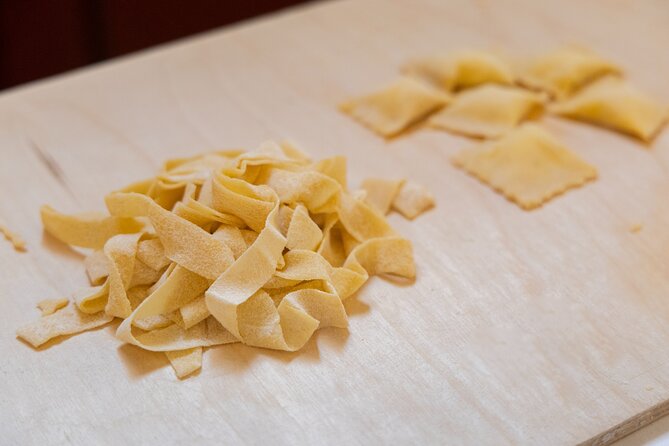
Once tiramisù is underway, you shift to the main event: fresh pasta.
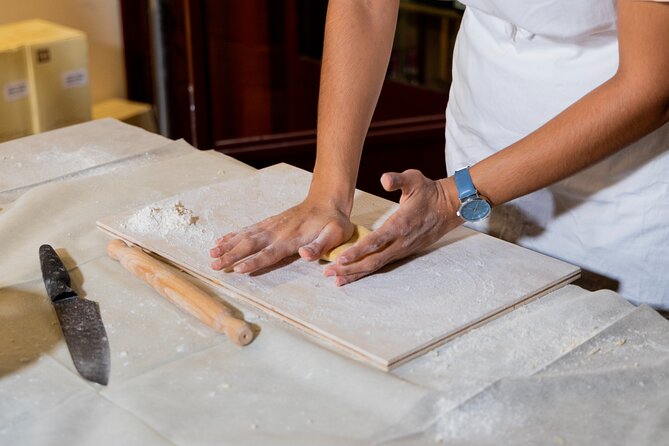
You’ll work with pasta dough and learn how to knead, roll, and shape it. The goal is not just to make something that’s edible, but to learn the mechanics behind good pasta.
Here’s what I’d pay attention to while you’re in class:
- Dough texture: you want it to feel workable, not sticky-glue or dry-crumble
- Rolling thickness: it affects how the fettuccine behaves and how the ravioli hold their shape
- Shaping consistency: your fettuccine and ravioli don’t need to look like a restaurant photo, but you do want them reasonably even so they cook properly
At the instructor level, the feedback names several chefs who sound especially hands-on and patient, including Chef Lori, Chef Dani, Chef Carlotta, Chef Maria, Chef Mimi, Chef Furio, Chef Tommo, and Chef Alessia. The common thread: they help people get their dough right, keep instructions clear, and adjust when someone’s struggling.
That “check-in and fix it” style is exactly what you want in a pasta class. Pasta punishes guesswork.
Fettuccine and Ravioli: The Flavors You’ll Actually Taste
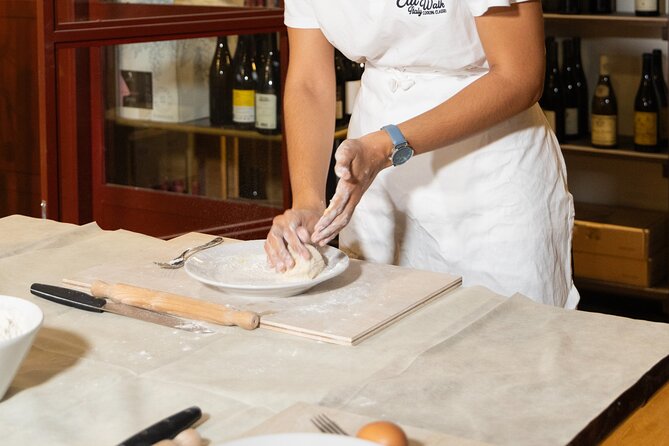






Fettuccine sauce choices
For your fettuccine, you choose among these sauce options:
- Amatriciana
- Cacio e pepe
- Tomato and basil
Important detail: the information specifically notes that making the sauce isn’t part of the class. So think of it like this: you’re responsible for pasta and dessert. You’re also selecting your flavor path, but you’re not performing a full sauce cook-off lesson at the stove.
Ricotta ravioli filling and cooking
Your stuffed ravioli get a ricotta-and-Parmigiano filling. They’re then cooked in a butter and sage style.
This is a solid choice for a Rome class because it’s classic, straightforward, and it plays well with homemade pasta. Butter and sage also helps mask the one thing that can happen when home cooks rush: a slightly uneven pasta shape. The sauce catches and balances it.
The Sit-Down Meal: Where the Value Really Lands
After the cooking session, you’re seated in a restaurant and you eat a full meal built around your work.
You’ll enjoy:
- Your fettuccine with your selected sauce
- Your filled ravioli (ricotta/Parmigiano, cooked in butter and sage)
- Your own tiramisu
Drinks are included too:
- A glass of wine or soft drink
- Water
- A choice of a limoncello shot or hot coffee
This is a key reason I think the class holds value. Many cooking classes are mostly for “look what you made,” then you leave hungry or you pay extra to enjoy it. Here, the dinner is part of the package, so your tuition turns into an experience and a meal.
Who This Class Fits Best (and Who Might Want Another Option)
This is a great fit if you:
- Want a break from monuments without giving up on good food
- Like interactive learning and taking something home you can repeat
- Travel as a couple or with family and want a shared activity
The feedback also points to it working well for families. One example mentioned kids around elementary age enjoying the class and staying engaged while the chef managed the group and helped as needed.
It’s also a good match for first-timers. The teaching style described in the feedback repeatedly emphasizes clear directions and making dough manageable, even if you’ve never rolled pasta before.
If you’re the type who wants to learn every single sauce technique from scratch, you might feel slightly limited because making the sauce isn’t included. But if your priority is pasta and tiramisù, the structure is exactly what most people want: focused, practical, and not overloaded.
Price and Timing: Is $84.69 Worth It?
At $84.69 per person for about three hours, the cost is reasonable when you translate what’s included.
You’re getting:
- Instruction while making fresh pasta dough
- A full dessert build for tiramisu
- A restaurant meal featuring what you made
- Included drinks: wine or soft drink, plus limoncello or hot coffee, and water
- A small group experience (max 18)
In other words, you’re not just buying a recipe card. You’re paying for time, guidance, ingredients, and the chance to eat immediately. That’s a lot closer to value than a typical “food experience” that’s mostly tasting small bites.
Also, the fact that this is commonly booked around 41 days in advance is a clue that time slots can fill. If you want a particular day, locking it in earlier is smart.
Tips for Getting More From Your Class
These are practical moves that help you enjoy the cooking even more:
- Arrive a few minutes early so you’re not rushing when you walk in
- Treat it like a skill class, not a snack tour: focus on dough texture and rolling thickness
- Plan to eat slowly after cooking. You’ll be working hard and then enjoying a full meal with wine and dessert
- If you’re nervous, it’s okay: the instructors mentioned in the feedback come off patient and attentive, including helping people get their dough right
One note on risk management: there has been at least one reported case of the class not running as expected due to confusion at the entrance. I can’t predict it, but you can reduce the chance of a bad start by double-checking your confirmation details and the exact start time before heading over.
Should You Book This Rome Fettuccine, Ravioli, and Tiramisu Class?
I’d book it if you want an authentic-feeling Rome experience that’s hands-on, small-group, and ends with a real sit-down meal. The combination of pasta-making from scratch plus tiramisu layering plus included drinks makes the price easier to justify.
Skip it only if you’re mainly chasing sauce-making skills or you hate structured lessons. If your goal is to learn what you can recreate at home and enjoy a full dinner right away, this class hits that target cleanly.
If you’d like, tell me your travel dates and who’s in your group (adults only or kids), and I can suggest the best way to fit this into a Rome day without fighting crowds.
FAQ
How long is the cooking class in Rome?
It lasts about 3 hours.
What does the class cost?
The price is $84.69 per person.
Is the class offered in English?
Yes, it is offered in English.
How many people are in a class?
The tour has a maximum of 18 travelers.
What do I make during the session?
You make tiramisu, fettuccine, and stuffed ravioli.
Do I make the sauce for the fettuccine?
No. The information lists making the sauce as not included, though you do get to choose your fettuccine sauce option.
What sauce options are included for the fettuccine?
You can choose from Amatriciana, Cacio e pepe, or Tomato and basil.
What is in the ravioli filling, and how are they served?
The ravioli are filled with ricotta cheese and Parmigiano, and cooked in butter and sage.
What drinks are included with the meal?
You get a glass of wine or a soft drink, plus water. You also choose either a limoncello shot or hot coffee.
Is cancellation free?
Yes. Free cancellation is available, and you can cancel up to 24 hours in advance for a full refund.