REVIEW · FLORENCE
Florence: Market to Table Cooking Lesson
Book on GetYourGuide →Operated by My Tour in Italy · Bookable on GetYourGuide
Florence smells like food for a reason. This half-day market-to-table cooking lesson pairs a guided shopping trip with real hands-on cooking, so you learn Tuscan technique instead of just following steps. I especially like two things: the market tasting led by the chef and the chance to make fresh pasta and sauces from scratch. One big catch: it’s not suitable for gluten intolerance.
In about 4.5 hours, you’ll go from market stalls to the kitchen, finish with a meat or fish course and a dessert (tiramisu is a common centerpiece), then sit down to a three-course lunch with Italian wine. Plan for some movement too: you’ll need to climb and descend stairs, and on Sundays/bank holidays the market visit is skipped.
In This Review
- Key Points You’ll Care About
- Meeting Point and What Happens in the First Minutes
- Florence Central Market: Learning What Italians Actually Shop For
- The Chef’s Grocery Lesson: How Market Notes Turn Into Better Sauce
- Minivan Transfer: A Simple Pace Change That Keeps the Class Flowing
- Handmade Pasta and Tuscan Sauces: The Skills You’ll Actually Reuse
- Meat and Fish Courses: Technique Tips That Make the Difference
- Bruscetta, Tagliatelle, and Dessert: Your Three-Course Endgame
- Lunch With Italian Wine: Eating Like You Mean It
- Value for Money: What You’re Really Paying For
- Who Should Book This Class (And Who Should Think Twice)
- Should You Book This Florence Market to Table Cooking Lesson?
- FAQ
- Is the cooking lesson in English?
- How long is the Florence Market to Table Cooking Lesson?
- Where do we meet in Florence?
- What happens if I book on a Sunday or bank holiday?
- Is this class suitable for gluten intolerance?
- Will there be stairs?
- Do we get anything to take home?
Key Points You’ll Care About
- Central market shopping with a chef so you learn what to buy and why, not just what to cook
- Hands-on handmade pasta where you’re making dough and turning it into something you can actually repeat at home
- Tuscan sauces from scratch including options like tomato-based sauces, ragù, bolognese, and pesto
- Meat-and-fish technique tips that focus on method and flavor, not complicated ingredients
- Dessert time with tiramisu-style skills that translate well to your home kitchen
- Lunch with wine plus a take-home certificate makes the whole experience feel like a complete meal, not a demo
Meeting Point and What Happens in the First Minutes
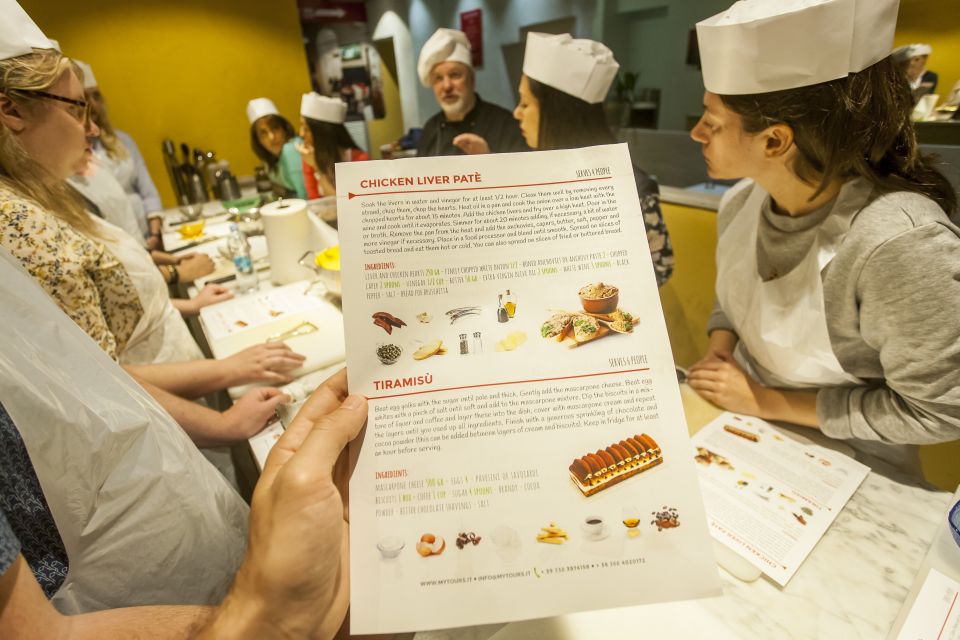
You meet at Via Panicale 43/r, 50123 Firenze. It’s a good location for starting on foot, and it keeps the whole flow simple: meet, go to the market area with your English-speaking guide/chef, then head to the cookery school.
Timing matters here. The class runs about 4.5 hours, and you’ll be in “group rhythm” right away—listening, shopping, and then cooking. Small delays can happen if someone gets turned around, and a few past participants noted a late start that pushed the end time later. If you have a tight schedule afterward (like a train), give yourself a buffer.
One practical heads-up: on Sundays and bank holidays, the central market is closed, and the market portion is skipped. In other words, don’t book this thinking you’ll always walk the stalls. You’ll still cook, but you’ll lose that key market piece on those days.
You can also read our reviews of more tours and experiences in Florence.
- Tuscany Day Trip from Florence: Siena, San Gimignano, Pisa and Lunch at a Winery
★ 5.0 · 21,634 reviews


Florence Central Market: Learning What Italians Actually Shop For
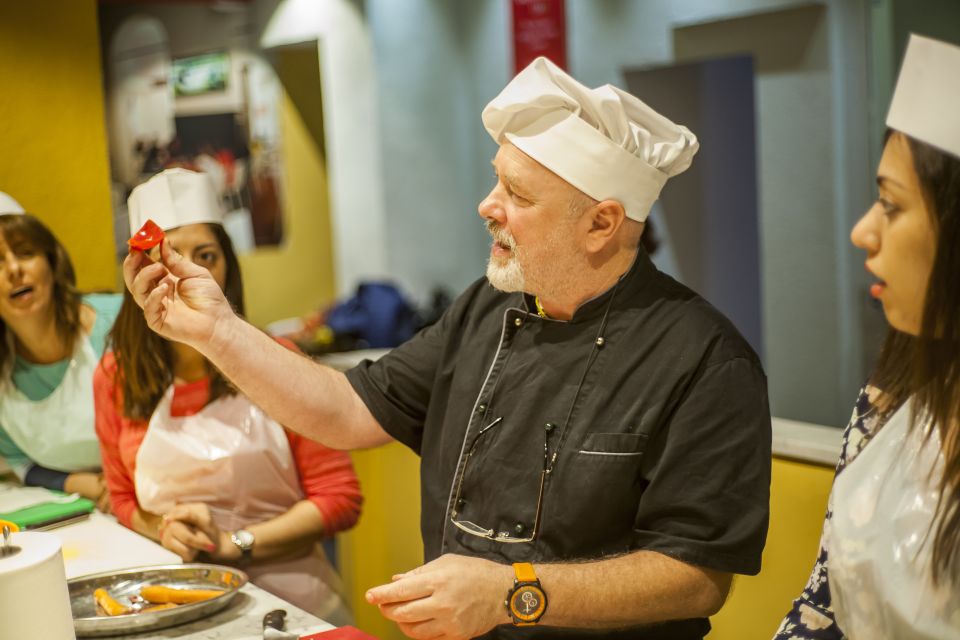
This is not just a stroll. You shop with the chef at Florence’s central food market and get a hands-on lesson in what different stalls sell and how to choose ingredients.
What I like most is that the chef talk ties food to region and to the season. In past classes, chefs focused on meats, cheeses, vegetables, and how to pick varieties that match the dish you’re making. In one experience led by chef Julio, the market talk included details on what to look for and how to buy for traditional Tuscan cooking.
You may also get a guided tasting stop. Several participants mentioned tasting products connected to Tuscany flavors, including truffle items like oils, pastes, and cheeses. That’s helpful because it gives you flavor context before you cook—your brain connects the taste to the recipe later.
Market pros and cons:
- You get real shopping know-how you can use at home.
- You’ll be doing stairs and walking early in the day. If mobility is an issue, plan accordingly.
The Chef’s Grocery Lesson: How Market Notes Turn Into Better Sauce
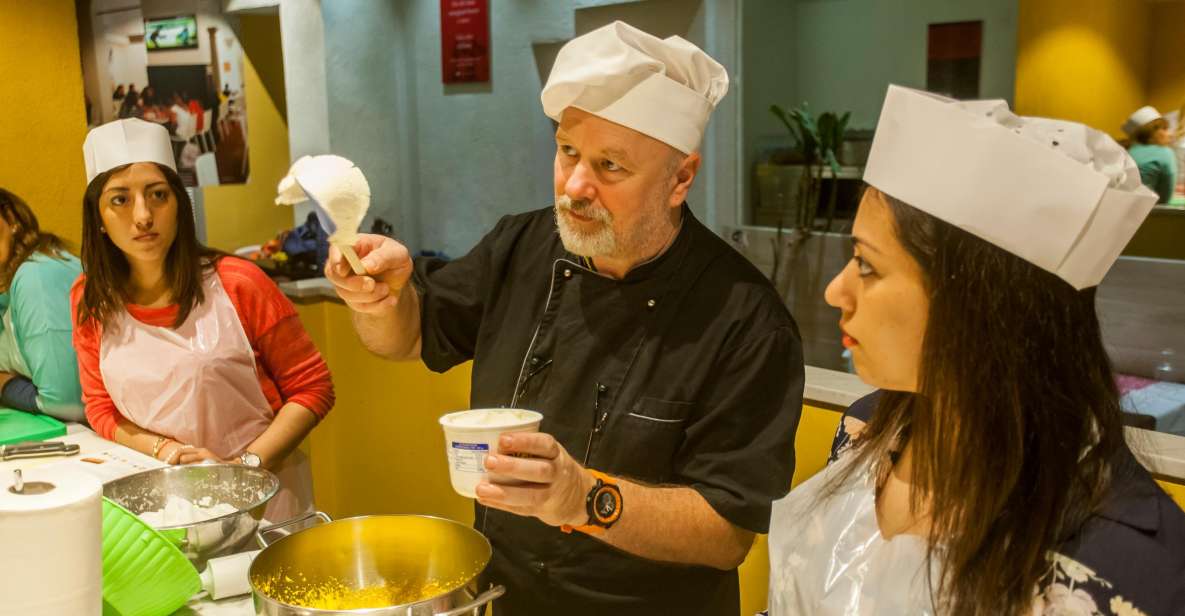
Once you’re back in buying mode, the chef’s role becomes less “teacher” and more “translator.” You start learning the logic behind Tuscan cooking: fewer tricks, stronger ingredients, and technique that respects the food.
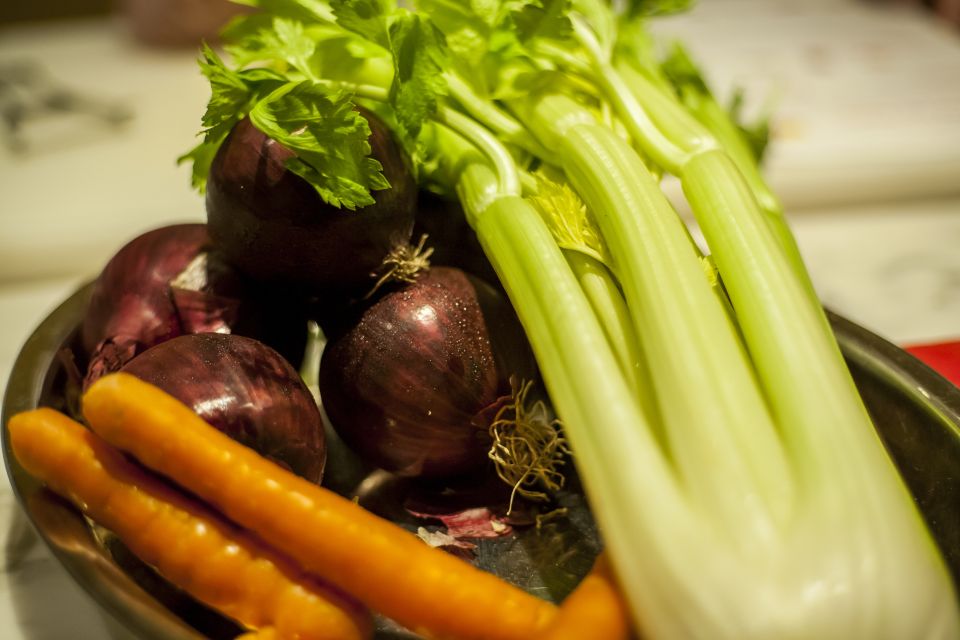
In classes like this, you’ll typically prepare ingredients for your pasta sauces and other components right after the market visit. That means the shopping choices aren’t random—they feed what you’ll cook later. Past participants highlighted that the chef explained what types to purchase and how certain ingredients behave in sauce.
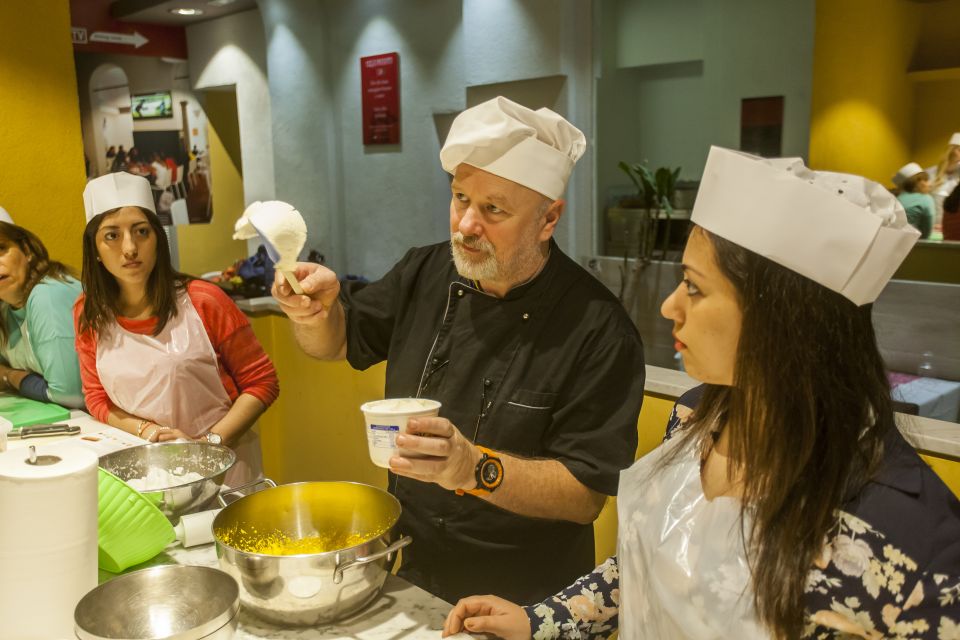
A small but important detail: in some groups, the chef had everyone chopping, stirring, and participating rather than just watching. People consistently praised that hands-on style. One participant described rolling pasta dough themselves, which matters because pasta is all about feel—how the dough comes together, how it rests, and how it handles once you shape it.
If you’re worried the market part will replace cooking time, you’re right to ask. A couple of people wished for more hands-on time in the kitchen. Still, the overall consensus from strong scores is that the market visit is worth it because it sets you up to cook with confidence.
Minivan Transfer: A Simple Pace Change That Keeps the Class Flowing
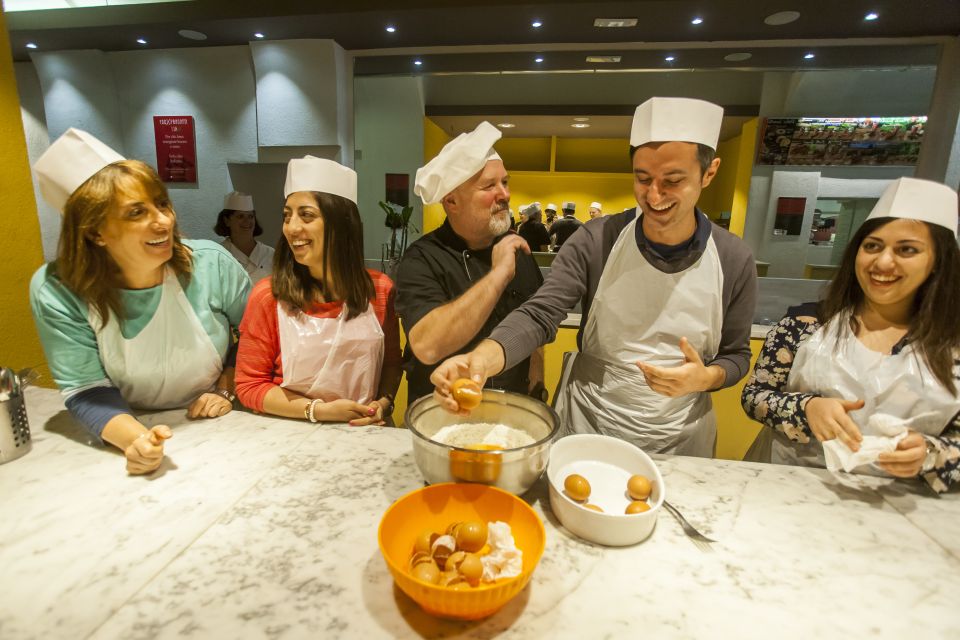
After the market, you’re driven by minivan to the cookery school. That short transfer is more than convenience—it keeps the class on schedule and reduces the time you spend moving around Florence.
In practice, that matters because you’ll spend most of the lesson doing tasks that take time: preparing produce, working dough, and building sauce. You don’t want to burn energy on extra walking before you’re meant to roll pasta or handle hot pans.
The kitchen portion is where the class gets its “repeatable” value. You’re not just learning what dish you’ll eat. You’re learning steps you can perform at home—like mixing, cutting, timing, and balancing flavor without turning it into a spice party.
Also: the cooking area involves standing and active work. Some participants wanted seating options during prep, but the common theme was that you’ll be engaged throughout.
Handmade Pasta and Tuscan Sauces: The Skills You’ll Actually Reuse
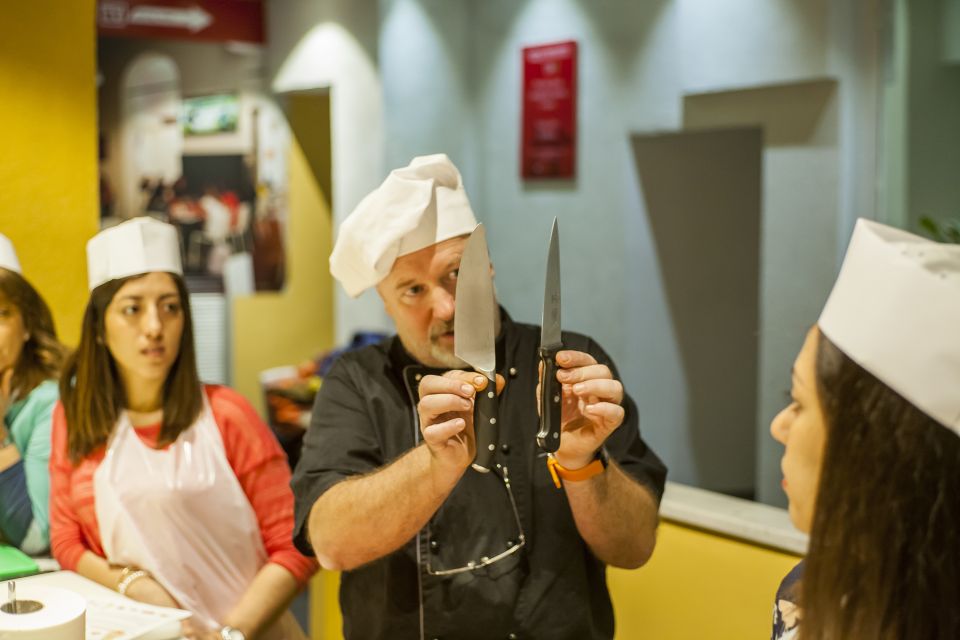
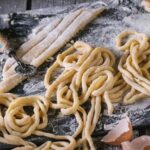
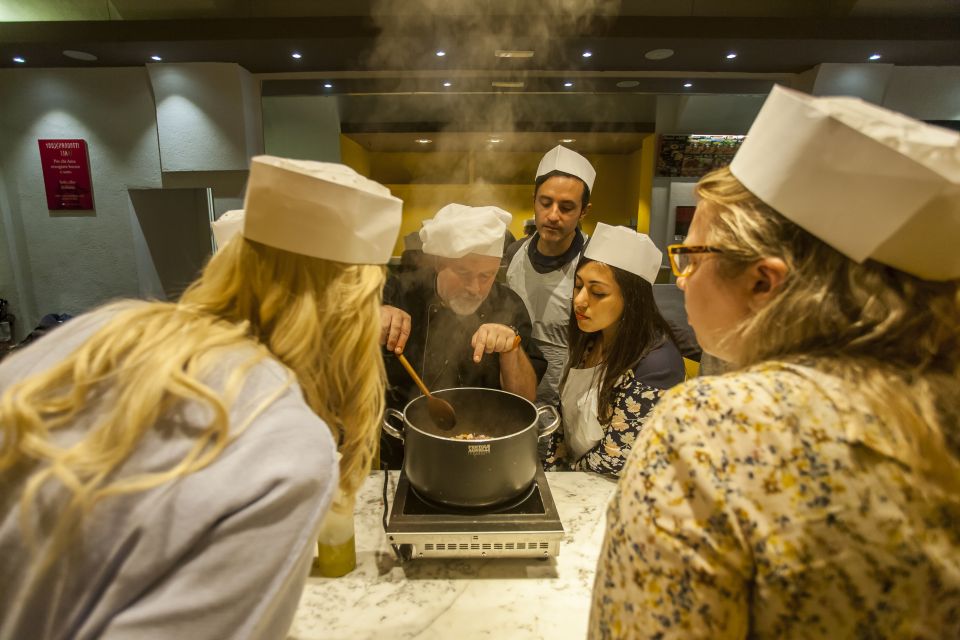
This is the headline. You’ll make homemade pasta and sauces using fresh, seasonal ingredients. Typical sauce options mentioned include tomato, ragù, bolognese, and pesto.
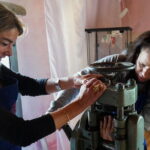
Here’s why this section is more than a fun activity. When you make pasta dough yourself, you learn how Italian cooking is built around texture and simplicity. Flour, water, rest time, and technique matter. Once you’ve done it once, you’ll stop treating pasta like a restaurant-only food.
In several past experiences, participants noted that everyone got a turn to do core tasks like chopping vegetables, making pasta dough, rolling shaping, and stirring sauce. A small-group setup was especially popular in one class where a participant counted about seven people. Smaller groups tend to mean more time for questions and corrections.
Sauce lessons come with method. For ragù and bolognese-style sauces, the focus is on building flavor step-by-step and letting the sauce develop. Some participants also mentioned a cutting lesson for vegetables and an emphasis on Italian technique that relies on less seasoning and more ingredient quality. That’s a concept you can carry into your own cooking: buy better, handle it well, and don’t overcomplicate.
- The Best tour in Florence: Renaissance & Medici Tales – guided by a STORYTELLER
★ 5.0 · 12,316 reviews


Meat and Fish Courses: Technique Tips That Make the Difference
After pasta and sauce, you move into a meat or fish dish. The tour description calls out discovering tips and techniques for these courses, and participants’ notes back that up with a strong focus on method.
What you can expect is guidance on how to prepare the protein and how to handle it in a Tuscan style meal. One participant described a meat course that led to some confusion about the exact cut being used, but the bigger takeaway was that pasta and sauce prep stayed on track and the chef taught how the dish components work together.
Even if you’re not a “meat person,” this part is useful because it teaches practical workflow: how to prep ingredients while sauce simmers, how to time actions so everything finishes together, and how to season in a way that supports the main flavors.
If you love cooking but hate wasting time, this portion is a win. You’re learning how Italians pace a multi-course meal in real time.
Bruscetta, Tagliatelle, and Dessert: Your Three-Course Endgame
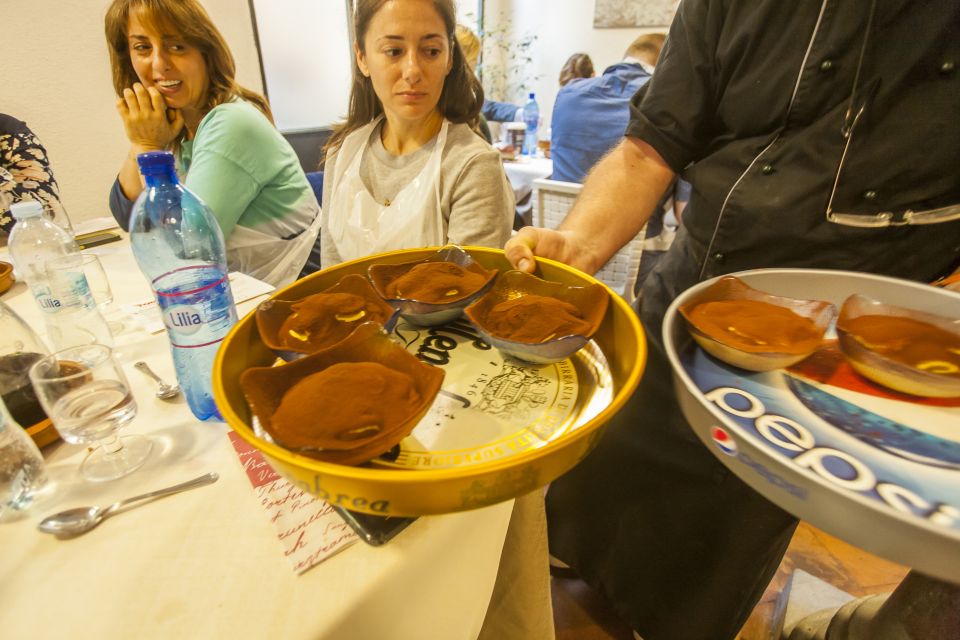
Your lunch is built from what you cook. Past participants frequently listed common dishes like bruschetta, tagliatelli (often tied to a meat sauce), and tiramisu made from scratch. Even when the exact menu shifts, you can count on a full meal, not a small bite.
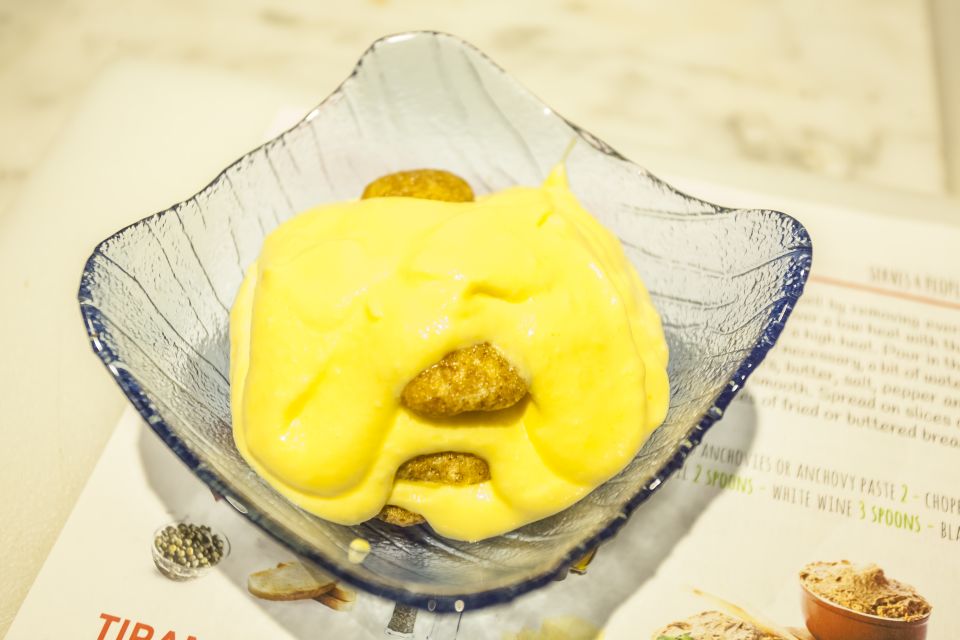
Dessert is usually where the wow factor shows up. Multiple people singled out the fact that tiramisu was made from scratch during the class, and one person mentioned feeling confident enough to recreate it for a birthday back home. That’s the type of skill you want from a cooking lesson: a dessert that isn’t “mystery Italian.”
Bringing it together at the end is the best part of this experience. You don’t leave with a pile of theory. You sit down and eat the meal you worked for.
Lunch With Italian Wine: Eating Like You Mean It
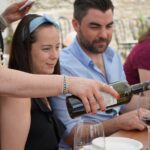
After cooking, you enjoy lunch with the dishes you made, served with quality Italian wines. One participant specifically mentioned red or white wine with the meal, and the class tone shifts from “learn and work” to “relax and taste.”
Wine at the table can be a great learning tool, too. It helps you understand how Italians think about pairing: not strict rules, but balancing the flavors of sauce, protein, and dessert.
One caution: this is still a cooking class meal. It’s not a light snack. Expect a filling lunch, especially with pasta and ragù/bolognese-style sauces. If you’re someone who gets overwhelmed by heavy food, go slowly at the table.
Value for Money: What You’re Really Paying For
You’re paying for more than ingredients. You’re paying for three things that take time and skill to learn:
- Local sourcing and guidance at the market, so you know what to pick
- Hands-on cooking time with a chef who explains technique while you work
- A full meal with wine at the end, so you get direct payoff
That’s why people rate this so highly. It’s not only cooking. It’s also a Florence food education plus lunch you don’t have to plan or cook yourself afterward.
In terms of “value,” the strongest part is the repeatability. If you take only one thing home, it should be how to make fresh pasta and how to build Tuscan sauces without overcomplicating them. Everything else—the market tasting, the meat/fish tips, the dessert—is the bonus layer that makes the class feel like a real day out.
Who Should Book This Class (And Who Should Think Twice)
This is a great fit if you:
- want hands-on pasta and sauce skills you can recreate at home
- enjoy food markets and want to learn what’s worth buying in Italy
- like cooking with guidance and want a full meal at the end
It may not be the best fit if you:
- need gluten-free cooking (this class is not suitable for gluten intolerance)
- have trouble with stairs, since you must be able to climb and descend
- don’t want a standing-and-active cooking day
Also consider the day of the week. If you’re going on a Sunday or bank holiday, the market visit portion won’t happen, and that’s half the charm for many people.
Should You Book This Florence Market to Table Cooking Lesson?
If you want a Florence activity that turns into real cooking confidence later, I’d book it. The combination of market shopping, handmade pasta, Tuscan sauces, a meat or fish course, and dessert with wine is the kind of “whole experience” that’s hard to beat in a single half day.
I’d especially recommend it if you’ve got a kitchen at home and you actually want to cook, not just collect a souvenir. The market piece, the chef’s technique tips, and the fact that you eat what you make all line up as good value.
Skip it only if gluten intolerance is an issue, stairs are a problem, or you’re expecting the central market to be open no matter what day you go.
FAQ
Is the cooking lesson in English?
Yes. The tour includes an English live tour guide.
How long is the Florence Market to Table Cooking Lesson?
It lasts 4.5 hours.
Where do we meet in Florence?
You meet at Via Panicale, 43/r, 50123 Firenze (43.77748489379883, 11.253640174865723).
What happens if I book on a Sunday or bank holiday?
On Sundays and bank holidays, the central market is closed, so the market visit is skipped.
Is this class suitable for gluten intolerance?
No. It is not suitable for people with gluten intolerance.
Will there be stairs?
Yes. Customers must be able to climb and descend stairs.
Do we get anything to take home?
You collect a graduation certificate before you leave, and after the class you are driven back to the departure point in central Florence.
You Might Also Enjoy

More Tour Reviews in Florence
- Tuscany Day Trip from Florence: Siena, San Gimignano, Pisa and Lunch at a Winery
★ 5.0 · 21,634 reviews - The Best tour in Florence: Renaissance & Medici Tales – guided by a STORYTELLER
★ 5.0 · 12,316 reviews