REVIEW · ROME
Colosseum, Roman Forum & Palatine Hill Guided Tour
Book on Viator →Operated by Carpe Diem Tours · Bookable on Viator
Rome’s gladiators show up in real places. This guided loop through the Colosseum, Roman Forum, and Palatine Hill turns big-name ruins into a clear story, told with headphones so you can actually follow what’s happening.
I really like two things here: headphones + a licensed historian guide, and tickets bundled for three major sites (including reservation fees), which means less time hunting paperwork and more time seeing. If you add the options, you can also get closer to the action with things like the Gladiator’s Gate and even the arena floor when selected.
One drawback to plan for is the walking. You’ll be on uneven stone, and parts of the Palatine Hill and Forum area involve uphill climbs and stairs, so it’s not ideal if mobility is limited.
In This Review
- Key Things to Know Before You Go
- The Colosseum, Forum, and Palatine Hill loop that actually makes sense
- Entering the Colosseum the way the Romans staged the show
- Palatine Hill: where imperial power meets pine-tree views
- Roman Forum: the city’s political nerve center
- How the guide style changes the whole day
- Timing, walking, and the limits of a 3-hour plan
- Price and value: what $60.46 buys you here
- Small group comfort with real-life ticket rules
- Should you book this Colosseum and Forum guided tour?
- FAQ
- How long is the Colosseum, Roman Forum & Palatine Hill guided tour?
- Where does the tour start?
- How long do you spend at each site?
- What’s included with the ticket price?
- Is arena floor access included?
- Does the tour always start at the Colosseum?
- Do I need to bring ID for entry?
- What if the weather is bad?
Key Things to Know Before You Go
- Skip-the-line convenience: admission for three sites is bundled so you spend less time at ticket counters.
- Storytelling with headphones: you get expert narratives without competing with crowds.
- Flexible start order: you may begin at the Colosseum or at the Forum/Palatine Hill depending on ticket times.
- Gladiator-focused moments (optional): choose experiences like the Gladiator’s Gate if that option is offered for your departure.
- Small group size: the tour caps at 24 people, which usually keeps the pace comfortable.
The Colosseum, Forum, and Palatine Hill loop that actually makes sense
Rome’s ancient center is a lot to take in when you’re standing in the middle of it. This tour’s big value is that it connects three areas that you might otherwise see as separate landmarks.
You start with the Colosseum, then move to the “power” zone of the Forum, and finish with Palatine Hill, which was tied to Rome’s ruling families and imperial prestige. That order helps you understand why the games mattered, how politics ran the city, and where emperors looked down from.
You’re also not left to guess what you’re looking at. The tour is led by a licensed historian guide using headphones for clear audio, so the key terms stay in your ear the whole time. That matters at the Colosseum, where the scale can make your brain drift into sightseeing mode.
You can also read our reviews of more tours and experiences in Rome.
Entering the Colosseum the way the Romans staged the show
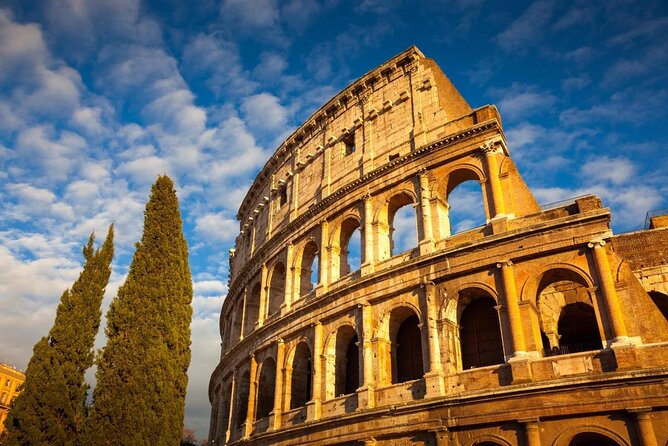
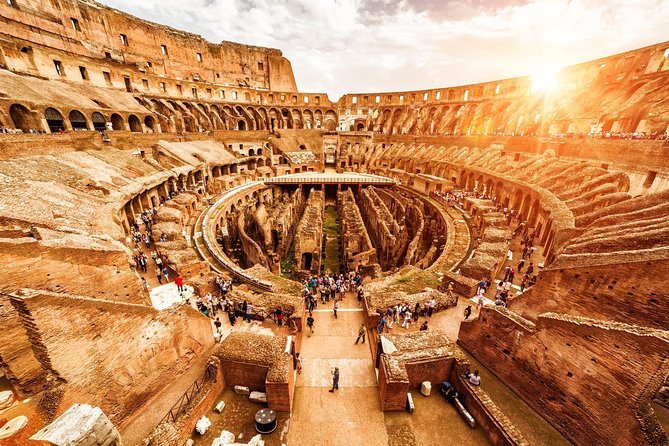
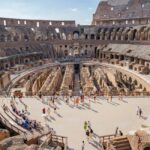
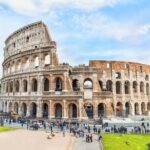
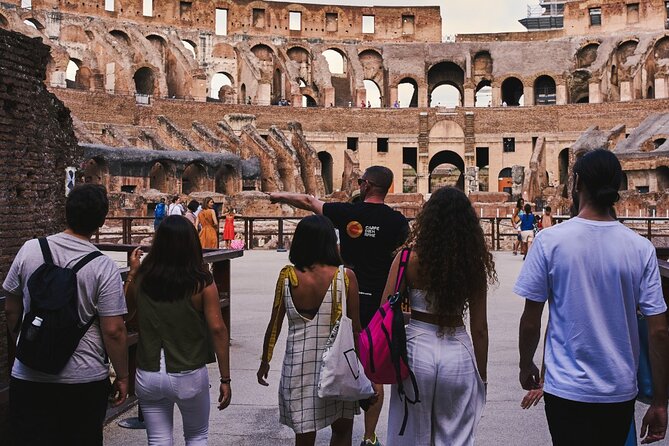
The Colosseum stop is your main event, and it’s built around the experience of watching and being watched. You’ll get guided access for about an hour, and the focus is on the world of gladiators and spectators rather than just naming arches and dates.
One of the most interesting angles is how the guide frames the social sides of the show: who sat where, what the crowd expected, and what counted as proper entertainment norms in ancient Rome. It makes the building feel less like a museum and more like a functioning arena for competition and spectacle.
If you selected the option, you may also get access connected to the Gladiator’s Gate, the entry point where fighters once came into the arena. Even when that access isn’t included in your specific ticket type, the guide’s storytelling still helps you picture the flow of the day—arrivals, anticipation, and the moment the crowd roared.
Arena floor option (extra): if you choose the arena floor, it’s included with that upgrade; otherwise you’ll be viewing the arena from other parts of the site. I’d treat the upgrade as a “worth considering” add-on if you want the strongest sense of being inside the show, but only if it’s truly available for your departure.
Palatine Hill: where imperial power meets pine-tree views
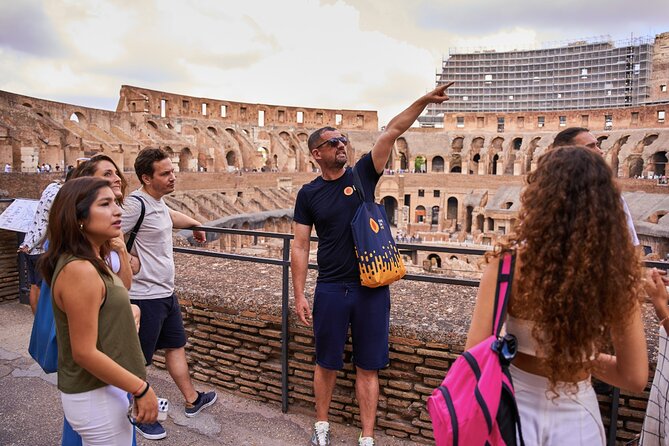
Palatine Hill is shorter on paper (about 30 minutes), but it’s one of the best places on this route for getting perspective. The guide leads you through the ruins tied to the imperial palace area, surrounded by pine trees, with views out toward the Circus Maximus and the Roman Forum below.
What I like about this stop is the shift from “watching games” to “living like the ruling class.” Your guide connects Palatine Hill to the story of Rome’s top power center and its beginnings, so you’re not just spotting foundations—you’re learning what kind of life those spaces supported.
You’ll also get a more human sense of scale. From the hill you can look down and see how the Forum sits in the wider city plan, and that helps the whole day click. The Forum can feel like a tangle of ruins from ground level; Palatine Hill gives you the overview you didn’t know you needed.
Do note the practical side: Palatine Hill involves walking over uneven paths and some stair steps. If your legs aren’t happy with that, take it slow and ask the guide to pause when you need a breather.
Roman Forum: the city’s political nerve center
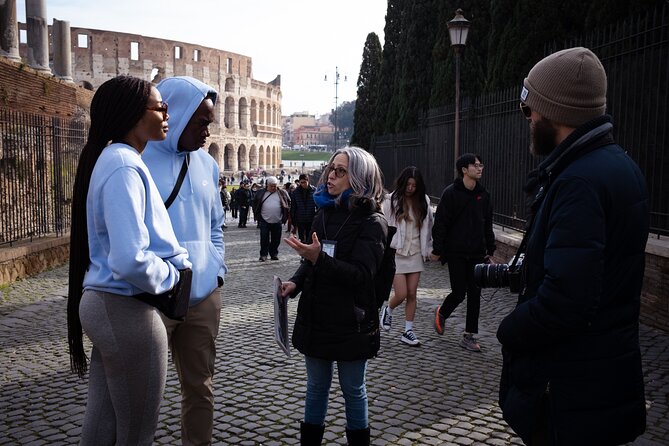
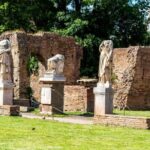
The Roman Forum stop runs about 45 minutes, and it’s where the tour’s storytelling leans into politics, law, and mythology. You’ll walk along key routes like the Via Sacra and Via Nova, moving through spaces lined with arches and tall temple remnants.
If you care about how ideas turned into power, this is the heart of the experience. Your guide points out the Forum as a political, social, and commercial center—basically the place where Rome’s public life got organized and performed.
You’ll also see major anchors like the remains of the Senate House and the Rostra, where senators made laws and speakers addressed the public. The Rostra details are especially helpful because it turns a platform into a purpose: speeches weren’t background noise, they were the machinery of public decision-making.
The guide also brings in the myths people attached to the city—stories connected to figures like Romulus and Julius Caesar. That myth layer can sound like trivia if you hear it out of context, but here it works because the guide ties it to why Romans wanted their past to feel inevitable.
A reality check: less than half the Forum remains today, so you’ll be looking at gaps and fragments. With the guide’s explanations, those gaps become part of the story rather than something you have to mentally reconstruct.
How the guide style changes the whole day
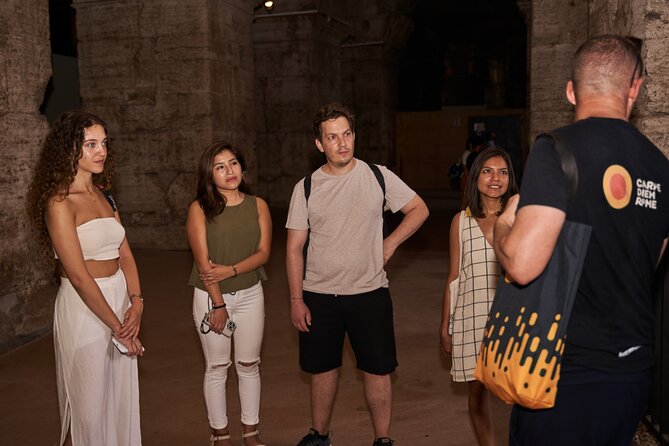
This is a tour where the guide matters a lot, and the pattern shows up in the way people describe their experiences. Names that come up again and again include Andrea, Yousef, Francesca, Mariana, Ivana, Kopal, Georgio, Andy, Evonna, and guides referred to as E.
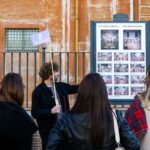
The consistent thread is pacing and storytelling. Good guides on this route do two things well: they explain what you’re seeing at each turn, and they answer questions on the spot instead of rushing forward. Several people highlight guides who talk in a way that feels relatable, even if you don’t consider yourself a history person.
The headphones are a practical win, too. Rome can be noisy, and you don’t want to keep turning your head just to hear the key detail about why a specific area mattered. With headphones, you can keep your eyes on the ruins while the explanation stays clear.
One more small but helpful point: the group size is capped at 24, so you’re less likely to get stuck at the back of a long human line. That makes a difference at the Colosseum, where crowds can spread out fast.

Timing, walking, and the limits of a 3-hour plan
This tour is about 3 hours total, which is brisk for three huge sites. The schedule is tight because each stop is designed to give you a guided narrative without letting you get lost in endless wandering.
That means you’ll still have movement between sights, time for entry, and time for photo breaks, but you won’t get long free-time detours. If your goal is to take 200 photos per stop, you’ll likely feel rushed. If your goal is to understand what you’re looking at, the pacing works well.
Also, expect hills and stairs. One review specifically called out uphill climbs and stair-heavy sections around Palatine Hill and the Forum, and I’d treat that as a warning worth respecting. If mobility is a concern, consider going earlier in the day when you feel fresher, wear shoes with good grip, and plan to take it slow.
Finally, the tour order can vary. You might start at the Colosseum or at the Roman Forum/Palatine Hill depending on ticket times, which is normal for a timed-entry day. Either way, the narrative arc aims to connect each location in a logical order.
Price and value: what $60.46 buys you here
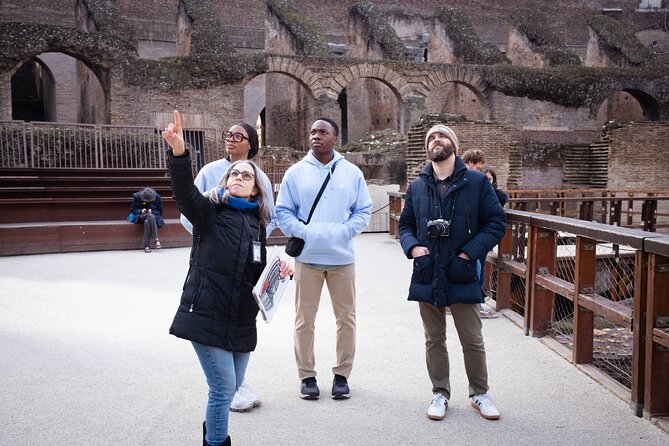
At $60.46 per person, the real value isn’t the sticker price—it’s what’s packaged into it. You’re getting admission for the Colosseum, Palatine Hill, and Roman Forum (with reservation fees included), plus a guide and headphones.
Those reservation and ticket costs matter because the alternative is often buying timed entries separately and then trying to assemble a route yourself. Bundling also reduces friction on the day, since you’re not bouncing between ticket offices.
On top of that, there are optional upgrades that can increase the wow factor. If you add things like arena floor access, you’ll be paying extra for a more intense view of the arena space. But even without upgrades, the guide-led storytelling adds a lot of value because it fills in the context that you’d otherwise miss.
One more practical note: this tour is commonly booked well ahead (on average 81 days in advance), which tells me demand is real. If you’re traveling during peak season or on weekends, booking sooner gives you better control over departure times.
And if you’re there on the first Sunday of the month, Colosseum admission can be free. Your tour may be discounted on those days, which can improve the value further.
Small group comfort with real-life ticket rules
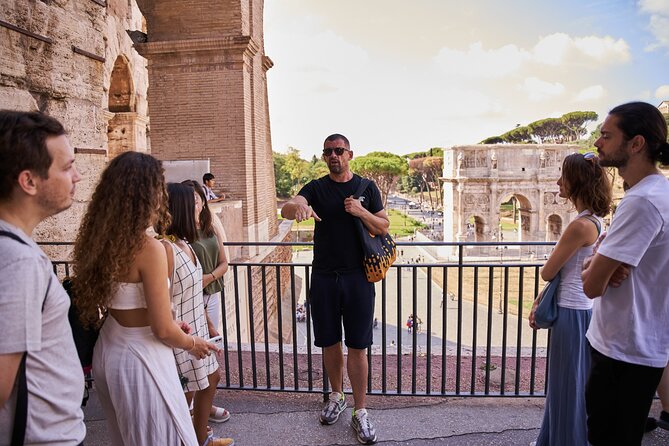
This is a mobile ticket style experience, and ticket names have to match. When you book, make sure you provide the full names exactly as they appear on your passport or ID, or entry can be denied.
I’d also plan to arrive early. Timed entry rules are strict at the Colosseum, and late arrivals may not be allowed to join once the tour has started. That’s a situation you want to avoid, especially when your itinerary includes multiple sites in one morning or afternoon.
At the same time, weather matters. The tour requires good weather, and if it’s canceled due to poor conditions, you should expect a different date or a full refund.
Should you book this Colosseum and Forum guided tour?
If your goal is to understand Rome’s big story in a limited time window, I’d book it. The combination of three major sites, headphones, and bundled admission/reservation fees is the core reason it works, especially if you want more than just a selfie-and-wander day.
Book it with extra care if:
- walking long distances or climbing stairs is hard for you
- you’re counting on arena floor access and want maximum certainty (it’s only included when you select that option, and it can be treated differently depending on what’s available for your departure)
- you’re the type who needs lots of free time at each site (this is a guided flow, not a slow stroll)
If you want a focused, story-led way to see the Colosseum, Roman Forum, and Palatine Hill without spending half your day in logistics, this is a strong pick.
FAQ
How long is the Colosseum, Roman Forum & Palatine Hill guided tour?
It’s about 3 hours.
Where does the tour start?
The start point is the Arch of Constantine at Piazza del Colosseo, 00184 Roma RM.
How long do you spend at each site?
The Colosseum is about 1 hour, Palatine Hill is about 30 minutes, and the Roman Forum is about 45 minutes.
What’s included with the ticket price?
You get admission to the Colosseum, Palatine Hill, and Roman Forum, and you receive a licensed historian guide with headphones. Ticket reservation fees are included as well.
Is arena floor access included?
Arena floor access is included only if you select the option for it. Otherwise, it is not included.
Does the tour always start at the Colosseum?
No. The tour order may vary, and you may start at the Colosseum or at the Roman Forum/Palatine Hill depending on ticket availability.
Do I need to bring ID for entry?
Yes. Each traveler must present a valid passport or ID matching the name provided at booking for entry to the Colosseum and Roman Forum.
What if the weather is bad?
This tour requires good weather. If it’s canceled due to poor weather, you’ll be offered a different date or a full refund.