REVIEW · FLORENCE
Florence: Michelangelo’s David and Accademia Gallery Tour
Book on GetYourGuide →Operated by mario gesu · Bookable on GetYourGuide
Michelangelo stops being distant in this 75-minute tour. This Florence experience gets you inside the Accademia Gallery with a native Florentine guide, focusing on the meaning of David and the Prisoners, not just the usual photo stop. I love that the talk follows a red thread connecting David to the Sistine Chapel.
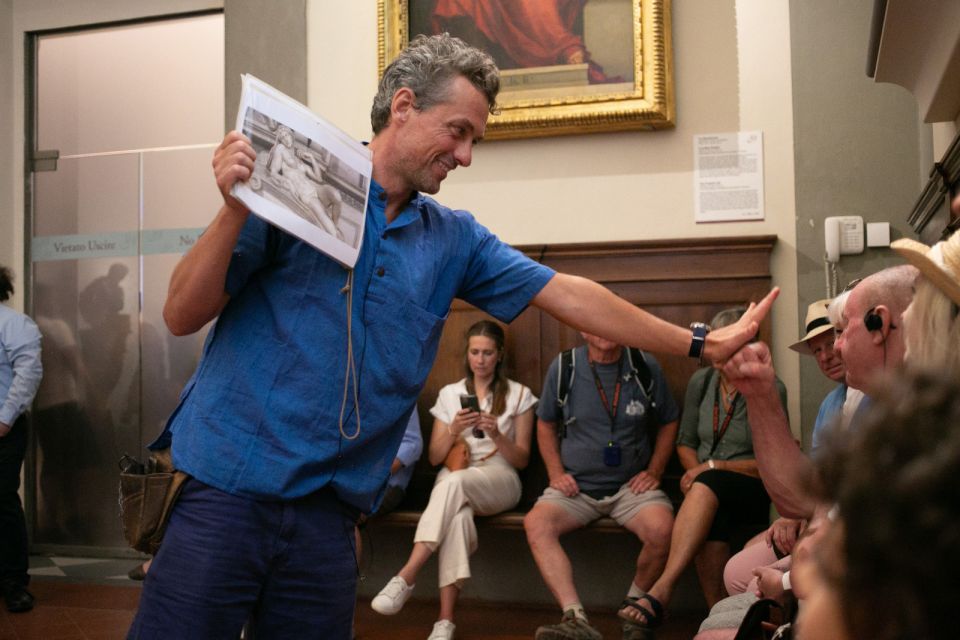
What really elevates it is the way Mario teaches: you’re invited to ask questions and look at details through metaphors, so the story lands even if you’re traveling with kids. I also like the energy—Mario is a Florence actor who performs Dante’s Divine Comedy, which shows up in the pacing and storytelling.
One thing to consider: this isn’t a fast, facts-only tour. If you only want quick dates and labels, the more spiritual, reflective approach may feel abstract at times.
In This Review
- What makes Mario Gesu’s David tour different
- Accademia Gallery check-in: where to meet and what to expect before you enter
- Skip the ticket line, then get guided meaning fast
- David’s meaning: the spiritual argument behind the statue
- The Prisoners: how Michelangelo moves from youthful power to mature struggle
- The interactive teaching style: questions, metaphors, and all-ages focus
- Using your independent time well after the 75 minutes
- Price and value: is $57 per person a good deal?
- Who should book this David and Prisoners tour
- Should you book the Florence David and Accademia tour with Mario Gesu?
- FAQ
- How long is the Accademia Gallery tour?
- Is the tour guided in English?
- Where do I meet for the tour?
- Does the price include museum tickets?
- Is the experience wheelchair accessible?
- What should I bring for the visit?
- Is there free cancellation?
What makes Mario Gesu’s David tour different
- Red-thread link from David to the Sistine Chapel, given as part of a single coherent argument
- Interactive inquiry with questions encouraged during the walk through the gallery
- David to the Prisoners connection explaining how Michelangelo’s style matures
- Metaphors you can use to interpret what you see, not just hear
- Short guided time (75 minutes) with free museum time right after
Accademia Gallery check-in: where to meet and what to expect before you enter
Meeting point is simple if you know where to look: you’ll find the group at the ATM machine of Libreria Evangelica, just in front of the Accademia entrance. Plan to arrive 15 minutes early—the tour starts right on time, and being punctual makes everything smoother for everyone.
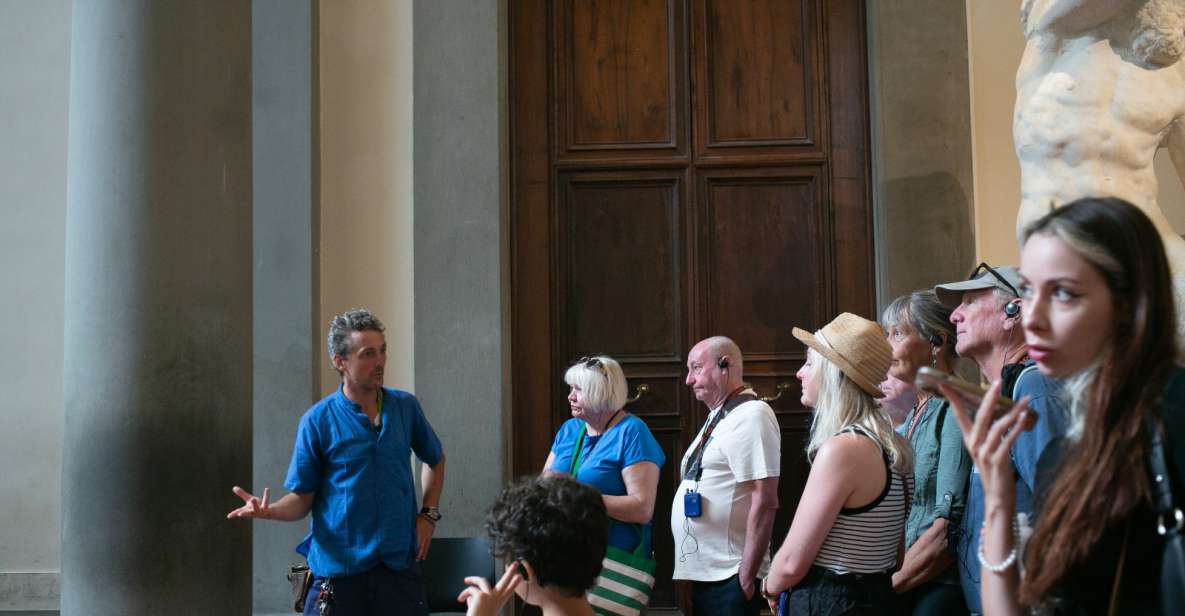
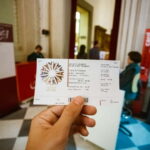
You’ll get headsets to hear Mario in English, which matters in a museum where voices can get swallowed. The tour is 75 minutes, so it moves at a good pace without turning into a marathon. Also, you’re booking for a specific time slot, which helps you avoid the main ticket line even though there may still be some sort of waiting once you’re in the area.
In practice, that means you should expect two phases: a quick line moment tied to the scheduled entry, then the real payoff—your guide turning the gallery into a guided conversation rather than a silent march.
You can also read our reviews of more tours and experiences in Florence.
- Tuscany Day Trip from Florence: Siena, San Gimignano, Pisa and Lunch at a Winery
★ 5.0 · 21,634 reviews

Skip the ticket line, then get guided meaning fast
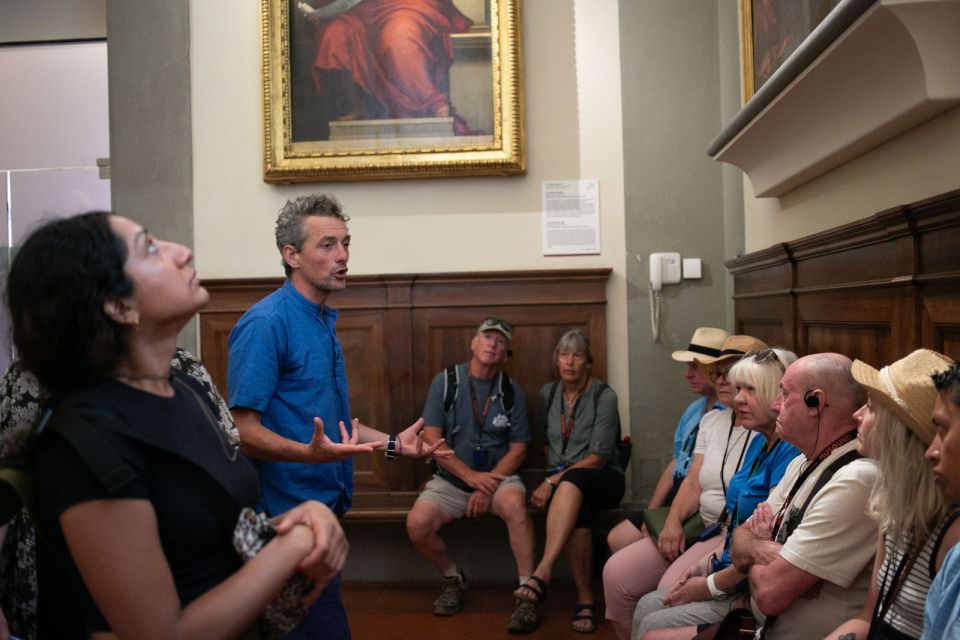
The value here isn’t only speed. It’s what you do with that speed.
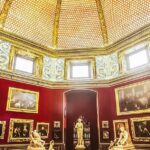
Instead of spending your first hour in Accademia hunting for the highlights yourself, Mario uses the time inside the gallery to give you a framework. You’ll start with David and build upward from there: why this statue mattered, what it was saying to people in Michelangelo’s world, and why David and the Prisoners belong together as one artistic message.
I like that this tour doesn’t feel like a scripted slideshow. It’s structured like a guided reasoning process. You’ll hear a logical sequence—more like a thoughtful class than a standard tour—so by the time you reach the key pieces, you’re not just seeing them. You’re reading them.
And because you’re in a small group (Mario repeatedly works across ages and family situations), you’re more likely to actually get involved through questions rather than sit politely and hope the guide notices you.
David’s meaning: the spiritual argument behind the statue
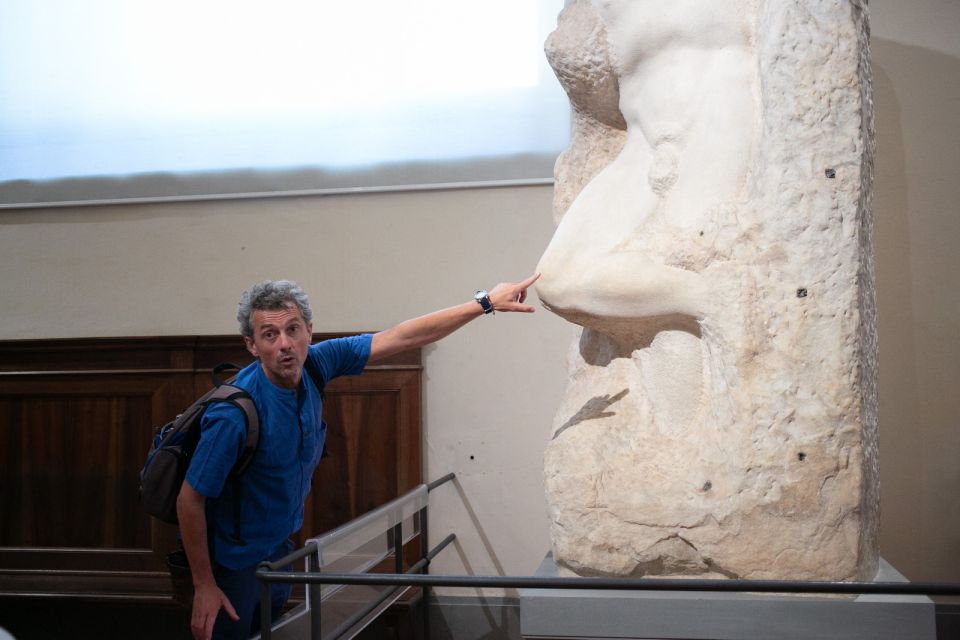
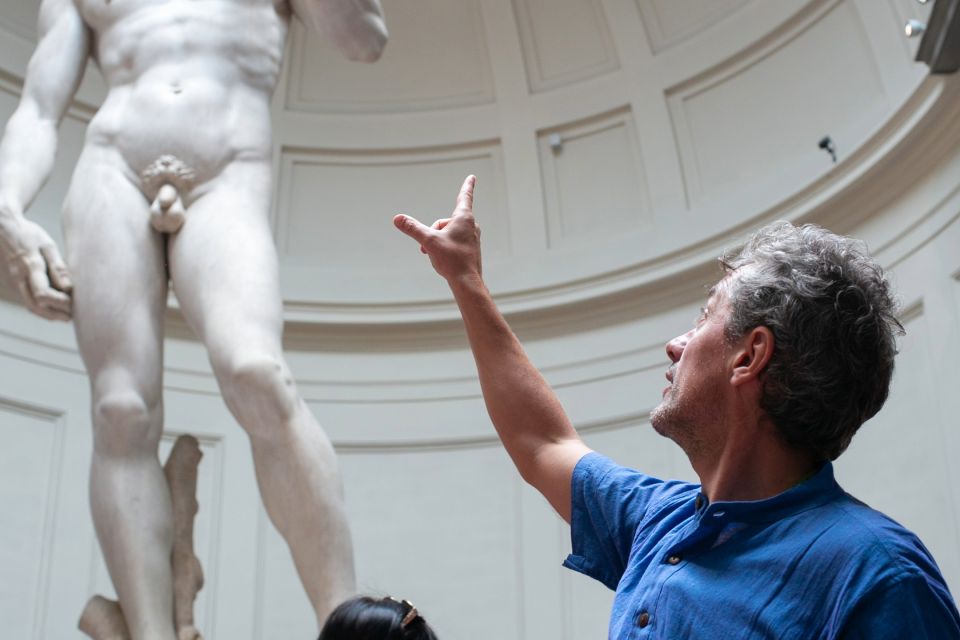
Accademia is full of famous faces, but David is the one that grabs you by the throat—physically and emotionally. The tour takes that instinct and gives it a backbone.
Mario presents David as the pinnacle of Michelangelo’s early work, then uses that moment to talk about spirituality and purpose. The emphasis isn’t on technical trivia alone. It’s on what the statue communicates and why Michelangelo’s choices carry moral and spiritual weight.
One of the signature points is the red thread connecting David to the Sistine Chapel. The idea is that Michelangelo wasn’t working in isolated projects. He was carrying a shared worldview across commissions, and David sits inside that larger web of meaning. Even if the Sistine Chapel link is something you plan to understand later, this tour gives you a hook you can hang it on.
The “how” of this explanation matters, too. Mario’s approach is designed to be understood even by children, which you’ll feel in the clarity of the metaphors and the way he keeps the discussion anchored to what you can literally see in front of you—pose, expression, tension, and the sense of readiness in the figure.
The Prisoners: how Michelangelo moves from youthful power to mature struggle
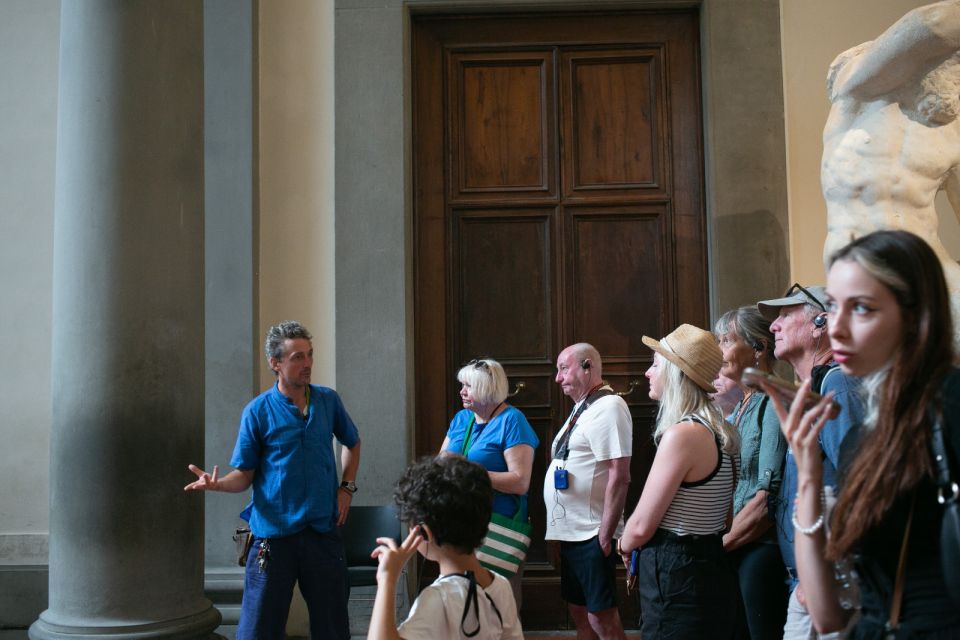
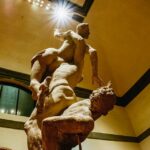
A short walk away from David, you meet the Prisoners—figures that look half-released, half-imprisoned. This tour treats them as more than an odd pairing of sculptures.
Here’s the core shift: Mario explains how Michelangelo seems to surpass David as he moves into mature style—using the Prisoners to show another kind of intensity. He also frames the so-called “unfinished” approach as part of the artistic logic, not as a mistake.
Why this matters for you as a viewer: the Prisoners can be confusing if you expect everything to look perfectly resolved. Mario’s explanation helps you read that unfinished quality as part of the spiritual and emotional message—like the sculptor is showing struggle, restraint, and transformation rather than a polished final result.
So when you look at the Prisoners, you’ll likely start paying attention to the language of bodies: tension where you expect release, movement that feels contained, emotion that reads through physical strain. The tour sets you up to see the sculptures as chapters in the same story: David as the dramatic statement early on, the Prisoners as the deeper meditation that follows.
The interactive teaching style: questions, metaphors, and all-ages focus
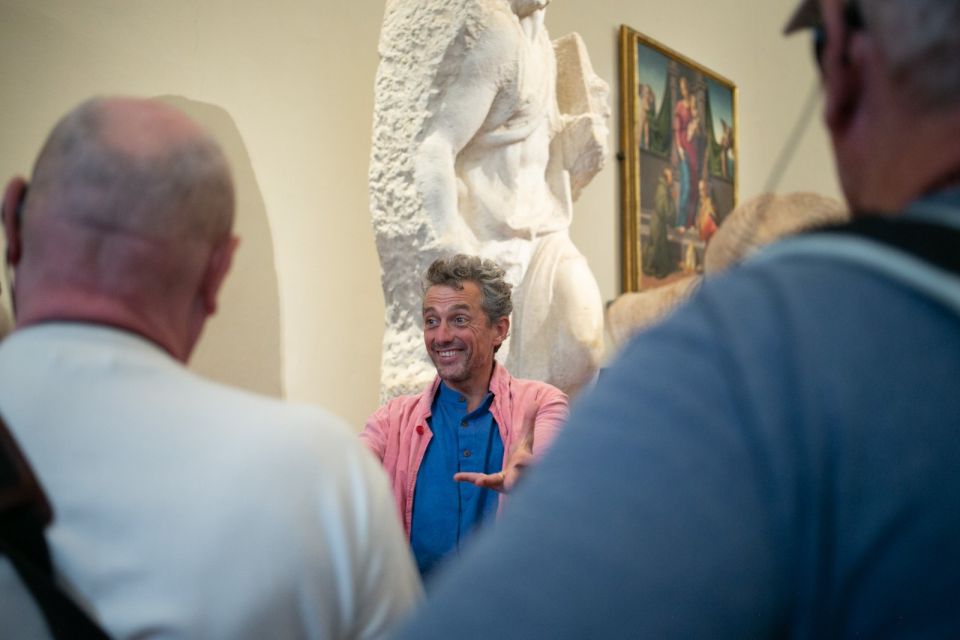
This is where the tour earns its high satisfaction rate.
Mario’s method leans on interaction. You’re encouraged to ask questions as you go, and he uses metaphors to help you connect what you see to broader themes. The goal isn’t just comprehension—it’s participation. If you’ve ever felt bored by art history tours, this style tends to fix that by turning your attention into an active tool.
You’ll also notice the clarity: the tour’s pacing is built so the ideas remain understandable even for younger visitors. That doesn’t mean it’s simplified to the point of being childish. It means the explanations are structured like “think with me,” using approachable language and the sculptures themselves as the anchor.
Also, Mario isn’t only an art-world guide. He’s a performer associated with Dante’s Divine Comedy in Florence events and restaurants, and that performance background shows up in the storytelling rhythm. Expect a presentation that has momentum and a sense of drama, the way good theater keeps an audience with it.
- The Best tour in Florence: Renaissance & Medici Tales – guided by a STORYTELLER
★ 5.0 · 12,316 reviews




Using your independent time well after the 75 minutes
The guided portion ends, but you don’t leave with nothing to do.
Because you’ll be ready with a framework, the museum time after the tour becomes more useful. Instead of scanning for what looks famous, you can return with a purpose: revisit David with the Sistine Chapel link in mind, then look back at the Prisoners as the next stage of Michelangelo’s message.
Think of it as two passes:
1) the guided pass where you learn what to notice
2) the personal pass where you confirm it by looking again
If you have limited time in Florence, this matters. You still get the experience of a guided deep explanation, without locking yourself into a long organized itinerary that eats up your whole day.
Price and value: is $57 per person a good deal?
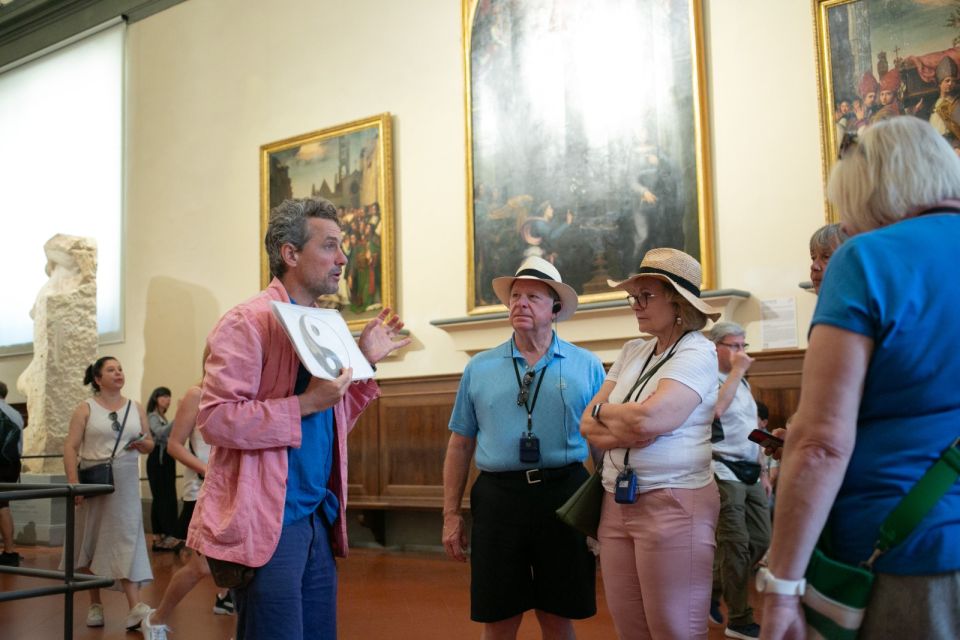
At $57 per person for a 75-minute English tour with a native Florentine guide, headsets, skip-the-line entry, and Accademia museum tickets included, the price can feel fair—especially if you hate wasting time in crowds.
But here’s the honest note: one small snag can happen in the real world of ticketing. While the activity details say the museum tickets are part of the package, a few people have mentioned surprise around entrance payment. The best move is simple: check your booking confirmation carefully so you know exactly what’s covered.
Value-wise, the bigger question isn’t only what you pay—it’s what you get for that money. You’re paying for:
- more than “what this is,” you’re getting “what it means”
- a guide who teaches through interaction, not just narration
- a short guided window that still lets you explore afterward
If you’re the type who enjoys art history as a way to interpret life—choices, struggle, growth—this tour is likely a strong match for your budget. If you only want to see David and leave, you might wonder whether any guide is necessary.
Who should book this David and Prisoners tour
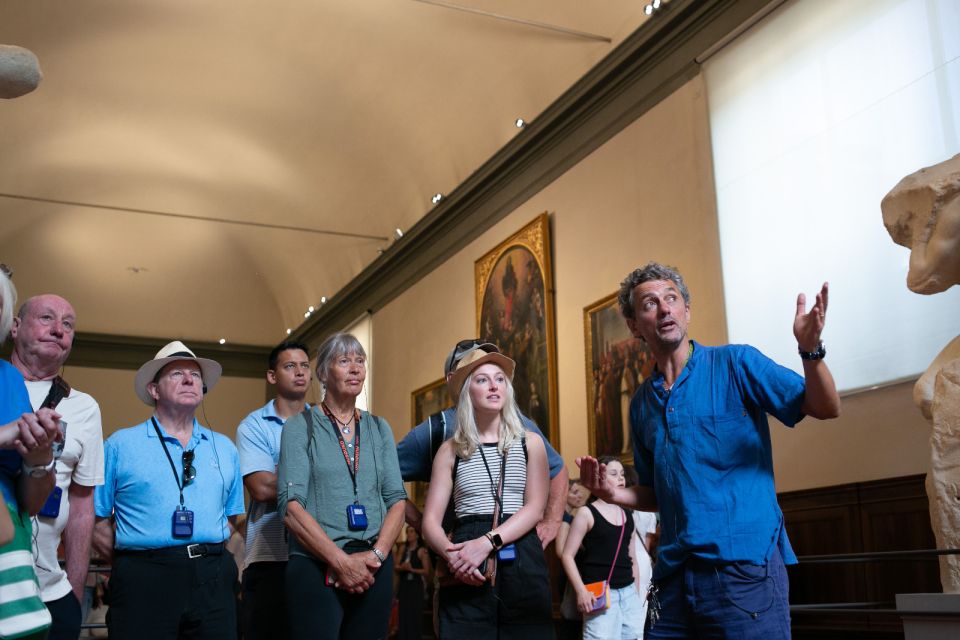
This works best if you want more than a checklist of artworks.
I’d point it out for:
- couples who want a thoughtful shared experience
- families where kids need clarity, not just lectures
- people who like spirituality, philosophy, or symbolism in art
- anyone who plans to visit the Sistine Chapel later and wants a connection ahead of time
It might not be the best fit if you’re traveling with very limited stamina for concentrated discussion, or if your ideal museum outing is quiet and self-paced with minimal talking.
Also, think about your schedule. Since it’s one focused experience, it pairs well with other plans later in the day when you’re ready to keep exploring rather than scrambling between attractions.
Should you book the Florence David and Accademia tour with Mario Gesu?
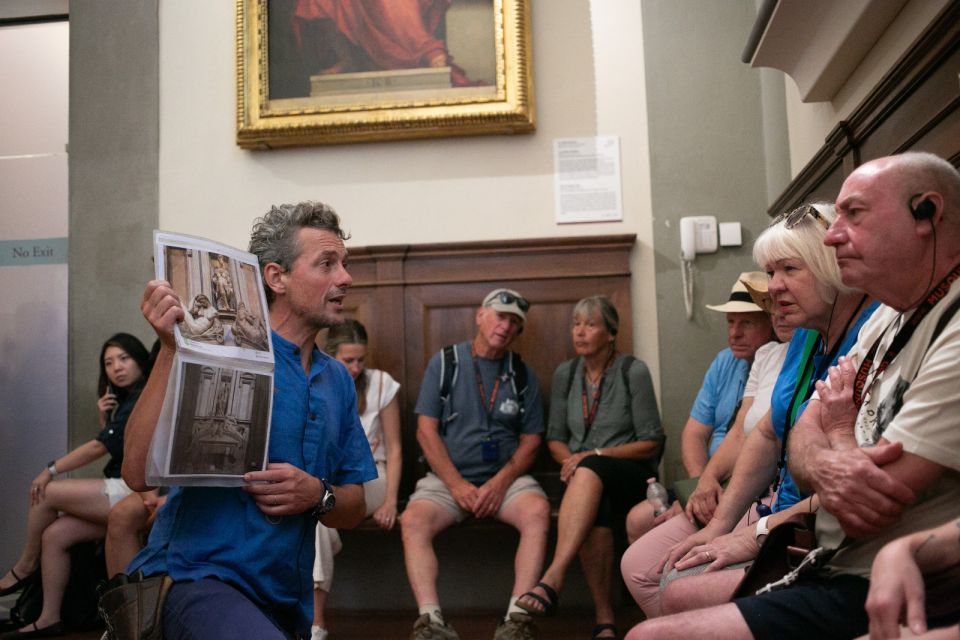
I’d book it if your goal is understanding Michelangelo, not just seeing Michelangelo. The combination of skip-the-line entry, a native guide’s storytelling, and a structured explanation that links David to the Sistine Chapel gives you a “why” that most visitors never get.
On the other hand, if you prefer straightforward labels and quick photo time, you may find the spiritual, metaphor-based approach too abstract for your taste. In that case, a more standard guide or audio approach might suit you better.
FAQ
How long is the Accademia Gallery tour?
The tour duration is 75 minutes.
Is the tour guided in English?
Yes. The live tour guide speaks English.
Where do I meet for the tour?
Meet at the ATM machine of Libreria evangelica, just in front of the Accademia museum entrance.
Does the price include museum tickets?
The included items list says museum tickets are included along with the Accademia Gallery tour, local guide, and headsets.
Is the experience wheelchair accessible?
Yes, it is wheelchair accessible.
What should I bring for the visit?
You may need headphones and cash. For children, bring a passport or ID card. If you have a disability card, bring it as well.
Is there free cancellation?
Yes. Free cancellation is available up to 24 hours in advance for a full refund.
You Might Also Enjoy



More Tour Reviews in Florence
- Tuscany Day Trip from Florence: Siena, San Gimignano, Pisa and Lunch at a Winery
★ 5.0 · 21,634 reviews - The Best tour in Florence: Renaissance & Medici Tales – guided by a STORYTELLER
★ 5.0 · 12,316 reviews