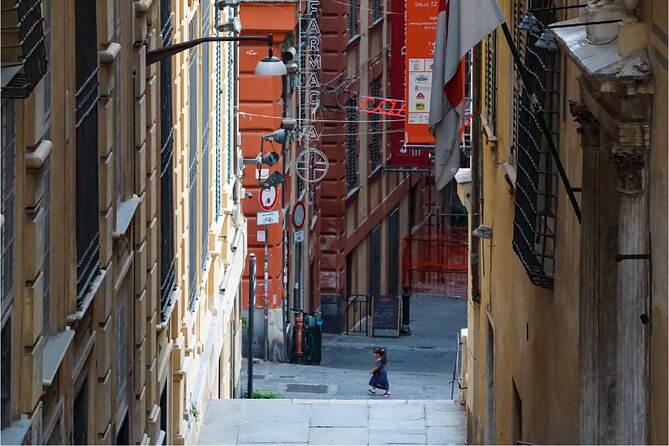
Genoa’s old streets make the city click fast. This is a 2-hour walking tour that orients you around central highlights while threading in quieter lanes and myth-flavored stories from your guide. I like the small-group feel (up to 15 per guide) because it keeps things interactive, and it’s easy to ask questions as you walk. One thing to plan for: Genoa’s old-town terrain can mean hills, stairs, and uneven cobblestones.
I especially love how the route mixes big-name buildings with smaller, memorable stops that most people skip. You’ll start at Piazza Raffaele de Ferrari, then work through places like Palazzo Ducale and the medieval Porta Soprana area, with short time at each stop so you don’t lose half a day. I’m also a fan of the value here: many stops are free, and the guide’s local context helps the sights feel more than just postcard photos.
The main drawback is not the walking itself, but the day-to-day details. A few guests reported late starts, missed meeting moments, or the tour ending in a different spot, so I’d show up early and keep your eye on your guide’s instructions. Also, Casa di Cristoforo Colombo has an admission cost that isn’t included, so expect a small extra expense if you want to go inside.
In This Review
- Key things to know before you go
- Why this Genoa walking tour works for first-timers
- Start at Piazza Raffaele de Ferrari and make meeting easy
- Piazza De Ferrari: the city’s stylish front door
- Palazzo Ducale: grandeur with a practical payoff
- Torri di Porta Soprana: medieval gate energy for photos and stories
- Casa di Cristoforo Colombo: where the admission catch happens
- Pozzo di Giano: Roman myth at street level
- Piazza San Giorgio and Cattedrale di San Lorenzo: two styles, one calm pause
- Piazza Banchi and the “surprise” streets between sights
- Pace, terrain, and how to dress for Genoa’s old town
- Guide style: what you get from Antonio and the small-group format
- Price and value: $32 buys direction, not just walking
- Who should book this Genoa tour (and who shouldn’t)
- Should you book this Genoa tour?
- FAQ
- How long is the Genoa walking tour?
- What does the Genoa walking tour cost?
- Where does the tour start and end?
- Is the tour in English?
- What’s included in the price?
- Is there any admission cost at the stops?
- Can I get a full refund if I cancel?
Key things to know before you go
- Small group pacing: capped at 15 people per guide for more Q&A time
- Central start at Piazza de Ferrari: easy to find, right in the heart of Genoa
- Mix of major sights and back lanes: you get orientation plus character streets
- Free entry at most stops: multiple highlights are walk-by and open-air friendly
- Some steep, uneven sections: plan for stairs/cobbles if you’re mobility-limited
- Casa di Colombo isn’t included: budget a little extra if you want the interior
Why this Genoa walking tour works for first-timers
If you’re short on time, a focused walk beats trying to brute-force Genoa by yourself. This tour is built around short visits—about 15 minutes each—so you can see a lot without your feet filing a complaint by hour one. At $32 for about two hours, you’re really paying for a guide who can explain how all these landmarks connect.
What makes it feel worth it is the balance: you get the essentials (major plazas and landmark architecture) and also the texture of the old town—alleyways, shortcuts, and small places that help you understand the city’s layout. When a local like Antonio is leading, the story doesn’t stop at facts; it ties the geography to daily life, myths, and Genoa’s identity.
You can also read our reviews of more tours and experiences in Genoa.


Start at Piazza Raffaele de Ferrari and make meeting easy
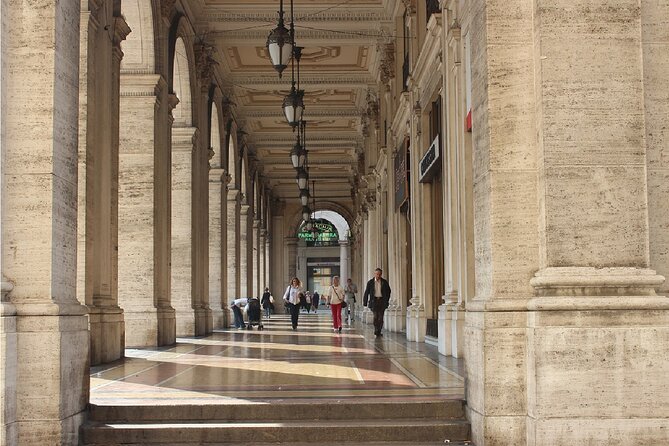
Your tour begins at Piazza Raffaele de Ferrari, 1 (16121 Genova), and it ends back at the same meeting point. That matters more than it sounds. In a city where streets twist and names can feel similar, returning to one anchor spot makes the whole day simpler.
I’d treat arrival as part of the experience. Arrive a little early, scan for the group, and keep your phone ready for any last-minute messaging. A few people reported late or missed guide issues, and the best defense is showing up when you’re supposed to.
Piazza De Ferrari: the city’s stylish front door
You’ll begin at Piazza De Ferrari, a classic centerpiece in central Genoa. It’s a great first stop because the square gives you a visual reset: you can orient yourself, spot the direction of major streets, and then start walking with confidence.
You’ll also see the square’s iconic details—especially the bronze fountain and the grand surrounding buildings. Even if you’ve only got a day in Genoa, starting here helps you understand the rhythm of the city: official grandeur on the outside, and tightly packed streets moving inward.
Palazzo Ducale: grandeur with a practical payoff
Next up is Palazzo Ducale, one of the big architectural statements in the historic core. This is where your guide’s job really shows: the palace’s exterior looks impressive on its own, but you’ll get context that makes it feel tied to Genoa’s power and identity, not just a pretty façade.
The stop is short—about 15 minutes—so you won’t spend ages inside unless your day’s pacing allows it. That’s a good thing for most visitors. You get the meaning, you take a few photos, and you move on before the old-town fatigue kicks in.
Torri di Porta Soprana: medieval gate energy for photos and stories
Torri di Porta Soprana (the Porta Soprana towers) brings you to a medieval threshold. The twin towers and the gateway feel like a time machine, and it’s one of the best stops for imagining what it meant to enter a fortified city.
This is also a photo-friendly break. Even if you’re not a medieval architecture nerd, the structure’s framing makes it easy to capture the towers without needing a huge detour. Just remember the walkways around gates can be uneven, so watch your step.



Casa di Cristoforo Colombo: where the admission catch happens
At La Casa di Colombo (Casa di Cristoforo Colombo), the tour focuses on the idea of discovery through the story of Christopher Columbus. It’s an interesting stop because it’s not a monumental building like the palace—more of a human-scale landmark tied to a famous chapter of history.
Important practical note: admission here is not included. So if you want to go in (and you’re into the details), plan on paying the entry fee on the spot. If you’re trying to keep costs tight, you can still enjoy the exterior and the guide’s context without it.
Pozzo di Giano: Roman myth at street level
One of my favorite types of stops is this kind: a place you’d walk right past without the story. Il pozzo e il busto di Giano (the well tied to Janus) gives you myth and Roman references in a very grounded, street-level way.
The appeal here is that it makes the city feel layered. Genoa isn’t only medieval walls and big churches; it has older references that show up in small landmarks. If you enjoy legends mixed with geography, this is the stop that tends to stick in your head.
Piazza San Giorgio and Cattedrale di San Lorenzo: two styles, one calm pause
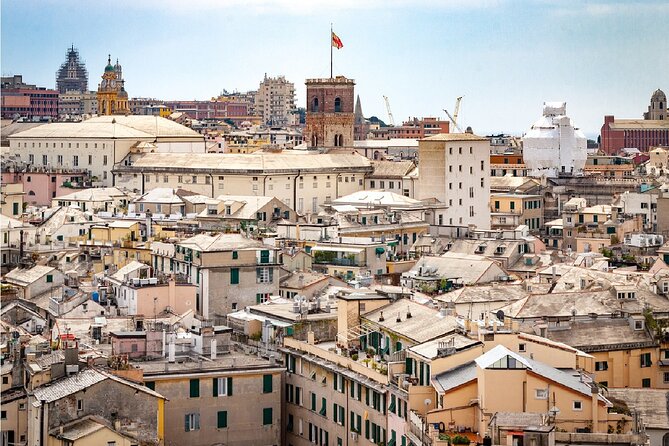
You’ll then hit Piazza San Giorgio, where the mood shifts. The square is a good reset point—less chaotic than the most crowded lanes—and it gives you a breather before you continue.
After that comes Il Cittadino – Arcidiocesi di Genova (Cattedrale di San Lorenzo). Expect Gothic and Romanesque elements and a façade with lots of detail. If you like churches, this one is a payoff stop. Your guide can help you spot what to look for, and you’ll likely spend a chunk of that 15 minutes actually looking instead of just passing through.
Piazza Banchi and the “surprise” streets between sights
After the planned highlights, you’ll spend time around Piazza Banchi—and the tour keeps a bit of the route flexible to keep it fun. This is where Genoa’s personality shows up: tighter lanes, quieter corners, and the feeling that the city is more layered than the main sights suggest.
This is also where guides like Antonio tend to shine. The best moments often happen between landmarks, not at them. If you like walking through places that feel lived-in, this section is the one you’ll remember on your way out for gelato.
Pace, terrain, and how to dress for Genoa’s old town
A walking tour can be two things: relaxing or punishing. Here, the reality is somewhere in the middle. Some people in the group described the walk as manageable even at older ages, but others warned about stairs, hills, and cobblestones.
So do this simple check before you go:
- Wear shoes with grip, not smooth-soled city sneakers
- Give yourself a bit of time buffer if you need breaks
- Bring water, especially if your day runs warm
If you have mobility limits, I’d consider this tour only if you’re comfortable with uneven surfaces. The good news is that the small group size helps the guide adjust pacing when needed.
Guide style: what you get from Antonio and the small-group format
The guide can make or break a walking tour, and this one has a strong track record with Antonio. People describe him as patient, engaging, and willing to answer questions, and that’s exactly what you want when you’re asking about why a building is here, or how myths connect to the city’s layout.
You may also get practical extras beyond pure sightseeing—like suggestions for where to eat or what local foods to try. Several guests flagged that recommendations for lunch were a highlight, which is a great bonus when you arrive hungry after walking all morning.
One caution from the field: if your day includes small tastings (like aperitifs or focaccia), ask about the sample cost before you pay. A few people said the pricing wasn’t clearly disclosed early, and it’s an easy fix on your end.
Price and value: $32 buys direction, not just walking
Let’s talk value without the fluff. You’re paying $32 per person for about two hours with a professional guide. That’s not a “cheap wander.” It’s a paid service that saves you from guessing your way through Genoa’s layout.
Also, many stops are free to see. So you’re not buying entry tickets at every stop; you’re buying interpretation. The one clear extra is Casa di Colombo admission, which isn’t included. If you choose to enter, factor that in—but even without it, the tour still gives you the story behind the names.
Who should book this Genoa tour (and who shouldn’t)
Book it if:
- You want a short overview and a sense of where everything is
- You like mixing landmark architecture with alley wandering
- You enjoy myths and stories that tie to real geography
- You want a guide you can talk to in a small group
Consider skipping if:
- You can’t handle stairs and uneven cobblestones
- You dislike any chance of a slightly messy logistics day
- You need a strict, no-surprises route with zero flexibility
Should you book this Genoa tour?
I think it’s a strong pick when you want orientation plus personality in a short window. The stops are well chosen, the group size helps, and guides like Antonio bring the city to life with questions and stories. If you’re comfortable walking on uneven surfaces and you show up a bit early at Piazza de Ferrari, you’ll likely find it a smart use of time.
If you’re the type who hates “walking tours that sometimes go off track,” build in a little margin and keep your phone ready. And if you plan to enter Casa di Colombo, expect an extra ticket cost.
FAQ
How long is the Genoa walking tour?
The tour is about 2 hours.
What does the Genoa walking tour cost?
It costs $32.00 per person.
Where does the tour start and end?
It starts at Piazza Raffaele de Ferrari, 1, 16121 Genova (GE), Italy and ends back at the same meeting point.
Is the tour in English?
Yes, the tour is offered in English.
What’s included in the price?
The tour includes the 2-hour guided walking tour, a professional tour guide, and maximum 15 participants per guide.
Is there any admission cost at the stops?
Admission is free for many listed stops. Casa di Cristoforo Colombo admission is not included.
Can I get a full refund if I cancel?
Yes. You can cancel for a full refund if you cancel at least 24 hours in advance of the experience start time.