REVIEW · ROME
Guided Walking Tour of Rome: Top Sights & Baroque Treasures
Book on Viator →Operated by Eternal Experiences · Bookable on Viator
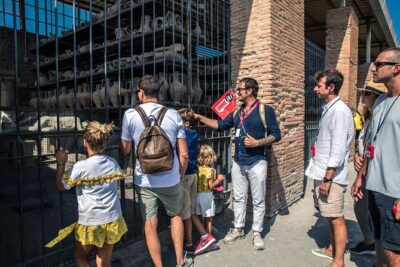
Rome clicks into place on foot. This small-group walk through central backstreets pairs major sights with real baroque detail, and I especially loved the ceiling frescos stop at Chiesa di Sant’Ignazio di Loyola. You’ll also get the kind of history that makes the stones make sense, and I did appreciate how the pace leaves room for photos. One catch: Pantheon admission isn’t included, so you’ll want to plan for a separate ticket if you want to go inside.
You start at Piazza d’Aracoeli and finish in Piazza Navona, so the route naturally “pulls” you deeper into Rome without bouncing around the city. The tour runs about 2 hours with a maximum of 15 people, and it’s in English with a mobile ticket. It’s priced at $30.25, which feels fair here because most stops are free-entry and you’re paying mainly for guide time and smart routing.
Because the experience runs on foot, comfortable shoes matter, and weather can change plans. The good news is the operator flags that it requires good weather, and if it’s canceled for weather you’ll be offered a different date or a full refund.
In This Review
- Key things I’d bank on before you go
- A Small-Group Rome Walk That Hits Big Sights and Side Streets
- Piazza d’Aracoeli Start, Piazza Navona Finish: A Route That Makes Sense
- Palazzo Venezia Exterior and the Unification Story You’ll Actually Remember
- Trevi Fountain: 20 Minutes for Coins, Photos, and Reality Checks
- Chiesa di Sant’Ignazio di Loyola: Frescos, Quick Inside Time, and an Artist Rivalry
- Pantheon From the Outside: Why Hadrian’s Dome Still Feels Like Magic
- Fontana dei Quattro Fiumi: Bernini’s Craft in About 10 Minutes
- Piazza Navona: Baroque Drama, Free Entry, and a Great Place to Continue
- Price and Value: Why $30.25 Can Make Sense for First-Time Rome
- Pacing, What to Wear, and How to Get the Most Out of 2 Hours
- Who This Tour Fits Best (and Who Might Want to Skip It)
- Should You Book This Walking Tour?
- FAQ
- How long is the guided walking tour?
- What stops are included in the route?
- Is the Pantheon ticket included?
- Are the fountain and church stops free to enter?
- What is the group size?
- What language is the tour offered in?
- Where do I meet, and where does the tour end?
- Is there a mobile ticket?
- Are service animals allowed?
- What if the weather is bad?
Key things I’d bank on before you go
- Max 15 travelers keeps the talk audible and the group moving.
- Free entries for most stops make the total cost more predictable (Pantheon is the exception).
- Real art-history moments at Chiesa di Sant’Ignazio of Loyola, including a quick look at ceiling frescos.
- Baroque storytelling on and off the squares from Fontana dei Quattro Fiumi to Piazza Navona.
- Outdoor-only time at the Pantheon still gives you the main architectural wow-factor without ticket pressure.
- A handoff to your meal plan near the end, with the guide pointing you toward solid local places to eat and rooftops to check out.
A Small-Group Rome Walk That Hits Big Sights and Side Streets
Rome’s center can feel like a highlight reel that never quite explains itself. What I liked about this walk is that it treats the “top names” as starting points, not the whole story. You move through famous spaces, then the guide threads in context so the buildings feel connected instead of random.
The group size is capped at 15, and that matters more than you’d think. With fewer people, the guide can keep control of the pace on crowded sidewalks, and you’re less likely to lose the commentary every time someone stops for a photo. The tour also stays in English, so the explanations stay clear and practical.
The overall rhythm is short stops with intentional time windows. You’re not expected to “power walk” nonstop, but you should be ready for a steady pace and a fair amount of standing.
You can also read our reviews of more tours and experiences in Rome.


Piazza d’Aracoeli Start, Piazza Navona Finish: A Route That Makes Sense
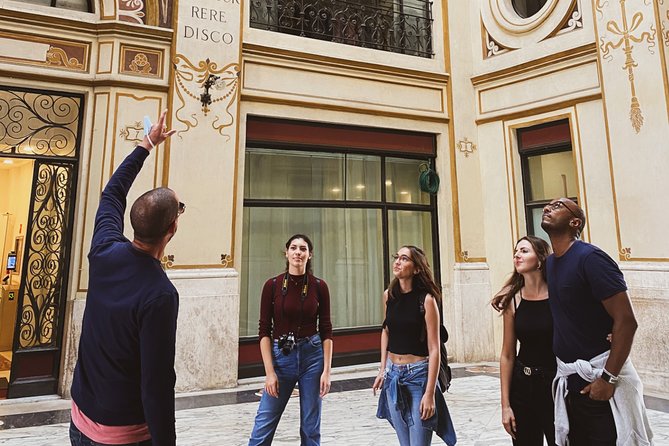
Your journey begins at Piazza d’Aracoeli (near Via di S. Venanzio 8) and ends at Piazza Navona. I like this setup because you finish in one of Rome’s most useful dining areas, where you can keep the same energy after the walk.
Also, Piazza Navona is a great end point if you want choices. You’ve got plenty of restaurants and bars nearby, plus easy sightseeing just by walking around the square after. The tour description even signals that the guide will point out good local places to eat, drink, and rooftop views.
One practical note: meeting points can be tricky in Rome, and locations may shift at the last moment. I’d double-check the exact meet spot you receive after booking, and give yourself a few minutes buffer so you’re not hunting while the group moves on.
Palazzo Venezia Exterior and the Unification Story You’ll Actually Remember
Before you jump into fountains and churches, you’ll see Palazzo Venezia from the outside. It’s not a “go in and look around” stop, but the exterior does matter, because the building is tied to a bigger theme: how Rome became the capital of a unified Italy.
You’ll hear about the king who unified Italy, and it’s the kind of context that helps when you later see other monuments and official buildings around town. Even if you’re not a history buff, the guide’s framing makes it easier to connect what you’re seeing to why Rome looks the way it does today.
There’s also some impressive scale thrown in for perspective—this palace complex covers an area of 110,500 square meters and is listed as the ninth-largest palace in the world by area. You can’t feel that number in your feet, but it does give your brain something solid to hold onto while you’re standing there.
If you hate exterior-only stops, this part might feel a bit short. But as a setup for the rest of the tour, it works well.
Trevi Fountain: 20 Minutes for Coins, Photos, and Reality Checks
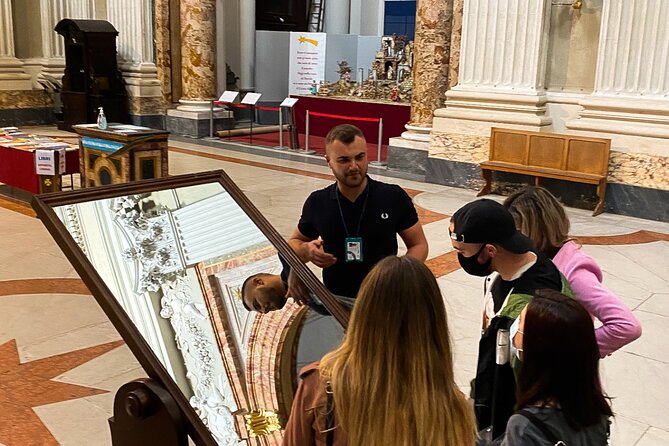
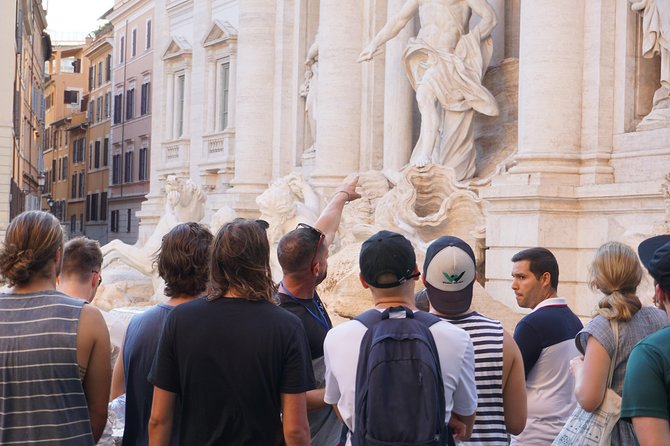
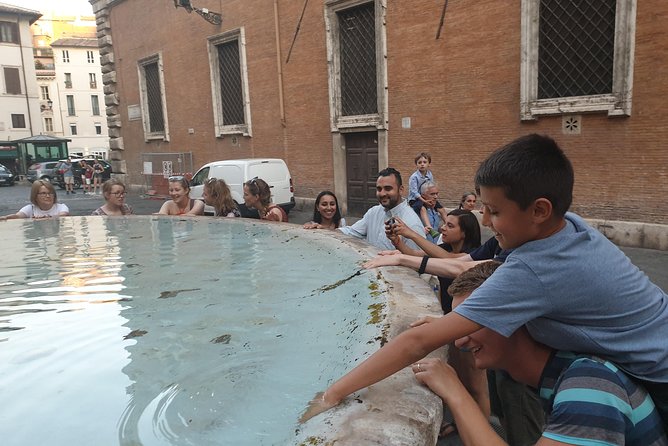
Trevi Fountain is the obvious magnet, and the tour gives you about 20 minutes there. That time window is just enough to get your photos, do the coin-throw moment, and then step back to see how the crowd moves around the basin.
What I appreciated is the guidance around crowd control. Rome doesn’t slow down just because it’s a “tour day,” so it helps when your guide helps you find a workable viewing spot and tells you when to step aside. You get the big wow-factor, but without feeling like you’re trapped in a human traffic jam for an hour.
Trevi Fountain is also free to see, so you’re not paying entry just to stare upward at the baroque drama. It’s a good place to take a quick pause and reset before you head indoors.
Chiesa di Sant’Ignazio di Loyola: Frescos, Quick Inside Time, and an Artist Rivalry
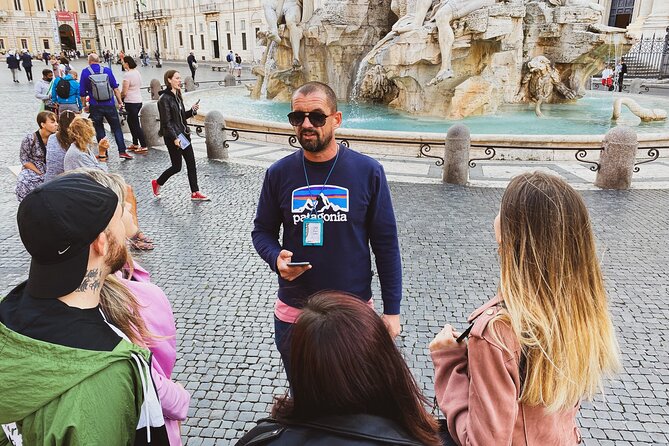
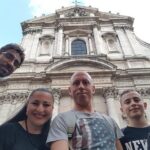
Next comes Chiesa di Sant’Ignazio di Loyola, with about 5–10 minutes inside. This is a short stop by design, and it’s a smart one: you get the key interior payoff without losing the whole morning to lines and slow browsing.
The headline for this church is the ceiling frescos. The tour highlights them for a reason—this is where baroque illusion and intense detail hit you fast. I found it helpful that the guide points out what to look for so you’re not just wandering through a gorgeous interior trying to guess where the “main event” is.
There’s also a story about a feud between artists that defined the church. You’ll hear how artistic egos and competing visions shaped what you see, which makes the church feel less like a static museum piece and more like a real historical project with friction behind it.
The church entrance is free, so it adds a lot of value for almost no cost. The only downside is the limited time. If you want a long, slow, sketchbook-style visit, you’ll probably come back later on your own and do a deeper look.



Pantheon From the Outside: Why Hadrian’s Dome Still Feels Like Magic
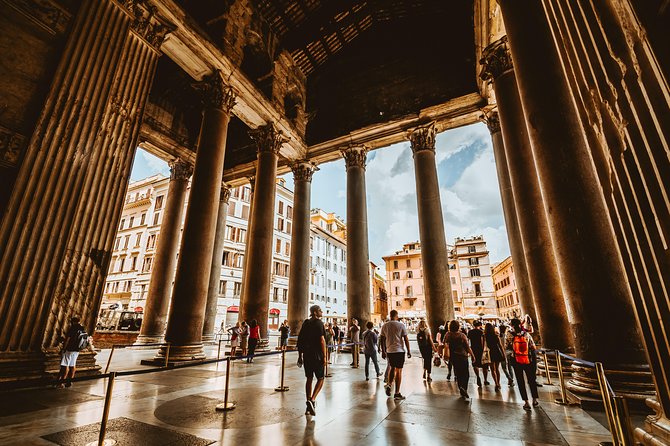
The Pantheon stop is about the exterior experience, with around 30 minutes set aside. Even if you don’t enter, you still get a major architectural moment: the Pantheon is tied to Emperor Hadrian, and its dome has kept architects scratching their heads for centuries.
One important detail: Pantheon admission is not included. That means you should decide ahead of time whether you want to buy a ticket. The tour still works if you skip it, but if the interior is on your must-see list, you’ll need to budget both time and money for the separate entry.
The exterior is so iconic that it can carry you even without stepping inside. You can study the façade, notice the rhythm of the structure, and take the classic photos from angles that show the scale of the dome. The guide’s explanations help you understand what you’re looking at, which is the difference between taking a picture and actually getting it.
If your priority is inside access, treat this as a “prepare and orient” stop rather than a substitute for a full Pantheon visit.
Fontana dei Quattro Fiumi: Bernini’s Craft in About 10 Minutes
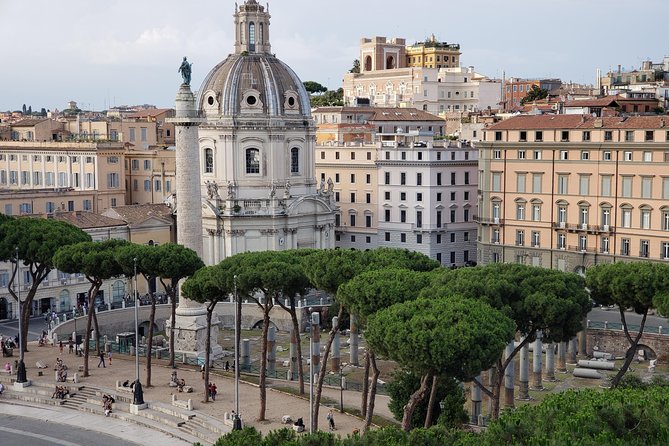
After the Pantheon area, you’ll move to Fontana dei Quattro Fiumi. This stop is short—about 10 minutes—and that’s enough if the guide is pointing out what matters.
The fontaine’s big claim is tied to Gianfranco Bernini. The guide frames it so you’re not just seeing a busy fountain; you’re seeing how the sculpture and symbolism work together. It’s the kind of work that rewards attention, but it doesn’t require a long sit-down session.
Admission is free here too, so it stacks value in a low-cost way. The only possible limitation is timing. If you’re the type who hates quick stops, this may feel like a glance. But if you like “brief, focused, then move,” it’s a good fit.
Piazza Navona: Baroque Drama, Free Entry, and a Great Place to Continue
You finish with Piazza Navona, with about 20 minutes there. This is one of Rome’s most famous elaborate piazzas, and the baroque fountains are a big part of why it looks the way it does.
I like how the tour ends here. You’re already warmed up by the walking and stories, and now you get a space that’s easy to explore after the official tour ends. Since entry is free, you can wander around at your pace without feeling you’re “missing” paid features.
Piazza Navona also sets you up for an easy next step: sit down somewhere nearby for dinner or a drink, or keep walking to nearby sights. The guide will usually point you toward good local options during the wrap-up, which is especially helpful if you don’t know where to start.
Price and Value: Why $30.25 Can Make Sense for First-Time Rome
Let’s talk money without pretending it’s magic. At $30.25 per person, you’re paying for a guided route, city highlights, and time-efficient storytelling across multiple central landmarks. In Rome, paying for the guide time is often worth it because it helps you avoid common confusion—what you’re looking at, why it matters, and where to stand.
Here’s the value math: most of the stops you hit are free to enter (Trevi Fountain, St. Ignatius of Loyola, Fontana dei Quattro Fiumi, and Piazza Navona). The main paid gap is the Pantheon entrance. So your total spend can stay close to the tour price if you’re content with an exterior-focused Pantheon visit.
The tour also caps at 15 people. In a city where crowded group tours can turn into a shouting contest, that cap is part of why this feels like a solid deal rather than just cheap.
You’ll also notice it books well in advance on average. If you’re traveling in peak season or want a specific departure time, booking earlier is smart.
Pacing, What to Wear, and How to Get the Most Out of 2 Hours
This is a walking tour, and it’s built around short stops. So you’ll want shoes that can handle cobblestones and uneven sidewalks. Bring water if you run warm, and if you’re sensitive to crowds, plan to step back briefly when the group tightens around photo spots.
Because the itinerary includes time inside a church (short, but real), dress code matters a bit. Even when it’s a quick stop, you’ll be more comfortable if you wear something that keeps you respectful and cool.
The tour is designed so most travelers can participate, and it runs near public transportation. That makes it easier to pair with the rest of your day if you’re bouncing between neighborhoods.
If you get stuck on weather, know this tour requires good weather. Rome can change fast, and if it’s canceled due to poor weather you’ll be offered a different date or a full refund.
Who This Tour Fits Best (and Who Might Want to Skip It)
This walk is a great fit if you want a high-signal intro to central Rome. You’ll see the major names—Trevi, Pantheon area, Piazza Navona—and you’ll also get baroque detail at St. Ignatius that many first-time visitors miss.
It’s also ideal if you like stories but don’t want your day to turn into a queue marathon. The stop times are short enough to keep momentum, and the guide aims to keep you oriented instead of swamped in information.
I’d consider skipping (or at least supplementing) if you’re chasing long, slow museum-style visits. The Pantheon is exterior-only on this route, and the church interior is brief. If you want deep time inside key sites, you’ll likely want separate visits on another day.
If you’re the type who enjoys art history and architecture, you’ll probably leave with a sharper sense of how the baroque look was built, not just what it looks like.
Should You Book This Walking Tour?
Book it if you’re:
- making your first trip to Rome and want a fast, logical hit list
- trying to cover Trevi, the Pantheon area, and Piazza Navona without losing the plot
- interested in art-history context at Chiesa di Sant’Ignazio of Loyola
Skip or add on if you’re:
- mainly focused on entering the Pantheon (you’ll need an additional ticket since it isn’t included)
- craving long interior visits and slow wandering as your default pace
For most people doing Rome for the first time, this is a sensible, efficient way to get oriented and see standout baroque work in just about two hours.
FAQ
How long is the guided walking tour?
The tour is about 2 hours (approx.).
What stops are included in the route?
You’ll visit and/or view places including Palazzo Venezia (exterior), Trevi Fountain, Chiesa di Sant’Ignazio di Loyola, the Pantheon (outside), Fontana dei Quattro Fiumi, and Piazza Navona.
Is the Pantheon ticket included?
No. Pantheon admission is not included.
Are the fountain and church stops free to enter?
Trevi Fountain, Chiesa di Sant’Ignazio di Loyola, Fontana dei Quattro Fiumi, and Piazza Navona are listed as free-entry stops.
What is the group size?
The tour has a maximum of 15 travelers.
What language is the tour offered in?
The tour is offered in English.
Where do I meet, and where does the tour end?
You start at Piazza d’Aracoeli, Via di S. Venanzio, 8, 00186 Roma RM, Italy, and the tour ends at Piazza Navona, 00186 Roma RM, Italy.
Is there a mobile ticket?
Yes, it includes a mobile ticket.
Are service animals allowed?
Yes, service animals are allowed.
What if the weather is bad?
This experience requires good weather. If it’s canceled due to poor weather, you’ll be offered a different date or a full refund.