REVIEW · ROME
Home Cooking in Testaccio: Cacio e Pepe, Amatriciana, Carbonara
Book on Viator →Operated by Curioseety SRLS · Bookable on Viator
Forget bland pasta classes, Rome keeps it real. In Testaccio, I love the way this experience turns a kitchen lesson into a lived-in Roman meal, led by Andrea and Milvia in a small home setting. You’ll learn fresh pasta dough from scratch and make three iconic sauces—cacio e pepe, amatriciana, and carbonara—then sit down to eat what you made with wine, dessert, and coffee. One possible drawback: this isn’t a quick stop or a hands-off demo. If you’re hoping for minimal mess, you may want to plan for flour on your sleeves.
What makes it especially appealing is the small group size (max 6) and the attention that comes with it. You’ll work dough, learn shaping and cutting (including tonnarelli via a traditional pasta machine), and get practical guidance you can repeat at home from the included recipes PDF. The other “yes, do this” part is the food pairing: a 3-course lunch plus unlimited local wine, then dessert and coffee.
The main consideration is logistics and fit. There’s no hotel pickup/drop-off, and it’s not recommended for travelers with serious allergies to dogs and cats, since it’s a home environment.
In This Review
- Key things to know before you go
- Why Testaccio Pasta in a Real Home Beats a Generic Class
- Andrea and Milvia: The Small-Group Secret Sauce
- The Dough Lesson: Flour-to-Egg Ratios and Why Gluten Matters
- Rolling, Cutting, and Tonnarelli: Turning Technique Into Shape
- Three Classic Roman Sauces: Cacio e Pepe, Amatriciana, Carbonara
- Cacio e Pepe
- Amatriciana
- Carbonara
- The 3-Course Lunch: Wine, Coffee, and Dessert After You Cook
- Value Check: Is $95.54 Worth It in Rome?
- Who This Pasta Class Fits Best (and Who Should Think Twice)
- Practical Rome Details: Where to Meet and How to Prepare
- Should You Book Home Cooking in Testaccio? My Bottom Line
- FAQ
- How long is the Home Cooking in Testaccio class?
- What food and drinks are included?
- Is this class taught in English?
- How big is the group?
- Where do we meet, and is there hotel pickup?
- Can I request dietary accommodations?
- Are service animals allowed, and is it safe for people with pet allergies?
Key things to know before you go
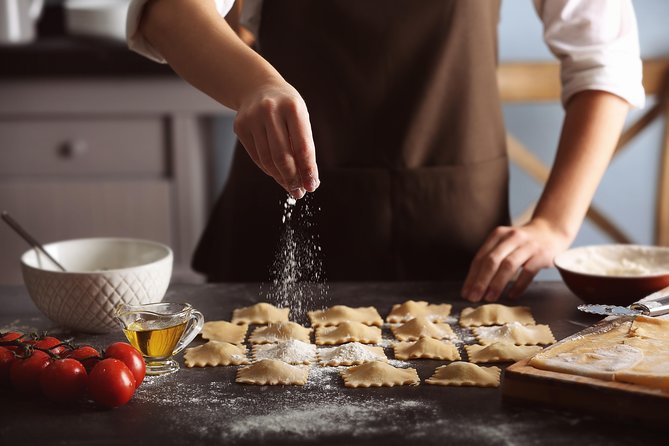
- Testaccio, a real neighborhood kitchen: You’ll start at Via Galvani in Rome and cook in a local chef’s home setting.
- Hands-on pasta basics: You’ll make dough from scratch and learn what gluten and protein do for your texture.
- Three Roman sauces, not just one: Cacio e pepe, amatriciana, and carbonara each teach a different pasta skill.
- Tonnarelli practice: After shaping basics, you’ll create tonnarelli using a traditional pasta machine.
- Unlimited wine with your meal: You’ll eat a 3-course sit-down lunch with local wines, then finish with dessert and coffee.
Why Testaccio Pasta in a Real Home Beats a Generic Class
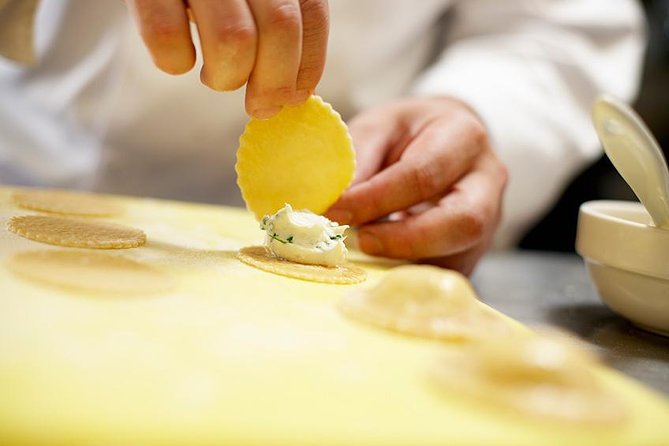
Rome has a way of making food feel like culture, not content. This class works because it happens in a real apartment kitchen in Testaccio, not in a studio with plastic counters and a conveyor-belt vibe. You’ll be taught how Roman pasta is built—step by step—then you’ll actually eat it at the table.
The best part for you is the feedback loop. You make the dough, you roll and shape, you cook the sauces, and you taste the results immediately. If something isn’t right, you can adjust while the lesson is still happening—exactly when it matters.
Also, you’re not just learning recipes. You’re learning the logic behind them: ratios in the dough, how gluten develops, and how technique changes texture. That’s what helps you recreate the dishes later, not just memorize steps.
You can also read our reviews of more tours and experiences in Rome.


Andrea and Milvia: The Small-Group Secret Sauce
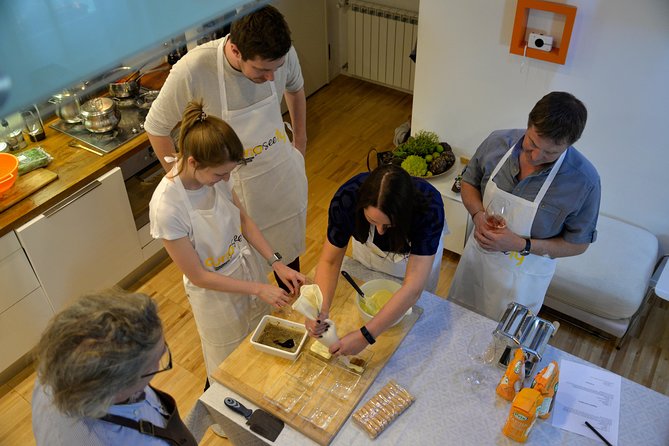
This is a max-of-6 format, and it shows. In a group that size, the teacher can actually watch your hands, spot issues early, and adjust your technique without rushing you. That personal attention matters a lot when you’re learning dough consistency and cutting/shaping.
The hosts, Andrea and Milvia, lean into a warm family-kitchen feel. Multiple guests highlight that the pace is supportive and the instruction includes both practical technique and a bit of culture around what you’re making. You’re also able to ask questions in the moment, which is hard to do in bigger classes where everyone is moving through stations.
There’s also a nice bonus to keep in mind: you’ll be eating together in their home after cooking. That transforms the class from a task list into an evening meal experience, which is usually what people are chasing when they travel.
The Dough Lesson: Flour-to-Egg Ratios and Why Gluten Matters
Most pasta classes skip the scary part: getting the base right. Here, you start with dough from scratch and get guidance on the flour-to-egg ratios the chef uses. That may sound like a small technical note, but it’s the difference between pasta that stretches properly and pasta that turns fragile or gummy.
You’ll learn what gluten and protein contribute during mixing and rest time. In plain terms, gluten is what gives dough structure as you roll it thin. Protein in flour also influences how the dough behaves when you shape it and when it cooks.
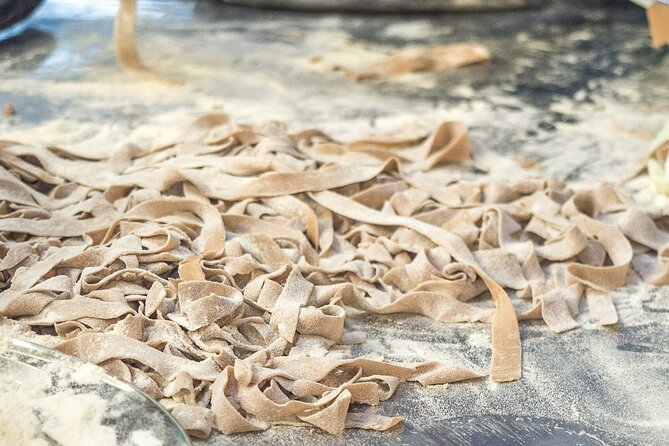
Then you’ll make the pasta component that supports your meal. You’ll work on fettuccine-style pasta and also learn shaping and cutting methods that become important when you move into other forms later.
If you’re the type who usually relies on dried pasta, this part is your foundation. Once you understand ratios and how dough responds to handling, the rest feels less like magic and more like repeatable craft.
Rolling, Cutting, and Tonnarelli: Turning Technique Into Shape
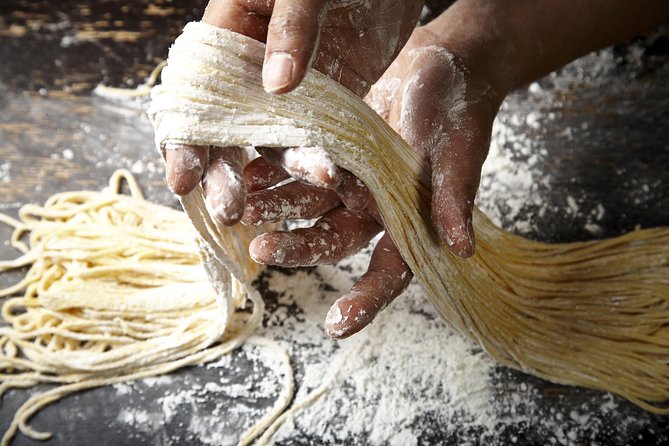
Rolling pasta thin is one of those skills that sounds easy until you’re doing it with your own hands. You’ll practice the mechanics of rolling, cutting, and shaping in a supportive way so you can see what works.
A key detail here is that you’ll use a traditional pasta machine to create tonnarelli. That gives you a concrete next step beyond hand-rolling and helps you learn the “how” of machine-assisted shaping. It also matters because tonnarelli is a classic Roman style, and it changes how sauce clings and how the bite feels.
You’ll also work on fettuccine along the way. So you’re not stuck doing one shape for the whole meal. This variety keeps the session from feeling repetitive, and it gives you more usable takeaways for cooking at home later.
Practical advice: wear sleeves you don’t mind getting flour-dusted. You’ll be handling dough, and the kitchen is doing real cooking work, not a showroom performance.
Three Classic Roman Sauces: Cacio e Pepe, Amatriciana, Carbonara
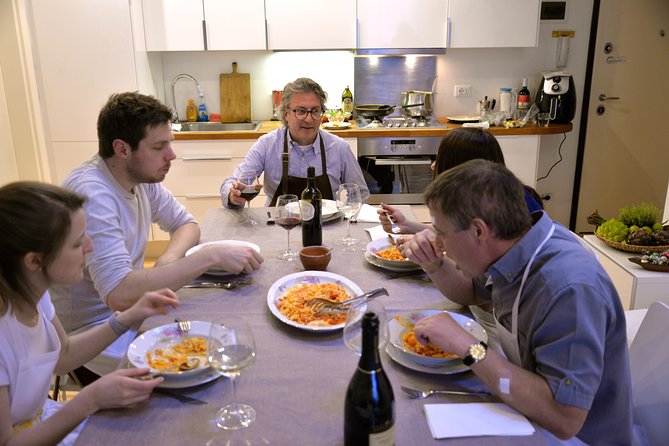
The sauce portion is where Roman cooking shows its personality. Each of the three you’ll learn teaches a different pasta-thinking skill: how to balance a cheese sauce, how to build a savory tomato base, and how to handle eggs properly for a creamy texture.


Cacio e Pepe
This one is simple on paper and picky in practice. You’ll learn the method so the cheese becomes a silky coating rather than clumps. The key lesson is how heat and technique work together when you’re combining ingredients and waiting for the sauce to emulsify into something smooth.
Amatriciana
Amatriciana brings the tomato-and-savory side of Rome. In the class context, you’re learning how to build flavor and keep sauce consistent as it reduces and thickens. It’s not just about boiling pasta and dumping sauce; you’re practicing how the sauce behaves when it’s cooked down.
Carbonara
Carbonara is the sauce that punishes shortcuts, so it’s a great learning tool. You’ll practice timing and method so the sauce turns creamy in the way you expect from a Roman carbonara, not scrambled egg chaos. Expect careful instruction on how the sauce meets the hot pasta.
One reason this trio is such good value: you’ll be tasting the difference in texture across all three while you’re still in learning mode. That makes it easier to remember what changes when you tweak technique—so your next homemade attempt is more likely to succeed.
The 3-Course Lunch: Wine, Coffee, and Dessert After You Cook
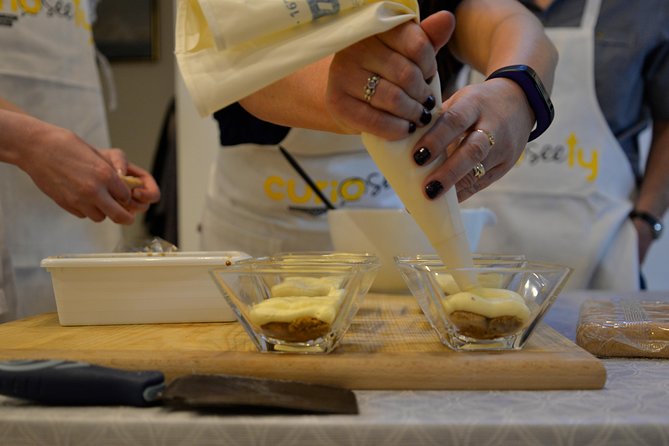
After cooking, you’ll sit down for a 3-course meal built from what you made: the Roman pastas and the associated sauces. You’ll also get carefully selected local wines, with unlimited wine included, plus coffee and homemade dessert to finish.
This part is more important than it sounds. Lots of cooking classes end with food that feels like an afterthought. Here, the meal is the point. You get to eat at the end with the hosts, chat, and enjoy the results immediately.
There’s also a smart timing angle: the class is offered midday, and that can be a blessing. You’re not stuck eating a huge lunch and then trying to function through another evening of heavy sightseeing. If you’ve got a day packed with walking, a 3-hour lunch class can fit nicely before you dive back into Rome.
If you’re photographing, note that messy pasta hands and phones do not mix well. Still, Andrea has been known to take pictures and share them after, which helps you keep a memory without turning your hands into a camera obstacle.
Value Check: Is $95.54 Worth It in Rome?
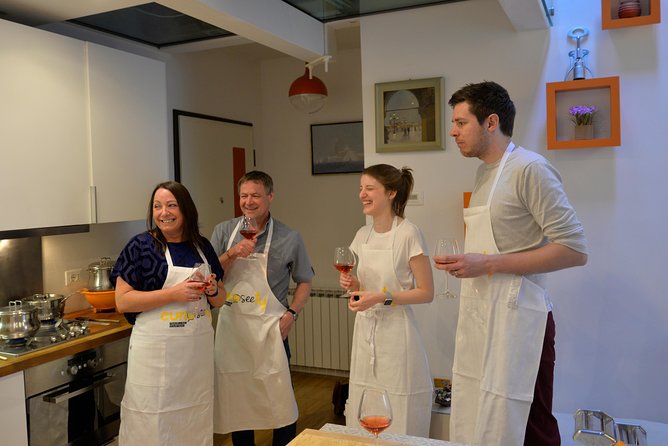
At $95.54 per person for about 3 hours, you’re paying for four things that normally cost extra when you do them separately in Rome: hands-on instruction, multiple dishes (three sauces and fresh pasta work), a full sit-down lunch, and included drinks.
Here’s the value math that matters to you:
- You’re not eating just one dish. You’re making and tasting three classic Roman pastas.
- Wine is included and unlimited. That’s a real price driver, especially in a city where drinks can stack up fast.
- You get recipes PDF. That doesn’t replace practice, but it helps you repeat what you learned without guessing your own ratios.
- Group size stays small (max 6). Personal teaching isn’t cheap, and it’s hard to find in larger cooking programs.
Could you eat these pasta dishes in a restaurant for less? Sure. But you wouldn’t learn the technique the same way, and you wouldn’t leave with the confidence to make carbonara or amatriciana-style sauces at home.
In other words, the price makes sense if your goal is skill and an authentic kitchen experience, not just a good meal.
Who This Pasta Class Fits Best (and Who Should Think Twice)
This is ideal if you:
- Want hands-on cooking instruction rather than watching someone else work.
- Care about making classic Roman dishes you can recreate later.
- Like small-group experiences where you can actually talk with the hosts.
It’s also a good reset from Rome’s bigger-energy sightseeing days. Cooking gives you a slower rhythm and a different kind of local immersion than museums or crowds.
Thinking twice if you:
- Have serious allergies to dogs and cats, since the home environment is flagged as not recommended for that.
- Want hotel pickup or a totally hands-free experience. There’s no pickup/drop-off, and you’ll meet at the address provided.
If you’re traveling with family or a partner, the small setting can make it feel like a shared activity rather than a class you survive.
Practical Rome Details: Where to Meet and How to Prepare
Plan on getting yourself to the meeting point: Via Galvani, 4, 00153 Roma RM. The activity ends back at the meeting point, so you’re not dealing with a long transfer after lunch.
You’ll go in with English instruction, and you’ll receive a mobile ticket. That means you should have your phone charged and ready, since it’s your ticket proof.
Near public transportation is helpful because you can route yourself easily without booking a taxi. Still, Testaccio is a real neighborhood, so give yourself a little buffer to find the exact door and settle in.
What to bring:
- Comfortable clothes you don’t mind getting flour on.
- Any dietary notes you need to share at booking (the experience asks you to advise specific dietary requirements in advance).
One more practical tip: if it’s hot, you might want your own water. One guest noted unusual heat and suggested bringing your own drink. It’s a simple fix that makes the class more comfortable.
Should You Book Home Cooking in Testaccio? My Bottom Line
Book it if you want real technique, not a photo-op pasta workshop. The combination of making fresh pasta, learning three iconic sauces, and then eating a full 3-course meal with unlimited wine is great value for Rome. The small-group format and the warm home setting led by Andrea and Milvia are the parts that make the experience feel personal.
Skip it if you need hotel pickup, have serious dog/cat allergies, or you’re not comfortable with hands-on cooking that gets a little messy. This is a kitchen class. It’s not a seated lecture.
If your travel goal is to come home with skills you can repeat, this one earns its 4.9 rating.
FAQ
How long is the Home Cooking in Testaccio class?
It runs for about 3 hours.
What food and drinks are included?
You’ll make and eat three courses of fresh pasta (with cacio e pepe, amatriciana, and carbonara), plus dessert and coffee. Unlimited wine is included, and a recipes PDF is provided.
Is this class taught in English?
Yes. The experience is offered in English.
How big is the group?
The experience has a maximum of 6 travelers, so it’s a small-group setting.
Where do we meet, and is there hotel pickup?
The meeting point is Via Galvani, 4, 00153 Roma RM, Italy. Hotel pickup and hotel drop-off are not included, and it ends back at the meeting point.
Can I request dietary accommodations?
Yes. You should advise any specific dietary requirements at the time of booking.
Are service animals allowed, and is it safe for people with pet allergies?
Service animals are allowed. The experience is not recommended for travelers with serious allergies to dogs and cats.