REVIEW · MILAN
Learn to Cook Italian Recipes with an Italian Chef
Book on Viator →Operated by Chef and the City · Bookable on Viator
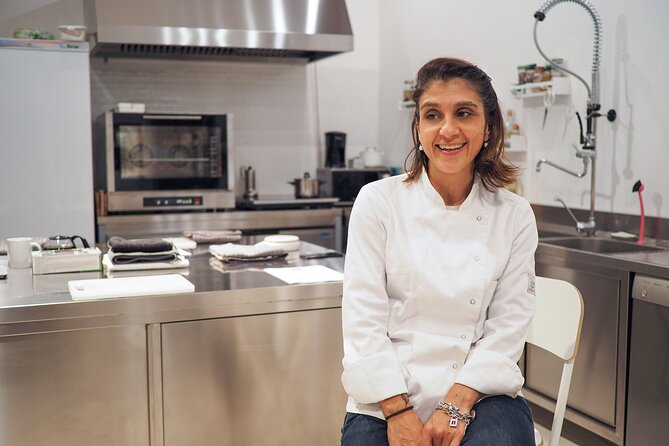
Cooking in Milan doesn’t get much more practical than this. You’ll learn a real Italian rhythm—starter, pasta (or dumplings), and dessert—plus the dishes are a surprise until you’re in class with Chef Ilaria.
Two things I like a lot: you don’t just follow steps, you learn how, when, and why each step works, and you end by eating what you made with Italian wine. One caution: you won’t choose the exact menu in advance, and the wine is shared, so don’t plan on unlimited pours.
In This Review
- Key highlights at a glance
- Finding the Chef and the City Kitchen (and getting started fast)
- The real hook: a surprise 3-course menu
- 3 hours of hands-on technique, not just cooking theater
- Starter: bruschetta, focaccia, parmigiana, and the craft behind it
- First course: fresh pasta or handmade dumplings that you actually make
- Dessert: tiramisu and beyond, with real Milanese options
- The meal: dinner with Italian wine and spirits
- Group size: small enough for help, big enough for energy
- Recipes at the end: so you can cook this again
- Price and value for $82.27 (what you’re really paying for)
- Who should book this class, and who might not enjoy it
- A few practical tips before you go
- Should you book this Italian cooking class in Milan?
- FAQ
- What is the meeting point in Milan?
- How long does the experience last?
- Is the class taught in English?
- What do I cook during the class?
- What’s included with the price?
- Do I get recipes to take home?
- Is wine included, and is it unlimited?
Key highlights at a glance
- Surprise menu in class: you find out what you cook only after you arrive
- Three courses, from scratch: starter, first course, and dessert, hands-on
- Direct coaching in English: you can ask questions and take notes
- Chef names you may meet: Chef Ilaria is the featured host; Alessandro also leads some sessions
- Your meal ends with wine: dinner with Italian wines and spirits
- Recipes to take home: you get the full set after the experience
Finding the Chef and the City Kitchen (and getting started fast)
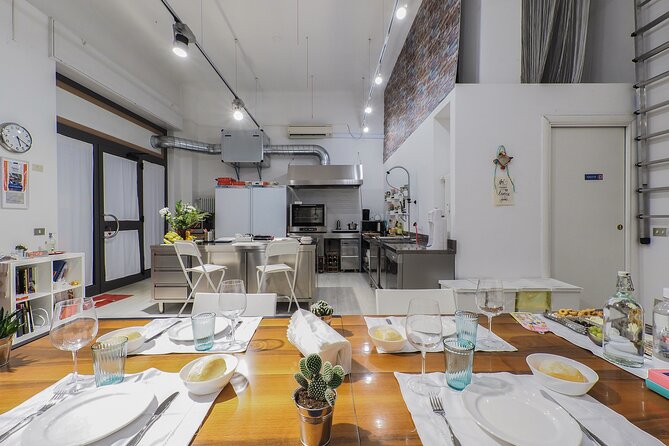
This class meets at Via Laura Ciceri Visconti, 4, 20137 Milano. The kitchen is street level, so no stairs adventure, and you’ll look for three windows with the red CHEF AND THE CITY sign.
When you arrive, ring the front door bell. It’s near public transportation, and you’ll want to travel light because carrying luggage isn’t allowed. Also: smoking is prohibited, and animals aren’t allowed.
The setup matters more than you might think. A working kitchen can be loud and busy, so arriving on time helps you get your hands in the dough early instead of watching from the sidelines.
You can also read our reviews of more tours and experiences in Milan.


The real hook: a surprise 3-course menu
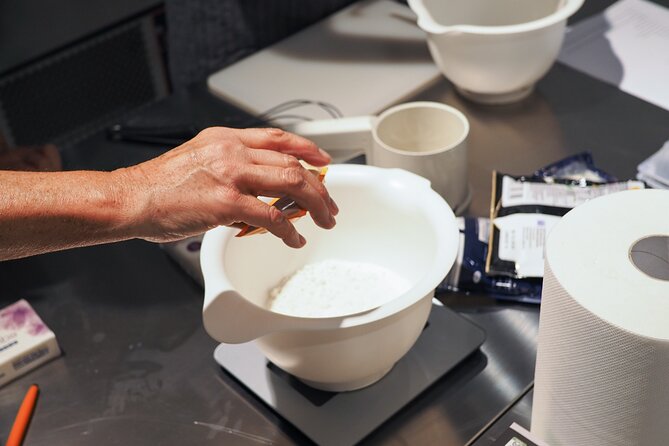
Here’s what makes this class different from the preset “everyone makes the same thing” style: you don’t know the final menu until you’re inside. That’s not random—it’s part of how the chef manages timing, ingredients, and your hands-on flow.
You’ll typically cook three course types:
- A starter (appetizer)
- A first course (often fresh pasta or handmade dumplings)
- A dessert
You might make classics like bruschetta and focaccia, or something closer to Milan’s comfort zone such as parmigiana. For the main, expect fresh pasta by hand—choices can include gnocchi, tagliatelle, or ravioli. And dessert can go traditional, with options such as tiramisu, cantucci, pan meino (Milanese style), or chocolate tortini.
That uncertainty is worth it if you like learning cooking techniques more than chasing a specific recipe. If you’re the type who only wants tiramisu and nothing else, this may feel less predictable.
3 hours of hands-on technique, not just cooking theater
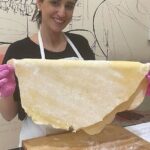
The structure is designed so you actively participate throughout. You’ll be given an apron plus all cooking tools, and you’ll work alongside the chef with direct support. The pacing is also built for learning: the chef focuses on how, when, and why each step happens.
That “why” piece is what turns an OK meal into a repeatable one at home. For example, pasta dough behaves differently depending on how you mix and rest it. Sauce timing matters because ingredients release flavor at different moments. Baking desserts is the same story: temperature and timing aren’t just rules—they’re the reasons you get the right texture.
You’ll also get room for questions. In a kitchen class, questions are everything, because small problems (sticky dough, broken texture, bland seasoning balance) are usually fixable in real time—if someone can see what you’re doing.
One thing I appreciate from the way these sessions run: there’s a clear emphasis on kitchen cleanliness. That may not sound exciting, but it actually makes the whole experience smoother and more comfortable, especially when you’re learning messy skills like focaccia shaping or egg-based pasta.
Starter: bruschetta, focaccia, parmigiana, and the craft behind it
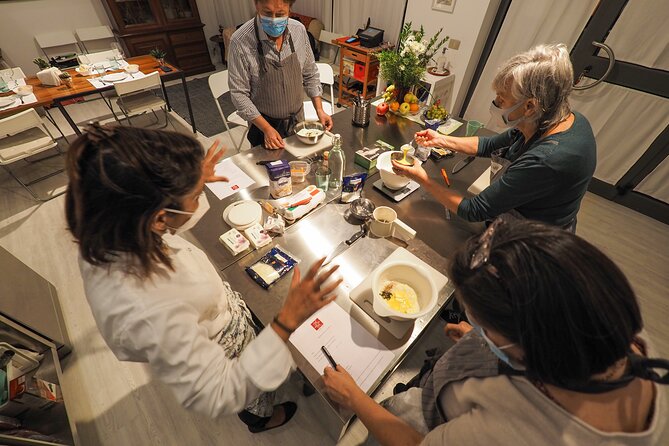
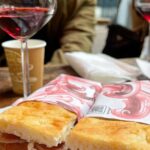
Your starter is where you get your hands moving quickly. Expect something Italian and classic, built from scratch and by hand—bruschetta, parmigiana, focaccia, and similar options may appear depending on the class.
What you’re really learning here is Italian simplicity done correctly. For bruschetta, it’s the balance between bread texture and topping freshness. For focaccia, it’s the feel of dough and the patience required for the right result. For parmigiana, it’s the layering logic and cooking order that prevents watery outcomes.
The class approach is practical: you aren’t just assembling. You’re doing the steps and hearing the reasoning behind them. And because the chef is right there, you learn what “good” looks like.
First course: fresh pasta or handmade dumplings that you actually make
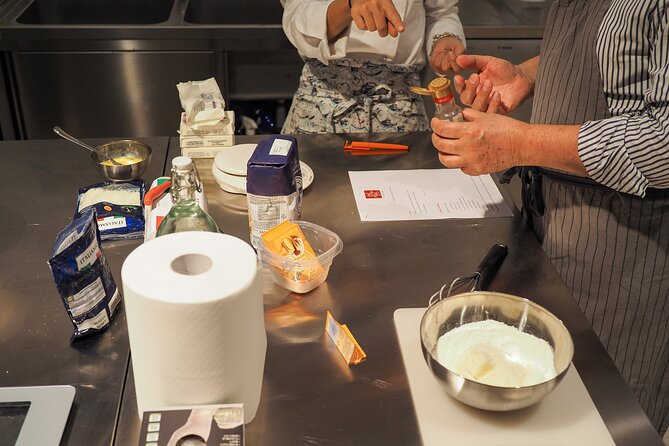
If you came for one thing, it’s often the main. This class includes a hands-on first course such as fresh pasta or handmade dumplings. You might work with dough for gnocchi, ravioli, or tagliatelle—and you’ll make the dressing together.
This is where the class earns its value. Hand-formed pasta and dumplings are labor, yes, but they teach skills you can reuse for years: how dough should feel, how to shape consistently, and how sauce or dressing should come together afterward.
The chef also connects the dots between cooking and timing. Pasta isn’t just “cook it until done.” It’s about texture, water behavior, and how ingredients finish together. That’s exactly the kind of lesson you can’t get from a restaurant plate.
And if you’re nervous about your skills, you’ll probably breathe easier once you’re working. This experience is designed for different comfort levels, and the chef’s job is to keep you moving with helpful feedback instead of leaving you to guess.






Dessert: tiramisu and beyond, with real Milanese options
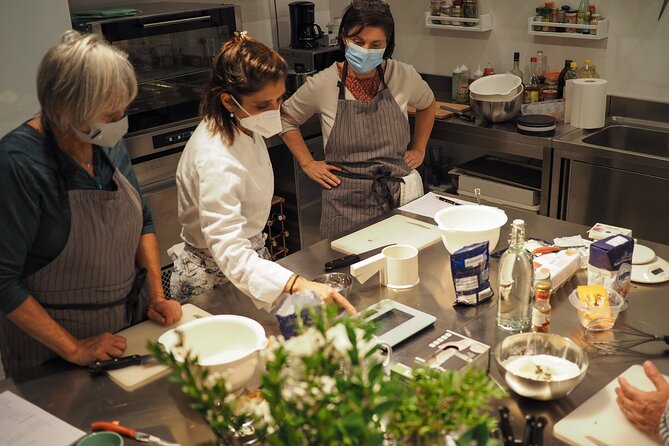
Dessert is where you often discover that Italian sweets aren’t complicated—they’re specific. You might make tiramisu, cantucci, pan meino (Milanese), or chocolate tortini depending on what the chef has planned for your session.
The important part isn’t the exact name of the dessert. It’s the method. Tiramisu teaches layering and timing so the cookies or sponge don’t collapse. Cantucci teaches bake-and-slice logic. Pan meino and tortini-style desserts teach texture control: when to stop, what “set” looks like, and why small changes matter.
I also like that dessert in this class isn’t an afterthought. You’ll treat it as a real course, with guidance that helps you understand what you’re doing rather than just following a checklist.
The meal: dinner with Italian wine and spirits
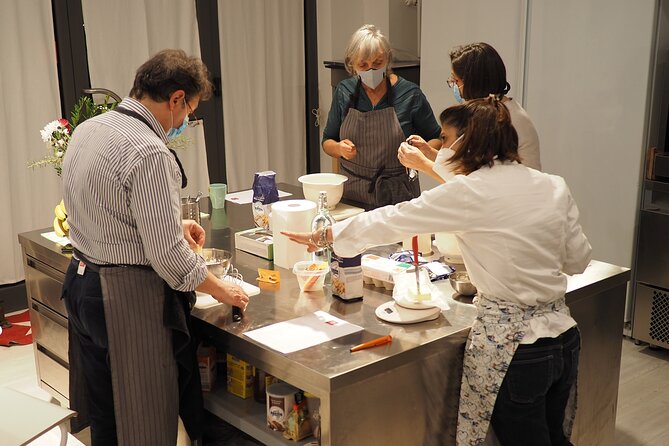
After cooking, you sit down and eat. This experience includes the meal and pairs it with Italian wine, plus Italian wines and spirits. You’ll also have coffee and/or tea, and bottled water (natural and sparkling).
The wine part is worth planning around. It isn’t presented as unlimited pours. In the operator’s own explanation, wine is shared (one bottle among three people), and if you want more personally you may need to pay extra. Everyone gets wine during the dinner at the end, but the early “free-flow” expectations some people bring can lead to disappointment.
Still, the vibe works. You’ll be tasting your own work, at the pace of a real dinner, not a rushed tasting line. And because it’s a small class (maximum 20), conversations tend to stay human-sized instead of turning into a loud cafeteria.
Group size: small enough for help, big enough for energy
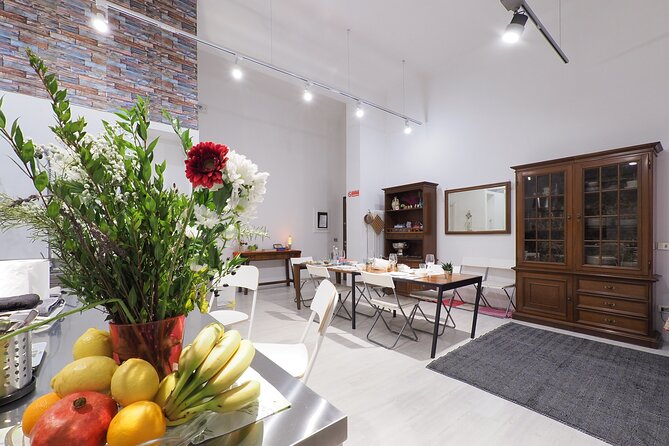
This is capped at 20 people, and that number is important. You want a class where the chef can see your hands and adjust technique. With a smaller group, you get more chances to ask questions, and the kitchen doesn’t feel like a production line.
You’ll also meet people from different places, which adds a nice social layer. Cooking together naturally becomes a shared experience—especially when everyone has just made the same starter or pasta base and is comparing notes on what they found easy (or tricky).
If you’re traveling solo, it’s also a good way to avoid the awkward “sit at a restaurant alone” feeling. You’ll be busy, then you’ll sit together. Easy.
Recipes at the end: so you can cook this again
All recipes are delivered at the end of the experience. That’s a big deal. A cooking class without the recipe is basically a fun night you can’t fully repeat. With recipes in hand, you can remake the dishes for friends and actually remember what the chef taught you—especially the “how/when/why” parts.
Think of it like this: the hands-on session gives you the skills. The recipe delivery gives you the roadmap.
Price and value for $82.27 (what you’re really paying for)
At about $82.27 per person for roughly three hours, you’re buying more than dinner. You’re paying for:
- Hands-on instruction in a real Italian kitchen
- Tools and an apron provided
- Three-course cooking (starter + first course + dessert)
- Your meal plus coffee/tea and bottled water
- Italian wine and spirits during the experience
You’re also paying for the chef’s time and direct coaching. That’s often the expensive part of cooking classes. Here, the focus stays practical: you learn skills you can take home instead of paying mainly for ingredients and a table.
There’s also the “surprise menu” element. That can feel like a drawback if you want a specific dish. But it can also feel like value, because you’re not locked into just one narrow idea of Italian food—you’re learning broader technique across courses.
Given the small-group setup and the full meal experience, this is strong value if you enjoy cooking and want to leave with more than a photo.
Who should book this class, and who might not enjoy it
This is a great pick if you:
- Want hands-on instruction, not just watching
- Like learning technique (dough, shaping, timing, finishing)
- Enjoy Italian classics such as bruschetta, pasta by hand, tiramisu, and friends
- Prefer a small-group activity that ends with a proper sit-down meal
You might want to think twice if you:
- Need a specific menu item guaranteed in advance
- Expect unlimited wine pours throughout the class (the wine is shared)
- Want a very quiet, clinical cooking session. This is a collaborative kitchen where the chef needs focus to give instructions clearly.
If your goal is to become more confident cooking Italian food at home, this class fits that goal well.
A few practical tips before you go
Go hungry, but don’t arrive with a huge appetite plus a “no wine discipline” plan. You’ll eat what you cook, and wine is part of the meal—not necessarily a free-flow party from minute one.
Wear comfortable clothes you can move in. Even with an apron, cooking is still cooking. Also, be ready to get stuck in. This class runs on participation.
If you have dietary needs, it’s smart to message ahead. While the details aren’t spelled out here, the experience has shown it can handle at least one gluten allergy situation before.
Should you book this Italian cooking class in Milan?
I think you should book if you want a real cooking lesson with an Italian chef, not just a meal experience with a few steps. The best parts are the hands-on pacing, the chef’s emphasis on how/when/why, and the fact you get recipes to take home afterward.
If you’re picky about exact dishes or you only want an unlimited wine situation, then pick carefully. This class is about cooking skills and a shared dinner, not a guaranteed menu lottery prize or a wine bar.
If you land in the first group—hands-on learner plus Italian food lover—you’ll probably leave happy and already planning your next pasta or dessert at home.
FAQ
What is the meeting point in Milan?
The class meets at Via Laura Ciceri Visconti, 4, 20137 Milano MI, Italy. You should ring the front door bell, and look for the street-level kitchen with the red CHEF AND THE CITY sign on the windows.
How long does the experience last?
It lasts about 3 hours (approx.).
Is the class taught in English?
Yes, the experience is offered in English.
What do I cook during the class?
You cook three Italian courses: a starter, a first course (often fresh pasta or handmade dumplings), and a dessert. The exact dishes are not known until you’re in class, but examples include bruschetta, focaccia, parmigiana, gnocchi/ravioli/tagliatelle, tiramisu, cantucci, pan meino, and chocolate tortini.
What’s included with the price?
Included are the meal (lunch and dinner), Italian-style welcome snacks, an apron and all cooking tools, coffee and/or tea, bottled water (natural and sparkling), and alcoholic beverages (Italian wines and spirits).
Do I get recipes to take home?
Yes. All recipes are delivered at the end of the experience so you can make the dishes again later.
Is wine included, and is it unlimited?
Wine is included with the dinner as part of the Italian wines and spirits offering. Based on the operator’s clarification, wine is shared (not presented as unlimited), and if you want more personally you may need to pay extra.