REVIEW · ROME
Pompeii & Herculaneum by Train from Rome with Pizza Lunch
Book on Viator →Operated by ItaliaTours · Bookable on Viator
Ruins have a way of speeding up time. This Rome day trip lines up Pompeii and Herculaneum with fast train travel and guided explanations, so you spend less energy on logistics and more on the story of AD 79. You also get lunch built into the schedule, so the day keeps moving.
Two things I really like: the skip-the-line entry tickets to both sites, and the fact that lunch is handled for you in a Neapolitan pizzeria setting rather than a random stop. From what’s consistently described, the guides bring serious craft too, including archaeology-focused professionals like Felicia and Vincenzo, and that makes the ruins feel human, not just impressive.
One possible drawback: it’s a long day with a fair amount of walking, and the sites can be brutally hot in summer. If you’re sensitive to heat or your knees get cranky on uneven ground, plan accordingly.
In This Review
- Key highlights worth your attention
- Rome to Naples by high-speed train: the easy start that matters
- Pompeii guided walk: making AD 79 click beyond the walls
- Pompeii pizza lunch: what you actually get for the money
- Transfer back toward Naples: the break you don’t want to overthink
- Herculaneum archaeological park: smaller, calmer, and easier to picture
- Guides and pacing: why small groups help your whole day
- What to pack (and what to avoid) for Pompeii and Herculaneum
- Price and value check: what $279 buys you in real terms
- Who this day trip is best for
- So, should you book this Pompeii and Herculaneum train day trip?
- FAQ
- What’s included in the tour price?
- How long is the Pompeii and Herculaneum day trip?
- Do I need tickets in advance for Pompeii and Herculaneum?
- What’s the lunch like during the tour?
- What’s the exact meeting point in Rome?
- What time does the tour start?
- How many people are in the group?
- Is the tour offered in English?
- How much walking should I expect?
- What happens if weather is poor?
Key highlights worth your attention
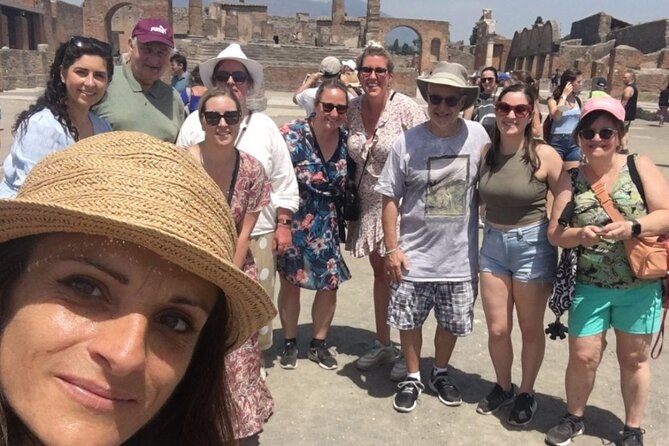
- High-speed train Rome to Naples saves hours versus slower travel plans
- Skip-the-line tickets get you into both Pompeii and Herculaneum faster
- Two guided ruins makes the eruption and daily life make sense
- Pizza lunch that’s more than a snack includes a starter, dessert, and a drink
- Small group size (max 18) helps you stay together and ask questions
- Pompeii first, Herculaneum second gives you a dramatic then a quieter experience
Rome to Naples by high-speed train: the easy start that matters
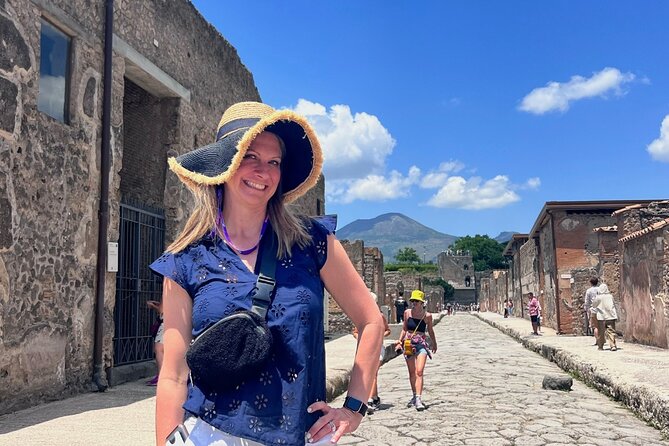
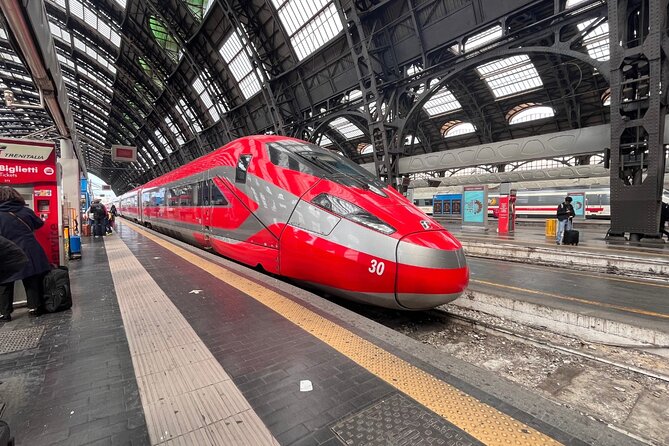
The biggest win here is how the day begins. You meet at Caffè Vergnano near Via Marsala in central Rome (start time 8:00 am), then you’re guided to boarding at Termini Station. Termini can feel like a maze if you arrive with little patience, so having a representative there to help you get on the right high-speed train is not a small detail—it’s how you protect your energy for Pompeii later.
The train portion is about 1 hour 10 minutes to Naples. You’re not stuck watching countryside for hours. And because the itinerary includes transfers on both sides, you avoid the usual day-trip traps: arriving in Naples and then figuring out buses, ticket counters, and meeting points.
Once you reach Stazione Napoli Centrale, your Naples guide is waiting. Then you board an air-conditioned mini coach for roughly 30 minutes toward the Pompeii archaeological area. In plain terms: you get a controlled, guided flow from Rome to the first ruin stop. That matters because Pompeii is where most people lose time if they’re doing everything on their own.
You can also read our reviews of more tours and experiences in Rome.


Pompeii guided walk: making AD 79 click beyond the walls
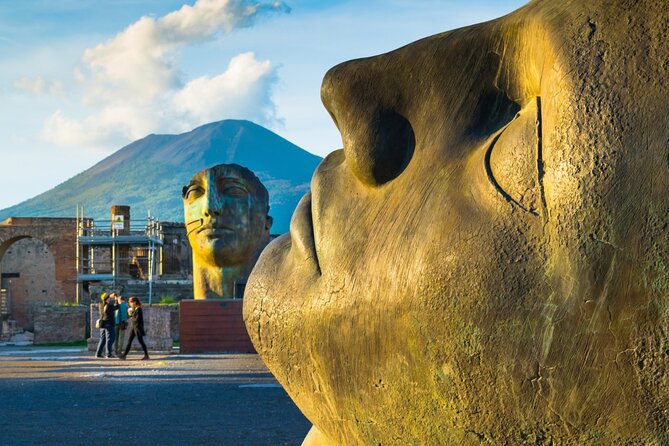
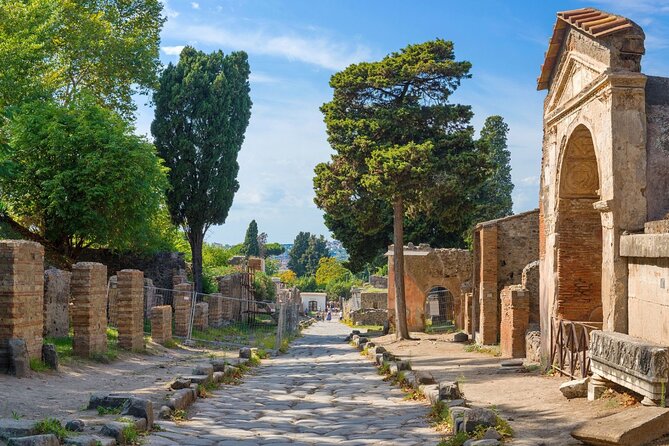
Pompeii is the headline for a reason. It’s huge, crowded, and easy to feel overwhelmed—so the structure of a guided walk is your friend. You get about 2 hours at Pompeii with your guide, plus skip-the-line entry. That combination is what turns the visit from sightseeing into understanding.
What you should expect during the guided portion:
- A guided route that frames how the eruption of Mt. Vesuvius in AD 79 affected everyday Roman life
- Explanations that connect what you’re seeing—streets, buildings, and public spaces—to daily routines rather than just describing stonework
- A chance to learn why Pompeii is such a big deal for historians: it gives a clear window into how people actually lived
Guides highlighted by name in guest stories include people with deep restoration or archaeology backgrounds, like Felicia. That kind of experience tends to show in how the facts are delivered. Instead of a lecture-y pace, you’ll usually get stories that help you picture what was normal before the disaster.
Then comes the practical reality. Pompeii’s surface is uneven in places, and you’ll be on your feet for a while. The walk is manageable for many people with moderate fitness, but you should treat it as a real outing, not a casual stroll.
My tip: if you’re planning to take photos, pause your camera often. Pompeii rewards attention, but it also punishes distraction. A guide can help you see key highlights without wasting time spinning your wheels.
Pompeii pizza lunch: what you actually get for the money
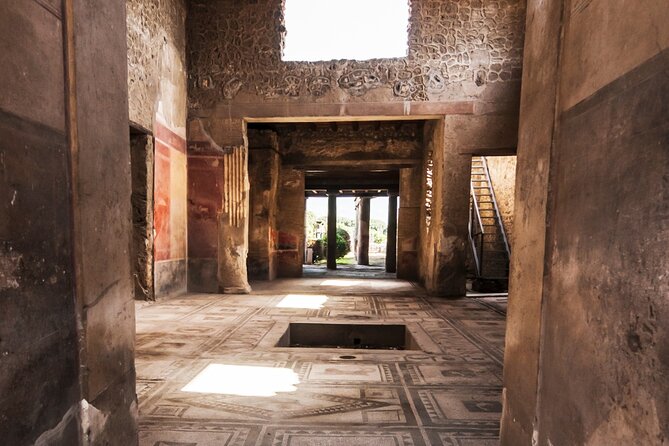
The tour markets this with pizza in the title, but the lunch experience is handled like a real meal stop, not a quick grab-and-go.
After the Pompeii tour time, you head to a historic pizzeria in the Pompeii area for about 1 hour 30 minutes. The included lunch is set up like:
- Starter (listed as typical starters)
- Main (Naples pizza)
- Dessert
- One drink
A useful detail from how guests describe the meal: it often lands closer to a three-course lunch than the idea of just pizza on a plate. Some people also report menu flexibility such as pasta as an alternative, and at least one guest noted gluten-free options were available for a celiac dietary need. You should still alert your operator about dietary requirements before travel, but it’s reassuring to know the restaurant isn’t strictly one-size-fits-all.
Value-wise, this matters. You’re paying for a day trip that includes train tickets, transfers, two sets of entrance tickets, and a licensed guide. A lunch stop that’s actually filling helps you absorb the long day instead of burning cash on separate meals later.
Transfer back toward Naples: the break you don’t want to overthink
After Pompeii, you reboard the air-conditioned coach for roughly 30 minutes toward Naples. Even if it doesn’t look like a full sightseeing stop, this segment is doing a job: getting you refreshed and positioned for Herculaneum.
This is also where your guide’s “keep it together” skills show up. In a day-trip like this, delays can happen—traffic accidents, slower-than-expected road timing, or just the normal chaos that can pop up around big stations. The stories you’re given with this operator lean toward problem-solving rather than panic: when buses get stuck, arrangements are made so the day still moves.
For you, the takeaway is simple: pack light, wear comfortable shoes, and treat the transfer time as downtime. You’re not losing the day by taking a breather. You’re protecting your legs for the ruins that come next.
Herculaneum archaeological park: smaller, calmer, and easier to picture
Then you reach Archeological Park of Herculaneum. You get about 2 hours here with guided time, again with skip-the-line entry.
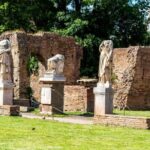
Herculaneum is often described as quieter and more peaceful than Pompeii, and the “why” is pretty clear once you’re there. This was a smaller coastal city than Pompeii, and the preservation is a major part of its appeal. Instead of only imagining buildings from stone ruins, you’re more likely to see:
- Remarkably preserved wooden structures
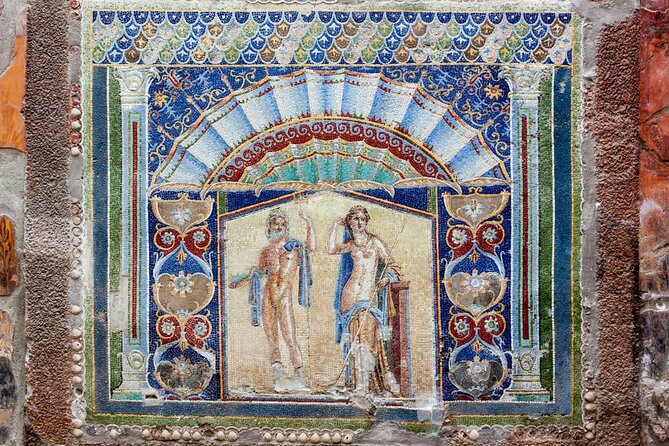
- Vibrant frescoes
- A setting that helps you picture what Roman life looked like at a smaller scale
In this kind of place, your guide’s role is huge. The interpretation can help you connect what’s preserved to what would have been in motion. And when guides are archaeology-minded (again, Felicia and others are examples that show up in the same kind of guest comments), the explanations tend to feel rooted in how the site is studied and restored—not just tourist facts.
Practical note: Herculaneum can still involve uneven ground and walking between points. But if Pompeii overwhelmed you with size or crowds, Herculaneum often feels like relief.
My tip: in Herculaneum, slow down. The site rewards careful looking, and it’s easier to absorb at a calmer pace than Pompeii’s busier rhythm.


Guides and pacing: why small groups help your whole day
This tour caps at 18 people, which is a very workable group size for ruins. Smaller groups usually mean:
- Easier navigation between meeting points
- Quicker access to your guide for questions
- Less time lost waiting for people to regroup
Across guide names that show up repeatedly in guest accounts—Paola, Ida, Kiara, Carla, and others—you can spot a pattern: people value guides who tell stories and explain why details matter. One guide description stands out for being energetic even when weather turns chilly or rainy, which is not trivial on a long day.
It also helps that you’re not doing this with multiple tour companies running different trains. The experience is packaged: train to Naples, coach to the ruins, guided time at both sites, lunch, then return by high-speed train.
What to pack (and what to avoid) for Pompeii and Herculaneum

You’ll be outdoors for much of the day, and the ruins are not smooth indoor museum floors. Pack like you’re going to be walking for hours.
Bring:
- Water (and use refill opportunities if you spot them)
- Sun protection if the forecast looks bright
- A layer for early morning or wind near the coast areas
- Comfortable shoes with grip
Avoid:
- Overly fragile sandals or shoes that trap heat
- A bag that’s too bulky to manage on coaches and in crowded entry areas
Also, choose your travel timing wisely. One caution that shows up clearly: July can be deathly hot. If you can pick your dates, aim for spring or early fall, or at least avoid the hottest weeks. Even the best guide can only help so much when the air temperature is doing you no favors.
Price and value check: what $279 buys you in real terms
At $279 per person, this isn’t a budget excursion. But it’s also not just a “train ticket plus a map.” Your price includes:
- Round-trip high-speed rail between Rome and Naples
- Air-conditioned coach transfers
- Skip-the-line entry tickets for both Pompeii and Herculaneum
- A fully guided experience
- Lunch with starter, pizza main, dessert, and choice of drink (as listed)
If you were to plan it alone, you’d still pay for tickets and transportation, and you’d be responsible for timing and meeting up at the right places. The big value is how the day is packaged to prevent time waste. Pompeii alone can swallow a lot of a half-day if you’re not sure where to go first, and Herculaneum is the kind of site where an interpretation helps a lot.
So I’d frame the cost like this: you’re paying for a guided route, entry speed, and transport so you can focus on seeing the sites and learning what you’re looking at.
Who this day trip is best for
I think this works especially well if:
- You want a guided explanation of Pompeii and Herculaneum without planning trains and transfers
- You want the efficiency of a high-speed train day trip from Rome
- You like history that connects to daily life (streets, buildings, how people actually lived)
- You want a small group experience with time to ask questions
It may be less ideal if:
- You have mobility limitations that make uneven ground and long walking tough
- You’re booking for the hottest part of summer without a heat plan
So, should you book this Pompeii and Herculaneum train day trip?
If your goal is to see both Pompeii and Herculaneum in one day from Rome with minimal stress, I’d say yes. The blend of skip-the-line tickets, a guide who explains the AD 79 story, and a lunch that’s actually handled is a strong combo for the money.
Just be honest about the day length and the walking. Choose cooler months if you can, wear proper shoes, and you’ll get a lot more out of those hours than if you treat it like a casual outing.
If you want, tell me your travel month and your walking comfort level, and I’ll suggest the best way to pace the day and where to spend your attention at each site.
FAQ
What’s included in the tour price?
The price includes round-trip high-speed rail from Rome to Naples, air-conditioned coach transfers, skip-the-line entry tickets to both Pompeii and Herculaneum, a fully guided experience, and lunch (starter, pizza main, dessert, and choice of drink).
How long is the Pompeii and Herculaneum day trip?
It runs for about 11 hours (approx.), starting at 8:00 am in Rome and returning to the same meeting point.
Do I need tickets in advance for Pompeii and Herculaneum?
No. Skip-the-line entry tickets for both sites are included as part of the experience.
What’s the lunch like during the tour?
Lunch is included and is listed as a starter, Naples pizza as the main course, dessert, and a drink. Some guests report the lunch can include choices beyond pizza and that gluten-free options were available for a celiac dietary need.
What’s the exact meeting point in Rome?
You meet at Caffè Vergnano (Mychef rist. comm. S.p.A.), Via Marsala, 00185 Roma RM, Italy.
What time does the tour start?
Start time is 8:00 am.
How many people are in the group?
The tour has a maximum group size of 18.
Is the tour offered in English?
Yes, it’s offered in English.
How much walking should I expect?
You should have moderate physical fitness. You’ll walk through Pompeii and Herculaneum with guided time at both sites, so it’s not a sit-down tour.
What happens if weather is poor?
This experience requires good weather. If it’s canceled due to poor weather, you’ll be offered a different date or a full refund.