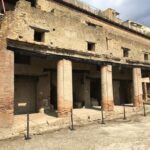
REVIEW · POMPEI CAMPANIA
Pompeii: Small-Group Tour of Pompeii and Herculaneum
Book on GetYourGuide →Operated by Askos Tours · Bookable on GetYourGuide
Pompeii and Herculaneum feel different when a real archaeologist guides you. This 5.5-hour small-group walk (max 20 people) focuses on what you’re looking at, why it mattered, and how the eruption preserved the cities in such wild detail. First off, I love that you get live interpretation in English from an archaeologist guide, not just a generic checklist of ruins.
The second thing I like: the combo makes sense. Pompeii shows the scale and heartbreak of a huge Roman city buried by pumice and ash, while Herculaneum shows the quieter, better-preserved side—carbonized wood, intact mosaics, and wall art that still looks shockingly clear. One possible drawback: the day is long and the lunch break is only about 30 minutes, so if you want a proper sit-down meal and a true reset, you may need to plan ahead with snacks.
In This Review
- Key things that make this tour work
- Why Pompeii + Herculaneum together feels so much more powerful
- Small-group pacing: what max 20 people changes
- Meeting at Porta Marina Inferiore and starting Pompeii the right way
- Pompeii walk (2 hours): scale, emotion, and the clues you’d miss alone
- Pompeii break time: plan for 30 minutes, not a long meal
- The Circumvesuviana train hop to Ercolano: short transit, big mood shift
- Herculaneum walk (2 hours): better preserved, more intimate
- Tickets and skip-the-line access: what this is really worth
- What you should pack for this volcanic, crowded, mostly outdoor day
- Who this Pompeii + Herculaneum archaeologist tour is best for
- Should you book this Pompeii and Herculaneum small-group archaeologist tour?
- FAQ
- FAQ
- How long is the tour?
- What are the meeting details for Pompeii?
- Is the tour guided in English?
- Is this a small group?
- Are tickets included?
- Do we take a train between Pompeii and Herculaneum?
- Where does the tour end?
- What should I bring?
- Are headsets provided?
- Is the tour suitable for wheelchairs or mobility impairments?
Key things that make this tour work
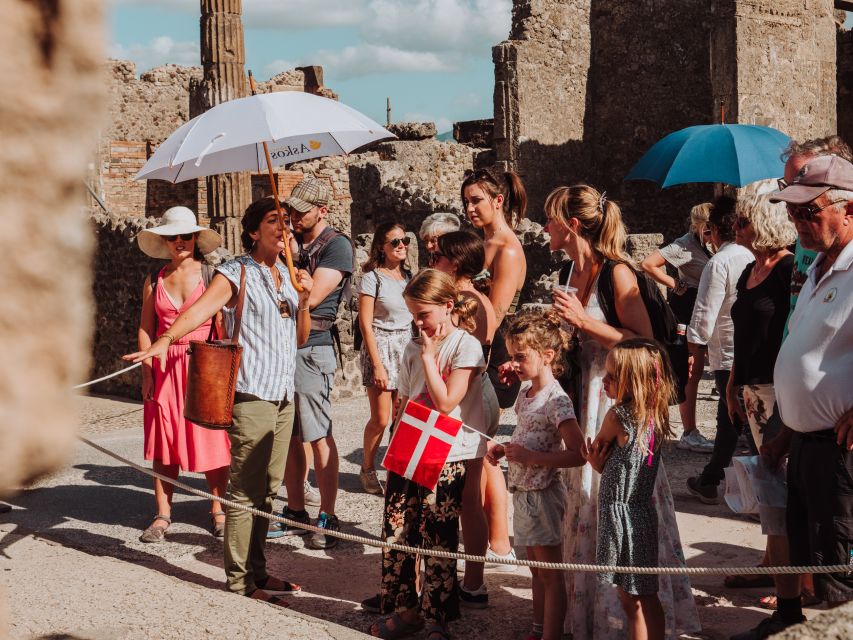
- Up to 20 people keeps the pacing human and the ruins less chaotic
- Archaeologist guides explain context you’ll otherwise miss in crowded streets
- Skip the ticket line plus timed access means less waiting around
- Pompeii first, Herculaneum second gives you a powerful comparison of preservation
- Headsets for groups over 10 help you hear clearly in busy areas
- End point is Herculaneum (Ercolano), not Pompeii—easy once you know it
Why Pompeii + Herculaneum together feels so much more powerful
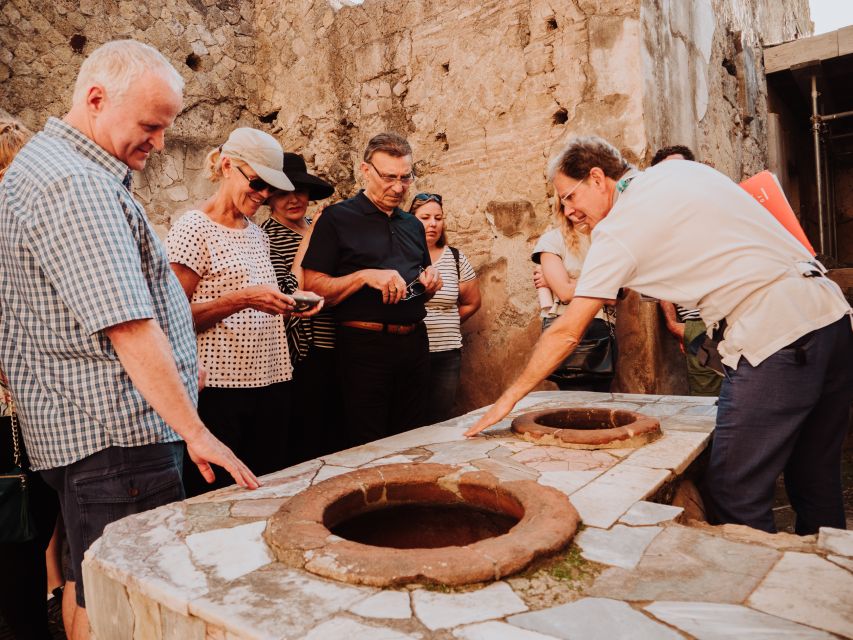
I get why people pick one site and move on. Pompeii is famous for a reason. It’s huge, it’s dramatic, and it’s loaded with recognizable Roman life: streets, homes, baths, shops, and the eerie human scale of the plaster casts. But the big reason this two-site tour hits is the contrast.
Pompeii was overwhelmed by pumice and volcanic ash after the eruption in 79 A.D., burying the city under meters of material. That kind of preservation can be amazing, but it also means you’re often reading the past through fragments and outlines. Herculaneum is different. It’s smaller, yes—but it’s famously better preserved. It was buried by a mud flow reported as about 20 meters thick, and that sealed details that Pompeii sometimes doesn’t hold onto as clearly. You’ll spend your time in Herculaneum looking at second floors, mosaics, and wall paintings in a way that feels almost intimate.
In practice, the archaeologist guide helps you stop treating both sites like a scenic stop. You start treating them like evidence—how people lived, what their rooms were used for, and what the eruption preserved.
You can also read our reviews of more tours and experiences in Pompei Campania.
Small-group pacing: what max 20 people changes
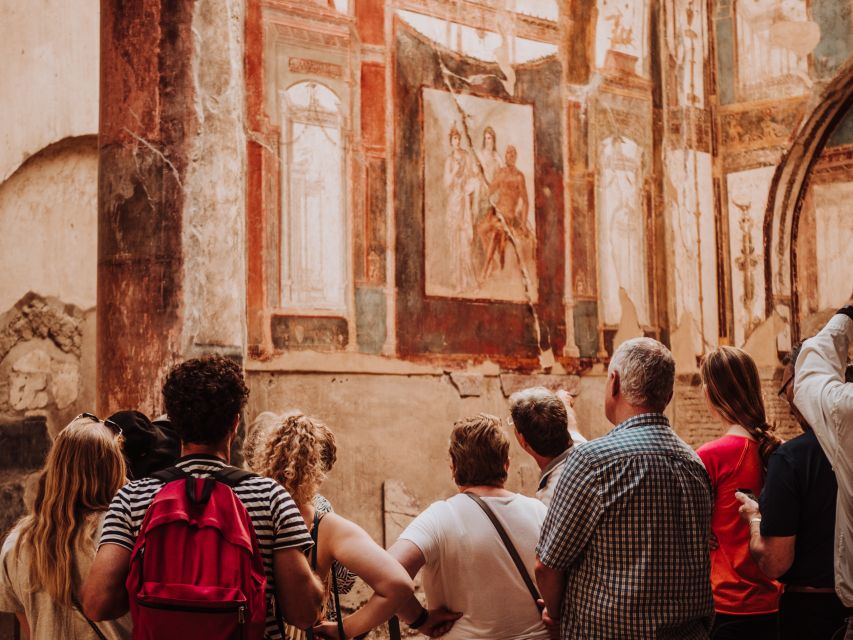
Pompeii and Herculaneum can be overwhelming if you wander. There’s so much to look at that your brain starts to numb out. That’s exactly where a guide earns their keep.
With a maximum of 20, you get two advantages:
- You’re less likely to lose the group and more likely to hear instructions in the moment.
- The guide can steer you toward the most meaningful viewpoints instead of letting you bounce between random highlights.
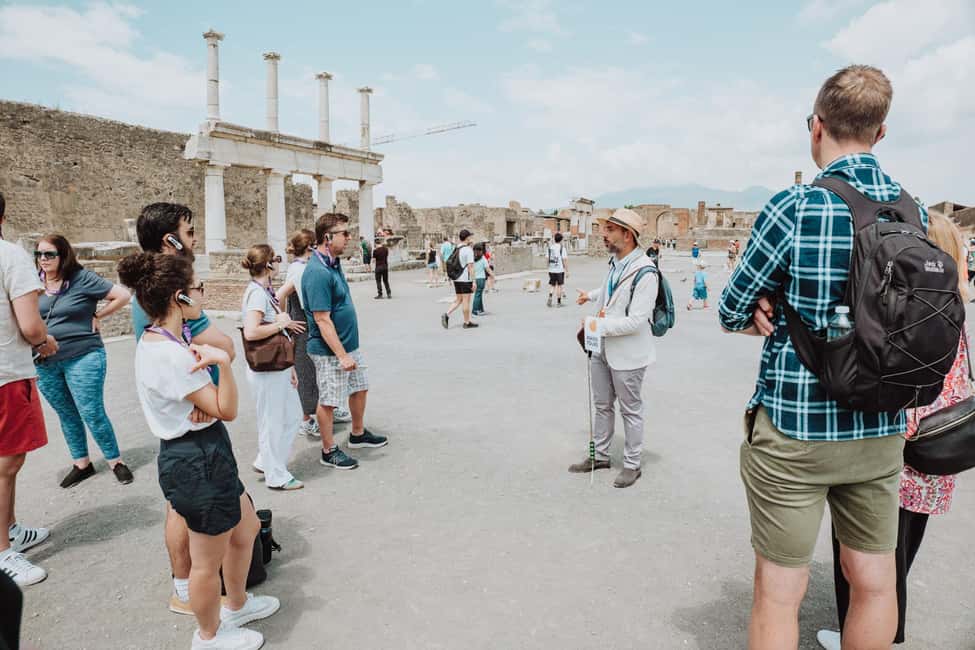
If your group is over 10, headsets are provided, which is a big deal in crowded ruins. You’re not stuck craning your neck or playing guessing games for half the tour. It also means your attention can stay on the carvings, frescoes, mosaics, and building layouts—where the real story lives.
Meeting at Porta Marina Inferiore and starting Pompeii the right way
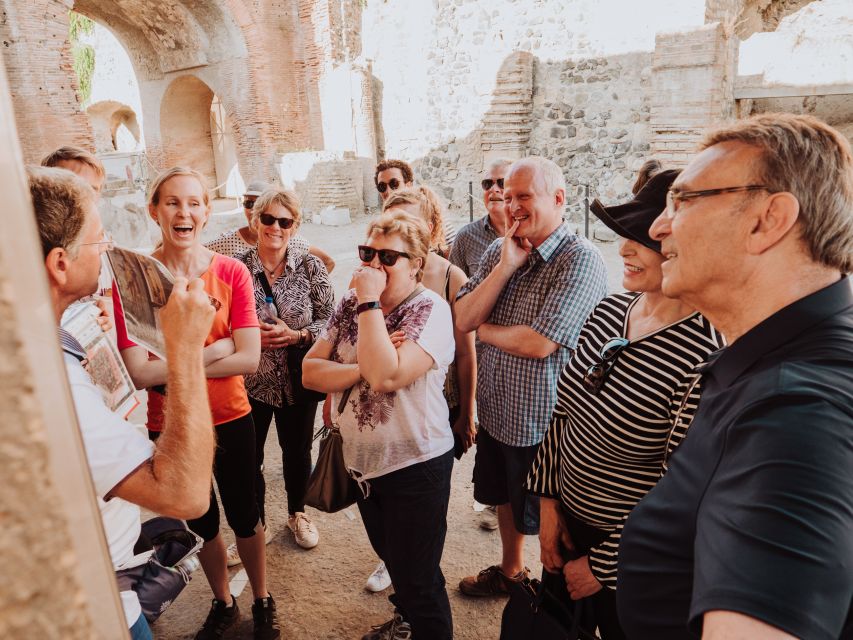
The meeting point is at Piazza Porta Marina Inferiore, 1, at the left side of the Pompeii entrance near the Arte bus stop. Your guide will be recognizable by an Askos Tours sign. The meeting point is also close to the Circumvesuviana Pompei-Villa dei Misteri area, so the start feels practical if you’re arriving by train.
Why this matters: Pompeii’s entrance area can feel like a mini-street market of signage and tour groups. A clear meet point means you spend less time figuring out where to stand, and more time getting your bearings fast.
Once you’re in, the Pompeii portion is about 2 hours of guided walking. You’re moving at a pace that’s meant for interpretation, not just endurance.
Pompeii walk (2 hours): scale, emotion, and the clues you’d miss alone
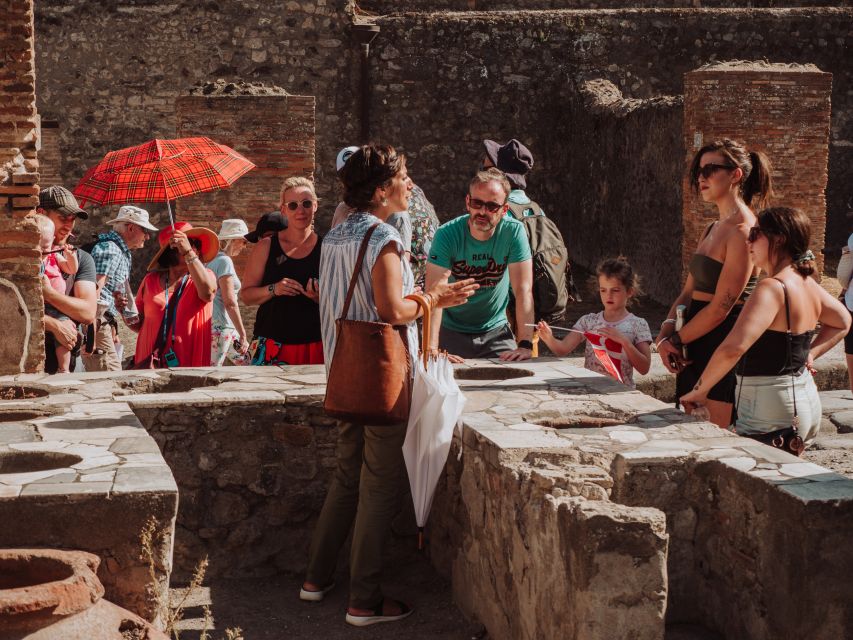
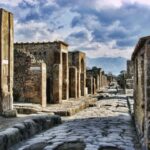
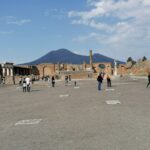
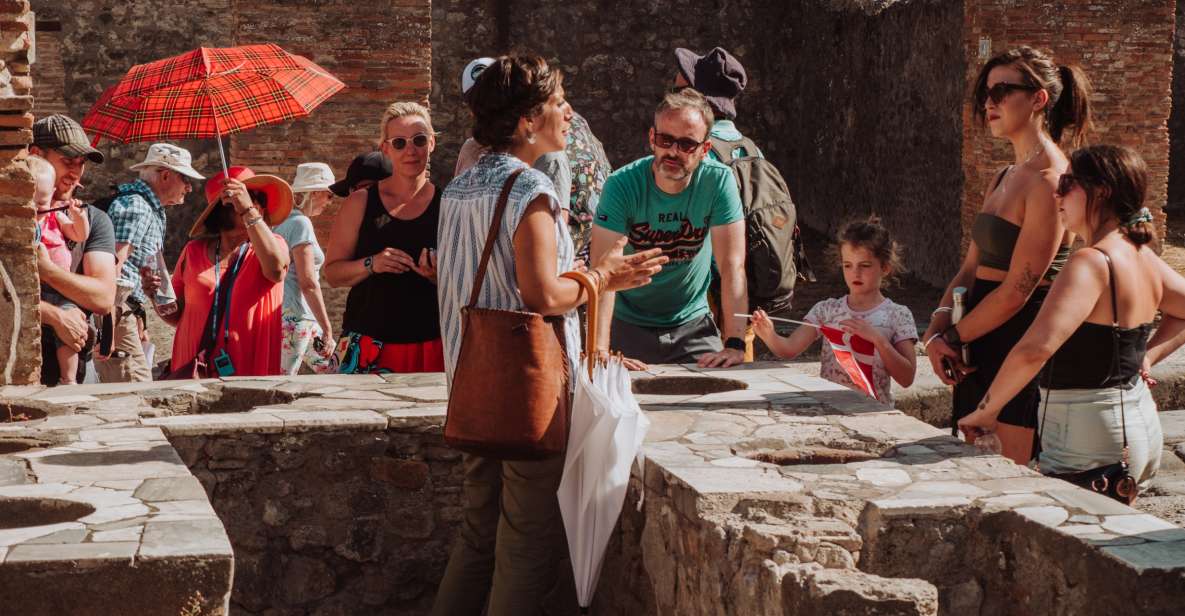
You’ll spend the early part of the tour inside the Pompeii Archaeological Site, with your guide pointing out how the city functioned and what to look for. Pompeii is often described as a city you can walk through, but that can sound too simple. With a good guide, you realize it’s also a city you can read.
Expect your guide to connect:
- Daily life to specific rooms and street layouts
- Religious and social habits to the spaces where they played out
- The eruption to the way materials survived
One detail you might hear emphasized: Pompeii is the famous place where the plaster casts (made from impressions of victims) bring the disaster to an immediate, human level. Seeing those in person is one thing. Having someone explain what you’re seeing and why it was made is another.
This is also where having a guide helps with crowd management. Pompeii can be packed, and if you’re trying to self-navigate, you can lose time waiting behind groups or bouncing away from blocked lanes. With this tour format, you’re set up to keep moving with purpose.
Pompeii break time: plan for 30 minutes, not a long meal
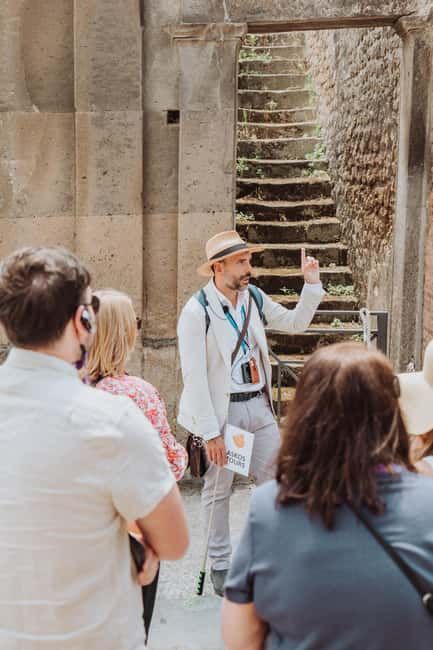
After Pompeii, you get a break—about 30 minutes—before you head to the train. This is the part where your expectations matter.
If you just need to:
- use the restroom,
- grab something quick,
- refill water,
it’s fine.
But if you’re hoping for a relaxed sit-down lunch with time to cool off in the shade, the math may not work. The ruins are hot, the day is long, and 30 minutes can feel tighter than you’d like—especially if you’re traveling in summer.
My practical suggestion: treat the break as logistics time, not vacation time. If you can, bring a snack earlier or keep backup food handy so you’re not stuck rushing.


The Circumvesuviana train hop to Ercolano: short transit, big mood shift
Next comes the transfer by Circumvesuviana train from Pompeii toward Ercolano (Ercolano). The train ride is described as a quick trip—around 20 minutes—and the schedule leaves room for the changeover (the full segment is listed as about 30 minutes in the itinerary).
Two things I like about doing it this way:
- It breaks up the day so your energy doesn’t crash too early.
- It sets you up for the contrast. You move from Pompeii’s broad, high-drama scale to Herculaneum’s “how did they preserve that?” feel.
Also, heads-up: the experience starts in Pompeii and ends at Parco Archeologico di Ercolano. So you’re not getting taken back to Pompeii at the end. You’ll continue on from Herculaneum/Ercolano for your own return plans.
Herculaneum walk (2 hours): better preserved, more intimate
Then you get 2 hours guided in the Archaeological Site of Herculaneum. This is often the favorite stop for good reason.
Herculaneum is smaller than Pompeii, but it’s more legible. The mud flow that buried the city protected layers of structures and objects in ways that let excavators showcase details that feel almost preserved “from a moment ago.”
When you’re walking there, look for what the guide points out:
- Second floors and the way the buildings were organized vertically
- Carbonized wooden objects (dark, preserved remnants that make the past feel stubbornly real)
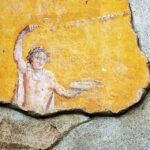
- Intact paintings and mosaics that show Roman decoration beyond the usual “ruins are cool” factor
This is where the tour shifts from disaster tourism to human-life tourism. The city layout and preserved surfaces help you picture what daily routines might have looked like—more refined in tone than Pompeii, but still Roman, still practical, still full of contradictions.
Tickets and skip-the-line access: what this is really worth
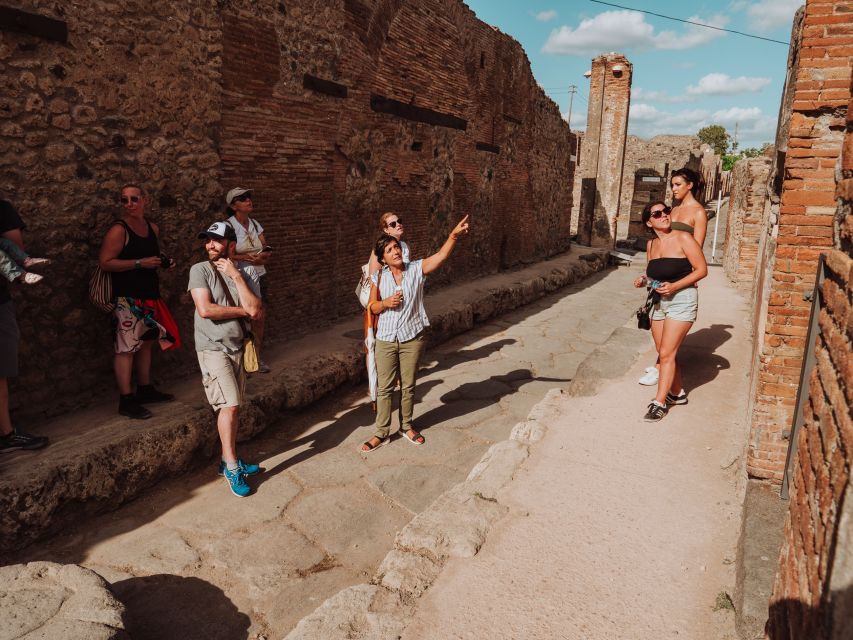
The tour includes entry ticket access for both sites, and it’s designed to skip the ticket line. That matters in two ways.
First, time. Pompeii and Herculaneum both have busy entry windows, and waiting can eat up the exact hours you want for the guided walking portion. Second, stress. If you’re traveling internationally, skipping the ticket scramble is one less variable.
You do have one specific ticket cost listed for Herculaneum:
- 16.00 euros for adults
- 2.00 euros for EU citizens age 18–25
So even without exact Pompeii ticket pricing in front of you, it’s reasonable to think about this as “you’re paying to spend more time walking and hearing the story, and less time standing in lines.” If you hate delays, this is a strong value argument.
What you should pack for this volcanic, crowded, mostly outdoor day
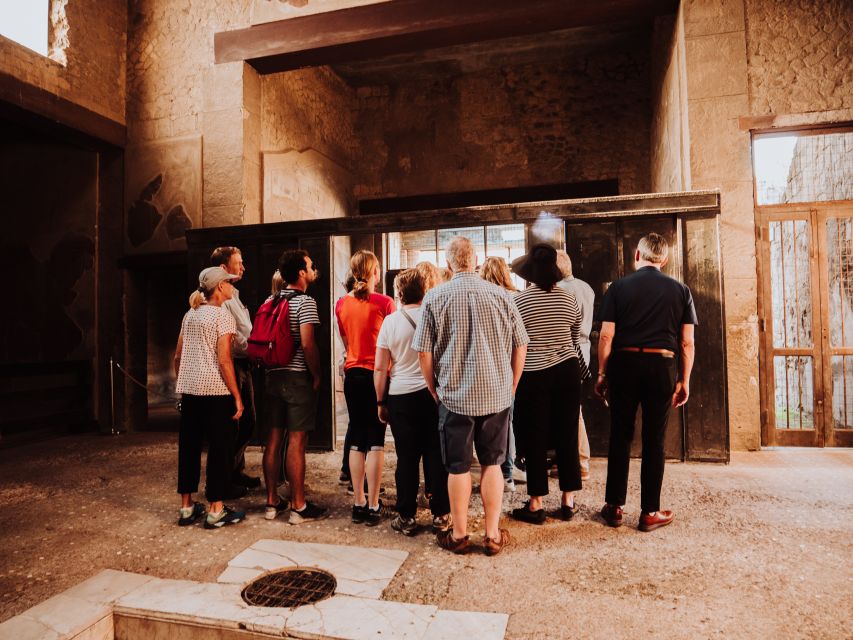
This tour is mostly walking outdoors, and it’s weather-sensitive. Here’s the basic packing logic based on what’s recommended:
- Comfortable clothes and comfortable shoes
- In summer: sunglasses, a hat, and water
- In sudden rain: a raincoat or poncho
- Bring your passport or ID card (you’ll need it)
And one underrated move: plan your day so you’re not doing long, heavy luggage dragging. Many Pompeii/Ercolano visitors appreciate easy storage options on-site, but your safest bet is to keep bags light and within reasonable walking comfort.
If you’re sensitive to heat, I’d treat this as a morning-friendly day. The tour spans Pompeii, lunch/break time, train transfer, and Herculaneum—so hydration and shade breaks are your best friends.
Who this Pompeii + Herculaneum archaeologist tour is best for
This tour is a great fit if:
- You want Pompeii and Herculaneum in one day without turning it into a self-navigation headache.
- You like learning from someone who can explain inscriptions, building use, and how the eruption changed preservation.
- You’d rather have a plan than wander into crowds and wait for inspiration to show up.
It’s also ideal if you know you’ll ask questions. In the experiences I’ve read about for this format, guides tend to be interactive and quick to answer, which helps the tour become more than a passive walkthrough.
If you have mobility limitations, note that it’s not suitable for people with mobility impairments or wheelchair users, based on the provided information.
Should you book this Pompeii and Herculaneum small-group archaeologist tour?
I’d book it if you want maximum payoff from a limited time window and you care about context. Pompeii alone can be huge and emotionally heavy. Herculaneum alone can feel like a calmer, better-preserved lesson. Together, with an archaeologist guide and a group that stays small, you get both the scale and the details—plus a comparison that makes the history stick.
I’d think twice if your main goal is a leisurely, unstructured wander with long lunch time and minimal organization. This tour is built for guided walking. It moves. The lunch break is short. You’ll get breaks, but you’re not getting a half-day lunch lounge.
If you want the most honest decision rule: if you’ll appreciate having someone tell you where to look and what it means, this is an excellent use of your Campania time.
FAQ
FAQ
How long is the tour?
The duration is listed as 5.5 hours.
What are the meeting details for Pompeii?
Meet at Piazza Porta Marina Inferiore, 1, at the left side of the Pompeii entrance named Porta Marina Inferiore, near the Arte bus stop. The guide will have an Askos Tours sign.
Is the tour guided in English?
Yes. The tour is conducted in English (and also offered in Italian).
Is this a small group?
Yes. It’s for a small group with a maximum of 20 people.
Are tickets included?
Entry tickets for both sites are provided, and the tour is designed to skip the ticket line. For Herculaneum, the listed ticket cost is 16.00 euros for adults and 2.00 euros for EU citizens age 18–25.
Do we take a train between Pompeii and Herculaneum?
Yes. After Pompeii, you take the Circumvesuviana train to Ercolano. The trip is described as about 20 minutes.
Where does the tour end?
The tour finishes at Parco Archeologico di Ercolano.
What should I bring?
Bring passport or ID, and wear comfortable clothes. In summer, bring sunglasses, a hat, and water. If rain is possible, bring a raincoat or poncho.
Are headsets provided?
Headsets are provided for groups of more than 10 participants.
Is the tour suitable for wheelchairs or mobility impairments?
No. It is listed as not suitable for people with mobility impairments and not suitable for wheelchair users.