REVIEW · POMPEI CAMPANIA
Pompeii: Entry Ticket and Guided Tour with an Archaeologist
Book on GetYourGuide →Operated by Askos Tours · Bookable on GetYourGuide
Pompeii clicks when an archaeologist guides you. I like that it runs as a small-group walk (up to 20) with real archaeological interpretation, and you get skip-the-line access so you spend less time stuck at the gate. Just know the ruins are rough underfoot and you may climb a couple of steps.
This is a 2-hour, guided Pompeii route through the city frozen in time after the 79 AD eruption of Mount Vesuvius. You’ll move past big headline sights like Porta Marina and the Temple of Apollo, then spend guided time at stops such as the House of the Faun, the Lupanar, and the House of Menander—plus market and bath areas like the Macellum and the Forum Baths. If you want a visit where buildings turn into stories you can actually picture, this format is hard to beat.
In This Review
- Key highlights that make this Pompeii tour work
- Skip-the-line and small-group pacing at Pompeii
- Where you start: Porta Marina area vibes and the first passes
- The civic heart: Foro Civile di Pompei and what it meant
- Casa del Fauno: the famous house that explains status
- Lupanar and the Termopolium: frank topics, real context
- House of Menander: domestic detail in a guided spotlight
- Macellum and Forum Baths: markets and leisure
- Plaster casts and theaters: where the story turns human
- What to do after the tour: keep exploring without getting lost
- Should you book this Pompeii archaeologist tour for $35?
- FAQ
- How long is the Pompeii entry ticket and guided tour?
- Is this a small group tour?
- Do I get skip-the-line access?
- What’s included in the price?
- What languages is the tour offered in?
- Where is the meeting point?
- Is food or drinks included?
- Are dogs allowed?
- Is the tour suitable for wheelchair users or mobility scooters?
- FAQ
- How long is the Pompeii entry ticket and guided tour?
- Is this a small group tour?
- Do I get skip-the-line access?
- What’s included in the price?
- What languages is the tour offered in?
- Where is the meeting point?
- Is food or drinks included?
- Are dogs allowed?
- Is the tour suitable for wheelchair users or mobility scooters?
- Can I cancel for a refund?
Key highlights that make this Pompeii tour work
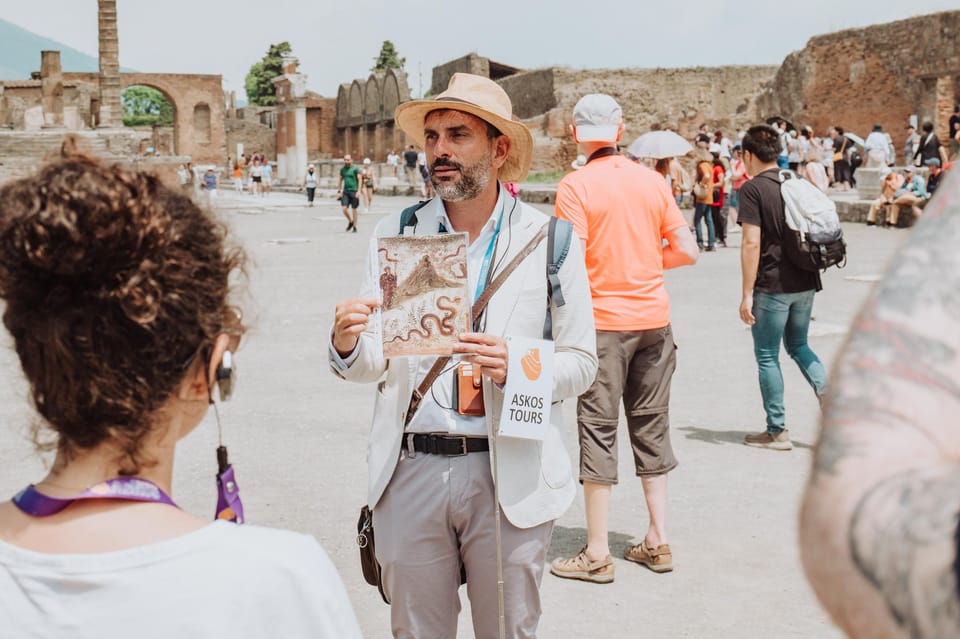
- Archaeologist-led explanations that connect what you see to how people lived
- Skip-the-line entry so you start walking faster
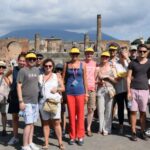
- Small group pacing (up to 20) for questions and real attention
- Headsets for groups of 10+ when the crowd volume makes voices harder
- A focused 2-hour route that hits the standouts without dragging
- Multiple languages including English, Spanish, French, Italian, Portuguese, and German
Skip-the-line and small-group pacing at Pompeii
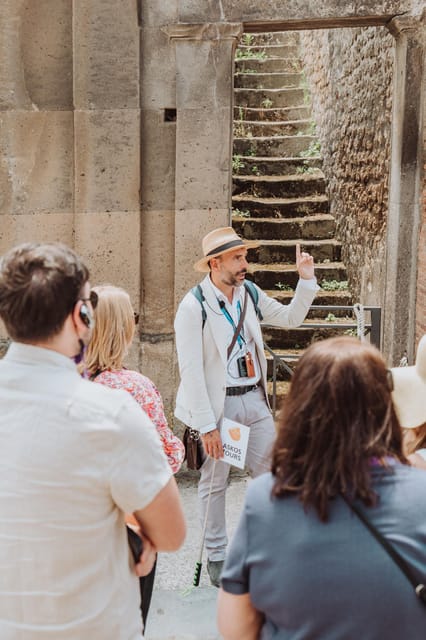
Pompeii is famous, which also means it can be a zoo at peak hours. This tour helps you sidestep that first headache with skip-the-line access, and that alone can be worth a chunk of your ticket price. The timing matters: when you arrive already tired from waiting, it’s harder to absorb details like mosaics, street layouts, and what certain rooms were used for.
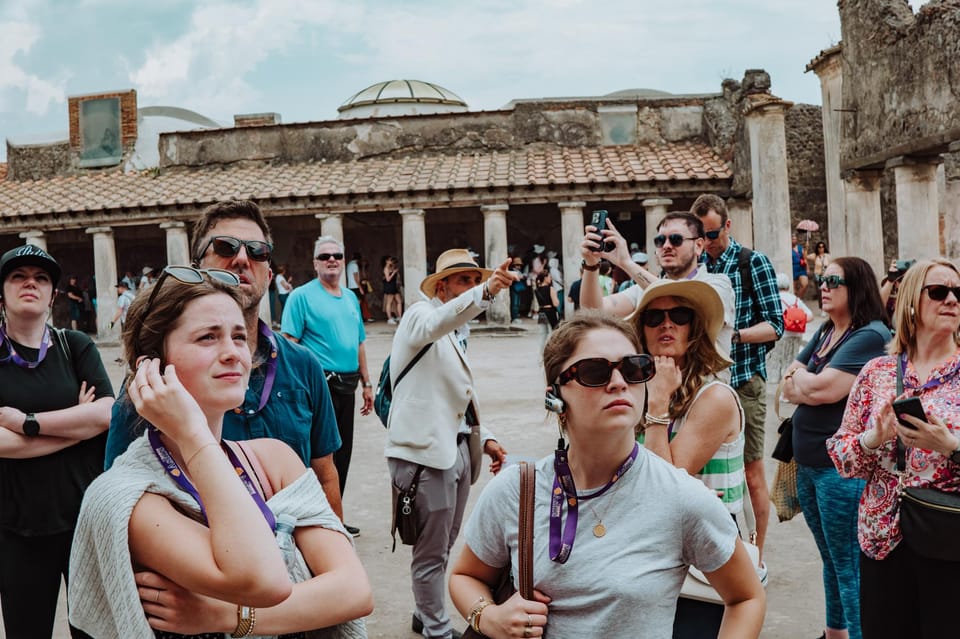
The second win is the group size. With a small group of up to 20, you’re not stuck watching your guide’s back while trying to read tablet-sized facts on your phone. This setup makes it easier to ask questions and to hear the explanation of why a building plan, doorway, or street alignment matters.
The included headsets (for groups of 10 or more) also make a real difference. Even so, one practical caution: if you’re sensitive to audio quality or crowd noise, be ready to adjust how you’re holding your headset or positioning yourself. In a site where sound bounces and groups thicken, it’s not always perfect—but it’s usually workable.
At $35 per person for 2 hours, you’re paying for three things together: the Pompeii entry ticket, an archaeologist guide, and a route that’s built to make sense of a huge site. If you’re choosing between wandering on your own and paying for structure, this leans toward the smarter bet for most first-timers.
You can also read our reviews of more tours and experiences in Pompei Campania.



Where you start: Porta Marina area vibes and the first passes
Meeting points can vary depending on which option you book. One of the listed starting addresses is Via Villa dei Misteri, 2. You’ll then get moving toward the first major area, with quick “pass by” time at key streetscape points.
The tour’s opening movement is designed to get you oriented fast. You’ll pass Porta Marina (about 10 minutes), which is a useful way to frame Pompeii as a real city with entrances, movement, and trade, not just a pile of ruins. You’ll also pass by the Temple of Apollo (around 10 minutes). Even brief stops here can be helpful, because it gives you landmarks to anchor the rest of your walk.
One thing I’d keep in mind: at Pompeii, your brain needs reference points. A guided start helps you keep from spiraling into “Wait, where am I?” mode. And yes, the site is big enough that after the tour ends, you could drift off-course. The guide’s route planning is part of why this experience feels efficient.
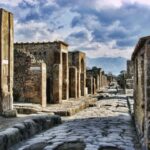
Also pack comfort. People talk about uneven paths for a reason—expect that your feet will do more work than you planned. Good walking shoes are not optional here. You may also climb a couple steps, depending on how the route lines up that day.
The civic heart: Foro Civile di Pompei and what it meant
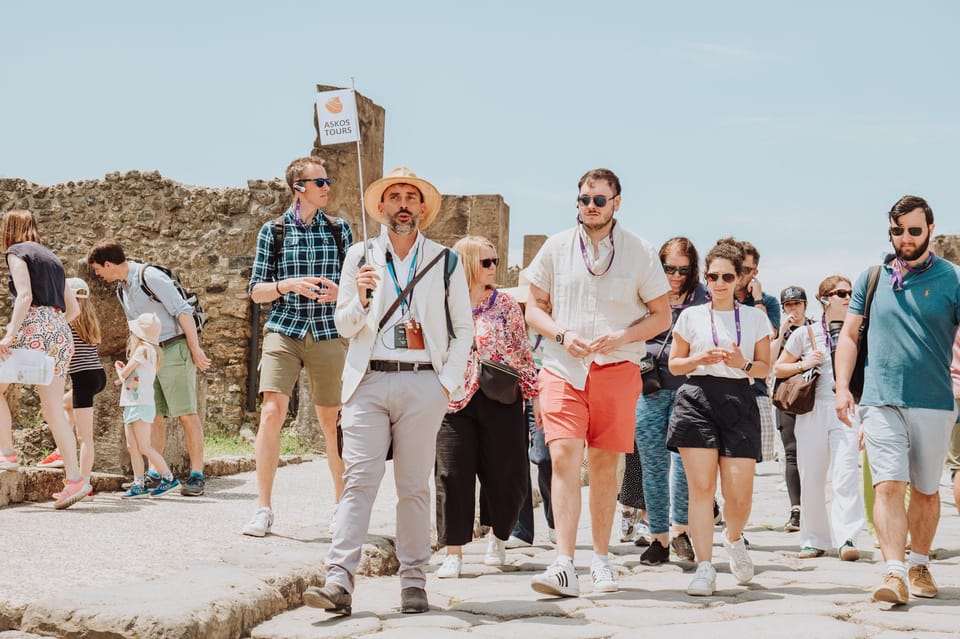
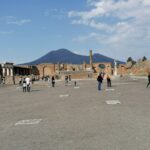
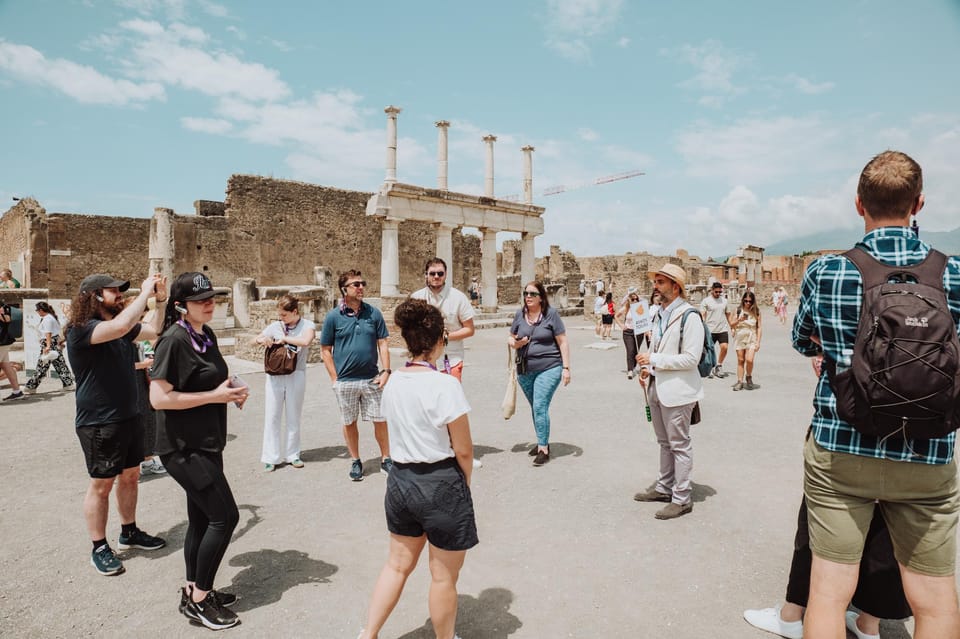
A big chunk of Pompeii’s pull is civic life: law, commerce, religion, and social status all sharing the same open spaces. Your route includes the Foro Civile di Pompei (about 20 minutes “pass by”), and that time is valuable because a forum isn’t just a square. It’s a stage.
When you stand in a forum area with an archaeologist guide, the space stops being generic. You start noticing how the layout would shape crowds, how people would funnel between functions, and how public buildings created routine movement. This is the kind of context that self-guided visits can miss unless you already know what to look for.
In the same “civic zone” orbit, the tour also lines up with other major structures you might encounter along the route, including the Basilica. Even if your time at each stop is brief, the guide’s job is to give you the why behind the stone: how these spaces connected everyday life to the city’s public identity.
One practical tip: if you’re the type who wants photos at every corner, pace yourself in the forum areas. They can be crowded, and it’s easier to get trapped into photographing for 20 minutes instead of learning for 20 minutes. Quick photos are fine; save your longer shots for the guided “time stops.”
Casa del Fauno: the famous house that explains status
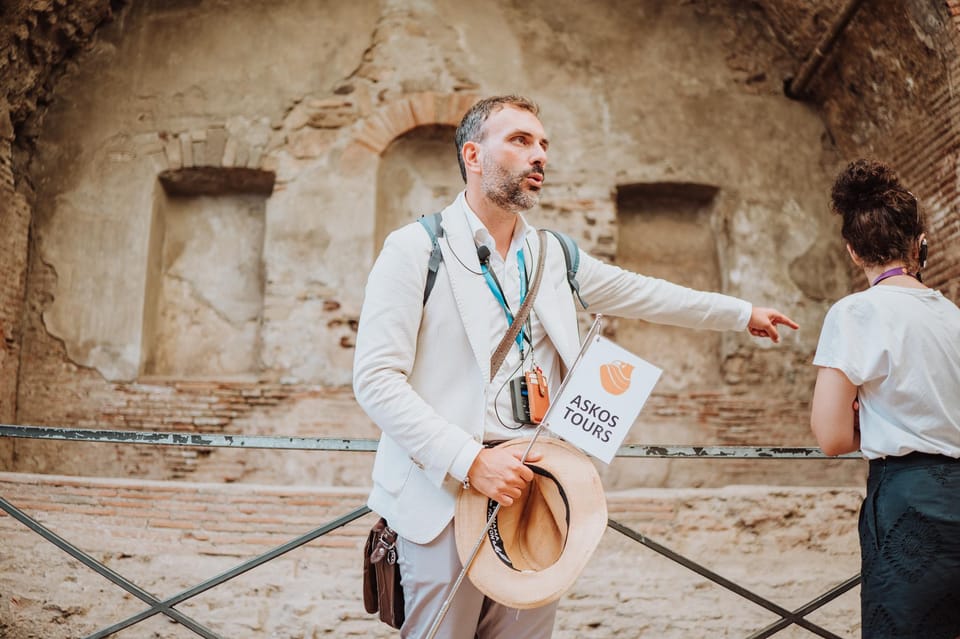
The House of the Faun is one of the big names you’ll hear immediately when people talk Pompeii. Here you get guided time of about 20 minutes, which is a smart length: enough for the guide to explain what makes it special, but not so long that you lose the thread.
The value of a guided visit at a major private home is that you learn to read domestic space. Pompeii houses aren’t “just houses.” They show wealth patterns, social priorities, and how people organized daily movement through rooms and courtyards.
From a practical standpoint, this is also where the tour often becomes emotional. You start thinking about how a family lived, worked, entertained, and displayed status—then you remember the city froze in place in 79 AD. A good guide helps you hold both thoughts at once: architectural reality and human reality.
If your guide is the playful type (names you might meet include Teresa, Alfredo, or Anna, based on the guides reflected in past tours), you can expect humor to show up alongside the facts. That helps a lot in a place where boredom would be easy. The point isn’t jokes for jokes’ sake; it’s a way to keep the story moving.
Lupanar and the Termopolium: frank topics, real context
Pompeii doesn’t shy away from adult life, and that’s exactly why the Lupanar stop matters. Your tour includes guided time here of about 20 minutes, and it’s typically handled with careful interpretation rather than shock value.
Why it’s worth your time: places like the Lupanar weren’t mysterious. They were part of the city’s economy and social structure. When a guide explains what you’re looking at in terms of layout and function, it gives you a grounded way to understand why these buildings existed in this time and place.
The tour also references the Termopolium and other street-level life points. That matters because Pompeii is not only about temples and big houses. Street businesses show you the city’s rhythm: where people ate, bought, met, and spent small amounts of money in a repeatable way.
One consideration: if this topic makes you uncomfortable, you can still benefit from going. You’ll get the factual, historical framing, and it will reduce the chance that your imagination runs wild. The goal is clarity, not scandal.



House of Menander: domestic detail in a guided spotlight
Another major domestic stop is the House of Menander, again with about 20 minutes of guided time. This is a chance to see how Pompeii homes could differ while still reflecting the same bigger themes: wealth signals, room purpose, and how people used space.
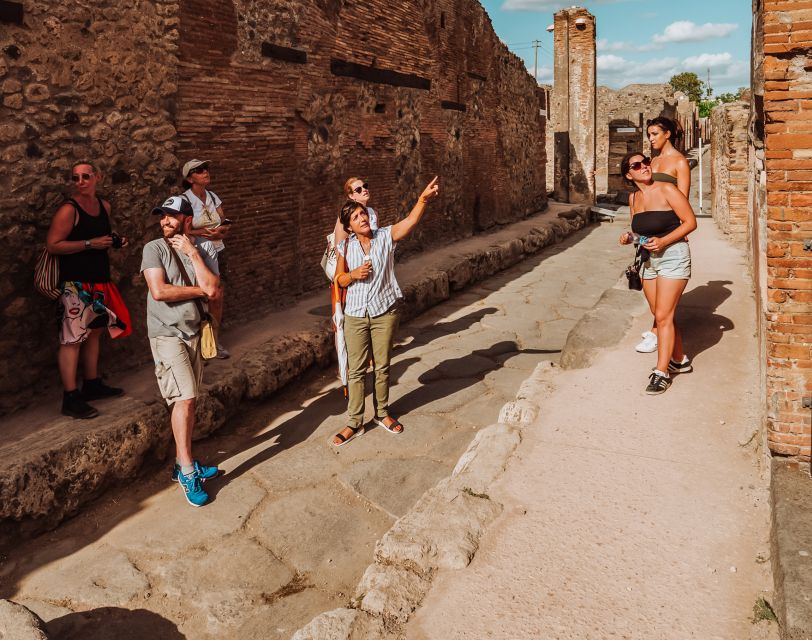
A good archaeologist guide will make you notice small things—details that most visitors walk right past. You’ll see the value of context when the guide connects the dots between architecture and daily life. Even if you already know Pompeii is well-preserved, this kind of guided stop gives you a second layer: preserved behavior, not just preserved walls.
And because this part of the tour is still within that 2-hour window, you’re building a mental map. After you’ve seen a house like the Faun, Menander helps you compare, and comparison is where your understanding gets stronger.
Macellum and Forum Baths: markets and leisure
Pompeii’s Macellum of Pompeii and Forum Baths bring you into two of the most human-scale categories of life: buying food and taking time to socialize.
The Macellum is included with about 10 minutes guided time. Markets are where you learn how a city functioned. When the guide points out what you’re looking at, you start imagining supply chains and everyday shopping decisions. It’s not glamorous, but it’s real.
Then you’ll also get guided time at the Forum Baths (about 10 minutes). Baths were social space as much as hygiene. In a guided tour, the baths often help you understand routine: people gathering, exchanging news, and moving through a series of rooms.
These stops can feel quick if you love to wander slowly. But as part of a tightly designed 2-hour tour, they work like book chapters—enough to understand the theme, then you can follow up after the tour ends.
Plaster casts and theaters: where the story turns human
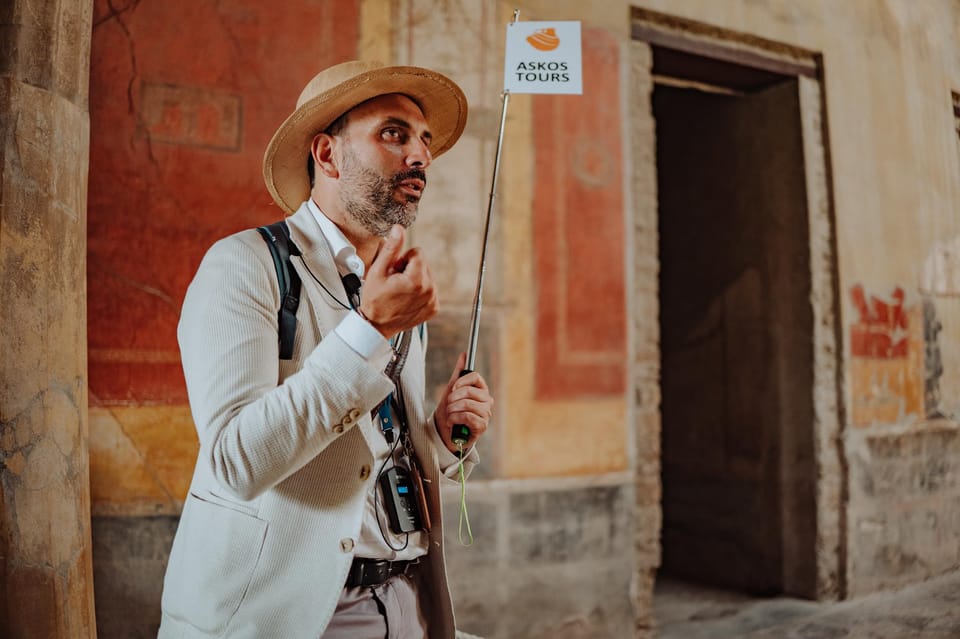
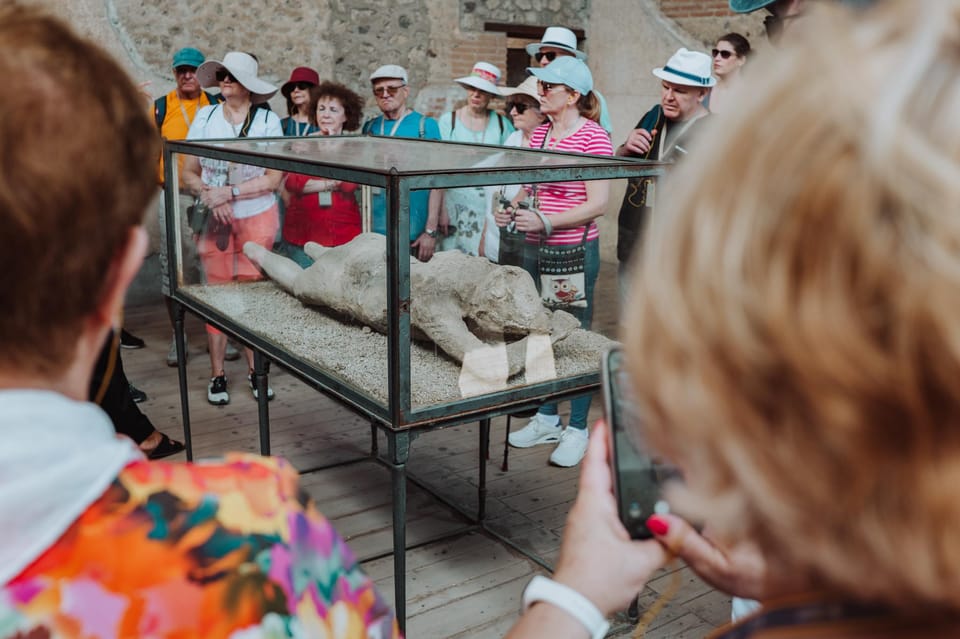
Your Pompeii tour description includes two emotionally powerful categories you should expect to encounter: the Plaster Casts of victims and the Theaters. These points are the reason Pompeii hits differently than other ruins.
Plaster casts force a confrontation with loss. A guide’s job is to frame what you’re seeing with sensitivity and context, so you don’t turn the moment into a grim photo contest. Even if you don’t linger long, you’ll leave with a stronger sense of what the eruption meant to real people.
The theaters give you the other side: community and leisure. Pompeii wasn’t only survival and loss. It was also entertainment—shows, crowds, and public culture. Hearing this explained while standing in the right space can make the site feel less like a museum and more like a living city that stopped too soon.
If the weather is rainy, don’t assume the tour will feel ruined. Some past groups have dealt with rain without losing the full experience, because the guide’s route planning and pacing helps you keep moving.
What to do after the tour: keep exploring without getting lost
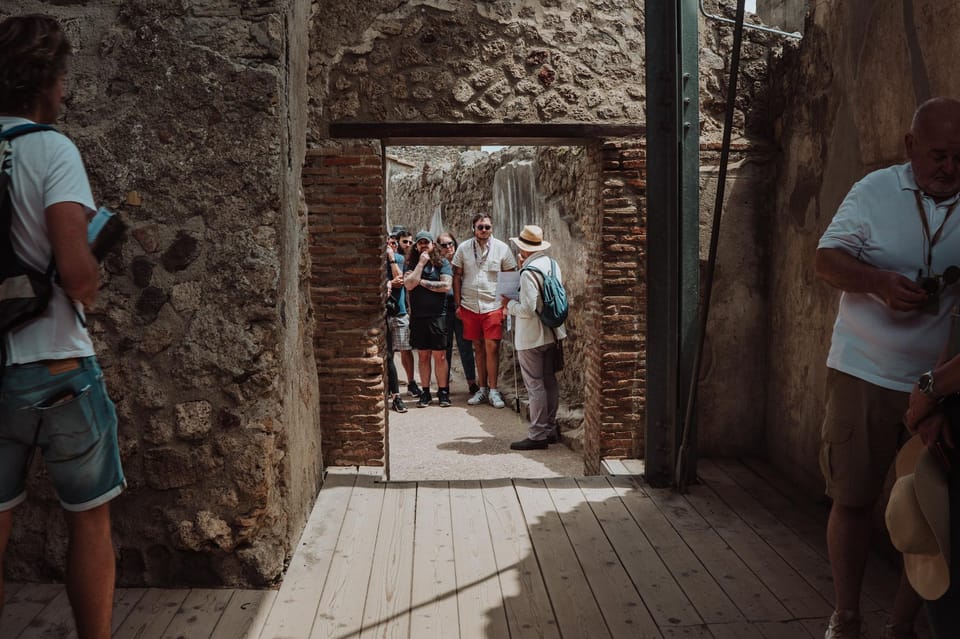
The tour ends with guidance that’s meant to help you keep learning on your own. The best version of this is when your guide gives clear recommendations for what to see next, based on your interests—more houses, more street life, more civic areas, or more emotional sites.
This is also where you’ll appreciate the structure. Pompeii is easy to get turned around in, especially if you’re trying to connect locations from memory. One practical caution: after the tour, don’t assume you’ll naturally find your way to everything you want. Use your guide’s route suggestions as your compass.
Also, plan for your body. People have come out of the tour hungry and thirsty, even when the walking felt reasonable in the moment. So bring water if you can. Add a snack if you’re prone to getting low energy. Pompeii ruins are not a fast “blink and go” stop—your day will be physical and mental.
For shoes: choose comfort over style. Uneven ground and occasional steps are part of the deal.
Should you book this Pompeii archaeologist tour for $35?
If this is your first time in Pompeii, I’d strongly consider booking. The main reason is simple: Pompeii is huge, and the stories are buried in the details. An archaeologist guide gives you the meaning behind what you’re seeing—especially at the house stops like the House of the Faun and House of Menander, and the more complex street-level sites like the Lupanar.
It’s also a good value pick if you want a guide but don’t want a half-day commitment. Two hours is a workable chunk for many schedules, and the included entry ticket means you’re not juggling separate purchases.
Skip this and pick a different plan if you can’t handle uneven walking. The tour is not suitable for wheelchair users or people with mobility impairments, and mobility scooters are not allowed. Also, unaccompanied minors aren’t allowed. If you’re traveling with kids, you’ll need to plan with that in mind.
If you’re okay with walking smart and bringing water, this tour is a solid way to see the Pompeii highlights while actually understanding them.
FAQ
How long is the Pompeii entry ticket and guided tour?
It lasts about 2 hours.
Is this a small group tour?
Yes. It’s a small group experience with up to 20 people.
Do I get skip-the-line access?
Yes. Skip-the-line entry is included.
What’s included in the price?
You get Pompei Express entrance ticket, an archaeologist guide, a small group tour, and headsets (for groups of 10 people or more).
What languages is the tour offered in?
The live guide is available in English, Spanish, French, Italian, Portuguese, and German.
Where is the meeting point?
The meeting point may vary depending on the option booked. One listed starting address is Via Villa dei Misteri, 2.
Is food or drinks included?
No. Food and drinks are not included.
Are dogs allowed?
Only dogs that do not exceed 10 kg in weight and a maximum height of 40 cm are permitted. They must be on a leash and held in the arms inside the buildings, and it is mandatory to collect their excrement.
Is the tour suitable for wheelchair users or mobility scooters?
No. It’s not suitable for people with mobility impairments or wheelchair users, and mobility scooters are not allowed.
FAQ
How long is the Pompeii entry ticket and guided tour?
It lasts about 2 hours.
Is this a small group tour?
Yes. It’s a small group experience with up to 20 people.
Do I get skip-the-line access?
Yes. Skip-the-line entry is included.
What’s included in the price?
You get Pompei Express entrance ticket, an archaeologist guide, a small group tour, and headsets (for groups of 10 people or more).
What languages is the tour offered in?
The live guide is available in English, Spanish, French, Italian, Portuguese, and German.
Where is the meeting point?
The meeting point may vary depending on the option booked. One listed starting address is Via Villa dei Misteri, 2.
Is food or drinks included?
No. Food and drinks are not included.
Are dogs allowed?
Only dogs that do not exceed 10 kg in weight and a maximum height of 40 cm are permitted. They must be on a leash and held in the arms inside the buildings, and it is mandatory to collect their excrement.
Is the tour suitable for wheelchair users or mobility scooters?
No. It’s not suitable for people with mobility impairments or wheelchair users, and mobility scooters are not allowed.
Can I cancel for a refund?
Yes. You can cancel up to 24 hours in advance for a full refund.