REVIEW · ROME
Professional Lab Pasta Experience
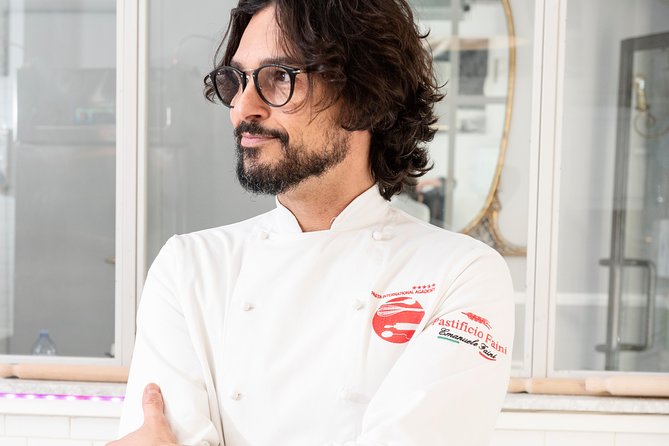
Book on Viator →Operated by Emanuele Faini · Bookable on Viator
Fresh pasta starts fast here.
This 3-hour Rome workshop has you making homemade pasta from scratch with Chef Angelo, including spelt, buckwheat, and wholemeal dough, then eating what you cook with wine. You’ll shape classic filled pasta like ravioli and tortellini, cook sauces, and finish with an express tiramisu.
I love two things most: you get hands-on coaching through real technique (not just a demo), including safety basics for cutting and prep, and the class covers more than one style of pasta and flour. I also like that the studio is set up for small-group learning, and they say they can accommodate gluten-allergic guests and vegan guests.
One thing to consider: spots are intentionally limited. With a maximum of 4 travelers and people booking far ahead (on average 88 days), you’ll want to lock in your date early if you’re set on going.
In This Review
- Key points at a glance
- Entering The Pasta Lab With Chef Angelo
- The 3-Hour Flow: From Flour Choices to Rolling the Dough
- Step one: different flour types
- Step two: mixing, safety, and cutting technique
- Step three: sheet-making and thin pastry style technique
- Making Three Types of Filled Pasta (And One You Don’t Have to Fill)
- Ravioli: mastering the fill and seal
- Tortellini: shape and consistency
- Fettuccine: the straight-line confidence move
- Sauces, Wine, and the Weekly Rotating Twist
- The wine adds context, not just alcohol
- What You Eat Before and After: Cheese, Ham Tasting, and Express Tiramisu
- Starter: cheese with Prosecco
- Ham tasting: hand-cut homemade style
- Dessert: express tiramisu
- The Setting: Small Group, Clean Space, and Music While You Work
- Dietary Options Without Making It a Big Production
- Price and Value: What $77.40 Really Buys You
- Who Should Book This Pasta Class in Rome
- Should You Book This Professional Lab Pasta Experience?
- FAQ
- FAQ
- How long is the pasta workshop?
- Where does the class start?
- Is this class offered in English?
- How many people are in the class?
- What will I make during the lesson?
- Do I cook and eat the food I make?
- What food and drinks are included?
- Can the class accommodate gluten-allergic and vegan guests?
- What’s the cost?
- Is there free cancellation?
Key points at a glance
- Chef-led, hands-on training from dough mixing through shaping and cooking
- Multiple flours like spelt, buckwheat, and wholemeal, so you learn more than one base dough
- Filled pasta focus with three made-from-scratch types including ravioli and tortellini
- You eat your work with sauces you prepare, plus wine during the meal
- Clear food handling basics with safe cutting procedures explained in the workshop
- Small group of up to 4 for more attention while you work
Entering The Pasta Lab With Chef Angelo
Rome has plenty of food tours. This one is different because it’s a workshop where you’re busy the whole time. You start at Ass. Culturale Pasta International Academy in Via dei Latini (near public transportation), then you settle into a real kitchen-learning rhythm.
Chef Angelo guides the process, and the teaching style is built for all levels. The whole point is that you don’t need to already know how to handle dough. You just need a willingness to try, get a little flour on your sleeves, and follow steps in order.
Also, the group size matters. With a maximum of 4 travelers, the chefs can correct your technique while you’re mid-action. That is a big deal in a pasta class, because the difference between good and great often comes from small adjustments: thickness, resting time, seal quality, and sauce balance.
You can also read our reviews of more tours and experiences in Rome.
The 3-Hour Flow: From Flour Choices to Rolling the Dough
The experience moves in a logical sequence: start with pasta basics, then scale up to filled shapes and sauce work, then sit down to eat. Time passes quickly because you’re doing real steps instead of watching from the sidelines.
Step one: different flour types
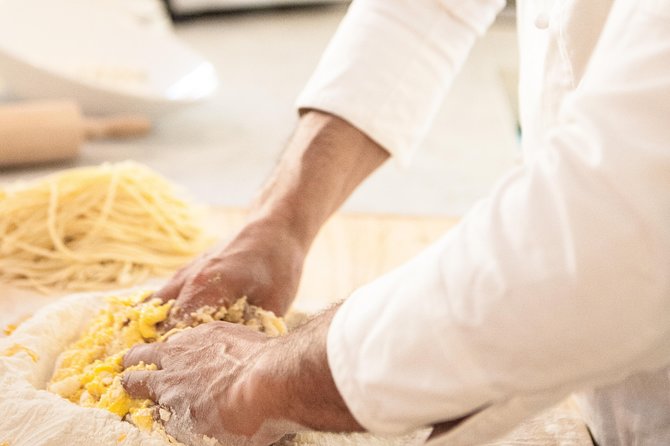
You begin with handmade pasta using different flours such as spelt, buckwheat, and wholemeal. That’s valuable because it teaches you what changes when the dough changes. Even if the recipes you take home are written, understanding the dough behavior is what helps you cook it again later.
Wholemeal and buckwheat can behave differently than classic all-purpose flour. In a good class, you learn how to adjust texture rather than just copying a method. The workshop format supports that kind of learning.
Step two: mixing, safety, and cutting technique
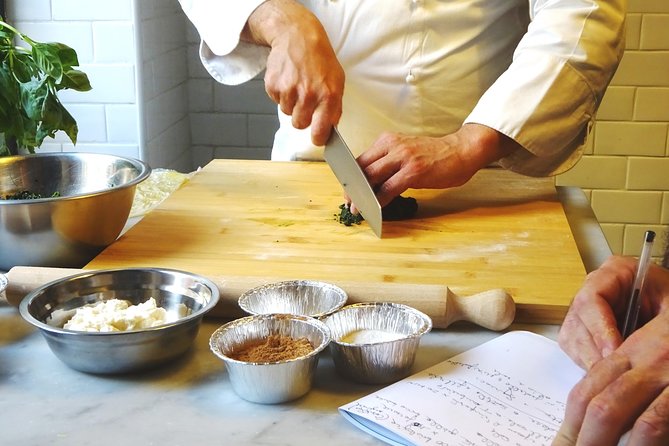
The class includes an explanation of safe food cutting procedures. That sounds basic, but in practice it reduces kitchen chaos. When you’re working with pastry and fillings, you need clean, careful cuts—especially if you’re shaping filled pasta where you want consistent pieces.
Step three: sheet-making and thin pastry style technique
You’ll also make thin puff pastry as part of the lesson. That may sound like a curveball next to ravioli, but it actually helps you connect technique: how to roll evenly, how to handle layered textures, and how to keep dough from drying out while you work.


Making Three Types of Filled Pasta (And One You Don’t Have to Fill)
If you’re picking this class because you love the idea of eating pasta at the end, you’ll like it. If you’re picking it because you want to learn technique, you’ll love it.
The core of the workshop is making three kinds of pasta, including ravioli and tortellini, plus fettuccine. Each one trains a different skill set:
Ravioli: mastering the fill and seal
Ravioli are about portioning and sealing. You learn how to manage filling so it stays put and how to close without leaving gaps. That matters because steam is unforgiving. A good lesson makes it feel repeatable at home, not mysterious.
Tortellini: shape and consistency
Tortellini demand a bit more shaping accuracy. In a small-group class, instructors can correct how you pinch and position the pasta so the shape holds while cooking.
Fettuccine: the straight-line confidence move
Fettuccine is less about sealing and more about rolling and cutting. It’s the part of the class where technique clicks fast. Once you can produce even strips, you understand why fresh pasta feels different from dry pasta: the texture cooks quickly, and sauce clings better.
And yes, you’ll work all the way through—this isn’t a quick “roll once and move on” experience.
Sauces, Wine, and the Weekly Rotating Twist
You cook all the pasta and sauces you make during the lesson, then eat them. That structure is smart for learning. You taste the results immediately while the technique is still fresh in your head.
The class also includes two typical Italian sauces, plus a weekday rotation. The information given is:
- Monday–Saturday: carbonara sauce is listed
- Tuesday–Friday: cacio e pepe sauce is listed
Those lines overlap on certain days, so the best advice is simple: when you confirm your day, check what sauce plan your session is running. Either way, you’ll get hands-on experience with classic flavor profiles—creamy comfort on one side and pepper-and-cheese simplicity on the other.
The wine adds context, not just alcohol
You’ll sip a good Italian wine during the meal. In a pasta class, wine can feel like a nice extra. Here, it also helps keep the pacing relaxed so you can focus on tasting the final dish. You’re learning how food comes together, not sprinting through a script.
What You Eat Before and After: Cheese, Ham Tasting, and Express Tiramisu
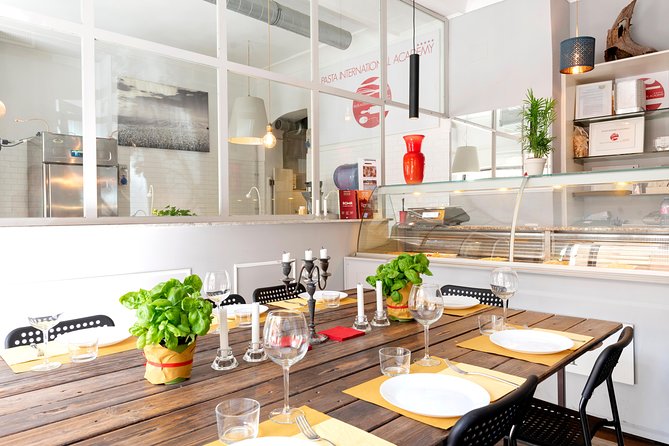
This class isn’t only pasta. It’s a full evening meal flow designed around Italian comfort foods.
Starter: cheese with Prosecco
The experience includes tasting Italian cheese paired with Prosecco. It’s a classic setup: salty, creamy flavors first, then you move into pasta dough and fillings without the meal feeling too heavy too soon.
Chef Angelo also offers a special appetizer during the class. That’s a nice touch because it breaks up the cooking rhythm with something to taste right in the middle of the learning.
Ham tasting: hand-cut homemade style
One of the featured inclusions is a tasting of hand-cut homemade ham. That’s the kind of detail you don’t usually get in basic cooking classes. It supports the idea that you’re in a real local food workshop, not just a classroom.
Dessert: express tiramisu
Tiramisu follows as dessert, described as an express preparation. You’ll get to see how the dessert portion of an Italian meal gets done efficiently after a full pasta session—useful if you want to recreate the full dinner arc at home.
The Setting: Small Group, Clean Space, and Music While You Work
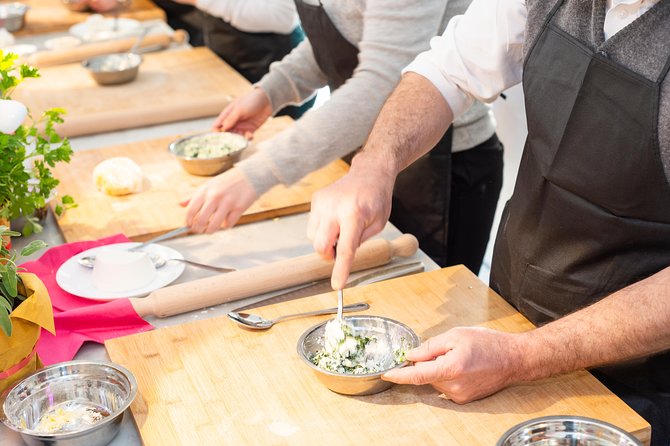
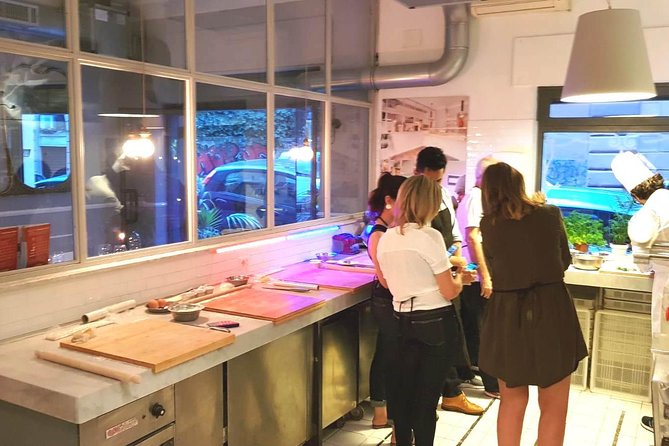
The workshop is described as clean and well set up, with a dining area separate from the work area. Expect a warm, intimate feel, with a lot of attention paid to the workspace so it’s bright enough to work and pleasant enough to eat.
Also, music is part of the experience. It matters more than you’d think. When you’re rolling dough and focusing on timing, a steady mood helps you stay relaxed instead of tense.
Because the class stays small, you also get more personal interaction. In the write-ups, the chefs are described as remembering names and adjusting coaching to the person in front of them—exactly what you want when you’re learning something hands-on.
Dietary Options Without Making It a Big Production
If you’re gluten-free or vegan, you’ll want to pay attention to this part. The class states they can accommodate gluten allergic guests and vegan guests.
That doesn’t mean every single pasta shape will be identical to the standard version (the exact method isn’t specified here). But it does mean you should not expect to sit out. The best way to use this info is to message or check during booking about how your session will be adapted.
For me, this is one of the strongest value points of the class. Pasta workshops can be tricky with restrictions. Here, the offering clearly includes the idea that different diets can be handled within the same experience.
Price and Value: What $77.40 Really Buys You
At $77.40 per person for about 3 hours, this isn’t a bargain-basement activity. But it’s also not overpriced for what you get.
You’re paying for a chef-led, small-group session that includes:
- hands-on pasta production from scratch
- multiple pasta types and flour types
- sauce prep and cooking
- wine during the meal
- cheese and Prosecco starter
- a tasting of hand-cut homemade ham
- express tiramisu for dessert
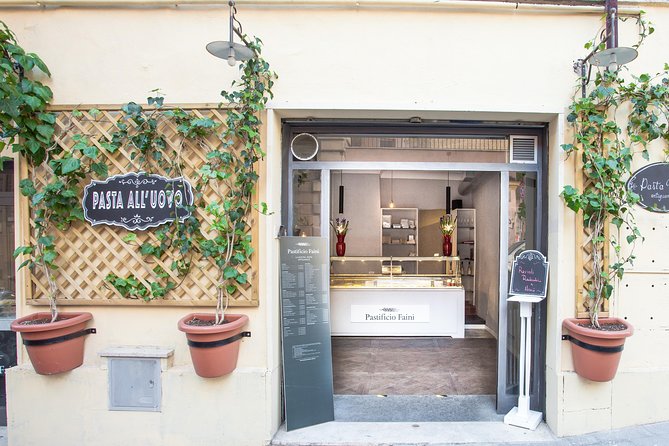
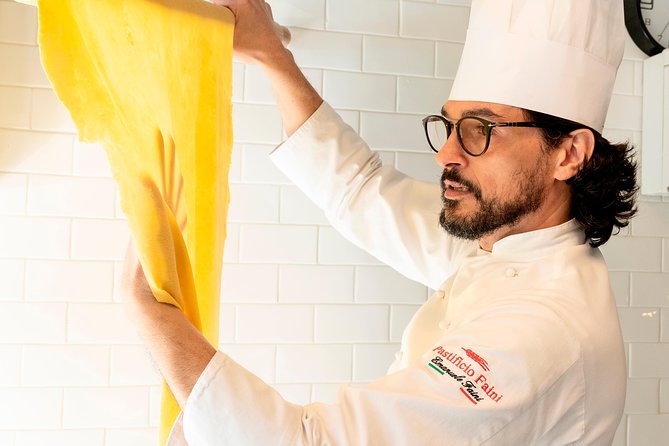
- and a free chef hat with the Pastificio Faini logo
On top of the meal included, you’re also learning technique you can repeat later. Many people leave saying they can cook pasta at home afterward, which is usually the real return on investment. If you already know you want to make pasta yourself someday, this price starts to make sense fast.
One more value signal: with group size capped at 4, the instruction time per person is higher than in bigger classes. That’s often where you feel the difference between a good experience and a frustrating one.
Who Should Book This Pasta Class in Rome
This workshop fits best if you want more than a food stop. It’s ideal for:
- couples who like cooking together and want a memorable first-night-in-Rome meal
- families with teenagers, since hands-on steps keep attention high
- food lovers who want technique, not just eating
- anyone returning home and trying to cook again rather than collecting photos
If you’re traveling solo and want to feel included in a structured activity, the small group size also helps. You’re not lost in a crowd.
If you’re the type who gets overwhelmed in kitchens, you’ll still likely be fine, as long as you’re willing to follow step-by-step instructions. The class is built for novices and mixed experience levels.
Should You Book This Professional Lab Pasta Experience?
Yes, if your goal is to learn how to make pasta you’ll actually want to eat again. The biggest reason to book is the combination of hands-on coaching, multiple pasta types, and eating a full meal you made in the same session.
I’d pass only if you’re looking for a quick, low-effort tasting tour. This is a working workshop. You’ll be rolling dough, shaping pasta, and cooking sauces. If that sounds fun, it’s an easy decision.
If you’re considering it, book early. With limited spots and strong demand (average booking far in advance), you don’t want to wait until the last minute.
FAQ
FAQ
How long is the pasta workshop?
The experience lasts about 3 hours.
Where does the class start?
It starts at Ass. Culturale Pasta International Academy, Via dei Latini, 13, 00185 Roma RM, Italy. It ends back at the meeting point.
Is this class offered in English?
Yes. English is one of the offered languages.
How many people are in the class?
The maximum group size is 4 travelers.
What will I make during the lesson?
You’ll make several types of homemade pasta, including ravioli, tortellini, and fettuccine, plus you’ll work with dough made from different flours. The class also includes making thin puff pastry.
Do I cook and eat the food I make?
Yes. You’ll cook the pasta and sauces during the lesson and then eat what you make.
What food and drinks are included?
There’s a starter tasting of Italian cheese with Prosecco, wine is included during the meal, there is a tasting of hand-cut homemade ham, and dessert is express tiramisu.
Can the class accommodate gluten-allergic and vegan guests?
Yes. The experience says it can accommodate gluten-allergic guests and vegan guests.
What’s the cost?
The price is $77.40 per person.
Is there free cancellation?
Yes. You can cancel up to 24 hours in advance for a full refund.