REVIEW · ROME
Rome: 2-Hour Gladiator School
Book on GetYourGuide →Operated by Gruppo Storico Romano · Bookable on GetYourGuide
One sentence can sum it up: sword lessons on the Appian Way. This 2-hour gladiator school turns Roman myths into hands-on training, with a short museum-style intro and a final match in an arena setting. Guides such as Cena and Mirko bring the stories to life without turning it into a lecture.
What I really like is how active it stays. You’re not sitting through 90 minutes of rules; you’re learning basics, gearing up, and practicing sword moves safely. I also love that you get context for the fighting, with talk about gladiators’ life and what Roman weapons were actually for—not just movie-style sparring.
One thing to consider: this is physical. Even if the fighting is staged and safe, kids (and adults) will be moving the whole time, so plan for heat and bugs on the Appian Way.
In This Review
- Key highlights to look for
- Training on the Via Appia Antica: Setting and first impressions
- What the 2-hour gladiator class covers (and how it stays fun)
- Gladiator weapons and sword fighting basics (the safe, real-feeling part)
- The mini museum visit: why it’s more than a waiting room
- The arena finale, certificates, and those battle-photo moments
- Price and value for families (and why $135.94 can make sense)
- Tips that make the Appian Way class feel smoother
- Who this is best for (and who may prefer something else)
- Should you book Rome’s 2-hour Gladiator School?
- FAQ
- How long is the Gladiator School course?
- Where do we meet the instructor?
- Is it suitable for children and adults?
- What languages are the instructors?
- What’s included in the ticket price?
- Do parents or companions need to pay if they don’t attend the course?
- Is the class wheelchair accessible?
- What should we expect for the fighting portion?
- Is there anything to watch out for outdoors?
- What is the cancellation policy?
Key highlights to look for
- Via Appia Antica setting: training happens right on the Appian Way area, not in a studio somewhere else
- Sword-fighting practice: you learn basic techniques and then use foam weapons in a final battle
- Gladiator life stories: you hear what gladiators did and how life in the imperial city worked
- Mini museum visit: a small collection of items makes the weapons and armor feel real
- Certificate moment: you leave with a finish-line souvenir that kids talk about for days
Training on the Via Appia Antica: Setting and first impressions

The meeting point is the Gladiator School of Rome on the Appian Way (Via Appia Antica). That location matters more than you’d think. It keeps the experience grounded in place, so the day doesn’t feel like generic entertainment that could happen anywhere.
Getting there is straightforward if you’re using public transport. The nearest bus stop is Appia Antica–Travicella (lines 118 or 218). If you’re planning your day around Rome’s big-ticket sights, you’ll also find the Appian Way a nice change of pace. It’s quieter than the Colosseum area, and the setting helps you focus on what the class is doing: teaching you how the gladiator world worked, not just telling you about it.
When you arrive, you’ll typically move from a brief intro into hands-on training fairly quickly. That pacing is a big part of why this activity fits families: kids don’t get bored, and adults don’t feel stuck listening.
You can also read our reviews of more tours and experiences in Rome.


What the 2-hour gladiator class covers (and how it stays fun)
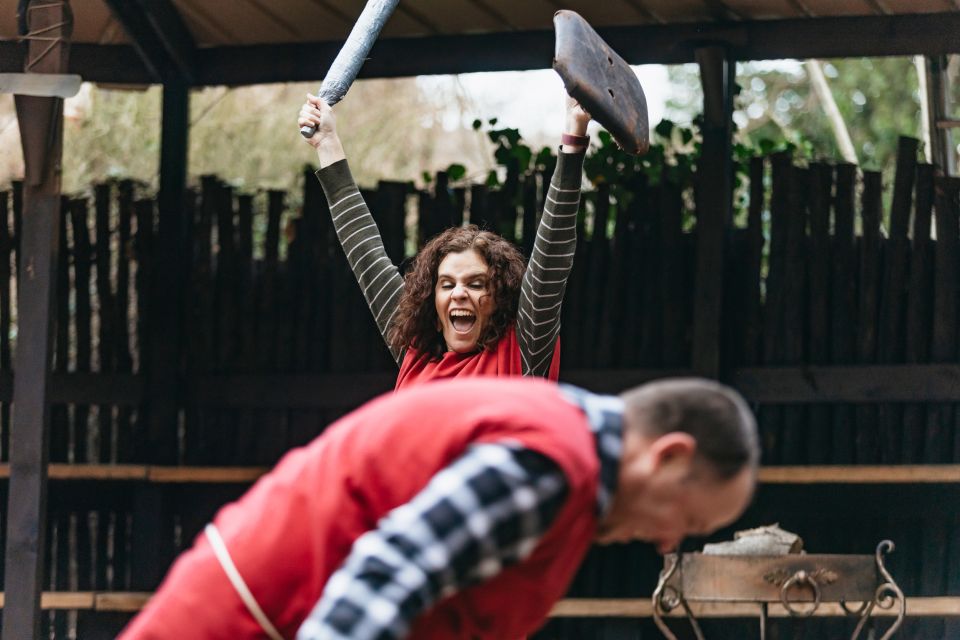
This is designed to be 2 hours, with an even blend of story, training, and action. The flow usually looks like this:
First comes an introduction to Roman life and gladiators—enough history to give meaning to the weapons, formation, and discipline you’ll practice later. Then the focus shifts into sword fighting basics. You learn technique step-by-step, not just random swings, and you practice safely with training equipment.
A big reason the class earns such strong ratings is that the session stays active. It’s “learn, practice, learn, practice,” rather than “listen, stand, wait.” One of the most repeated reactions in the feedback is that the experience doesn’t feel like a kids-only gimmick. Even adults who came as spectators found it highly entertaining, largely because the guide keeps everyone moving and engaged.
Also, the group mix is part of the charm. You may be training alongside kids and adults in the same session, and the final battle format helps everyone participate. That matters because it turns the class into a shared memory, not just a separate kid activity.
Gladiator weapons and sword fighting basics (the safe, real-feeling part)
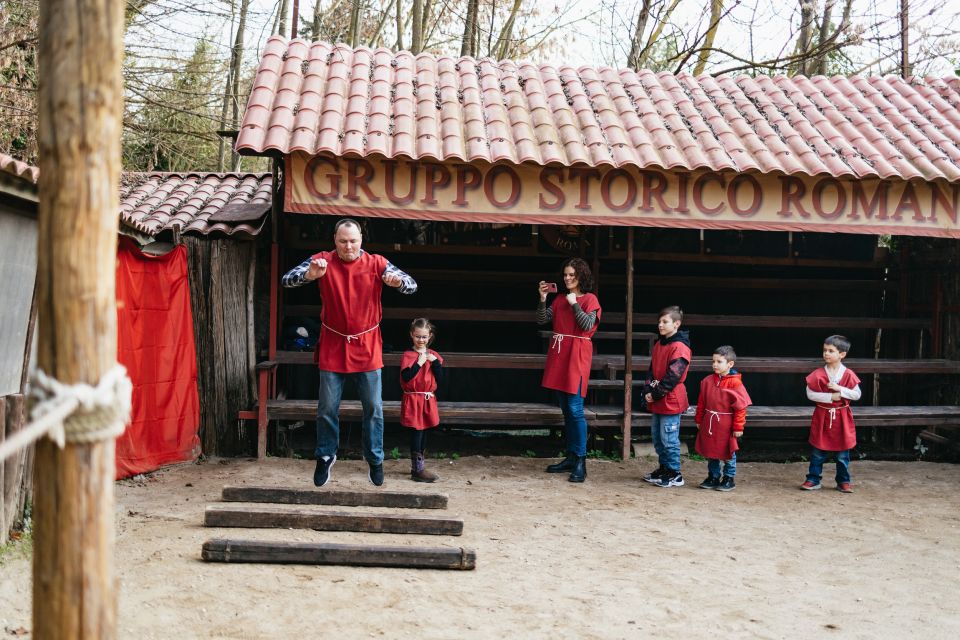
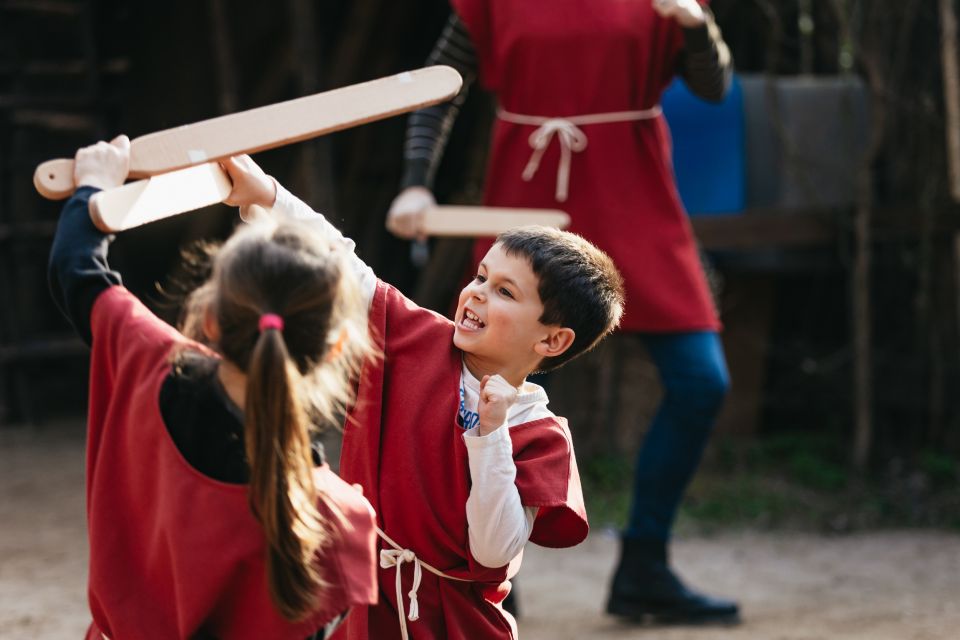
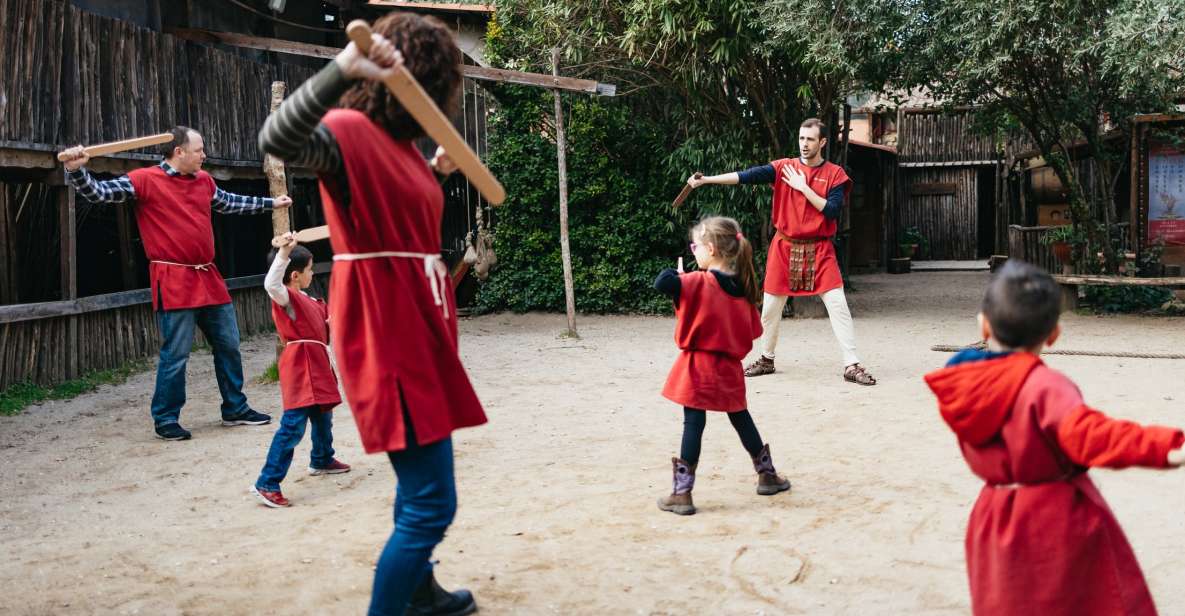
The main event is sword fighting training—Roman weapons skills presented in a way that’s approachable and safe. The training uses foam weapons for the final combat portion, which helps prevent injuries while still giving you that hit of adrenaline when it’s time to fight.
What you learn isn’t “how to win a duel.” It’s the fundamentals: stance, control, and simple technique patterns. The guides also emphasize safety and discipline so the room stays focused. In the feedback, multiple people mention how the final battle stays fun and energetic while remaining organized.
If you’re worried it will be too rough for kids, you can relax. The overall tone is clearly instructional, not chaotic. You’re practicing with a clear structure, and the staff manages the session closely so it’s competitive without being dangerous.
And here’s a subtle plus: because the sword fighting is taught, you’ll understand what you’re doing when you watch gladiator imagery later. It’s the difference between viewing and knowing.
The mini museum visit: why it’s more than a waiting room
The experience includes a museum visit, and it’s not just a quick hallway stop. In the feedback, people describe the collection as small but genuinely interesting, with items that you might not see in typical mainstream museum browsing.
This part works because it bridges the gap between “cool stories” and “real objects.” Once you’ve seen armor pieces, weapon-related items, or related artifacts up close, the training feels less like cosplay and more like reenactment with purpose.
You’ll also get a better sense of the discipline and life of gladiators. The class explains what the equipment meant and how Roman fighting culture fit into the larger story of Roman power and entertainment.
Even if the museum segment is brief, it sets a tone: you’re learning about the gladiator world as something lived and staged, not just a fight scene.
The arena finale, certificates, and those battle-photo moments

The session ends with a final battle moment after the training. In the feedback, people mention an arena-style segment where participants face off using the foam swords. It’s the part kids remember immediately—and adults remember once they realize they’re having fun watching their own family members perform.
One detail that comes up often: the guides make the final segment feel like a real event. Some descriptions mention an amphitheatre setting and the sense of performing before an important audience figure. Even if you don’t treat it as literal, the point is clear: you’ll get a dramatic wrap-up that makes the effort feel worth it.
Then you finish with a certificate. For kids, this is a big deal. For parents, it’s a neat way to mark “we actually did something today,” not just wandered around.
If you’re the type who loves photos, this is your moment. The fighting format creates natural poses and reactions, so you leave with more than a few blurry shots.





Price and value for families (and why $135.94 can make sense)

At $135.94 per person for a 2-hour course, this isn’t a bargain like a public walking tour. It’s priced as an activity: training staff, a museum segment, equipment, and a guided experience all rolled into one.
So the value question is: what do you get for that cost?
You get:
- Gladiator training with sword-fighting basics
- A museum visit
- Drinks
- A certificate
- A guided session that keeps participants active for the full 2 hours
For families, especially, it can be good value because one booking covers multiple needs at once: education, physical play, and a structured memory. Several parents say it was the highlight of their Rome trip, and not in a “we’re being polite” way. The repeated theme is that kids stayed engaged the whole time and learned more than they expected.
For adults traveling with kids, it often hits a sweet spot. You’re not only supervising; you can also participate and enjoy the show. Some adults in the feedback say they attended as spectators and still had a great time.
For adults who want a deep historical seminar or quiet museum time, you might find the format more entertainment-heavy. This is action plus context, not a long academic lecture.
Tips that make the Appian Way class feel smoother
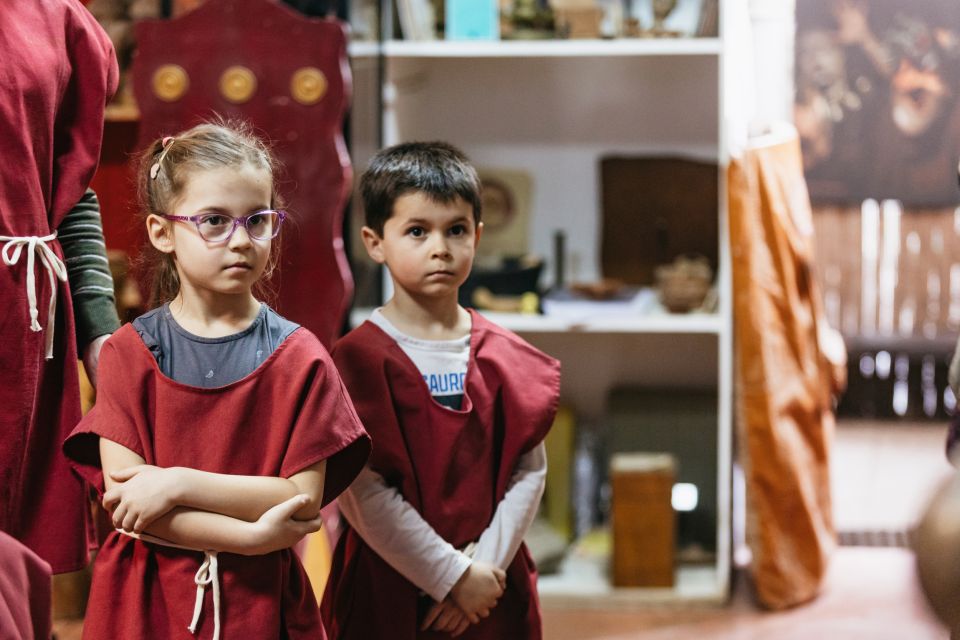
Small practical things make a big difference on this day.
1) Bring insect repellent. One of the most specific comments in the feedback is about mosquitoes. If you’re even mildly sensitive to bites, treat repellent like an essential item, not an extra.
2) Plan for heat and hydration. Multiple people mention hot weather and note that the facility had shady spots and cold water. Still, I’d show up ready to drink, especially if your Rome itinerary puts you in midday sun.
3) Wear comfortable shoes. You’ll be moving and standing for practice. Don’t assume you’ll be able to do this in fancy footwear.
4) Expect interaction. Guides keep the energy high. If you like lively group activities, you’ll appreciate it. If you dislike attention, the “participate” setup might feel different than a standard museum visit.
5) Come ready for pictures and props. The tunic/gear moment and the battle finale are built for photos. If that matters to you, bring your phone battery.
Who this is best for (and who may prefer something else)

This class is a strong match for:
- Families with kids who want something hands-on after major landmarks
- Teens who worry history will be boring (this is action, with context)
- Adults who like practical, story-driven experiences rather than passive tours
- Multi-generation groups, since the structure works across ages
It also pairs well with a Roman landmark day. Several people point out it feels like a natural follow-up after seeing sites like the Colosseum, because it turns those images into bodily understanding.
Who might skip it?
- If you hate physical activities or get stressed in group performance settings
- If you want a quiet, museum-only evening
- If you’re looking for purely academic gladiator research rather than an interactive class format
In short: if you like doing things with your hands, this fits your travel style.
Should you book Rome’s 2-hour Gladiator School?
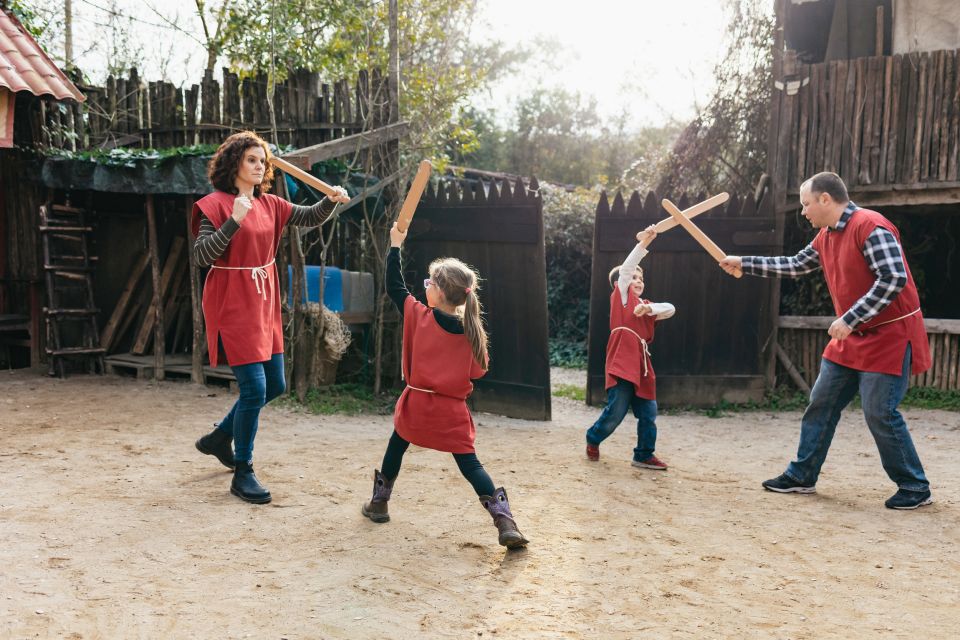
I think you should book it if you want a family-friendly activity that actually teaches while staying genuinely fun. The biggest wins are the hands-on sword training, the active pacing, and the way guides turn gladiator life into something you understand, not just something you hear.
If you’re on the fence because you’re worried it will be too “kiddie,” the best signs are that even adults who watched enjoyed it, and that the fighting segment isn’t treated as a fragile gimmick. It’s structured practice with a final battle moment that makes the day feel like an event.
But if you’re the type who prefers slow sightseeing and quiet interpretation, you may see this as entertainment-first. You’ll still learn a bit of Roman context, but the format is designed to keep you moving.
If your Rome days include bigger monuments and you want one playful, active stop that your whole group will talk about later, this is a very reasonable choice.
FAQ
How long is the Gladiator School course?
The experience runs for 2 hours.
Where do we meet the instructor?
Meet your instructor at the Gladiator School of Rome, located on the Appian Way.
Is it suitable for children and adults?
Yes. It’s described as suitable for children and adults.
What languages are the instructors?
The instructor speaks English and Italian.
What’s included in the ticket price?
The experience includes a museum visit, gladiator training, a certificate, and drinks.
Do parents or companions need to pay if they don’t attend the course?
Parents and/or companions do not have to pay for a ticket if they do not attend the course.
Is the class wheelchair accessible?
Yes, it’s listed as wheelchair accessible.
What should we expect for the fighting portion?
You’ll learn sword-fighting basics and then take part in a final battle using foam swords, safely.
Is there anything to watch out for outdoors?
Mosquitoes can be a problem, so bring insect repellent.
What is the cancellation policy?
Free cancellation is available up to 24 hours in advance for a full refund.