REVIEW · ROME
Rome at Night: Small Group Guided City Walking Tour
Book on Viator →Operated by Carpe Diem Tours · Bookable on Viator
Rome at night is different, in the best way. This small-group walk strings together major sights with clear local guidance and a smoother route than you’ll get solo, plus a few off-the-path stops that help you understand what you’re seeing. I especially like how the pacing feels made for real people, not racing between photo spots.
My other big win is the sense of nighttime confidence the guide brings—where to go, how to move through crowds, and how to enjoy the city safely. The one thing to plan for: entry to the Pantheon, Colosseum, and Roman Forum isn’t included, so you’ll be viewing many highlights from outside unless you’ve booked separate tickets.
In This Review
- Key takeaways before you go
- Rome’s night magic: why this 2-hour walk feels worth it
- A note on time
- Small group at night: the real safety advantage
- What to wear
- Piazza Navona: Bernini’s Fountain and a Baroque starter punch
- Trevi Fountain at night: less crowd, better photos, and more context
- The practical take
- Pantheon area stop: the dome that still causes wow moments
- A major church stop: why this moment feels different at night
- What you should bring mindset-wise
- Piazza Venezia and the Ancient City section: where Rome starts feeling huge
- Roman Forum after dark: life in the city, not just monuments
- A realistic expectation
- Colosseum finish: moonlight views and the best ending spot
- Why ending here matters
- Price and value: what you really get for $29.04
- Who should book this Rome at night tour?
- Should you book it? My honest take
- FAQ
- How long is the Rome at Night small group walking tour?
- What is included in the tour price?
- Are tickets or entry included for the Pantheon, Colosseum, and Roman Forum?
- Where do you meet, and where does the tour end?
- How big is the group?
- What language is the tour offered in?
- Do I receive a mobile ticket?
- Is the meeting point near public transportation?
- Can I cancel for a full refund?
Key takeaways before you go
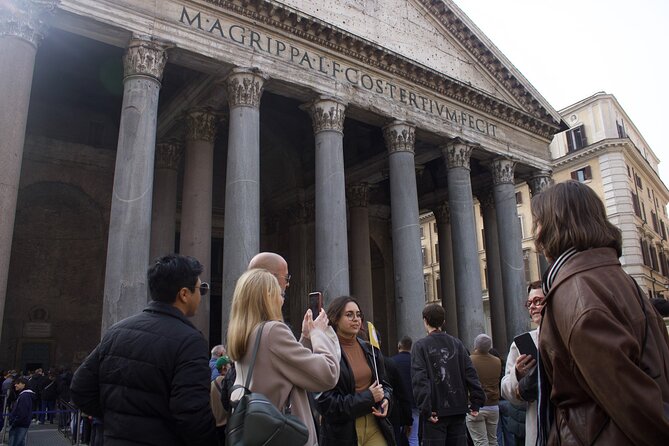
- Small group size capped at a maximum of 15 travelers for a more personal experience
- Top icons after dark with a route that covers multiple must-sees in about 2 hours
- Entry fees not included for Pantheon, Colosseum, and Roman Forum, so ticket planning matters
- Night safety and navigation help so you don’t wander blindly in the dark
- Guide-led storytelling with lots of room for questions and quick back-and-forth
- A finish with views of the Colosseum from a special viewpoint at the end
Rome’s night magic: why this 2-hour walk feels worth it
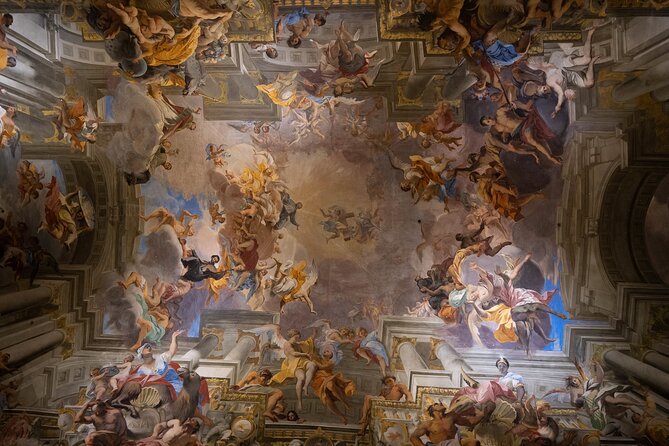
If you only see Rome in daylight, you miss a big part of its personality. The city at night looks softer and less crowded, and the monuments glow in a way that photographs better than you expect in your phone. This tour is built for that mood: you cover several headline stops without feeling like you’re sprinting.
I like that the structure is simple. You start in the Colosseum area (Piazza del Colosseo) and end there again, with a guide steering you from place to place. That makes it easier to fit into your schedule—especially if this is your first night and you’re still figuring out which streets connect to where.
Another practical plus: it’s offered in English, and you’ll get a mobile ticket. Add in the fact that it runs near public transportation, and it’s not hard to slot in around other plans.
You can also read our reviews of more tours and experiences in Rome.
A note on time
The tour is listed at about 2 hours, but it’s still a walking experience. Some guides keep a steady pace, and you’ll likely spend a few short stops at each highlight. If you’re the type who slows down for every photo, plan a bit of buffer time.
Small group at night: the real safety advantage
Rome is busy, even when it looks calm. At night, the streets can feel unfamiliar fast—especially around big landmarks where foot traffic can spike. The best part of this tour is how the guide helps you move as a group, so you’re not constantly making decisions at crossroads or guessing which side of a piazza to stand on.
In the reviews, the consistency isn’t just that guides are friendly—it’s that they manage the pace, choose good spots to stop, and keep the group comfortable. I think that matters more than people expect. When you’re walking at night, comfort and flow are everything.
You’ll also find that conversation is part of the experience. Several guides named in feedback—like Yousef, Csenge, Sharon, Domenica, Sila, Antonio, Dan, Alina, and Pablo—are described as interactive, with plenty of chances to ask questions while still keeping the walk moving.
What to wear
This is not a sit-in-a-bus tour. Wear comfortable shoes. If you’re traveling in cooler months, bring warm layers, and be ready for quick changes in weather. One common tip from riders: an umbrella helps because rain can pop in and out.
Piazza Navona: Bernini’s Fountain and a Baroque starter punch
Your first major stop is Piazza Navona, one of Rome’s most dramatic squares. This is where the city’s baroque style really flexes. You’ll have time to take it in—about 20 minutes—along with the best-known centerpiece here: Bernini’s Fountain of the Four Rivers.
Why start here? Because it sets the tone. Piazza Navona isn’t just pretty; it’s a place where you can feel how Rome builds public space—how architecture and sculpture create a stage for daily life. Even if you think you already know what this looks like from pictures, standing in the square changes your sense of scale.
Also, starting with a big, open piazza is smart for a night tour. It’s easier to orient yourself early, and it’s usually less stressful than launching straight into a tightly packed neighborhood.


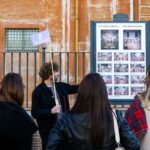
Trevi Fountain at night: less crowd, better photos, and more context
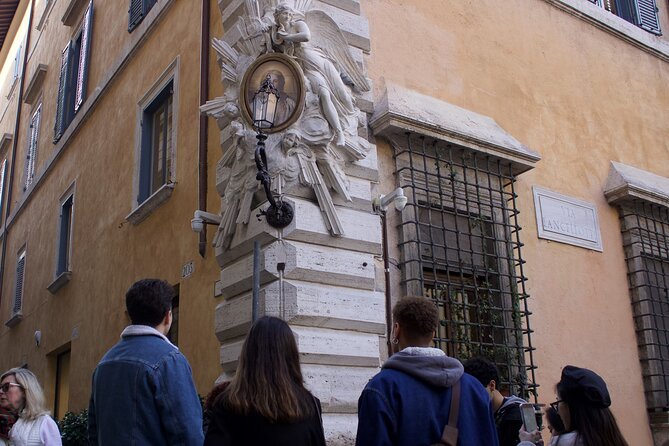
Next is Trevi Fountain, the one fountain in Rome most people recognize instantly. It’s one of the stops where timing actually helps you. At night, you often get a calmer experience than you’d get during peak daytime hours, and the lighting makes the marble feel almost sculpted-by-firelight.
You’ll have around 20 minutes here, including time to walk around and see it from different angles. The fountain is huge visually, but the guide’s stories can help you notice details you’d normally miss—like how the surrounding design supports the fountain as the focal point.
The practical take
If your goal is a classic photo, you can usually get it without needing a perfect spot for ages. The bigger advantage is that you’re not just standing there—you’re absorbing what you’re looking at, while the guide helps you connect Trevi to the broader story of the city.
Pantheon area stop: the dome that still causes wow moments
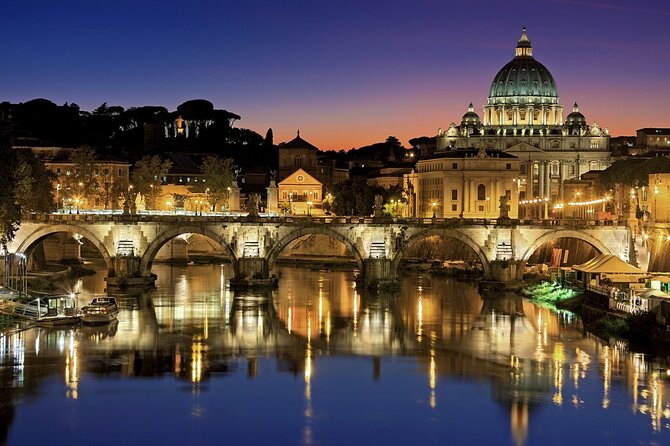
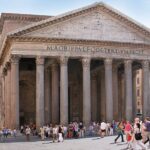
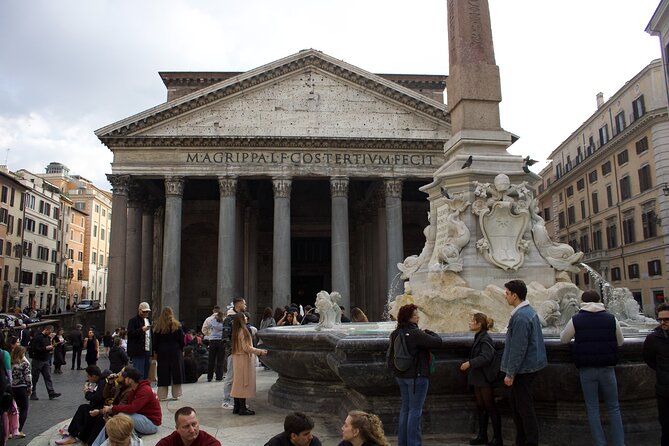
A key stop on this route is the Pantheon area, including time to see the building that’s often described as the best-preserved from antiquity and famous for its massive dome. It’s a “look up and stare” structure, even if you’ve seen pictures before.
Important: entry to the Pantheon is not included, so this is a viewing stop rather than a guided walk inside (unless you’ve handled separate admission elsewhere). Still, even from outside, you’ll get plenty to work with—the scale, the design, and the sense that this is one of the moments where ancient Rome feels instantly present.
If you’re someone who loves interiors, you’ll have to decide whether you want that extra ticketed time elsewhere in your trip. For a night walk, the tour’s approach makes sense: you keep the flow and let the exterior landmarks do their job.
A major church stop: why this moment feels different at night
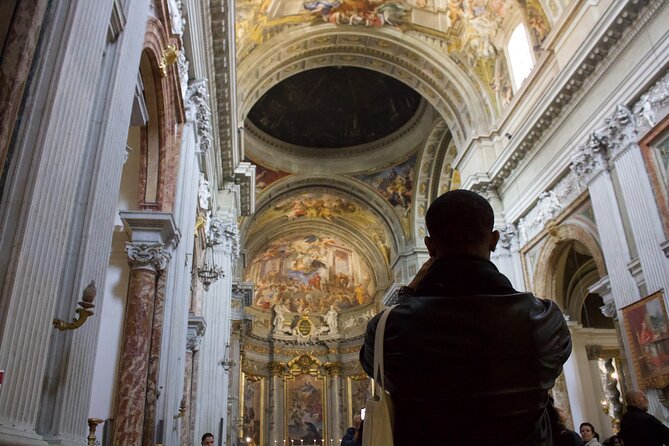
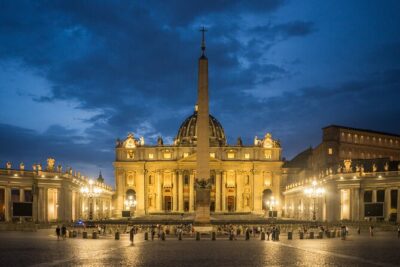
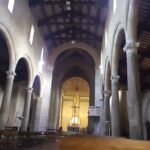
The route also includes a stop at one of Rome’s most important churches. The exact church isn’t pinned down in the route text you provided, but the experience is clear: you get a chance to step into (or closely observe) a major sacred space on your walk.
This is one of those parts that can surprise you if you only think of Rome as ruins and fountains. At night, churches change the atmosphere fast. Even if you’re not religious, you’ll likely appreciate the quiet shift in tone, the way light falls inside, and the sense of continuity—centuries of people gathering in the same kind of space for different reasons.
What you should bring mindset-wise
Don’t treat it like a quick photo stop. Give yourself a minute to look slowly—ceiling lines, side details, and how the room holds sound. Night tours are perfect for that because the pace is gentle and you’re not rushing to beat the midday crowds.
Piazza Venezia and the Ancient City section: where Rome starts feeling huge
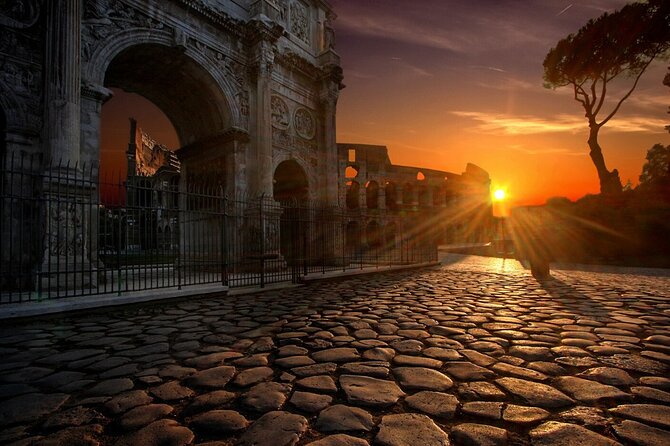
Then you move to Piazza Venezia, a dramatic pivot point that opens the door to the “ancient city” feeling. Here you’ll encounter Rome’s biggest building, often referred to in this context as the Altare della Patria (linked to Vittorio Emanuele II). The guide’s explanations help connect the site to Italy’s founding story, not just Rome’s ancient past.
From there, you step into the wider atmosphere of the older layers—this is where you start seeing Rome as a city stacked on itself. Even when you’re standing in a modern square, the ancient presence keeps showing up in architecture, street layout, and the way people use the space.
You’ll have about 20 minutes in this area, which is long enough to get the lay of the land and short enough to keep the evening from dragging.
Roman Forum after dark: life in the city, not just monuments
One of the most exciting parts of this tour for me is how it frames the Roman Forum. Instead of making it only about famous names and big statues, you walk through the area on Via Fori Imperiale and get a sense of what daily life might have felt like 2000 years ago.
Time here is about 20 minutes. And again, entry to the Roman Forum is not included, so you’re seeing it as a guided walk around the public zones rather than going deep with paid access.
Even without entry, you can still get a lot out of it if your guide helps you translate the space. The Forum is confusing if you arrive with only a mental checklist. With explanation, the layout becomes readable—where people moved, how it connects to other landmarks, and why it mattered beyond “cool ruins.”
A realistic expectation
If your dream is walking inside the Forum ruins themselves for extended exploration, you’ll need to pair this tour with separate tickets later. Think of this stop as the orientation and story primer.
Colosseum finish: moonlight views and the best ending spot
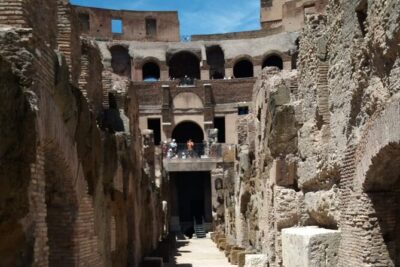
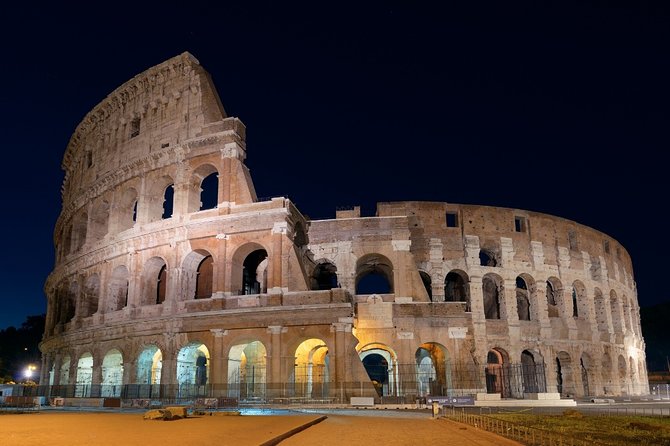
You wrap up at the Colosseum, with the night-light effect doing most of the work for you. This tour treats it as a finish-line moment: 20 minutes at the Colosseum area, and then you end at a viewpoint that overlooks the Colosseum.
Entry to the Colosseum isn’t included here either. So what you’re getting is the exterior experience: the scale, the geometry, and that “how did they build this” feeling when the monument is framed by night sky and streetlights.
Why ending here matters
Starting near the Colosseum is convenient, but ending with a viewpoint is smart. It gives you closure and a visual reward after the walking and stories. You’re not leaving immediately after the busiest sights—you’re finishing with a calmer, more scenic perspective.
Price and value: what you really get for $29.04
At $29.04 per person, the math works best if you care about three things: speed, guidance, and timing.
- You get multiple major sights clustered into one evening. Instead of piecing together separate visits and map-checking at night, you’re guided from one location to the next.
- You have a local guide who explains what you’re seeing while you walk, which is often the difference between staring at landmarks and understanding them.
- You’re paying for comfort and flow: small-group touring with a maximum of 15 people means less crowding and more chances to ask questions.
The catch is also clear: you’re not paying for paid entries into the biggest interior sites. Since Pantheon, Colosseum, and Roman Forum entry aren’t included, you may still want to buy separate tickets if your priorities include interior exploration.
So the best way to think of the price: it covers the guided evening walk and the storytelling that helps you enjoy the city now—not later.
Who should book this Rome at night tour?
This fits best if you want:
- A first-night orientation for Rome
- A safer, more confident way to see major sights after dark
- A small-group experience that stays human-sized (max 15)
- A guide-led evening with time for questions, not a rigid script
It might be less ideal if you know you only want ticketed interior visits. In that case, you’ll likely still want this tour for the overview and atmosphere, but you should plan additional time with separate admissions.
Should you book it? My honest take
Yes—if your goal is to see Rome’s biggest icons at night with help sorting out what matters. The small-group size, the guide-led pacing, and the night lighting factor make it feel like a good use of an evening, not a rushed checklist.
I’d book it early in your trip. Use it to get your bearings fast, learn what to prioritize next, and enjoy the city when the crowds are usually thinner and the monuments look their best.
FAQ
How long is the Rome at Night small group walking tour?
The tour is listed at about 2 hours.
What is included in the tour price?
It includes a guided walking tour, a local tour guide, city highlights, and hidden gems.
Are tickets or entry included for the Pantheon, Colosseum, and Roman Forum?
No. Entry to the Pantheon, Colosseum, and Roman Forum is not included.
Where do you meet, and where does the tour end?
Both the start and end are at Colosseum, Piazza del Colosseo, 1, 00184 Roma RM, Italy. The tour finishes at a viewpoint that overlooks the Colosseum.
How big is the group?
The tour has a maximum of 15 travelers.
What language is the tour offered in?
It’s offered in English.
Do I receive a mobile ticket?
Yes, the tour uses a mobile ticket.
Is the meeting point near public transportation?
Yes, it is near public transportation.
Can I cancel for a full refund?
Free cancellation is available, and you must cancel at least 24 hours before the experience start time for a full refund.