REVIEW · ROME
Rome by Night Walking Tour
Book on Viator →Operated by Nicom Tours · Bookable on Viator
Rome at night has a different rhythm. This Rome by Night walking tour turns the big hits into an easy evening plan: you cover major sights on foot while the heat drops and the lights come up. With a small group (up to 15) and a pro guide from Nicom Tours, it’s a smart way to learn your way around the Eternal City without rushing.
I especially love how this tour strings together Rome’s greatest landmarks—Pantheon, Trevi Fountain, viewpoints toward the Roman Forum, and the Colosseum exterior—into one smooth arc of the evening. I also like that you get enough time at each stop to actually look and take photos, not just pose and sprint. On top of that, many groups use little audio headsets so you can catch the guide’s stories even on busy streets.
One thing to consider: this style of walking tour depends on timing and group coordination. If your guide audio is hard to hear, if you’re late finding the group, or if your night gets shortened, you may not see everything exactly as you pictured—so plan for a calm start and bring patience.
In This Review
- Key highlights you’ll actually care about
- Starting at Piazza del Colosseo: the evening game plan
- Piazza Venezia and the Altare della Patria moment
- Trevi Fountain after dark: the iconic stop that’s worth it
- The Pantheon under moonlight (and why it feels different)
- Capitoline Hill and Roman Forum views: ruins you can still feel
- The Colosseum exterior at night: the best kind of photo stop
- Piazza Navona to wrap the walk like a local
- Pacing, comfort, and what to bring
- Price and value: does $54.31 make sense?
- Guide quality and hearing the stories
- Potential issues to plan around (so your night stays smooth)
- Who should book this Rome by Night walk?
- Should you book it? My honest recommendation
- FAQ
- How long is the Rome by Night walking tour?
- What time does it start?
- Where does the tour meet?
- Is admission included for the stops?
- Is food or drinks included?
- What’s the group size?
- Is luggage storage available?
Key highlights you’ll actually care about
- Small-group size (max 15) means you’re not lost in a crowd
- Evening timing helps you beat the midday heat and see Rome lit up
- Top sights in one loop: Pantheon, Trevi Fountain, Colosseum exterior, Piazza Navona
- Guide-led history and photo stops so you get the why, not just the what
- You’ll likely have audio help (headsets show up on many departures)
- A lot of walking with a relaxed pace, so shoes matter
Starting at Piazza del Colosseo: the evening game plan
The tour meets at Piazza del Colosseo at 6:00 pm, and it’s a good time to start. Rome’s streets can feel like a maze in daylight; at night, they’re still confusing, but at least the city looks better doing it. The vibe is practical: you’ll walk through lively streets, stop at major monuments, and let your guide connect the dots between what you’re seeing and what it meant.
This is also the moment to set yourself up. Arrive a few minutes early and treat the meeting point like a rendezvous, not a casual meetup. One frustrating theme that shows up with tours like this is missing the start because people are a bit late—or because the street area is busy and easy to misread on maps. If you’re worried about being late, you’re already doing the right thing by giving yourself extra buffer.
You’ll be moving for about 3 hours, and the route is designed so you’re not stuck in heat for long stretches. Still, it’s not a sit-and-smile tram tour. Think “evening stroll with stops,” not “easy sightseeing drive.”
You can also read our reviews of more tours and experiences in Rome.

Piazza Venezia and the Altare della Patria moment
One of the early stops brings you to Piazza Venezia and the Altare della Patria area. Even if you already know Rome from photos, this monument hits differently in real life. It’s a big, official-feeling landmark—dramatic against the night sky—and it gives you a sense of scale for the city and its layers.
What I like about starting (or quickly moving) into this zone is that it helps you re-orient. As you go from stop to stop, you start to understand where the “ancient Rome” story is anchored—and how later Rome chose its symbols and monuments in the same neighborhood.
Practical tip: expect crowded sidewalks and street crossings. Your guide can help you time the walking and avoid getting stuck behind slow-moving clusters.
Trevi Fountain after dark: the iconic stop that’s worth it
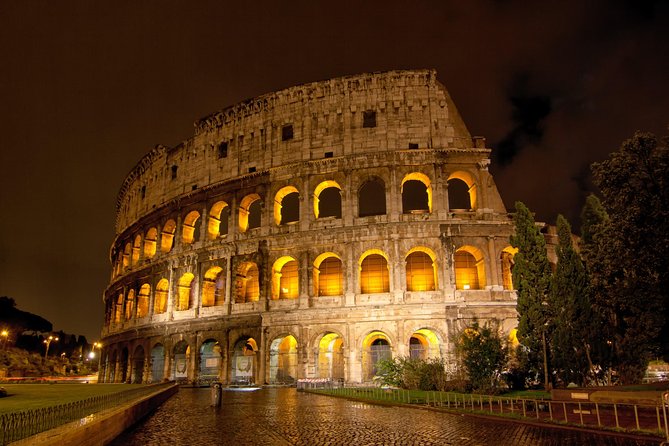
Next up is Fontana di Trevi, where the tour settles into one of the most famous views in the world. You don’t just see the fountain; you see it as a nighttime set piece, with the lighting doing half the storytelling for you.
This stop also comes with a classic ritual. You can drop a coin for luck (at your own expense). Even if you don’t care about the superstition, it’s fun to watch how people do it and then connect that little tradition to the fountain’s place in films, stories, and modern-day Rome.
The smartest reason to come here on a guided night walk is not just the beauty. It’s the context. Your guide can point out why Trevi matters, and you’ll also learn what to watch for when you’re taking pictures so you don’t end up with the same bland postcard angle everyone else gets.
Real talk drawback: Trevi is popular. If your group ends up with tougher audio that night (noise plus crowds), the guide’s details can get harder to follow. If you’re sensitive to that, ask your guide where to stand so you can hear more clearly.
The Pantheon under moonlight (and why it feels different)
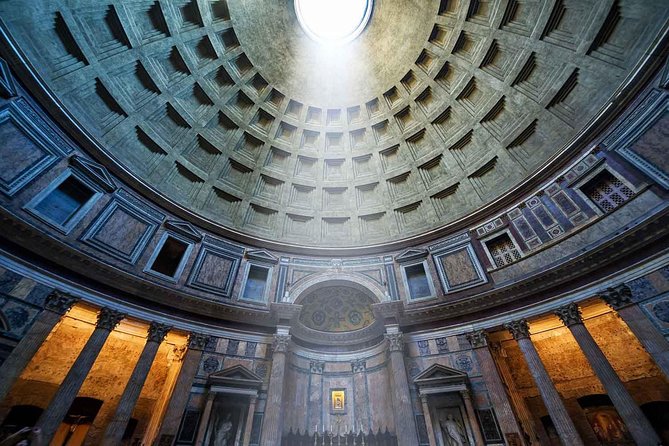
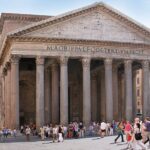
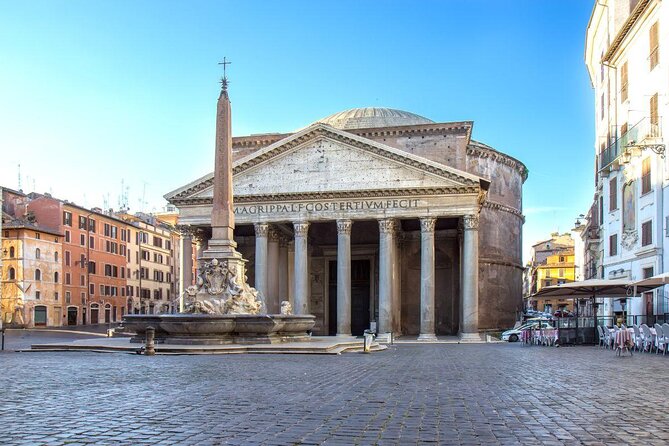
A high point is the Pantheon, reached on narrow Roman streets that feel like a moving picture set. The perforated dome is still the star, and at night it looks almost unreal—clean lines, soft glow, and that sense of scale that makes you pause even if you’ve “seen” it before on the internet.
This stop is a chance to do something simple: slow down. You get time to look up, take photos, and let the building’s design sink in. Your guide’s job is to connect the sight to the bigger story of how Romans built for space, light, and awe.
If you’re the type who loves architecture, you’ll appreciate this portion more than you expect. It’s not about speed. It’s about seeing one of the most important structures in Rome when the streets around it quiet down a notch.
Capitoline Hill and Roman Forum views: ruins you can still feel
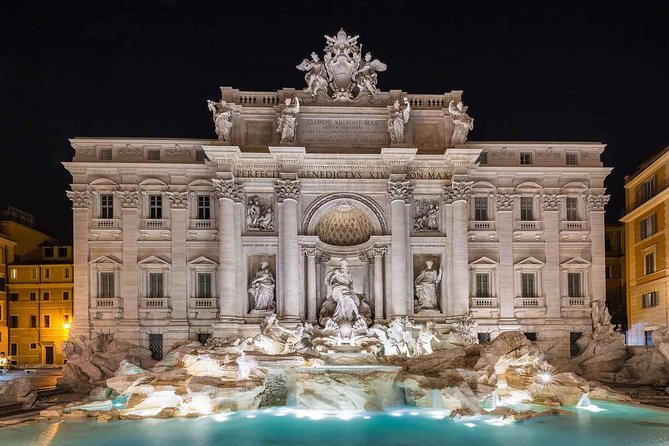
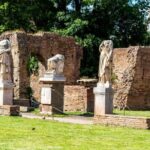
As the walk progresses, you’ll connect the dots between Rome’s political center and the dramatic remnants that survived. You’ll catch a glimpse from Capitoline Hill with views toward the Roman Forum—the ruins that still stand from the era of the Roman Empire.
This is the kind of stop that works best when you’re guided. From street level, the Forum can look like “old stone.” With the guide’s explanation, it starts to feel like a map—where power sat, where people moved, and why so much of it still matters even after centuries.
One note: your exact viewpoints can vary based on foot traffic and street access that night. But you can count on learning the story behind what you’re looking at, not just snapping pictures and moving on.

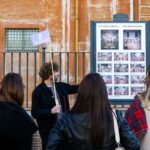
The Colosseum exterior at night: the best kind of photo stop
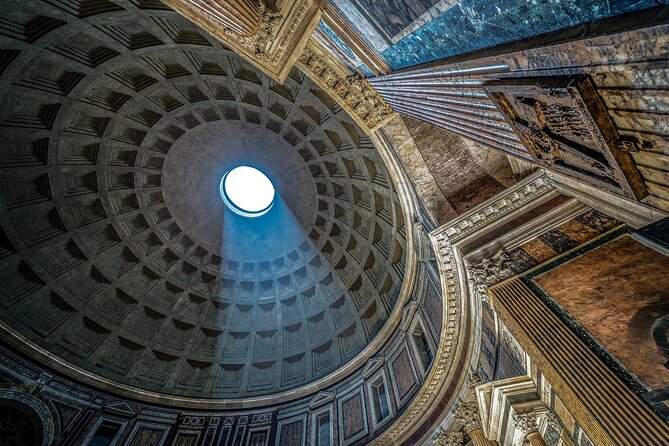
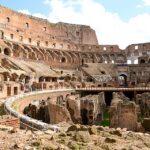
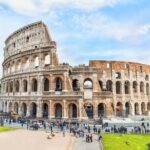
The evening’s late big moment is the Colosseum, seen from the outside. Even without going inside, it’s a powerful sight at night—because the walls look like they’re holding up the city’s memory.
Your guide shares smaller, sometimes lesser-known facts about the amphitheater and helps you understand what you’re looking at when you spot the shape, the scale, and the design choices. The goal isn’t to re-run a lecture. It’s to make your photos mean something when you get back to your hotel.
If seeing it lit up is a top priority, this is one of the best ways to do it in a first-time Rome trip. It also helps you avoid the all-day logistics of another itinerary type. You’re pairing major sights with the calmer evening hours.
Practical photo tip: plan on multiple angles, not one. The Colosseum photographs well from different distances, and your guide can point you toward spots where you’ll get a cleaner frame.
Piazza Navona to wrap the walk like a local
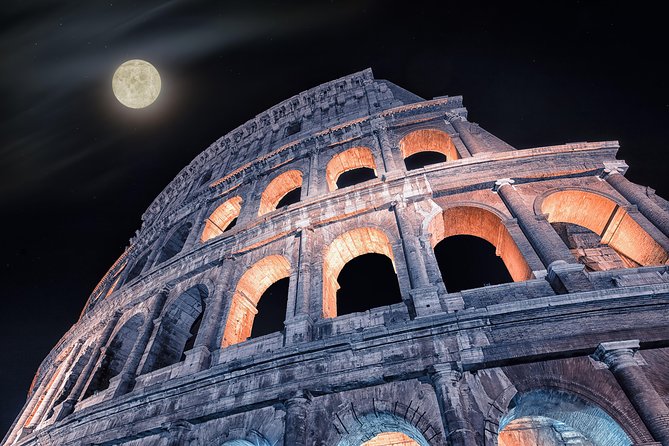
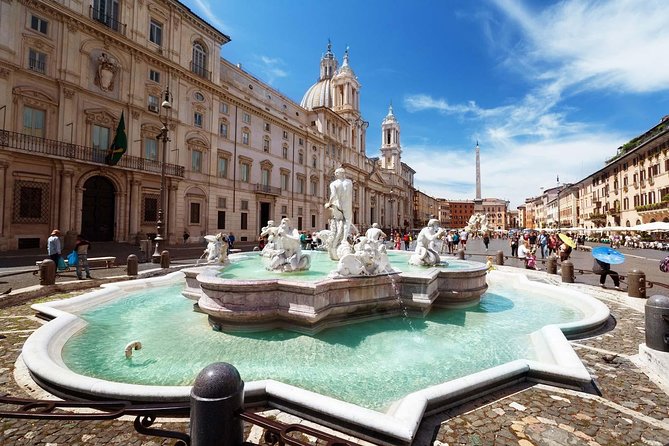
The tour’s final sightseeing stop is Piazza Navona, famous for its three fountains by Bernini and for the atmosphere around the square at night. The guide wraps things up with anecdotes tied to the fountains and the piazza’s character.
I like ending here because Piazza Navona feels social and alive even after dark. It’s a good place to regroup, check your bearings, and decide where you want to wander next—gelato stop, dinner, or a slower walk back through the streets.
Also, this end point helps you transition smoothly. You’re not finished in the middle of nowhere. You’re finished in one of Rome’s most pleasant public squares.
Pacing, comfort, and what to bring
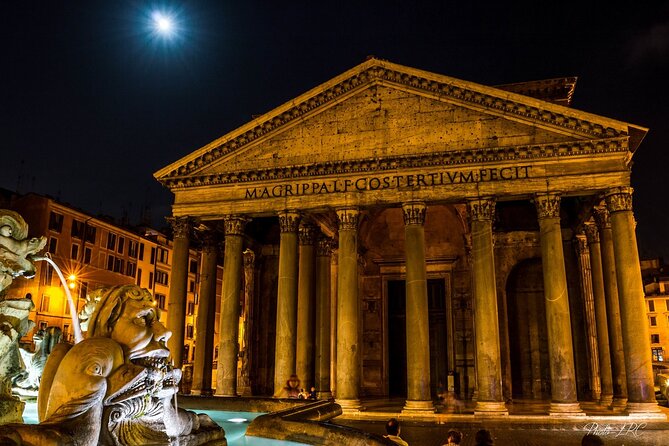
This is a walking tour, so comfort isn’t optional. The pace is generally relaxed, but you should still expect sustained walking across uneven sidewalks and lots of stairs or curb cuts in the Rome way.
My best advice: wear comfy shoes you trust. If it’s been raining, the stone can get slick. Bring a light rain layer even in seasons when the forecast looks friendly—one departure ended with heavy rain, and it didn’t stop the tour, but it did affect how long they could keep going.
If you’re sensitive to sound, keep your attention on the guide’s instructions about how to hear. Many departures use small audio headsets, and that makes a big difference when you’re surrounded by traffic and chatter.
Price and value: does $54.31 make sense?
At $54.31 per person for roughly 3 hours, this tour competes well as a value option because you’re paying for:
- a professional guide,
- small-group attention,
- and a route that hits multiple headline sights without adding separate ticket costs for entry.
The stops are mostly built around seeing major landmarks from outside and around public areas, so you avoid the “ticket costs stack up fast” problem. In other words, you’re paying mostly for interpretation and logistics—someone guiding your feet and your eyes.
For me, the strongest value angle is this: you get a coherent first-night orientation to Rome. That matters. It helps you spend the rest of your trip walking with more purpose instead of just following the largest crowd.
If you’re traveling with limited time, this is the kind of tour that can turn a first evening into a quick win.
Guide quality and hearing the stories
A lot of what makes this tour feel worth it comes down to the guide. The names you may hear in different departures include Catia, Irene, Reneta, Laura, and Valentina. People consistently highlight that the guides bring energy, help with photo spots, and share history tied to what you’re looking at, not just random facts.
Still, sound can be tricky at night in Rome—busy streets, echoes, and groups clustering. Some people have mentioned issues with audio clarity. Your best move is to pay attention early: use the headset if provided, stand where you can hear, and don’t hang back far from the guide if audio is important to you.
If you’re the type who hates missing details, this is exactly the tour where it pays to stay engaged and close.
Potential issues to plan around (so your night stays smooth)
This tour is well set up for many people, but you should know what can go sideways:
- Late arrival at the meeting point can mean you miss the start. Show up early.
- Shortened timing or not seeing every hoped-for moment can happen if the group pace changes or the night runs into problems like weather.
- Tour cancellations due to low participation can occur because there’s a minimum number of travelers required. In that case, you may be offered another option or receive a full refund.
The practical takeaway is simple: keep an eye on your messages after booking, and keep your phone reachable on the tour day so you don’t get stuck in a communication loop.
Who should book this Rome by Night walk?
I’d point you toward this tour if:
- You want a first-night orientation and a way to learn quickly without planning a bunch of separate entries.
- You like walking and photo stops but prefer doing it when it’s cooler.
- You’re traveling solo or with a friend and want small-group attention.
I’d think twice if:
- You hate walking and long evenings outdoors.
- You need a very predictable, stop-by-stop minute schedule no matter what.
- You’re highly dependent on being able to hear every word from far away—night streets can be loud.
Should you book it? My honest recommendation
If you’re planning a Rome trip and want one evening that makes the rest of your stay easier, book this. The blend of major landmarks, a guided story thread, and the night atmosphere hits a sweet spot—especially when daytime heat can drain your energy.
Just do two things to make it go smoothly: arrive early at Piazza del Colosseo and bring shoes for real walking. With those basics covered, you’ll leave with better photos, better context, and a clearer sense of where everything sits in Rome.
FAQ
How long is the Rome by Night walking tour?
The tour lasts about 3 hours.
What time does it start?
The start time is 6:00 pm (local time).
Where does the tour meet?
You meet at Piazza del Colosseo, 00184 Roma RM, Italy.
Is admission included for the stops?
Admission for the stops listed is free.
Is food or drinks included?
No. Food and drinks are not included.
What’s the group size?
The tour has a maximum of 15 travelers.
Is luggage storage available?
No. Luggage storage is not available.
If you’d like, tell me your travel dates and whether you’re mostly interested in history, photography, or just beating the heat, and I’ll help you decide if this is the best first-night move—or what to pair it with for the next day.