REVIEW · ROME
Rome: Cannondale E-Bike Tour of Top Landmarks & More
Book on GetYourGuide →Operated by TopTours · Bookable on GetYourGuide
Rome works better when you slow down on purpose. This Cannondale e-bike tour threads major landmarks with back-street surprises, while the safety-first pacing keeps you in control. I especially like the cared-for bikes and the way the guides give clear, stop-by-stop context, so you’re not just moving through Rome—you’re reading it as you go.
One thing to consider: it’s a 14 km ride in a 4-hour slot. If you expect lots of long museum-style time, you’ll need extra independent time for entrances and deep stops.
In This Review
- Key things that make this tour worth your time
- Why a 4-hour e-bike loop makes Rome click fast
- Cannondale e-bikes: comfort, hill help, and real practicality
- Where you meet near the Colosseum and how the ride starts
- Colosseum area and Imperial Forums viewpoints
- A realistic drawback in this zone
- Theatre of Marcellus and the rhythm of ancient street life
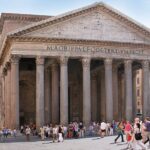
- Pantheon and Piazza Navona: Rome’s two “wow” shapes
- Trevi Fountain, Spanish Steps, and Piazza del Popolo without the exhaustion
- One consideration for these icons
- Jewish Ghetto and Portico di Ottavia: history you can feel in the streets
- Riding through back alleys to reach Villa Borghese gardens
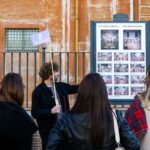
- Guide quality is the difference between seeing and understanding
- Value and price: what $100 buys you in real terms
- Families, kids, and mixed cycling comfort levels
- What can substitute if Rome events shut down your route
- Should you book this Rome e-bike tour?
- FAQ
- How long is the tour and how far do we ride?
- Where is the meeting point?
- Is a helmet provided, and do we have to wear one?
- Can children ride, and what are the age rules?
- What languages is the live guide available in?
- Is there free cancellation?
Key things that make this tour worth your time
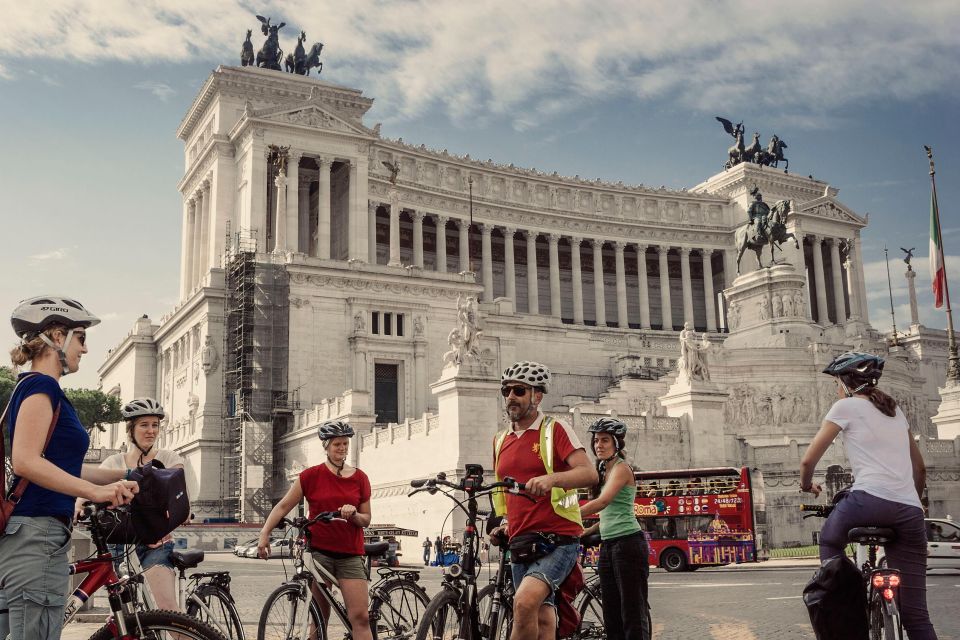
- Cannondale pedal-assist e-bikes: comfortable saddle, anti-puncture tires, and bikes checked after each use
- Small group (max 10): easier traffic navigation and better guide attention
- A smart mix of icons and quieter Rome: the tour jumps between big squares and calmer lanes
- Photo-friendly pacing: frequent stops to look, listen, and take pictures
- Villa Borghese gardens + scenic views: a romantic, calmer finish after the busy center
- Multiple languages (EN/ES/FR/IT/DE/NL): a real plus if your group needs the same language
Why a 4-hour e-bike loop makes Rome click fast
The biggest challenge in Rome isn’t seeing it. It’s figuring out what you’re looking at, and where to go next. This tour is built like a guided orientation: you cover a tight route, then you leave with a mental map of how the city pieces connect—ancient to medieval, monuments to neighborhoods.
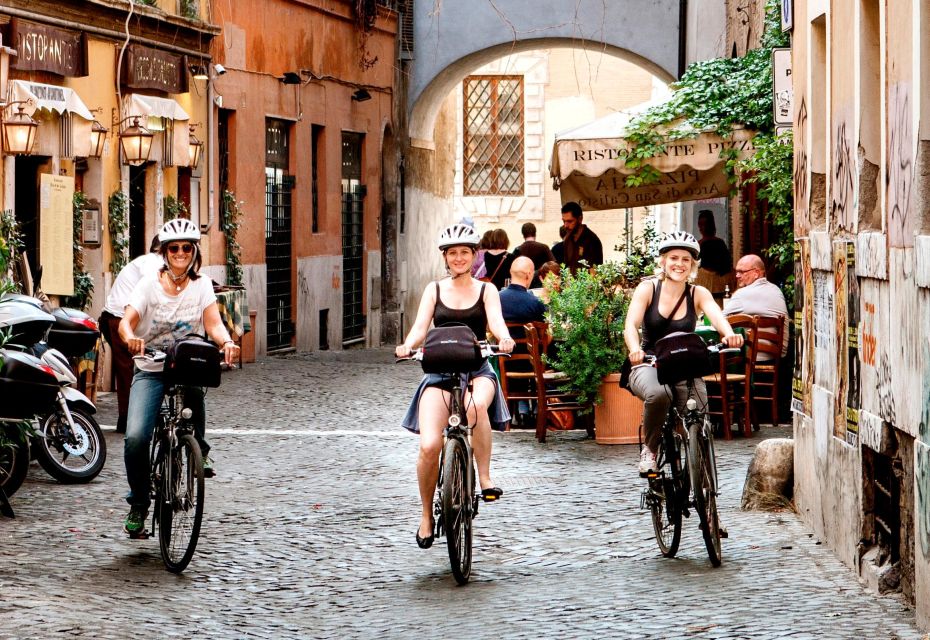
I like that you don’t just get Rome’s highlights in a checklist order. The route is designed to alternate between wide famous viewpoints and smaller, more intimate streets, so you keep getting those wow moments without feeling rushed.
Also, the group stays small. That matters here, because you’re riding through central Rome where lanes tighten and traffic moves fast. With a tight group, the guide can manage distances and keep the ride calm.
You can also read our reviews of more tours and experiences in Rome.


Cannondale e-bikes: comfort, hill help, and real practicality
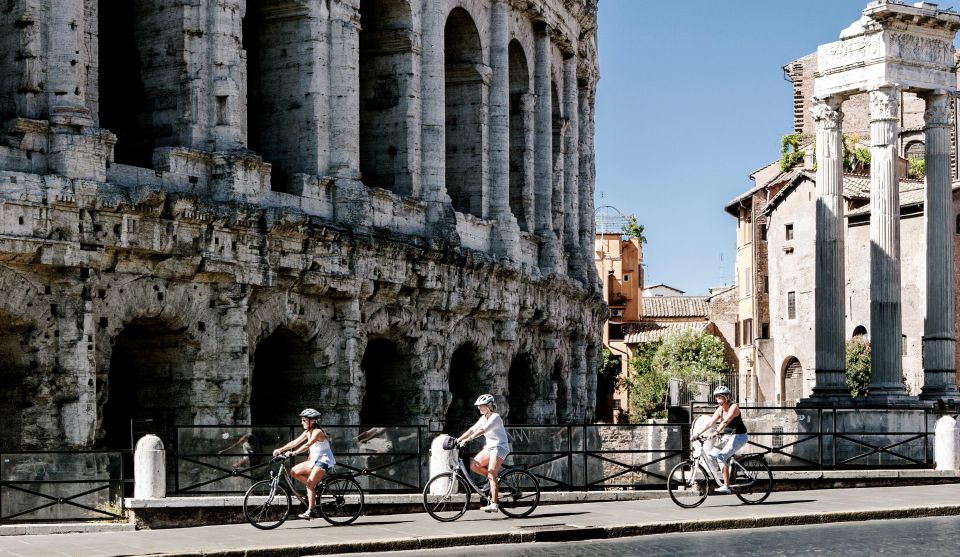
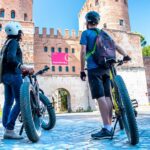
You’ll ride Cannondale e-bikes with anti-puncture tires and a comfortable saddle. That combination is more important than it sounds. Anti-puncture tires reduce the chance of delays, and a good saddle helps when you’re doing a steady 14 km in one session.
This is pedal-assist riding, not a twist-and-go scooter vibe. The assist is what makes hills feel manageable, and several guides are known for walking you through how to use the bike smoothly so you’re not fighting it.
A handlebar bag, helmet (mandatory), and bottled water are included. Those small items add up on a short tour: you’re not juggling gear in your hands, and you’re not hunting for water while everyone is paused for photos and explanations.
One more practical detail: the bikes have a 300 lbs (136 kg) equipment weight limitation. If that’s relevant for you, check it early so nothing surprises you on arrival.
Where you meet near the Colosseum and how the ride starts
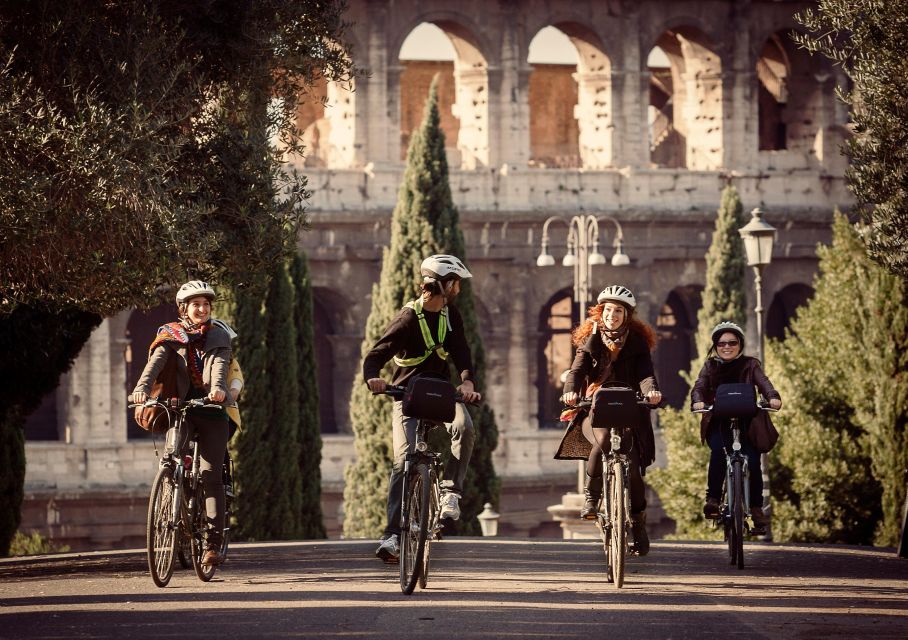
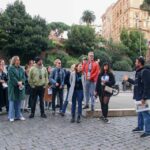
You meet at the shop on Via Labicana 49, a few minutes’ walk from the Colosseum. Starting near the Colosseum is convenient because it puts you right into the ancient core from the first minutes, and you can begin shaping your Rome plan before the rest of the day slips away.
After pickup, expect a quick bike setup and safety reminders. Helmets are provided for free and required for all participants. The tour is explicitly designed with safety in mind, with guides trained to lead in a way that keeps the group together.
What you’ll feel right away is confidence. One of the most common wins from these tours is how clearly the guides set expectations—directions, spacing, and what to watch for—especially if you’re nervous about riding in a city center.
Colosseum area and Imperial Forums viewpoints
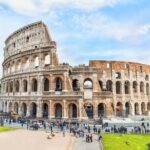
The tour’s heartbeat starts around the Colosseum. You’re not just passing by; you’re being guided toward the best angles, the ones that help you understand scale. When you see the Colosseum with the surrounding ancient lines in view, everything makes more sense for later walks.
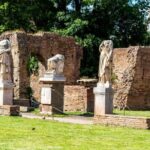
From there, the route connects to the Imperial Forums and Roman Forum area. A standout here is how the tour can give you a look from a better viewing perspective—up above and behind the Forum in a way that helps you understand the layout. That matters because the Forum can feel confusing from street level. A viewpoint that lets you look down changes the whole mental picture.
Then comes a contrast shift. You move from huge ancient massing to smaller, more detailed Roman storytelling. That mix is part of what makes the tour feel like more than sightseeing-by-bus.
A realistic drawback in this zone
These central stops are famous, which means crowd energy. The tour stays focused on riding, pausing briefly, and keeping the flow moving. If you want long, quiet contemplation at each monument, you may find yourself wishing for more time at just one or two spots.

Theatre of Marcellus and the rhythm of ancient street life
Next you’ll travel through areas where Rome’s scale shrinks into architecture you can actually read. The Theatre of Marcellus stop fits that perfectly. Instead of only chasing the biggest name, you start noticing how Romans designed entertainment and civic spaces into the city fabric.
What I like about this portion is that it reinforces what you saw earlier. The guide’s explanations help you connect the dots between ancient public life and the later city layers that came after.
If you’re the type who loves details—arches, street lines, how buildings sit against each other—this is where the ride becomes genuinely satisfying, not just a busy photo tour.
Pantheon and Piazza Navona: Rome’s two “wow” shapes
The Pantheon is one of those places where even a quick stop feels meaningful. From street level, the building’s proportions do most of the talking. The guide helps you look past the postcard angle and notice how the structure fits the city around it.
Then you’ll hit Piazza Navona, which sits on the footprint of the old Stadium of Domitian. The shape of the piazza is the clue. When you see it in context, it’s easier to feel how Rome reused and reshaped space across centuries.
This section is a great place to slow down for photos. You’ll usually have time to step in closer for pictures and take in how the square feels at street level—color, motion, and that layered sense of time.
Trevi Fountain, Spanish Steps, and Piazza del Popolo without the exhaustion
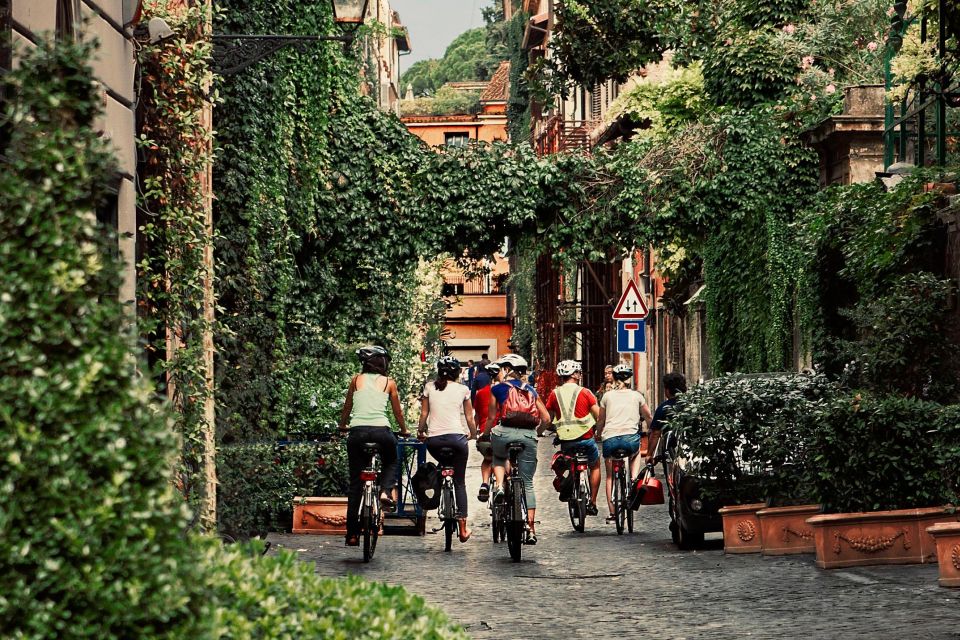
You’ll include Rome’s top “I have to see it” stops: Trevi Fountain and the Spanish Steps, plus Piazza del Popolo. These are big, iconic places, and the value of the e-bike format is that you can reach them efficiently without burning your legs before you even get to the main sites.
The best part for many first-timers is that you’re not stuck doing the same crowded loop by foot. With a ride-and-pause structure, you can hit multiple classics in one afternoon window, then still feel energetic for evening plans.
Also, the tour’s route planning helps you keep a sensible rhythm. You’re not spending the whole day waiting in the wrong place at the wrong time—you’re moving with the guide and the itinerary’s pacing.
One consideration for these icons
These areas are heavily visited. Your time for lingering is intentionally limited so everyone stays on schedule. If your goal is to spend an hour in one spot, you might want to treat this as the “first look,” then plan a longer return later.
Jewish Ghetto and Portico di Ottavia: history you can feel in the streets
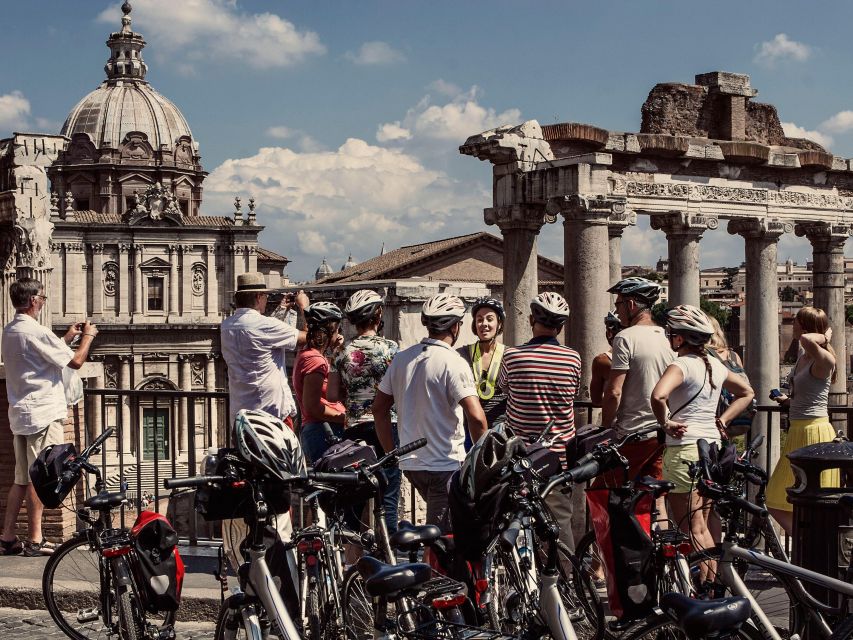
The Jewish Ghetto and Portico di Ottavia bring a different mood to the ride. Instead of only monument scale, you get a more human-scale Rome—street texture, building rhythm, and the sense of community life in the older urban core.
The Portico di Ottavia area is especially interesting because it ties the past to what you can still recognize today. With the guide’s stops timed well, you’re not just reading plaques. You’re seeing a real streetscape and learning how the city evolved around these spaces.
This is also a nice contrast after the busier “must-see” stops. You’ll feel that change in pace and attention immediately, which helps your brain absorb the day instead of just collecting images.
Riding through back alleys to reach Villa Borghese gardens
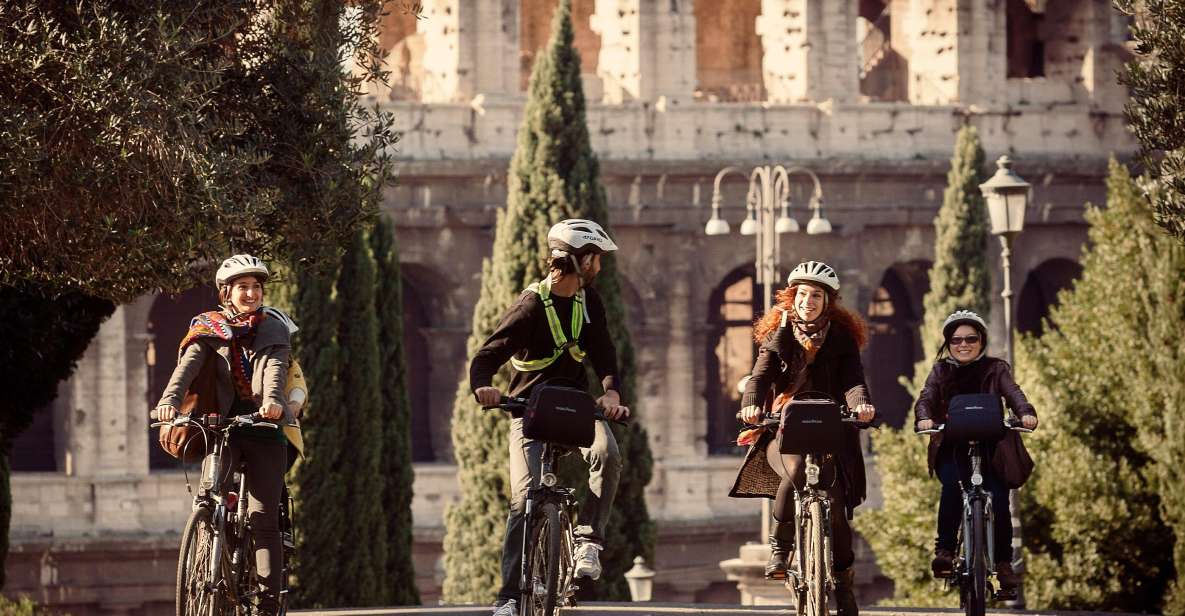
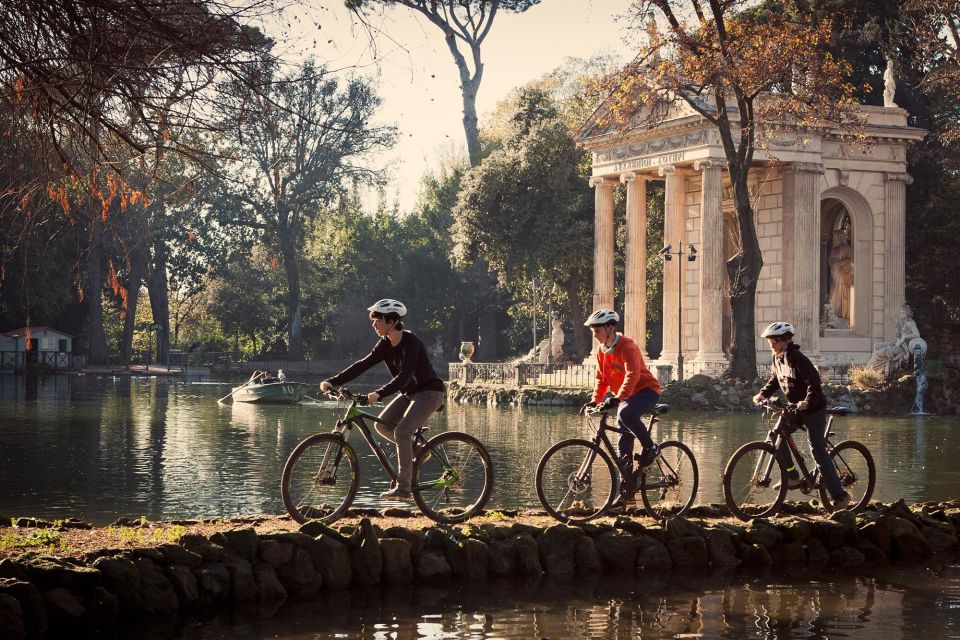
One of the strongest parts of this tour is the way it shifts from the center’s intensity toward calmer surroundings. The ride includes Park of Villa Borghese and a scenic view of Rome. You get an image of the city that feels different from the street-level rush—more open, more airy, and easier to take in.
Then you end up in a garden setting, which changes the whole tone of the experience. Instead of one more monument, you get something gentler: time to breathe, watch the city stretch out, and enjoy the walk-around feeling that gardens naturally create.
Several guides on this kind of tour are known for keeping the group relaxed during this final stretch. That matters because it’s where you’ll likely remember the ride as a whole, not just individual stops.
Guide quality is the difference between seeing and understanding
E-bike tours can be great for distance, but the best versions are great for meaning. Here, guide style is a major part of the value.
I’ve seen names like Carmen and Bita pop up as guides who keep the ride organized and explain what you’re seeing at each stop. Others like Sina are described as funny and informative, with an emphasis on adjusting pacing to what the group wants. For example, if you’re more into street scenes and less into rigid schedules, guides tend to steer you toward the best use of time.
There are also instances where a guide helped with minor bike issues quickly and kept the ride moving. That’s comforting, because you want your experience to feel smooth, not fragile.
Value and price: what $100 buys you in real terms
At about $100 per person for a 4-hour tour, you’re paying for more than a bike rental. You’re buying:
- a guided route through major landmarks and quieter streets
- a set distance you can trust (14 km)
- included safety gear (helmet)
- included essentials (water and a handlebar bag)
- maintained Cannondale e-bikes ready to ride
If you tried to DIY this route on your own e-bike, you’d still spend money on bike time and you’d need a lot more local navigation. If you did it by bus, you’d trade motion and flexibility for less “up close” moments.
The best value is when you’re in Rome for a short window and want to get oriented fast. This tour is very good at helping you plan your next day on foot.
Families, kids, and mixed cycling comfort levels
This tour is built to handle different ability levels. The difficulty is described as leisure, and it becomes intermediate for kids when child seating equipment is involved.
Here’s the kid setup from the tour rules:
- Babies 1–4 ride in a child seat and are free of charge
- Ages 5–8 ride with a child extension
- Ages 9+ can ride the e-bike if they meet the height requirement (over 140 cm / 55 inches)
If you’re traveling with teenagers, a bike tour often works better than you’d expect. You’ll still be moving, and they’re more likely to stay engaged than on a long walking day.
Also, the e-bike assist helps most people handle hills without feeling wrecked. Many families love that the ride keeps younger kids from tuning out, because there’s always another stop and another view.
What can substitute if Rome events shut down your route
Rome sometimes changes the rules in the city center due to official celebrations. When that happens, the provider may substitute one or more highlighted stops.
So your “must-see list” is best treated as a flexible guide. The goal remains the same: a safety-balanced mix of famous and lesser-known sights with the same ride length and pacing.
Should you book this Rome e-bike tour?
Book it if:
- You’re in Rome for the first time and want major landmarks plus quieter streets in one afternoon
- You want a ride that feels safe and structured without being stiff
- You’re not trying to do everything inside museums, and you’d rather see more of the city with expert context
- Your group includes mixed comfort levels with hills or walking distance
Skip it or consider another option if:
- You want long stays in each major site and a slow, wander-everywhere pace
- You’re extremely uneasy about riding in busy city streets, even with a safety-focused guide (though the tour is built for manageable, led cycling)
If you’re unsure where to start in Rome, this is a strong first move. It helps you get your bearings fast, then lets you return later for the details you care about most.
FAQ
How long is the tour and how far do we ride?
It lasts 4 hours and covers 14 km (8.5 miles).
Where is the meeting point?
You meet at the shop on Via Labicana 49, a few minutes’ walk from the Colosseum.
Is a helmet provided, and do we have to wear one?
Yes. Helmets are provided for free and are mandatory for all participants.
Can children ride, and what are the age rules?
Infants under 1 year can’t join. Ages 1–4 travel on a child seat and join free of charge; ages 5–8 use a child extension. Ages 9+ can ride a bike if they are taller than 140 cm / 55 inches.
What languages is the live guide available in?
The live guide is available in English, Spanish, French, Italian, German, and Dutch.
Is there free cancellation?
Yes. You can cancel up to 24 hours in advance for a full refund. The tour also offers a reserve now & pay later option.