REVIEW · ROME
Rome: Catacombs of St. Sebastian Entry Ticket & Guided Tour
Book on GetYourGuide →Operated by OPERA ROMANA PELLEGRINAGGI · Bookable on GetYourGuide
Rome goes underground fast. This guided tour takes you through the Catacombs of Saint Sebastian, where burial areas link centuries of faith and empire. I especially love how the guide turns tight corridors into a clear story—quarry to cemetery, reused galleries to saints’ tombs—and how the pace stays doable even underground. One heads-up: the experience is short and you can’t linger, plus the tunnels are narrow enough that claustrophobia is a real concern.
You’ll spend about 30 minutes on a guided walking route, and that time is used efficiently. From the third-century development of the martyrs’ catacomb to the Constantinian setting above, it’s a lot to pack into a little span—so go in ready to absorb, not to wander.
In This Review
- Key Things I’d Prioritize Here
- San Sebastiano Catacombs in 30 Minutes: What the Tour Feels Like
- Ticket Office First: Timing and Getting Through Start-of-Tour Confusion
- What You Actually Walk Through Underground: A Site Built on Reuse
- Quarry to Cemetery to Worship Site: The Main Historical Layers
- The second-century valley changes
- The triclia and graffiti prayers
- Constantine’s basilica influence
- The Martyrs’ Area: Sebastian and Eutichio
- Group Flow in Tight Corridors: Pace, Single File, and Listening Time
- Photos, Coats, and Comfort: What to Bring for the Rome Underground
- Price and Value: Is $16 for 30 Minutes Reasonable?
- Who Should Book This St. Sebastian Tour?
- Booking Advice: How to Get the Most From the Tour Time
- Should You Book This Catacombs of St. Sebastian Guided Tour?
Key Things I’d Prioritize Here
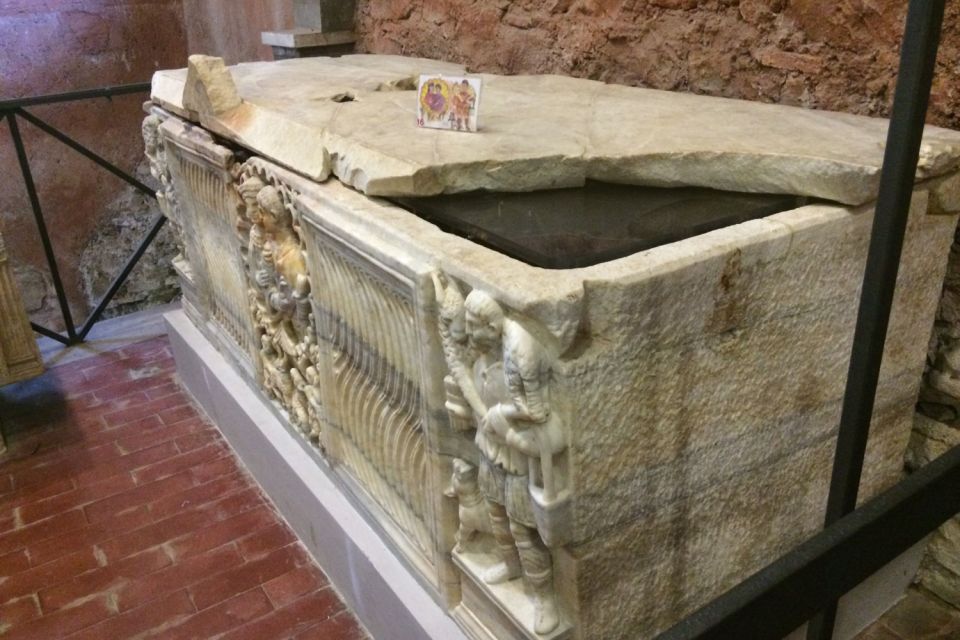
- Third-century catacombs with major burial links (Sebastian and Eutichio, plus a broader roll call of early Christians)
- A live guide who explains the site’s layers, from quarry origins to later reuse
- Underground walking route with tight passages, including moments where the group gathers
- A bonus historical stop in the Constantinian era setting (circiform basilica connection)
- Cold-down-into-the-ground reality—bring a jacket even if Rome is warm above
San Sebastiano Catacombs in 30 Minutes: What the Tour Feels Like
The Catacombs of Saint Sebastian are the kind of place where your brain goes quiet. Not spooky-ride quiet. More like: you can hear your own steps quiet. The route is built for movement through narrow underground galleries, so the tour doesn’t try to do everything at once—it aims to give you the right landmarks and the meaning behind them.
What you’re really buying with a guided ticket is direction. Without a guide, catacombs can blur together—so many corridors, so many burial niches, so many stone details that all look similar. With the right explanations, you start to recognize patterns: quarry marks and reuse, burial niches layered over time, and how the site became more than just a cemetery.
The time is short by design. Some people want more minutes, and honestly, it makes sense. Even so, you still come away with the feeling that you saw the core of the place: the underground burial world, plus the context that explains why this spot mattered.
You can also read our reviews of more tours and experiences in Rome.


Ticket Office First: Timing and Getting Through Start-of-Tour Confusion
This is one of those “simple on paper” experiences where timing makes a difference. You should go directly to the ticket office of the Catacomb and show your reservation at least 10 minutes before your scheduled tour time. There’s no hotel pickup, so plan your arrival using local transit or a short taxi ride and treat the catacombs like a timed appointment.
Also note the tour is held in live guided format in multiple languages (English, Italian, Spanish, French). That means you’ll want to match your language choice to your comfort level—if you care about details like who built what and when, a language you understand well will pay off quickly.
There’s a practical reason for arriving early: the tour starts with a group setup before you head into the underground route. You don’t want to be the person sprinting after everyone with a coat half-zipped.
What You Actually Walk Through Underground: A Site Built on Reuse
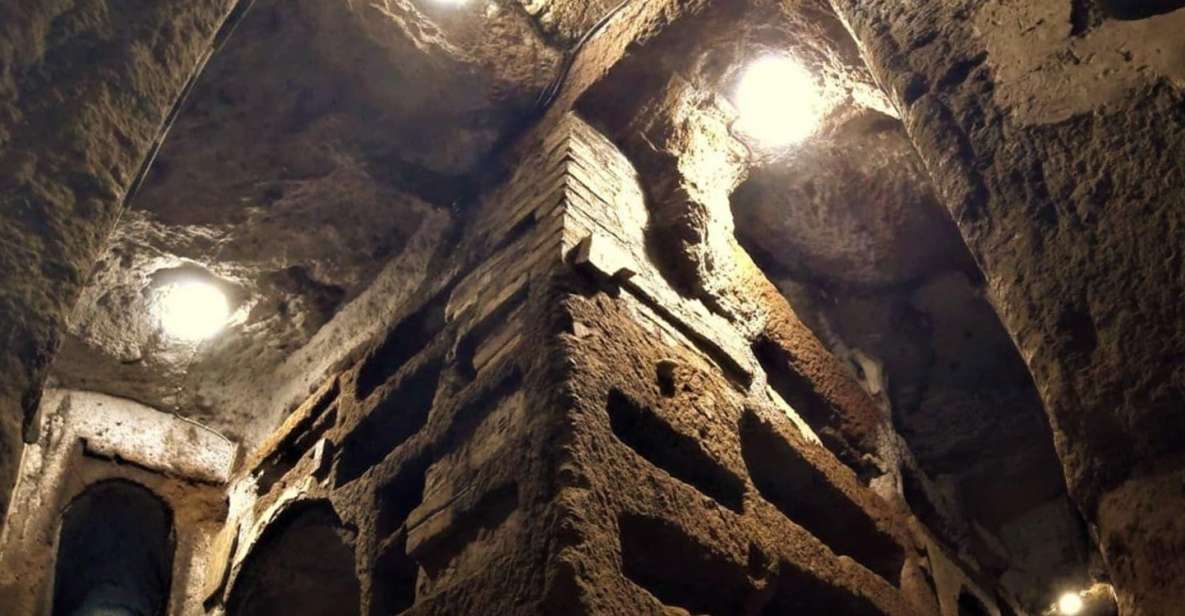
The catacombs weren’t invented as catacombs at first. The area where San Sebastiano is located was, in ancient times, a deep depression that was used as a pozzolana quarry. The name that stuck—ad catacumbas, meaning near the cavities—eventually became synonymous with underground cemetery life.
Here’s the key idea the guide helps you grasp: this wasn’t a one-and-done burial plan. It evolved. Over time, underground galleries were reused to create burial niches, while the surface grew into a more developed religious and residential zone.
As you move through the route, you’re seeing the end result of repeated building phases:
- Underground spaces repurposed for niches and burials
- Surface structures including burial-related buildings like columbaria
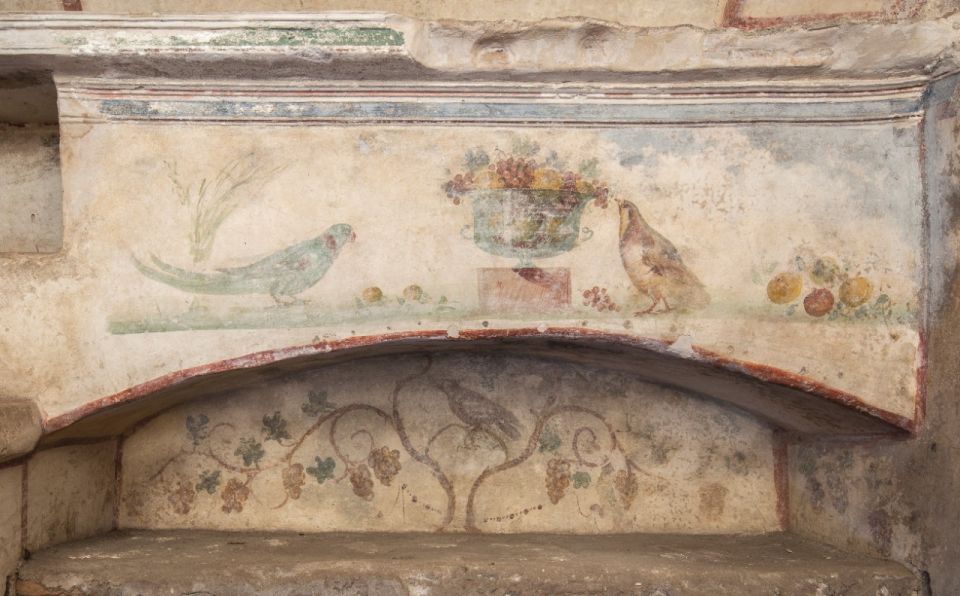
- Residential setups—often described as a small villa and a large villa—showing pictorial wall decorations
Even if you don’t catch every detail from every wall, you’ll start to feel the logic: the site became useful, then sacred, then both.
Quarry to Cemetery to Worship Site: The Main Historical Layers
The history here is unusually layered, and it’s not just academic. It changes what you notice as you walk.
The second-century valley changes
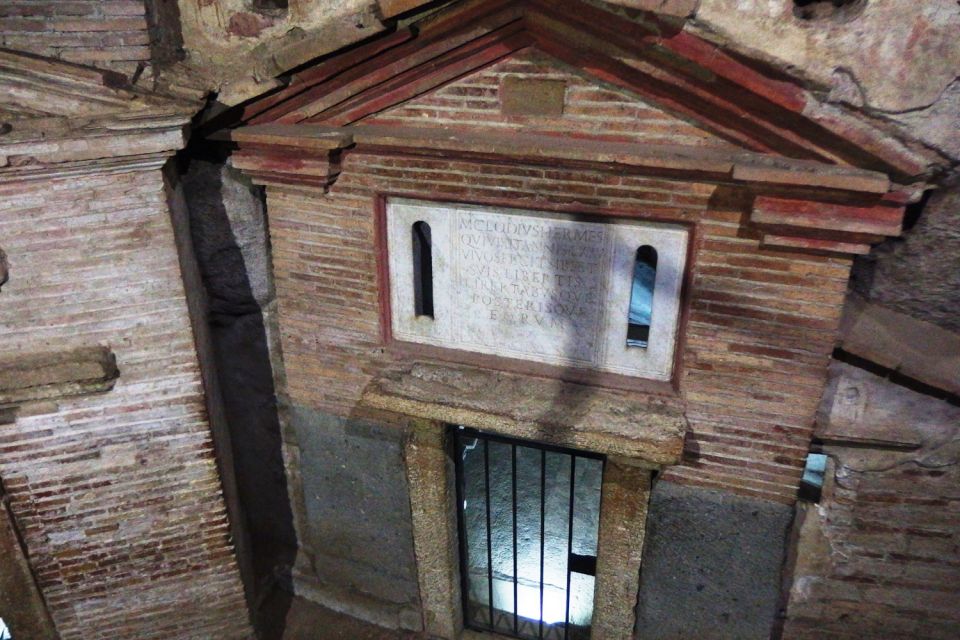
Around the middle of the second century, the bottom of the valley was buried to create a pitch. On one side, three mausoleums were built in succession, connected with names linked to early Roman life and later burial use: Clodius Hermes, the Innocentiores, and Ax.
This matters because it explains why you may see structures that feel like they belong to different “eras” in the same place. The catacombs are not one style or one moment—they are a timeline you walk through.



The triclia and graffiti prayers
Later, the burial of the area created room for the construction of the triclia, a portico bordered by a wall. That wall carried numerous graffiti invocations addressed to SS. Peter and Paul, venerated together here around 250.
That detail is quietly powerful. It’s not a formal inscription carved to last forever—it’s the kind of message someone left to hope for protection, help, or intercession. When you’re underground, even a small human voice like that feels close.
Constantine’s basilica influence
Then comes the later monumental layer: the emperor Constantine (306–337) had a basilica built in a circus-like shape referred to as circiforme. You don’t just see “old stones.” You’re seeing how the Roman state’s attention shifted burial sites into recognized worship spaces.
This tour’s short length can be a drawback if you want maximum historical narration. But as a first-time introduction, it does a good job giving you the backbone: quarry → cemetery → structured sacred presence.
The Martyrs’ Area: Sebastian and Eutichio
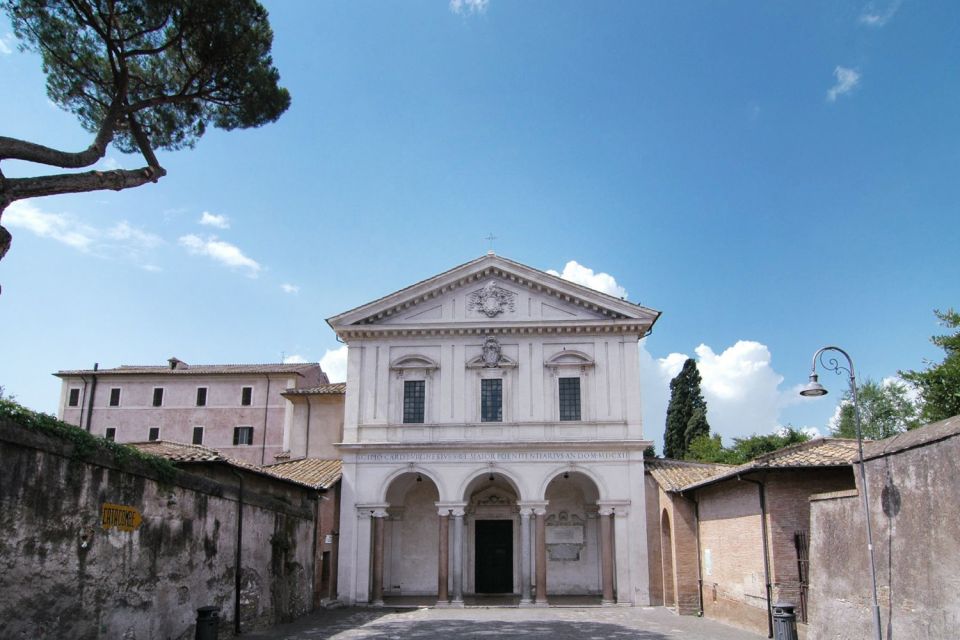
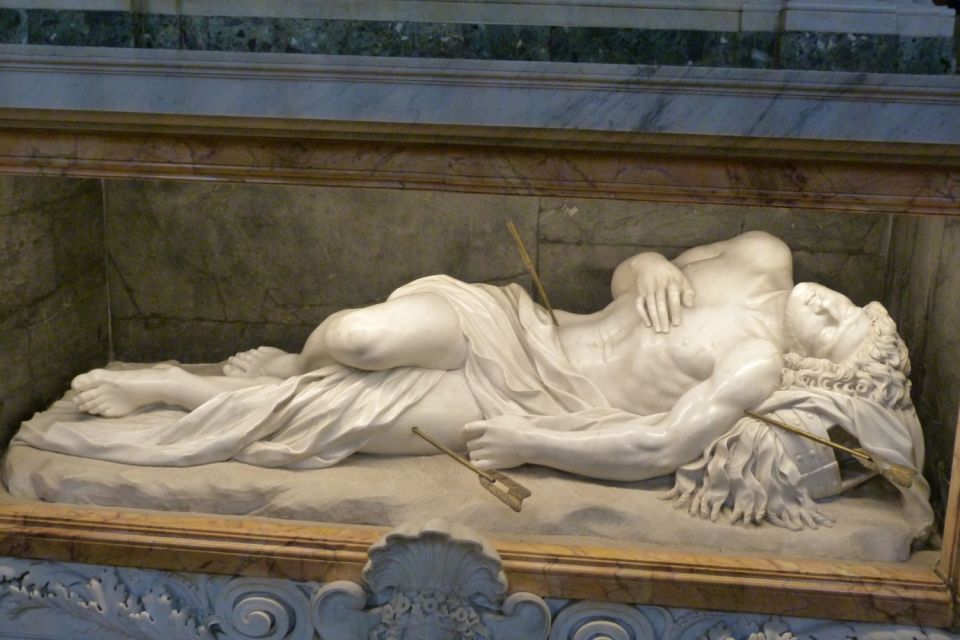
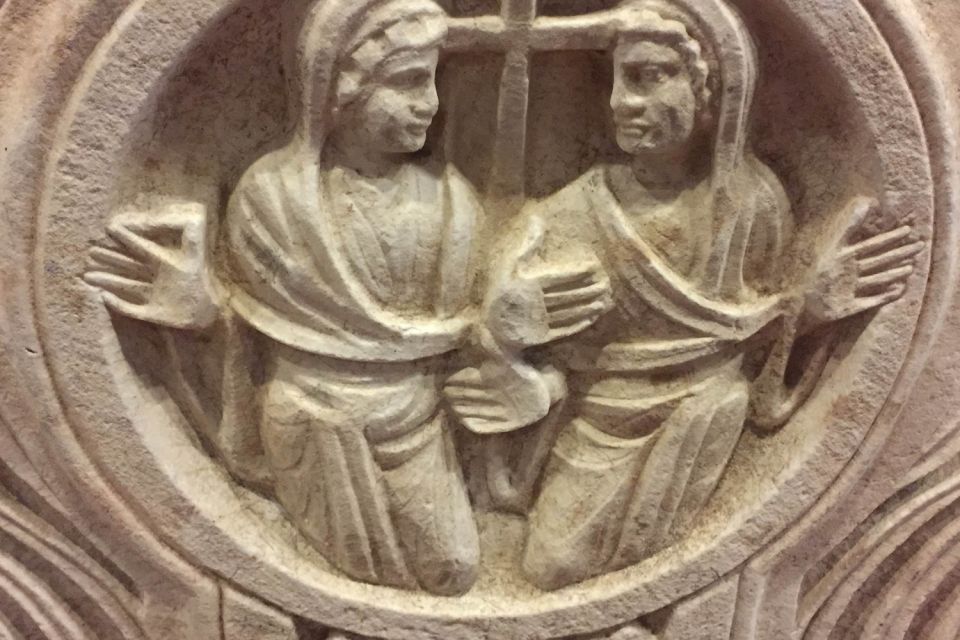
The catacomb itself that housed the tombs of the martyrs Sebastian and Eutichio began to develop in the third century. That’s the heart of why many people come: it’s the location tied directly to the story of Saint Sebastian, with an adjacent martyr tradition that reinforces how early Christians used these underground spaces.
Even in 30 minutes, you should come away with two takeaways:
- These were working burial places, not just museum “props.”
- The meaning of the space grew over time as Christianity moved from survival to public recognition.
This is also where the experience tends to feel most moving. Several guides’ descriptions (and the overall tone of the tour) aim at explaining not just facts, but why these burials mattered to the people who left prayers, built niches, and returned to remember.
Group Flow in Tight Corridors: Pace, Single File, and Listening Time
Underground architecture doesn’t make it easy to “wander.” The route is built for safe passage, which means you’ll likely experience the classic catacomb rhythm:
- Move forward in narrow sections
- Stop when the guide wants the whole group to hear a point clearly
- Continue through corridors that feel like stone hallways
One practical thing I appreciated in the way this tour is run is that you’re not left waiting forever. The narration is structured around the physical constraints. Still, because it’s a short visit, you do end up moving quickly through the areas that feel the most emotional—so if you want to stand and stare for a long time, accept that this is a guided sprint rather than a slow contemplation.
Also, because the tour is in a chosen language, the guide may pace explanations to keep everyone together. When you’re in a single-file flow, that consistency matters.
Photos, Coats, and Comfort: What to Bring for the Rome Underground
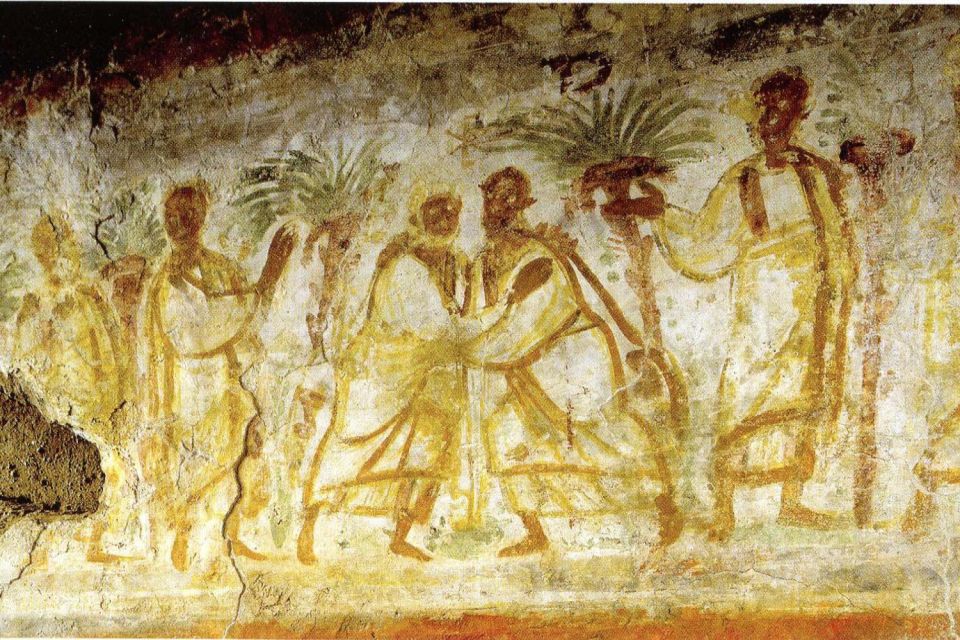
You should treat the catacombs like a cool-weather environment—even in summer. Bring comfortable shoes because the walk is on uneven underground surfaces. Bring a jacket and expect warm clothing, since it can feel colder further down.
Photography rules are strict: photography inside the catacombs is not allowed. One review also noted that cameras may be allowed in the basilica area, but the catacombs themselves are off-limits. Plan for it: leave your tripod fantasies at home and focus on memory.
Other real-world limits:
- No baby carriages
- Not suitable for mobility impairments
- Not suitable for claustrophobia
If any of those apply to you, this is the part where you’d want to adjust expectations. Underground spaces are narrow by nature, and even a friendly guide can’t change that physical reality.
Price and Value: Is $16 for 30 Minutes Reasonable?
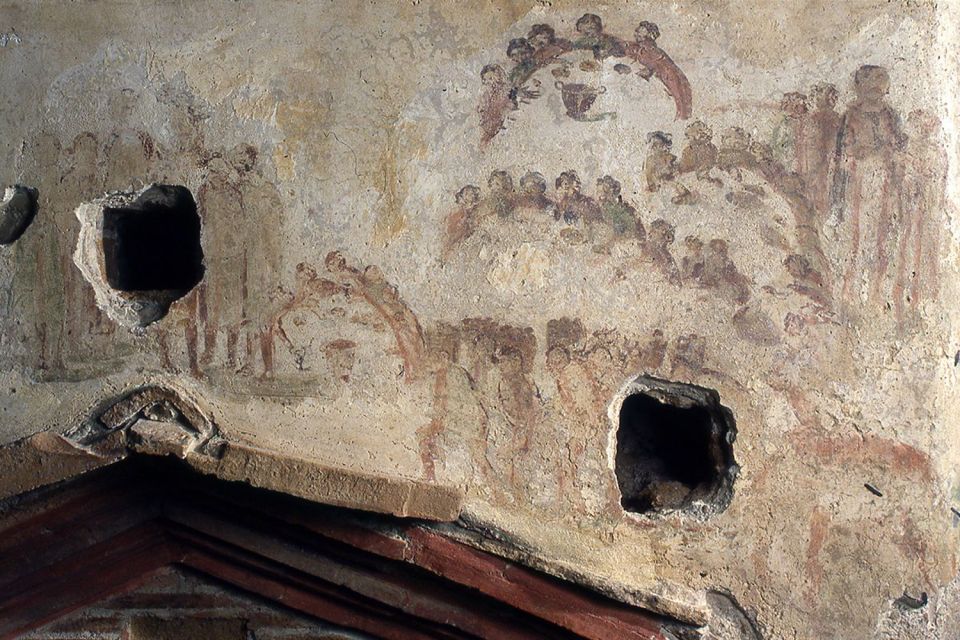
At about $16 per person for a 30-minute guided tour, the value comes from three things.
First, you’re paying for a guide who can interpret what you’re seeing—quarry origins, reused galleries, named mausoleum references, and the triclia graffiti link to Peter and Paul. Catacombs can be confusing without context, so the guide is part of the “ticket experience,” not an add-on.
Second, you’re paying for access at a scheduled time without needing to organize everything yourself. You do need to show up on time and use the ticket office meeting point, but once you’re in, the tour structure carries you.
Third, you’re paying for an experience that’s different from the typical Rome highlights. Even if you’re already doing churches and ruins, this one gets you out of bright streets and into underground burial space—especially welcome on a hot day, when you might prefer shade and cooler air.
Is it worth it if you want a long visit? Maybe not. Some people wish it ran longer. But as a focused introduction, it’s priced like a “main event” rather than a slow half-day excursion.
Who Should Book This St. Sebastian Tour?
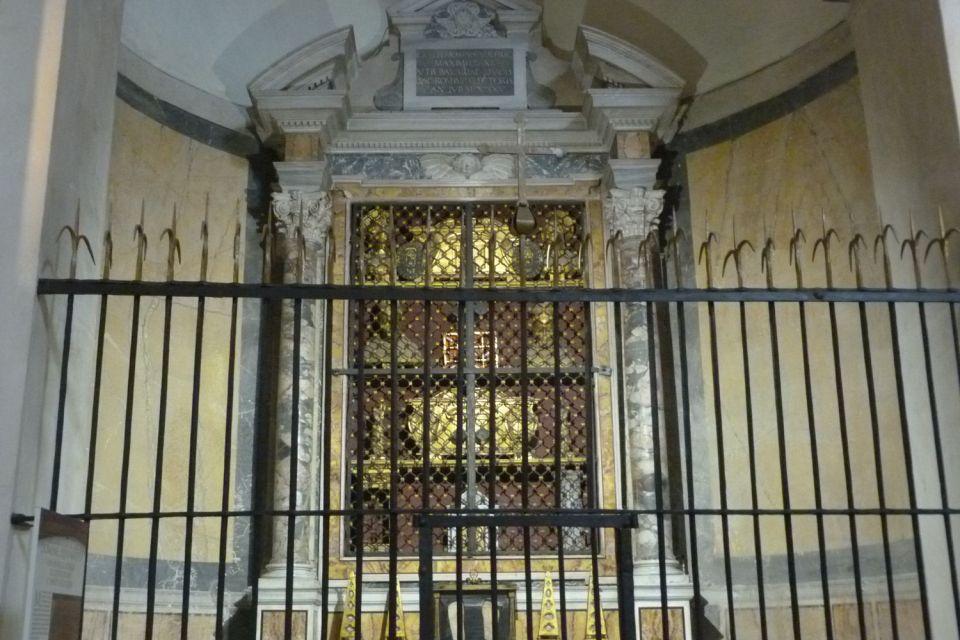
This is a strong choice if you:
- Want a guided intro to early Christian burial sites in Rome
- Like historical stories that explain how spaces change over centuries
- Prefer a manageable time commitment (about 30 minutes)
- Want a Rome activity that’s not all standing in the sun
You might skip it if you:
- Need wide, accessible routes (mobility impairments aren’t a good match here)
- Get uncomfortable in narrow spaces (claustrophobia is a direct mismatch)
- Want lots of free roaming time without stops
If you’re visiting with kids, also consider that baby carriages aren’t allowed, which may affect your comfort level.
Booking Advice: How to Get the Most From the Tour Time
This is the practical part where you can tilt the odds in your favor.
- Arrive 10 minutes early and don’t cut it close.
- Choose a language you’ll understand easily—this tour’s value is in the details.
- Wear good walking shoes and bring layers.
- Accept the pace. It’s short, and the guide uses that shortness to keep you oriented.
From the guide styles described in different languages and groups, one consistent theme shows up: the explanations are meant to be clear and paced so you can ask questions when possible. If you’re the type who likes to understand what you’re standing in, come with curiosity.
Should You Book This Catacombs of St. Sebastian Guided Tour?
If you want a concentrated, well-run look at Rome underground burial culture, I’d book it. For around $16 and a 30-minute guided walk, you get the key historical layers: quarry origins, evolving burial use, the triclia graffiti connection, and the broader Constantinian sacred setting tied to the area. It’s also easier to handle than a longer underground commitment.
Skip it if underground crowds and narrow tunnels would make you miserable, or if you truly need an accessible route. Otherwise, show up early, dress for cool air, and let the guide do the heavy lifting of turning stone into story.